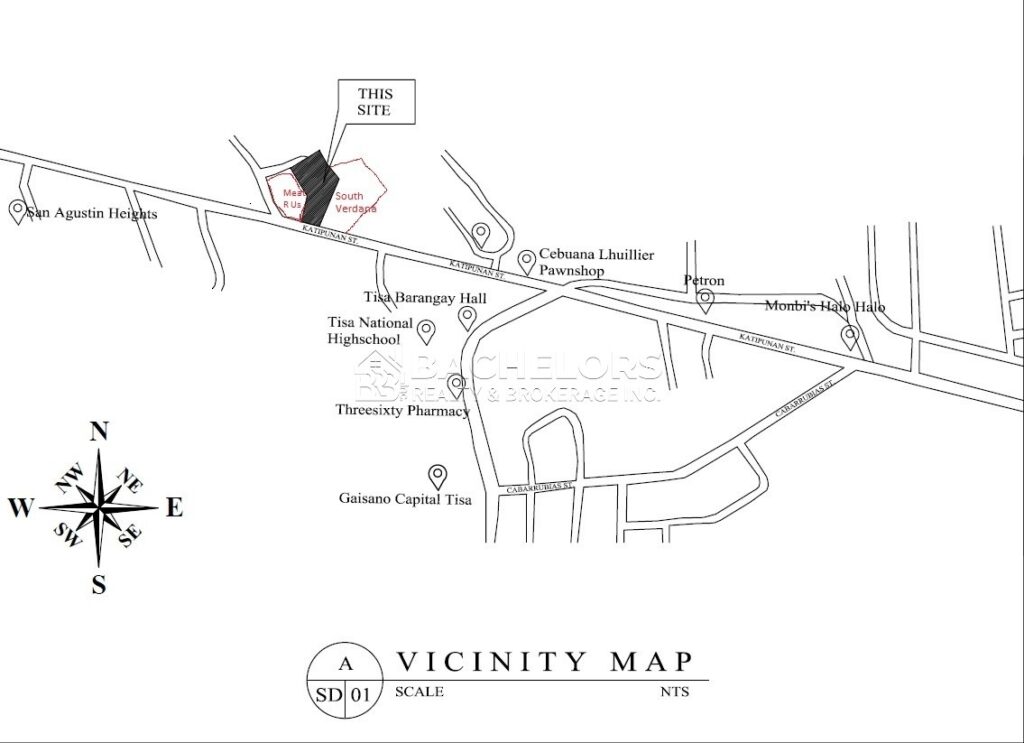
A Premium Single Detached House in Tisa, Labangon – Near Gaisano Capital, CIT-U, and Lourdes Parish
Are you searching for a house and lot for sale in Cebu City that offers the perfect balance of urban accessibility and peaceful suburban living? Your search ends at Amari Residences – Odetta, an exclusive, low-density pocket subdivision tucked along Katipunan Street, Tisa.
Unlike crowded townhouse communities, this 2-storey single detached house for sale in Cebu provides the structural privacy and expansive outdoor space that growing families truly need—all within a secure, gated sanctuary.
Why Tisa, Cebu City is the Smartest Location for Your Investment
When buying real estate, location is the only thing that never depreciates. Amari Residences Tisa sits in the heart of Barangay Labangon, placing you at the center of Cebu’s most vital lifestyle and educational hubs:
Shopping & Daily Essentials: Just a few minutes’ walk to Gaisano Capital Tisa and the Tisa Public Market—grocery runs and fresh produce are effortlessly convenient.
Top-Tier Education: Only a 4-minute drive to the Cebu Institute of Technology – University (CIT-U), and a short commute to other premier schools in the metro. Perfect for families with school-age children.
Worship & Community: Located just 3 minutes away from the Archdiocesan Shrine of Our Lady of Lourdes (Lourdes Parish), a beloved spiritual landmark for Cebuanos.
Business & Employment: Whether you work in the downtown district or need a house and lot near Cebu IT Park, this prime location ensures you are always connected to the city’s economic pulse.
The Odetta Model: 213 SQM of Pure Luxury and Functionality
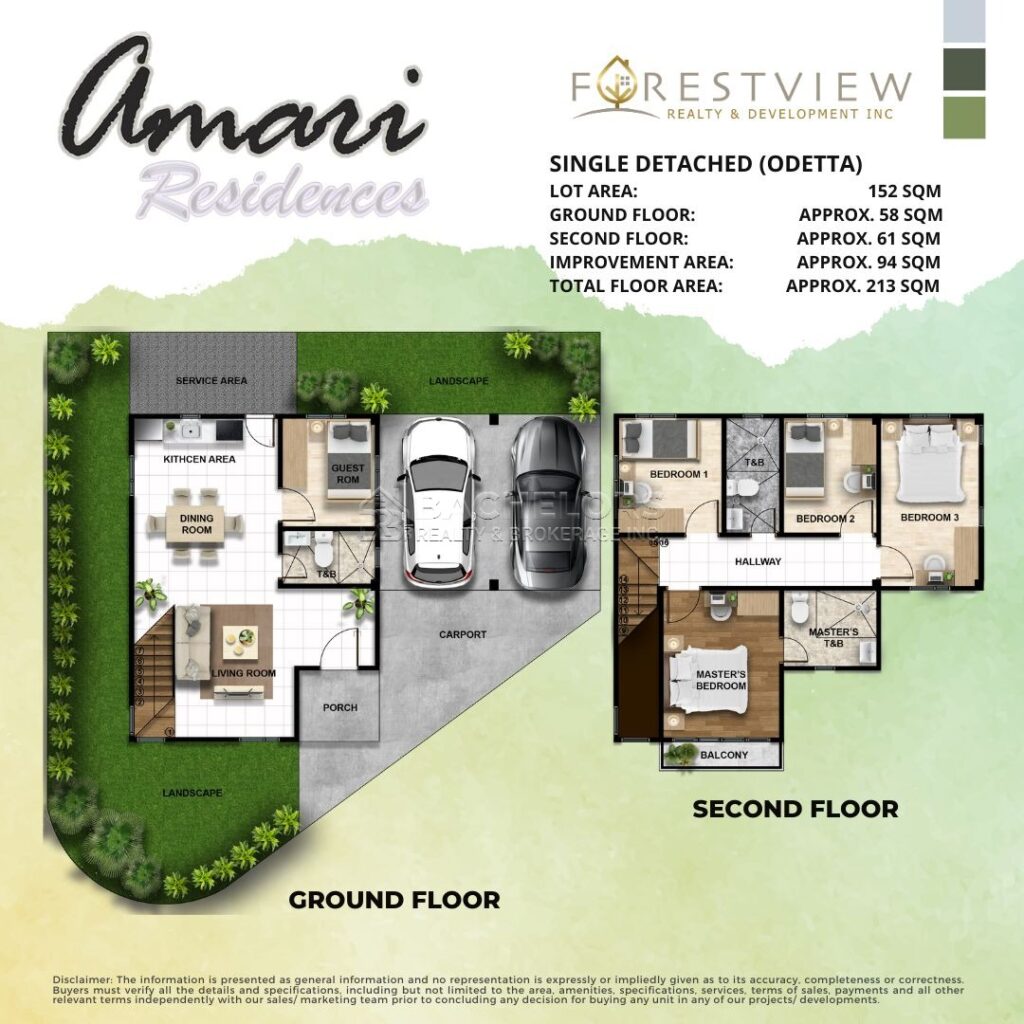
The Odetta is not just a house; it is a legacy home designed for multi-generational living and grand entertaining. Built on a generous 152 sqm lot with a sprawling 213 sqm floor area, this is one of the largest single detached offerings in the Tisa area.
Key Features of this 4-Bedroom House for Sale:
4 Spacious Bedrooms + Dedicated Guest Room: Ample space for family members, visitors, or a home office setup.
3 Well-Appointed Toilet & Baths: Designed with modern fixtures to handle busy morning routines with ease.
Master’s Bedroom Suite: Features its own private T&B and a relaxing balcony—your personal retreat after a long day.
Grand Living, Dining, and Kitchen Area: An open-plan layout designed for seamless family bonding and hosting dinner parties.
Service Area & Carport: Dedicated spaces for laundry, chores, and secure covered parking.
Porch & Landscaped Garden: A warm welcome for guests and a safe, green space for children and pets to play.
24/7 Security & Exclusive Amenities
At Amari Residences, your peace of mind is non-negotiable. This is a high-end subdivision in Cebu built for families who value exclusivity and safety.
Gated Entrance with Guardhouse – Controlled access ensures only residents and authorized guests enter.
24/7 Security Patrol – Round-the-clock monitoring to keep your family and assets safe.
Low-Density Community – With only a limited number of lots, you avoid the traffic and noise typical of overcrowded subdivisions.
Flexible Bank Financing – Make This Pre-Selling House Yours Today
This property comes with a valid License to Sell (LTS) #: 838 and a guaranteed 2-year turnover date, making it a secure and sound investment.
Total Contract Price: ₱22,005,500.00
Affordable Downpayment & Financing Options:
Reservation Fee: Only ₱50,000 (Fully deductible to your Down Payment/Equity).
Down Payment / Equity: ₱3,951,000.00
Option 1: Payable at just ₱109,750/month for 36 months—the most affordable way to secure this high-end asset.
Loanable Amount (Bank Financing): ₱18,004,500.00
Estimated Monthly Amortizations (via your preferred bank):
20 Years: ₱128,989.83/month
15 Years: ₱151,932.20/month
10 Years: ₱199,886.86/month
5 Years: ₱348,077.43/month
Don’t Wait – The Best Homes in Tisa Are Selling Fast!
This is a rare opportunity to own a preselling single detached house in Cebu with a massive floor area, prime location near CIT-U and Gaisano Tisa, and flexible bank financing terms. Whether you are upgrading for your growing family or making a long-term investment in Cebu real estate, the Amari Residences Odetta checks every box.
Schedule your site viewing today at Katipunan St., Tisa, Cebu City.
📞 Inquire Now to reserve your slot – Exclusive units available for a limited time only!
Author John Paul Ybañez Paquibot Licensed Real Estate Broker | PRC No. 00014132 | DHSUD No. CVRFO-B-03/18-2672 Bachelors Realty and Brokerage, Inc. Cebu G/F Cap Building, Brgy. Corner, Osmeña Blvd. Arlington Pond St. Extension, Cebu City, 6000 Cebu
Let me be brutally honest with you right from the start: asking a Cebuano “where is the best lechon?” is like asking a Filipino mom which child is her favorite. You will get a completely different, highly passionate, borderline-aggressive answer from every single person you ask.
I’ve eaten my way through more lechon than I care to admit—shatteringly crisp skin crackling between my teeth, meat so tender it practically melts, and herbs mingling in ways that make you close your eyes in pure bliss. This isn’t a listicle written from a distant hotel room. Every recommendation here comes from actual queues, actual grease-stained fingers, and real conversations with locals who take their roast pig very, very seriously.
Here is your honest, definitive guide to finding the best lechon in Cebu.
The Golden Rule: Never Ask for Sauce
Before we get to the map, let’s establish the most important cultural rule.
Authentic Cebu lechon is never, ever served with sauce. Not gravy, not liver paste, not a sweet brown glaze. Doing so is practically a minor sin here. The entire philosophy of Cebu lechon is that the flavor must come from the inside out.
Cebuanos stuff their pigs to the brim with an aromatic blend of lemongrass (tanglad), native garlic, spring onions, black peppercorns, and sea salt. This stuffing infuses the meat as it roasts over open charcoal for hours. If you see a vendor offering a dipping sauce, walk away—they are catering to tourists, not tradition. The only acceptable accompaniment is a small saucer of local cane vinegar with crushed garlic, used sparingly to cut through the richness.
The City Giants (With Realistic Prices)
1. Rico’s Lechon (The Crowd-Pleasing Spicy King)
Rico’s is a massive institution, roasting thousands of pigs a month. They are universally credited with pioneering the Spicy Lechon variant that took the country by storm.
The Vibe: Modern, commercialized, and highly efficient. Great for group orders.
The Real Price: Around ₱550–₱650 per kilo at their main takeout counters. (If you dine-in at their mall branches, expect it to creep up to ₱700+).
The Honest Take: This is your safest bet for a first-timer or a party. The regular version is garlicky, but the spicy version is the real star—a slow, genuine heat that doesn’t mask the pork’s flavor. Timing tip: Their freshest batches roll out at 10:00 AM and 4:30 PM. Go then, or risk getting skin that has softened under the heat lamps.
Where: Main branches in Talamban, Mandaue, and Ayala Malls Central Bloc.
2. CnT Lechon (The Nostalgic, Salty Heavyweight)
CnT doesn’t care about flashy branding. It is an old-school, no-frills powerhouse that has been feeding Cebuano families for decades.
The Vibe: Loud, chaotic, and fiercely local. You will wait in line.
The Real Price: ₱600–₱750 per kilo.
The Honest Take: This is classic, traditional Cebu lechon. It leans hard into the salty, fatty, savory side. The skin here is famously thick and stays crunchy longer than most. But the golden rule for CnT is timing is ruthless: you must go before 11:30 AM. If you arrive after 1:00 PM, you will be left with dry, picked-over scraps that are not worth your money.
Where: V. Rama Avenue and the branch across from SM City Cebu.
3. House of Lechon (The Upscale Carcar Experience)
House of Lechon brought the distinct flavor of Carcar (a city in southern Cebu) right into the metro. They specialize in drizzling the chopped meat with a rich, savory broth made from the pig’s own roasting drippings.
The Vibe: Stylish, air-conditioned, and excellent for a sit-down family dinner.
The Real Price: ₱750–₱850 per kilo (you are paying for the air-conditioning and plating here).
The Honest Take: Purists will argue that adding the roast broth takes away from the traditional “dry” Cebu style, but the result is undeniably delicious and incredibly moist. It is a fantastic place to bring travelers who want comfort food with a side of nice ambiance. Don’t skip their sizzling sisig while you are there.
Where: Acacia Street, near Archbishop Reyes Avenue.
4. Zubuchon (The Overrated Outlier)
Famously dubbed by the late Anthony Bourdain as “the best pig ever” years ago, Zubuchon occupies a weird, controversial space in Cebu. They use organic pigs, spray the skin with coconut water, and avoid MSG.
The Vibe: Clean, corporate, and tourist-friendly.
The Real Price: ₱750–₱900 per kilo.
The Honest Take: Let’s cut the BS—most locals will tell you Zubuchon is overrated. Because they avoid heavy salting and MSG, their flavor profile is much more herb-forward and mild. It doesn’t give you that aggressive, savory punch of a traditional roadside lechon. It is good roast pork, but it feels more like a gourmet dinner than a true Cebuano market experience. That said, their branch at Mactan International Airport makes it a lifesaver for last-minute pasalubong (take-home gifts).
Where: Capitol Site (main branch), SM City Cebu, and Mactan International Airport.
The Holy Grail: Carcar Public Market (Go Here)
If you want the absolute pinnacle of the lechon experience, you need to leave the city center. Get in a car or hop on a bus and head one hour south (not two, unless you hit terrible Saturday traffic) to Carcar City.
The public market there features a dedicated lechon section that is pure sensory overload. Row after row of local vendors display whole gleaming pigs, cleavers swinging wildly as they shout out prices and shove free samples of crispy skin into your hands to win your business.
The Vibe: Unapologetically chaotic, hot, sweaty, and joyous.
The Real Price: Significantly cheaper than the city—usually ₱500–₱600 per kilo.
The Honest Take: This is the most authentic food experience in Cebu. Here is the local secret: Carcar vendors pool the natural juices that catch inside the pig’s cavity during roasting and ladle it right back over the meat when they chop it. It is incredibly rich, intensely savory, and unashamedly greasy. Buy a kilo, buy fresh puso (hanging rice wrapped in woven coconut leaves) from a neighboring stall, and eat with your hands right there on the market benches.
Budget & Backup Spots (For When You Don’t Want the Hype)
If the big four are too expensive or too crowded, here is where the actual locals go to save money:
Ayer’s Lechon: Budget-friendly at ₱350–₱450 per kilo. They stuff their pigs with rice wine and star anise instead of lemongrass, giving it a distinct, almost sweet aroma. They have over nine branches across Cebu—it’s the reliable workhorse of the city.
Cebu’s Original Lechon Belly: Located in Parkmall Mandaue. This is for when you want the best part of the pig (the belly) completely boneless, rolled up, and roasted to perfection. No bones, all crackling skin and fatty meat. Around ₱600 per roll.
How to Order Like a Local (And Not Get Ripped Off)
No matter which spot you choose, keep these rules in mind so you always get the prime cuts:
Look at the Skin: It should be bright golden-brown or deep amber, taut, and dry. If it looks wrinkly, soft, or soggy, the pig has been sitting out for hours. Walk away.
Check the Meat: Real, freshly sliced lechon should have a glistening, moist, slightly pinkish-white hue. If it looks grey or fibrous, it is leftover from yesterday.
Ask for the Ribs (Crucial!): When you buy by the kilo, vendors will typically try to give you the heavy, fatty belly to maximize their profit. Explicitly tell them: “Pakapin ang gusok” (include the ribs). The meat closest to the rib cage absorbs the maximum amount of flavor from the lemongrass and garlic stuffing. It is the most flavorful part of the entire pig.
The Golden Window: The absolute peak window for lechon is between 11:00 AM and 1:00 PM. This is when the morning batches fresh from the backyard roasting pits arrive at the stalls. Anything after 3:00 PM is a gamble.
The Verdict
Here is the ultimate truth: there is no single “best” lechon in Cebu.
There is the rich, juice-ladled lechon you eat at the chaotic Carcar market after a road trip. There is the spicy, crowd-pleasing lechon you order from Rico’s for a promotion party. And there is the salty, nostalgic bag of CNT pork you share with your family on a lazy Sunday.
They all serve different purposes, and they are all part of the fabric of Cebu. My advice? Skip the airport branches, ignore the hype, and do a lechon crawl. Hit Rico’s for the spicy kick, CNT for the nostalgia, and make the drive to Carcar for the greasy, unpretentious soul of it all.
Find the flavor profile that makes you close your eyes. That is your best lechon.
Disclaimer: Prices and operating hours shift with supply and inflation. Always double-check locally before making a long trip, and bring cash for the markets!
On the morning of July 9, 2026, residents across Cebu woke to an unexpected visitor—volcanic ash from Kanlaon Volcano. The moderately explosive eruption, which began at approximately 5:51 AM and ended around 7:36 AM, sent a dark gray plume soaring 2 to 3 kilometers above the crater before prevailing winds carried it eastward toward western and central Cebu.
This isn’t just another weather event. Volcanic ash is made of tiny, abrasive fragments of pulverized rock and glass that can cause severe respiratory irritation, reduce visibility on roads, and contaminate water sources. Here’s everything you need to know right now.
What Happened
The Philippine Institute of Volcanology and Seismology (PHIVOLCS) recorded the eruption as a “moderately explosive” event lasting approximately three minutes. The agency has maintained Kanlaon under Alert Level 2, which indicates increased unrest and the possibility of further sudden explosive eruptions.
Entry into the volcano’s 4-kilometer Permanent Danger Zone remains strictly prohibited due to the continuing threat of ballistic projectiles, rockfalls, pyroclastic density currents, and other volcanic hazards.
Where Ashfall Has Been Confirmed
The Cebu Provincial Government has confirmed ashfall in multiple areas, including:
Toledo City – directly facing Negros Island, among the hardest hit
Pinamungajan
Aloguinsan
Ashfall has also been reported in Cebu City proper, according to the Cebu City Disaster Risk Reduction and Management Council, and the Mactan-Cebu International Airport (MCIA) detected ash on its runways.
Class and Work Suspensions: What You Need to Know
Local governments moved quickly to protect residents. Here’s the current status as of July 9:
Toledo City
Mayor Marjorie Perales ordered the suspension of classes at all levels in both public and private schools, and halted work in all local government offices until further notice. Essential and emergency government services will continue under a skeleton workforce.
Cebu City
Mayor Nestor Archival has suspended classes at all levels in both public and private schools until further notice as a precaution against the ashfall.
Talisay City
Mayor Samsam Gullas suspended face-to-face classes in all public schools for the rest of the day. Morning students were sent home, and afternoon classes were canceled. Private schools and Talisay City College may decide independently.
Other Affected LGUs
As of noon, at least 20 local government units in Cebu had suspended classes due to poor air quality, including:
Mandaue City
Lapu-Lapu City
Minglanilla
Consolacion
Balamban
Cordova
Liloan
Asturias
Naga
Carcar
Tuburan
Barili
Tabuelan
Santa Fe
San Fernando
Airport Impact
The Mactan-Cebu International Airport detected volcanic ash on its premises, including runways. Ground crews have begun runway clearing operations while conducting comprehensive safety inspections. Several domestic flights have been canceled.
Traveler alert: Passengers are strongly encouraged to verify flight status directly with their airlines before heading to the airport.
How to Protect Yourself During Ashfall
The Cebu City Disaster Risk Reduction and Management Office (CCDRRMO) and the Environmental Management Bureau-Central Visayas (EMB-7) have issued clear safety guidelines:
Wear proper protection
Use an N95 or KN95 face mask when going outdoors. If unavailable, cover your nose and mouth with a damp cloth
Wear eyeglasses instead of contact lenses to protect your eyes from irritation
Consider wearing goggles for additional eye protection
Stay indoors
Limit outdoor activities, especially for children, senior citizens, pregnant women, and individuals with respiratory conditions like asthma or COPD
Keep doors and windows closed to prevent ash from entering your home
Protect food and water
Keep drinking water containers and food supplies tightly covered
Wash fruits and vegetables thoroughly before consumption
Drive safely
Volcanic ash can reduce visibility and make roads slippery
Slow down and keep headlights on while traveling
Shelter pets
Bring animals indoors and ensure their food and water are protected from ash contamination
Health Risks to Watch For
The Department of Health has warned that volcanic ash can cause:
Respiratory irritation – especially for those with asthma, COPD, or other pre-existing conditions
Eye irritation – redness, itching, and pain
Skin irritation – rashes from prolonged ash exposure
Water contamination – increased risk of waterborne diseases
If you or a family member experience difficulty breathing, persistent coughing, or severe eye irritation, seek medical attention immediately.
What’s Next
PHIVOLCS continues to monitor Kanlaon’s seismic activity, sulfur dioxide emissions, and ground deformation 24/7. The agency has intensified monitoring to detect new volcanic activity and ensure timely warnings.
The Environmental Management Bureau has begun real-time air quality monitoring in Talisay City and Toledo City and is coordinating with its counterpart in the Negros Island Region.
Important Reminders
Rely only on official advisories from PHIVOLCS, PAGASA, EMB-7, and your local government unit
Avoid spreading unverified information that may cause unnecessary alarm
Monitor official channels for updates as the situation continues to develop
This is a developing story. Stay safe, stay informed, and look out for one another.
🏠 Property Care: Protecting Your Home from Volcanic Ash Damage
Volcanic ash isn’t just a health hazard—it’s highly abrasive, electrically conductive when wet, and surprisingly heavy. Here’s how to protect three critical parts of your Cebu property.
☀️ How to Clean Volcanic Ash Off Solar Panels
Ash blocks sunlight from reaching photovoltaic cells, causing significant power loss. In some cases, thick layers that harden can cause a complete drop in output. The jagged, abrasive particles can also scratch panel surfaces if cleaned improperly.
Proper cleaning method:
Wear full PPE – N95 mask, goggles, helmet, rubber shoes, and a safety line if working on the roof.
Remove bulk debris first – Gently sweep off loose ash with a soft-bristled brush or walis tambo.
Rinse, then wash – After sweeping, rinse with water, then wash panels using a soft brush or squeegee with mild dish soap and one tablespoon of baking soda per bucket of water to neutralize ash acidity.
Final rinse – Rinse thoroughly with clean water.
⚠️ Never dry-wipe panels with visible dust—this turns cloth into sandpaper and scratches the glass. Also, do not use high-pressure water on the panels themselves, as it can damage the modules.
Pro tip: Clean your roof gutters first before cleaning the panels to prevent ash from washing into downspouts and causing clogs.
🏗️ Why You Must Wash Ash Off Concrete Roofing Immediately
Volcanic ash is deceptively heavy. A dry layer just 4 inches (10 cm) thick can weigh roughly 40 to 70 kilograms per square meter. When wet—from rain or morning dew—that weight can nearly double, reaching up to 100 to 125 kilograms per square meter. Concrete roofs, while strong, are not designed to carry this kind of concentrated load.
A roof collapse doesn’t happen instantly—it’s the result of accumulated stress. Engineering studies show that purlin failure typically occurs at loads of 3 to 5 kN/m² (about 300 to 500 kg/m²). Wet ash accelerates this risk dramatically.
What to do:
Remove ash from roofs as soon as it’s safe, ideally before it exceeds 4 to 6 inches (100 to 150 mm) in thickness.
If ash is wet, start removal from the eaves (edges) where moisture and weight concentrate.
Do not climb onto the roof if it’s slippery—use a long-handled broom or rake from a ladder.
Never wash ash into gutters or downspouts—it will harden and clog drainage systems.
❄️ Checking Condominium Air Conditioning Units After Ashfall
Air conditioning units are especially vulnerable because they pull air (and ash) through their systems. Ash can clog filters, reduce airflow, cause overheating, and even damage compressors.
During heavy ashfall: Refrain from using your AC unit altogether. Continued use during heavy ashfall will clog the outdoor condenser coil, leading to compressor overheating and system failure.
After ashfall subsides:
Turn off the unit and disconnect power before cleaning.
Vacuum, don’t wipe – Use a vacuum cleaner to remove ash from access panels, filters, evaporator coils, pipes, and fans.
Clean the outdoor unit – For split-type ACs, gently splash water on the exterior—but avoid wetting coils and circuit boards, as this can cause electrical faults.
Replace filters – After an ashfall event, filters may need replacement, not just cleaning. Frequency of replacement could be as high as every 30 minutes during active ashfall.
Seal your rooms – Ash will re-enter through gaps in windows and doors. Use duct tape to seal openings and prevent your AC from recirculating ash-filled air.
💡 For condominium residents: If you’re unsure about cleaning the outdoor unit (especially on high floors), schedule a professional inspection and cleaning before using your AC again. Many building administrators are coordinating with service teams for bulk inspections.
📸 Document Damage for Insurance
If you notice any property damage—cracked roof tiles, scratched solar panels, or AC malfunction—take photos and notes immediately for insurance purposes.
Stay safe, Cebu. Clean smart, not hard.
Navigating home care during ashfall highlights the importance of choosing resilient, well-maintained properties. If you are exploring secure, professionally managed homes or condos in Cebu, feel free to browse our verified Cebu Property Listings or read our Ultimate Cebu Real Estate Guide. Stay safe indoors!
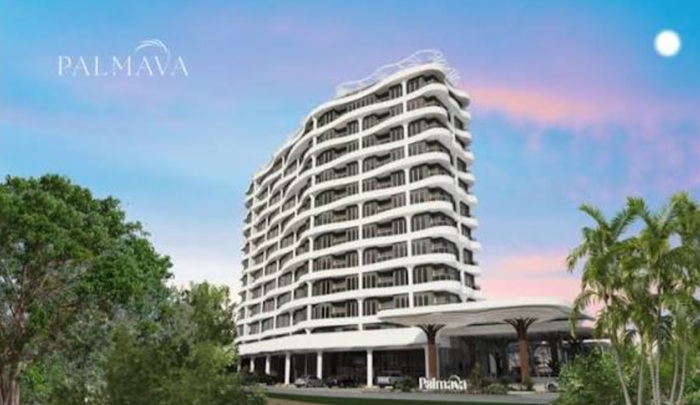
Palmava represents a landmark development in Cebu’s rapidly evolving real estate landscape—a ₱2-billion tropical-inspired, master-planned condominium community rising in Barangay Poblacion, Cordova, on Mactan Island. Developed by Johndorf Ventures Corporation (JVC) , a Filipino-owned real estate company with roots dating back to 1986, this four-tower mid-rise condominium community is redefining resort-style living in one of Cebu’s most promising growth corridors.
The name “Palmava” is a fusion of two evocative words: “Palma” —inspired by La Palma, a Spanish island often referred to as the greenest island, and evoking images of palm trees found in tropical resorts—and “Nova,” meaning “new” or “modern” in the Catalan language. This name perfectly captures the project’s essence: a fresh, modern tropical sanctuary that brings the serenity of island living within reach of Cebu’s urban centers.
Designed as a low-density, resort-inspired community with sustainability at its core, Palmava integrates open spaces, natural ventilation, and wellness-focused amenities for Cebu’s growing middle- and upper-middle-income market. The project offers a rare sense of balance—open green spaces, wellness amenities, and everyday convenience in a peaceful, nature-filled setting.
Historical Background & Developer Credibility
The Johndorf Ventures Legacy
Johndorf Ventures Corporation (JVC) has been a trusted name in Philippine real estate since 1986. The company has built a strong portfolio of residential developments across Mindanao, from Iligan, Cagayan de Oro, and Butuan in the north to as far south as Davao City.
Palmava marks Johndorf Ventures’ first vertical development in the Visayas, representing a significant expansion of the company’s footprint and a bold statement of confidence in Cebu’s real estate market. The company is also behind Johndorf Tower, its first foray into premium office real estate in Cebu Business Park, which was named Best CBD Development and Best Office Development at the 13th PropertyGuru Philippines Property Awards.
Project Timeline & Milestones
Groundbreaking: Palmava broke ground in 2026, marking the official start of construction for this ambitious ₱2-billion development.
Building A Pre-Selling: The first phase, Building A, a 12-storey tower with 132 units, is now in active pre-selling.
Completion Targets:
Building A: Targeted for completion by 2030
Full Project: Projected toward 2033
Sales Performance: All 20 studio units of Tower A were already sold out as of the pre-selling phase, demonstrating strong market demand.
Developer Credibility
Johndorf Ventures Corporation brings to Palmava:
Nearly four decades of real estate development experience since 1986
Proven track record across multiple cities in Mindanao
Award-winning expertise recognized at the PropertyGuru Philippines Property Awards
Strong financial position to deliver on the ₱2-billion investment
Commitment to sustainability and long-term value preservation
As JVC Assistant Vice President Francis Edhilson Icamen stated: “Palmava was envisioned with sustainability at its core. We aim to create a development that is environmentally responsible, economically sensible, and livable for the long term”.
Strategic Location & Geography
Prime Mactan Island Coordinates
Palmava is strategically located in Barangay Poblacion, Cordova, Cebu—a peaceful coastal area on Mactan Island that is experiencing significant development as a rising investment hub in Cebu. The project sits on a one-hectare property at the southeastern end of the iconic Cebu-Cordova Link Expressway (CCLEX) , the Philippines’ longest bridge.
Unmatched Accessibility
Palmava enjoys exceptional connectivity to Cebu’s most important destinations:
Expressway Access:
CCLEX – just 1.5 to 1.8 kilometers away, providing seamless access to Cebu City and Mactan
Shopping & Lifestyle:
Gaisano Grand Mall Cordova – 3 kilometers, 5 minutes
10,000 Roses Café – 2 kilometers, 5-10 minutes
SM City Cebu – 20 kilometers, 25-30 minutes
SM Seaside – 18 kilometers, 25 minutes
Leisure & Recreation:
Solea Mactan Resort – 3 kilometers, 10 minutes
Plantation Bay Resort & Spa – 4 kilometers, 10 minutes
Transportation Hubs:
Mactan-Cebu International Airport – 10 to 18 kilometers, 15-28 minutes
Cebu-Cordova Link Expressway (CCLEX) – adjacent, direct access
Education & Healthcare:
Benthel Asia School – 1 to 3 kilometers, 3-5 minutes
Cordova Public College – 2 kilometers, 5 minutes
Adventist Hospital Cebu – 15 to 25 kilometers, 25-30 minutes
The Cordova Advantage
Barangay Poblacion, Cordova offers a peaceful coastal setting with significant development potential:
Laid-back coastal lifestyle while being strategically positioned for quick access to Cebu City’s business districts
Tropical climate with proximity to water and emerging modern infrastructure
Relatively elevated terrain with low to moderate flood risk
Growing commercial and residential development as part of the booming island municipality
As JVC Assistant Marketing Manager Jannie Cañares noted: “Located just 1.8 kilometers from CCLEX, Palmava offers access to Cebu City and Mactan while maintaining a more open, less congested setting. It is a sustainable resort community designed for today, and built with tomorrow in mind”.
Infrastructure, Sustainability & Community Design
Master Planning & Scale
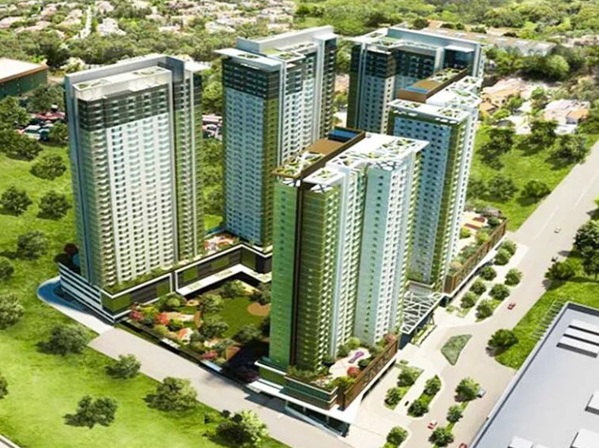
Palmava is a master-planned condominium community featuring four residential towers with a total of 286 residential units and 36 parking spaces.
Tower Configuration:
Tower A: 12 floors, 132 units
Towers B, C, and D: 14 floors each
The building heights comply with restrictions due to the island location of the Mactan International Airport.
Sustainability-First Design
Palmava was envisioned with sustainability at its core. The development features:
Land Allocation:
32 percent allocated to open spaces, exceeding typical standards
48 percent used for building footprint
20 percent reserved for circulation, greenery, and shared amenities
As Frances Abegail Lim, AVP for Business Development, explained: “This balance avoids the concrete-heavy feel of high-density projects. Our green spaces help reduce heat, improve airflow, and promote healthier lifestyles. Sustainability here is experienced daily through light, air, and space”.
Tropical Design Features:
Natural ventilation throughout the development
Larger windows to maximize daylight, reducing reliance on artificial lighting
Balconies for every unit for indoor-outdoor living
Centralized amenity core for efficient resource use
Walkable Community
Palmava is planned as a walkable community, reducing the need for frequent vehicle use within the development. Nearby commercial spaces are intended for cafés and essential services, allowing residents to meet daily needs within the property.
As Marketing Manager Norman H. Imbong stated: “Sustainability is also about reducing everyday friction. When essentials are nearby, residents consume less fuel and live more efficiently”.
Smart Home Features
The development includes smart-home features, secure access systems, and standard safety measures. Parking is located at ground level to balance accessibility and reduced vehicle dependence.
Property Offerings & Unit Types
Unit Categories
Palmava offers four categories of residential units:
Typical Residential Units:
Studio Units: Designed for efficiency and simplicity, a practical choice for individuals or investors
One-Bedroom Units: Balancing comfort and functionality with defined bedroom and living spaces
Two-Bedroom Units: Spacious layouts for families or those who value more space
Luxury Garden Suites:
Located on the second floor of each tower
Set apart by larger floor space and wider balcony spaces (up to 24 square meters for larger units)
Available in studio, one-bedroom, and two-bedroom configurations
Unit Sizes & Pricing (2026)
Studio Units:
Floor Area: 22.71 to 43 square meters
Starting Price: ₱4.4 Million
Sample Total Investment: ₱5,768,000 (22.71 sqm)
Sample Monthly Equity (36 months): ₱14,633
Sample Monthly Amortization (15 years @ 8%): ₱49,610
One-Bedroom Units:
Floor Area: 40 to 49 square meters
Starting Price: ₱7.5 Million
Sample Monthly Payment: ₱20,000
Two-Bedroom Units:
Floor Area: 60 to 63 square meters
Starting Price: ₱11.3 Million
Sample Monthly Payment: ₱25,000
1-Bedroom Garden Suite:
Floor Area: 71.32 square meters
Total Investment: ₱10,194,712
10% Equity (36 months): ₱24,152/month
Sample Monthly Amortization (15 years @ 8%): ₱87,664
2-Bedroom Garden Suite:
Floor Area: 106.98 square meters
Total Investment: ₱15,292,088
10% Equity (36 months): ₱35,256/month
Sample Monthly Amortization (15 years @ 8%): ₱131,525
Unit Features
Each unit at Palmava comes with:
Private balcony for indoor-outdoor living
Smart home features and provisions
Natural ventilation through thoughtful design
Select ocean views in many units
Spacious layouts designed for modern living
World-Class Amenities & Facilities
Palmava offers an extensive 3,690-square-meter amenity area featuring world-class facilities.
Swimming & Water Features
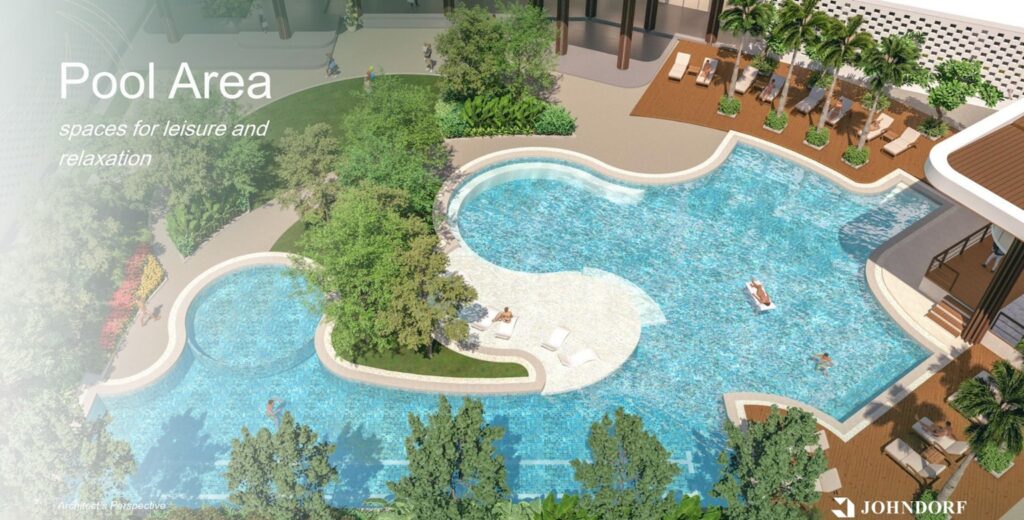
Swimming Pools – resort-style pools for relaxation and recreation
Pools integrated into the central amenity core
Fitness & Wellness
Wellness Spaces – dedicated areas for health and rejuvenation
Jogging Paths – scenic routes for exercise and leisure
Clubhouse – central social hub for community gatherings
Fitness facilities – for active lifestyles
Parks & Green Spaces
Landscaped Parks – lush greenery for relaxation
Open Green Spaces – 32% of land dedicated to open areas
Walkable Community Design – reducing vehicle dependence
Commercial Convenience
Nearby Commercial Spaces – intended for cafés and essential services
Everyday Convenience – daily needs within the property
Smart & Sustainable Features
Smart-Home Features – modern technology integration
Secure Access Systems – enhanced safety
Natural Ventilation – reducing reliance on artificial cooling
Larger Windows – maximizing daylight
Building Features
Elevators with safety features
Parking Spaces at ground level
Accessible Lobby Areas – inclusive design
Storage Areas for community use
Real Estate Valuation & Investment Analysis
Remarkable Value Proposition
Palmava offers exceptional value compared to typical condominium projects across the country. As the developer stated: “It’s like being in a business class section of an airline bought at an economy fare”.
BIR Zonal Values (2026)
While specific BIR zonal values for Palmava are not yet established as a pre-selling development, the project is located in Cordova, a municipality experiencing consistent appreciation of 8-12% annually. With the completion of CCLEX and ongoing infrastructure development, property values in Poblacion are expected to continue rising.
Pricing Summary (2026)
Studio Units:
Starting from ₱4.4 Million
Sample Total Investment: ₱5,768,000 (22.71 sqm)
One-Bedroom Units:
Starting from ₱7.5 Million
Sample Monthly Payment: ₱20,000
Two-Bedroom Units:
Starting from ₱11.3 Million
Sample Monthly Payment: ₱25,000
Garden Suites:
1-Bedroom: ₱10.19 Million
2-Bedroom: ₱15.29 Million
Sample Payment Terms
Studio Unit (22.71 sqm):
Total Investment: ₱5,768,000
Reservation Fee: ₱50,000
10% Equity (36 months): ₱526,800 (₱14,633/month)
90% Balance: ₱5,191,200
Estimated Monthly Amortization (15 years @ 8%): ₱49,610
1-Bedroom Garden Suite (71.32 sqm):
Total Investment: ₱10,194,712
Reservation Fee: ₱50,000
10% Equity (36 months): ₱869,471 (₱24,152/month)
90% Balance: ₱9,175,241
Estimated Monthly Amortization (15 years @ 8%): ₱87,664
Infrastructure-Driven Appreciation: With the completion of CCLEX and ongoing infrastructure development, property values in Poblacion are expected to continue rising.
Consistent Market Growth: Cordova real estate values have shown consistent appreciation of 8-12% annually.
Sustainability Premium: Well-planned, sustainable developments remain desirable over time, preserving value.
Affordable Entry: One can own a typical one-bedroom unit at a monthly payment of only ₱20,000 and a two-bedroom unit for ₱25,000 monthly—cheaper than typical condominium projects across the country.
Lifestyle & Community
The Palmava Experience
Palmava offers a lifestyle that embraces the best of both worlds—a quiet, nature-filled place with sports facilities to keep you active and healthy.
As described in the project’s vision:
Hope: Palmava embodies hope—a place where dreams flourish and a bright future begins amidst natural beauty
Heal: Feel the healing power of nature at Palmava, with scenic waters and green spaces that restore health
Love: Me time is self-loving, where you can also feel the warmth of loved ones in a nurturing environment
Resident & Investor Profile
Palmava attracts a diverse mix of residents and investors:
OFWs – seeking a modern island home and investment
Investors – attracted by the pre-selling opportunity and strong appreciation potential
Families – seeking spacious layouts and a peaceful environment
Young Professionals – drawn to the resort-style amenities and convenient location
Middle- and Upper-Middle-Income Market – seeking value and quality
Community Philosophy
Palmava is designed as a low-density, resort-inspired community that integrates:
Open spaces for relaxation and recreation
Natural ventilation for health and comfort
Wellness-focused amenities for holistic living
Walkable design for reduced vehicle dependence
Sustainability at its core
Challenges to Consider
Construction Timeline: The first tower is targeted for completion by 2030, with the full project projected toward 2033. Buyers should be prepared for the construction period.
Pre-Selling Phase: As a pre-selling development, buyers are purchasing based on plans and specifications.
Location: While offering a peaceful coastal setting, the location requires reliance on private vehicles for some destinations.
Association Dues: Ongoing maintenance and association fees represent a recurring cost.
Limited Parking: With 286 units and only 36 parking spaces, parking availability may be limited.
Comparative Market Positioning
Versus Other Mactan Condominiums
Palmava distinguishes itself through:
Affordability: One can own a typical one-bedroom unit at a monthly payment of only ₱20,000 and a two-bedroom unit for ₱25,000 monthly—cheaper by notches compared to typical condominium projects across the country.
Sustainability Focus: With 32% open space, Palmava exceeds typical standards and avoids the concrete-heavy feel of high-density projects.
Resort-Inspired Design: The project combines natural beauty with contemporary design, offering resort-style living with ocean views, wellness amenities, and smart home features.
Tropical Vibe: Inspired by La Palma island in Spain, often referred to as the greenest island, Palmava imitates the tropical vibe of the Iberian Peninsula.
The Cordova Advantage
Cordova offers distinct advantages over other Mactan locations:
CCLEX Accessibility: Just 1.5-1.8 kilometers from the expressway
Peaceful Coastal Setting: Less congested than other parts of Mactan
Rising Investment Hub: Significant development as a growing commercial and residential area
Consistent Appreciation: 8-12% annual growth in real estate values
Conclusion
Palmava represents a landmark opportunity in Cebu’s coastal real estate landscape—a ₱2-billion, tropical-inspired condominium community that combines the prestige of Johndorf Ventures Corporation’s nearly four-decade legacy with the natural beauty and growth potential of Cordova, Mactan Island.
Since its groundbreaking in 2026, Palmava has captured the imagination of investors and homebuyers alike, with all 20 studio units of Tower A already sold out during pre-selling. The project’s strategic location just 1.5-1.8 kilometers from the Cebu-Cordova Link Expressway (CCLEX) provides seamless access to Cebu City, Mactan Airport, and major commercial hubs while maintaining a serene, tropical lifestyle.
The development’s defining characteristics—four mid-rise towers, 286 residential units, 32% open space, 3,690-square-meter amenity area, sustainable tropical design, and smart-home features—create an unparalleled living and investment environment. Its recognition as a sustainable, well-planned community ensures long-term value preservation.
For discerning investors, Palmava offers the unique combination of:
Affordable entry with monthly payments starting at ₱20,000 for one-bedroom units
Strong appreciation potential in a market with 8-12% annual growth
Sustainable design that ensures long-term desirability
Prime location with CCLEX accessibility
Developer reliability backed by Johndorf Ventures’ nearly 40-year track record
Whether you’re seeking a modern island home, a high-yield investment property, or a sustainable sanctuary close to Cebu’s urban centers, Palmava stands ready to welcome you home.
As JVC Assistant Marketing Manager Jannie Cañares declared: “It is a sustainable resort community designed for today, and built with tomorrow in mind”.
Author John Paul Ybañez Paquibot Licensed Real Estate Broker | PRC No. 00014132 | DHSUD No. CVRFO-B-03/18-2672 Bachelors Realty and Brokerage, Inc. Cebu G/F Cap Building, Brgy. Corner, Osmeña Blvd. Arlington Pond St. Extension, Cebu City, 6000 Cebu
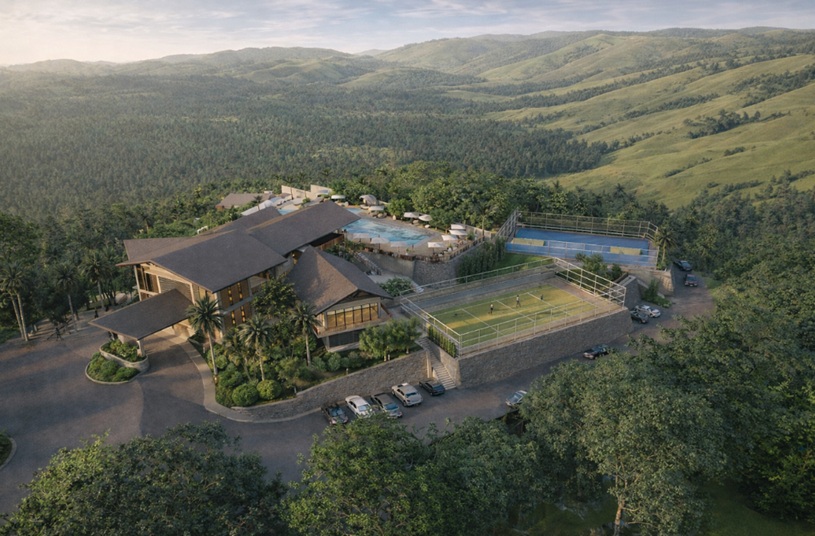
Lataban Estates stands as the largest residential project to date by homegrown Cebuano developer Duros Land Properties Inc. (DLPI) —a sprawling 80-hectare master-planned, fully integrated lot-only development that is redefining premium living in Northern Cebu. Strategically perched on a ridge in the scenic hills of Barangay Lataban, Liloan, this premier residential enclave offers commanding panoramic views of the surrounding greenery, picturesque hill formations, Camotes Island, the neighboring province of Leyte, and even the island province of Bohol on a clear day.
Launched on May 18, 2023, Lataban Estates was created from the vision of Duros Group of Companies Chairman Rafaelito Barino, who saw a profound shift in perspective during the pandemic—city dwellers longing for space, serenity, and a connection with nature started seeking solace in the provinces. Named after Barangay Lataban, a mountain barangay in Liloan that can be reached in less than 10 minutes from the town’s central nautical highway, the estate embodies the ideal “new normal” kind of living.
The development has already achieved remarkable market success, logging ₱100 million in sales in less than a month after securing its license to sell in November 2022. With 50 percent of lots already sold during its May 18, 2023 launching event, Lataban Estates has proven itself as a blockbuster in the making.
Historical Background & Developer Credibility
The Duros Group Legacy
Duros Group of Companies is a homegrown Cebuano enterprise with a distinguished track record in real estate development, hospitality, and tourism infrastructure across Cebu province. Through its real estate development arm, Duros Land Properties Inc. (DLPI) , the group has developed big-ticket projects including:
23 Minore Park, a two-hectare integrated facility on the former grounds of St. John XXIII Seminary in Mabolo
Cebu Quincentennial Hotel, a premier hospitality establishment in Cebu City
International Eucharistic Congress (IEC) Pavilion, the main event venue of the 51st IEC held in Cebu in 2016
The company maintains a PCAB Triple A License, reflecting its highest-level contractor accreditation and commitment to quality construction.
The Vision Behind Lataban Estates
In 2023, the Duros Group earmarked at least ₱2 billion for the construction and development of new residential and tourism-related projects across Cebu province. Chairman Rafaelito Barino and President Fe Barino expressed heightened optimism on the economic recovery, particularly in the real estate and tourism sectors.
As Chairman Barino articulated: “In the midst of the pandemic, when the world seemed to slow down, we witnessed a profound shift in perspective. City dwellers longing for space, serenity, and a connection with nature started seeking solace in the provinces. This transformative movement laid the groundwork for the development we proudly present to you today”.
The company believes the lot-only residential segment remains underserved, with the pandemic leading the market to look for big residential properties, preferably quite far from urban areas. Duros Group’s close to 400 hectares of landbank positions it for continued expansion in this growing market segment.
Developer Credibility
Duros Land Properties Inc. brings to Lataban Estates:
Deep Cebuano roots and intimate knowledge of the local market
Proven track record in developing integrated communities and tourism infrastructure
PCAB Triple A License accreditation for construction excellence
Strong financial position with significant capital expenditure commitments
Established brand recognition through successful projects like One Tectona Hotel and Liloan Golf Course
Strategic Location & Geography
Prime Northern Cebu Coordinates
Lataban Estates is located in Barangay Lataban, Liloan, Cebu—a serene, mountainous area in northern Cebu strategically situated on a ridge with commanding views of surrounding greenery and picturesque hill formations. The full address is Barangay Lataban, Liloan, Cebu, Philippines, with zip code 6002.
The location offers a refreshing alternative to city life while maintaining accessibility to major transportation hubs and attractions. Situated in the upcoming city of Liloan, the estate benefits from the town’s emergence as the country’s model for suburban progress.
Distance & Commuting
Liloan Golf and Leisure Estates: Adjacent, 2-5 minutes
Cebu City: 30 km, 45-60 minutes
Mactan-Cebu International Airport: 45 km, 60-75 minutes
SM City Cebu: 35 km, 50-60 minutes
Liloan Town Proper: Less than 10 minutes
Nearby Landmarks & Institutions
Liloan Golf and Leisure Estates (adjacent)
One Tectona Hotel (Yati, Liloan)
SM Consolacion
Gaisano Grand Mall Liloan
Liloan Yacht Club
Liloan to Asturias Road
Cebu Pier 88
The Lataban Hills Advantage
Barangay Lataban offers a serene, elevated environment with:
Cooler mountain climate compared to the lowland areas
Panoramic views of Camotes Island, Leyte, and even Bohol on clear days
Minimal flood risk due to elevated terrain and natural drainage infrastructure
Modern infrastructure with well-planned road networks
Peaceful, exclusive residential environment while maintaining strategic proximity to commercial and recreational facilities
Infrastructure & Community Design
Master Planning & Scale
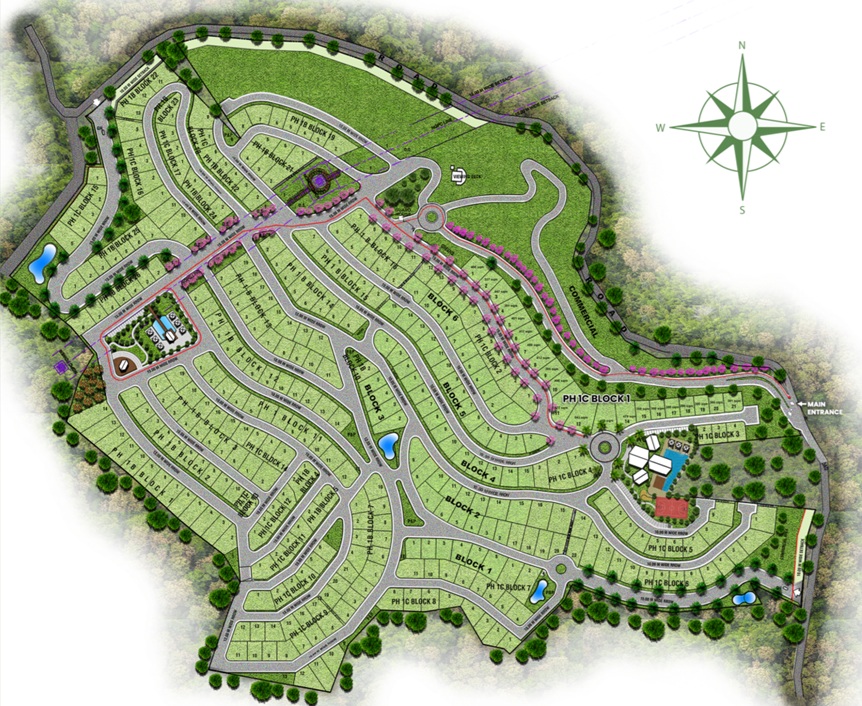
Lataban Estates spans 80 hectares of prime hilltop real estate, making it the biggest residential project to date by Duros. The development is divided into several phases:
Phase 1: Covers 28 hectares and features spacious lots ranging from 350 to 1,000 square meters. One-third of Phase 1 (approximately 8 hectares) is allocated exclusively for open spaces, parks, and playgrounds.
Future Phases: The remaining 52 hectares are reserved for future projects and expansion.
Road Network & Accessibility
Lataban Estates features a well-planned road infrastructure designed for seamless navigation:
15-meter wide main road
10-meter wide secondary road
Pine tree-lined spine road
Jogging trail
Bike lane
Three entrance gates with guard houses
Green & Open Spaces
Reflecting its commitment to preserving the natural landscape, Lataban Estates dedicates significant acreage to green spaces:
8 hectares of open space within Phase 1 alone
Pocket parks throughout the development
Orchard Forest
Sakura Boulevard lined with balayong or Palawan cherry blossom trees
Enchanting lagoons
Community garden
Integration with Liloan Golf Course
A defining feature of Lataban Estates is its integration with the 18-hole Liloan Golf and Leisure Estates. All residents enjoy golf playing privileges at this world-class facility. The 65-hectare golf course features:
All par-72 layout
Clubhouse equipped with sauna, restaurant, massage lounge, shower and locker facilities
Party venue accommodating 400 persons
Adjacent location just 2-5 minutes from the estate
The golf course is surrounded by Duros’ residential development, Woodlands Resort Communities, and other future developments focusing on bringing tourism to the fresh, mountainous areas of Liloan.
Property Offerings & Architectural Landscape
Lot-Only Community
Lataban Estates is exclusively a lot-only residential development, allowing homeowners the freedom to design and build their dream homes within the established community guidelines. The development is meticulously crafted with utmost attention to detail, with each lot carefully selected to offer breathtaking views, tranquility, and a sense of exclusivity.
Lot Sizes & Types
Lot cuts at Lataban Estates come in various sizes to accommodate diverse preferences:
350 square meters
500 square meters
1,000 square meters
Other configurations available across different phases
Phase 1 lots are spacious, ranging from 350 to 1,000 square meters, providing ample room for expansive gardens, outdoor living areas, and custom-designed residences.
Target Market
According to DLPI Sales and Marketing Head Allan Ballesteros, “The market for Lataban Estates is for those looking for another home. They are not first-time buyers. Lataban Estates can be their weekend home, vacation home, or second home. They will come home here to relax, recharge, reconnect with nature”.
Architectural Theme
While homeowners have the freedom to design their own residences, the architecture within Lataban Estates likely showcases a mix of contemporary and traditional elements, aiming to complement the surrounding natural beauty while incorporating modern amenities and design concepts.
Residential Integration
Lataban Estates is part of a broader ecosystem of Duros developments. Residents of Lataban Legacy Estate, The Woodlands Resort Communities, and One Tectona Tower all enjoy golf playing privileges at the 18-hole Liloan Golf and Leisure Estates.
Real Estate Valuation & Investment Analysis
Remarkable Market Performance
Lataban Estates has demonstrated exceptional market reception since its launch:
₱100 million in sales in less than a month after securing its license to sell in November 2022
50 percent of lots sold during the May 18, 2023 launching event
Buyers are purchasing more than one parcel of land
Pricing Structure (2026)
Launch Promo Pricing (2023):₱14,560 to ₱16,800 per square meter
Regular Pricing (2023):₱17,000 to ₱25,000 per square meter, depending on the location
Current Market Pricing (2026): Prices have appreciated as development progresses, with values continuing to increase
80% Balance (Cash/Bank Financing on 37th month): ₱5,336,200
Estimated Monthly Amortization (80% Balance):
5 years: ₱108,198.90
10 years: ₱64,742.83
15 years: ₱50,995.51
Rental Potential
Expected annual rental yield: 8%
Investment Considerations
Strong Appreciation Trajectory: From promo pricing of ₱14,560-₱16,800 per sqm at launch to current market values exceeding ₱20,000 per sqm, Lataban Estates has demonstrated significant appreciation in a short period.
Developer Confidence: The ₱100 million sales achievement within weeks of license issuance reflects strong market confidence in the Duros brand and the project’s value proposition.
Lot-Only Premium: As a lot-only development, buyers avoid developer markups on construction, potentially reducing overall costs while ensuring custom quality.
Golf Course Access: The exclusive golf playing privileges add significant value to the property, appealing to golf enthusiasts and investors alike.
Location Premium: Liloan’s emergence as a suburban growth center, combined with the estate’s panoramic views and cool mountain climate, positions Lataban Estates for continued appreciation.
World-Class Amenities & Facilities
Lataban Estates offers an extensive array of premium amenities designed for enrichment and leisure.
Active Zone
The Active Zone caters to residents seeking recreation and fitness:
Infinity pools
Basketball court
Children’s playground
Multi-purpose court
Serene Zone
The Serene Zone provides tranquil spaces for relaxation and mindfulness:
Wide expansive spaces perfect for yoga and meditation
Koi pond and viewing deck
Community garden
Clubhouse & Social Facilities
Clubhouse serving as the community’s social hub
Viewing deck for enjoying panoramic vistas
Parks & Green Spaces
Sakura Boulevard lined with balayong or Palawan cherry blossom trees
Orchard Forest
Pocket parks throughout the development
Lagoons
Prayer Pavilion
Commercial & Retail
Commercial strip soon to rise before the gates
Retail areas for daily convenience
Sports & Recreation
Jogging trail
Bike lane
Exclusive access to the 18-hole Liloan Golf and Leisure Estates
Security Infrastructure
Three entrance gates with guard houses
Surveillance systems
Dedicated security personnel
Gated community with controlled access
Lifestyle & Community
The Lataban Estates Experience
Lataban Estates offers a lifestyle that redefines premium living in Cebu—a privileged existence that embraces the comfort of nature while enjoying the convenience of premium amenities and facilities. As described in the project’s vision: “Your Sanctuary in Liloan”.
The estate is meticulously crafted with the utmost attention to detail. Each lot has been carefully selected to offer breathtaking views, tranquility, and a sense of exclusivity—jumpstarting the privilege of every homeowner to build a home that reflects their unique personality, desires, and aspirations as they weave their story within pristine surroundings.
Resident Profile
Lataban Estates attracts a discerning mix of residents:
Affluent families seeking a second home, weekend home, or vacation home
Established professionals looking to relax, recharge, and reconnect with nature
Golf enthusiasts drawn to the exclusive playing privileges
Investors seeking strong appreciation in a master-planned community
Retirees desiring a serene, mountain environment with premium amenities
Community Philosophy
Duros Land remains committed to:
Preserving the natural landscape
Integrating sustainable practices
Creating a harmonious balance between modern luxury and environmental stewardship
Developing a haven that seamlessly blends the beauty of nature with the comforts of contemporary and privileged living
The Golfing Lifestyle
A defining element of the Lataban Estates lifestyle is access to world-class golf. The 18-hole Liloan Golf and Leisure Estates offers:
A premier golfing experience with all par-72 layout
Clubhouse with sauna, restaurant, massage lounge, shower and locker facilities
Party venue accommodating 400 persons
A central amenity attracting both local and foreign golf enthusiasts
Challenges to Consider
Location: While offering tranquility and panoramic views, the estate is located 45-60 minutes from Cebu City and 60-75 minutes from the airport, requiring reliance on private vehicles.
Lot-Only Format: Buyers must budget for custom home construction, which adds significantly to the total investment.
Ongoing Expenses: Homeowners association fees and maintenance costs represent recurring expenses.
Phased Development: While Phase 1 is underway with a completion target of May 2025, future phases will take time to fully develop.
Comparative Market Positioning
Versus Other Liloan Developments
Liloan Golf and Leisure Estates (Golfers Village): A lot-only residential development within the golf course itself, with lots already 90 percent sold. Lataban Estates offers larger lot sizes (up to 1,000 sqm) and more extensive green spaces.
One Tectona Hotel and Residences: A 14-story four-star premium hotel and condominium development in Yati, Liloan. Lataban Estates offers horizontal living with larger land areas and a more nature-focused lifestyle.
Versus Cebu City Developments
Compared to Cebu City luxury subdivisions like Maria Luisa Estate Park (₱45,000-₱105,000+ per sqm), Lataban Estates offers more accessible pricing (₱17,000-₱25,000+ per sqm) while providing larger lot sizes and superior green space allocation.
The Liloan Advantage
Liloan has emerged as the country’s model for suburban progress, offering:
Accessibility to major transportation hubs and attractions
Proximity to Liloan Yacht Club, Liloan to Asturias Road, and Cebu Pier 88
Growing infrastructure and commercial development
Cooler climate and natural beauty in the mountain barangays
Conclusion
Lataban Estates represents a landmark achievement in Cebu’s residential real estate landscape—the largest residential project to date by homegrown developer Duros Land Properties Inc. Spanning 80 hectares in the scenic hills of Barangay Lataban, Liloan, this master-planned, fully integrated lot-only development has redefined premium living in Northern Cebu.
Since its launch on May 18, 2023, the estate has achieved remarkable market success, logging ₱100 million in sales within weeks of securing its license to sell and selling 50 percent of lots during its launching event. From promo pricing of ₱14,560-₱16,800 per sqm at launch to current market values exceeding ₱20,000 per sqm, Lataban Estates has demonstrated significant appreciation in a short period.
The development’s defining characteristics—80 hectares of prime hilltop real estate, 28-hectare Phase 1 with lots ranging from 350 to 1,000 square meters, 8 hectares of open space, Sakura Boulevard, Orchard Forest, infinity pools, and exclusive golf playing privileges at the 18-hole Liloan Golf and Leisure Estates—create an unparalleled living environment for discerning homeowners.
For those seeking a second home, weekend retreat, or vacation sanctuary, Lataban Estates offers the perfect escape—a place to relax, recharge, and reconnect with nature. For investors, the combination of developer credibility, prime location, comprehensive amenities, exclusive golf access, and sustained appreciation potential makes it a compelling choice.
As Chairman Rafaelito Barino declared: “We are truly happy to unveil Lataban Estates, a project born from the spirit of resilience, innovation, and the desire for a life that transcends boundaries”. In Lataban Estates, that vision has become a reality—a sanctuary where the beauty of nature seamlessly blends with the comforts of contemporary and privileged living.
Author John Paul Ybañez Paquibot Licensed Real Estate Broker | PRC No. 00014132 | DHSUD No. CVRFO-B-03/18-2672 Bachelors Realty and Brokerage, Inc. Cebu G/F Cap Building, Brgy. Corner, Osmeña Blvd. Arlington Pond St. Extension, Cebu City, 6000 Cebu
Cebu’s skyline is transforming at an unprecedented pace. By the end of 2025, Metro Cebu’s condominium stock reached 92,300 units—the largest residential supply hub outside Metro Manila. With an estimated 4,000 new units completing every year, the market is projected to breach 109,000 units before the end of the decade.
For buyers and renters in 2026, this massive inventory means massive opportunity—but it also introduces a lot of noise. Cebu posted an 87‑percent condominium take‑up rate early this year, meaning the demand is real, but it is hyper‑concentrated. The days of buying any pre‑selling unit and counting on automatic appreciation are over. Today, building execution, developer track record, and hyper‑local positioning dictate your return on investment.
This guide cuts through the marketing fluff. Here is what you actually need to know about the best condos in Cebu in 2026, where to look, what to pay, and what to watch out for.
The Honest Truth About Cebu’s Condo Market in 2026
Condos now account for 63 percent of Cebu’s residential housing stock, officially overtaking subdivisions as the preferred housing format in Metro Cebu. But here is what developers won’t tell you: not all condos are created equal, and some areas are significantly oversupplied. Prime locations continue to outperform projects in less established areas.
Walkability is the biggest draw in 2026. The best buildings are the ones that let you live, work, and play without dealing with Cebu’s notorious traffic. If a condo forces you into a car for every single errand, its rental appeal and resale liquidity will suffer.
Best Areas and Buildings to Buy a Condo in Cebu
Cebu IT Park & Cebu Business Park (The Corporate Powerhouses)
These two districts are the undisputed kings of the Cebu condo market. IT Park is a PEZA‑accredited zone packed with BPOs, tech companies, and 24/7 restaurants. Business Park has a sleeker, corporate feel anchored by banks, law firms, and Ayala Center Cebu.
Why it works: Zero‑commute living. BPO workers, expats, and young professionals all want to live close to their offices, which keeps vacancy low and resale values stable.
The catch: Prices here are the highest in the city. Studios and one‑bedroom units start at around ₱3 million on the resale market, with larger units in top towers going above ₱8 million. Price per square meter averages ₱180,000 to ₱260,000.
Top buildings to consider in this zone:
38 Park Avenue (IT Park)
A New York‑inspired, 40‑story residential skyscraper that stands as one of the tallest landmarks in IT Park. It features a striking glass‑curtain design and a panoramic sky garden on the 26th floor. Because it sits directly inside the PEZA zone, it is a premier rental property for high‑earning tech professionals. The reality check: IT Park is a vibrant, 24/7 ecosystem. If you prefer quiet, dark evenings, the late‑night foot traffic, weekend markets, and bright lights might feel overwhelming.
Avida Towers Riala (IT Park)
A massive five‑tower development by Ayala Land’s mid‑market arm, boasting roughly 40% to 50% open green spaces. This is the most practical entry point to secure a prime IT Park address. Studios rent for ₱20,000–₱30,000 per month, while one‑bedrooms fetch ₱30,000–₱45,000. Honest review: Resident feedback is mixed. While the location and security are top‑tier, the units are highly compact. Shared amenities like the pool get intensely crowded on weekends, and some residents have complained about slow elevators during peak hours and rude staff. Visit the building yourself before committing.
Park Point Residences (Business Park)
Another in‑demand tower with city and mountain views, popular among executives who want to be steps away from Ayala Center Cebu.
Luxury Spotlight – The Alcoves (Cebu Business Park)
A premium high‑rise developed by Ayala Land Premier, positioned directly above Ayala Center Cebu. The convenience is unmatched: you can walk straight into the mall for dining, groceries, and premium shopping without ever stepping onto a chaotic street. It features a private sky pavilion and larger unit cuts than standard mid‑range builds. Reality check: It sits at a premium luxury price point. Expect large two‑bedroom units to easily cross the ₱15 million mark. It is tailored heavily toward high‑earning executives and affluent investors, making entry‑level purchase difficult.
Luxury Spotlight – Lucima (Business Park Border)
Developed by Arthaland, Lucima stands as Cebu’s premier certified sustainable, eco‑luxury residential building. It features advanced energy‑efficient cooling, low‑flow water systems, and medical‑grade indoor air filtration. Reality check: Green building technology costs more upfront. You will pay a premium on the purchase price, though you save significantly on utility bills over time.
Lahug and Banilad (The Privacy & Green-Space Alternative)
If you want to escape the concrete jungle without leaving the city, the foothills of Lahug and the borders of Banilad offer low‑density, wellness‑focused alternatives.
Why it works: You get better value for money than inside IT Park or Business Park, while still enjoying easy access to work, shopping, and dining. The vibe is more residential and relaxed.
The catch: You’ll need to factor in commute time. Traffic along Salinas Drive and Archbishop Reyes Avenue can be brutal during rush hour.
Top buildings to consider:
32 Sanson by Rockwell (Lahug)
A sprawling, low‑rise garden community nestled in a quiet pocket. Rockwell brought its signature upscale, pedestrian‑first philosophy here, featuring lush, tree‑lined walkways and subterranean parking that keeps the ground level quiet and walkable. It feels like a boutique resort. Reality check: Low‑rise living means you trade sweeping skyline views for ground‑level greenery. Units range from 33 sqm studios up to 230 sqm four‑bedroom residences, with prices spanning roughly USD 82,000 to USD 839,000.
BE Residences (Lahug)
A newer complex with a private pool, sauna, and 24‑hour security. Located near IT Park, Ayala Mall, and Sugbo Mercado, it offers a solid mid‑range option with modern finishes.
Mandaue City (The Waterfront & Strategic Midpoint)
Mandaue sits between Cebu City and Mactan, making it a strategic location for people who need access to both the city and the airport.
Why it works: You get more space for your money compared to Cebu City proper, and you are well‑positioned for commuting in either direction via the new CCLEX bridge.
The catch: The surrounding reclamation area is a massive work in progress. While the property itself is luxurious, you will be living near ongoing construction and industrial infrastructure for the next few years.
Top buildings to consider:
Mandani Bay Suites
A landmark 20‑hectare waterfront premium township developed as a joint venture between Hongkong Land and Taft Properties. Designed by world‑famous architectural firm Aedas, it offers sweeping views of the Mactan Channel and a stunning marina boardwalk. The hidden cost: Monthly building dues run on the higher end at around ₱120–₱150 per square meter.
Mactan and Lapu‑Lapu City (Beachfront & Resort Living)
If you want sea views, resort‑style amenities, or easy airport access, Mactan is your best bet.
Why it works: True beachfront living, resort‑grade concierge services, and proximity to the Mactan‑Cebu International Airport make this area unique for retirees, frequent flyers, or vacation‑home owners.
The catch: Commuting across the bridges connecting Mactan to mainland Cebu can experience massive peak‑hour bottlenecks. It is less practical for daily commuters to Cebu City.
Top buildings to consider:
Aruga Resort and Residences (Mactan)
A beachfront luxury residential concept by Rockwell Land located along the high‑end Punta Engaño strip. It offers private beach access, a 270‑meter long shoreline, and resort‑grade services. Reality check: Premium waterfront developments along Punta Engaño now command luxury prices upwards of ₱400,000+ per square meter.
If you are looking at the pre‑selling market with an eye toward late‑2020s handovers, keep these two award‑winning projects on your radar:
Kalea Heights by DMCI Homes – A 4.6‑hectare development that stands out by dedicating a massive 3.6 hectares entirely to open space—the largest among condominium complexes in Cebu. It features four modern tropical towers with Sky Parks and over a hectare of elevated greenery. Unit turnovers are slated to begin in December 2029.
BE Uptown Park – A ₱4.5 billion twin‑tower development on Juana Osmeña Street that secured the “Best High‑End Condo Development” title at the 2025 PropertyGuru Philippines Property Awards.
Warning: Pre‑selling means you are buying based on renderings, not reality. Check the developer’s track record for building maintenance five years post‑turnover before signing anything.
What You’ll Actually Pay: 2026 Price Guide
Here are the real numbers for 2026, based on market data from local brokers and analysts:
Affordable studio (resale): from around ₱3 million.
One‑bedroom (average): around ₱7 million.
Two‑bedroom (average): around ₱12.5 million.
Premium / Luxury units: ₱25 million to ₱80 million+.
Luxury waterfront (Punta Engaño): ₱400,000+ per sqm.
Important: These are asking prices. There is often a disconnect between what developers ask and what the market will bear. Do not be afraid to negotiate, especially on resale units.
The Hidden Costs Nobody Talks About
The purchase price is just the baseline. To avoid financial surprises, factor in these standard Philippine real estate closing costs, which usually add 2% to 3% on top of your purchase price:
Documentary Stamp Tax (DST): 1.5% of the selling price or zonal value (whichever is higher).
Transfer Tax: 0.5% of the sale price.
Registration Fee: Approximately 0.25% of the transaction value.
Monthly building dues: ₱60 to ₱120 per square meter (higher for luxury waterfront projects).
Move‑in fees: A one‑time fee ranging from ₱5,000 to ₱20,000 charged by building management for utility setup and initial assessments.
Real‑world example: For a ₱5 million unit, expect to spend ₱100,000 to ₱150,000 in closing costs on top of the purchase price.
Rental Yields: What You Can Actually Earn
If you are buying to rent out, here is what the numbers look like in 2026:
In IT Park and Cebu Business Park, gross rental yields range from 5.0% to 6.5%.
Studios average roughly 4.8% net yield.
Two‑bedroom units yield approximately 5.2% net yield on a ₱11.5 million property renting for ₱68,000 per month.
Cebu offers 20‑40% lower pricing than Manila with stronger rental returns, making it attractive for investors. Rents have increased by an estimated 3% to 6% compared to early 2025, with prime furnished condos reaching 5% to 6% growth.
But be realistic: The market is becoming more competitive. Not every condo will rent quickly or at the price you expect. Do your homework on vacancy rates in your chosen building before buying.
What to Look For Before Signing Anything
Developer reputation – Always check who built the condo. Established developers like Ayala Land, DMCI Homes, and Rockwell generally deliver better quality, but they also charge a premium. Ask about their track record and delivery history.
Security – Most good condos have 24/7 guards, CCTV, and secure entry. This is not just about safety—it affects rental demand and resale value.
Amenities – Pools, gyms, and function rooms are standard. What sets the best buildings apart is how well these are maintained. A gorgeous pool that is always closed for “maintenance” is useless.
Unit layout and views – Beware of showroom tricks. Cebu City is currently evaluating stricter bans on deceptive showroom tactics—like using scaled‑down, custom furniture to make studio units look deceptively large. Bring a tape measure. Check the real ceiling height and room dimensions.
Back‑up power – Ensure the building features 100% back‑up power generation to handle tropical storms and brownouts. This is non‑negotiable for BPO workers and remote professionals.
Foreign ownership rules – If you are a foreign buyer, here is the critical rule: no more than 40% of the units in any condominium building can be foreign‑owned. Foreigners can legally own condo units in their own name, but they cannot own land directly. Always verify the current foreign ownership percentage before committing to a purchase.
Final Honest Advice
For buyers: Location is everything. IT Park and Cebu Business Park remain the safest bets, but you will pay for that security. If budget is tight, look at Lahug or Banilad. Visit the building in person at different times of day. Talk to current residents—they are often brutally honest about issues like rude staff, slow elevators, and maintenance problems.
For investors: Small condos (studios and one‑bedrooms) are the most capital‑efficient rental products. But the market is becoming saturated. Look for buildings with low foreign‑ownership percentages (room for appreciation) and strong BPO presence nearby.
For everyone: Do not trust the brochures. Do not trust the showroom. Trust your own eyes and ears—and a good lawyer who can review the contract of sale thoroughly.
Cebu is a fantastic place to buy a condo. Just make sure you are buying the right condo for your specific lifestyle and financial goals.
Author John Paul Ybañez Paquibot Licensed Real Estate Broker | PRC No. 00014132 | DHSUD No. CVRFO-B-03/18-2672 Bachelors Realty and Brokerage, Inc. Cebu G/F Cap Building, Brgy. Corner, Osmeña Blvd. Arlington Pond St. Extension, Cebu City, 6000 Cebu
One of the most common regrets expats have after living in Cebu for a few years is not learning the local language sooner. It’s understandable—English is widely spoken here, and you can get by perfectly fine without speaking a word of Cebuano. But getting by and truly belonging are two different things.
Learning Cebuano opens doors that English simply can’t. It’s the difference between being a permanent tourist and becoming part of the community. It’s the difference between ordering food and sharing a laugh with the vendor. It’s the difference between having acquaintances and having real friends.
The good news is that Cebu has a thriving language exchange scene. You don’t need to sit in a classroom memorizing verb conjugations—you can learn while socializing, making friends, and having genuine conversations. Here’s an honest guide to how it works and where to start.
Why Bother Learning Cebuano?
Let’s be realistic. You don’t need Cebuano to survive in Cebu. Most Filipinos speak excellent English, and in business settings, English is the default. So why invest the time?
First, it’s about respect. Making an effort to speak someone’s language, even badly, is a gesture that’s deeply appreciated here. Locals will light up when you try to say “maayong buntag” (good morning) or “salamat” (thank you) in Cebuano. It shows you see them as more than just service providers.
Second, it changes how people treat you. When you speak Cebuano, you stop being a foreigner and start being a neighbor. People open up more, share more, and include you in things they wouldn’t think to invite a non-speaker to.
Third, it’s genuinely practical. Try navigating a public market, negotiating with a tricycle driver, or understanding what’s happening at a barangay fiesta without Cebuano. You’ll quickly realize how much you’re missing.
And here’s the honest truth: Cebuano isn’t that hard. It’s a phonetic language—what you see is what you say. The grammar is straightforward, with consistent rules and a logical structure. If you speak Spanish, you’ll find many familiar words. With consistent practice—even just 15 to 30 minutes a day—you’ll make real progress.
Where to Find Language Exchanges in Cebu
Cebu Japanese, English & Spanish Language Meetup
This is one of the most established and well-organized language exchanges in the city. It runs twice a month, on the 1st and 3rd Sundays. The format is small groups with rotations every 20 to 30 minutes, so you get to speak with different people in each round.
What makes this meetup work is the structure. You’re not just standing around awkwardly trying to start conversations—you’re placed in groups where everyone has the same goal: practice and connect. All levels are welcome, and you don’t need to be fluent. The languages offered are Japanese, English, and Spanish.
There’s a participation fee of ₱50 per person to help cover organizational costs. It’s a small price for a well-run event that consistently attracts a mix of locals, expats, and travelers. Check their Meetup page for the exact dates and location.
Cebu City Social and Language Exchange
If you prefer something more free-flowing, this one runs every Friday at 7:00 PM at 301 Ramos Sports Bar and Grill. The event is free to attend, though you’re expected to support the venue by purchasing drinks or food.
The vibe is less structured and more social—think of it as a mixer where language exchange happens naturally. The crowd is diverse: international students, expats, travelers, digital nomads, and locals all mix together. It’s perfect for newcomers who want a low-pressure introduction to Cebu’s expat community.
They also have Discord and WhatsApp communities where you can connect between events. It’s worth RSVPing in advance to see who else is going and get a sense of the crowd.
Bisaya / Cebuano Social Mixer
This one is exactly what it sounds like—a social mixer specifically for Bisaya/Cebuano speakers. It’s a great opportunity to practice your Cebuano in a relaxed setting with native speakers. The venue has food and drinks available for purchase. If you’re at an intermediate level and want to push yourself, this is a good place to do it.
Cebu City Language League
The Cebu City Language League takes a more structured approach to language exchange. The format pairs you with a partner: one person speaks Language A and wants to learn Language B, the other does the opposite. You speak Language A for 20 minutes, take a 5-minute break, then switch to Language B for another 20 minutes.
They also showcase a monthly featured language through a speaker series. Check their Facebook group for upcoming events and to find a speaking partner.
Cebu BlaBla Language Exchange
This is a recurrent event that runs every other Thursday. It’s part of a global network of language exchanges, so you can expect a similar format to other BlaBla events: casual conversation, rotating groups, and a friendly atmosphere.
CCLEX (Cebu City Language Exchange)
This group meets at Cafe Brindle in Lahug. It’s a newer addition to the scene, so check their Meetup page for current dates and times.
Online Language Exchange Resources
If you can’t make it to in-person events, or if you want to practice between meetups, there are plenty of online options.
The Cebu Language Exchange Group on Facebook has over 4,800 members. You can post to find a language partner or join one of the many online or offline events organized by the group.
Japanese-English Exchange (JEE) Cebu is a non-profit organization that provides a community for Japanese and English learners. They organize language exchange meetups, cultural events, and even Japanese calligraphy classes. It’s supported by local partners including enspace Cebu, a community-driven workspace.
For one-on-one practice, apps like HelloTalk connect you with native Cebuano speakers who want to learn English. MyLanguageExchange.com also has a large community of Cebuano speakers looking for language partners.
If you prefer structured learning, platforms like TUTOROO and Preply offer personalized Cebuano lessons with native speakers. You can find tutors who specialize in teaching expats, focusing on real-life conversation and commonly used expressions.
Making the Most of Language Exchanges
Show up consistently. The biggest mistake is going to one event, feeling awkward, and never returning. Language exchanges, like any social setting, get easier with repetition. You’ll recognize faces, build rapport, and start feeling like part of the group.
Don’t be afraid to make mistakes. This is the hardest part for most adults. We’re conditioned to avoid looking foolish. But in a language exchange, mistakes are the point. Everyone is there to learn, and everyone is making mistakes. Embrace it.
Be a good partner. Language exchange is a two-way street. If you’re learning Cebuano, you’re also teaching English (or whatever your native language is). Be patient with your partner. Listen as much as you speak. Correct gently, if at all.
Support the venues. Most meetups are free or low-cost, but they rely on venues that expect you to buy drinks or food. It’s not just good manners—it’s what keeps these events running. A coffee or a beer is a small price for a valuable social connection.
Join the online communities. The real friendships often form between events. Join the WhatsApp or Discord groups. Chat with people. Organize smaller hangouts. The more you engage, the more you’ll get out of it.
Learning Cebuano: Practical First Steps
If you’re starting from zero, here’s a simple roadmap:
Learn the basics first. Start with greetings: “maayong buntag” (good morning), “maayong hapon” (good afternoon), “maayong gabii” (good evening). Learn “salamat” (thank you) and “palihug” (please). These small words go a long way.
Focus on practical vocabulary. Concentrate on phrases you’ll use frequently—ordering food, asking for directions, introducing yourself. Don’t worry about complex grammar at the start.
Use apps and resources. Bluebird offers interactive video lessons for learning Cebuano. “Talk Cebuano!” teaches through stories rather than boring grammar drills. Consistency matters more than intensity—15 to 30 minutes a day is better than a 2-hour session once a week.
Practice with locals. The best way to learn is to use it. Order your coffee in Cebuano. Greet your neighbors. Ask simple questions. Most people will be delighted that you’re trying and will help you get it right.
Be patient. Language learning takes time. You’ll have good days and bad days. You’ll forget words you learned yesterday. That’s normal. Keep going.
A Final Word
Language exchanges in Cebu are about more than just learning vocabulary. They’re about building bridges. They’re about showing up, being vulnerable, and connecting with people across cultures.
The Cebuano language is the heartbeat of this island. It’s in the markets, the tricycle conversations, the barangay fiestas, and the everyday interactions that make life here rich and meaningful. Learning it won’t just make your life easier—it will make it deeper.
And the best part? You don’t have to do it alone. Cebu’s language exchange community is welcoming, diverse, and genuinely excited to help you learn. All you have to do is show up.
Pick one event. Go once. Go again. And watch how quickly Cebu starts to feel like home.
Author John Paul Ybañez Paquibot Licensed Real Estate Broker | PRC No. 00014132 | DHSUD No. CVRFO-B-03/18-2672 Bachelors Realty and Brokerage, Inc. Cebu G/F Cap Building, Brgy. Corner, Osmeña Blvd. Arlington Pond St. Extension, Cebu City, 6000 Cebu
You’ve made the move to Cebu. You’ve found a place to live. You’ve figured out the basics of daily life. Now comes the part that can make or break your professional life here: building a network.
Here’s the honest truth about networking in Cebu. It’s not like Singapore or Hong Kong, where you can attend a dozen polished events every week and collect business cards like trading cards. The scene here is smaller, more personal, and deeply relationship-driven. That’s not a weakness—it’s actually an advantage. In Cebu, a genuine connection with the right person can open doors that would take years to crack in a bigger city.
The key is knowing where to start. Here’s a practical guide to the business and professional networking groups that actually work for expats in Cebu.
The Formal Chambers of Commerce
If you’re serious about doing business in Cebu, joining a chamber of commerce is the most obvious and effective move. These organizations offer structured networking, access to decision-makers, and a level of credibility that’s hard to replicate elsewhere.
European Chamber of Commerce of the Philippines (ECCP) – Cebu Branch
The ECCP is one of the most active foreign chambers in Cebu. With over 900 members across the Philippines, it serves as a bridge between European and Philippine markets. The Cebu branch is based in IT Park and runs a regular calendar of events including coffee mornings, learning sessions, and networking socials.
Their events are polished and professional—think curated culinary delights, fine wines, and conversations with distinguished industry leaders and decision-makers. The ECCP Community Connect events are particularly useful for new members, offering briefings on membership benefits and dedicated networking time with fellow members. If you’re European, or even if you’re not but want access to that network, this is a solid investment.
American Chamber of Commerce of the Philippines (AmCham) – Visayas Chapter
AmCham Visayas is equally active, with regular General Membership Meetings and Executive Lunch Series events. They also organize exclusive facility tours—recently, they took members through the newly opened Mactan Expo.
What sets AmCham apart is the access. Their events attract senior executives, and the networking is genuinely high-level. If you’re American or doing business with US companies, this should be at the top of your list.
Cebu Chamber of Commerce and Industry (CCCI)
The CCCI is the local powerhouse. While it’s primarily Filipino-led, they’ve made a concerted effort to engage with the international business community. Their International Affairs department is specifically tasked with connecting local businesses with foreign investors and partners.
The Cebu Investment Center (CIC), which operates under CCCI, offers networking and business matching services that connect investors with local businesses and key stakeholders. They also coordinate diplomatic engagements and facilitate interactions with foreign chambers. If you want to understand how business actually works in Cebu—the real dynamics, not just the brochure version—CCCI is where you need to be.
Key Events to Watch
The Cebu Business Month (CBM) is the chamber’s flagship event, described as a “premier business festival” that blends serious business networking with vibrant local celebration. The 2026 Investment & Entrepreneurship Summit is another major gathering, offering practical insights, market perspectives, and networking opportunities.
The Manila Times Cebu Business & Tourism Forum is another anchor event, bringing together professionals from across sectors for a day of keynotes, panels, and networking.
Business Networking Organizations
BNI (Business Network International)
BNI is the world’s largest referral organization, with a presence in 55 countries and around 170,000 members. In the Philippines, they have 43 chapters with over 1,600 members. Multiple chapters operate in Cebu.
The format is structured: weekly meetings, one-to-one referrals, and a focus on passing business to fellow members. The results speak for themselves—in the past year, BNI Philippines members passed over 111,000 referrals generating more than PHP 7 billion in closed business.
For expats, BNI is a double-edged sword. The structure is excellent, and the referral system works. But the meetings are early (usually 6:30 AM or 7:00 AM), and the membership requires a genuine commitment. You can visit a chapter up to twice before applying, so take advantage of that to find a group that fits your industry and personality.
FilCeb Business Club Inc.
FilCeb positions itself as the home of Cebu’s MSME leaders—a vibrant platform for collaboration and growth. They organize events like the MSME Entrepreneurship Summit and have partnered with organizations like the Cebu Online News Press Corps.
If you’re in small to medium enterprise, this is a more accessible and community-oriented alternative to the bigger chambers.
Startup and Entrepreneur Communities
Startup Grind Cebu
Startup Grind is the world’s largest community of startups, founders, innovators, and creators, and the Cebu chapter is an active part of that network. They host regular events ranging from fireside chats with successful founders to interactive workshops and networking sessions.
The vibe is energetic and inclusive. Speakers come from diverse industries and backgrounds, sharing experiences and lessons learned. If you’re in tech, digital services, or anything remotely innovative, this is where you’ll find your people.
Dynamite Circle
The Dynamite Circle (DC) is a private, global community of vetted, location-independent entrepreneurs and founders. The Cebu chapter connects members for local meetups, curated roundtables (called Juntos), and informal coworking.
Here’s the catch: it’s exclusive. You need to have a business making at least $100,000 per year to qualify. But if you meet the bar, it’s one of the most valuable networks you can join. Members include bootstrapped founders, agency owners, SaaS builders, and e-commerce operators.
Coworking Spaces as Networking Hubs
Don’t underestimate coworking spaces. Places like The Company Cebu (IT Park and Mandaue) and ASPACE Cebu (Crossroads, Banilad) are more than just desks—they’re community hubs. They host events, workshops, and networking sessions that attract a mix of expats and locals. Even if you work from home, dropping in for an event can be a great way to meet people.
Casual Meetups and Social Networking
Not every networking opportunity needs a formal membership. Some of the best connections happen over drinks.
Lounge Asia Cebu Meetup
This is a free monthly meetup held every 3rd Sunday at The Celtic Bar & Restaurant in Cebu IT Park. The format is simple: high-quality connections in a 100% English environment, with no loud club music and a strict ban on MLM, crypto pitching, or aggressive sales behavior.
The crowd is curated—expats, returnees, and local professionals all mix together. Entry is free, but you’re expected to support the venue by ordering at least one drink. RSVP is mandatory, so plan ahead.
InterNations Cebu
InterNations is a global expat network with a local chapter in Cebu. They organize monthly events that attract a mix of professionals, retirees, and entrepreneurs. Recent events include a New Year’s Toast at Pukot Kitchen.
The vibe is more polished than your average Facebook meetup, with a focus on networking and cultural exchange. Membership is free, though premium access gives you more options.
Facebook Groups
This is where a lot of the informal networking happens. Groups like “Cebu Business & Startups,” “Digital Nomads Cebu,” and “Expats in Cebu” are active and useful. People post about job opportunities, ask for recommendations, and organize last-minute meetups. Don’t just lurk—participate.
Practical Tips for Networking in Cebu
Understand the culture. Filipinos value personal relationships. Business happens after trust is built, not before. Don’t expect to close a deal at the first meeting. Show up consistently, be genuine, and let relationships develop naturally.
Join one group properly. It’s tempting to sign up for everything. Don’t. Pick one or two groups that genuinely align with your industry and goals, and commit to attending their events regularly. Consistency beats breadth.
Support the venues. Many casual meetups are free, but they rely on venues that expect you to buy drinks or food. It’s not just good manners—it’s what keeps these events running.
Bring value, not just a pitch. The fastest way to get ignored is to show up and immediately start selling. Listen first. Ask questions. Offer help. The business will follow.
Follow up. In Cebu, as anywhere else, the real networking happens after the event. Send a message. Suggest coffee. Stay in touch.
A Final Word
Cebu’s business networking scene is smaller than Manila’s, but that’s precisely what makes it work. You’re not just another face in a crowd of hundreds. You can actually build meaningful relationships here. The chambers are professional, the startup community is energetic, and the casual meetups are genuinely welcoming.
The key is to start somewhere. Pick one group. Show up. Be patient. And watch how quickly Cebu starts to feel like not just home, but a place where your business can actually grow.
SeekCebu Insight: Business networking is much more efficient when you aren’t stuck in traffic. If you are looking for an office space, a commercial unit, or a residential condo in IT Park or Business Park to be closer to these chambers and networking hubs, let’s talk. I specialize in finding locations that put you at the center of Cebu’s professional heartbeat.
Author John Paul Ybañez Paquibot Licensed Real Estate Broker | PRC No. 00014132 | DHSUD No. CVRFO-B-03/18-2672 Bachelors Realty and Brokerage, Inc. Cebu G/F Cap Building, Brgy. Corner, Osmeña Blvd. Arlington Pond St. Extension, Cebu City, 6000 Cebu
Moving to a new country is about more than just finding a place to live and settling into a routine. For many expats, the real sense of belonging comes when you start contributing to the community around you. Volunteering in Cebu is one of the most rewarding ways to meet people, understand the local culture, and make a tangible difference.
The good news is that Cebu has a vibrant and growing volunteer scene. From teaching children in underserved communities to rescuing stray animals to protecting the island’s fragile marine ecosystems, there’s an opportunity for almost every interest and skill set. The even better news? Most organizations are desperate for help and genuinely welcoming to foreigners.
Here’s an honest guide to the volunteer and charity opportunities in Cebu that actually need your time and energy.
Why Volunteer in Cebu?
Beyond the obvious feel-good factor, volunteering offers practical benefits for expats. It’s one of the fastest ways to build a social network from scratch. You’ll meet like-minded individuals—both locals and fellow expats—who share your values. You’ll gain a deeper understanding of Filipino culture beyond the tourist hotspots. And you’ll develop skills and experiences that make your time in Cebu far more meaningful than just another retirement or work posting.
The organizations listed here are legitimate, active, and genuinely in need of help. Some require a regular weekly commitment; others are more flexible. Some are based in Cebu City; others are scattered across the province. Choose what fits your schedule and your heart.
Children & Education: Shaping the Next Generation
Rise Above Foundation Cebu
This is one of the most established and respected non-profits in Cebu. Since November 2000, Rise Above has been working to improve the quality of life for underprivileged children and their families through education, nutrition, and healthcare.
Volunteers can get involved in various ways. You can teach English, assist in the medical clinic, help with community outreach projects, or even sponsor the Food Sharing Program that feeds 400 to 500 children. The foundation also welcomes volunteers for special events—you can arrange a birthday party for yourself or a family member and host it for as many children as you’d like.
The time commitment is flexible, with most volunteers dedicating a few hours per week. The foundation is located in Guadalupe, Cebu City, and you can reach them at (032)255-1063 or email riseabove@riseabove-cebu.org.
Little Bamboo Foundation
Little Bamboo is a Filipino charity foundation with a solid track record, serving over 400 beneficiaries—children from the slums of Cebu’s harbor area. They run a pre-school, a scholarship program, and a family development program.
Volunteers can help by teaching classes, preparing meals, organizing recreational activities, or assisting with administrative tasks. The foundation encourages a consistent time commitment, ideally at least one month, to build meaningful relationships with the children. It’s located in Pasil, Cebu City.
Cebu Funds
Cebu Funds is a non-profit focused on providing educational opportunities for underprivileged children. Volunteers can help with teaching, tutoring, or assisting with fundraising events. The time commitment is flexible, with opportunities available both during the week and on weekends.
Animal Welfare: Caring for Cebu’s Strays
Cebu has a significant stray animal population, and the organizations working to help them are often stretched thin. If you love animals, your help will be genuinely appreciated.
Island Rescue Organization (IRO)
IRO is one of Cebu’s largest and most active animal rescue groups. Founded in 2010, this non-profit is committed to rescuing, rehabilitating, and rehoming stray and abandoned animals. They currently care for about 150 dogs and 70 cats across three shelters in Cebu: one in Barangay Guba, one in Mandaue City for special-needs cats, and one in Barili for senior and special-needs dogs.
The organization relies entirely on donations and volunteers to sustain its operations. Volunteers can help with animal care, cleaning, feeding, adoption events, and fundraising. They also lead animal welfare training sessions and educational campaigns in schools, companies, and barangays. You can contact them through their Facebook page (facebook.com/IslandRescueOrganization) or email helpiro@gmail.com.
Cebu Animal Rescue and Rehoming (CARE)
CARE is a volunteer-driven organization dedicated to rescuing, rehabilitating, and rehoming stray and abandoned animals in Cebu City. Volunteers can assist with animal care, adoption events, or fundraising activities. The time commitment is flexible and depends on your availability. Contact them through their Facebook page (facebook.com/CebuAnimalRescue).
Other Animal Welfare Groups
The Mayari Animal Rescue Organization (MARO) is one of the biggest shelters in Cebu, located in Guadalupe. The Moalboal Animal Welfare sanctuary rescues and cares for stray dogs and cats in the south of Cebu. Both are always looking for volunteers.
Cebu’s natural environment—its coastlines, marine life, and forests—faces constant pressure from development and pollution. Several organizations are working to protect it.
Cebu City Task Force
This is a government-led initiative that focuses on environmental conservation and community development. Volunteers can get involved in coastal clean-ups, tree-planting, and community outreach programs. The time commitment is flexible, with events typically occurring on weekends. You can register through the Cebu City Government’s official website at cebucity.gov.ph.
Cebu Marine Wildlife Conservation
This organization is dedicated to protecting and preserving marine life in Cebu. Volunteers can participate in beach clean-ups, marine life monitoring, and community education programs. Opportunities are available both during the week and on weekends.
Cebu Biodiversity Conservation Foundation
This foundation works to conserve and protect the unique biodiversity of Cebu. Volunteers can assist with research, conservation projects, and community education programs. The time commitment is flexible.
Rotary Environmental Initiatives
Rotary clubs in Cebu are active in environmental conservation. Recent initiatives include mangrove tree planting and coastal clean-ups in Marigondon, coral planting in Oslob, and the TRASHure project, which promotes responsible waste disposal after the Sinulog Festival. These events are often open to community volunteers.
Community Development & Social Services
Bukas Palad Cebu Foundation (BPCFI)
Bukas Palad is a social initiative of the Focolare Movement, founded in 1987. The foundation is active in serving poor communities in Cebu City and nearby areas, offering comprehensive programs in education, housing, healthcare, livelihood, and community development. They accept volunteers year-round for projects lasting three to five months.
Got Heart Foundation
Got Heart Foundation supports various causes, including education, health, and livelihood programs for marginalized communities in Cebu City. Volunteers can assist in fundraising events, community outreach programs, or skill-sharing workshops. The time commitment is flexible and depends on specific projects.
Rotary & Lions Clubs
Both Rotary and Lions have active chapters in Cebu. The Cebu Downtown Lions Club, founded in 1917, is best known for fighting blindness but also volunteers for many community projects, including caring for the environment, feeding the hungry, and aiding seniors and the disabled. These organizations attract a mix of expats and locals and offer a structured way to get involved.
Faith-Based & Cultural Organizations
Shin-Nikkeijin Network Association Cebu
This non-profit is located in Mandaue and serves as a bridge between the Japanese and Filipino communities, fostering cultural exchange and community development. If you have Japanese language skills or an interest in Japanese-Filipino relations, this could be a unique volunteering opportunity.
Practical Tips for Expats Who Want to Volunteer
Start with a simple Google search. Many organizations have websites or Facebook pages where they post volunteer opportunities. Search for “volunteer Cebu” plus your area of interest.
Reach out directly. Don’t wait for an invitation. Email or message the organization, introduce yourself, and ask how you can help. Most are understaffed and will appreciate the initiative.
Be realistic about your time. Some organizations need a weekly commitment; others are happy with occasional help. Be honest about what you can offer.
Consider your skills. While many opportunities involve hands-on work like feeding animals or teaching children, organizations also need administrative help, fundraising support, social media management, and professional skills like accounting or legal advice.
Don’t expect luxury. Many volunteer settings are basic. Some animal shelters, for example, have bucket showers and no air conditioning. Come prepared to get your hands dirty.
Be patient. Volunteering in a developing country can be frustrating. Resources are limited, systems are often chaotic, and progress can be slow. Focus on the small wins.
Respect the culture. You’re a guest in this country. Volunteer with humility, not with a savior complex. Listen to local staff, learn from them, and understand that they know their communities better than you do.
Volunteer, don’t just donate. While financial donations are always appreciated, organizations also need your time and presence. Showing up consistently builds relationships and trust in a way that money alone cannot.
A Final Word
Volunteering in Cebu is one of the most rewarding things you can do as an expat. It connects you to the community, introduces you to amazing people, and gives your time in the Philippines a deeper sense of purpose. The organizations listed here are just a starting point—there are dozens more working quietly across the island.
Pick one that resonates with you. Reach out. Show up. And watch how quickly Cebu starts to feel like home.
Author John Paul Ybañez Paquibot Licensed Real Estate Broker | PRC No. 00014132 | DHSUD No. CVRFO-B-03/18-2672 Bachelors Realty and Brokerage, Inc. Cebu G/F Cap Building, Brgy. Corner, Osmeña Blvd. Arlington Pond St. Extension, Cebu City, 6000 Cebu
Moving to a new country is exciting. But let’s be honest—it can also be lonely. You’ve sorted out your visa, found a place to live, and figured out the basics of daily life. Now comes the harder part: building a social circle from scratch.
The good news is that Cebu has a surprisingly active and welcoming expat community. The city attracts a steady stream of foreigners—retirees, digital nomads, professionals, and entrepreneurs—which means there’s always someone else looking to connect. The challenge isn’t finding people; it’s knowing where to start.
Here’s an honest guide to the clubs, meetups, and networking events that actually work.
Online Communities: Your Starting Point
Before you show up to any event, join the online groups. They’re the heartbeat of Cebu’s expat scene, and they’ll give you a sense of what’s happening before you commit to anything.
Facebook Groups
Facebook is where most expat organizing happens in Cebu. Search for “Cebu Expats” or “Expats in Cebu” and you’ll find several active groups. These groups post everything from weekly coffee meetups to classified ads to warnings about local scams. It’s also where you’ll hear about last-minute gatherings and spontaneous hangouts.
The key is to participate, not just lurk. Comment on posts. Introduce yourself. Ask questions. The groups are full of people who have been through the same transition you’re going through, and most are happy to help.
InterNations Cebu
InterNations is a global expat network with a local chapter in Cebu. They organize monthly events that attract a mix of professionals, retirees, and entrepreneurs. The vibe is more polished than your average Facebook meetup, with a focus on networking and cultural exchange. Membership is free, though premium access gives you more event options.
Language Exchanges: The Easiest Icebreaker
Language exchanges are arguably the most accessible way to meet people in Cebu. The premise is simple: you practice a language, someone else practices theirs, and everyone makes friends in the process. No awkward small talk, no forced networking—just conversation.
Cebu Japanese, English & Spanish Language Meetup
This meetup happens twice a month on the 1st and 3rd Sundays. The format is small groups with rotations every 20 to 30 minutes, so you get to speak with different people in each round. All levels are welcome—you don’t need to be fluent in any of the languages. There’s a small participation fee of ₱50 to cover organizational costs. It’s a relaxed, friendly environment perfect for newcomers.
Cebu City Social and Language Exchange
This one runs every Friday night at 7:00 PM at 301 Ramos Sports Bar and Grill. It’s free to attend, though you’re expected to support the venue by buying drinks or food. The crowd is diverse—international students, expats, digital nomads, travelers, and locals all mix together. It’s less structured than the Sunday meetup and more of a social mixer where conversation flows naturally.
Lounge Asia Cebu Meetup
Lounge Asia runs on the 3rd Sunday of every month from 5:00 PM to 8:00 PM at The Celtic Bar & Restaurant in Cebu IT Park. It’s free to attend, though you’re asked to buy at least one drink. The event is designed for real conversations and meaningful networking—no loud club music, no aggressive sales pitches, no pickup behavior. The crowd is curated, with expats, returnees, and local professionals all in attendance. RSVP is mandatory, so check their Meetup page in advance.
Weekly Social Meetups: Low Commitment, High Reward
If language exchanges aren’t your thing, there are plenty of general social meetups that are just about connecting with people.
Bridgehouse Cebu City Dinner Meetup
This weekly gathering happens every Wednesday at 6:00 PM. After a year of successful meetups in Manila’s BGC, Bridgehouse expanded to Cebu and has been building a steady community ever since. The format is simple: good food, good conversation, and a mix of expats and locals. It’s welcoming and easygoing, open to everyone whether you’re brand new to the Philippines or have lived here for years.
Cebu Expats Weekly Coffee Mornings
These aren’t always formalized, but they happen regularly. Keep an eye on the Facebook groups for announcements about casual coffee meetups. They’re usually held at cafes in IT Park or Banilad, and they’re exactly what they sound like—a bunch of expats sitting around, drinking coffee, and chatting about life in Cebu.
Professional Networking: Business Meets Social
If you’re working or doing business in Cebu, networking events serve double duty: you make connections and you build your career.
European Chamber of Commerce of the Philippines (ECCP) Cebu
The ECCP hosts regular networking events in Cebu, including their annual Kick-Off Reception. These are sophisticated gatherings with industry leaders, decision-makers, and innovators. It’s not just about handing out business cards—it’s about building meaningful professional relationships in a refined setting. Keep an eye on their website for upcoming events.
Cebu Business & Tourism Forums
Events like the Manila Times Cebu Business & Tourism Forum bring together professionals from across sectors. They’re a mix of keynote speeches, panel discussions, and networking breaks. If you’re in business, real estate, or tourism, these are worth attending.
Coworking Spaces as Community Hubs
Coworking spaces in Cebu have become more than just places to work—they’re community hubs where expats and locals connect. Spaces like those in IT Park and Cebu Business Park host regular networking events, workshops, and social gatherings. Even if you work from home, dropping into a coworking space for an event can be a great way to meet like-minded professionals.
Hobby-Based Clubs: Friendship Through Shared Interests
The fastest way to make friends is through shared activities. Cebu has clubs for almost every interest.
Cebu Hash House Harriers
If you’re into running—or more accurately, running followed by beer—the Hash House Harriers are a global phenomenon with an active chapter in Cebu. It’s a social running club that meets weekly, with trails that range from beginner-friendly to challenging. The emphasis is on fun, not fitness, and the socializing afterwards is as important as the run itself.
Cebu BritClub
For British expats, Cebu BritClub is a forum for social events, restaurant gatherings, and the occasional game of darts. Topics range from serious (pension entitlements) to trivial (where to find Branston Pickle or proper British sausages). It’s a closed group for British passport holders and their partners, designed to keep conversations focused on topics of interest to Brits. They have around 400 members and organize activities like ten-pin bowling, pool parties, and karaoke.
Sports Leagues and Fitness Groups
Beyond the Hash House Harriers, there are expat-friendly sports groups for tennis, golf, basketball, and more. The Guild of Runners organizes regular runs. Many gyms and fitness studios have expat-heavy clientele and organize social events. If you have a hobby, there’s probably a group for it—you just need to ask around.
Service Organizations: Networking with Purpose
If you want to meet people while giving back, service organizations are a great option.
Rotary and Lions Clubs
Both Rotary and Lions have active chapters in Cebu. They attract a mix of expats and locals, and the events are a blend of service work and socializing. It’s a meaningful way to connect with the community while building friendships.
American Association of Cebu
For American expats, this association organizes events and provides a support network. Even if you’re not American, similar nationality-specific groups exist for other countries—ask around in the Facebook groups.
Practical Tips for Making Friends in Cebu
Show up consistently. The hardest part is the first event. The second hardest is the second event. Friendships form through repeated exposure, so don’t go to one meetup and give up. Commit to showing up three or four times before you decide if a group is right for you.
Say yes to invitations. When someone invites you to lunch, a road trip, or a local discovery, say yes. Even if you’re tired. Even if it’s not exactly your thing. Shared experiences are what deepen friendships.
Be patient with the culture. Filipino culture values personal relationships. Things move at a different pace here. Don’t expect instant best friends—trust and connection take time.
Support the venues. Most of these meetups are free to attend, but the organizers rely on venues that expect you to buy drinks or food. It’s not just good manners—it’s what keeps these events running.
Join the WhatsApp or Discord groups. Many meetups have associated online communities where you can chat between events. These are where last-minute hangouts get organized and where you’ll hear about things that never make it to the public calendar.
A Final Word
Making friends as an expat in Cebu isn’t hard—it just requires showing up. The community is welcoming, the events are plentiful, and everyone understands what it’s like to be new. The key is to start somewhere. Pick one event—a language exchange, a dinner meetup, a coffee morning—and go. The rest will follow.
And if you’re still finding your feet, remember: almost everyone at these events was once in your shoes. They know what it’s like to arrive in a new city without a single friend. They’re not judging you. They’re just glad you showed up.
Building a social circle is infinitely easier when you are living in a neighborhood that fits your vibe. If you want to be near the IT Park networking hubs, the social cafes of Banilad, or the expat-friendly communities in Mactan, I can help you find the right place. Send me a message and let’s discuss where you want to be located so your next social event is just a short walk away.
Author John Paul Ybañez Paquibot Licensed Real Estate Broker | PRC No. 00014132 | DHSUD No. CVRFO-B-03/18-2672 Bachelors Realty and Brokerage, Inc. Cebu G/F Cap Building, Brgy. Corner, Osmeña Blvd. Arlington Pond St. Extension, Cebu City, 6000 Cebu