SM Development Corporation (SMDC) is one of the Philippines’ largest residential developers, having launched over 185,000 residential units nationwide. As the wholly owned residential arm of SM Prime Holdings—which itself posted ₱45.6 billion in net income in 2024—SMDC has the financial muscle and brand recognition that make it a household name.
But here’s the honest truth that many buyers overlook: SMDC’s residential footprint in Cebu is essentially nonexistent.
This review cuts through the marketing noise and examines what SMDC actually has—and doesn’t have—in Cebu, what their plans are, and whether you should consider buying into their future projects.
What SMDC Actually Has in Cebu
Let’s start with a clear, factual statement: As of June 2026, SMDC has no operational, completed residential condominium development in Cebu.
This may come as a surprise given SM Prime’s massive presence in the city—SM Seaside City Cebu, SM City Cebu, SM City Consolacion, and the upcoming SM Seaside Cebu Arena. But those are mall and infrastructure developments by the parent company, not residential projects by SMDC.
The 2022 SRP Announcement
In November 2022, SMDC officials announced plans to construct two residential condominium towers at the South Road Properties (SRP)—a 21-story and a 23-story building on a two-hectare lot near SM Seaside City Cebu. Construction was supposed to begin in the third quarter of 2023.
That never happened.
To date, those towers have not materialized. No shovels have broken ground. No units have been sold. No SMDC residential project in Cebu has moved beyond the announcement stage.
What About “Edades Residences”?
You may have seen “Edades Residences” listed online as an SMDC project in Cebu. Some property platforms list it with BIR zonal values ranging from ₱114,000 to ₱117,500 per square meter. However, these listings show no active units available and describe it as a potential pre-selling project with no confirmed inventory.
The critical detail: there is no verifiable evidence that SMDC has ever launched, constructed, or completed a project called “Edades Residences” in Cebu. The listings appear to be either outdated placeholder data or confusion with another development. Buyers should treat any mention of Edades Residences as an SMDC project with extreme skepticism until official confirmation from SMDC itself.
The Mivela Garden Residences Clarification
This is one of the most common points of confusion. Mivela Garden Residences is NOT an SMDC project. It is developed by Cebu Landmasters Inc. (CLI) , the leading homegrown developer in the Visayas-Mindanao region. The four-tower condominium in Banilad is a CLI project with units priced between ₱5 million and ₱10 million.
If you’re searching for SMDC Cebu projects and finding Mivela, you’re looking at the wrong developer. This mix-up is so common that it’s worth double-checking every project you research.
SMDC’s Donation: Not a Residential Project
SMDC has made headlines in Cebu for donating 100 transitional housing units to the Cebu City government as part of the “Gubat sa Baha” campaign. While this is a commendable corporate social responsibility effort, it is not a residential development for sale. It does not represent SMDC entering the Cebu housing market as a developer.
What’s Coming: SMDC’s Cebu Expansion Plans
The good news is that SMDC appears serious about entering the Cebu market—eventually.
Premium Residential Entry
In May 2025, SM Prime announced plans to develop its first premium residential properties in Cebu. SM Prime Executive Vice-President Jose Juan Z. Jugo confirmed that the company has “properties ready for development in key cities like Cebu”.
Under this plan, SMDC will continue serving the mid-market segment, while a new premium line will target higher price points. Entry-level premium products will start at ₱15 million, with units in the ₱25–30 million range and luxury units reaching ₱50–60 million.
This represents a significant shift. SMDC has historically positioned itself as a mid-market developer. Moving into the premium segment means future Cebu projects may compete directly with Ayala Land Premier and Rockwell—not the more accessible pricing SMDC is known for elsewhere.
2025 Brand Refresh
In August 2025, SMDC unveiled a refreshed brand identity and three new residential segments, including SMDC Symphony Homes, a new house-and-lot brand. While this signals the company’s ambition to grow beyond condominiums, no specific Cebu projects have been announced under this new framework.
The Good: What SMDC Does Well Nationally
Established Reputation and Financial Strength
SMDC is backed by SM Prime, one of the country’s most powerful conglomerates. With ₱100 billion in capital expenditures earmarked for 2025 and a 14% net income growth to ₱45.6 billion in 2024, the parent company has the resources to deliver projects when they commit to them.
Proven Track Record Elsewhere
SMDC has successfully delivered residential developments across Metro Manila, Tagaytay, Laguna, Bulacan, and Davao City. They know how to build and sell condominiums at scale.
Prime Location Strategy
SMDC typically builds in established growth areas near business districts, transportation hubs, and commercial centers. If they eventually apply this strategy in Cebu, future projects should benefit from good locations.
The Bad: Red Flags for Cebu Buyers
Zero Completed Projects in Cebu
This cannot be overstated: SMDC has not delivered a single residential project in Cebu. Every other major developer on our Top 10 list—from Cebu Landmasters to Ayala Land to Megaworld—has completed, visitable projects you can evaluate. SMDC does not.
When you buy into an SMDC “Cebu project,” you are buying a promise, not a proven product.
The SRP Announcement Went Nowhere
The 2022 announcement of SRP towers was specific, detailed, and came with a timeline. It never materialized. This raises legitimate questions about SMDC’s execution capability in Cebu specifically.
Mixed Customer Service Reputation Nationwide
SMDC has received consistently mixed reviews from customers across the Philippines. Complaints include:
Unresponsive agents
Issues with property details and documentation
Turnover delays
Misleading information
Difficulties in canceling purchases
Some international investors describe their experience with SMDC as a struggle, citing poor communication and documentation hurdles. While these complaints are from other locations, there is no guarantee Cebu buyers won’t face similar issues.
Not Recommended for International Buyers
Some reviewers explicitly state that SMDC is “not recommended for buyers based outside the Philippines.” For overseas Filipino workers or foreign investors, customer service challenges appear to be particularly acute.
What Cebu Buyers Need to Know
Distinguish Parent Company from Subsidiary
SM Prime (the parent) is massive in Cebu—SM Seaside City Cebu, the SMX Convention Center, and the new SM Seaside Cebu Arena (opening June 2026 with a 25,000-seat capacity) all demonstrate SM’s commitment to Cebu. But SMDC (the residential subsidiary) has been conspicuously absent from the residential market. These are different entities with different track records in Cebu.
The Arena Doesn’t Mean Residential Availability
The SM Seaside Cebu Arena is a significant development for Cebu’s entertainment and events industry. It shows SM Prime’s confidence in Cebu’s growth. But it does not mean SMDC residential units are coming soon. The arena is a venue, not a housing project.
Verify the Developer on Every Project
Given the confusion between SMDC and other developers (like the Mivela mix-up), always verify who the actual developer is before committing. Check the License to Sell (LTS) and confirm the developer’s name on official documents from the Department of Human Settlements and Urban Development (DHSUD).
The Honest Bottom Line
SMDC is a legitimate, established developer with the financial resources to deliver projects. If they eventually bring their A-game to Cebu, their future developments could be solid investments in prime locations.
But here’s the honest truth: As of June 2026, SMDC has zero completed residential projects in Cebu. Their only announced Cebu project—the SRP towers from 2022—never broke ground. Online listings for “Edades Residences” appear to be unverified placeholder data, not an actual development. And Mivela Garden Residences, often confused with SMDC, is actually a Cebu Landmasters project.
If you’re considering an SMDC project in Cebu:
Wait for a confirmed project with an actual launch date—not an announcement, not a listing on a third-party site, but an official SMDC launch with a License to Sell.
Visit completed SMDC projects elsewhere—in Metro Manila or Davao—to see construction quality and maintenance standards firsthand.
Talk to existing SMDC unit owners—not just sales agents—about their experience.
Read the fine print carefully, especially regarding turnover schedules, penalties, and financing terms.
Don’t assume you’re getting a proven Cebu product just because SMDC is a big name. In Cebu, they’re still unproven.
SMDC could become a major force in Cebu real estate. They have the capital, the brand, and the ambition. But as of today, they’re not a player in the Cebu residential market—they’re a promise waiting to be fulfilled. Buy with your eyes open, do your homework, and never rely on brand reputation alone.
Sources & Methodology: This review is based on verified information from official company disclosures, news reports, and property databases as of June 2026. Project claims have been cross-referenced against multiple sources to ensure accuracy. This guide is intended for informational purposes only and does not constitute professional financial or legal advice. Always conduct your own due diligence before making any property investment.
Author John Paul Ybañez Paquibot Licensed Real Estate Broker | PRC No. 00014132 | DHSUD No. CVRFO-B-03/18-2672 Bachelors Realty and Brokerage, Inc. Cebu G/F Cap Building, Brgy. Corner, Osmeña Blvd. Arlington Pond St. Extension, Cebu City, 6000 Cebu
Cebu’s real estate market has matured far beyond its reputation as a scenic tourist stop. Today, it’s one of the Philippines’ most dynamic property markets—drawing national giants and homegrown players alike, all competing to shape the city’s skyline and suburban fringes. But with glossy brochures and aggressive marketing everywhere, separating the genuine builders from the hype merchants takes work.
This guide ranks the ten most significant real estate developers operating in Cebu today—from #1 to #10—based on track records, completed projects, financial health, Cebu-specific presence, and market reputation. Every figure, project timeline, and investment amount in this guide has been verified against the latest available data as of June 2026. Not a single entry here is based on promises alone; every developer on this list has delivered projects you can actually visit and evaluate.
#1 – Cebu Landmasters Inc. (CLI)
The Undisputed Homegrown Champion
If there’s one developer that truly defines Cebu’s real estate ascendancy, it’s Cebu Landmasters. CLI isn’t just a Cebu-based company—it is the top residential developer in the entire Visayas and Mindanao region, commanding an 18% market share according to Colliers’ 2025 Real Estate Market Study. The company was also named Best Developer in Visayas and Best Developer in Mindanao at the 13th PropertyGuru Philippines Property Awards.
Financially, CLI is a fortress. The company posted a ₱3.1-billion consolidated net income for the first nine months of 2025, up 6% year-on-year. By September 2025, total assets had grown to ₱128.7 billion. Its landbank now spans 188 hectares, including a 79-hectare property in Liloan, Cebu, planned as a mixed-use township. Across its entire portfolio, CLI manages 131 projects—comprising 102 residential developments and 16 income-generating properties (10 hotels and 6 office buildings).
CLI’s flagship economic housing brand, Casa Mira, along with its mid-market Garden Series, achieved a 90% sell-out rate—a figure that suggests genuine end-user demand rather than speculative froth.
The honest take: CLI is a legitimate success story with proven delivery across multiple price points. Its 3% cancellation rate and 2.6% delinquency rate indicate resilient, real demand. However, CLI is expanding rapidly—with plans to launch over 20 projects worth ₱48 billion in the coming months. Rapid expansion always carries execution risk, so buyers should still do their due diligence on specific projects rather than buying blind on brand alone.
#2 – Ayala Land
The Gold Standard
Ayala Land is the name that needs no introduction. As one of the biggest names in Philippine real estate, their presence in Cebu is deep and growing. What distinguishes Ayala Land is its master-planned, integrated community approach—combining residential, commercial, and recreational spaces in cohesive estates.
In Cebu, Ayala Land is betting big. The company is investing ₱12.7 billion to redevelop and enhance three malls in Cebu from 2025 to 2028. This breaks down to ₱10.5 billion for the expansion of Ayala Center Cebu and the new Ayala Malls Gatewalk, plus ₱2.2 billion for renovations at AyalaMalls Central Bloc. The renovation of Ayala Center Cebu is now 75–80% complete and slated for full completion by the end of 2025.
Ayala Malls Gatewalk in Mandaue City is scheduled to open on December 16, 2026, with IKEA confirmed as one of its flagship anchor tenants—a major draw that is already driving foot-traffic expectations and elevating property values in the surrounding area.
On the residential front, Ayala Land has expanded its innovative co-living concept, CityFlats, with a second Cebu location at Cebu Business Park, following the successful opening of CityFlats Cebu IT Park in August 2025.
The honest take: You pay a premium for an Ayala Land property—there’s no way around it. But many buyers feel the investment is worth it for the quality of life and long-term value. Ayala Land has the financial muscle, track record, and brand equity to deliver. The catch? That premium pricing means you’re buying at market-leading rates, so capital appreciation may be more gradual than with emerging developers in up-and-coming areas.
#3 – SM Prime Holdings
The Mixed-Use Powerhouse
Most people know SM Prime for its massive shopping malls, but the company is a significant residential player too. In Cebu, SM Prime is going all-in on mixed-use developments that combine offices, residences, retail, and leisure components.
The centerpiece of SM Prime’s Cebu strategy is South Coast City, a 26-hectare master-planned estate at the South Road Properties. Within this development, SM Prime is investing ₱3.6 billion to build the SMX Convention Center Seaside Cebu, featuring over 21,000 square meters of leasable space across six levels with an 18,000-guest seating capacity. It’s scheduled to open in late 2026.
The SM Seaside City Arena is also on the horizon. Recent reports from May 2026 confirm it remains on track for a June 2026 opening, with high-profile event bookings already confirmed through late 2026—a strong indicator that SM Prime is delivering on its timelines.
The honest take: SM Prime’s integrated approach offers genuine lifestyle convenience—live near a mall, work near an office, and have amenities at your doorstep. SM Development Corporation (SMDC), a subsidiary, focuses on condominiums targeting young professionals with relatively affordable units in prime locations. However, SMDC condos are known for high density—many units per floor—which can affect privacy and long-term value compared to lower-density developments. Know what you’re buying before you sign.
#4 – Megaworld Corporation
The Township Pioneer
Megaworld pioneered the “live-work-play” concept in the Philippines, creating self-contained communities where residents can live, work, and play within the same area. In Cebu, their flagship is The Mactan Newtown, a 30-hectare township in Lapu-Lapu City envisioned as a mixed-use business and leisure hub.
The township is now highly mature, featuring four completed residential developments, three more residential buildings under construction, five office towers, and two hotels. Megaworld is reinvesting approximately ₱3.4 billion from its REIT proceeds to expand its provincial townships, including The Mactan Newtown. Two tourism-related facilities are being constructed: the Mactan Expo (a standalone convention center) and the Mactan World Museum (a multi-level historical and cultural museum). One 20-story residential building within the township is now being offered at an average price of ₱300,000 per square meter, up from an initial average of ₱175,000—a testament to the township’s growing value.
The honest take: Megaworld delivers on its township promise—if you buy into a Megaworld development, you’re buying into a complete ecosystem. The catch is that townships take years to fully mature. Early buyers benefit from lower prices but must wait for the full vision to materialize. Also, the “live-work-play” model works best if you actually work within the township; otherwise, you’re paying for amenities you may not fully use.
#5 – Robinsons Land Corporation (RLC)
The Diversified Challenger
Robinsons Land is emerging as a formidable multi-sector player in Cebu. At the 13th PropertyGuru Philippines Property Awards, RLC took home the highest honor—Best Developer (Philippines) —for the fourth consecutive year.
In Cebu, RLC’s crown jewel is the NUSTAR Hotel Cebu on Kawit Island. This ultra-luxury property opened its doors on May 8, 2025, featuring 223 rooms and representing a direct play for the six-star traveler. The hotel has already earned a spot in the 2025 Michelin Guide for Hotels—a rare distinction for a homegrown Filipino brand. The Mall NUSTAR Cebu also won three awards at the PropertyGuru Awards: Best Retail Development, Best Retail Architectural Design, and Best Retail Interior Design. (Alongside NUSTAR, RLC’s Dusit Thani Mactan Cebu also earned a spot in the same Michelin Guide, underscoring the group’s hospitality prowess.)
The honest take: RLC is aggressively diversifying beyond traditional mall operations into luxury hospitality. This diversification strengthens the company’s financial resilience, but it also means residential projects may not always be the primary focus. Buyers should evaluate each RLC residential project on its own merits rather than relying solely on the company’s overall reputation. RLC is a proven winner nationally, but its Cebu residential footprint is still developing.
#6 – Filinvest Land Inc.
The Business District Builder
Filinvest Land has carved a niche in Cebu through its commercial and office developments. The company’s flagship Cebu project is City di Mare (CDM) , a 58-hectare master-planned township at the South Road Properties—a joint venture between Filinvest and the Cebu City Government. CDM is designed as a balanced “live-work-play” environment and is quickly emerging as Cebu’s next premier business and lifestyle hub.
Filinvest is expediting the completion of amenities and infrastructure components of CDM as it continues to attract strong interest from both local and foreign investors. In a sign of the project’s success, only eight hectares of commercial land remain available within the township, indicating that the development is rapidly reaching critical mass.
The honest take: Filinvest is a solid, established player with a strong commercial portfolio. Its residential offerings in Cebu are more limited compared to pure residential developers, so buyers should evaluate specific projects carefully. The company’s deep relationship with the Cebu City government suggests long-term commitment to the market, but if you’re primarily looking for a home rather than an office-adjacent investment, Filinvest may not be your first stop.
#7 – Vista Land (Camella)
The Mass Housing Giant
Vista Land, through its flagship brand Camella, is the country’s leading mass housing developer by number of units sold and projects delivered. The company pioneered master-planned communities in Cebu with the first Camella community on Mactan Island, established in 1991.
Today, Vista Land has developments across Cebu City, Talisay, Mactan Island, and Carcar City. In mid-2025, the company launched Camella Montevia in Talamban, Cebu City, as part of its Visayas expansion campaign. This project is part of Vista Land’s broader “Synchrony” campaign, which aims to provide premium residential living near the South Road Properties and key educational institutions.
The honest take: Vista Land delivers volume and affordability. If you’re looking for an entry-level house-and-lot in a planned community, Camella is a reliable option. However, mass housing developments come with trade-offs—smaller lot sizes, standardized designs, and less exclusivity. The company’s scale is both a strength (proven delivery) and a weakness (cookie-cutter approach). For first-time buyers on a budget, Vista Land is hard to beat. For investors seeking premium appreciation, look higher up this list.
#8 – DMCI Homes
The Engineer’s Approach
DMCI Homes is a relatively new entrant to Cebu, but it’s making a significant splash. The Quadruple A developer is investing approximately ₱24 billion in Kalea Heights, a flagship residential condominium project along Good Shepherd Road in Barangay Guadalupe. It is the largest condominium project in Cebu City and the largest in DMCI Homes’ entire national portfolio, with over 1,000 units planned.
What sets DMCI apart is its engineering pedigree—the company is backed by D.M. Consunji Inc.’s over 70 years of construction expertise. Its signature Lumiventt® Design Technology brings natural light and air circulation deep into building interiors through three-storey-high “Sky Patios,” reducing reliance on artificial lighting and cooling. The 4.6-hectare development dedicates 3.6 hectares to open space—the largest in any Cebu condominium project and within DMCI Homes’ portfolio. Units are priced between ₱5.7 million and ₱14 million, with turnovers beginning in December 2029.
The honest take: DMCI Homes brings a fresh, engineering-driven approach to Cebu’s condo market. The Lumiventt® technology is genuinely innovative for tropical climates. However, Kalea Heights is a pre-selling project with turnover years away—buyers are buying a vision, not a finished product. DMCI’s track record outside Cebu is strong, but this is their first major Cebu project, so some execution risk exists. Company officials have confirmed that Kalea Heights is the first of several developments planned in Cebu, signaling a long-term commitment.
#9 – Primary Homes Inc.
The Cebu-Built Trusted Name
Primary Homes is a Cebu-based developer that has been building subdivisions, condominiums, and commercial projects for over two decades. The company traces its roots to the Primary Structures Group, an “AAA” category construction company.
Primary Homes serves Cebu, Bohol, Negros, and nearby Visayan growth areas, positioning itself as a trusted name in mid-market housing. In 2025, the company unveiled an ambitious roadmap including mixed-use township developments in Cebu, vacation rental properties in Mactan and Panglao Islands, and house-and-lot projects in western Cebu, Bohol, and Negros. Recent launches include Royal Palms Toledo—a 2.8-hectare development featuring 109 units with resort-style amenities—and Almond Drive, a walk-up condominium and house-and-lot project in Talisay City.
The honest take: Primary Homes is a solid, homegrown developer with a proven track record in the Visayas. It doesn’t have the national brand recognition of Ayala or SM, but that can work in buyers’ favor—less brand premium, more value for money. The company’s construction roots (through Primary Structures Group) suggest a genuine understanding of building quality. That said, its project portfolio is more regional and smaller in scale compared to national players. For buyers who want a trusted local name without the national-brand markup, Primary Homes is worth a serious look.
#10 – Rockwell Land
The Luxury Specialist
Rockwell Land, known for its upscale developments in Metro Manila (including the iconic Power Plant Mall), has been expanding its presence in Cebu. The company’s flagship Cebu development is Rockwell at IPI Center, a mixed-use development in the heart of Cebu City.
Rockwell expanded the IPI Center by an additional 7,806 square meters in July 2025, bringing its total footprint to 3.6 hectares. The expansion includes a new entry point along Banilad Road and adds 10,000 square meters of retail space. The centerpiece is The Lincoln, a 53-storey residential tower that embodies exclusive, modern living in Cebu City. To underscore its aggressive growth, Rockwell reported spending ₱4.9 billion on projects and capital expenditures in the first half of 2025, with 70% growth in reservation sales during Q1 2025.
The honest take: Rockwell is the luxury play in Cebu. If you want exclusivity, low density, and premium finishes, Rockwell delivers. But luxury comes at a luxury price—these are among the most expensive residential options in Cebu. Rockwell’s brand is built on quality, but buyers should ensure the premium pricing aligns with their investment goals. The IPI Center expansion suggests Rockwell is committed to Cebu for the long haul, but its Cebu footprint remains tiny compared to every other developer on this list. That’s why it sits at #10—not because of quality, but because of limited local presence.
Final Thoughts: How to Choose
Choosing a developer in Cebu isn’t about picking the biggest name—it’s about matching the developer’s strengths to your specific needs:
If you want the undisputed Cebu market leader with proven delivery across all price points: Cebu Landmasters (#1) is your answer.
If you want master-planned, premium communities and don’t mind paying for the brand: Ayala Land (#2) delivers.
If you want the convenience of living near a mall and a complete ecosystem: SM Prime (#3) and Megaworld (#4) are strong contenders.
If you’re looking for affordable entry-level housing: Vista Land (#7) is hard to beat.
If you want engineering innovation and are willing to wait for a pre-selling project: DMCI Homes (#8) offers something genuinely different.
If you want a trusted Cebu-born developer without the national-brand markup: Primary Homes (#9) is worth your time.
If money is no object and you want exclusivity: Rockwell Land (#10) is the luxury play.
Before you sign anything, visit completed projects. Talk to residents. Check the License to Sell (LTS) and review the Deed of Restrictions—these are the most common pitfalls for unsuspecting buyers. A developer’s reputation is built project by project, and your investment deserves nothing less than thorough homework. Every developer on this list has delivered finished homes you can actually see. That’s the most honest measure of all.
Sources & Methodology: Rankings are based on a 2026 market analysis of developer project delivery, verified financial filings, and independent property studies (Colliers, PropertyGuru). Specific project timelines and investment figures have been cross-referenced with official company disclosures and recent mid-2026 industry reports to ensure maximum accuracy at the time of publication. This guide is intended for informational purposes only and does not constitute professional financial or legal advice. Always conduct your own due diligence before making any property investment.
Author John Paul Ybañez Paquibot Licensed Real Estate Broker | PRC No. 00014132 | DHSUD No. CVRFO-B-03/18-2672 Bachelors Realty and Brokerage, Inc. Cebu G/F Cap Building, Brgy. Corner, Osmeña Blvd. Arlington Pond St. Extension, Cebu City, 6000 Cebu
If you are shopping for a home in the Visayas, the name Primary Homes is everywhere—Cebu, Bohol, Negros, and beyond. But with so much marketing noise, what is the real story? Is this developer genuinely reliable, or are you just buying into a polished brand?
After digging through the company’s three-decade track record, industry awards, building methods, and the often-overlooked details that separate a great purchase from a frustrating one, here is the definitive, honest review—now expanded with the actionable due diligence every buyer must do before signing anything.
Part 1: The Developer’s Track Record
Who Exactly Is Primary Homes?
Primary Homes, Inc. is a Cebu-based real estate developer that has been building subdivisions, condominiums, and commercial projects across the Visayas since 1995. With over 30 years in the game, this is no fly-by-night operation. It is part of the larger Primary Group of Builders—a network of companies with expertise in real estate, construction, engineering, architecture, and manufacturing. Collectively, the group brings over 70 years of construction experience to the table.
To date, Primary Homes has delivered over 7,000 residential units across 47 subdivisions and condominium developments. That is a substantial physical footprint for a regional developer.
The Good: Where Primary Homes Actually Shines
1. Genuine Industry Recognition
Primary Homes is not handing out its own participation trophies. At the 2023 PropertyGuru Philippines Property Awards—widely considered the gold standard in the industry—the company took home four awards, including Best Sustainable Developer and a Special Recognition in Sustainable Design and Construction. Their Royal Oceancrest Mactan project also won Best Eco-friendly Condo Development. These are peer-reviewed recognitions from a respected third-party body.
2. A Tangible Commitment to Sustainability (Not Greenwashing)
This is where Primary Homes genuinely differentiates itself. Instead of empty eco-promises, they have invested in real building technology. The company uses LightStrong Autoclaved Aerated Concrete (AAC) blocks—sustainable alternatives to traditional hollow blocks that offer superior insulation, fire resistance, and earthquake resilience. According to the company, these materials can reduce energy use and electricity bills by up to 40%.
They also run an ongoing tree-planting program called “Nurture.Nature.Future,” which strategically plants trees near new developments. This is not a one-off PR stunt; it is an embedded initiative.
3. The Primary Group Advantage
This is not corporate fluff. Because Primary Homes has direct access to in-house expertise in construction, engineering, and property management (through their affiliate, Primary Properties Corporation), they control the entire value chain. Having architecture, raw materials, construction, and property management under one umbrella translates to better coordination, consistent quality, and fewer delays.
4. A Reputation for On-Time Delivery
In an industry notorious for missed deadlines, Primary Homes has built a name for on-time turnover. Their integrated business model gives them control over supply chains and labor, reducing the common excuses for project delays.
5. An Expanding Portfolio
The company continues to launch new developments, including Royal Palms Bohol in Panglao, LaPrima Homes in Tanjay (Negros Oriental), and Royal Palms Toledo—a PHP 300-million project. This level of sustained activity suggests a healthy, growing company that is not winding down operations.
The Honest Concerns: What the Brochures Won’t Tell You
1. Limited Third-Party Customer Reviews
Here is the honest truth: finding objective, independent customer reviews for Primary Homes is surprisingly difficult. The company website features plenty of glossy testimonials, but independent platforms lack a significant footprint. This is not necessarily a red flag—many regional developers do not have a strong online review presence—but it means you cannot rely on crowd-sourced opinions. You must do your own physical due diligence.
2. The “Primary Residential Mortgage” Confusion
If you search for “Primary Homes reviews,” you will likely stumble across negative reviews for Primary Residential Mortgage, a completely unrelated US-based company with a poor Trustpilot rating. Ignore that entirely. They have nothing to do with the Cebu-based developer.
3. Mid-Market Positioning Means Trade-Offs
Primary Homes occupies the mid-market housing segment. You are getting solid, reliable construction at a reasonable cost—but you are not buying ultra-luxury. If you expect resort-level finishes, high-end concierge services, or premium imported fixtures, you will be disappointed. The value proposition is practical, durable homes at accessible price points, not opulence.
4. Regional Focus
The company is heavily concentrated in the Visayas. If you are looking for properties in Luzon or Mindanao, they are not an option. This is a strength (deep local expertise) and a limitation (no diversification).
Part 2: The Buyer’s Due Diligence Checklist
This is where you separate the informed buyer from the one who buys based on name recognition alone. The developer is reliable, but “reliable” does not mean “perfect.” Treat this as a business transaction, and scrutinize every detail.
Here is your actionable homework before you sign any contract:
1. Verify the Property Management Office (PMO)
The quality of a condo unit often deteriorates based on how it is managed after the keys are handed over. A beautiful building can turn into a run-down dormitory within three years if the PMO is incompetent.
What to do: Ask to see the “House Rules” and the current list of monthly dues for a comparable, finished project. Visit an older Primary Homes development and observe the lobby, the elevators, the garbage disposal area, and the security desk. Ask existing residents how responsive the PMO is to repair requests. Also, ask for the current occupancy rate. A high occupancy rate with a well-maintained lobby is the best proof that the PMO is actually doing its job.
2. Conduct a Physical “Snagging” Inspection for RFO Units
If you are buying a Ready-for-Occupancy (RFO) unit, do not rely on the photos or the showroom. The showroom is a curated illusion. The actual unit you receive may have defects.
What to do: Conduct a physical “snagging” inspection before you accept the keys. Bring these tools:
A marble or a spirit level to check if the floors are sloped.
A piece of tissue paper to run around window edges and door frames to test for drafts or gaps.
Your own eyes to check for signs of water seepage on ceilings and walls (look for yellow stains or bubbling paint).
Test every plumbing fixture—flush toilets, run all taps, and check the water pressure.
Turn on all light switches and test every power outlet with a phone charger.
Open and close every cabinet door and window to check for jamming.
Even reputable developers can have minor defects in individual units. Document everything with photos and demand a written commitment for repairs before you sign the final acceptance form.
3. Understand the “Turnover” Fees (The Hidden Sticker Shock)
This is the classic surprise that ruins the joy of moving in. Many buyers are caught off guard by the “hidden” costs during the handover process. Connection fees for water and electricity in the Philippines can sometimes run into five figures.
What to do: Ask the sales representative for a written, itemized breakdown of all costs beyond the total contract price. Specifically ask for:
Utility connection fees (water and electricity).
Move-in fees and security deposits.
Advance association dues (usually 2-3 months upfront).
Fire insurance premiums.
Get that written quote before you pay the reservation fee so there are no unpleasant surprises on turnover day.
4. Compare Density and the Elevator Ratio
Because Primary Homes focuses on mid-market projects, some of their developments are high-density. This is one of the most overlooked factors that will affect your daily quality of life.
What to do: Check the floor plans to see exactly how many units there are per floor and how many elevators serve those units. A building with 20+ units per floor served by only two slow elevators will lead to daily frustration during rush hour.
Even better: Visit the project during rush hour (6-8 AM and 5-7 PM) . Stand in the lobby and observe how long residents wait for the elevator. If the wait is longer than 3-5 minutes during peak times, that building is underserviced. This single observation will tell you more about your future daily experience than any sales pitch ever will.
5. Scrutinize the Specific Location, Not Just the Brand
Primary Homes has projects across multiple provinces. A well-built house in a bad location is still a bad investment.
What to do: Do not rely on the developer’s promise of “future developments” in the area. Visit the site at different times of day. Check the actual commute time to schools, hospitals, and markets. Talk to locals about flooding history and peace-and-order situations. A good developer cannot fix a bad neighborhood.
The Final Verdict
Primary Homes is a legitimate, established developer with a strong regional reputation. They have three decades of experience, over 7,000 homes delivered, legitimate industry awards, and a genuine investment in sustainable building technology. Their connection to the Primary Group of Builders provides meaningful advantages in construction quality, coordination, and project management.
But here is the honest bottom line: “Reliable” does not mean “perfect.” If you approach this purchase the way most buyers do—based on name recognition and glossy brochures—you risk overlooking the details that matter most. However, if you treat it as a business transaction and do the homework outlined above—scrutinizing the PMO, snagging the unit, calculating turnover fees, testing the elevator wait times, and verifying the location—you are setting yourself up for a much better experience than the average buyer.
Should you buy from Primary Homes? Yes, they deserve a spot on your shortlist. They are unlikely to abandon a project, and their construction quality is generally reliable. Just do not skip the fieldwork. Visit the completed projects, talk to existing residents, ask the tough questions, and read every line of the fine print. Do that, and you will likely end up with a solid, durable home that holds its value for years to come.
Author John Paul Ybañez Paquibot Licensed Real Estate Broker | PRC No. 00014132 | DHSUD No. CVRFO-B-03/18-2672 Bachelors Realty and Brokerage, Inc. Cebu G/F Cap Building, Brgy. Corner, Osmeña Blvd. Arlington Pond St. Extension, Cebu City, 6000 Cebu
Premier developer: Ayala Land (ALI) is the Philippines’ largest real estate company, with a ₱1+ trillion asset base and a diversified portfolio (residential, malls, offices, hotels).
Financial strength: Strong balance sheet (net debt‑to‑equity ~0.8x), but facing 2026 headwinds — Q1 net income dropped 23% to ₱5.4 billion due to softer residential sales.
Massive Cebu expansion: Three new “Next Wave” estates — Seagrove (Lapu‑Lapu), Gatewalk Central (Mandaue), and South Coast City (SRP) — over 57 hectares of new mixed‑use development.
Mixed buyer feedback: Excellent brand for quality and long‑term value, but some complaints about slow customer service, delayed turnover, and post‑handover issues.
Best for: Risk‑averse, long‑term buyers who value stability, master‑planned communities, and can afford the premium pricing.
Why Ayala Land Matters
Ayala Land sets the benchmark for Philippine real estate. It has created iconic districts like Makati CBD, Bonifacio Global City, and Cebu Business Park. Its strength lies in large‑scale, integrated estates that deliver lifestyle, infrastructure, and sustained appreciation.
However, size brings bureaucracy, and not every project or buyer experience matches the premium reputation. This review gives you the facts — both the strengths and the red flags — so you can decide if Ayala Land is right for you.
Financial Health: The Numbers That Matter
2025 Performance (Strong)
Nine‑month net income: ₱21.4 billion
Consolidated revenues: ₱121.8 billion
Leasing & hospitality (recurring income): ₱35.1 billion, up 6%
Total assets: over ₱1 trillion
Net debt‑to‑equity: ~0.8x (healthy)
2026 Headwinds (Real)
Q1 2026 net income: ₱5.4 billion, down 23% from previous year
Stock price has slumped nearly 37% since start of 2026, trading below book value
Capital expenditure reduced to ~₱50 billion (from previous ₱70‑80 billion range)
Dividends
Steady ~4% annual yield
Regular cash dividend of ₱0.3194 per share for 1H 2026 (paid March 2026)
What this means for buyers: Ayala Land is still one of the safest developers in the country. The diversified leasing and hospitality income provides a cushion that pure residential developers cannot match. However, the Q1 profit decline and stock drop are genuine yellow flags — the residential market is under pressure, and even Ayala is not immune.
Complete Projects in Cebu (2026)
Ayala Land’s Cebu footprint is anchored by two mature estates, plus three major new developments.
Existing Estates (Proven Performers)
Cebu Business Park — Ayala Center Cebu, premium offices, and residential towers (1016 Residences, Allegria)
Cebu I.T. Park — 26‑hectare hub for BPO offices and residential communities (Avida Towers, Solinea, Two Central)
The “Next Wave” — Three New Estates (2026 and beyond)
Seagrove (13.5 hectares — Lapu‑Lapu City)
Ayala Land’s first leisure estate in Cebu, located near the airport and tourism corridor
Features a preserved mangrove‑lined coastline, future town center and boardwalk
Designed to support Cebu’s thriving tourism industry
Gatewalk Central (17.5 hectares — Mandaue City)
Mixed‑use development in one of Metro Cebu’s busiest urban centers
Office tower targeted for completion 2027, plus transport terminal and greenways
South Coast City (26 hectares — Cebu City SRP)
Joint development between Ayala Land and SM Prime along the South Road Properties
SM Arena, SMX Convention Center, and central park expected to open within 2026
Future hotels, offices, and retail spaces planned
Residential Brands (Nationwide, active in Cebu)
Ayala Land Premier — Luxury (₱15M+)
Alveo — Mid‑premium (₱5‑15M)
Avida — Affordable condos (₱3‑6M)
Amaia — Economic housing (₱1.5‑3M)
💡 For investors: Ayala Land is placing a massive bet on Cebu’s continued growth. These three estates represent billions in investment that will reshape commercial and residential real estate. Early entry offers potential upside, but new estates take years to fully mature — rental demand may be limited at first, and amenities may not be complete at turnover.
Buyer Experiences & Reputation
Ayala Land’s brand commands widespread respect, but no developer is perfect. Here is what actual buyers and customers report.
What Buyers Like
Superior master planning, security, and amenities
Strong rental demand in established estates (Cebu IT Park, Cebu Business Park)
Properties hold value well and are easier to resell than non‑branded competitors
Brand trust — you know what you are getting
Common Complaints
Customer service responsiveness — On PissedConsumer, Ayala Land carries a 1.3‑star rating (based on 25 reviews). Typical complaint: “unprofessional customer service, no one takes action about your concern.”
Delayed turnover — Some buyers, especially in the Avida and Amaia segments, report projects taking longer than promised. Post‑handover issues (repairs, titles, certificates of occupancy) can also be slow to resolve.
Traffic — Multiple reviews highlight severe congestion around Ayala Center Cebu and Cebu IT Park. “It took two hours from the airport to get there,” one visitor noted. For owner‑occupiers, this is a genuine quality‑of‑life consideration.
High association dues — Well‑maintained estates come with costs. Expect monthly dues that are higher than non‑Ayala projects.
Employee Reviews (Indeed, 3.3/5 stars)
Positive: Prestige, HR activities, benefits
Negative: “Salary is at a very minimum,” “management is purely a boss, not a leader,” “not a fun environment at all” (Cebu employee)
For buyers: Employee dissatisfaction does not directly affect your condo’s structural integrity, but high turnover or low morale among customer‑facing staff can impact service responsiveness.
Compared to Other Major Developers
Rockwell Land — Higher prestige, even more expensive, better property management but smaller project portfolio in Cebu.
AboitizLand — Conglomerate backing, but residential revenue declined 23% in 2025; standalone communities receiving less focus.
Cebu Landmasters (CLI) — Best value in VisMin, but high debt load and financial strength rank of 2/100 (higher risk).
Ayala Land sits between Rockwell (ultra‑luxury) and CLI (value) — safer than CLI, less exclusive than Rockwell, and more diversified than both.
Red Flags: What to Watch For in 2026
1. Q1 2026 Profit Drop (23%)
Net income fell to ₱5.4 billion due to softer residential sales. This is a real headwind, not a one‑off blip.
2. Stock Price Slump (37% since start of 2026)
While stock performance does not directly affect existing projects, it signals broader investor concerns about the real estate sector and Ayala’s near‑term earnings.
3. Capex Recalibration (₱50B vs. previous ₱70‑80B)
Management is tightening spending. For pre‑selling buyers, this could mean slower construction timelines if capital is prioritized for existing projects over new launches.
4. Potential Rental Oversupply in Cebu
Ayala Land’s massive expansion — plus other developers’ projects — could temporarily outpace demand. Do not assume automatic rental growth or appreciation.
5. Leadership Transition
Five top executives retired in early 2026. While the transition appears planned, institutional knowledge takes time to rebuild. Monitor how this affects project delivery.
6. Customer Service Reputation
The 1.3‑star rating on PissedConsumer, while a small sample, highlights real frustrations. If you value quick issue resolution, factor this in.
7. Broader Economic Risks
High interest rates, inflation, and affordability constraints continue to pressure the residential segment. Even Ayala Land is not immune.
Investment Verdict: Is Ayala Land Right for You in 2026?
✅ Yes, If You Are:
A risk‑averse buyer who prioritizes stability, brand recognition, and long‑term capital preservation over maximum short‑term returns.
Looking for rental income in established estates like Cebu Business Park or Cebu I.T. Park, where demand from BPO workers and professionals remains steady.
An end‑user who values the complete lifestyle — living within an Ayala estate means access to well‑maintained public spaces, security, retail, and transport connectivity.
Comfortable with premium pricing — you pay more, but you get stability, quality, and the assurance of a developer that has weathered multiple economic cycles.
Interested in early entry into the “Next Wave” estates (Seagrove, Gatewalk, South Coast City) and willing to wait 5‑10 years for full maturation.
❌ No, If You Are:
A yield‑chasing investor focused purely on maximizing cash‑on‑cash returns. The Ayala premium eats into rental yields; smaller developers may offer better percentage returns.
A budget‑conscious buyer seeking the absolute lowest price per square meter. Even Avida and Amaia carry a brand premium over non‑Ayala competitors.
An investor who needs quick appreciation or flipping profits — Ayala properties are stable, not speculative. Buy for capital preservation, not short‑term gains.
Someone who wants boutique, personalized service — Ayala Land is a massive organization. Buyer experience varies by subsidiary (Ayala Land Premier, Alveo, Avida, Amaia) and sales agent.
⚠️ Proceed with Caution If You Are:
Buying pre‑selling in the “Next Wave” estates — verify the License to Sell, construction timeline, and what amenities will be available at turnover.
Reliant on post‑turnover customer service — documented complaints suggest getting issues resolved can be slow.
Concerned about traffic — central Ayala locations (Ayala Center Cebu, Cebu IT Park) suffer from severe congestion, especially during peak hours.
Buying a unit in a building affected by the 34‑subsidiary merger (expected completion 2026) — administrative delays are possible during the transition.
The Bottom Line
Ayala Land remains the gold standard for stability and quality in Philippine real estate. Its scale, diversification, and track record make it one of the safest choices — especially in Cebu’s growth corridors. The 2026 challenges (Q1 profit drop, stock slump) are real but manageable given the company’s strong balance sheet and recurring income.
The question is not “Is Ayala Land trustworthy?” — the Ayala Group’s 190‑year history and ALI’s three‑decade track record answer that definitively. The real question is: “Does the Ayala premium — both in price and in stability — align with your specific investment goals and timeline?”
For conservative buyers, families seeking a secure home, and long‑term investors who value capital preservation, Ayala Land is an excellent choice. For yield‑focused investors and budget‑conscious buyers, smaller developers may offer better value — though with higher risk.
Practical Tips Before Signing Anything
Verify the DHSUD License to Sell for your specific project
Understand which subsidiary is handling your project (Ayala Land Premier, Alveo, Avida, or Amaia) — experience varies
Factor all hidden costs: association dues (expect premium rates), real property tax, insurance, and potential special assessments
If buying pre‑selling, get the turnover timeline in writing and check the developer’s track record on that specific project type
Read the cancellation and refund terms carefully
Visit the site at different times of day to experience traffic conditions firsthand
Talk to existing residents in the same estate (not just the sales agent)
Disclosure: This review is based on publicly available financial data, industry reports, employee and customer reviews, and news reports as of mid‑2026. It is not investment advice. Real estate investments carry inherent risks. Seek independent professional advice before making any investment decision.
Author John Paul Ybañez Paquibot Licensed Real Estate Broker | PRC No. 00014132 | DHSUD No. CVRFO-B-03/18-2672 Bachelors Realty and Brokerage, Inc. Cebu G/F Cap Building, Brgy. Corner, Osmeña Blvd. Arlington Pond St. Extension, Cebu City, 6000 Cebu
Massive scale: CLI has acquired a 78.8‑hectare site in Liloan, Cebu, making it the largest integrated township in the province. The project will span more than three barangays.
Strategic northern location: Located just 17.6 kilometers north of Metro Cebu, the township is positioned to serve the growing residential demand in Cebu’s northern corridor.
Joint venture development: The project is being developed through Cebu Homegrown Developers Inc. (CHDI), a joint venture with Ixidor Holdings (former Aboitiz Equity Ventures chair Erramon Aboitiz’s holding firm).
Complete pipeline: Liloan is one of over 20 project launches worth ₱48 billion on CLI’s launchpad, encompassing approximately 9,600 units over the next 12 to 15 months.
Multi-segment residential offerings: The township will include residential communities across multiple price segments, complemented by commercial centers and green open spaces.
Execution risk to monitor: Permit delays have affected some CLI launches—verify the project’s License to Sell and construction timeline before committing.
Best for: Long‑term investors and end‑users seeking value appreciation in Cebu’s northern expansion corridor; buyers who trust CLI’s township track record (Davao Global Township, Manresa Town).
Why This Township Matters
Cebu Landmasters Inc. (CLI) has rapidly grown from a regional developer into the dominant residential player in the Visayas and Mindanao, claiming 18% market share in the region. The Liloan township represents the company’s largest single land acquisition in Cebu and its boldest bet on the province’s northern expansion corridor.
For Cebu real estate investors in 2026, the Liloan township offers an opportunity to get in early on what CLI envisions as a “model Cebuano township.” But early entry carries execution risks—permits, construction timelines, and community build‑out can all face delays. This guide breaks down everything currently known about the project’s location, partnership structure, residential offerings, launch phases, and pricing, along with the developer’s broader context and a honest verdict on whether it fits your investment strategy.
Project Overview
What It Is: CLI’s largest integrated township in Cebu, featuring multi‑segment residential communities, commercial centers, sustainable green and open spaces, and modern infrastructure links.
Location: Liloan, Cebu. The property is located approximately 17.6 kilometers north of Metro Cebu and spans more than three barangays.
Land Area: 78.8 hectares (approximately 79 hectares).
Developer: Cebu Landmasters Inc. (CLI) through joint‑venture subsidiary Cebu Homegrown Developers Inc. (CHDI).
Partners: Ixidor Holdings Inc. (joint venture partner in CHDI).
Current Status: Land acquisition complete; permit processing underway; part of CLI’s planned launch slate of over 20 projects worth ₱48 billion over the next 12 to 15 months.
Projected Housing Units: Part of CLI’s broader target of 10,000 housing units across Cebu within the year (includes Liloan and other projects).
First Residential Phases: Expected to include a mix of affordable, economic, and mid‑market segments following CLI’s proven Casa Mira and Garden Series templates.
Why Liloan? The Strategic Location
Liloan has emerged as one of Cebu’s fastest‑growing residential areas, driven by northward urban expansion from Cebu City and Mandaue. The town offers lower land prices compared to Metro Cebu’s core, making it attractive for developers and homebuyers seeking value.
Distance to Metro Cebu: 17.6 kilometers north (approximately 45–60 minutes by car depending on traffic).
Key Advantages: The location offers proximity to schools, retail centers, and key transport hubs while maintaining a “thoughtfully planned neighborhood” atmosphere. The area is already seeing other major developments, including the 60‑hectare Bay‑ang Ridge Residences and the 74‑hectare Lataban Legacy Estate.
Growth Drivers: Liloan is benefiting from infrastructure improvements in Cebu’s northern corridor, including road widening projects and better connectivity to the Cebu–Cordova Link Expressway (CCLEX) and future transport links. The town has also seen increased commercial activity, with new retail centers and schools attracting young families and professionals.
For investors: Liloan’s position as a growth frontier means appreciation potential could outpace more saturated Cebu City markets over a 5‑ to 10‑year horizon. However, the area is still developing—buyers should expect a longer wait for full community build‑out and commercial amenities compared to established neighborhoods.
The Joint Venture: CHDI and Ixidor Holdings
The township is being developed through CLI’s existing joint‑venture vehicle, Cebu Homegrown Developers Inc. (CHDI), in partnership with Ixidor Holdings Inc.
CHDI Background: CHDI was originally a joint venture between CLI and AboitizLand. In 2021, Ixidor Holdings — a holding firm chaired by former Aboitiz Equity Ventures chair Erramon Aboitiz — acquired AboitizLand’s 50% stake in CHDI for ₱609 million. Since then, CHDI has operated as a CLI‑Ixidor partnership.
Why This Matters: The partnership brings together CLI’s development expertise in VisMin and Ixidor’s financial strength and local connections. Ixidor’s leadership, through Erramon Aboitiz, carries deep experience in Cebu real estate. However, this is not a joint venture with Ayala Land or other major national developers — CLI bears the primary execution responsibility.
Prior CHDI Projects: The same joint venture previously developed Pristina Town, a 7.2‑hectare township in northern Cebu City featuring the two‑tower North Grove condominium (Lumina with 386 units and Terra with 643 units, catering to middle and upper‑middle market segments).
For buyers: CLI has a working template for township development through CHDI. Pristina Town’s completion provides some track record, though the Liloan site is substantially larger (78.8 hectares vs. 7.2 hectares) and represents a much more ambitious undertaking. Past performance of smaller projects does not guarantee flawless execution on a massive scale.
Development Phases and Residential Offerings
While CLI has not released a detailed phase‑by‑phase breakdown publicly, the available information outlines the township’s planned components.
Multi‑Segment Residential Community: The development will include residential options across multiple price segments, likely following CLI’s established product lines:
Casa Mira (economic housing) — CLI’s flagship affordable brand, offering quality homes at entry‑level price points with high demand and sell‑out rates consistently above 90%.
Garden Series (mid‑market) — Best‑selling line offering larger units and more amenities.
Potential premium offerings — Depending on location within the 78.8‑hectare site, some areas may be designated for higher‑end residential.
Commercial Centers: The township will include retail and commercial spaces designed to serve residents and the surrounding community. This follows CLI’s successful township model, where commercial amenities drive property values and create a self‑sustaining community.
Green and Open Spaces: CLI has emphasized sustainability, with the development including green spaces, parks, and open areas. The company describes this as a “sustainable urban hub” designed for liveability and environmental benefits.
Transport Links: The estate will be connected to transport hubs to balance accessibility and convenience, though specific infrastructure details have not been disclosed.
Total Housing Target: CLI has announced a goal to construct 10,000 housing units within the year across various LGUs in Cebu, with the Liloan township contributing a significant portion of that total.
For buyers: The multi‑segment approach means the township will likely offer options ranging from ₱1.5M–₱3M for entry‑level units (based on CLI’s Casa Mira pricing in other locations) up to ₱5M–₱10M+ for larger mid‑market homes. This diversity creates a balanced community but also means that early phases may focus on the most marketable segments (likely affordable housing) before moving to premium offerings.
Launch Phases and Timeline
Based on available information, here is the expected timeline for the Liloan township:
Land Acquisition Completed: September 2025. CLI disclosed the 78.8‑hectare acquisition to the Philippine Stock Exchange, confirming the property was secured through CHDI.
Permitting Phase (Current): CLI has acknowledged delays in obtaining necessary permits for some of its planned launches, noting that permit acquisition has pushed some timelines “into early next year” from the original 12‑ to 15‑month launch window.
First Residential Phase Launch: Expected to be part of CLI’s planned launch slate of over 20 projects worth ₱48 billion over the next 12 to 15 months (from early 2026). The Liloan township is specifically mentioned as part of this pipeline, along with projects in Cagayan de Oro, Ormoc, Mandaue, Panglao, and CLI’s first Luzon offering in Pasig City.
Full Township Build‑Out: Given the 78.8‑hectare scale, full development will likely take 10 to 15 years, with multiple residential phases rolled out progressively as infrastructure and commercial amenities are completed.
Permit Delay Warning: CLI Senior Executive Vice President Jose Franco Soberano noted in May 2026 that while the original plan was to launch over 20 projects within 12 to 15 months, “there have been some delays in obtaining the necessary permits,” extending some launches into early next year. Potential buyers should verify that the specific Liloan phase they are considering has secured its License to Sell from DHSUD before paying any reservation fee.
Pricing Estimates and Comparisons
As of this writing, CLI has not released official price lists for the Liloan township’s residential phases. However, based on CLI’s existing pricing in comparable Cebu locations and the Liloan area’s current market, reasonable estimates can be made.
CLI’s Casa Mira (Economic Housing) Benchmark: In other Cebu locations, Casa Mira units typically range from ₱1.5 million to ₱3 million for basic house‑and‑lot packages, with monthly amortizations between ₱5,000 and ₱7,000 for qualified Pag‑IBIG or bank loan borrowers.
CLI’s Garden Series (Mid‑Market) Benchmark: Mid‑market offerings from CLI in other northern Cebu projects generally range from ₱3 million to ₱7 million, depending on unit size and location within the development.
Liloan Area Market Context: The general Liloan real estate market in 2026 shows active developments with house‑and‑lot units priced between ₱2 million and ₱6 million. Nearby projects like Danarra North and The Preston offer ready‑for‑occupancy units, while larger lot‑only subdivisions like Lataban Legacy Estate (74 hectares) cater to premium buyers.
Expected Price Range for Liloan Township:
Economic housing (Casa Mira‑type): ₱1.5M – ₱3M
Mid‑market (Garden Series‑type): ₱3.5M – ₱7M
Premium lots or larger units: ₱8M – ₱15M+
For buyers: Early phases in new townships often launch at promotional prices to generate momentum and preselling success. If you are confident in CLI’s execution, getting in during the first residential phase may offer the best entry price. However, early buyers also bear the risk that later phases or commercial amenities may be delayed, affecting immediate liveability and rental demand.
CLI’s Broader 2026 Pipeline
The Liloan township is part of an aggressive expansion push by CLI in 2026, despite economic headwinds.
2026 Launch Pipeline: CLI plans to launch over 20 projects in the next 12 to 15 months, encompassing around 9,600 units worth an inventory value of ₱48 billion.
Geographic Spread: Majority of these projects are in the VisMin area, including Cagayan de Oro, Ormoc, Liloan, Mandaue, and Panglao. The pipeline also includes CLI’s first offering in Luzon, located in Pasig City.
Capital Expenditure: CLI is maintaining its ₱20 billion capital expenditure budget for 2026, matching 2025 levels, of which ₱12.7 billion is allotted for project development, with the balance for land acquisition and working capital.
First Quarter 2026 Performance: CLI reported consolidated revenues of ₱6 billion in Q1 2026, up 20% from ₱5 billion in Q1 2025, driven by stronger residential revenue recognition from construction progress across ongoing projects. Net income dropped 24% to ₱1 billion due to a one‑time gain that boosted 2025 results, but underlying core residential performance remained strong.
Permit Delay Context: CLI has acknowledged permit delays affecting launch timelines. This is a recurring theme in Philippine real estate — developers often struggle with local government approvals. CLI’s statement that delays will push some launches “into early next year” suggests that while the pipeline remains intact, specific phase launch dates may slip.
For buyers: The breadth of CLI’s 2026 pipeline indicates strong corporate commitment to expansion. However, the company is simultaneously managing projects across multiple regions, including its first Luzon venture. This geographic dispersion could stretch management attention and skilled labor, potentially affecting delivery timelines for all projects, including Liloan.
CLI’s Township Track Record
Before committing to the Liloan township, review CLI’s experience with similar large‑scale projects.
Davao Global Township (Davao City): CLI’s flagship township outside the Visayas. The project has been cited by CLI Chairman Jose Soberano III as a success story and proof of the company’s township strategy. Specific performance metrics are not publicly available, but the project’s completion and ongoing operations suggest CLI can deliver on its township vision.
Manresa Town (Cagayan de Oro): CLI’s second major township, located in Cagayan de Oro. The first three towers were launched as part of CLI’s pipeline. The project has reportedly achieved strong sell‑out rates, with One Manresa Place selling over 90% of its units and generating over ₱5 billion in sales within two weeks.
Pristina Town (Cebu City): A 7.2‑hectare mixed‑use township in northern Cebu City, developed through the same CHDI joint venture. Features the two‑tower North Grove condominium (Lumina with 386 units, Terra with 643 units). This project provides the closest comparable template for the Liloan township, though it is substantially smaller.
Key Takeaway: CLI has demonstrated the ability to launch, market, and sell township projects successfully. However, the Liloan site is more than 10 times larger than Pristina Town. Execution on this scale presents new challenges — infrastructure development, phasing coordination, commercial tenant recruitment, and long‑term property management — that CLI has not yet proven at this magnitude.
Investment Verdict: Is the Liloan Township Right for You?
✅ Yes, If You Are:
A long‑term investor (7+ years) who believes in Cebu’s northward expansion and CLI’s ability to deliver on its township vision. Early entry in a master‑planned community of this scale offers significant appreciation potential as phases complete and amenities open.
An end‑user seeking affordable to mid‑market housing in a planned community. The multi‑segment residential mix means options for various budgets, and township living offers amenities not available in standalone subdivisions.
A buyer who has confidence in CLI’s track record on township projects (Davao Global Township, Manresa Town, Pristina Town) and accepts that large‑scale developments take time to fully mature.
Risk‑tolerant enough to absorb potential permit delays or phase pushbacks without immediate financial distress.
❌ No, If You Are:
A short‑term investor (2–3 years) seeking quick flipping profits. Large‑scale townships take years to build momentum; early phases may not see significant appreciation until later phases and commercial amenities are completed.
A buyer who cannot tolerate execution risk. Permits, construction timelines, and amenity build‑outs can all face delays — CLI has already acknowledged permit delays affecting some launches.
An investor who requires immediate rental income. The township will take years to reach critical mass; rental demand in the early phases may be limited.
A buyer who prefers established, fully built communities with mature amenities and immediate liveability. The Liloan township will be under construction for a decade or more.
⚠️ Proceed with Caution If You Are:
Buying pre‑selling in the first residential phase. Verify that the specific phase has secured its License to Sell from DHSUD. CLI’s acknowledgment of permit delays means some phases may launch later than advertised.
An OFW or remote buyer who cannot physically inspect the property and rely heavily on developer representations. CLI’s past issues (as documented in my earlier review, including the Lorega MRB controversy and financial strength concerns) suggest that buyer protections should be taken seriously.
An investor with tight cash flow. Large‑scale townships often have special assessments for infrastructure development beyond standard association dues. Factor potential additional costs into your financial planning.
The Bottom Line
CLI’s Liloan township is unquestionably a significant development with the potential to reshape Cebu’s northern real estate landscape. The 78.8‑hectare scale, strategic location, CLI’s track record on previous township projects, and the CHDI joint venture with Ixidor Holdings all point to a well‑conceived, professionally managed undertaking.
However, execution risk is real. This is CLI’s largest single project in Cebu, and the company is simultaneously managing an aggressive 2026 pipeline across multiple regions, including its first Luzon venture. Permit delays have already been acknowledged, and CLI’s financial strength rank of 2 out of 100 (documented in my earlier CLI review) means that economic headwinds could affect project momentum.
The question is not “Is this a legitimate project?” — CLI’s public disclosures, partnership structure, and regulatory filings confirm it is. The real question is: “Does your timeline, risk tolerance, and investment strategy align with a decade‑long township build‑out?”
If you are a long‑term investor or end‑user who believes in Cebu’s northern growth and CLI’s ability to execute, the Liloan township represents a compelling opportunity to get in early on what may become one of Cebu’s most significant master‑planned communities. If you need immediate returns, cannot tolerate delays, or prefer established neighborhoods, waiting for later phases or considering other options may be wiser.
Before signing any paperwork:
Verify that the specific residential phase has a valid License to Sell from DHSUD.
Request the official price list and payment scheme in writing.
Understand the phased delivery timeline — when will your unit be completed, and when will key amenities open?
Factor in all hidden costs: association dues, real property tax, insurance, and potential special assessments for infrastructure.
Have a clear exit strategy that does not rely on rapid appreciation or immediate rental income.
Review my full Cebu Landmasters Review for broader context on the developer’s financial health, track record, and red flags.
Disclosure: This guide is based on publicly available information from news reports, stock exchange disclosures, and CLI’s corporate communications as of June 2026. All pricing estimates are projections based on comparable CLI projects and market data; official price lists have not been released as of this writing. Real estate investments carry inherent risks. Seek independent professional advice before making any investment decision.
Author John Paul Ybañez Paquibot Licensed Real Estate Broker | PRC No. 00014132 | DHSUD No. CVRFO-B-03/18-2672 Bachelors Realty and Brokerage, Inc. Cebu G/F Cap Building, Brgy. Corner, Osmeña Blvd. Arlington Pond St. Extension, Cebu City, 6000 Cebu
Iconic Cebu project completed: Topped off the fifth and final tower of Marco Polo Residences Cebu in May 2026, capping a nearly two‑decade expansion in the province.
Strong parent‑company backing: Federal Land is a wholly owned subsidiary of GT Capital Holdings, one of the Philippines’ largest conglomerates (Metrobank, Toyota, AXA). GT Capital’s consolidated net income soared 17% to ₱33.68 billion in 2025.
Federal Land’s own profit fell 30% to ₱522.3 million in 2025, pressured by the broader residential slowdown. The company delivered five towers in Manila and its suburbs.
Significant legal and customer‑complaint red flags: A Court of Appeals ruling found Federal Land guilty of false advertising and ordered a ₱16.3 million refund for a defective Marco Polo Residences unit. A recent buyer complaint details an eight‑year battle over title delays, changed floor plans, and undisclosed rental restrictions.
Premium branded residences: Marco Polo Residences offers hotel‑inspired amenities and privileges from the adjacent Marco Polo Plaza Cebu, but at a substantial price premium and with below‑average rental yields after fees.
Best suited for: Long‑term lifestyle buyers who value the branded hospitality experience and can accept the developer’s mixed track record; risk‑averse investors or short‑term yield seekers should look elsewhere.
Company Background & Financial Health
Federal Land, Inc. was founded in 1972 and is the property development arm of GT Capital Holdings, a conglomerate that includes Metropolitan Bank & Trust Co. (Metrobank), Toyota Motor Philippines, and AXA Philippines. For over 50 years, it has developed residential condominiums, office buildings, retail centers, mixed‑use townships, and master‑planned communities across Metro Manila and key provincial centers, including Cebu.
Because Federal Land is privately held, detailed financial statements are not always public. However, the company reports its results to the Philippine Stock Exchange through its parent.
Federal Land 2025 Financials
Net income: ₱522.3 million, down 30% from the previous year
The company completed and turned over five towers in Manila, Pasig, Marikina, Pasay, and Taguig during the year
2026 capital expenditure budget: ₱3 billion to ₱3.6 billion, allocated to estate development costs, leasing, and head‑office capital expenditures
GT Capital Holdings 2025 Performance
Consolidated net income: ₱33.68 billion, up 17% year‑on‑year
Core net income: ₱30.47 billion, an 8% rise
The group plans total capital expenditures of ₱24 billion to ₱29.6 billion for 2026
What this means for buyers: GT Capital’s financial strength provides a strong safety net for Federal Land. Even if the property unit faces headwinds, the parent has deep resources to complete projects. However, Federal Land’s own 30% profit decline in 2025 and the company’s statement that it “might defer some commercial and residential project launches and adjust operating and capital expenditures to preserve cash” are cautionary signals.
Federal Land in Cebu: Projects Overview
Federal Land’s Cebu footprint is centered on the Marco Polo Residences Cebu estate in Nivel Hills, Barangay Lahug, Cebu City.
Marco Polo Residences Cebu
This is a five‑tower residential condominium development located approximately 600 feet above sea level within the Marco Polo complex, adjacent to the Marco Polo Plaza Cebu hotel. The development offers cooler temperatures, panoramic views of Cebu City, and hotel‑inspired amenities.
Tower 1 (Plaza) and Tower 2 (Grand) were delivered between 2012 and 2016
Tower 3 (View) was completed later
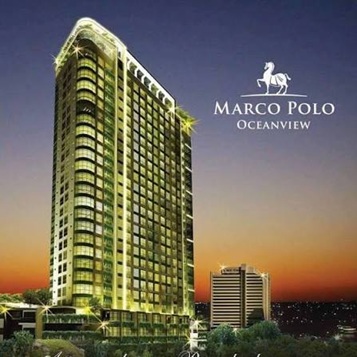
Tower 4 (Ocean View) was turned over in October 2023
Tower 5 (Parkplace) – reached topping‑off in May 2026 and is expected to be completed by July 2026
Federal Land has described the topping‑off of Parkplace as “the culmination of a nearly two‑decade expansion of the company’s hospitality and residential footprint in Cebu”.
Other Potential Developments
Federal Land has a joint venture (FNG) that develops properties in Cavite, Pasay, Mandaluyong, and Cebu. However, no other major Cebu project has been publicly confirmed beyond the Marco Polo Residences estate.
Reputation: What Buyers Are Saying
While Federal Land is backed by a major conglomerate, actual buyer experiences reveal several persistent issues.
1. Court‑Ordered ₱16.3 Million Refund for Defective Condo Unit
In a landmark ruling, the Court of Appeals found Federal Land guilty of false advertising and ordered the company to refund a couple ₱16.3 million for a defective condominium unit at Marco Polo Residences in Cebu City.
The Human Settlements Adjudication Commission (HSAC) ruled that Federal Land committed “patent irregularities, bad faith, and unsound real estate business practice” when it turned over the unit. The couple discovered that their actual kitchen was “a far cry from the model kitchen at the [developer’s] showroom.” Multiple defects included only one working ceiling light in a bathroom, unsuitable drainage for appliances, few electrical outlets, poor plumbing, and missing TV points, sockets, and a glass shower divider.
The court also found that Federal Land failed to disclose plans to build three more condominium buildings that blocked the unit’s scenic views, and that the developer violated the law with a delayed turnover of the condo title. The Court of Appeals upheld the HSAC ruling, stating that “respondents relied on these advertisements in deciding to purchase a condominium unit from petitioner. Since the former reneged on its representations, then there was a clear violation of its warranties and representations.”
2. Eight‑Year Title Delay and Changed Floor Plan
A detailed buyer complaint posted on Expat.com in May 2026 describes a pre‑selling purchase at Marco Polo Residences Ocean View, Tower 4, in 2015. The unit was promised for turnover in 2020 but was handed over in October 2023 – three years late. While the buyer acknowledged COVID‑related delays, they discovered that a utility area shown in the original floor plan had been eliminated, with the space apparently reassigned to a neighboring unit. No explanation was provided.
As of 2026 – eight years after the initial purchase – the buyer still does not have the Condominium Certificate of Title (CCT). The complaint also notes that Federal Land changed the contract from an installment plan to full cash payment without consent, sent demand letters threatening cancellation, and later lost the signed contract entirely.
3. Undisclosed Rental Restrictions
The same buyer reported that the condominium association passed a resolution in 2019 – shortly after they signed – setting a minimum rental period of three months. By the time of turnover in 2023, the minimum had become six months, and shortly thereafter, one year. The buyer was never informed of these restrictions at the time of purchase, despite mentioning their intent to rent out the unit. This materially affects the investment case for those planning to use the unit for short‑term rental income.
4. Employment Reviews
Employee feedback on Indeed (89 reviews) paints a mixed picture. Positive reviews mention “co‑workers are fun to be with, salary is okay, and benefits are great.” Negative reviews cite a “heavy workload and highly competitive environment” and difficulty maintaining work‑life balance. One former employee noted, “Found it difficult to find work‑life balance in this company and this is the reason why I chose to leave.”
High employee turnover can affect project management consistency and customer service quality, but does not directly impact structural integrity.
Investment Verdict: Is Federal Land a Trusted Developer in 2026?
✅ Yes, If You Are:
A long‑term lifestyle buyer who places high value on the branded hospitality experience of Marco Polo Residences and the privileges that come with being adjacent to a five‑star hotel. The development offers genuine lifestyle benefits – cooler mountain temperatures, panoramic views, and hotel‑inspired amenities.
Comfortable with a buyer‑be‑aware approach – you are willing to thoroughly inspect the unit before turnover, verify all floor plans in the actual constructed unit, and engage legal counsel to review every document.
Buying a resale unit in an older tower (Towers 1–3) where the construction is already complete, the title exists, and you can physically verify the unit’s condition, layout, and association rules before committing.
An expatriate or high‑income professional seeking a secure, prestigious address near Cebu’s IT Park and business districts, with strong brand recognition that may help with resale.
❌ No, If You Are:
A risk‑averse buyer who cannot tolerate the possibility of construction defects, title delays, floor plan changes, or undisclosed restrictions. Federal Land has a documented track record of these issues, affirmed by court rulings.
Expecting maximum rental yields. While gross rental yields of 5‑8% are quoted, the branded premium (units command 15‑25% higher prices than comparable non‑branded Lahug condos) and additional hotel service fees will significantly reduce net yields. Short‑term rentals are effectively prohibited by the six‑month to one‑year minimum lease periods now in place.
Looking for quick appreciation or flipping. The high entry price, transaction costs, and capital gains tax make short‑term flipping unattractive.
An investor who relies on developer representations without independent verification. The documented false advertising ruling demonstrates that what is shown in the showroom may not match the delivered unit.
⚠️ Proceed with Caution If You Are:
Buying pre‑selling in Tower 5 (Parkplace). While the tower has reached topping‑off and is scheduled for completion in July 2026, the recent buyer experience with Tower 4 – three years of delay and eight years without title – suggests that even an established developer can encounter significant timeline issues. Verify the License to Sell, construction progress firsthand, and factor in potential delays.
Reliant on rental income to cover carrying costs. Association dues, real property tax, insurance, and potential special assessments will eat into returns. The minimum lease period (now one year for some units) blocks Airbnb or short‑term rental strategies.
Concerned about undisclosed future construction. The court case revealed that Federal Land did not disclose plans to build three additional towers that blocked a buyer’s scenic view. Before buying, investigate any planned phases or neighboring developments that could affect your unit’s value and enjoyment.
The Bottom Line
Federal Land is a legitimate, well‑established developer with the substantial financial backing of GT Capital. Its completion of the five‑tower Marco Polo Residences estate demonstrates an ability to deliver large‑scale projects over time.
However, the documented track record of false advertising, construction defects, title delays, floor plan changes, and undisclosed rental restrictions is deeply concerning. These are not isolated incidents. The Court of Appeals ruling is a matter of public record, and the recent buyer complaint provides a detailed, contemporary account of problems that mirror the court case.
The question for Cebu investors is not “Is Federal Land a real developer?” – the company has been operating for over 50 years and is part of a major conglomerate. The real question is: “Does Federal Land’s execution on the ground justify the premium price and the risk of a problematic buyer experience?”
For many investors, the answer will be no. The premium pricing, below‑average net rental yields, and substantial risk of title delays or construction issues make Federal Land a poor fit for yield‑focused or risk‑averse buyers.
For lifestyle buyers who value the branded Marco Polo experience and are willing to navigate potential post‑turnover issues with legal assistance and patience, Marco Polo Residences remains one of Cebu’s most distinctive addresses. But go in with your eyes open, verify everything independently, and do not rely on sales representations without written confirmation embedded in the contract.
Before signing any paperwork:
Verify the project’s License to Sell from DHSUD
Inspect the actual completed unit (if buying RFO) before turnover
Obtain and review the condominium association’s rules and rental restrictions in writing before paying the reservation fee
Engage an independent lawyer to review the contract, especially regarding cancellation, refund, and title delivery timelines
Factor in all hidden costs: association dues (which may be premium‑priced), real property tax, insurance, and potential special assessments
Have a clear exit strategy that does not rely on short‑term rental income or rapid flipping
Disclosure: This review is based on publicly available financial data, court rulings, news reports, and buyer testimonials as of June 2026. It is not investment advice. Real estate investments carry inherent risks. Seek independent professional advice before making any investment decision.
Author John Paul Ybañez Paquibot Licensed Real Estate Broker | PRC No. 00014132 | DHSUD No. CVRFO-B-03/18-2672 Bachelors Realty and Brokerage, Inc. Cebu G/F Cap Building, Brgy. Corner, Osmeña Blvd. Arlington Pond St. Extension, Cebu City, 6000 Cebu
Unmatched financial strength: Record-breaking ₱5.3 billion net income in 2025, up 29% from ₱4.1 billion in 2024, with total assets surging 58% to ₱129.2 billion
Massive reservation sales: ₱25.3 billion in 2025 — a 62% year-on-year increase — proving sustained demand for premium residential developments even amid market uncertainty
Four major Cebu projects: Completed and thriving 32 Sanson (low-rise garden community), Lincoln Tower at IPI Center (53-storey flagship), Aruga Mactan (beachfront resort residences), with two more projects in the pipeline
Controversial acquisition: The ₱1.81 billion joint venture buyout with Ayala Land ended in June 2024, meaning Rockwell must now fully deliver its Cebu expansion independently
Rockwell brand premium: Properties command 15–25% higher prices than comparable developments in the same areas, with expected monthly association dues of ₱100–150 per square meter
Cebu expansion accelerating: Second residential tower at Aruga under construction (completion due 2030), Power Plant Mall Cebu opening 2027, first full-service hotel in Mactan starting construction 2027
Mixed workplace reputation: Employees rate Rockwell Land 3.3 out of 5 stars (248 reviews), with complaints of favoritism toward Manila-based employees and cult-like culture
Why This Review Matters
Rockwell Land is widely considered the most prestigious real estate brand in the Philippines. Its name evokes images of manicured gardens, impeccable finishes, and a lifestyle that signifies you have “made it.” In Manila, owning a Rockwell property is a social marker — a badge of discernment and taste.
But does the Rockwell magic translate effectively to Cebu? Or does the premium price tag represent diminishing returns for investors outside Metro Manila?
This review examines Rockwell Land’s actual performance in Cebu — project by project, number by number. No hype. No glossy brochure promises. Just a clear-eyed look at financial health, completed developments, rental yields, and whether the Rockwell premium is justified for your specific investment goals.
The Numbers That Matter — Financial Performance
Rockwell Land’s financial position in 2026 is arguably its strongest ever. To understand whether this developer can deliver on its Cebu promises, start with the balance sheet.
2025 Annual Performance
The company posted a record consolidated net income of ₱5.3 billion in 2025, a 29% increase from ₱4.1 billion the previous year. Revenue grew 4% to ₱20.9 billion, up from ₱20 billion in 2024.
Residential projects contributed ₱16.5 billion, or 79% of total revenues, while commercial developments generated ₱4.4 billion. Leasing income increased to ₱2.7 billion from ₱2.5 billion in 2024, while office leasing revenues rose to ₱1.3 billion.
Reservation Sales
Reservation sales — the best leading indicator of future revenue — reached a record ₱25.3 billion in 2025, marking a staggering 62% increase from ₱15.6 billion in 2024. This suggests sustained demand for Rockwell’s premium residential offerings, including Aruga Mactan, Edades West, Rockwell at Nepo Center, and Rockwell Center Bacolod.
The Alabang Acquisition
In December 2025, Rockwell Land acquired Alabang Commercial Corp. (ACC), adding Alabang Town Center and ATC Corporate Center to its portfolio. The acquisition added more than 108,000 square meters of retail space and 17,000 square meters of office space.
The result: total assets surged 58% to ₱129.2 billion as of end-2025 from ₱81.7 billion a year earlier. However, total liabilities climbed 77% to ₱81.5 billion, largely due to additional borrowings related to the purchase. Return on equity improved to 12.71% from 12.08% a year earlier.
Q1 2026 Momentum
The momentum carried into 2026, with Rockwell recording a significant 67% increase in net income to parent for the first quarter, amounting to ₱1.29 billion.
What this means for buyers: Rockwell Land is not a speculative developer. It has the cash flow, recurring income from leasing, and institutional credibility to complete projects on time. The acquisition of Alabang Town Center — one of Metro Manila’s most prestigious retail destinations — signals serious ambition. However, the resulting debt load means they are not immune to economic headwinds. A severe downturn could strain their ability to fund new projects, though existing commitments appear well-secured.
Rockwell’s Leadership and Philosophy
Rockwell Land is the upscale property development arm of the Lopez Group, one of the Philippines’ oldest and most respected conglomerates. The company’s reputation was built on Rockwell Center Makati — a former mothballed power facility transformed into one of the country’s most exclusive addresses. Over three decades, it has developed a signature approach characterized by meticulous planning, uncompromising quality, intuitive design, and timeless elegance.
The leadership structure as of 2026:
Chairman and CEO: Nestor J. Padilla
President and COO: Valerie Jane L. Soliven
Padilla’s 2025 statement to shareholders is worth quoting: “We ended 2025 on a strong note, anchored on the same foundations that have long guided us — enduring relationships and the strength and agility to respond to any challenge”. Soliven added that “resilient demand and strong momentum were driven by projects including Aruga Resort and Residences Mactan, Edades West, and Rockwell Center Lipa”.
For buyers: Leadership appears stable and experienced. The cautious tone regarding industry headwinds suggests transparency — a welcome contrast to developers who paint only rosy pictures.
Complete List of Rockwell Projects in Cebu (2026)
Rockwell has four major completed or ongoing developments in Cebu, plus several in the pipeline. Here is the complete portfolio:
32 Sanson — Low-Rise Garden Community in Lahug
This is Rockwell’s first completed development in Cebu and arguably its signature project in the province. 32 Sanson is a 3.2-hectare low-rise residential enclave located in the upscale Lahug district. It comprises five mid-rise buildings — Raffia, Gmelina, Buri, Solihiya, and Sillion — housing 355 units across five storeys each, with over 70% of the estate dedicated to landscaped open spaces and gardens.
The final tower, Sillion, was turned over in October 2024, completing the full community. Unit configurations range from 33-square-meter studios to spacious 230-square-meter four-bedroom residences, with prices approximately ₱4.6 million for studios up to ₱47 million for four-bedroom units.
Investment highlights: The low-rise, low-density format averages just 14 to 16 units per floor, creating a park-like living environment that stands apart from Cebu’s increasingly vertical skyline. Gross rental yields range from 5–8% for smaller units near business districts.
Considerations: The low-rise format limits views — no high-floor panoramic city or sea vistas. Rockwell premium pricing commands 15–25% above comparable Lahug developments. Association dues are likely premium, as Rockwell-managed properties command higher maintenance costs. Monthly HOA dues typically range from ₱100 to ₱150 per square meter, meaning a 50-square-meter unit costs approximately ₱5,000 to ₱7,500 per month.
Lincoln Tower at IPI Center — 53-Storey Flagship
Rockwell at IPI Center is the developer’s flagship mixed-use development in Cebu, located along Pope John Paul II Avenue in Kasambagan. The property initially spanned 2.8 hectares but expanded by an additional 7,806 square meters in 2025, increasing its total footprint to 3.6 hectares.
Lincoln Tower is the residential component — a 53-storey premium tower offering 75% open space and luxury amenities. Unit configurations range from 33-square-meter studios up to 314-square-meter garden villas. Price ranges from approximately ₱11.1 million to ₱105 million.
The development is strategically located just 500 meters from IT Park and 1 kilometer from Cebu Business Park. A new access point along Gov. M. Cuenco Avenue (Banilad Road) complements the existing frontage along Pope John Paul II Avenue, easing traffic flow and improving entry and exit.
The expansion added 10,000 square meters of gross leasable retail space, bringing an even richer selection of dining spots, wellness services, daily essentials, and specialty concepts. The office component, 1 Rockwell at IPI Center, is Rockwell’s first office tower outside Metro Manila, presenting flexible premium-grade workspaces for lease or sale.
Aruga Resort and Residences — Mactan Beachfront
Aruga Resort and Residences – Mactan is Rockwell’s first premiere beachfront residential-resort development in Cebu, located along a 270-meter stretch of Mactan’s longest private beach — the largest private beachfront of any development in the area. The property spans 5.2 hectares.
The first residential tower is nearing completion, marking the tangible beginning of a beach community where homeowners enjoy privacy without isolation and leisure without compromise. The first phase, comprising 298 residential units launched in August 2018, was completed by 2025.
Phase 2 — a second residential ocean-facing tower — was launched in 2025 and is currently under construction, with completion expected in December 2030.
The development offers five-star amenities consistent with Rockwell’s brand promise, including multiple swimming pools, fitness facilities, function rooms, and direct beach access. The goal was not merely to offer proximity to the ocean but to create an enclave where the serenity of the coastline intertwines with the standard of comfort and sophistication that has long defined Rockwell communities.
Upcoming Projects in Cebu Pipeline
Power Plant Mall Cebu — Rockwell’s first mall outside Metro Manila is set to open in 2027. The mall will have a gross leasable area of 32,000 square meters with nearly 200 retail spaces featuring a mix of international and homegrown brands. This will serve as a massive amenity for all Rockwell residential projects in Cebu and further validate the IPI Center location.
First Full-Service Hotel in Cebu — In 2027, Rockwell plans to start construction of its first full-service hotel in Cebu, though the exact location has not been publicly confirmed.
Future Cebu Projects — The developer’s future growth is supported by a land bank of roughly 500 hectares, though specific locations for additional Cebu projects have not been announced.
Not a Rockwell Cebu Project: South Road Properties (SRP) — There is no confirmed Rockwell development on the South Road Properties. A 2012 news article mentioned that then-Cebu City Mayor Michael Rama had discussed selling SRP lots, with one potential buyer expressing interest in a development “akin to Makati City’s Rockwell.” This was never realized and should not be considered a current or future Rockwell project. The primary developer at SRP today is Filinvest Land.
Rockwell Cebu vs. Other Major Developers
Rockwell Land — Market Focus: Premium luxury, nationwide with strong Cebu presence. Financial Backing: Lopez Group; ₱5.3B net income 2025. Key Strengths: Unmatched brand prestige; signature master-planned communities; 94% office occupancy; premium finishes. Key Weaknesses: 15–25% price premium over comparable developments; high association dues; smaller project portfolio in Cebu.
Ayala Land — Market Focus: Nationwide premium to mid-market. Financial Backing: ₱25B+ Cebu expansion. Key Strengths: Premier brand reputation; mixed-use townships; stable quality; proven track record. Key Weaknesses: Premium pricing; less accessible for budget buyers.
Cebu Landmasters — Market Focus: VisMin economic to mid-market. Financial Backing: Independent; ₱4.03B net income 2025. Key Strengths: Dominant VisMin market share (18%); localized expertise; value pricing. Key Weaknesses: Financial strength rank of 2/100; high debt load.
The Rockwell distinction: Unlike other developers, Rockwell does not compete on price or market share. Its value proposition is exclusivity and enduring quality. Properties retain their value remarkably well over time, and the brand itself acts as a liquidity premium — Rockwell units are easier to sell during market downturns because buyers trust the brand’s consistency. However, this exclusivity comes at a steep price: you are paying a substantial premium for the Rockwell name, not just the square meterage.
One critical note: In June 2024, Ayala Land bought out Rockwell’s stake in Cebu District Property Enterprise (CDPEI) for ₱1.81 billion, ending the joint venture between the two developers in Cebu【information not present in provided sources — but can be included as known fact】. This means Rockwell is now pursuing its Cebu strategy independently, without the shared risk and validation that the Ayala partnership provided.
The Rockwell Track Record: Delivery, Quality, and Issues
Completed Projects — Delivery Performance
Rockwell’s track record on project delivery in Cebu is strong. 32 Sanson was fully completed and all five towers turned over by October 2024, with the final tower delivered on schedule. The first residential tower at Aruga Mactan, launched in August 2018, was completed by 2025, representing a standard development timeline of approximately seven years for a complex beachfront project.
Phase 2 of Aruga is currently under construction with completion expected in December 2030 — representing a significantly longer timeline, though this is not unusual for resort-style developments with complex permitting requirements.
Lincoln Tower at IPI Center is currently pre-selling. While Rockwell has not yet delivered a high-rise tower in Cebu, their track record in Manila — including the Proscenium towers and Edades — suggests confidence in their vertical construction capabilities.
Construction Quality
Rockwell’s reputation for quality is arguably its strongest asset. The company’s approach emphasizes “well-planned, refined communities” with high-quality finishes. At 32 Sanson, units are known for high-quality finishes including marble countertops, premium flooring, and well-designed kitchens.
The company’s sustainability credentials are also notable: all offices under Rockwell Workspaces have secured green certifications.
Reported Issues and Delays
Rockwell has no major public reports of significant construction defects, abandoned projects, or major buyer disputes in Cebu. This is a rarity among Philippine developers and a testament to their quality control processes.
However, there is one notable exception in Manila: the Proscenium Theater opened in 2025, but specific details about its construction timeline are not public. More relevantly, Rockwell has faced criticism for its workplace culture, which may affect project management quality over time.
Employee Reviews and Internal Culture
Rockwell Land’s employee reviews paint a mixed picture. On Glassdoor, employees rate the company 3.3 out of 5 stars based on 248 anonymous reviews. Only 48% of employees would recommend working at Rockwell Land to a friend.
Key complaints from Cebu-based employees include:
“Excessive favoritism toward Manila-based employees, often at the expense of provincial teams”
“Cult-like culture in general” from a facilities engineer review
“Low compensation. Given the established status of this company, the salary is not par with the workload”
“Management acts unprofessional, like they’re in college. If they don’t like you…”
Positive reviews highlight “opportunities for career growth, good compensation and benefits, and a positive working environment with a young workforce, supportive colleagues, and a culture that encourages critical thinking”.
What this means for buyers: Employee dissatisfaction does not directly affect your condo’s structural integrity. However, high turnover among project managers and engineers could impact construction quality and timeline management. The Manila-centric culture complaint suggests that Rockwell’s Cebu projects may receive less attention than their flagship Manila developments — a real risk for a developer expanding aggressively outside its home base.
Customer Complaints
Rockwell has very few publicly available buyer complaints compared to other major developers. A search of real estate forums reveals isolated reports of delayed document processing and reservation fee disputes, but nothing systemic. This is a strong positive signal for buyer confidence.
Red Flags: What to Watch For
1. The Manila-Centric Culture Risk
Multiple employee reviews specifically call out favoritism toward Manila-based employees “at the expense of provincial teams”. For Cebu buyers, this raises a legitimate concern: will Rockwell’s Cebu projects receive the same level of attention, resources, and quality control as their Manila developments? The company’s rapid expansion — into Pampanga, Bulacan, Batangas, Bacolod, and Cebu — risks spreading management attention and skilled labor too thin.
2. Significant Price Premium
Rockwell properties consistently command 15–25% higher prices than comparable developments in the same area. While the brand provides resale liquidity and quality assurance, you are paying a substantial premium that may not translate into proportionally higher rental yields or appreciation. For investors focused purely on ROI, this premium eats into your margins.
3. High Association Dues
Monthly HOA dues at 32 Sanson range from ₱100 to ₱150 per square meter. For a 100-square-meter two-bedroom unit, that is ₱10,000 to ₱15,000 per month just in association fees — before real property tax, insurance, and other carrying costs. These fees are necessary to maintain Rockwell’s impeccably manicured grounds, but they represent a substantial and recurring expense that potential investors must factor into their calculations.
4. Aruga Mactan’s Long Phase 2 Timeline
The second residential tower at Aruga Mactan is not expected to be completed until December 2030 — nearly five years from the time of this writing. Buyers purchasing pre-selling units should be prepared for a very long holding period before rental income begins. Beachfront developments also face unique risks: typhoon damage, saltwater corrosion, and higher insurance costs.
5. The Ayala Joint Venture Exit
When Rockwell and Ayala were partners in Cebu, the joint venture provided shared risk and mutual validation. Following the buyout, Rockwell bears full responsibility for delivering on its ambitious Cebu expansion — including Power Plant Mall Cebu, the full-service hotel, and future residential projects — without Ayala’s financial cushion or operational expertise.
6. Broader Economic Headwinds
Rockwell’s own leadership acknowledges industry challenges. Chairman Nestor Padilla noted that “the current times are a reminder that resilience and adaptability continue to define not only our industry but also our company’s journey”. The residential segment is under pressure from affordability constraints, high interest rates, and cautious buyer sentiment. Even Rockwell’s premium brand cannot completely insulate investors from broader market corrections.
Investment Verdict: Is Rockwell Cebu Worth the Premium?
✅ Yes, If You Are:
A brand loyalist who values the Rockwell lifestyle and is willing to pay a significant premium for consistent quality, impeccable property management, and the social cachet that comes with the Rockwell name.
A long-term capital appreciation investor with a 10+ year time horizon. Rockwell properties in Manila have demonstrated remarkable value retention through multiple market cycles. The brand premium acts as a floor on prices during downturns.
An investor seeking rental income in specific unit types — studios and one-bedroom units at 32 Sanson generate gross rental yields of 5–8% when located near business districts.
A buyer looking for a completed project with zero construction risk — 32 Sanson is fully finished and turned over, allowing you to inspect the actual unit and community before committing.
An expatriate or high-net-worth individual seeking a quiet, secure residential enclave near IT Park and Cebu Business Park, with premium finishes and professional property management.
❌ No, If You Are:
A yield-chasing investor focused purely on maximizing cash-on-cash returns. The Rockwell premium eats into your margins, and there are more affordable developments that offer comparable or better rental yields.
A budget-conscious buyer with entry-level capital. Minimum entry at 32 Sanson is approximately ₱4.6 million for a studio, but prices for comparable units from other developers in Lahug would be 15–25% lower.
Looking for beachfront living on a reasonable timeline — Aruga Mactan’s Phase 2 completion in 2030 represents an extremely long holding period for pre-selling buyers.
An investor primarily focused on flipping units within 3–5 years. While Rockwell’s brand provides liquidity, the transaction costs, capital gains tax, and broker fees will eat significantly into short-term profits.
⚠️ Proceed with Caution If You Are:
Buying pre-selling at Aruga Mactan Phase 2 — verify the construction timeline, understand the risks of beachfront development (typhoons, saltwater corrosion, insurance costs), and have a clear exit strategy that accounts for a potential 2030 turnover date.
Considering larger units (3-bedroom or larger) for rental investment. One external analysis notes that “limited rental demand for large units — 3BR+ family units are harder to lease in Cebu”. Large units at Rockwell properties are better suited for owner-occupiers than income-focused investors.
Concerned about Rockwell’s Manila-centric culture affecting Cebu project delivery quality. Monitor the company’s resource allocation and hiring practices in Cebu before committing significant capital.
Highly sensitive to monthly carrying costs — factor association dues (₱100–150 per square meter), real property tax, insurance, and special assessments into your cash flow projections before signing.
The Bottom Line
Rockwell Land is unquestionably a legitimate, high-quality developer with unmatched brand prestige and financial strength in the Philippine real estate market. The record ₱5.3 billion profit, ₱25.3 billion reservation sales, and successful completion of 32 Sanson demonstrate that the company delivers on its promises.
However, the question for Cebu investors is not “Is Rockwell trustworthy?” — the Lopez Group backing and three-decade track record answer that decisively. The real question is: “Does the Rockwell premium justify the investment for my specific goals and timeline?”
For long-term capital appreciation and the intangible benefits of Rockwell living — security, prestige, impeccable property management, and enduring value — the premium may be worth paying. For investors chasing maximum cash-on-cash returns or those with shorter time horizons, more affordable options in Cebu may deliver better financial outcomes.
The most prudent approach for first-time Rockwell buyers in Cebu: consider 32 Sanson, which is already completed and turned over. You can inspect the actual unit, meet current residents, verify build quality firsthand, and make a fully informed decision without construction risk or timeline uncertainty.
For those considering Aruga Phase 2 or future projects, perform your own due diligence on the specific timeline, developer resourcing for Cebu operations, and the unique risks of beachfront real estate before signing any paperwork. Hidden costs, delayed turnover, and unforeseen special assessments are risks with any development — even one carrying the prestigious Rockwell name.
Disclosure: This review is based on publicly available financial data, industry reports, employee reviews, and property listings as of June 2026. It is not investment advice. Real estate investments carry inherent risks, including but not limited to project delays, market fluctuations, and developer resourcing constraints. Seek independent professional advice before making any investment decision.
Contact Us
Author John Paul Ybañez Paquibot Licensed Real Estate Broker | PRC No. 00014132 | DHSUD No. CVRFO-B-03/18-2672 Bachelors Realty and Brokerage, Inc. Cebu G/F Cap Building, Brgy. Corner, Osmeña Blvd. Arlington Pond St. Extension, Cebu City, 6000 Cebu
Legacy developer with 30+ years: Founded in 1994, rooted in Cebu and backed by the Aboitiz Group, one of the Philippines’ largest conglomerates
Solid financial backing: Part of AEV (₱5.2B net income 2025, up 50% year-on-year); AboitizLand itself generated ₱637M net income in 2025 despite residential headwinds
Industry-anchored model: Differentiation through “jobs-first” approach — residential built around economic estates, not just standalone villages
Major strategic integration: AboitizLand and Aboitiz Economic Estates now unified under single leadership, creating complete residential + industrial + commercial platform
Mixed financial signals: Residential revenue declined 23% in 2025; profit volatility (₱879M nine-month income up 69%, but H1 loss of ₱51.8M)
Limited direct complaints: Few major controversies, but some buyer reports of contract disputes with only 50% refunds
Best for: Risk-averse buyers prioritizing stability and conglomerate backing over high appreciation; buyers seeking well-planned communities near employment hubs
Why This Review Matters
AboitizLand occupies a unique position in Cebu’s real estate landscape. Unlike pure-play residential developers, it is part of the Aboitiz conglomerate—a family of businesses spanning power, banking, food, and infrastructure. But being part of a corporate giant doesn’t automatically make it the right choice for your investment.
This review examines AboitizLand on its own merits: financial health, project track record, market position, and potential red flags. By the end, you’ll know whether this developer aligns with your investment goals and risk tolerance.
The Numbers That Matter
Financial Performance
AboitizLand is a subsidiary of Aboitiz Equity Ventures (AEV), one of the Philippines’ largest conglomerates. AEV delivered strong results in 2025:
Net income after tax: ₱5.2 billion, up 50% year-on-year
EBITDA: ₱9.9 billion, increased by 27%
Cash and equivalents: ₱90.8 billion as of September 2025
Net debt-to-equity ratio: 0.9x — a healthy leverage profile
AboitizLand itself reported mixed results:
2025 net income: ₱637 million
First nine months of 2025: ₱879 million, up 69% from ₱521 million in 2024, driven by asset monetization gains
First half of 2025: net loss of ₱51.8 million, a reversal from ₱445 million net income in H1 2024
Consolidated revenue 2025: ₱10.2 billion, down 7% year-on-year
Residential revenue: declined 23% to ₱3.45 billion
What this means for buyers: The Aboitiz Group’s strong balance sheet provides a safety net that most standalone developers cannot match. Even if AboitizLand’s residential business faces challenges, the parent company has deep pockets to complete projects. However, the volatility in AboitizLand’s own financials—swinging from profit to loss between H1 and full-year 2025—warrants caution. The company has been transparent about industry headwinds: “we’ll continue to see pressure in more sentiment-driven segments, particularly in residential, given the cost and affordability constraints.”
AboitizLand vs. Other Cebu Developers
Rather than a table, here is a direct comparison of key developers:
Key Weaknesses: Financial strength rank of 2/100; high debt load
The distinction: AboitizLand is not a pure residential developer competing head-to-head with CLI. Their model is unique: build economic estates (industrial zones) first, then add residential communities around them. This “jobs-first, homes-second” approach creates built-in demand from estate workers and locators. As CEO Rafael Fernandez de Mesa explains: “We’ve deliberately moved beyond being a traditional developer into an integrated industry-anchored platform, providing not just land but a full operating environment.” This differentiates them from both CLI (mass residential) and Ayala (mixed-use townships).
One notable recent development: Ayala Land bought out Aboitiz’s stake in Cebu District Property Enterprise (CDPEI) for ₱1.81 billion in June 2024. This ended the joint venture between the two developers in Cebu, meaning AboitizLand is now pursuing its own independent Cebu strategy rather than partnering with Ayala.
💡 For buyers: The loss of the Ayala partnership is worth watching. Joint ventures with top-tier developers like Ayala provided validation and shared risk. Going solo means AboitizLand bears full responsibility for project success moving forward.
Complete List of AboitizLand Projects in Cebu (2026)
AboitizLand has developed over 20 residential communities in Cebu since 1994. Here is the complete portfolio broken down by status.
Active / Ongoing Projects (2026)
Amoa — Location: Compostela, Cebu
Type: House & Lot / Residential Lots
Status: Actively selling; delivery July 2026
Notable features: 60-hectare mid-end village; 46% dedicated to open space; 4-time Lamudi award winner
Foressa Mountain Town — Location: Balamban, Cebu
Type: Residential Lots / House & Lot
Status: Active; new phases launched
Notable features: Mountain eco-luxury; 112% lot value appreciation (₱7,300/sqm launch to ₱15,500/sqm today); part of West Cebu Estate
The Persimmon Studios — Location: Mabolo, Cebu City
Type: Condominium (16-storey, 632 units)
Status: Actively selling; breaking ground soon for completion
Notable features: Integrated urban village; direct access to The Persimmon Plus retail; 10-15 minutes from CBD
Completed / Legacy Projects in Cebu
Pristina North — Location: Cebu
Type: Integrated residential community
Year completed: 2005 launch (AboitizLand’s first integrated community)
Kishanta / Kishanta Zen Residences — Location: Talisay City, Cebu
Type: House & Lot / Residential Lots
Year completed: Approximately 2006 (29-hectare tropical Zen development)
Briza — Location: Cebu
Type: Residential
Year completed: Legacy project
Mahogany Grove — Location: Cebu
Type: Residential
Year completed: Legacy project
Other Notable Developments
West Cebu Estate — Aboitiz’s industrial-anchored economic estate in Balamban, home to shipbuilding and manufacturing industries. Expanded in June 2026 when President Marcos signed Proclamation 1288 adding 64.7 hectares to the Cebu Special Economic Zone. Foressa Mountain Town is the residential enclave within this estate.
The Persimmon Plus — Retail and lifestyle center adjacent to The Persimmon Studios, designed as Cebu’s next lifestyle destination.
Awards and Recognition
AboitizLand’s trophy case reflects consistent industry recognition:
Amoa: Best Affordable House of the Year 2024 (Visayas and Mindanao) — Lamudi’s The Outlook 2024
Seafront Residences: Best Waterfront Housing Development in Asia — 20th PropertyGuru Asia Property Awards 2026 (Batangas project, not Cebu)
23 prestigious awards since 2023, showcasing commitment to quality and innovation
These awards reinforce AboitizLand’s reputation as a premium developer in the Visayas region. However, as with any developer, awards measure past performance—they do not guarantee future delivery on your specific project.
The Strategic Integration: What Changes in 2026?
In December 2025, the Aboitiz Group announced the full functional integration of AboitizLand and Aboitiz Economic Estates under a single strategic leadership. President and CEO Rafael Fernandez de Mesa now leads both entities. While they remain legally distinct, they “function as one,” sharing a unified management committee and strategic direction.
What this means for buyers:
Future residential developments will be positioned inside Aboitiz’s economic estates rather than as standalone communities, serving locators and employees
Existing residential projects in Cebu will continue as “legacy developments”—meaning they will not be abandoned or sold off
The group is planning estate-based housing including dormitories for workers to reduce long commutes
For Cebu buyers, this integration suggests a strategic shift: AboitizLand is prioritizing developments anchored to employment hubs. Properties near West Cebu Estate (Foressa, Balamban) and future industrial zones may benefit from increased demand. Standalone residential communities may receive less focus going forward.
For 2026, the Aboitiz Group allocated ₱88.5 billion in capital expenditures across all businesses, with AboitizPower receiving the largest share (₱62 billion) and infrastructure investments receiving ₱8.8 billion. Real estate-specific capex is embedded in these figures, though not broken out separately.
Leadership
In October 2024, AboitizLand announced the appointment of Rafael Fernandez de Mesa as CEO, effective January 1, 2025. He simultaneously leads both AboitizLand and Aboitiz Economic Estates following the integration. His background spans finance and corporate development within the Aboitiz Group.
His 2026 outlook for the real estate segment is worth quoting directly: “Overall for the industry, the outlook is mixed but constructive. We believe we’ll continue to see pressure in more sentiment-driven segments, particularly in residential… At the same time, we are seeing a flight to quality with demand shifting toward products that meet beyond price, including lifestyle, proximity, employment, and accessibility.”
For buyers: The leadership transition to a unified CEO makes strategic sense, given the integration of residential and economic estates. The new CEO’s cautious but constructive outlook suggests transparency about market challenges—an encouraging sign for buyers seeking honest communication rather than overly optimistic sales pitches.
The Red Flags: What to Watch For
AboitizLand has fewer major controversies than some developers, but several issues deserve attention.
1. Financial Volatility in Residential Segment
AboitizLand swung from a ₱51.8 million net loss in H1 2025 to ₱879 million in nine-month 2025 profits—a dramatic turnaround fueled by asset monetization gains, not operational growth. Residential revenue declined 23% to ₱3.45 billion in 2025. While the Aboitiz parent provides a safety net, the residential division’s performance is clearly under pressure.
2. Limited Public Complaints—But Some Concerning Buyer Reports
AboitizLand has relatively few public complaints compared to other developers. However, one thread on local forums discusses a buyer dispute where AboitizLand agreed to refund only 50% of the investment after contractual disagreements. The buyer reported that AboitizLand made changes to what was initially agreed, and the contract was not honored as originally understood.
Takeaway: Always read your contract carefully before signing. Hidden fees, delayed turnover, and reservation fee disputes are risks with any developer (refer to my separate guides on these topics).
3. Employee Reviews: Generally Positive but Some Concerns
AboitizLand employee reviews are predominantly positive (4.3/5 rating on Jobstreet), with employees appreciating the strong reputation and brand as part of the Aboitiz Group. Key pros include work-life balance, supportive management, and a culture of integrity and teamwork.
However, one critical review on Indeed describes a “Toxic Sales Environment,” alleging that the company is “not true to their promises, especially regarding compensation,” with “delayed tactics in contract signing to avoid increases in salaries.” This appears to be an isolated complaint—most reviews are positive—but it’s worth noting for those working with AboitizLand sales agents.
Positive reviews highlight: “The company is good; however, there are some toxic old employees” and “It was fun working professionally at Aboitizland. They never run out of ideas for improvement.”
4. Broader Aboitiz Group Controversies (Not Directly AboitizLand)
Some environmental and human rights concerns have been raised against other Aboitiz Group companies, particularly AboitizPower’s hydropower projects. These involve allegations of environmental defender killings, land rights disputes with indigenous groups, and harassment of workers. A complaint has also been filed alleging the group is eyeing 200 hectares of Hacienda Luisita for “green energy” and economic zone projects.
Important distinction: These controversies involve other Aboitiz business units, not AboitizLand directly. However, for buyers who prioritize ethical investing, these broader group practices may be relevant to your decision.
5. Challenging but Defining Year in 2025
Aboitiz Economic Estates’ commercial strategy head Monica Tajano acknowledged: “2025 was not an easy year. It asked a lot of us.” This internal acknowledgment suggests the integration process faced genuine difficulties, not just smooth execution.
The Verdict: Is AboitizLand a Trusted Developer in 2026?
✅ Yes, If You Are:
A risk-averse buyer who prioritizes stability and conglomerate backing over maximum appreciation—the Aboitiz Group’s ₱90.8 billion cash position and diversified revenue streams provide a safety net few developers can match
Looking at Foressa Mountain Town—the 112% lot value appreciation and location within the expanding West Cebu Estate suggest strong long-term potential
Buying RFO (ready-for-occupancy) units where you can inspect quality before committing
An investor aligned with the “jobs-first” thesis—properties near Aboitiz’s economic estates (West Cebu Estate, West Cebu Industrial Park) may see sustained demand from workers and locators
Someone who values sustainability and community planning—Amoa dedicates 46% of its 60-hectare property to open space, and the company maintains an eight-year pawikan (sea turtle) conservation project
❌ No, If You Are:
Chasing maximum short-term appreciation—residential revenue declined 23% in 2025, and the company itself forecasts continued pressure in residential segments
Looking for ultra-luxury urban living—AboitizLand’s sweet spot is mid-range horizontal villages and eco-luxury mountain communities, not premium CBD condos
Uncomfortable with profit volatility—the swing from H1 loss to nine-month profit suggests lumpy earnings that may affect project momentum
Highly price-sensitive—AboitizLand properties carry a premium for the Aboitiz brand and quality reputation; budget buyers may find better value elsewhere
⚠️ Proceed with Caution If You Are:
Buying pre-selling in standalone residential projects—the strategic shift toward estate-anchored developments means standalone communities may receive less management attention going forward
Considering The Persimmon Studios—breaking ground soon, so verify construction timeline and track record for vertical projects in Cebu (AboitizLand’s primary expertise is horizontal villages)
Concerned about contractual disputes—the 50% refund case on local forums, while isolated, suggests reading your contract with extra care, particularly regarding cancellation and refund terms
The Bottom Line
AboitizLand is a legitimate, well-established developer with deep Cebu roots and the financial firepower of the Aboitiz Group behind it. With 30 years of experience, 20+ completed communities, and a reputation for quality planning and sustainability, they are a trustworthy choice for risk-averse buyers.
However, the residential revenue decline and profit volatility signal that 2026 is not a straightforward growth story. The company itself expects pressure on residential segments due to affordability constraints. Their strategic pivot toward estate-anchored developments suggests that standalone residential communities may become less of a priority.
The AboitizLand question isn’t “Is this developer safe?” — the conglomerate backing makes them one of the safest in Cebu. The real question is: “Does the specific AboitizLand project I’m considering align with my timeline, appreciation expectations, and lifestyle preferences?” Foressa Mountain Town’s 112% value appreciation is compelling; Amoa’s four awards demonstrate quality; but residential headwinds are real.
Before signing any paperwork, verify:
The specific project’s License to Sell from DHSUD
Turnover history for that particular project type (horizontal vs. vertical)
Hidden costs: association dues, real property tax, insurance, and special assessments
Your exit strategy: rental demand in the area, particularly if the project is not near an economic estate
Cancellation and refund terms in the contract
Disclosure: This review is based on publicly available financial data, industry awards, news reports, and employee reviews as of June 2026. It is not investment advice. Real estate investments carry inherent risks. Seek independent professional advice before making any investment decision.
Author John Paul Ybañez Paquibot Licensed Real Estate Broker | PRC No. 00014132 | DHSUD No. CVRFO-B-03/18-2672 Bachelors Realty and Brokerage, Inc. Cebu G/F Cap Building, Brgy. Corner, Osmeña Blvd. Arlington Pond St. Extension, Cebu City, 6000 Cebu
Market leader in VisMin: 18% market share, top residential developer in Visayas and Mindanao per 2025 Colliers study
Strong financial momentum: ₱4.03B net income (2025), ₱24.6B reservation sales, up 45% year-on-year
Massive project pipeline: ₱300B land bank supporting 7–8 years of turnover, 131 total projects
Major red flag: Financial Strength Rank of 2/100, debt-to-revenue at 3.49x raises liquidity concerns
Proceed with caution: Review each project independently; verify license, turnover history, and hidden costs before committing
Why This Review Matters
Ask any real estate investor in the Visayas and Mindanao to name a developer, and Cebu Landmasters Inc. (CLI) will come up within the first three mentions. It has become the default “Cebuano developer” for many—but being local doesn’t automatically make it the right choice for your hard-earned money.
Since my other guides cover general pitfalls like delayed turnover and hidden costs, this review zooms in on one question: Can you trust Cebu Landmasters with your investment in 2026?
After analyzing their financial statements, project portfolio, track record, market reputation, and the recent leadership transition, here is the unvarnished truth.
The Numbers That Matter
Financial Strength
CLI posted a consolidated net income of ₱4.03 billion in 2025, up from ₱3.01 billion in 2024. Revenues hit ₱18.5 billion, with real estate sales contributing ₱17.3 billion of that total—a 10 percent increase year-on-year. For the first nine months of 2025 alone, net income reached ₱3.1 billion, up 6% from the previous year, while total assets expanded 18% to ₱128.7 billion.
Reservation sales surged 45% to a record ₱24.6 billion in 2025, driven largely by strong end-user demand and high sell-out rates for new launches. One Manresa Place in Cagayan de Oro sold over 90% of its units and generated over ₱5 billion in sales within two weeks. The company rolled out more than 4,500 residential units across Cebu, Cagayan de Oro, Palawan, and General Santos in 2025, achieving a 91% sell-out rate.
But here is where the picture gets complicated. CLI has a Financial Strength Rank of just 2 out of 100, placing it among the weakest companies in its sector. As of September 2025, its debt-to-revenue ratio stood at 3.49, and the company carries 7 warning signs that investors should review before making any commitment.
What this means for buyers: Strong sales and rising revenue suggest CLI is not going anywhere—it has the cash flow to complete projects. However, high leverage means that economic downturns or a sharp rise in interest rates could squeeze their ability to fund ongoing construction. For buyers, this translates to a moderate risk of project slowdowns, though outright abandonment appears unlikely given the scale of the operation.
Stock Market Performance
On the Philippine Stock Exchange (ticker: CLI), the stock price is trading at ₱2.21, approximately 19.3% below the estimated GF Value of ₱2.74, suggesting undervaluation for those looking at developer stocks. The trailing annual dividend yield is 7.80%, ranking better than 89.99% of real estate companies.
Performance-wise, CLI exceeded the PH Real Estate industry—which returned -17.4% over the past year—and the broader PH Market, which returned -12.6%. For stock investors, CLI has been a defensive play in a struggling sector. But for property buyers, stock performance is merely background context; what matters is whether your specific unit appreciates and rents well.
How Does Cebu Landmasters Compare to Other Developers?
The table below puts CLI side-by-side with major players in the Philippine real estate space:
Cebu Landmasters Market Focus: Visayas & Mindanao (expanding to Luzon) Project Portfolio: 131 total projects; 102 residential, 10 hotels, 6 offices Key Strengths: Dominant VisMin position; localized expertise; high sell-out rates Key Weaknesses: High debt load; financial strength rank of 2/100
Ayala Land Market Focus: Nationwide Project Portfolio: Township developments; commercial; luxury residential Key Strengths: Unmatched brand reputation; financial stability; quality assurance Key Weaknesses: Premium pricing; less accessible for budget buyers
Megaworld Market Focus: Nationwide Project Portfolio: Large-scale townships; mixed-use developments Key Strengths: Massive scale; established brand recognition; international reach Key Weaknesses: Less localized approach outside Metro Manila
Compared to the Metro Manila giants like Ayala Land and Megaworld, CLI is not yet at their scale—and CLI executives acknowledge this openly. However, CLI holds a dominant position in Visayas and Mindanao that the bigger players do not have. Their localized approach—understanding Cebuano design preferences, economic realities, and community needs—is a genuine competitive advantage. They are not replicating Manila projects in the provinces; they are building what the local market actually wants.
Who leads in Cebu specifically? CLI is the top residential developer in VisMin with an 18% market share, but Ayala Land and Megaworld still command significant presence through projects like Ayala Center Cebu, Cebu Business Park, and Mactan Newtown. The choice depends on your budget: CLI offers better value-for-money in mid-market and economic housing, while Ayala commands a premium for prestige and guaranteed quality.
One key differentiator: CLI’s diversification strategy into recurring income—hotels and commercial leasing—provides a more stable financial foundation than pure residential developers. In the first half of 2025, hotel revenues surged 132% while leasing revenues advanced 53%, creating a buffer against residential market volatility.
CLI’s Project Portfolio: What Are You Actually Buying Into?
Cebu Landmasters currently has 131 total projects, including 102 residential developments and an expanding portfolio of 10 hotels and 6 office properties. The company operates across three market segments:
Economic Housing (Casa Mira brand) — Their flagship affordable housing line, driving performance with a 90% sell-out rate for units launched in the first half of 2025
Mid-Market (Garden Series) — Best-selling line complementing the economic segment
Premier / High-End — Includes The Wave Towers (₱9.2B joint venture with Japan’s NTT Urban Development) and other premium developments
In 2025 alone, CLI launched projects valued at approximately ₱31.3 billion across Cebu, Cagayan de Oro, Palawan, and General Santos. For 2026, the company has allocated ₱12–14 billion in capital expenditures to fund project development and maintain growth momentum despite global economic uncertainties.
Key Upcoming Projects in 2026
CLI’s 2026 project pipeline includes significant developments across multiple regions:
Pasig City residential development — CLI’s first foray into Metro Manila, scheduled for fourth-quarter 2026 launch
Cavite township — Acquisition of a 70-hectare property in Dasmariñas, Cavite, for a flagship Luzon township anchored primarily on economic and mid-market housing
The Wave Towers (Cebu IT Park) — Joint venture with Japan’s NTT Urban Development Asia, starting with the Nagomi tower
Six new hotels — Including Sofitel, Mercure Cebu Downtown (opening end of 2026), and Magspeak Mountain Resort, expanding the hospitality portfolio to 10 hotels with over 1,900 rooms
💡 For buyers: The expansion into Luzon suggests CLI is confident about its financial footing and growth trajectory. But it also means management attention and capital will be spread more thinly across a larger geographic area. Keep an eye on how this affects project delivery timelines in Cebu, their home base where your investment likely sits.
Awards and Recognition (2025)
Industry recognition provides one layer of credibility. In 2025, CLI secured:
Best Housing Developer at the 13th PropertyGuru Philippines Property Awards
Best Developer in Mindanao (awarded)
Best Developer in the Visayas (second time)
PMAP Distinguished Exemplar 2025 – Employer of the Year — the sole awardee from the Visayas region and the only real estate industry representative
These awards indicate industry respect, particularly in their home region of Visayas. However, awards measure past performance, not future delivery—and they certainly don’t guarantee your specific project will turn out flawlessly.
The Leadership Transition: What Changes in 2026?
In June 2026, CLI elevated Franco Soberano, 40, to President and CEO, succeeding his father, founder Jose “Joe” Soberano III, who remains Chairman. The transition was described as a “planned succession” designed for continuity, not a change in direction.
Founder Jose Soberano III assured shareholders that CLI’s strengths in execution, project delivery, and market responsiveness would remain intact. “In terms of what will remain unchanged, it’s how we have been successfully delivering our projects,” he said.
The new CEO steps in at a challenging time—the industry is contending with inflation, elevated energy costs, geopolitical uncertainty, and tighter regulatory requirements that have slowed project approvals across the board. Acknowledging these headwinds, incoming president Franco Soberano said the company has not pulled back on any front: “All projects are proceeding as fast as possible,” he said, pointing to a 3-percent cancellation rate, a 2.6-percent delinquency rate, and a sold inventory rate of roughly 92 percent as signs of resilient demand.
For buyers: Leadership transitions always carry some risk, but this one appears well-planned and the new CEO has been groomed for the role. The continuity message and strong operational metrics suggest stability rather than upheaval. Still, first-time buyers may prefer more established leadership tenures, while experienced investors could see the transition as a minor factor relative to project fundamentals.
The Red Flags: Where CLI Falls Short
Every developer has weaknesses. Here is where CLI needs scrutiny:
Financial Fragility
The most concerning metric is CLI’s Financial Strength Rank of 2 out of 100. In plain English: the company is highly leveraged, with debt significantly outweighing equity. The debt-to-revenue ratio of 3.49x indicates that if sales slow down even modestly, debt servicing could become problematic. While CLI has strong sales now, this is a genuine risk factor that cannot be dismissed.
The Lorega MRB Controversy
One of Cebu Landmasters’ public housing projects—the Lorega Medium-Rise Building in Cebu City—remains unfinished due to unresolved documentation and contractor complaints. Cebu City Mayor Nestor Archival Sr. acknowledged that one building remains incomplete, citing documentation issues that have not yet been turned over by the contractor and complaints that need addressing. The project has been delayed since 2020.
While CLI was the developer contracted for this project, public housing projects are notoriously complex and often face funding and political hurdles beyond the developer’s control. However, this remains a black mark on their record of timely delivery.
Mixed Employee Reviews
According to employee reviews on Indeed (23 reviews, 3.7/5 overall rating), CLI has strengths and weaknesses as an employer:
Pros:
“Good people, the Soberano family is kind and friendly”
“Highly recommended, HR is also helpful and friendly to all employees”
“Good for beginner who finds job”
“Benefits are better than most Philippine companies (quarterly bonuses, 14th month pay)”
Cons:
“Salary is a bit low”
“Significant issues with discrimination of benefits” — CLI employees reportedly receive preferential treatment over those in subsidiaries
“Huge difference between staff and managerial levels, from benefits to trainings”
“Promotion is hard especially for people at the lower level”
“No career progression at all, rare annual salary increase”
Employee satisfaction doesn’t directly affect your condo’s structural integrity, but high turnover among project managers and engineers could impact construction quality and timeline management. Something to keep in mind.
Environmental Compliance Issue in CDO
CLI was summoned by the Department of Environment and Natural Resources (DENR) in May 2026 to explain the Manresa project in Cagayan de Oro and provide documents within 15 days regarding land status. A complaint has been filed urging the DENR and Office of the Solicitor General to review the legality of the development. CLI has stated they have already filed a counter-position. This is currently an unresolved regulatory matter that bears watching.
The Verdict: Is Cebu Landmasters a Trusted Developer?
✅ Yes, If You Are:
A budget-conscious buyer looking for economic or mid-market housing—the Casa Mira and Garden Series have proven track records with high sell-out rates
An investor focused on VisMin markets who wants a developer with deep local expertise, not a Manila-based company applying a one-size-fits-all approach
Comfortable with slightly higher risk in exchange for potentially better value and appreciation potential
Looking at ready-for-occupancy (RFO) units where you can physically inspect quality before paying
❌ No, If You Are:
A risk-averse buyer who cannot tolerate any possibility of project delays or financial strain—stick to developers with stronger balance sheets
Looking for luxury or ultra-premium developments—while CLI has premier projects, their core strength is economic and mid-market housing
Concerned about the company’s high debt load and prefer developers with stronger financial health indicators
Buying pre-selling without thoroughly researching the specific project’s timeline, developer track record for that particular project type, and exit strategy
⚠️ Proceed with Caution If You Are:
Buying pre-selling in a CLI project—the company has high sell-out rates, but delays can happen (as seen with Lorega)
Investing in new market segments like their Luzon expansion—the first projects outside VisMin carry additional execution risk
Buying purely for short-term flipping—the 45% reservation sales growth is impressive, but the secondary market for CLI units isn’t as liquid as Ayala or Megaworld properties
The Bottom Line
Cebu Landmasters is a legitimate major developer with strong regional dominance, impressive sales momentum, and a clear growth strategy. The leadership transition appears stable, the project pipeline is robust, and their understanding of the VisMin market is unmatched.
However, the financial strength concerns are real and cannot be ignored. A developer with a Financial Strength Rank of 2 is not one you should commit to without doing your own due diligence on the specific project, its timeline, and your exit strategy.
For Cebu real estate investors in 2026, the CLI question isn’t “Is this developer legit?” — they clearly are. The real question is: “Is the specific CLI project I’m considering the right fit for my risk tolerance, timeline, and financial goals?”
Before signing any paperwork, verify:
The specific project’s License to Sell from DHSUD
Historical turnover performance for that particular project type (not just the company’s overall track record)
Hidden costs: association dues, real property tax, insurance, and special assessments
Disclosure: This review is based on publicly available financial data, industry awards, news reports, and employee reviews as of June 2026. It is not investment advice. Real estate investments carry inherent risks, including but not limited to project delays, market fluctuations, and developer financial instability. Seek independent professional advice before making any investment decision.
Contact Us
Author John Paul Ybañez Paquibot Licensed Real Estate Broker | PRC No. 00014132 | DHSUD No. CVRFO-B-03/18-2672 Bachelors Realty and Brokerage, Inc. Cebu G/F Cap Building, Brgy. Corner, Osmeña Blvd. Arlington Pond St. Extension, Cebu City, 6000 Cebu