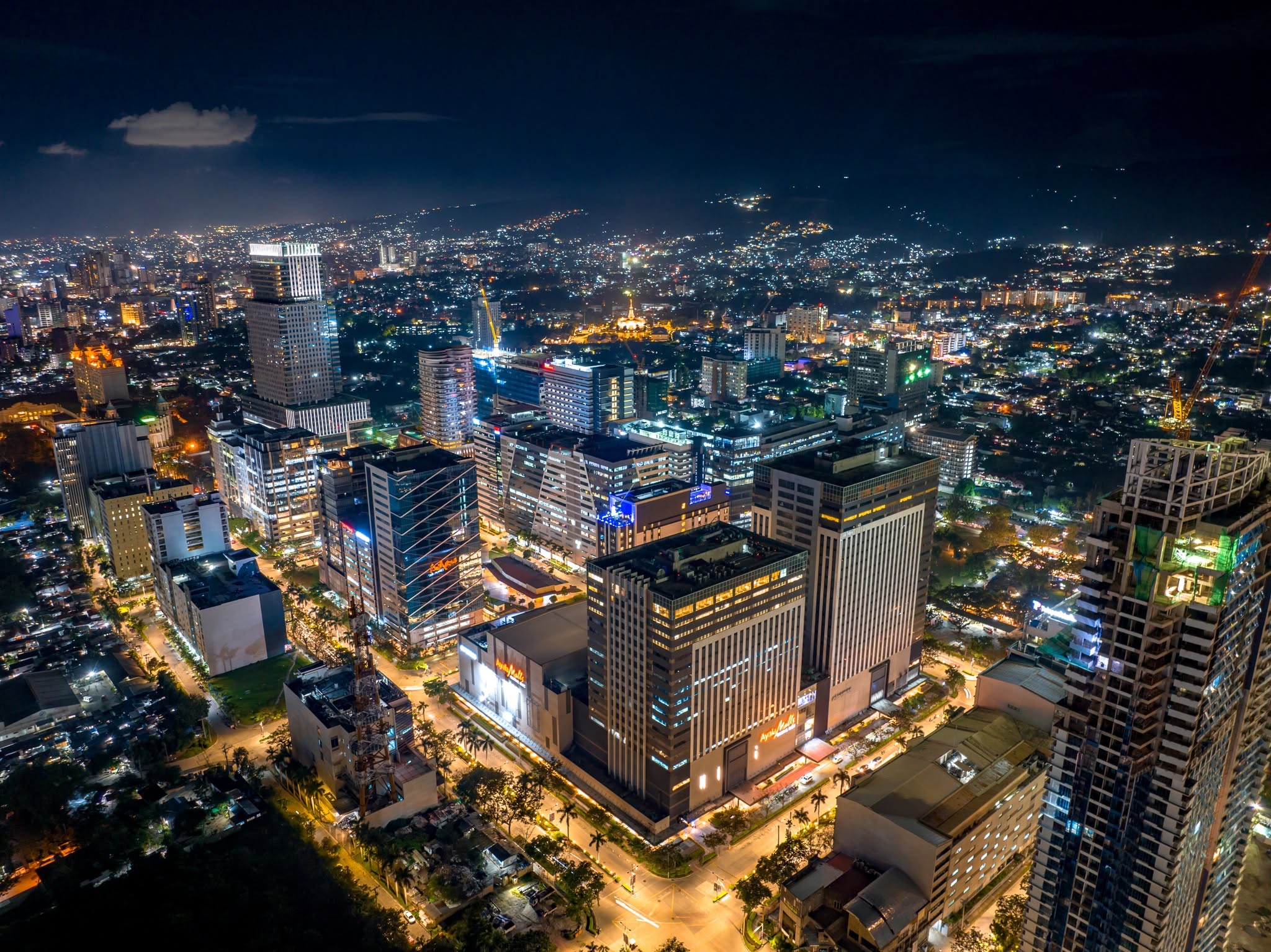
Cebu’s skyline is transforming at an unprecedented pace. By the end of 2025, Metro Cebu’s condominium stock reached 92,300 units—the largest residential supply hub outside Metro Manila. With an estimated 4,000 new units completing every year, the market is projected to breach 109,000 units before the end of the decade.
For buyers and renters in 2026, this massive inventory means massive opportunity—but it also introduces a lot of noise. Cebu posted an 87‑percent condominium take‑up rate early this year, meaning the demand is real, but it is hyper‑concentrated. The days of buying any pre‑selling unit and counting on automatic appreciation are over. Today, building execution, developer track record, and hyper‑local positioning dictate your return on investment.
This guide cuts through the marketing fluff. Here is what you actually need to know about the best condos in Cebu in 2026, where to look, what to pay, and what to watch out for.
The Honest Truth About Cebu’s Condo Market in 2026
Condos now account for 63 percent of Cebu’s residential housing stock, officially overtaking subdivisions as the preferred housing format in Metro Cebu. But here is what developers won’t tell you: not all condos are created equal, and some areas are significantly oversupplied. Prime locations continue to outperform projects in less established areas.
Walkability is the biggest draw in 2026. The best buildings are the ones that let you live, work, and play without dealing with Cebu’s notorious traffic. If a condo forces you into a car for every single errand, its rental appeal and resale liquidity will suffer.
Best Areas and Buildings to Buy a Condo in Cebu
Cebu IT Park & Cebu Business Park (The Corporate Powerhouses)
These two districts are the undisputed kings of the Cebu condo market. IT Park is a PEZA‑accredited zone packed with BPOs, tech companies, and 24/7 restaurants. Business Park has a sleeker, corporate feel anchored by banks, law firms, and Ayala Center Cebu.
Why it works: Zero‑commute living. BPO workers, expats, and young professionals all want to live close to their offices, which keeps vacancy low and resale values stable.
The catch: Prices here are the highest in the city. Studios and one‑bedroom units start at around ₱3 million on the resale market, with larger units in top towers going above ₱8 million. Price per square meter averages ₱180,000 to ₱260,000.
Top buildings to consider in this zone:
38 Park Avenue (IT Park)

A New York‑inspired, 40‑story residential skyscraper that stands as one of the tallest landmarks in IT Park. It features a striking glass‑curtain design and a panoramic sky garden on the 26th floor. Because it sits directly inside the PEZA zone, it is a premier rental property for high‑earning tech professionals. The reality check: IT Park is a vibrant, 24/7 ecosystem. If you prefer quiet, dark evenings, the late‑night foot traffic, weekend markets, and bright lights might feel overwhelming.
Avida Towers Riala (IT Park)
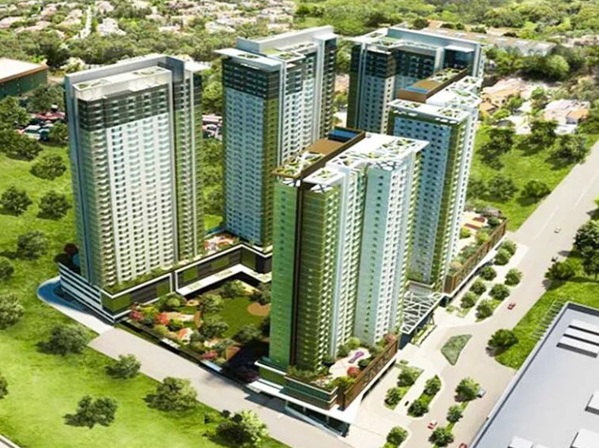
A massive five‑tower development by Ayala Land’s mid‑market arm, boasting roughly 40% to 50% open green spaces. This is the most practical entry point to secure a prime IT Park address. Studios rent for ₱20,000–₱30,000 per month, while one‑bedrooms fetch ₱30,000–₱45,000. Honest review: Resident feedback is mixed. While the location and security are top‑tier, the units are highly compact. Shared amenities like the pool get intensely crowded on weekends, and some residents have complained about slow elevators during peak hours and rude staff. Visit the building yourself before committing.
Park Point Residences (Business Park)

Another in‑demand tower with city and mountain views, popular among executives who want to be steps away from Ayala Center Cebu.
Luxury Spotlight – The Alcoves (Cebu Business Park)

A premium high‑rise developed by Ayala Land Premier, positioned directly above Ayala Center Cebu. The convenience is unmatched: you can walk straight into the mall for dining, groceries, and premium shopping without ever stepping onto a chaotic street. It features a private sky pavilion and larger unit cuts than standard mid‑range builds. Reality check: It sits at a premium luxury price point. Expect large two‑bedroom units to easily cross the ₱15 million mark. It is tailored heavily toward high‑earning executives and affluent investors, making entry‑level purchase difficult.
Luxury Spotlight – Lucima (Business Park Border)

Developed by Arthaland, Lucima stands as Cebu’s premier certified sustainable, eco‑luxury residential building. It features advanced energy‑efficient cooling, low‑flow water systems, and medical‑grade indoor air filtration. Reality check: Green building technology costs more upfront. You will pay a premium on the purchase price, though you save significantly on utility bills over time.
Lahug and Banilad (The Privacy & Green-Space Alternative)
If you want to escape the concrete jungle without leaving the city, the foothills of Lahug and the borders of Banilad offer low‑density, wellness‑focused alternatives.
Why it works: You get better value for money than inside IT Park or Business Park, while still enjoying easy access to work, shopping, and dining. The vibe is more residential and relaxed.
The catch: You’ll need to factor in commute time. Traffic along Salinas Drive and Archbishop Reyes Avenue can be brutal during rush hour.
Top buildings to consider:
32 Sanson by Rockwell (Lahug)
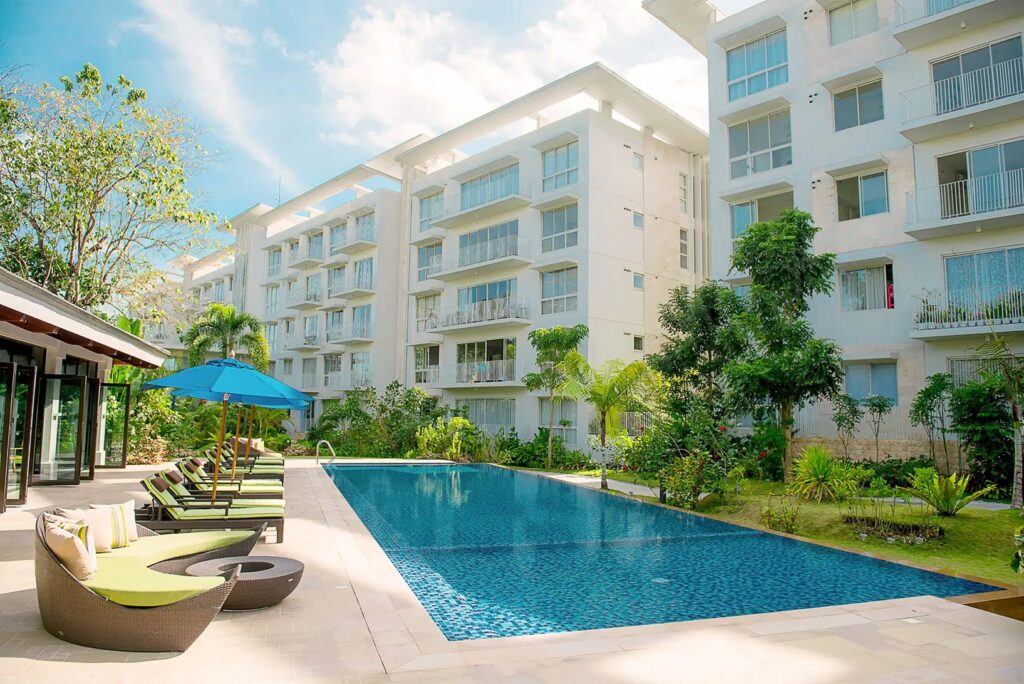
A sprawling, low‑rise garden community nestled in a quiet pocket. Rockwell brought its signature upscale, pedestrian‑first philosophy here, featuring lush, tree‑lined walkways and subterranean parking that keeps the ground level quiet and walkable. It feels like a boutique resort. Reality check: Low‑rise living means you trade sweeping skyline views for ground‑level greenery. Units range from 33 sqm studios up to 230 sqm four‑bedroom residences, with prices spanning roughly USD 82,000 to USD 839,000.
BE Residences (Lahug)
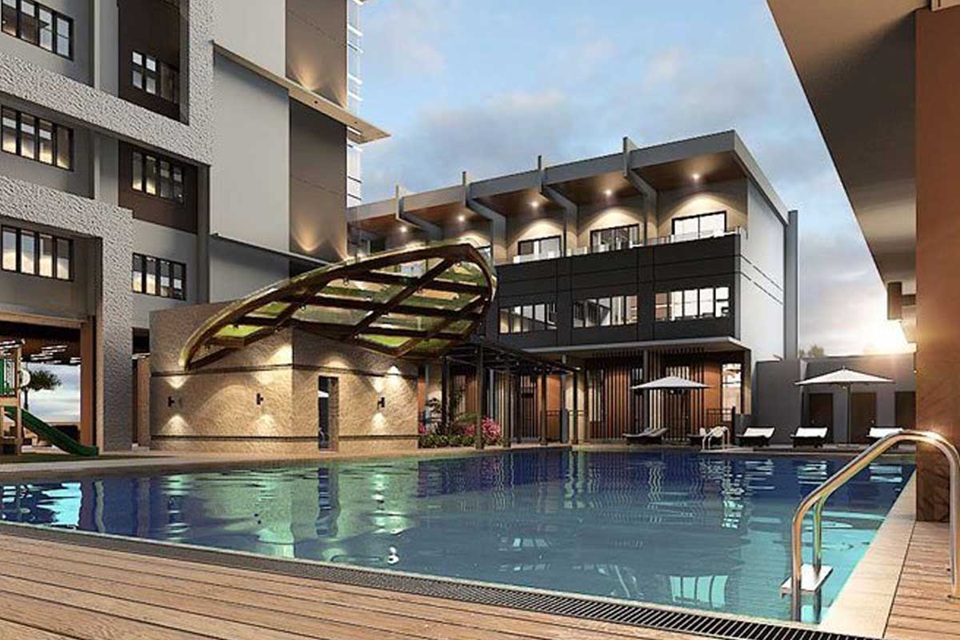
A newer complex with a private pool, sauna, and 24‑hour security. Located near IT Park, Ayala Mall, and Sugbo Mercado, it offers a solid mid‑range option with modern finishes.
Mandaue City (The Waterfront & Strategic Midpoint)
Mandaue sits between Cebu City and Mactan, making it a strategic location for people who need access to both the city and the airport.
Why it works: You get more space for your money compared to Cebu City proper, and you are well‑positioned for commuting in either direction via the new CCLEX bridge.
The catch: The surrounding reclamation area is a massive work in progress. While the property itself is luxurious, you will be living near ongoing construction and industrial infrastructure for the next few years.
Top buildings to consider:
Mandani Bay Suites

A landmark 20‑hectare waterfront premium township developed as a joint venture between Hongkong Land and Taft Properties. Designed by world‑famous architectural firm Aedas, it offers sweeping views of the Mactan Channel and a stunning marina boardwalk. The hidden cost: Monthly building dues run on the higher end at around ₱120–₱150 per square meter.
Mactan and Lapu‑Lapu City (Beachfront & Resort Living)
If you want sea views, resort‑style amenities, or easy airport access, Mactan is your best bet.
Why it works: True beachfront living, resort‑grade concierge services, and proximity to the Mactan‑Cebu International Airport make this area unique for retirees, frequent flyers, or vacation‑home owners.
The catch: Commuting across the bridges connecting Mactan to mainland Cebu can experience massive peak‑hour bottlenecks. It is less practical for daily commuters to Cebu City.
Top buildings to consider:
Aruga Resort and Residences (Mactan)
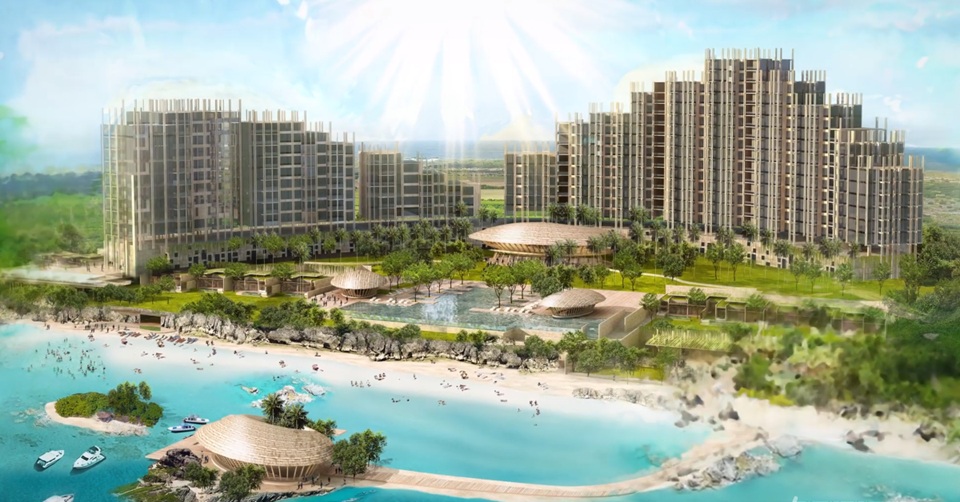
A beachfront luxury residential concept by Rockwell Land located along the high‑end Punta Engaño strip. It offers private beach access, a 270‑meter long shoreline, and resort‑grade services. Reality check: Premium waterfront developments along Punta Engaño now command luxury prices upwards of ₱400,000+ per square meter.
Upcoming Developments Worth Watching (Pre‑Selling)
If you are looking at the pre‑selling market with an eye toward late‑2020s handovers, keep these two award‑winning projects on your radar:
- Kalea Heights by DMCI Homes – A 4.6‑hectare development that stands out by dedicating a massive 3.6 hectares entirely to open space—the largest among condominium complexes in Cebu. It features four modern tropical towers with Sky Parks and over a hectare of elevated greenery. Unit turnovers are slated to begin in December 2029.
- BE Uptown Park – A ₱4.5 billion twin‑tower development on Juana Osmeña Street that secured the “Best High‑End Condo Development” title at the 2025 PropertyGuru Philippines Property Awards.
Warning: Pre‑selling means you are buying based on renderings, not reality. Check the developer’s track record for building maintenance five years post‑turnover before signing anything.
What You’ll Actually Pay: 2026 Price Guide
Here are the real numbers for 2026, based on market data from local brokers and analysts:
- Affordable studio (resale): from around ₱3 million.
- One‑bedroom (average): around ₱7 million.
- Two‑bedroom (average): around ₱12.5 million.
- Premium / Luxury units: ₱25 million to ₱80 million+.
- Luxury waterfront (Punta Engaño): ₱400,000+ per sqm.
Important: These are asking prices. There is often a disconnect between what developers ask and what the market will bear. Do not be afraid to negotiate, especially on resale units.
The Hidden Costs Nobody Talks About
The purchase price is just the baseline. To avoid financial surprises, factor in these standard Philippine real estate closing costs, which usually add 2% to 3% on top of your purchase price:
- Documentary Stamp Tax (DST): 1.5% of the selling price or zonal value (whichever is higher).
- Transfer Tax: 0.5% of the sale price.
- Registration Fee: Approximately 0.25% of the transaction value.
- Monthly building dues: ₱60 to ₱120 per square meter (higher for luxury waterfront projects).
- Move‑in fees: A one‑time fee ranging from ₱5,000 to ₱20,000 charged by building management for utility setup and initial assessments.
Real‑world example: For a ₱5 million unit, expect to spend ₱100,000 to ₱150,000 in closing costs on top of the purchase price.
Rental Yields: What You Can Actually Earn
If you are buying to rent out, here is what the numbers look like in 2026:
- In IT Park and Cebu Business Park, gross rental yields range from 5.0% to 6.5%.
- Studios average roughly 4.8% net yield.
- Two‑bedroom units yield approximately 5.2% net yield on a ₱11.5 million property renting for ₱68,000 per month.
Cebu offers 20‑40% lower pricing than Manila with stronger rental returns, making it attractive for investors. Rents have increased by an estimated 3% to 6% compared to early 2025, with prime furnished condos reaching 5% to 6% growth.
But be realistic: The market is becoming more competitive. Not every condo will rent quickly or at the price you expect. Do your homework on vacancy rates in your chosen building before buying.
What to Look For Before Signing Anything
Developer reputation – Always check who built the condo. Established developers like Ayala Land, DMCI Homes, and Rockwell generally deliver better quality, but they also charge a premium. Ask about their track record and delivery history.
Security – Most good condos have 24/7 guards, CCTV, and secure entry. This is not just about safety—it affects rental demand and resale value.
Amenities – Pools, gyms, and function rooms are standard. What sets the best buildings apart is how well these are maintained. A gorgeous pool that is always closed for “maintenance” is useless.
Unit layout and views – Beware of showroom tricks. Cebu City is currently evaluating stricter bans on deceptive showroom tactics—like using scaled‑down, custom furniture to make studio units look deceptively large. Bring a tape measure. Check the real ceiling height and room dimensions.
Back‑up power – Ensure the building features 100% back‑up power generation to handle tropical storms and brownouts. This is non‑negotiable for BPO workers and remote professionals.
Foreign ownership rules – If you are a foreign buyer, here is the critical rule: no more than 40% of the units in any condominium building can be foreign‑owned. Foreigners can legally own condo units in their own name, but they cannot own land directly. Always verify the current foreign ownership percentage before committing to a purchase.
Final Honest Advice
For buyers: Location is everything. IT Park and Cebu Business Park remain the safest bets, but you will pay for that security. If budget is tight, look at Lahug or Banilad. Visit the building in person at different times of day. Talk to current residents—they are often brutally honest about issues like rude staff, slow elevators, and maintenance problems.
For investors: Small condos (studios and one‑bedrooms) are the most capital‑efficient rental products. But the market is becoming saturated. Look for buildings with low foreign‑ownership percentages (room for appreciation) and strong BPO presence nearby.
For everyone: Do not trust the brochures. Do not trust the showroom. Trust your own eyes and ears—and a good lawyer who can review the contract of sale thoroughly.
Cebu is a fantastic place to buy a condo. Just make sure you are buying the right condo for your specific lifestyle and financial goals.
Author
John Paul Ybañez Paquibot
Licensed Real Estate Broker | PRC No. 00014132 | DHSUD No. CVRFO-B-03/18-2672
Bachelors Realty and Brokerage, Inc. Cebu
G/F Cap Building, Brgy. Corner, Osmeña Blvd.
Arlington Pond St. Extension, Cebu City, 6000 Cebu
Leave a Reply