Blog

  • Is the Philippines a Good Place to Retire? Honest Review – SeekCebu

    The Philippines has just been named the world’s number one retirement destination for 2026. The Retirement Abroad Index 2026, published by the UK-based Expatriate Group, gave the country a winning score of 78 out of 100, edging out Thailand (77), Colombia (73), Portugal (71), and South Africa (69).

    But rankings are rankings. The real question is whether the Philippines is actually a good place for you to retire.

    This is an honest, no-spin review of what retiring in the Philippines actually looks like in 2026—the good, the bad, and the things nobody tells you.


    Quick Summary

    Is the Philippines a good place to retire? Yes, for the right person. It offers an exceptionally low cost of living, one of the world’s most accessible retirement visas, and a culture that welcomes foreigners with genuine warmth. But it also comes with frustrating bureaucracy, significant gaps in healthcare outside major cities, and infrastructure challenges that can test your patience.

    Bottom line: If you value affordability, community, and adventure over efficiency and predictability, the Philippines could be your paradise. If you need first-world infrastructure and seamless systems, you will struggle.


    The Good: Why the Philippines Took the Top Spot

    Cost of Living: Genuinely Affordable

    This is the Philippines’ biggest strength. The Retirement Abroad Index 2026 awarded the country 18 out of 20 points for cost of living—the highest score in the index.

    A retired couple can typically live comfortably on around £750 to £1,000 per month (approximately $998 to $1,330). Other sources suggest a monthly budget of $860 to $2,500 for a comfortable lifestyle, depending on location and spending habits.

    This means the Philippines is 50 to 90 percent cheaper than the United States. Your pension or savings will go significantly further here than in almost any Western country.

    What this looks like in practice:

    • A decent one-bedroom apartment in a good area of Cebu City: $300–$600 per month
    • A meal at a local restaurant: $2–$5
    • A meal at a Western-style restaurant: $8–$15
    • Domestic helper (full-time): $150–$250 per month
    • Electricity, water, and internet: $100–$200 per month

    One caveat: The cost of living is no longer uniformly cheap. Manila, Cebu, and popular expat areas have all seen higher rents, utilities, and private healthcare costs over the last few years. Where you live and how you live matters more than it used to.

    Visa Accessibility: Among the Best in the World

    The Philippines scored 17 out of 20 for visa accessibility. The Special Resident Retiree’s Visa (SRRV) was praised by the index as “among the most accessible retirement programmes we assessed”.

    Key SRRV facts:

    • Applicants aged 50 and over who receive a pension qualify with a fixed deposit of USD 15,000
    • Successful applicants enjoy long-term residency without annual visa renewals
    • Processing times typically range from four to eight weeks

    For context, this is significantly easier and cheaper than Malaysia’s retirement programme (which requires around USD 200,000) or Thailand’s OA visa (which requires health insurance and a police clearance from your home country).

    English Language: No Language Barrier

    English is widely spoken and is one of the country’s official languages. This “removes a common barrier to integration” for retirees.

    Combined with a well-established expat population across Manila, Cebu, and popular island destinations, this makes the transition to life overseas “much easier than in many competing retirement destinations”.

    Expat Community: Easy to Integrate

    The Philippines scored 16 out of 20 for expat community and integration. Expats report that locals are friendly, social circles form quickly, and cultural barriers feel lower than in countries where language and formality often stand in the way.

    One expat described it as “one of the easiest places in the world to find friends and feel at home”. The welcome is genuine.

    Tax: Favorable for Retirees

    For many retirees, overseas pensions and investments are treated differently from income earned locally. Retirement income is not automatically taxed just because you live in the Philippines. Moving money into a Philippine bank account does not, by itself, change your tax position.

    The Philippines does not operate like countries that tax everything based purely on residency. For most retirees, the bigger tax risks sit with your former home country, not the Philippines.


    The Bad: The Stuff Nobody Tells You

    Healthcare: The Biggest Weakness

    This is the Philippines’ Achilles’ heel. The Retirement Abroad Index gave the country just 12 out of 20 for healthcare quality—its lowest score.

    The reality:

    • Major cities like Manila and Cebu offer access to modern private hospitals, internationally accredited facilities, and English-speaking medical professionals
    • Healthcare standards can vary significantly outside of these urban centres
    • There is a “significant gap” between urban and rural areas
    • Public hospitals are often severely overcrowded, underfunded, and lack advanced equipment

    What this means for you: If you retire in Cebu City or Metro Manila and have good health insurance, you can access quality private healthcare. If you retire in a remote province, you may need to travel hours—or fly—for serious treatment.

    The index explicitly warns: expats must “ensure your health insurance is robust enough to bridge the gap between excellent urban healthcare and more limited provision elsewhere”.

    A realistic healthcare strategy:

    • Budget for private healthcare rather than relying on public provision
    • Keep medical insurance in place for as long as possible
    • Plan for higher costs later in life, not just the early years
    • Consider living day-to-day in the Philippines while keeping the option of treatment abroad for more complex issues

    Traffic, Infrastructure, and Quality of Life

    The Philippines ranks near the bottom for overall quality of life in expat surveys. Expats report particular frustration with:

    • Heavy traffic—especially in Manila and Cebu
    • Unreliable public transport
    • Poor air quality

    One expat described the frustration of inefficiency in everyday situations: “Supermarket queues—checkout lines can move at a glacial pace, yet no one seems particularly bothered by it”.

    Another complained about “lack of digitization” and the bureaucratic burden of simple tasks like opening a bank account, which requires “so many forms to complete”.

    The honest truth: The Philippines is not a country of efficiency. Processes are slow. Systems are outdated. Patience is not a virtue here—it is a survival skill.

    Safety Concerns

    Government travel advisories recommend exercising “a high degree of caution” in the Philippines overall due to the threat of terrorism and violent crime. Some areas carry higher levels of risk.

    While most expats live safely and without incident, it is wise to:

    • Stay informed about local conditions
    • Avoid high-risk areas
    • Follow local laws and regulations
    • Maintain a low profile

    Utilities: The Hidden Cost

    One of the biggest variables nobody mentions is electricity. The Philippines has an island grid that relies on imported fuel, making electricity expensive—among the highest rates in Southeast Asia.

    If you plan to run air conditioning 24/7 (and you probably will, given the tropical heat), factor this into your budget. A realistic expat lifestyle that includes air conditioning, occasional Western meals, and health insurance typically requires $1,500 to $2,000 per month.


    Philippines vs. Thailand: The Honest Comparison

    The Retirement Abroad Index 2026 ranked the Philippines #1 and Thailand #2, with just one point separating them.

    Where the Philippines wins:

    • Visa accessibility: The SRRV is significantly easier and cheaper to obtain than Thailand’s OA visa
    • Cost of living: Slightly lower overall, especially outside major cities
    • English integration: English is an official language; Thailand’s English proficiency is lower

    Where Thailand wins:

    • Healthcare quality: Thailand scored joint-highest in the index for healthcare
    • Infrastructure: Thailand’s transport, roads, and systems are more developed
    • Tourist infrastructure: More established and more extensive

    The honest verdict: Choose the Philippines if visa ease, cost, and English-speaking community are your top priorities. Choose Thailand if you want better healthcare and infrastructure and are willing to deal with a more complex visa process.


    The Real Cost of Retiring in the Philippines


    Basic Budget Level

    Monthly Cost: $860–$1,000

    Lifestyle: Local food, basic accommodation, limited travel


    Comfortable Budget Level

    Monthly Cost: $1,500–$2,000

    Lifestyle: Western amenities, air conditioning, health insurance, occasional travel


    Luxurious Budget Level

    Monthly Cost: $2,500+

    Lifestyle: Premium accommodation, frequent travel, top-tier healthcare

    These figures are based on expat reports and the Retirement Abroad Index. Your actual costs will depend on your location, lifestyle, and spending habits.


    Who Should Retire in the Philippines?

    The Philippines is a good fit if you:

    • Are on a fixed or limited retirement budget
    • Value community and social connection
    • Are patient and adaptable
    • Don’t mind bureaucracy and inefficiency
    • Are comfortable living outside your home country’s systems
    • Enjoy warm weather and island life

    The Philippines is NOT a good fit if you:

    • Need first-world healthcare infrastructure
    • Cannot tolerate traffic, noise, or pollution
    • Expect efficient government services
    • Require seamless digital systems
    • Are easily frustrated by slow processes
    • Need to be near world-class hospitals for chronic conditions

    Practical Advice for Prospective Retirees

    Visit first. Spend at least a few months in the Philippines before committing. Try different locations—Cebu, Manila, Davao, or smaller coastal towns. Each has a different vibe, cost structure, and healthcare access.

    Choose your location carefully. Healthcare quality drops significantly outside major cities. If you have health concerns, stay near Cebu City or Metro Manila.

    Get robust health insurance. Do not rely on PhilHealth alone. International health insurance is essential. The index specifically warns that you need insurance “robust enough to bridge the gap” between urban and rural healthcare.

    Budget realistically. The $860–$1,000 per month figure is for a basic lifestyle in smaller cities. If you want Western amenities, air conditioning, and good health insurance, budget $1,500–$2,000.

    Work with a PRA-accredited consultant. The SRRV process is straightforward but involves multiple steps. A legitimate consultant can help you navigate the bureaucracy. Verify their accreditation on the PRA website.

    Be patient. Things move slowly in the Philippines. Processes take time. Queues are long. Systems are outdated. Patience is not optional—it is essential.


    The Honest Bottom Line

    The Philippines is genuinely one of the most affordable, welcoming, and visa-accessible retirement destinations in the world. The Retirement Abroad Index 2026 ranking is not hype—it reflects real strengths that matter to retirees: low cost of living, easy visa access, and a culture that embraces foreigners.

    But the Philippines is not for everyone. Healthcare outside major cities is limited. Traffic is brutal. Bureaucracy is frustrating. Infrastructure is underdeveloped. If you need first-world efficiency and predictability, you will struggle.

    The honest truth: The Philippines is a place where the warmth of the people collides with the realities of the systems. It is a “mixed bag”—financial and social paradise for some, frustrating and chaotic for others.

    If you can embrace the chaos, laugh at the inefficiencies, and focus on the genuine human warmth and stunning natural beauty, the Philippines could be your retirement paradise. If not, Thailand—with better healthcare and infrastructure but a more difficult visa—might be a better fit.

    Come with your eyes open. Stay patient. And never, ever rely on public healthcare.


    Disclaimer

    This guide is intended for informational purposes only and does not constitute professional financial, legal, or medical advice. Retirement planning, visa requirements, and healthcare access are subject to change. You are strongly advised to consult with a licensed financial advisor, immigration lawyer, and healthcare professional before making any retirement decisions. The author assumes no liability for any outcomes arising from the use of this information. Always verify current requirements directly with the Philippine Retirement Authority (PRA) and relevant government agencies.


    Sources & Methodology: This guide is based on the Retirement Abroad Index 2026 by the Expatriate Group, official Philippine Retirement Authority (PRA) announcements, the InterNations Expat Insider 2025 survey, and verified expat reports as of June 2026. All data has been cross-referenced with multiple sources. This guide is intended for informational purposes only and does not constitute professional advice. Always consult with qualified professionals before making any retirement decisions.

      Author
      John Paul Ybañez Paquibot
      Licensed Real Estate Broker | PRC No. 00014132 | DHSUD No. CVRFO-B-03/18-2672
      Bachelors Realty and Brokerage, Inc. Cebu
      G/F Cap Building, Brgy. Corner, Osmeña Blvd.
      Arlington Pond St. Extension, Cebu City, 6000 Cebu
    • Philippine Property Laws for Foreigners: What You Can and Cannot Own – SeekCebu

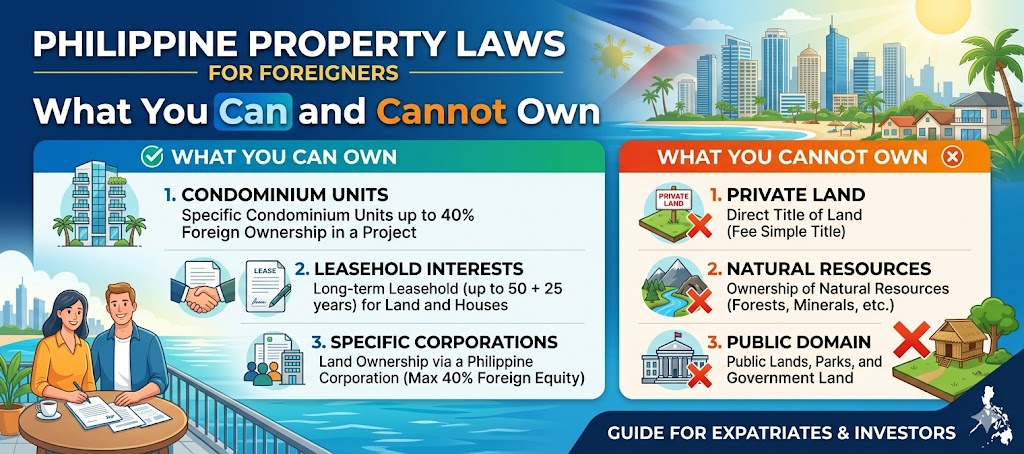
      Philippine Property Laws for Foreigners

      Quick Summary

      Can I own land? No.

      Can I own a condo? Yes, subject to the 40% foreign ownership cap per building.

      Can I lease land? Yes, under specific legal conditions.

      Are “nominees” safe? No. They are illegal and dangerous.


      The Philippines is one of the most welcoming countries in the world for foreign retirees. English is widely spoken, the cost of living is low, and the culture is famously hospitable. But when it comes to property ownership, the rules are not welcoming at all. They are strict, constitutional, and unforgiving.

      Here is the brutal truth: foreigners cannot own land in the Philippines.

      This is not a regulation that can be negotiated, loopholed, or wished away. It is written into the 1987 Constitution. Understanding exactly what you can and cannot own—and the serious consequences of trying to cheat the system—is the most important thing you will learn before investing in Philippine real estate.


      The Constitution: The Unshakeable Foundation

      The 1987 Philippine Constitution is the source of all property ownership rules. Article XII, Section 7 states that private land ownership is limited to Filipino citizens and corporations with at least 60 percent Filipino ownership.

      This restriction applies to all forms of land: residential, commercial, agricultural, and industrial. There are no exceptions for long-term residents, retirees with SRRV visas, or foreign investors. The Constitution does not care how long you have lived in the Philippines, how much money you have, or how much you love the country.

      If you are a foreigner, you cannot own land. Period.


      What You CAN Own as a Foreigner

      Condominium Units

      This is the single biggest exception to the land ownership ban. Under Republic Act No. 4726, the Condominium Act, foreigners can legally own condominium units in their own names.

      The 40 Percent Rule

      Here is the critical limitation: foreign ownership in any condominium project cannot exceed 40 percent of the total units. The 40 percent limit is strictly enforced. If a condominium building has 100 units, only 40 of them can be owned by foreigners. Once that limit is reached, no more foreign buyers can purchase in that project.

      This is a hard cap that applies to the entire building, not per floor or per tower. If you are buying a condo as a foreigner, you must confirm with the developer or the condominium corporation that the 40 percent foreign ownership limit has not been exceeded.

      What You Actually Own

      When you buy a condominium unit in the Philippines, you receive a Condominium Certificate of Title (CCT) . This gives you exclusive ownership of your unit. The condominium corporation holds title to the land and common areas, and you become a shareholder in that corporation. This structure is what makes foreign ownership legally possible—you own a unit in a building, not the land itself.

      Important: A foreigner can own a condominium unit without needing to form a corporation or use a Filipino nominee. The unit is titled directly in your name.

      Long-Term Leases on Land

      If you want a house with a garden or a piece of land to build on, you cannot own it. But you can lease it.

      The law governing long-term leases for foreign investors is Republic Act No. 12252, known as the Amended Investors’ Lease Act, signed into law on September 3, 2025. This law significantly liberalized the lease terms available to foreigners.

      The 99-Year Lease

      Under the amended law, foreign investors can lease private lands for a maximum aggregate period of 99 years. Previously, the maximum was 50 years with one 25-year renewal.

      Key Conditions for the 99-Year Lease:

      • The investment must be registered under the Foreign Investments Act of 1991, the CREATE Act, or other applicable laws.
      • The leased land must be used only for the approved investment purpose.
      • The lease contract must be registered with the Registry of Deeds and annotated on the certificate of title covering the leased area.
      • The lease agreement must have termination clauses related to change in purpose or failure to commence the project within a reasonable period.

      What This Means for Retirees

      Here is the honest truth: the 99-year lease is designed for foreign investors with registered business investments, not for retirees who simply want a house and garden. For a retiree, the more relevant option is a standard long-term lease of private land. Under general Philippine property law, foreigners may lease private land for a maximum term of 25 years, renewable for another 25 years upon mutual agreement.

      One critical warning: A lease gives you the right to use the land, not to own it. You can build on it, live on it, and enjoy it. But the land itself always belongs to the Filipino owner. Your lease is a contract, not a title.

      Inherited Property

      If you are a former Filipino citizen who has acquired foreign citizenship, you can inherit property under certain conditions. Former natural-born Filipinos may own residential property up to 1,000 square meters of urban land or one hectare of rural land. This exception does not apply to foreigners who were never Filipino citizens.


      What You CANNOT Own

      Land of Any Kind

      This is the absolute prohibition. Foreigners cannot own residential land, commercial land, agricultural land, industrial land, or any other type of land.

      This includes:

      • House and lot packages (you can lease the land but not own it)
      • Vacant lots
      • Farmland
      • Beachfront property
      • Commercial lots

      If a seller tells you that a foreigner can own land “through a special arrangement,” they are either misinformed or trying to deceive you.

      Majority Ownership in a Real Estate Corporation

      Foreigners can invest in Philippine corporations, but they cannot own more than 40 percent of a company that owns land or engages in the real estate business. This is known as the 40 percent foreign equity limit.

      The Securities and Exchange Commission (SEC) enforces this strictly through the Two-Tier Test:

      • First Tier: At least 60 percent of voting shares must be Filipino-owned.
      • Second Tier: At least 60 percent of all outstanding capital stock—both voting and non-voting shares—must be Filipino-owned.

      If a corporation fails either test, it is considered foreign-owned and cannot legally own land in the Philippines.


      The Anti-Dummy Law: The Teeth Behind the Constitution

      The Constitution is the rule. The Anti-Dummy Law (Commonwealth Act No. 108) is the enforcement mechanism.

      This law penalizes anyone who uses a Filipino’s name or citizenship to evade constitutional or legal restrictions on foreign ownership. It makes it a criminal offense to:

      • Use a Filipino citizen as a “dummy” or nominee to acquire land on behalf of a foreigner.
      • Falsely simulate the existence of the required minimum Filipino capital ownership.
      • Allow foreign intervention in the management of a corporation engaged in a partially nationalized activity.

      The Penalties Are Serious

      Violations of the Anti-Dummy Law can result in criminal prosecution, fines, and imprisonment. The law has been used recently in high-profile cases. In April 2026, former Bamban mayor Alice Guo was indicted for Anti-Dummy Law violations in connection with land acquisitions made through misrepresented identities.

      A Proposed New Law Would Make It Even Harder

      In November 2024, a group of lawmakers filed House Bill 11043, which would authorise the government to seize illegally acquired real estate properties owned by foreign nationals. The bill would create a prima facie presumption that real estate titled under a foreign national is unlawfully acquired unless proven otherwise—shifting the burden of proof to the buyer.

      The bill was filed in response to investigations revealing that some foreign nationals secured fake birth certificates and passports to purchase land illegally. While the bill is not yet law, it signals the government’s determination to enforce the constitutional prohibition.


      Common Traps and Scams to Avoid

      The “Nominee” or “Dummy” Arrangement

      Some unethical sellers will offer to put land in a Filipino’s name with a “side agreement” that you are the real owner. This is illegal, dangerous, and almost always ends badly.

      What can go wrong:

      • The Filipino nominee can sell the land without your consent.
      • The nominee’s heirs can claim the land after their death.
      • The arrangement can be discovered and the land forfeited to the government.
      • You can be criminally prosecuted under the Anti-Dummy Law.

      Do not do this. Ever.

      The “99-Year Lease” Misunderstanding

      Some developers and agents market “99-year leases” to foreigners as if they are the same as ownership. They are not. A lease is a contract. It can be broken, challenged, or not renewed. You do not hold title. You do not have the same rights as an owner.

      The honest truth: A 99-year lease is a legitimate option for investors with registered business investments. But for a retiree looking for a home, a 25-year renewable lease with a trusted Filipino landowner is the more practical—and legally sound—option.

      The “Corporation Loophole”

      Some agents will tell you that forming a corporation will allow you to own land. This is only partially true and often misleading.

      Here is the actual rule: A corporation can own land in the Philippines only if it is at least 60 percent Filipino-owned. If you are a foreigner forming a corporation, you can own at most 40 percent of that corporation. You cannot use a corporation to circumvent the constitutional prohibition.

      If an agent tells you otherwise, they are either ignorant or dishonest.


      What About the SRRV?

      The Special Resident Retiree’s Visa (SRRV) gives you permanent residency in the Philippines. It does not give you the right to own land.

      However, there is one important benefit for SRRV holders: you may withdraw your SRRV deposit to purchase a condominium unit or acquire a long-term lease, subject to PRA rules. Your deposit is converted into an investment. This is a legitimate use of the SRRV deposit, but it does not change the underlying property laws—you still must comply with the 40 percent condominium rule or lease land from a Filipino owner.


      The Honest Bottom Line

      The Philippine Constitution is clear: foreigners cannot own land. There are no exceptions for retirees, long-term residents, or investors. The only legal ways for a foreigner to have a property interest in the Philippines are:

      • Buy a condominium unit in a project where the 40 percent foreign ownership cap has not been exceeded.
      • Lease land through a legally registered long-term lease contract.
      • Inherit property if you are a former Filipino citizen (subject to limits).

      Any arrangement that claims to give a foreigner outright ownership of land is almost certainly illegal, risky, or both. The Anti-Dummy Law is real, and the government is increasingly aggressive in enforcing it.

      My advice: Work with a reputable Philippine lawyer who specialises in real estate. Do not rely on the seller’s agent, the developer’s marketing materials, or online forums for legal advice. Visit the property, check the title at the Registry of Deeds, and confirm the 40 percent foreign ownership limit with the condominium corporation before buying a condo.

      The Philippines is a wonderful place to retire. But property law here is not flexible, not forgiving, and not open to interpretation. Know the rules, follow them, and you can enjoy your retirement without legal nightmares.


      Disclaimer

      This guide is intended for informational purposes only and does not constitute professional legal advice. Property laws, regulations, and interpretations are subject to change. You are strongly advised to consult with a licensed Philippine attorney who specialises in real estate law before making any property investment. The author assumes no liability for any outcomes arising from the use of this information. Always verify current legal requirements directly with the relevant government agencies and your legal counsel.

      For official information, refer to the Philippine Retirement Authority (PRA) and the Securities and Exchange Commission (SEC).


      Sources & Methodology: This guide is based on the 1987 Philippine Constitution, Republic Act No. 4726 (Condominium Act), Republic Act No. 12252 (Amended Investors’ Lease Act), the Anti-Dummy Law (Commonwealth Act No. 108), SEC-OGC Opinion No. 24-36, official government announcements, and verified legal analyses as of June 2026. All legal citations have been cross-referenced with official sources. This guide is intended for informational purposes only and does not constitute professional legal advice. Always consult with a licensed Philippine attorney before making any property investment.

        Author
        John Paul Ybañez Paquibot
        Licensed Real Estate Broker | PRC No. 00014132 | DHSUD No. CVRFO-B-03/18-2672
        Bachelors Realty and Brokerage, Inc. Cebu
        G/F Cap Building, Brgy. Corner, Osmeña Blvd.
        Arlington Pond St. Extension, Cebu City, 6000 Cebu

      • Hiring an SRRV Visa Consultant: When and Why – SeekCebu

        The Special Resident Retiree’s Visa (SRRV) is one of the world’s most accessible retirement visa programmes. The Retirement Abroad Index 2026 ranked the Philippines #1 globally, with a score of 17 out of 20 for visa accessibility. The PRA has set a target of ₱1.3 billion in revenues for 2026, supported by sustained growth in application fees and annual charges.

        But “accessible” does not mean “simple.” The application process involves multiple government agencies, foreign bank transfers, apostilled documents, medical examinations, and strict timelines. For some applicants, navigating this process alone makes perfect sense. For others, hiring a consultant is the difference between a smooth approval and a frustrating, expensive delay.

        This guide explains when you should hire an SRRV consultant, why you might want one, and how to choose someone legitimate.


        The One Thing You Must Know First

        Consultants are not required.

        The Philippine Retirement Authority (PRA) explicitly states that applicants can file their SRRV application directly through a walk-in application. The PRA’s own website notes: “It is at the discretion of retiree-applicants to get the service of marketers in applying for the SRRVisa or by themselves only through walk-in application.”

        You can absolutely process your SRRV on your own. Many people do. The PRA accepts walk-in applications at their Makati headquarters and satellite offices.

        So why would anyone pay for a consultant? Let’s be honest about that.


        When You Should Hire a Consultant

        You Are Applying from Outside the Philippines

        The SRRV application requires your physical presence in the Philippines for the entire process. The PRA holds onto your passport during processing, which typically takes four to eight weeks.

        If you are not already living in the Philippines, you need to fly in, find accommodation, open a bank account, remit your deposit, gather documents, submit your application, and wait—all while your passport is with the PRA.

        One analysis notes that DIY processing requires at least three to six months, and for applicants not residing in the Philippines, the costs of accommodation, food, and transportation can add up quickly, potentially exceeding what you would pay a consultant.

        A consultant based in the Philippines can handle most of the groundwork before you arrive, reducing your time in the country significantly.

        Your English Is Not Strong

        The SRRV application process is conducted entirely in English. All forms are in English. All communication with the PRA is in English. If English is not your first language and you are not confident navigating bureaucratic forms and government offices, a consultant who speaks your language—or at least can translate and explain—is worth considering.

        Many consultants in the Philippines cater specifically to Chinese, Korean, and Japanese applicants, offering services in those languages.

        You Want to Avoid Costly Mistakes

        The SRRV programme underwent significant changes in September 2025. The Smile and Human Touch categories were abolished. The minimum age was lowered to 40. Deposit tiers were restructured. Many online guides still reference the old rules.

        A PRA-accredited consultant works with the PRA daily. They know the current requirements, the current forms, and the current processing times. They can spot document errors before you submit them—errors that could delay your application by weeks or months.

        You Have Complex Circumstances

        If you have any of the following situations, a consultant can be invaluable:

        • You have a criminal record (even a minor one) and need guidance on how the PRA handles background checks.
        • You have a medical condition that might raise questions during the medical examination.
        • You are applying with dependents and need to ensure all family members are properly included.
        • You plan to convert your deposit into a property investment and need guidance on that process.
        • You have previously overstayed a tourist visa in the Philippines.

        You Value Your Time More Than the Fee

        This is the honest truth that many people overlook. The SRRV application is not technically difficult, but it is time-consuming. You need to visit multiple government offices, coordinate with a bank for an inward remittance, gather apostilled documents from your home country, and navigate Philippine bureaucracy.

        For a retired professional earning a good income, spending dozens of hours on this process might not make financial sense. Paying a consultant to handle it frees you up to focus on other priorities.


        Why You Should Hire a Consultant

        PRA-Accredited Marketers Have Direct Access

        Consultants who are PRA-accredited marketers have a formal relationship with the Philippine Retirement Authority. They are authorised to assist retiree-applicants in securing the necessary documents and accompany them in filing the SRRV application.

        Accredited marketers include travel agencies, law firms, hotels, restaurants, and other business providers, as well as sole proprietors, partnerships, corporations, lawyers, and PRC-licensed brokers.

        This accreditation means they understand the PRA’s internal processes and can often resolve issues more quickly than a walk-in applicant.

        They Help You Get Documents Right the First Time

        One of the most common reasons for SRRV application delays is incorrect or incomplete documentation. A consultant provides you with a clear, personalised list of exactly what documents you need.

        They ensure your police clearance is properly apostilled. They verify that your medical certificate is from an acceptable clinic. They confirm that your bank remittance is structured correctly. They spot issues before the PRA does.

        They Handle the Bank Coordination

        The SRRV deposit must be remitted as an inward transfer from a bank abroad to a PRA-accredited bank in the Philippines. Funds deposited from within the Philippines are not accepted.

        This is one of the trickiest parts of the application for many applicants. A consultant provides the correct bank account details and SWIFT information to ensure your remittance is properly credited. They also help you open a Philippine bank account if you do not already have one.

        They Submit and Follow Up on Your Behalf

        A consultant prepares and submits your complete SRRV application to the PRA on your behalf. They track the progress of your application, follow up with the PRA, and notify you when your visa is approved.

        This is particularly valuable if you are not living in Metro Manila or Cebu, where the PRA has offices.

        They Offer Free Initial Consultations

        Many PRA-accredited consultants offer free initial consultations. JRC Consultancy, for example, offers a free consultation to assess your eligibility, confirm which SRRV category is right for you, confirm the deposit amount, and provide a personalised document checklist.

        This means you can get professional advice at no cost before deciding whether to proceed with their services.


        How to Choose a Consultant

        Verify PRA Accreditation

        This is non-negotiable. Only PRA-accredited marketers are authorised to assist with SRRV applications.

        The PRA maintains a public list of accredited marketers on its website. The list includes:

        • Dragon Visa Consultancy Inc.
        • 1MVP Immigration Services
        • 1nnovation International Travel Consultancy Inc.
        • 365 Visa Consultancy
        • 3D2Y Documentation Services
        • 583 Immigration and Travel Consultancy
        • A and G Travel Consultancy Services
        • A2EN Documentation Services
        • AA POC Consultancy Corp.
        • Abes Malong and Associates

        And many more across multiple pages.

        Before you pay anyone, check the PRA’s list. If they are not on it, walk away.

        Understand What They Charge

        There is some debate in expat forums about consultant fees. One forum post notes: “While I agree that it is best to use an agent for SRRV that is free (by law), I am not sure if it is worth paying $500.00.”

        The same post advises: “If you want to obtain an SRRV then contact Philippine Retirement Authority directly and also report the ‘agent’ who is asking for ‘commission’ or ‘processing fee’ or whatever they call it.”

        This raises an important point: PRA-accredited marketers are not supposed to charge extra fees beyond the official PRA costs. However, many consultants do charge for their services—document preparation, form submission, follow-up, and translation. The key is to understand exactly what you are paying for and to get it in writing.

        Ask These Questions Before Hiring

        • Are you PRA-accredited? Can you show me your accreditation certificate?
        • What exactly does your service include?
        • What is your fee, and what does it cover?
        • Are there any additional costs I should be aware of?
        • How many SRRV applications have you processed?
        • What is your success rate?
        • Can you provide references from previous clients?
        • How long do you expect my application to take?
        • What happens if my application is delayed or denied?

        Be Wary of Red Flags

        Asking for payment in cash. Legitimate consultants accept bank transfers and provide receipts.

        Guaranteeing approval. No consultant can guarantee PRA approval. The PRA makes the final decision.

        Pressuring you to sign quickly. A legitimate consultant gives you time to review the agreement.

        Vague or missing terms in the contract. Everything should be in writing.

        No physical office. A legitimate consultant has a physical office you can visit.


        The Honest Bottom Line

        Hiring an SRRV consultant is not a requirement. It is a convenience. You can absolutely file your SRRV application on your own, and many people do so successfully.

        But a good PRA-accredited consultant can save you time, reduce stress, help you avoid costly mistakes, and navigate the bureaucracy more efficiently than you could on your own.

        When it makes sense:

        • You are applying from abroad and cannot stay in the Philippines for months.
        • Your English is not strong enough to navigate bureaucratic forms.
        • You have complex circumstances that require expert guidance.
        • You value your time more than the consultant’s fee.

        When it does not make sense:

        • You are already living in the Philippines and have the time to handle the process yourself.
        • You are comfortable with bureaucratic processes and have strong English skills.
        • You are on a tight budget and want to save every possible peso.

        How much should you pay?

        The official PRA processing fee is USD 1,600 for the principal applicant. A consultant’s service fee—if they charge one—should be transparent and reasonable. Some consultants include their fee in the overall package; others charge separately. Always get a written quote before you agree to anything.

        The most important advice:

        Never hire a consultant who is not on the PRA’s accredited marketers list. Never pay anyone who promises to “expedite” your application or “guarantee” approval. And never, ever sign a contract without reading it carefully.

        The SRRV is a genuine path to permanent residency in one of the world’s most affordable and welcoming retirement destinations. A good consultant can make the journey smoother. But at the end of the day, it is your application, your money, and your future. Stay informed, ask questions, and trust your instincts.


        Disclaimer

        This guide is intended for informational purposes only and does not constitute professional legal or immigration advice. The author and publisher make no representations or warranties regarding the accuracy, completeness, or reliability of the information provided. Immigration laws, policies, and procedures are subject to change without notice. You are strongly advised to consult directly with the Philippine Retirement Authority (PRA), a licensed immigration lawyer, or a PRA-accredited marketer for guidance specific to your circumstances. The inclusion of any consultant or service provider in this guide does not constitute an endorsement, and the author assumes no liability for any outcomes arising from the use of such services. Always verify current requirements and accreditation directly with the PRA before engaging any service provider.


        Sources & Methodology: This guide is based on official Philippine Retirement Authority (PRA) announcements, the PRA’s accredited marketers list, verified industry reports, and expat forum discussions as of June 2026. The PRA’s accredited marketers list is publicly available at pra.gov.ph/accredited-marketer. This guide is intended for informational purposes only and does not constitute professional legal or immigration advice. Always verify consultant accreditation directly with the PRA before engaging any service provider.

          Author
          John Paul Ybañez Paquibot
          Licensed Real Estate Broker | PRC No. 00014132 | DHSUD No. CVRFO-B-03/18-2672
          Bachelors Realty and Brokerage, Inc. Cebu
          G/F Cap Building, Brgy. Corner, Osmeña Blvd.
          Arlington Pond St. Extension, Cebu City, 6000 Cebu
        • SRRV Visa Deposit Costs and Financial Fees: 2026 Breakdown – SeekCebu

          SRRV Visa Deposit Costs and Financial Fees

          The Special Resident Retiree’s Visa (SRRV) is widely regarded as one of the most accessible retirement visa programmes in the world. The Retirement Abroad Index 2026 ranked the Philippines #1 globally, with a score of 17 out of 20 for visa accessibility. But “accessible” does not mean “cheap.” Understanding exactly what you will pay—and what happens to your money—is essential before you start the application process.

          This guide breaks down every cost associated with the SRRV in 2026: the deposit, the fees, the annual charges, and the critical details that most online guides gloss over.


          The Visa Deposit: Your Money, Held in Trust

          The SRRV deposit is not a fee. It is a time deposit held in a PRA-accredited Philippine bank, and it remains your property. The deposit is fully refundable when you surrender your visa.

          The required deposit amount depends on two factors: your age and whether you receive a qualifying lifetime pension.

          Age 50 and above with a qualifying pension

          You are required to place a deposit of USD 15,000. To qualify for this lower tier, you must also demonstrate a minimum monthly pension of USD 800 for a single applicant or USD 1,000 if you are applying with a spouse. The pension must be a lifetime pension, not a drawdown account.

          Age 50 and above without a pension

          You are required to place a deposit of USD 30,000. No pension is required. This is the standard deposit for retirees who have savings but no regular monthly pension.

          Age 40 to 49 with a qualifying pension

          You are required to place a deposit of USD 25,000. Like the 50+ pensioner tier, you must demonstrate a minimum monthly pension of USD 800.

          Age 40 to 49 without a pension

          You are required to place a deposit of USD 50,000. This is the highest deposit tier in the SRRV Classic programme.

          Important: The minimum application age for new SRRV applicants was lowered from 50 to 40 in September 2025. Applicants aged 40 to 49 face significantly higher deposit requirements than those aged 50 and above.


          The SRRV Courtesy Category

          The SRRV Courtesy is a separate category designed for former Filipino citizens, retired diplomats, international organisation officers, and recognised achievers. Deposits for this category start as low as USD 1,500 for applicants aged 50 and above.

          The Courtesy category is not available to ordinary foreign nationals. If you do not fall into one of the eligible groups, you must apply under the SRRV Classic programme.


          The Application Processing Fee

          The processing fee is a one-time, non-refundable payment to the Philippine Retirement Authority. This fee covers the cost of evaluating your application and issuing your SRRV.

          Principal Applicant

          The processing fee for the principal applicant is USD 1,600. Some sources still reference the previous fee of USD 1,400, but the PRA confirmed in late 2025 that the fee had increased to USD 1,600 for principal applicants.

          Each Dependent

          Each dependent included in your application—your spouse and each unmarried child under 21—incurs an additional processing fee of USD 300.

          Total Application Fee Example

          A married couple with no children would pay USD 1,600 for the principal applicant and USD 300 for the spouse, for a total processing fee of USD 1,900.


          The Annual Fee

          Once your SRRV is approved, you must pay an annual fee to maintain your visa status.

          Standard Annual Fee

          The annual fee for the SRRV Classic is USD 360 per year. This fee covers the principal applicant and up to two dependents.

          Additional Dependents

          If you have more than two dependents, an additional fee of USD 100 per year applies for each extra dependent.

          Payment Requirements

          The annual fee must be paid every year to keep your SRRV active. Non-payment can result in suspension of your visa status.


          Can You Use the Deposit?

          This is one of the most misunderstood aspects of the SRRV programme. Yes, you can use your deposit—but only under specific conditions.

          For Property Purchase

          If you intend to use your visa deposit to buy a condominium unit or acquire a long-term lease of a house and lot, the deposit may be withdrawn for conversion into an investment after a holding period of thirty days from the date your SRRV is issued.

          For Living Expenses

          You can technically use the deposit for living expenses, but there are rules. The deposit is intended to remain in the bank as a demonstration of your financial capacity. Withdrawing it for day-to-day expenses may affect your visa status.

          Important Restriction

          During the period your SRRV is active, the deposit cannot be withdrawn. It is tied to your visa status.


          Refundability: Getting Your Money Back

          The deposit is fully refundable if you decide to cancel your SRRV.

          The Process

          Once your SRRV is officially cancelled and all obligations are cleared—such as tax or property ownership issues—the PRA will authorise the release of your time deposit.

          The Timeline

          The refund process typically takes around 2 to 3 months.

          Currency

          The deposit is held in US dollars and is returned in US dollars, which protects you from currency fluctuations.


          PRA-Accredited Banks

          Your deposit must be held in a PRA-accredited bank. As of 2026, the list includes:

          Government Banks

          • Development Bank of the Philippines (DBP)

          Private Banks

          • Philippine National Bank (PNB)
          • Banco de Oro (BDO)
          • Bank of the Philippine Islands (BPI)
          • Unionbank
          • Security Bank
          • Yuanta Savings Bank (Philippines)

          The PRA has continued to expand its network of accredited banks. In early 2026, Yuanta Savings Bank rejoined the list of PRA-designated banks. Security Bank also partnered with the PRA to provide priority banking services to SRRV applicants.

          Important: The deposit must be remitted as an inward transfer from a bank abroad. Funds deposited from within the Philippines are not accepted.


          The PRA’s Revenue Picture

          Understanding the PRA’s financial structure provides useful context. The agency is targeting ₱1.3 billion in revenues for 2026.

          About one-third of PRA revenues come from application fees. Another one-third comes from management fees and interest earned on retiree visa deposits held by government banks. The rest is generated from annual dues of existing SRRV holders.

          Retirees currently maintain roughly USD 20 billion in visa deposits with the Development Bank of the Philippines and Land Bank.

          The PRA has also partnered with hotels, restaurants, and leisure establishments nationwide to offer 20 percent discounts to SRRV holders.


          Common Pitfalls and Red Flags

          Outdated information. The SRRV programme underwent significant changes in September 2025. The Smile and Human Touch categories were abolished. The minimum age was lowered to 40. Deposit tiers were restructured. Many online guides still reference the old rules.

          Processing fee confusion. Some sources still quote the old processing fee of USD 1,400. The current fee is USD 1,600 for principal applicants. Always confirm the current fee with the PRA directly.

          Pension documentation. The PRA requires proof that your pension is a lifetime pension, not a drawdown account. Bank statements showing regular deposits help significantly.

          The apostille requirement. Your police clearance must be apostilled in your country of residence, not just any country. This takes time, so sort it before you fly.

          The physical presence requirement. All SRRV applicants must be physically present in the Philippines for the whole duration of the application process. You cannot apply entirely from abroad.

          Deposit source. The deposit must be remitted as an inward transfer from a bank abroad. Funds deposited from within the Philippines are not accepted.


          Summary of Costs

          Here is a complete summary of what you will pay for the SRRV in 2026.

          Visa Deposit (Refundable)

          Age 50 and above with pension: USD 15,000

          Age 50 and above without pension: USD 30,000

          Age 40 to 49 with pension: USD 25,000

          Age 40 to 49 without pension: USD 50,000

          Application Processing Fee (One-Time, Non-Refundable)

          Principal applicant: USD 1,600

          Each dependent: USD 300

          Annual Fee (Ongoing)

          Standard fee (principal + up to 2 dependents): USD 360 per year

          Each additional dependent: USD 100 per year


          The Honest Bottom Line

          The SRRV is genuinely one of the most accessible retirement visa programmes in the world. The deposit requirements are reasonable compared to countries like Malaysia, which requires around USD 200,000 under its retirement programme. The processing time of 4 to 8 weeks is competitive. And the benefits—permanent residency, multiple entry privileges, tax exemptions, and discounts from partner establishments—are substantial.

          But the programme has become more expensive and more complex since the September 2025 reforms. The abolition of the Smile and Human Touch categories means fewer options. The new 40-49 age tier comes with significantly higher deposits—USD 50,000 without a pension versus USD 30,000 for the 50+ group.

          If you are 50 or older with a pension of at least USD 800 per month, the SRRV remains an exceptional deal: USD 15,000 deposit, lifetime residency, and a host of benefits. If you are between 40 and 49 without a pension, be prepared for a USD 50,000 deposit and a more expensive application process.

          My advice: Work with a PRA-accredited consultant if you can afford one. The PRA has a network of accredited marketers who can guide you through the process, help with document preparation, and ensure your remittance is properly credited. If you choose to apply independently, download the latest forms from pra.gov.ph, read the checklists carefully, and confirm all fees with the PRA directly before you start.

          The SRRV is a genuine path to permanent residency in one of the world’s most affordable and welcoming retirement destinations. Just go in with your eyes open, your documents in order, and your budget accurate.


          Sources & Methodology: This guide is based on official Philippine Retirement Authority (PRA) announcements, verified industry reports, and accredited consultant disclosures as of June 2026. Key policy changes effective September 2025 have been incorporated. All deposit amounts and fees are sourced from PRA documentation and accredited consultant disclosures. The processing fee of USD 1,600 is sourced from the Manila Standard’s December 2025 report on PRA revenues. This guide is intended for informational purposes only and does not constitute professional financial or legal advice. Always confirm current requirements and fees directly with the PRA before beginning your application.

            Author
            John Paul Ybañez Paquibot
            Licensed Real Estate Broker | PRC No. 00014132 | DHSUD No. CVRFO-B-03/18-2672
            Bachelors Realty and Brokerage, Inc. Cebu
            G/F Cap Building, Brgy. Corner, Osmeña Blvd.
            Arlington Pond St. Extension, Cebu City, 6000 Cebu
          • 2026 SRRV Visa Application and Requirements Guide – SeekCebu

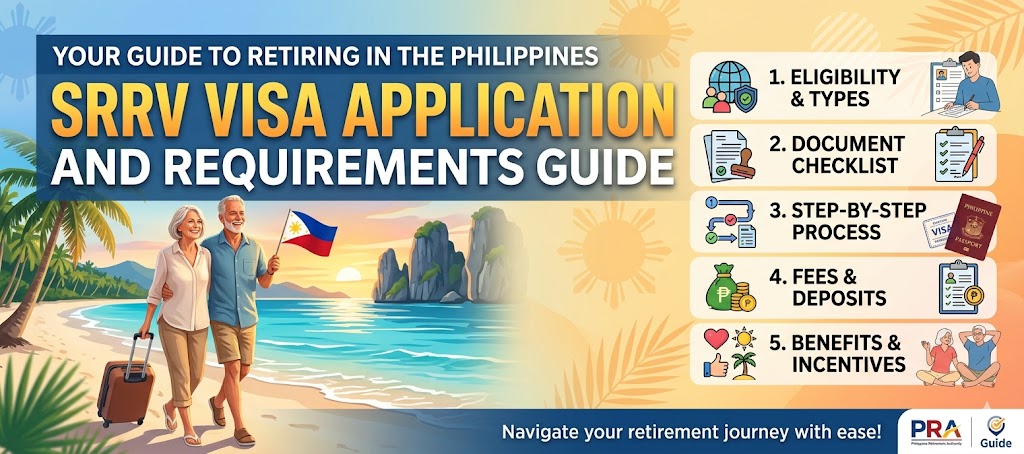
            SRRV Visa Application

            The Special Resident Retiree’s Visa, or SRRV, is the gold standard for foreign nationals who want to make the Philippines their long-term home. Unlike the tourist visa extension—which requires regular renewals and carries an implicit “you are a visitor” status—the SRRV grants genuine permanent residency rights. You can live in the Philippines indefinitely, come and go freely without re-entry permits, and access a range of privileges not available to tourists.

            As of 2026, approximately 60,000 global retirees hold an SRRV, with particularly strong interest from Chinese, South Korean, Indian, and American nationals. The Philippine Retirement Authority (PRA) is targeting ₱1.3 billion in revenues for 2026, supported by sustained growth in application fees and annual charges.

            This guide covers everything you need to know about the SRRV in 2026—the significant changes that took effect in September 2025, updated deposit requirements, the full document checklist, and a step-by-step breakdown of the application process.


            What Changed in September 2025

            If you read older guides online, be aware that much of that information is now out of date. The PRA implemented significant changes to the SRRV programme effective September 2025:

            Two categories were abolished. The SRRV Smile sub-category, which had a lower deposit threshold (USD 10,000–20,000) and was popular with younger applicants, was discontinued. The SRRV Human Touch category, designed for those requiring medical treatment, was also removed.

            The minimum age was lowered. Previously 35 for those with pensions and 50 for those without, the minimum age is now standardised at 40 for all applicants, regardless of pension status. This adjustment allows mid-career professionals to use the SRRV program to plan earlier for retirement, long-term residence, or overseas lifestyle arrangements.

            Only two categories remain. SRRV Classic and SRRV Courtesy are now the only active sub-categories of the SRRV programme.

            New deposit amounts for age 40–49. A new tier covering applicants aged 40 to 49 was introduced with higher deposits than the 50+ tier.

            Important: Existing SRRV holders are not affected by these changes. If you already hold a valid SRRV—Smile or Human Touch included—your visa remains valid and you only need to pay your annual fees as normal. The changes apply to new applications only.


            SRRV Visa Options in 2026

            SRRV Classic

            The SRRV Classic is designed for ordinary foreign nationals who wish to retire in the Philippines. Deposits are held in a PRA-accredited bank and remain your property—they are refundable upon surrender of the visa.

            Deposit Requirements for SRRV Classic:

            • Age 50 and above with pension: USD 15,000 deposit, with a minimum pension of USD 800 per month for a single applicant.
            • Age 50 and above without pension: USD 30,000 deposit, no pension required.
            • Age 40 to 49 with pension: USD 25,000 deposit, with a minimum pension of USD 800 per month.
            • Age 40 to 49 without pension: USD 50,000 deposit, no pension required.

            Spousal and Child Dependents: Principal applicants may include their spouse, provided they are legally married under the law of their home country or the Philippines. Legitimate and legally adopted children may also be included as dependents, provided they are unmarried and under 21 years of age at the time of the application.

            Using the Deposit for Investment: For retirees who intend to use their required visa deposit to buy a condo or acquire a long-term lease of a house and lot, the deposit may be withdrawn for “conversion” into an investment after a holding period of thirty days from the date of the issuance of the SRRV.

            SRRV Courtesy

            The SRRV Courtesy is designed for former Filipinos, retired diplomats, international organisation officers, and recognised achievers. Deposits for this category start as low as USD 1,500 for age 50+ applicants.


            Benefits of Holding an SRRV

            SRRV holders enjoy a range of privileges that make retiring in the Philippines genuinely attractive:

            Permanent residency with multiple entry and indefinite stay privileges.

            Discounts and privileges from PRA-accredited merchant partners nationwide. The PRA has partnered with hotels, restaurants, and leisure establishments to offer 20 percent discounts to SRRV holders.

            PhilHealth Insurance at a special rate.

            Exemption from the Bureau of Immigration’s Annual Reporting and the Alien Certificate of Registration (ACR) Identity Card.

            Exemption from Bureau of Immigration Exit/Re-entry Permits.

            Exemption from customs duties and taxes for one-time importation of household goods and personal effects up to USD 7,000.

            Exemption from tax on pensions and annuities.

            Exemption from travel tax.

            Exemption from separate work or student visas or permits.

            Assistance in transacting with other government agencies.

            PRA Newsletter subscription.


            Basic Requirements for SRRV Application

            The PRA requires the following documents and fees for an SRRV application:

            For Principal Applicants

            Passport: Original passport with a valid tourist visa. The tourist visa must be valid for at least one month while processing the SRRV. In cases where the tourist visa expires while the SRRV is being processed, the applicant must have it extended. The passport should have a minimum of six months validity.

            Application Form: Accomplished PRA application form, typed or computerised. The form can be downloaded from the PRA website at pra.gov.ph.

            Medical Certificate: Issued within six months before submission, from any licensed clinic or hospital physician. The medical clearance form can be downloaded from the PRA website. If obtained abroad, the document must be translated into English and authenticated by the Philippine embassy in the country of issuance.

            Police Clearance: From the country of origin or residence for the last six months, issued within six months before submission. The document must be apostilled in your home country before you arrive.

            Bureau of Immigration Clearance Certificate (BICC): Required for applicants who have stayed more than 90 days in the Philippines prior to submission of application documents.

            National Bureau of Investigation (NBI) Clearance: Required for applicants who have stayed more than 90 days in the Philippines prior to submission.

            Photos: Eight recent, high-quality, 2×2-inch pictures with a white background, taken within three months prior to submission.

            Processing Fee: USD 1,500 (or its equivalent amount in pesos) for the principal applicant. Note that some sources indicate this may have increased to USD 1,600—confirm the current fee with the PRA at the time of application.

            Bank Certificate / Proof of Inward Remittance: The requisite dollar deposit must be sent as an inward remittance from any bank abroad to a PRA-accredited bank of choice.

            PRA-Accredited Banks

            The deposit must be remitted through a PRA-accredited bank via telegraphic transfer or bank draft. Accredited banks include:

            Government Bank:

            • Development Bank of the Philippines (DBP)

            Private Banks:

            • Philippine National Bank (PNB) – All Branches
            • Banco de Oro (Pacific Star and Cebu IT Park Branches only)
            • KEB Hana Bank – Manila Branch
            • Unionbank – All Branches
            • Bank of Commerce – All Branches
            • Shinhan Bank – Manila Branch

            Important: As a pre-requisite in opening an account in a PRA-accredited private bank, send a request for a Letter of Introduction from PRA through srrvwalkin@pra.gov.ph with the following details: bank name, branch name and address, SRRV option and amount to be remitted, and a copy of the principal applicant’s passport bio page.

            For DBP remittances: Indicate the following details in the remittance form as “Remittance Purpose”—SRRV deposit of (complete name of principal SRRV applicant as shown in the passport), date of birth, and passport number. DBP will provide PRA with a notarised bank certification within 7-10 working days after receiving the remittance.


            Step-by-Step Application Process

            Step 1: Eligibility Assessment

            Determine your eligibility based on age (minimum 40 years old) and financial readiness. Review the deposit tiers above to understand which category applies to you.

            Step 2: Open a Philippine Bank Account and Place the Time Deposit

            Open an account with a PRA-accredited bank and place the required dollar-denominated time deposit. The deposit must be sent as an inward remittance from any bank abroad.

            Step 3: Prepare Required Documents

            Gather all necessary documents:

            • Valid passport with tourist visa
            • Accomplished PRA application form
            • Medical certificate (issued within 6 months)
            • Police clearance from country of origin (apostilled)
            • BICC and NBI clearance (if applicable)
            • Eight 2×2 photos with white background
            • Proof of pension (if applicable)
            • Bank certificate / proof of inward remittance

            Step 4: Submit Your Application

            Submit your application to the PRA. All SRRV applicants must be physically present in the Philippines for the whole duration of the SRRV application process. Applications can be submitted at:

            • PRA Makati Head Office
            • PRA satellite offices
            • Through PRA-accredited marketers and consultants

            Step 5: Processing and Approval

            The PRA will receive and evaluate your documents. Processing time is typically 4 to 8 weeks. Upon approval, the SRRV will be issued, granting indefinite residency status in the Philippines.

            Step 6: Annual Fees

            Once approved, SRRV holders must pay an annual fee. For the Classic SRRV, this is USD 360 per year.


            Costs Summary

            Cost ItemAmount
            SRRV Deposit (50+, with pension)USD 15,000
            SRRV Deposit (50+, without pension)USD 30,000
            SRRV Deposit (40-49, with pension)USD 25,000
            SRRV Deposit (40-49, without pension)USD 50,000
            Processing Fee (one-time)USD 1,500 – 1,600
            Annual Fee (Classic SRRV)USD 360/year

            Note: The deposit is refundable upon surrender of the visa.


            Red Flags and Common Pitfalls

            Outdated information. Many online guides still reference the Smile and Human Touch categories or the old age requirements of 35 and 50. Always verify that you are reading 2026-specific information.

            Passport validity. Your passport must have a tourist visa valid for at least one month during processing. If your tourist visa expires while processing, you must extend it.

            Document expiration. Medical certificates and police clearances must be issued within six months of submission. Plan your document gathering carefully so nothing expires before you submit.

            Apostille requirements. Police clearances from your home country must be apostilled. This takes time, so sort it before you fly.

            Physical presence requirement. All SRRV applicants must be physically present in the Philippines for the whole duration of the SRRV application process. You cannot apply entirely from abroad.

            Background checks. The PRA now conducts thorough background checks covering Police Clearance, NBI Clearance, BICC, and INTERPOL. Background investigation has become a core.


            PRA Contact Information

            Philippine Retirement Authority (PRA)

            • Address: 29th Floor, Citibank Tower, 8741 Paseo de Roxas, Makati City 1200
            • Telephone: +63-2-848-1412 (available 24/7, seven days a week)
            • Email: clientrealations@pra.gov.ph
            • Website: pra.gov.ph

            For Letter of Introduction requests: srrvwalkin@pra.gov.ph


            The Honest Bottom Line

            The SRRV is genuinely one of the most accessible retirement visa programmes in the world. The Retirement Abroad Index 2026 ranked the Philippines #1 globally, with a score of 17 out of 20 for visa accessibility. The processing time of 4 to 8 weeks is competitive, the deposit requirements are reasonable compared to countries like Malaysia (which requires around USD 200,000), and the benefits are substantial.

            But the programme has become more complex since the September 2025 reforms. The abolition of the Smile and Human Touch categories means fewer options. The new 40-49 age tier comes with significantly higher deposits—USD 50,000 without a pension versus USD 30,000 for the 50+ group. The background checks are more thorough. And the physical presence requirement means you cannot simply mail in an application from abroad.

            If you are 50 or older with a pension of at least USD 800 per month, the SRRV remains an exceptional deal—USD 15,000 deposit, lifetime residency, and a host of benefits. If you are between 40 and 49 without a pension, be prepared for a USD 50,000 deposit and a more rigorous application process.

            My advice: Work with a PRA-accredited consultant if you can afford one. The PRA has a network of accredited marketers who can guide you through the process, help with document preparation, and ensure your remittance is properly credited. If you choose to apply independently, download the latest forms from pra.gov.ph, read the checklists carefully, and confirm all fees with the PRA directly before you start.

            The SRRV is a genuine path to permanent residency in one of the world’s most affordable and welcoming retirement destinations. Just go in with your eyes open, your documents in order, and your expectations realistic about the time and effort required.


            Sources & Methodology: This guide is based on official Philippine Retirement Authority (PRA) announcements, verified industry reports, and accredited consultant guides as of June 2026. Key policy changes effective September 2025 have been incorporated. All deposit amounts and fees are sourced from PRA documentation and accredited consultant disclosures. This guide is intended for informational purposes only and does not constitute professional legal or immigration advice. Always confirm current requirements and fees directly with the PRA before beginning your application.

              Author
              John Paul Ybañez Paquibot
              Licensed Real Estate Broker | PRC No. 00014132 | DHSUD No. CVRFO-B-03/18-2672
              Bachelors Realty and Brokerage, Inc. Cebu
              G/F Cap Building, Brgy. Corner, Osmeña Blvd.
              Arlington Pond St. Extension, Cebu City, 6000 Cebu

            • Rent-to-Own Condos: The Brutal Truth – SeekCebu

              Rent-to-Own Condos: Brutal Truth

              Let’s cut through the marketing fluff.

              Rent-to-own sounds like a dream. Move in now, pay rent like you always have, and someday—magically—the place becomes yours. No bank loan headaches. No massive down payment. Just a simple path to ownership.

              That’s the promise. Here’s the reality.


              What Rent-to-Own Actually Is

              Rent-to-own is exactly what it sounds like: you rent a property for a set period—typically one to three years—with the option to buy it at the end. A portion of your monthly rent goes toward the eventual purchase price, building what the industry calls “equity”.

              Think of it as dating before marriage. You get to test the property, the neighborhood, the building management, and the lifestyle before committing.

              But here’s the brutal truth that most sales agents won’t tell you: rent-to-own is not a shortcut. It’s often a more expensive, higher-risk path to ownership than a traditional bank loan.


              The Brutal Truth #1: You’re Paying a Premium

              Rent-to-own monthly payments are almost always higher than market rent. Why? Because part of your payment is supposed to go toward the purchase price.

              One industry analysis notes that “the monthly payments are usually higher than market-rate rent, meaning buyers who cannot convert lose both the premium they paid and the time they spent building equity”.

              In other words, you’re paying extra every month for the privilege of maybe owning the place someday. If you don’t end up buying, that extra money is gone forever.


              The Brutal Truth #2: The Option Fee Is Gone If You Walk Away

              Most rent-to-own agreements require an upfront option fee—a non-refundable payment that gives you the right to buy the property at the end of the lease.

              If you decide not to buy, you lose that fee.

              And here’s the kicker: you also lose every rent credit you accumulated. All those months of paying above-market rent? Gone. Forfeited.

              One source puts it bluntly: “If you fail to make your monthly payments as agreed, you risk losing not only your right to purchase but also all the rent credits you’ve accumulated thus far”.


              The Brutal Truth #3: You Might Not Qualify for Financing When the Time Comes

              Here’s the scenario that plays out more often than developers admit.

              You sign a rent-to-own agreement. You pay above-market rent for two or three years. You accumulate credits toward the purchase. The lease ends. You’re ready to buy.

              Then the bank says no.

              Your credit score isn’t high enough. Your income documentation isn’t sufficient. The property appraisal comes in lower than the agreed purchase price. The bank won’t approve your loan.

              Now what?

              You can’t buy. You lose your option fee. You lose your rent credits. You’ve been paying above-market rent for years, and you have nothing to show for it.

              This is not a hypothetical risk. This is the single biggest danger of rent-to-own agreements.


              The Brutal Truth #4: Many “Rent-to-Own” Programs Aren’t Really Rent-to-Own

              Property consultancy Colliers Philippines made a striking observation: many developers’ rent-to-own schemes are “essentially early move-in programs with extended payment terms”—not genuine rent-to-own models.

              What does that mean?

              You’re not really building equity toward ownership. You’re just moving in early and paying installments under a different name. The flexibility to walk away? Often nonexistent.

              Colliers noted that “as far as we know, it’s only DMCI Homes that provides this kind of setup where renters can truly transition from renter to owner, with the flexibility to opt out if they choose”.

              If even the industry experts are pointing out that most programs are misleading, you should be paying very close attention.


              The Brutal Truth #5: You’re Locking in a Price That Could Go Down

              Rent-to-own agreements typically fix the purchase price at the beginning of the lease. This is marketed as a benefit—you’re protected if property values go up.

              But what if they go down?

              If the market cools and the condo’s value drops below your agreed purchase price, you’re stuck. You’ll be paying above-market rates for a property that’s worth less than what you owe.

              Here’s where context matters. In Cebu’s current market, prime areas like Cebu IT Park, Mactan Newtown, and the South Road Properties have been steadily appreciating. The demand from BPO workers, offshore gaming employees, and young professionals has kept prices on a generally upward trajectory. In these established townships, the risk of a significant price drop is relatively low.

              But the equation is very different outside these prime areas. In fringe locations, unproven townships, or areas with oversupply, prices are more vulnerable. If you lock in a high purchase price in a location where demand is weak, you could end up paying above-market rates for a property that isn’t appreciating as expected.

              The honest take: In highly developed townships with strong demand, prices are generally stable and the risk of a major drop is low. But in fringe or unproven locations, the risk of locking into an overpriced unit is much higher. Before signing, ask yourself: Is this location genuinely in high demand, or is the developer trying to inflate prices based on promises that haven’t materialized yet?


              The Brutal Truth #6: You’re Responsible for Maintenance

              During the rental period, you’re typically responsible for maintenance and repairs—just like a standard tenant.

              But here’s the catch: if you’re paying above-market rent with the intention of buying, you might be inclined to spend more on upgrades and improvements. New paint. Better fixtures. Minor renovations.

              Then you don’t buy. You lose the option fee, the rent credits, and the money you spent on improvements.


              The Brutal Truth #7: Scammers Love Rent-to-Own

              The rent-to-own model is fertile ground for fraud.

              Common scams include:

              • Fake ownership: Someone rents a condo they don’t own and offers it to you as rent-to-own.
              • Hidden fees: Agreements that impose impossible conditions or hidden costs to ensure you never actually own the property.
              • Misrepresentation: Glossy brochures with misleading layouts and unrealistic promises.
              • “Sangla-Tira-Benta” schemes: Fraudsters pose as owners, collect payments, and disappear.

              The Philippine real estate market, with its strong demand and complex legal processes, is unfortunately a breeding ground for these scams.


              So When Does Rent-to-Own Actually Make Sense?

              With all that said, rent-to-own isn’t always a bad deal. There are situations where it can work.

              You have poor credit but a solid income. Banks won’t touch you, but you can afford the payments. Rent-to-own gives you time to rebuild your credit while living in the property.

              You’re self-employed with irregular income. Proving income to a bank is difficult. Rent-to-own programs often have more flexible verification.

              You want to test the neighborhood before committing. Rent-to-own gives you a trial period.

              You’re an OFW or expat. You need time to get your documents in order and decide if you really want to settle in the Philippines.

              You’re dealing with a reputable developer with a transparent program. DMCI Homes’ HomeReady™ program, for example, allows you to walk away with “no strings attached” if you decide not to buy. Filinvest’s “Rent it. Own it. Easy.” program offers zero percent interest over ten years with no bank loan required.

              These are legitimate programs. But they’re the exception, not the rule.


              What to Look For in a Rent-to-Own Contract

              If you’re determined to go the rent-to-own route, here’s what you need to check before signing anything:

              The option fee. Is it refundable under any circumstances? (Spoiler: usually not.)

              The rent credit. Exactly how much of your monthly payment goes toward the purchase price? Get it in writing. DMCI Homes, for example, credits at least 60% of lease payments toward the purchase. Many programs credit far less—or nothing at all.

              The purchase price. Is it fixed, or can it change? If it’s fixed, what happens if the market drops? This is especially important in fringe or unproven locations where prices are more volatile.

              The timeline. How long do you have to decide? What happens if you need more time?

              The penalties. What happens if you miss a payment? How many missed payments trigger forfeiture?

              The maintenance responsibilities. Who pays for major repairs? Structural issues? Appliance replacements?

              The financing clause. What happens if you can’t secure a bank loan at the end of the lease? Can you extend the term? Can you walk away with any of your money?

              Red flags to watch for:

              • Vague or missing terms
              • Monthly payments way above fair market rent
              • No rent credit toward the purchase
              • Unreasonable penalties
              • Seller can terminate easily for minor violations
              • You’re responsible for all repairs, even major structural issues

              If you see any of these, walk away.


              The Bottom Line

              Rent-to-own is not a shortcut to homeownership. It’s a higher-cost, higher-risk alternative to a traditional mortgage.

              The brutal truth is this: most people who enter rent-to-own agreements never actually buy the property. They either can’t qualify for financing when the time comes, or they realize they’ve been paying above-market rent for years with nothing to show for it.

              Risky rent-to-own schemes have grown in popularity precisely because of the “affordability gap” that economists have flagged in the Philippine housing market. They’re a workaround for a broken system—not a solution.

              If you can qualify for a bank loan, get the bank loan. The interest rates might seem high, but at least you’re building real equity from day one. The property is yours. You’re not at risk of losing everything if your circumstances change.

              If you can’t qualify for a bank loan, rent-to-own might be your only option. Just go in with your eyes wide open. Understand that you’re paying a premium. Understand that you could lose everything you’ve put in. Pay close attention to the location—if it’s a prime, established township, the price stability is in your favor. If it’s a fringe or unproven area, the risk of overpaying is significantly higher.

              And never, ever sign a rent-to-own agreement without having a lawyer review it first.

              The dream of homeownership is real. But don’t let that dream blind you to the brutal truth about how rent-to-own actually works.


              Sources & Methodology: This guide is based on verified industry reports, developer announcements, and independent analysis as of June 2026. Information on DMCI Homes’ HomeReady™ program sourced from Colliers Philippines and official company disclosures. Filinvest’s program details sourced from company announcements. Scam information sourced from NBI reports and consumer protection guides. Cebu market context sourced from real estate industry reports, BIR zonal value data, and independent market analysis. This guide is intended for informational purposes only and does not constitute professional financial or legal advice. Always consult with a licensed real estate professional and attorney before entering any property agreement.

                Author
                John Paul Ybañez Paquibot
                Licensed Real Estate Broker | PRC No. 00014132 | DHSUD No. CVRFO-B-03/18-2672
                Bachelors Realty and Brokerage, Inc. Cebu
                G/F Cap Building, Brgy. Corner, Osmeña Blvd.
                Arlington Pond St. Extension, Cebu City, 6000 Cebu
              • Best Condos Near CDU and USC: A Useful and Honest Guide

                Condos Near CDU and USC

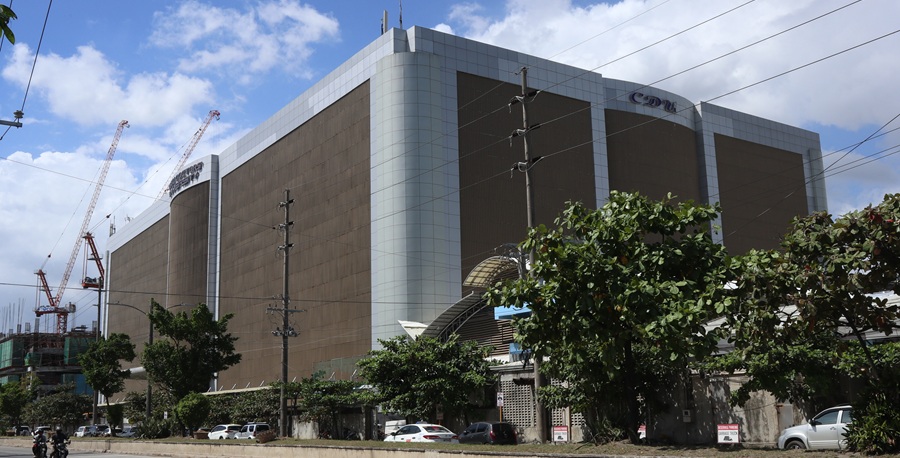
                Cebu Doctors’ University (CDU) in Mandaue City and the University of San Carlos (USC) with its main campus in Talamban are two of Cebu’s most important educational institutions. Together, they anchor thousands of students, faculty members, and young professionals who all need one thing: a place to live that doesn’t turn their daily commute into a nightmare.

                If you’re a student who values sleep over sitting in traffic, a parent looking for a safe investment for your child, or an investor hunting for rental income, this guide is for you. We’ve looked past the glossy brochures to give you the honest truth about the best condo options near these two universities.


                Understanding the Two Different Worlds

                Before we dive into specific projects, it’s crucial to understand that CDU and USC are in completely different parts of Metro Cebu.

                CDU is located in the North Reclamation Area of Mandaue City—flat, urban, and close to major commercial hubs like SM City Cebu and JCentre Mall. Condos near CDU tend to be in Mandaue City itself or along the edges of Cebu City.

                USC-Talamban Campus is up in the hills of Talamban, Cebu City—a quieter, more residential area that has seen a boom in student-oriented housing in recent years. Condos near USC are almost exclusively in Talamban or the nearby Banilad area.

                A condo that works for one won’t necessarily work for the other. Choose based on where you actually need to be.


                Best Condos Near CDU (Mandaue City)

                Mandani Bay Studio Units at a Glance

                Most studio units at Mandani Bay are in the 29 to 33 square meter range. They typically feature one bathroom and come in a range of furnished states, from unfurnished to fully furnished.

                The development is a 20-hectare waterfront township with a 500-meter boardwalk, resort-style pools, a gym, and other amenities. The Suites towers have earned a 5-star BERDE rating for their green building design.

                Buying a Studio Unit

                If you’re thinking about purchasing, here’s the price range you’re looking at. It’s a wide range because it depends on the tower, the floor, the view, and whether the unit is ready for occupancy or still under construction.

                • Resale units (Ready for Occupancy): A fully furnished studio with a sea view at Mandani Bay Suites is listed at ₱7,000,000. Another studio unit in the same tower is available for ₱4,500,000. A unit on the 16th floor is priced at ₱7,994,000.
                • Newer phases (Pre-selling): Units in the newer Quay towers are priced higher. A studio at Mandani Bay Quay Tower 3 is listed at ₱9,032,000, though a spot cash discount can bring it down to around ₱7,993,884.50.
                • A note on pricing: Industry sources note that studio units at Mandani Bay generally start around ₱8 million. A notable exception is the ₱4.5 million listing—it’s worth investigating why that particular unit is priced lower than the market average.
                • Key costs to consider:
                  • Association Dues: Expect to pay around ₱3,750 per month for a studio unit.
                  • Reservation Fee: For new units, a reservation fee of ₱50,000 is typically required.
                  • Financing: Common options include bank loans, Pag-IBIG housing loans, and in-house developer financing.

                Renting a Studio Unit

                Renting is the more common path for students. Here’s what the market looks like:

                • Monthly Rent: Most studio units rent for between ₱25,000 and ₱30,000 per month. Some listings at the higher end go for ₱32,000, while a few more affordable options can be found at ₱20,000.
                • Lease Terms: Landlords typically require a minimum one-year lease, along with one month advance and two months deposit.
                • Fully Furnished: Almost all studio rentals are fully furnished with beds (often two singles that can combine into a queen), kitchen setups, and air conditioning. Sea or city views are a common premium feature.

                The Honest Take for CDU Students

                Mandani Bay is genuinely convenient for CDU students, and some landlords explicitly market their units to them.

                However, it’s a premium choice. The rental rates are significantly higher than typical student housing. If you’re considering buying, the entry price—around ₱7-8 million—is a substantial investment. You’re paying for the lifestyle, the amenities, and the prestige of the address.

                If you’re a student with the budget for it, it’s a fantastic option. The walkability to CDU is a huge advantage, especially given the traffic in the area. If you’re a parent looking for a secure and comfortable place for your child, it’s worth a serious look. Just go in with your eyes open about the costs, and always verify the details of any specific listing with the agent or seller.

                Bamboo Bay Condominium

                Bamboo Bay Condominium

                Bamboo Bay is one of the most frequently mentioned condos for CDU students and staff. Located in Subangdaku, Mandaue City, it sits approximately 2.6 kilometers from Cebu Doctors University—roughly a 10-15 minute drive depending on traffic.

                What works: The location is genuinely strategic. Bamboo Bay is near UC Med, Chong Hua Hospital, SM City Cebu, Ayala Center Cebu, and IT Park. You’re not just near school—you’re near everything. The area is accessible to both private vehicles and public transportation.

                What doesn’t: Some units in Bamboo Bay are marketed as “as-is, where-is” with no parking space and potential title issues. If you’re buying, you need to do serious due diligence. If you’re renting, make sure you’re dealing with a legitimate owner.

                Critical note for buyers: The North Reclamation Area—where CDU and Bamboo Bay are located—has a documented history of flooding. Urban planning research shows that even moderate rainfall of 55 millimeters can now create floods lasting 7 to 10 hours in this area, transforming major roads into waterways. Mandaue City itself is classified as “highly susceptible” to flooding, with 925 hectares or 31.76 percent of the city identified as flood-prone. This doesn’t mean you shouldn’t buy here—many people do—but it’s a reality you need to factor into your decision. Ask about the building’s flood preparations, drainage systems, and parking access during heavy rain.

                The honest take: Bamboo Bay is a solid choice for its location, but don’t buy blindly. Check the title, inspect the unit physically, verify who you’re dealing with, and ask specific questions about flooding. For renters, it’s a convenient option if you can find a well-maintained unit.


                Northstar Condominium

                Northstar Condominium

                Northstar is arguably the closest condo to CDU on this list. It’s situated just 310 meters southwest of Cebu Doctors’ University. That’s a five-minute walk—no traffic, no parking headaches, no stress.

                What works: The proximity is unbeatable. You can literally roll out of bed and be in class in minutes. The building is 16 stories tall, and the area has nearby food options like Happy Meals Plaza.

                What doesn’t: Northstar is relatively less known compared to bigger developments. Information about amenities, unit sizes, and pricing is sparse. It may be an older building or a smaller-scale project.

                Critical note for buyers: Like Bamboo Bay, Northstar is in the North Reclamation Area, which faces the same flooding risks mentioned above. Check the ground-floor access, basement parking (if any), and the building’s history during past heavy rains.

                The honest take: If walking to CDU is your top priority, Northstar is your best bet. But you’ll need to do your own legwork—visit the property, talk to residents, and check the building’s condition. Don’t rely on online listings alone.


                What CDU Doesn’t Have (Yet)

                Unlike USC-Talamban, which has seen a recent boom in student-oriented condos, CDU has fewer dedicated residential projects nearby. Most of the options are older buildings or general-purpose condos that happen to be in the area. If you’re looking for a brand-new, purpose-built student condo near CDU, your choices are limited.


                Best Condos Near USC-Talamban

                BE U Residences Talamban

                BE U TALAMBAN

                If there’s one condo that defines the USC-Talamban student living experience, it’s BE U Residences. Developed by BE Residences, the residential arm of Cebu-based BE Group, this is a 27-story residential tower with over 600 units located just 300 meters from the USC-Talamban Campus.

                What works: The location is perfect—a short walk to campus, which is a huge advantage given the notorious traffic along the Banilad-Talamban (BanTal) corridor. Unit sizes range from studios to two-bedroom units. The amenities are genuinely impressive: a fitness gym, swimming pool, co-working spaces, study areas, a game room, and a “zen zone” for quiet work. The building is designed with students and professionals in mind. It’s also near the University of Visayas-Banilad, Banilad Town Centre, and Gaisano Country Mall.

                What doesn’t: BE U Talamban officially broke ground on April 22, 2026. The target completion is 4th Quarter 2029. This means every unit being sold today is pre-selling—you’re buying a promise, not a finished product. There are no ready-for-occupancy (RFO) units available as of June 2026. At 27 stories with over 600 units, this is also a high-density building. Elevators could be crowded during peak hours. And prices are higher than older, smaller buildings in the area.

                Critical traffic note: The Banilad-Talamban corridor is infamous for congestion. Even with the Mahiga Interchange scheme now in place (enforced during morning 6:00-9:00 AM and afternoon 4:00-7:00 PM peak hours), traffic remains a daily challenge. The road widening project along the Talamban-Pit-os corridor, first proposed in 2010, has yet to begin. This is exactly why BE U’s 300-meter walk to campus is such a valuable feature—you bypass the traffic entirely.

                The honest take: BE U is the standout option for USC students who want modern amenities and a true walk-to-campus lifestyle. The developer, BE Group, has a track record in real estate and hotels, which adds credibility. For investors, the rental potential is strong given the location. For students, it’s a premium option—you pay more, but you get more. But if you need a place to live now, BE U is not an option. It’s a pre-selling project with turnover years away.


                Acropolis Residences

                Acropolis Residences

                Acropolis Residences is a 4-hectare development in San Jose-Talamban comprising seventeen 9-storey towers. It’s marketed as an affordable option for students of USC-TC and CITE.

                What works: The scale is massive—17 towers means plenty of units available. It’s described as “affordable”, and a 1-bedroom unit was listed at around ₱2.15 million (around ₱89,850 per sqm). The location in Talamban makes it accessible to USC-TC, IT Park, and the Cebu Business Park.

                What doesn’t: Seventeen towers means a lot of residents—this is high-density living. The buildings are only 9 stories, so they won’t have the panoramic views of taller towers. And “affordable” sometimes means “basic.”

                Critical traffic note: Acropolis is not walkable to USC-TC in the same way BE U is. You’ll need transportation, which means dealing with the BanTal traffic. Plan accordingly.

                The honest take: Acropolis is a solid budget-friendly option for USC students. The price point is significantly lower than BE U, making it accessible to more buyers. But don’t expect luxury—this is functional student housing at scale. The rental investment potential is real given Talamban’s accessibility to IT Park and other business hubs.


                Almond Drive Residences

                Almond Drive Residences is another Talamban option, located near USC-TC. It’s described as being in a “bustling yet surprisingly peaceful” part of Talamban.

                What works: The location is excellent for USC students. The area has a more “suburban” feel compared to downtown Cebu, which appeals to those who want quieter living. Studio units start around ₱2.5 million, with one-bedroom units from ₱3.5 million to ₱5 million. Rental potential is estimated at ₱15,000 to ₱25,000 per month for a studio or one-bedroom.

                What doesn’t: Almond Drive is not as well-known as BE U or Acropolis. The amenities are standard—swimming pool, fitness center—but nothing extraordinary. And as Talamban grows, traffic and development pressures will increase.

                The honest take: Almond Drive sits in the middle of the market—more affordable than BE U, more established than some unknowns. For students who want a decent location without the premium price tag of BE U, it’s worth a look. For investors, the rental numbers are reasonable if you can find tenants consistently.


                Midpoint Residences

                Midpoint Residences

                Located on A.S. Fortuna Street in Banilad, Midpoint Residences is a two-tower high-rise condominium complex. It’s not as close to USC as BE U or Acropolis, but it’s in the general Banilad-Talamban corridor.

                What works: Banilad is a growing commercial and residential area. The location is described as the “actual midpoint between Cebu City’s business and leisure destinations”. This makes it versatile—you’re not just near USC, but also near other parts of Metro Cebu.

                What doesn’t: It’s not walkable to USC. You’ll need transportation—a jeepney, taxi, or Grab—which adds time and cost to your daily routine. And you’ll be dealing with BanTal traffic.

                The honest take: Midpoint is better suited for professionals who work in Banilad or IT Park than for USC students who need daily campus access. If you’re a student with a car or willing to commute, it could work. But if walking to class is your priority, look elsewhere.


                The Padgett Place (Lahug)

                The Padgett Place is located in Lahug, Cebu City—not Talamban. It’s close to USC (the main campus, not Talamban) and the University of the Visayas.

                What works: Lahug is a central, convenient location near IT Park and major roads. Studio units start around ₱2.5 million to ₱3.5 million, and one-bedroom units from ₱3.5 million to ₱5 million. Rental potential for studios is ₱15,000 to ₱20,000 per month.

                What doesn’t: This is not near USC-Talamban. If you’re a USC-Talamban student, this is a commute—not a walk. HOA dues run ₱60 to ₱80 per square meter, which adds to monthly costs.

                The honest take: The Padgett Place is a good option for students at USC’s downtown campus or for young professionals working in IT Park. For USC-Talamban students, it’s too far to be practical.


                Avida Towers Riala (IT Park)

                Avida Towers Riala is located in Cebu IT Park—a major business district that’s convenient for young professionals but not ideal for USC-Talamban students.

                What works: IT Park is a dynamic, walkable community with offices, restaurants, and shops. Avida is a trusted developer with a proven track record.

                What doesn’t: It’s a significant commute to USC-Talamban. Students would need to factor in travel time and cost daily.

                The honest take: This is for professionals, not students. If you’re working in IT Park and also taking classes at USC, it could work. But as a dedicated student housing option, it’s not ideal.


                The Honest Bottom Line

                For CDU Students:
                Your best bets are Northstar Condominium for true walkability (310 meters from campus) or Bamboo Bay for a more established building with better amenities and a prime location. Just be prepared to do your homework—neither is a glossy, brand-new development with a famous developer behind it. If you want a newer, more premium option near CDU, you’ll need to wait—the market hasn’t caught up yet.

                Critical warning for CDU-area buyers: The North Reclamation Area is flood-prone. Ask every developer and seller: “What happens to this building during heavy rain? Has the parking lot ever flooded? Is there a backup drainage system?” Don’t accept vague answers—get specifics.

                For USC-Talamban Students:
                BE U Residences is the standout choice if you want modern amenities and a 300-meter walk to campus. It’s the most purpose-built student condo in the area. But it is pre-selling with a 2029 completion date—if you need a place now, look elsewhere. Acropolis Residences offers a more affordable alternative with a massive scale that ensures availability. Almond Drive Residences sits in the middle—decent location, reasonable prices, but nothing extraordinary.

                Critical warning for USC-area buyers: The Banilad-Talamban corridor is one of Cebu’s most congested routes. A 300-meter walk (BE U) is vastly different from a 3-kilometer drive (Acropolis) during rush hour. Factor the commute into your daily life honestly—don’t underestimate how much time you’ll lose sitting in traffic.

                For Investors:
                The rental market near both universities is strong. BE U offers the highest potential for premium rents given its amenities and location, but you’re buying years before any rental income starts. Acropolis offers volume—more units means more rental opportunities, but potentially lower per-unit returns. Near CDU, Bamboo Bay’s location near multiple hospitals and commercial centers gives it broader appeal beyond just students.


                Final Advice

                Before you sign anything:

                • Visit the property in person. Photos lie. Talk to current residents if you can.
                • Check the developer’s track record. BE U is by BE Group. Acropolis is by a known affordable housing developer. Verify who’s building your home.
                • Factor in all costs. Monthly association dues, property taxes, parking fees, and move-in costs add up. The Padgett Place charges ₱60-80 per sqm in HOA dues—that’s real money every month.
                • Consider your commute honestly. A 300-meter walk (BE U) is very different from a 2.6-kilometer drive (Bamboo Bay to CDU) or a longer commute from IT Park to USC.
                • Ask about flooding. For CDU-area properties, this isn’t optional—it’s essential due diligence.
                • Know the timeline. BE U is pre-selling with a 2029 completion date. If you need a place to live now, don’t buy BE U.

                The best condo is the one that fits your actual life—not the one with the prettiest brochure. Choose wisely, visit in person, and never rely on marketing alone.


                Sources & Methodology: This guide is based on verified property listings, developer announcements, and independent reviews as of June 2026. BE U Talamban groundbreaking and completion timeline confirmed via official BE Group announcements. Flood risk information sourced from urban planning research and government assessments. Traffic information sourced from Cebu City Transportation Office announcements. Prices and availability are subject to change. Always conduct your own due diligence and consult with a licensed real estate professional before making any property investment.

                  Author
                  John Paul Ybañez Paquibot
                  Licensed Real Estate Broker | PRC No. 00014132 | DHSUD No. CVRFO-B-03/18-2672
                  Bachelors Realty and Brokerage, Inc. Cebu
                  G/F Cap Building, Brgy. Corner, Osmeña Blvd.
                  Arlington Pond St. Extension, Cebu City, 6000 Cebu

                • SMDC Cebu Projects Review: A Useful and Honest Assessment

                  SM Development Corporation (SMDC) is one of the Philippines’ largest residential developers, having launched over 185,000 residential units nationwide. As the wholly owned residential arm of SM Prime Holdings—which itself posted ₱45.6 billion in net income in 2024—SMDC has the financial muscle and brand recognition that make it a household name.

                  But here’s the honest truth that many buyers overlook: SMDC’s residential footprint in Cebu is essentially nonexistent.

                  This review cuts through the marketing noise and examines what SMDC actually has—and doesn’t have—in Cebu, what their plans are, and whether you should consider buying into their future projects.


                  What SMDC Actually Has in Cebu

                  Let’s start with a clear, factual statement: As of June 2026, SMDC has no operational, completed residential condominium development in Cebu.

                  This may come as a surprise given SM Prime’s massive presence in the city—SM Seaside City Cebu, SM City Cebu, SM City Consolacion, and the upcoming SM Seaside Cebu Arena. But those are mall and infrastructure developments by the parent company, not residential projects by SMDC.

                  The 2022 SRP Announcement

                  In November 2022, SMDC officials announced plans to construct two residential condominium towers at the South Road Properties (SRP)—a 21-story and a 23-story building on a two-hectare lot near SM Seaside City Cebu. Construction was supposed to begin in the third quarter of 2023.

                  That never happened.

                  To date, those towers have not materialized. No shovels have broken ground. No units have been sold. No SMDC residential project in Cebu has moved beyond the announcement stage.

                  What About “Edades Residences”?

                  You may have seen “Edades Residences” listed online as an SMDC project in Cebu. Some property platforms list it with BIR zonal values ranging from ₱114,000 to ₱117,500 per square meter. However, these listings show no active units available and describe it as a potential pre-selling project with no confirmed inventory.

                  The critical detail: there is no verifiable evidence that SMDC has ever launched, constructed, or completed a project called “Edades Residences” in Cebu. The listings appear to be either outdated placeholder data or confusion with another development. Buyers should treat any mention of Edades Residences as an SMDC project with extreme skepticism until official confirmation from SMDC itself.

                  The Mivela Garden Residences Clarification

                  This is one of the most common points of confusion. Mivela Garden Residences is NOT an SMDC project. It is developed by Cebu Landmasters Inc. (CLI) , the leading homegrown developer in the Visayas-Mindanao region. The four-tower condominium in Banilad is a CLI project with units priced between ₱5 million and ₱10 million.

                  If you’re searching for SMDC Cebu projects and finding Mivela, you’re looking at the wrong developer. This mix-up is so common that it’s worth double-checking every project you research.

                  SMDC’s Donation: Not a Residential Project

                  SMDC has made headlines in Cebu for donating 100 transitional housing units to the Cebu City government as part of the “Gubat sa Baha” campaign. While this is a commendable corporate social responsibility effort, it is not a residential development for sale. It does not represent SMDC entering the Cebu housing market as a developer.


                  What’s Coming: SMDC’s Cebu Expansion Plans

                  The good news is that SMDC appears serious about entering the Cebu market—eventually.

                  Premium Residential Entry

                  In May 2025, SM Prime announced plans to develop its first premium residential properties in Cebu. SM Prime Executive Vice-President Jose Juan Z. Jugo confirmed that the company has “properties ready for development in key cities like Cebu”.

                  Under this plan, SMDC will continue serving the mid-market segment, while a new premium line will target higher price points. Entry-level premium products will start at ₱15 million, with units in the ₱25–30 million range and luxury units reaching ₱50–60 million.

                  This represents a significant shift. SMDC has historically positioned itself as a mid-market developer. Moving into the premium segment means future Cebu projects may compete directly with Ayala Land Premier and Rockwell—not the more accessible pricing SMDC is known for elsewhere.

                  2025 Brand Refresh

                  In August 2025, SMDC unveiled a refreshed brand identity and three new residential segments, including SMDC Symphony Homes, a new house-and-lot brand. While this signals the company’s ambition to grow beyond condominiums, no specific Cebu projects have been announced under this new framework.


                  The Good: What SMDC Does Well Nationally

                  Established Reputation and Financial Strength

                  SMDC is backed by SM Prime, one of the country’s most powerful conglomerates. With ₱100 billion in capital expenditures earmarked for 2025 and a 14% net income growth to ₱45.6 billion in 2024, the parent company has the resources to deliver projects when they commit to them.

                  Proven Track Record Elsewhere

                  SMDC has successfully delivered residential developments across Metro Manila, Tagaytay, Laguna, Bulacan, and Davao City. They know how to build and sell condominiums at scale.

                  Prime Location Strategy

                  SMDC typically builds in established growth areas near business districts, transportation hubs, and commercial centers. If they eventually apply this strategy in Cebu, future projects should benefit from good locations.


                  The Bad: Red Flags for Cebu Buyers

                  Zero Completed Projects in Cebu

                  This cannot be overstated: SMDC has not delivered a single residential project in Cebu. Every other major developer on our Top 10 list—from Cebu Landmasters to Ayala Land to Megaworld—has completed, visitable projects you can evaluate. SMDC does not.

                  When you buy into an SMDC “Cebu project,” you are buying a promise, not a proven product.

                  The SRP Announcement Went Nowhere

                  The 2022 announcement of SRP towers was specific, detailed, and came with a timeline. It never materialized. This raises legitimate questions about SMDC’s execution capability in Cebu specifically.

                  Mixed Customer Service Reputation Nationwide

                  SMDC has received consistently mixed reviews from customers across the Philippines. Complaints include:

                  • Unresponsive agents
                  • Issues with property details and documentation
                  • Turnover delays
                  • Misleading information
                  • Difficulties in canceling purchases

                  Some international investors describe their experience with SMDC as a struggle, citing poor communication and documentation hurdles. While these complaints are from other locations, there is no guarantee Cebu buyers won’t face similar issues.

                  Not Recommended for International Buyers

                  Some reviewers explicitly state that SMDC is “not recommended for buyers based outside the Philippines.” For overseas Filipino workers or foreign investors, customer service challenges appear to be particularly acute.


                  What Cebu Buyers Need to Know

                  Distinguish Parent Company from Subsidiary

                  SM Prime (the parent) is massive in Cebu—SM Seaside City Cebu, the SMX Convention Center, and the new SM Seaside Cebu Arena (opening June 2026 with a 25,000-seat capacity) all demonstrate SM’s commitment to Cebu. But SMDC (the residential subsidiary) has been conspicuously absent from the residential market. These are different entities with different track records in Cebu.

                  The Arena Doesn’t Mean Residential Availability

                  The SM Seaside Cebu Arena is a significant development for Cebu’s entertainment and events industry. It shows SM Prime’s confidence in Cebu’s growth. But it does not mean SMDC residential units are coming soon. The arena is a venue, not a housing project.

                  Verify the Developer on Every Project

                  Given the confusion between SMDC and other developers (like the Mivela mix-up), always verify who the actual developer is before committing. Check the License to Sell (LTS) and confirm the developer’s name on official documents from the Department of Human Settlements and Urban Development (DHSUD).


                  The Honest Bottom Line

                  SMDC is a legitimate, established developer with the financial resources to deliver projects. If they eventually bring their A-game to Cebu, their future developments could be solid investments in prime locations.

                  But here’s the honest truth: As of June 2026, SMDC has zero completed residential projects in Cebu. Their only announced Cebu project—the SRP towers from 2022—never broke ground. Online listings for “Edades Residences” appear to be unverified placeholder data, not an actual development. And Mivela Garden Residences, often confused with SMDC, is actually a Cebu Landmasters project.

                  If you’re considering an SMDC project in Cebu:

                  • Wait for a confirmed project with an actual launch date—not an announcement, not a listing on a third-party site, but an official SMDC launch with a License to Sell.
                  • Visit completed SMDC projects elsewhere—in Metro Manila or Davao—to see construction quality and maintenance standards firsthand.
                  • Talk to existing SMDC unit owners—not just sales agents—about their experience.
                  • Read the fine print carefully, especially regarding turnover schedules, penalties, and financing terms.
                  • Don’t assume you’re getting a proven Cebu product just because SMDC is a big name. In Cebu, they’re still unproven.

                  SMDC could become a major force in Cebu real estate. They have the capital, the brand, and the ambition. But as of today, they’re not a player in the Cebu residential market—they’re a promise waiting to be fulfilled. Buy with your eyes open, do your homework, and never rely on brand reputation alone.


                  Sources & Methodology: This review is based on verified information from official company disclosures, news reports, and property databases as of June 2026. Project claims have been cross-referenced against multiple sources to ensure accuracy. This guide is intended for informational purposes only and does not constitute professional financial or legal advice. Always conduct your own due diligence before making any property investment.

                    Author
                    John Paul Ybañez Paquibot
                    Licensed Real Estate Broker | PRC No. 00014132 | DHSUD No. CVRFO-B-03/18-2672
                    Bachelors Realty and Brokerage, Inc. Cebu
                    G/F Cap Building, Brgy. Corner, Osmeña Blvd.
                    Arlington Pond St. Extension, Cebu City, 6000 Cebu
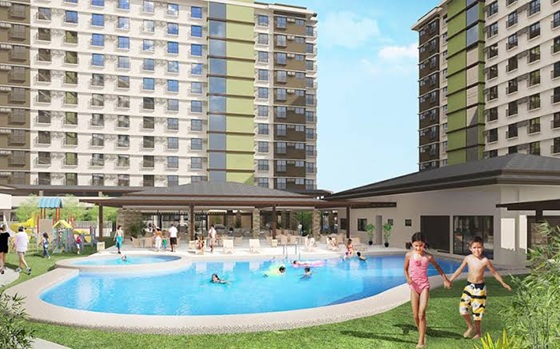
                  • Top 10 Cebu Real Estate Developers: A Useful and Honest Guide (Ranked & Verified)

                    Cebu’s real estate market has matured far beyond its reputation as a scenic tourist stop. Today, it’s one of the Philippines’ most dynamic property markets—drawing national giants and homegrown players alike, all competing to shape the city’s skyline and suburban fringes. But with glossy brochures and aggressive marketing everywhere, separating the genuine builders from the hype merchants takes work.

                    This guide ranks the ten most significant real estate developers operating in Cebu today—from #1 to #10—based on track records, completed projects, financial health, Cebu-specific presence, and market reputation. Every figure, project timeline, and investment amount in this guide has been verified against the latest available data as of June 2026. Not a single entry here is based on promises alone; every developer on this list has delivered projects you can actually visit and evaluate.


                    #1 – Cebu Landmasters Inc. (CLI)

                    The Undisputed Homegrown Champion

                    If there’s one developer that truly defines Cebu’s real estate ascendancy, it’s Cebu Landmasters. CLI isn’t just a Cebu-based company—it is the top residential developer in the entire Visayas and Mindanao region, commanding an 18% market share according to Colliers’ 2025 Real Estate Market Study. The company was also named Best Developer in Visayas and Best Developer in Mindanao at the 13th PropertyGuru Philippines Property Awards.

                    Financially, CLI is a fortress. The company posted a ₱3.1-billion consolidated net income for the first nine months of 2025, up 6% year-on-year. By September 2025, total assets had grown to ₱128.7 billion. Its landbank now spans 188 hectares, including a 79-hectare property in Liloan, Cebu, planned as a mixed-use township. Across its entire portfolio, CLI manages 131 projects—comprising 102 residential developments and 16 income-generating properties (10 hotels and 6 office buildings).

                    CLI’s flagship economic housing brand, Casa Mira, along with its mid-market Garden Series, achieved a 90% sell-out rate—a figure that suggests genuine end-user demand rather than speculative froth.

                    The honest take: CLI is a legitimate success story with proven delivery across multiple price points. Its 3% cancellation rate and 2.6% delinquency rate indicate resilient, real demand. However, CLI is expanding rapidly—with plans to launch over 20 projects worth ₱48 billion in the coming months. Rapid expansion always carries execution risk, so buyers should still do their due diligence on specific projects rather than buying blind on brand alone.


                    #2 – Ayala Land

                    The Gold Standard

                    Ayala Land is the name that needs no introduction. As one of the biggest names in Philippine real estate, their presence in Cebu is deep and growing. What distinguishes Ayala Land is its master-planned, integrated community approach—combining residential, commercial, and recreational spaces in cohesive estates.

                    In Cebu, Ayala Land is betting big. The company is investing ₱12.7 billion to redevelop and enhance three malls in Cebu from 2025 to 2028. This breaks down to ₱10.5 billion for the expansion of Ayala Center Cebu and the new Ayala Malls Gatewalk, plus ₱2.2 billion for renovations at AyalaMalls Central Bloc. The renovation of Ayala Center Cebu is now 75–80% complete and slated for full completion by the end of 2025.

                    Ayala Malls Gatewalk in Mandaue City is scheduled to open on December 16, 2026, with IKEA confirmed as one of its flagship anchor tenants—a major draw that is already driving foot-traffic expectations and elevating property values in the surrounding area.

                    On the residential front, Ayala Land has expanded its innovative co-living concept, CityFlats, with a second Cebu location at Cebu Business Park, following the successful opening of CityFlats Cebu IT Park in August 2025.

                    The honest take: You pay a premium for an Ayala Land property—there’s no way around it. But many buyers feel the investment is worth it for the quality of life and long-term value. Ayala Land has the financial muscle, track record, and brand equity to deliver. The catch? That premium pricing means you’re buying at market-leading rates, so capital appreciation may be more gradual than with emerging developers in up-and-coming areas.


                    #3 – SM Prime Holdings

                    The Mixed-Use Powerhouse

                    Most people know SM Prime for its massive shopping malls, but the company is a significant residential player too. In Cebu, SM Prime is going all-in on mixed-use developments that combine offices, residences, retail, and leisure components.

                    The centerpiece of SM Prime’s Cebu strategy is South Coast City, a 26-hectare master-planned estate at the South Road Properties. Within this development, SM Prime is investing ₱3.6 billion to build the SMX Convention Center Seaside Cebu, featuring over 21,000 square meters of leasable space across six levels with an 18,000-guest seating capacity. It’s scheduled to open in late 2026.

                    The SM Seaside City Arena is also on the horizon. Recent reports from May 2026 confirm it remains on track for a June 2026 opening, with high-profile event bookings already confirmed through late 2026—a strong indicator that SM Prime is delivering on its timelines.

                    The honest take: SM Prime’s integrated approach offers genuine lifestyle convenience—live near a mall, work near an office, and have amenities at your doorstep. SM Development Corporation (SMDC), a subsidiary, focuses on condominiums targeting young professionals with relatively affordable units in prime locations. However, SMDC condos are known for high density—many units per floor—which can affect privacy and long-term value compared to lower-density developments. Know what you’re buying before you sign.


                    #4 – Megaworld Corporation

                    The Township Pioneer

                    Megaworld pioneered the “live-work-play” concept in the Philippines, creating self-contained communities where residents can live, work, and play within the same area. In Cebu, their flagship is The Mactan Newtown, a 30-hectare township in Lapu-Lapu City envisioned as a mixed-use business and leisure hub.

                    The township is now highly mature, featuring four completed residential developments, three more residential buildings under construction, five office towers, and two hotels. Megaworld is reinvesting approximately ₱3.4 billion from its REIT proceeds to expand its provincial townships, including The Mactan Newtown. Two tourism-related facilities are being constructed: the Mactan Expo (a standalone convention center) and the Mactan World Museum (a multi-level historical and cultural museum). One 20-story residential building within the township is now being offered at an average price of ₱300,000 per square meter, up from an initial average of ₱175,000—a testament to the township’s growing value.

                    The honest take: Megaworld delivers on its township promise—if you buy into a Megaworld development, you’re buying into a complete ecosystem. The catch is that townships take years to fully mature. Early buyers benefit from lower prices but must wait for the full vision to materialize. Also, the “live-work-play” model works best if you actually work within the township; otherwise, you’re paying for amenities you may not fully use.


                    #5 – Robinsons Land Corporation (RLC)

                    The Diversified Challenger

                    Robinsons Land is emerging as a formidable multi-sector player in Cebu. At the 13th PropertyGuru Philippines Property Awards, RLC took home the highest honor—Best Developer (Philippines) —for the fourth consecutive year.

                    In Cebu, RLC’s crown jewel is the NUSTAR Hotel Cebu on Kawit Island. This ultra-luxury property opened its doors on May 8, 2025, featuring 223 rooms and representing a direct play for the six-star traveler. The hotel has already earned a spot in the 2025 Michelin Guide for Hotels—a rare distinction for a homegrown Filipino brand. The Mall NUSTAR Cebu also won three awards at the PropertyGuru Awards: Best Retail Development, Best Retail Architectural Design, and Best Retail Interior Design. (Alongside NUSTAR, RLC’s Dusit Thani Mactan Cebu also earned a spot in the same Michelin Guide, underscoring the group’s hospitality prowess.)

                    The honest take: RLC is aggressively diversifying beyond traditional mall operations into luxury hospitality. This diversification strengthens the company’s financial resilience, but it also means residential projects may not always be the primary focus. Buyers should evaluate each RLC residential project on its own merits rather than relying solely on the company’s overall reputation. RLC is a proven winner nationally, but its Cebu residential footprint is still developing.


                    #6 – Filinvest Land Inc.

                    The Business District Builder

                    Filinvest Land has carved a niche in Cebu through its commercial and office developments. The company’s flagship Cebu project is City di Mare (CDM) , a 58-hectare master-planned township at the South Road Properties—a joint venture between Filinvest and the Cebu City Government. CDM is designed as a balanced “live-work-play” environment and is quickly emerging as Cebu’s next premier business and lifestyle hub.

                    Filinvest is expediting the completion of amenities and infrastructure components of CDM as it continues to attract strong interest from both local and foreign investors. In a sign of the project’s success, only eight hectares of commercial land remain available within the township, indicating that the development is rapidly reaching critical mass.

                    The honest take: Filinvest is a solid, established player with a strong commercial portfolio. Its residential offerings in Cebu are more limited compared to pure residential developers, so buyers should evaluate specific projects carefully. The company’s deep relationship with the Cebu City government suggests long-term commitment to the market, but if you’re primarily looking for a home rather than an office-adjacent investment, Filinvest may not be your first stop.


                    #7 – Vista Land (Camella)

                    The Mass Housing Giant

                    Vista Land, through its flagship brand Camella, is the country’s leading mass housing developer by number of units sold and projects delivered. The company pioneered master-planned communities in Cebu with the first Camella community on Mactan Island, established in 1991.

                    Today, Vista Land has developments across Cebu City, Talisay, Mactan Island, and Carcar City. In mid-2025, the company launched Camella Montevia in Talamban, Cebu City, as part of its Visayas expansion campaign. This project is part of Vista Land’s broader “Synchrony” campaign, which aims to provide premium residential living near the South Road Properties and key educational institutions.

                    The honest take: Vista Land delivers volume and affordability. If you’re looking for an entry-level house-and-lot in a planned community, Camella is a reliable option. However, mass housing developments come with trade-offs—smaller lot sizes, standardized designs, and less exclusivity. The company’s scale is both a strength (proven delivery) and a weakness (cookie-cutter approach). For first-time buyers on a budget, Vista Land is hard to beat. For investors seeking premium appreciation, look higher up this list.


                    #8 – DMCI Homes

                    The Engineer’s Approach

                    DMCI Homes is a relatively new entrant to Cebu, but it’s making a significant splash. The Quadruple A developer is investing approximately ₱24 billion in Kalea Heights, a flagship residential condominium project along Good Shepherd Road in Barangay Guadalupe. It is the largest condominium project in Cebu City and the largest in DMCI Homes’ entire national portfolio, with over 1,000 units planned.

                    What sets DMCI apart is its engineering pedigree—the company is backed by D.M. Consunji Inc.’s over 70 years of construction expertise. Its signature Lumiventt® Design Technology brings natural light and air circulation deep into building interiors through three-storey-high “Sky Patios,” reducing reliance on artificial lighting and cooling. The 4.6-hectare development dedicates 3.6 hectares to open space—the largest in any Cebu condominium project and within DMCI Homes’ portfolio. Units are priced between ₱5.7 million and ₱14 million, with turnovers beginning in December 2029.

                    The honest take: DMCI Homes brings a fresh, engineering-driven approach to Cebu’s condo market. The Lumiventt® technology is genuinely innovative for tropical climates. However, Kalea Heights is a pre-selling project with turnover years away—buyers are buying a vision, not a finished product. DMCI’s track record outside Cebu is strong, but this is their first major Cebu project, so some execution risk exists. Company officials have confirmed that Kalea Heights is the first of several developments planned in Cebu, signaling a long-term commitment.


                    #9 – Primary Homes Inc.

                    The Cebu-Built Trusted Name

                    Primary Homes is a Cebu-based developer that has been building subdivisions, condominiums, and commercial projects for over two decades. The company traces its roots to the Primary Structures Group, an “AAA” category construction company.

                    Primary Homes serves Cebu, Bohol, Negros, and nearby Visayan growth areas, positioning itself as a trusted name in mid-market housing. In 2025, the company unveiled an ambitious roadmap including mixed-use township developments in Cebu, vacation rental properties in Mactan and Panglao Islands, and house-and-lot projects in western Cebu, Bohol, and Negros. Recent launches include Royal Palms Toledo—a 2.8-hectare development featuring 109 units with resort-style amenities—and Almond Drive, a walk-up condominium and house-and-lot project in Talisay City.

                    The honest take: Primary Homes is a solid, homegrown developer with a proven track record in the Visayas. It doesn’t have the national brand recognition of Ayala or SM, but that can work in buyers’ favor—less brand premium, more value for money. The company’s construction roots (through Primary Structures Group) suggest a genuine understanding of building quality. That said, its project portfolio is more regional and smaller in scale compared to national players. For buyers who want a trusted local name without the national-brand markup, Primary Homes is worth a serious look.


                    #10 – Rockwell Land

                    The Luxury Specialist

                    Rockwell Land, known for its upscale developments in Metro Manila (including the iconic Power Plant Mall), has been expanding its presence in Cebu. The company’s flagship Cebu development is Rockwell at IPI Center, a mixed-use development in the heart of Cebu City.

                    Rockwell expanded the IPI Center by an additional 7,806 square meters in July 2025, bringing its total footprint to 3.6 hectares. The expansion includes a new entry point along Banilad Road and adds 10,000 square meters of retail space. The centerpiece is The Lincoln, a 53-storey residential tower that embodies exclusive, modern living in Cebu City. To underscore its aggressive growth, Rockwell reported spending ₱4.9 billion on projects and capital expenditures in the first half of 2025, with 70% growth in reservation sales during Q1 2025.

                    The honest take: Rockwell is the luxury play in Cebu. If you want exclusivity, low density, and premium finishes, Rockwell delivers. But luxury comes at a luxury price—these are among the most expensive residential options in Cebu. Rockwell’s brand is built on quality, but buyers should ensure the premium pricing aligns with their investment goals. The IPI Center expansion suggests Rockwell is committed to Cebu for the long haul, but its Cebu footprint remains tiny compared to every other developer on this list. That’s why it sits at #10—not because of quality, but because of limited local presence.


                    Final Thoughts: How to Choose

                    Choosing a developer in Cebu isn’t about picking the biggest name—it’s about matching the developer’s strengths to your specific needs:

                    • If you want the undisputed Cebu market leader with proven delivery across all price points: Cebu Landmasters (#1) is your answer.
                    • If you want master-planned, premium communities and don’t mind paying for the brand: Ayala Land (#2) delivers.
                    • If you want the convenience of living near a mall and a complete ecosystem: SM Prime (#3) and Megaworld (#4) are strong contenders.
                    • If you’re looking for affordable entry-level housing: Vista Land (#7) is hard to beat.
                    • If you want engineering innovation and are willing to wait for a pre-selling project: DMCI Homes (#8) offers something genuinely different.
                    • If you want a trusted Cebu-born developer without the national-brand markup: Primary Homes (#9) is worth your time.
                    • If money is no object and you want exclusivity: Rockwell Land (#10) is the luxury play.

                    Before you sign anything, visit completed projects. Talk to residents. Check the License to Sell (LTS) and review the Deed of Restrictions—these are the most common pitfalls for unsuspecting buyers. A developer’s reputation is built project by project, and your investment deserves nothing less than thorough homework. Every developer on this list has delivered finished homes you can actually see. That’s the most honest measure of all.


                    Sources & Methodology:
                    Rankings are based on a 2026 market analysis of developer project delivery, verified financial filings, and independent property studies (Colliers, PropertyGuru). Specific project timelines and investment figures have been cross-referenced with official company disclosures and recent mid-2026 industry reports to ensure maximum accuracy at the time of publication. This guide is intended for informational purposes only and does not constitute professional financial or legal advice. Always conduct your own due diligence before making any property investment.

                      Author
                      John Paul Ybañez Paquibot
                      Licensed Real Estate Broker | PRC No. 00014132 | DHSUD No. CVRFO-B-03/18-2672
                      Bachelors Realty and Brokerage, Inc. Cebu
                      G/F Cap Building, Brgy. Corner, Osmeña Blvd.
                      Arlington Pond St. Extension, Cebu City, 6000 Cebu
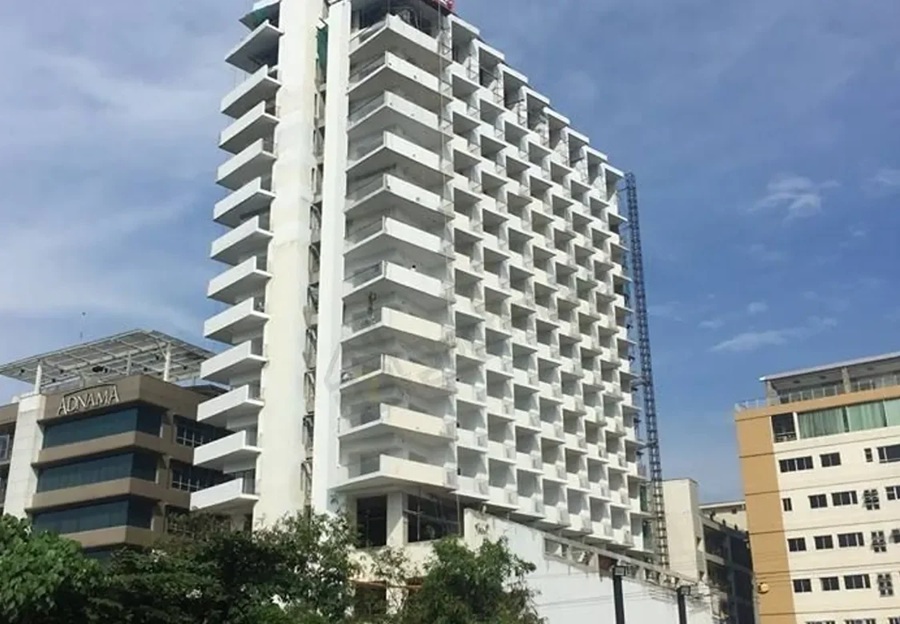
                    • OFW’s Guide to Buying a Condo in the Philippines (With a Focus on Plumera) – SeekCebu

                      OFW's Guide to Buying a Condo in the Philippines

                      As a Filipino citizen, you have full legal rights to own property in the Philippines from anywhere in the world. Buying remotely requires careful preparation, especially with paperwork and financing. This guide outlines the standard process with accurate details on Plumera Residences Mactan, a Johndorf Ventures development in Basak, Kagudoy, Lapu-Lapu City, Cebu.


                      Step 1: Get Your Special Power of Attorney (SPA)

                      A Special Power of Attorney (SPA) authorizes a trusted person in the Philippines (family member, friend, or licensed broker) to act on your behalf.

                      Key coverage for the SPA:

                      • Signing reservation agreements and Contract to Sell (CTS)
                      • Coordinating with the developer, bank, or Pag-IBIG
                      • Handling payments and receiving documents

                      Process:

                      1. Use the developer’s preferred SPA template when possible.
                      2. Notarize it in your host country, then have it authenticated (consularized) at the nearest Philippine Embassy or Consulate (or Apostilled if your country is part of the Hague Convention).
                      3. Send the original physical document to your attorney-in-fact in the Philippines. Digital copies are not accepted for property transactions.

                      Step 2: Secure Your Pag-IBIG Membership

                      How to register as an OFW:

                      1. Visit the Virtual Pag-IBIG platform.
                      2. Select “For OFWs” and create an account.
                      3. Verify with mobile number (OTP), email, and valid ID (passport or Philippine ID).
                      4. Start contributions once you receive your Pag-IBIG MID number.

                      Contributions: Minimum ₱200 per month. You can pay higher amounts voluntarily for larger loan eligibility.

                      Housing Loan Eligibility:

                      • At least 24 monthly contributions (not necessarily consecutive).
                      • Age + loan term must not exceed 65 years at application.

                      OFW Tip: Lump-sum payment of equivalent contributions can help qualify faster.

                      Pag-IBIG Housing Loan (2026)

                      • Maximum loan amount: ₱10,000,000 (increased in May 2026).
                      • Interest rates: Start at 5.75% (standard); subsidized 3% for qualifying socialized housing units (lower value thresholds).
                      • Loan terms up to 30 years, subject to age limits.

                      Step 3: Compare Financing Options

                      Pag-IBIG
                      Interest Rate (Approx. 2026): 5.75%–9.75% (3% subsidized possible)
                      Equity Requirement: Lower
                      Best For: Long-term affordability, up to 30 years

                      Bank Loan (OFW)
                      Interest Rate (Approx. 2026): 6.25%–8.0%
                      Equity Requirement: Higher, stricter checks
                      Best For: Strong remittance history

                      In-House Financing
                      Interest Rate (Approx. 2026): 12%–16%
                      Equity Requirement: Lowest upfront
                      Best For: Short-term bridge

                      Note on Loan Terms: Maximum loan term is generally 65 minus your current age. A 45-year-old buyer is typically limited to 20 years.


                      Step 4: Choose a Developer You Can Trust

                      Verify License to Sell (LTS): Always request the DHSUD Certificate of Registration and valid License to Sell before paying any reservation fee. For Plumera Residences Mactan, relevant LTS numbers include 2133, 2134, and 2135 for various phases.

                      Johndorf Ventures Profile:

                      • Over 40 years of experience in the Visayas and Mindanao.
                      • Recognized by Pag-IBIG as a consistent top developer in the region.
                      • Plumera consists of multiple low-rise buildings (primarily 4–5 stories, walk-up style) across rolling phases, with 22 buildings planned.

                      Step 5: Understand the Real Costs

                      Sample Pricing (2026 Market)

                      Studio
                      RFO Total Price: ~₱3,450,000 – ₱3,568,000
                      Pre-Selling Price Range: ₱2,815,000 – ₱3,500,000
                      Typical Equity Terms: ₱6,000–₱13,000/month (24–30 months)

                      1-Bedroom
                      RFO Total Price: ~₱5,200,000+
                      Pre-Selling Price Range: ₱4,400,000 – ₱5,200,000
                      Typical Equity Terms: ₱14,000–₱25,000+/month (varies)

                      Additional Costs:

                      • Reservation fee: ₱15,000–₱25,000 (deductible from equity; commonly ₱20,000).
                      • Closing costs/taxes: 5%–8%+ of total price (documentary stamps, transfer taxes, etc.).
                      • Fit-out: Units are delivered semi-finished (painted walls, basic kitchen counter & sink, tiled T&B). Budget ₱100,000–₱200,000+ for flooring, partitions, and fixtures if renting out.
                      • Recurring: Condo dues ~₱70/sqm (₱1,680 for studio); annual RPT and insurance extra.

                      Step 6: RFO vs. Pre-Selling

                      • RFO (Ready-for-Occupancy): Immediate possession. Higher price, shorter equity period. Suitable for quick rental income.
                      • Pre-Selling: Lower entry price, longer equity terms during construction. Completion timelines vary by building (some targeted 2027+).

                      Step 7: The Complete Buying Process

                      1. Select unit and review details with a licensed agent.
                      2. Prepare and consularize your SPA.
                      3. Pay reservation fee (via official channels).
                      4. Attorney-in-fact signs the Contract to Sell (CTS) using the SPA.
                      5. Pay equity over the agreed term (no interest during equity period).
                      6. Apply for Pag-IBIG or bank loan near the end of equity.
                      7. Loan takeout: Lender pays the balance to the developer.
                      8. Joint inspection, punch-list resolution, and turnover of keys.

                      Plumera Mactan: Key Considerations for OFWs

                      Location Advantages: Near Mactan-Cebu International Airport, Mactan Doctors’ Hospital, Indiana Aerospace University, MEPZ, and Gaisano Grand Mall. Strong rental demand from students, medical staff, BPO workers, and airport personnel.

                      Property Management Realities:

                      • Sales & Leasing: Bachelors Realty and Brokerage has a presence in the area and can assist with tenant sourcing and lease agreements as a third-party broker.
                      • Building Operations: Maintenance, security, and common areas are managed by the Plumera Condominium Corporation (homeowners’ association) or its appointed property manager.
                      • Recommendation: Combine a broker for rentals with direct coordination (via family or attorney-in-fact) with the Condo Corp for maintenance.

                      Amenities: Pool, clubhouse, and other facilities typical for the project.


                      The Bottom Line

                      Buying remotely is straightforward if you use a proper SPA, verify all legal documents (especially LTS), and choose financing that fits your age and cash flow. Plumera offers an affordable entry point in a growing area with rental potential, but always confirm current pricing, availability, and terms directly with Johndorf Ventures or a licensed broker, as they are subject to change.

                      The information is for general guidance only and does not constitute financial or legal advice. Consult licensed professionals before deciding.

                      Contact Us

                        Author
                        John Paul Ybañez Paquibot
                        Licensed Real Estate Broker | PRC No. 00014132 | DHSUD No. CVRFO-B-03/18-2672
                        Bachelors Realty and Brokerage, Inc. Cebu
                        G/F Cap Building, Brgy. Corner, Osmeña Blvd.
                        Arlington Pond St. Extension, Cebu City, 6000 Cebu