Blog

  • Complete List of RFO Condos in Cebu (2026) – SeekCebu

    Ask most property agents in Cebu what “RFO” means, and they will tell you it stands for “Ready for Occupancy.” Ask them what it actually means for a buyer, and the answer gets more complicated.

    An RFO condo is a unit that has been completed, turned over by the developer, and is ready for you to move into immediately. No waiting two years for construction to finish. No wondering if the developer will actually deliver. You pay, you get the keys, you move in.

    But here is the honest truth: RFO does not automatically mean “good deal.” In the current market—with over 30,000 RFO units in Metro Manila alone and Cebu’s market growing increasingly complex—the distinction between RFO and pre-selling is less important than where the unit is and who built it.

    This list covers confirmed RFO condo projects across Cebu City, Mandaue City, and Lapu-Lapu City as of mid-2026. Some projects are fully RFO; others have RFO inventory available in specific towers or phases. Always verify directly with the developer or a licensed agent before committing.


    Cebu City

    38 Park Avenue – Cebu IT Park

    This is the gold standard for IT Park living. A 38-storey, New York-inspired condominium with 1.18 hectares of development, it is the tallest building in Cebu IT Park. The building features a Sky Club Amenity Deck, Sky Gardens, an infinity pool, fitness gym, and private lounges. The Plaza at Park Avenue offers a green retail park with food and shopping outlets.

    • Location: India Street, Apas, Cebu IT Park
    • Status: RFO
    • Unit types: Studio (24.48 sqm), 1-bedroom (54.81 sqm), 2-bedroom (103.77 sqm)
    • Sample pricing: 1-bedroom (54.81 sqm) listed at ₱11,600,000
    • Monthly estimate: Starts at ₱56,400/month

    Horizons 101 – Mango Avenue
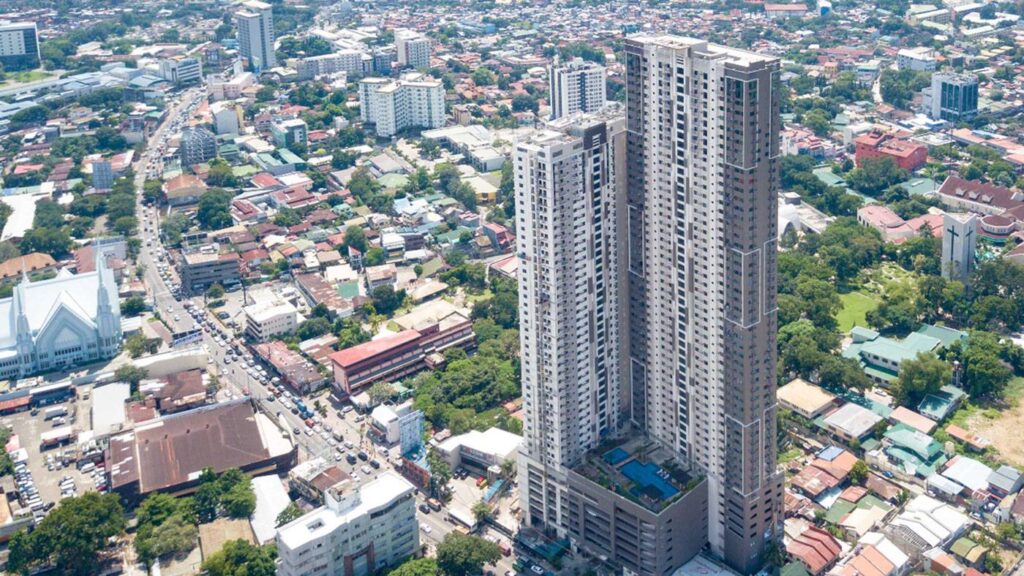
    Cebu’s tallest structure and the tallest building outside Metro Manila. Rising 173 metres above sea level, Tower 1 has 55 floors and Tower 2 has 46. High-speed elevators reach the 55th floor in 55 seconds, and key areas are supported by 100% backup power.

    • Location: Mango Avenue, Cebu City
    • Status: RFO
    • Unit types: Studio (22.85 sqm ±), 1-bedroom (30.20 sqm ±), 2-bedroom (60.30 sqm ±), 3-bedroom (91.62 sqm ±)
    • Monthly estimate: Starts at ₱17,848
    • Key feature: No down payment promo available

    Amalfi Oasis at City Di Mare – South Road Properties
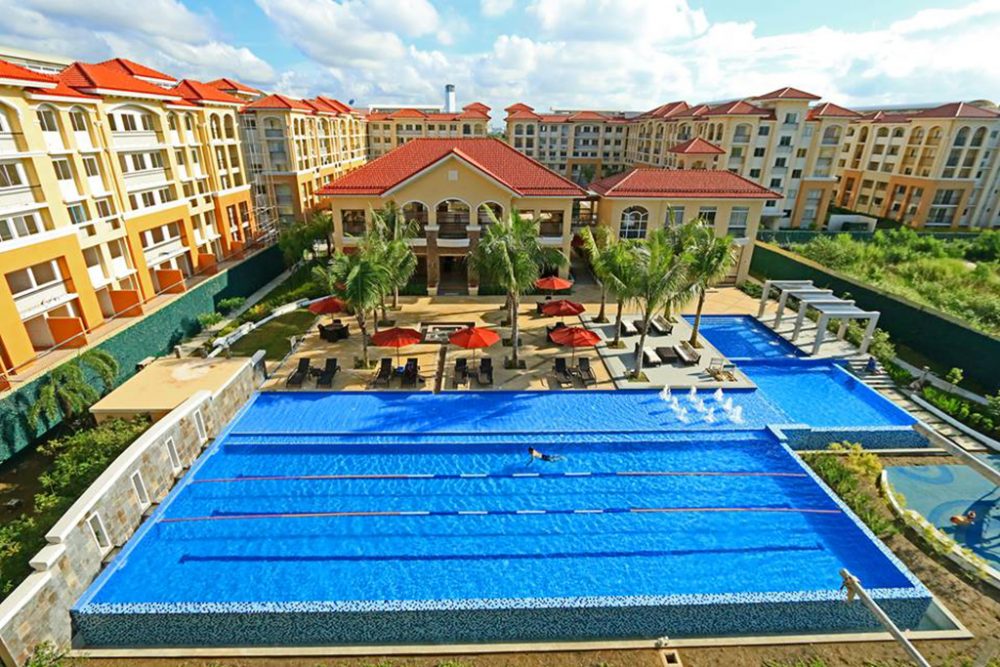
    Inspired by Italy’s Amalfi Coast, this low-density community sits on the 390,484 sqm City Di Mare development in the South Road Properties. Approximately 65% of the property is allocated for open spaces and landscaped greens. Five-storey buildings with 20-metre-wide landscaped walkways and bike lanes create a pedestrian-friendly environment.

    • Location: South Road Properties, Cebu City
    • Status: RFO
    • Unit types: 2-bedroom (56.79 sqm ±), 3-bedroom (106.81 sqm ±)
    • Parking: ₱752,600 (Building 1), ₱873,000 (Building 3)
    • Monthly estimate: Starts at ₱60,172

    Mivesa Garden Residences – Veterans-Salinas Drive
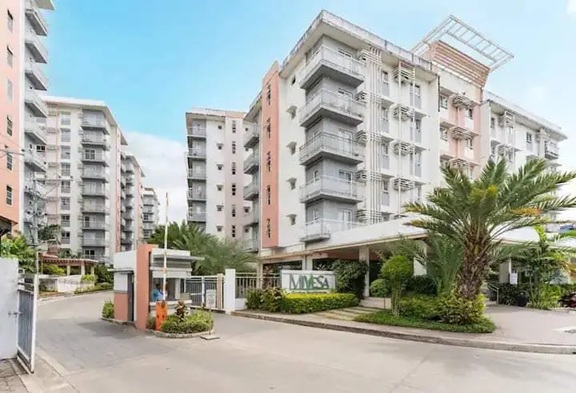
    An affordable RFO condominium with a master-planned garden community. Open spaces cover 60% of the 1.8-hectare property. The development has seven mid-rise buildings ranging from 6 to 10 floors, with pocket parks, pedestrian walkways, and jogging paths throughout.

    • Location: Salinas Drive, Cebu City (middle of Veterans and Salinas)
    • Status: RFO
    • Unit types: Studio (20 sqm), 1-bedroom with balcony (36.22 sqm), 2-bedroom (54.67 sqm)
    • Monthly estimate: Starts at ₱21,100

    East Aurora Tower – Mabolo

    A residential condominium complex along Pres. Quezon Street in Mabolo/Panagdait, close to Cebu Business Park and major commercial areas. As of May 2026, only a few units remain.

    • Location: Cabahug Street, Kasambagan, Mabolo
    • Status: RFO
    • Units left: 2-bedroom (3 units), 3-bedroom (1 unit), 4-bedroom (3 units)
    • Pricing: 2-bedroom (68 sqm) ₱6.77M; 3-bedroom (146 sqm) ₱13.18M; 4-bedroom (140 sqm) ₱15.72M

    Royal Garden Residences – Mabolo
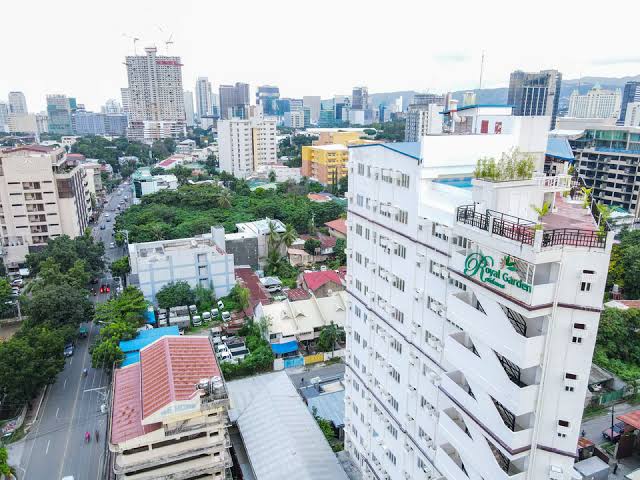
    A residential development in Mabolo with both RFO and pre-selling units available depending on the tower or phase.

    • Location: Mabolo, Cebu City
    • Status: Mix of RFO and pre-selling
    • Active inventory: 2 units for sale, 1 for rent

    Grand Residences – Banilad/Mabolo
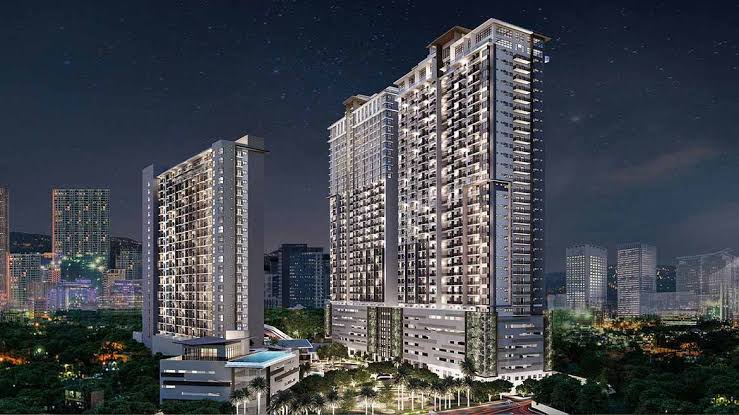
    Located at Gov. M. Cuenco Avenue in Banilad and Pres. Roxas Street in Mabolo. Both RFO and pre-selling units are available depending on the tower or phase.

    • Location: Banilad and Mabolo, Cebu City
    • Status: Mix of RFO and pre-selling
    • Active inventory: 18 units for sale, 28 for rent

    Mandaue City

    Casa Mira Towers – Alang-alang
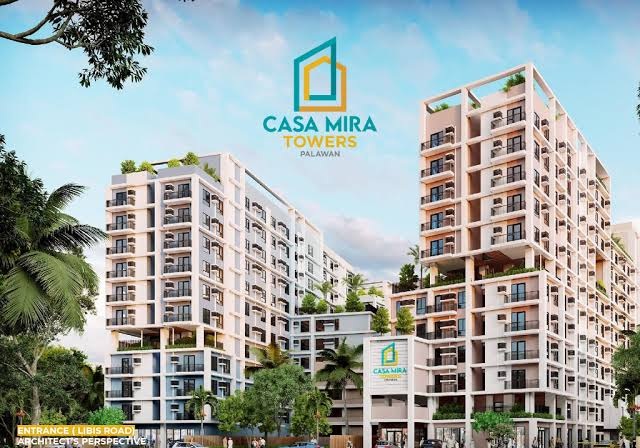
    A four-tower residential condominium development located at the back of Pacific Mall Mandaue. Tower 3 is currently available with RFO units. The project offers resort-like amenities in a central location.

    • Location: Marciano Quizon, Alang-alang, Mandaue City
    • Status: RFO (Tower 3)
    • Total units: 505 units across 23 storeys (Tower 3)
    • Amenities: Function hall, basement parking, retail block with supermarket
    • Proximity: 6 km to Mactan-Cebu International Airport (14 mins), 5.2 km to SM City Cebu

    Northstar Condominium – Canduman
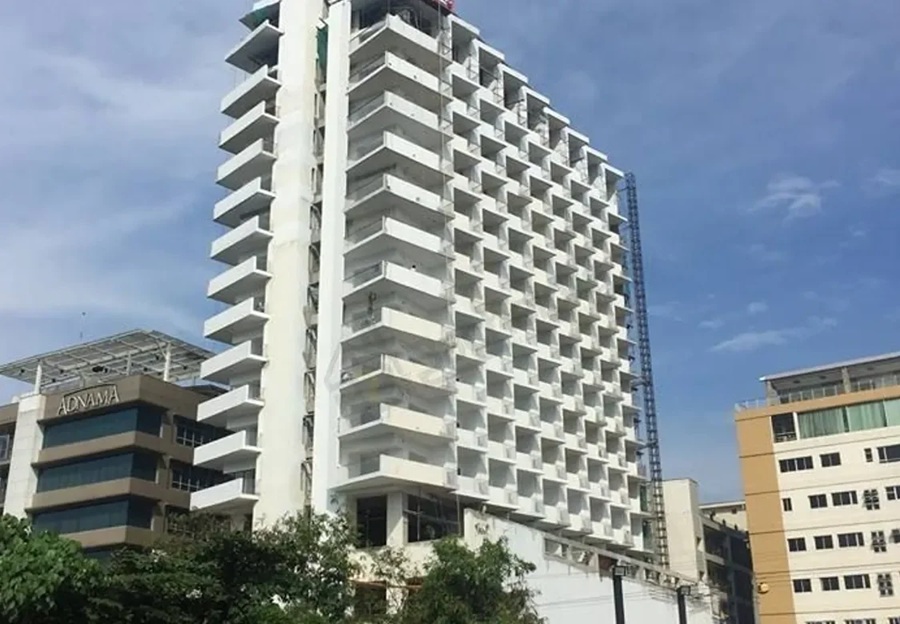
    Located on Larrazabal Avenue in Canduman. Both RFO and pre-selling units are available depending on the tower or phase.

    • Location: Larrazabal Avenue, Canduman, Mandaue City
    • Status: Mix of RFO and pre-selling
    • Active inventory: 1 unit for sale, 3 for rent

    Lapu-Lapu City (Mactan Island)

    Mactan Newtown – Lapu-Lapu City
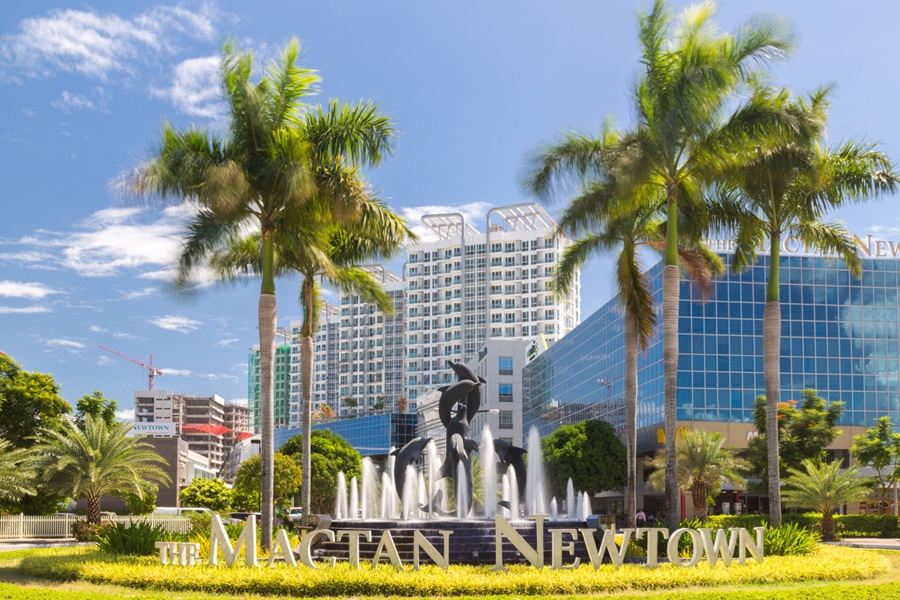
    mactan newtown

    A 30-hectare master-planned township by Megaworld, featuring multiple residential towers including One Pacific Residence, One Manchester Place, and Positano. The development offers private beach access, a convention centre, hotels, and retail. RFO units are available across various towers.

    • Location: Mactan Newtown, Lapu-Lapu City
    • Status: RFO units available
    • Unit types: 1-bedroom (44 sqm), 2-bedroom, 3-bedroom duplex
    • Key feature: PEZA-accredited business hub, steps from Mactan Expo Center

    Amani Grand Resort Residences – Basak
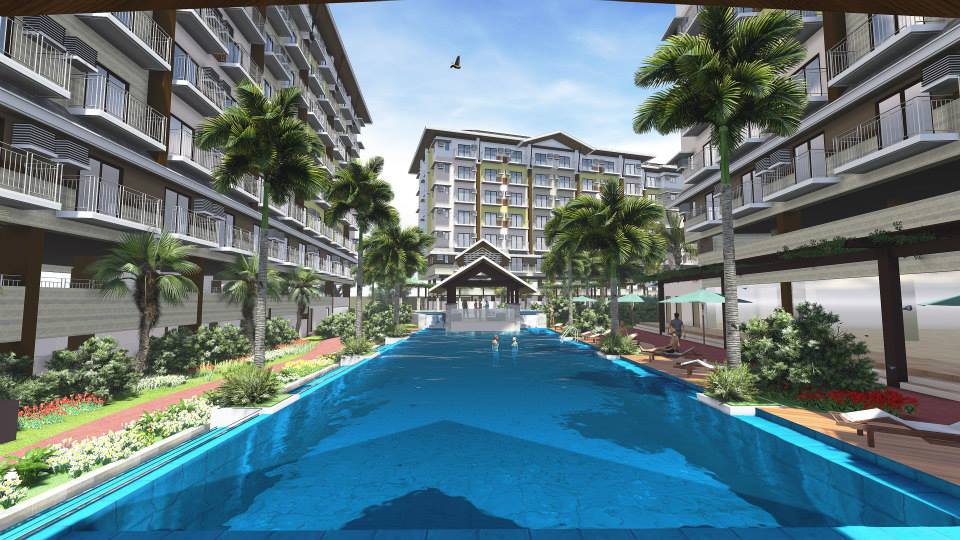
    A resort-style condominium developed by AboitizLand, designed with short-stay guests in mind. Located just 3 to 5 minutes from Mactan-Cebu International Airport.

    • Location: Barangay Basak, Lapu-Lapu City
    • Status: RFO units available
    • Unit types: Studio (27 sqm)
    • Key feature: Resort amenities including pool, gym, 24/7 security

    Saekyung Condominium – Lapu-Lapu City
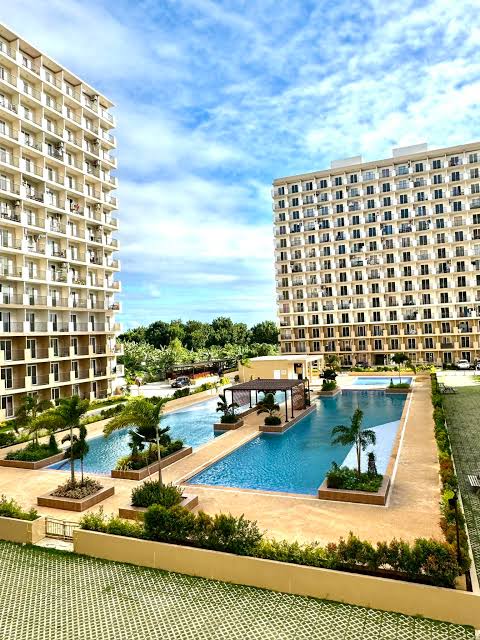
    Saekyung Village One

    An affordable condominium development in Lapu-Lapu City. Saekyung Village One-Phase 3 offers studio units at accessible price points.

    • Location: Saekyung Village One-Phase 3, Lapu-Lapu City
    • Status: RFO units available
    • Total units: 956 residential units
    • Key feature: Affordable entry point into the Lapu-Lapu condominium market

    The Brutal Reality: What “RFO” Actually Means

    Here is the honest truth about buying RFO in Cebu in 2026:

    RFO is not always a deal. Developers sometimes offload remaining RFO units at a premium because you are paying for convenience. In other cases, you can negotiate significant discounts because the developer wants to clear inventory.

    Location matters more than status. In 2026, “location is now critical” for condo investments. Areas like Cebu IT Park and Cebu Business Park continue to benefit from healthy rental activity and reasonable occupancy rates. A pre-selling unit in IT Park may be a better investment than an RFO unit in a less desirable area.

    RFO does not mean “no issues.” Even completed buildings can have defects, delayed turnover of common areas, or disputes with the developer. Always inspect the unit in person before committing.

    Verify RFO status directly. Many projects—including Royal Garden Residences, Grand Residences, Northstar, Amani Grand, and Saekyung—offer a mix of RFO and pre-selling units depending on the tower or phase. Do not assume a project is fully RFO. Confirm with the developer or a licensed agent.


    ⚠️ Critical “Day 1” Logistics: What the Brochures Don’t Tell You

    The Parking Caveat

    In Cebu’s dense business districts—IT Park and Cebu Business Park—parking is rarely included in the unit price. A parking slot in these areas can cost an additional ₱800,000 to ₱1.5 million depending on the development. In Mactan Newtown, parking slots can add ₱850,000 to ₱1.5 million to your total cost.

    Many buyers assume parking is included. It is not. Always clarify if the unit price includes a parking slot—never assume it does. If you need a car, add parking to your budget. If you do not need a car, confirm that the building allows you to rent out your slot separately (many do, which can generate an additional ₱5,000 to ₱10,000 per month).

    The Utility/Internet Audit

    Internet connectivity is non-negotiable for remote workers, digital nomads, and anyone who works from home. But not all buildings offer the same options.

    IT Park and Cebu Business Park buildings are generally fiber-ready for major ISPs like Globe and PLDT. These are business-grade connectivity zones with reliable, high-speed options.

    Suburban RFO projects, particularly outside the city centre, may only have one service provider available—or worse, limited to slower DSL connections. In some newer developments, fiber infrastructure may not yet be fully installed.

    Pro Tip: Before you buy, visit the building lobby and ask the security guard or property manager: “What internet providers are available here?” If the answer is limited, verify the speeds and reliability with current residents. For remote workers, a beautiful condo is worthless if you cannot get reliable 100+ Mbps connectivity.


    The Bottom Line

    Cebu offers a wide range of RFO condos in 2026, from affordable studio units in Mandaue to luxury resort-style living in Mactan Newtown. The best choice depends on your budget, your lifestyle, and your investment goals.

    Pro Tip: Before buying any RFO unit, visit the building in person. Talk to residents. Check the amenities. Verify the turnover status with the developer. Ask about parking. Check internet providers. Because “ready for occupancy” does not always mean “ready for you.”


    📅 Remember: The Cebu condo market is evolving. With over 30,000 RFO units in Metro Manila alone and Cebu’s market growing more complex, location and developer reputation matter more than ever. What is true today may shift by 2027. Do your due diligence, visit in person, and decide for yourself.

      Author
      John Paul Ybañez Paquibot
      Licensed Real Estate Broker | PRC No. 00014132 | DHSUD No. CVRFO-B-03/18-2672
      Bachelors Realty and Brokerage, Inc. Cebu
      G/F Cap Building, Brgy. Corner, Osmeña Blvd.
      Arlington Pond St. Extension, Cebu City, 6000 Cebu

    • Best Airport Condos for Airbnb in Cebu (2026) – SeekCebu

      Best Airport Condos for Airbnb

      The Mactan-Cebu International Airport (MCIA) is not just booming—it is breaking records. In January 2026 alone, the airport welcomed 1.3 million passengers, a 15% increase from January 2025 and the highest monthly passenger traffic in its history. Domestic traffic rose 12% year-on-year, while international traffic posted a sharper 25% jump. The airport is on track to hit 13 million passengers in 2026, up from 11.6 million in 2025.

      What is driving this surge? In 2025 alone, MCIA introduced eight new routes and welcomed new airline partners including Jetstar Airways, Vietnam Airlines, Firefly Airlines, and Aero-K, opening direct links to cities like Hanoi, Cheongju, Brisbane, and Macau.

      Then there is the infrastructure. In July 2025, MCIA officially opened its second parallel runway—the first in the Philippines. The PHP 2.07-billion, 2,560-meter runway increased aircraft movement capacity from 30 to 40 flights per hour and can accommodate up to 18 million passengers annually. As President Marcos noted at the inauguration, with two runways running full-time, the airport will have the capacity to cater to up to 18 million passengers a year.

      This massive influx of travelers, combined with expanded flight capacity, has turned Mactan Island and Lapu-Lapu City into a goldmine for short-term rental investors.

      But “airport-adjacent” is not a guarantee of success. The key is finding a building that is not just close to the terminal, but is also Airbnb-friendly and appealing to the modern traveler.

      Here is an honest look at the top contenders and what you need to know before you buy in 2026.


      The Top Contenders: Best Airport Condos for Airbnb

      1. Mactan Newtown (Megaworld)

      The Verdict: The Gold Standard for resort-style, high-yield investment—with caveats.

      Mactan Newtown is a 30-hectare, master-planned township by Megaworld, designed to be a self-contained resort community. It offers everything a short-term guest could want without ever needing to leave the complex: a private beach, hotels, shopping areas, a school, and a convention centre.

      • Location: 10 to 15 minutes from MCIA.
      • Airbnb-Friendly: Yes. The development actively supports short-term rentals.
      • Investment Potential: Gross rental yields are estimated between 5% to 10%. Its integrated nature and Megaworld’s reputation make it a reliable, high-demand option.
      • The Catch: It is not cheap. Property prices range from $2,700 to $4,500 per sqm. With over 2,540 units across 10+ towers, there is a real risk of oversupply and increased competition among landlords. Tourism on Mactan can be seasonal—occupancy can drop to 43–57% during off-peak months.

      2. Amani Grand Resort Residences (AboitizLand)

      Amani Grand

      The Verdict: The Smart Choice for Airbnb-Focused Investors.

      Amani Grand is a resort-style condominium developed by AboitizLand, a highly reputable developer. Unlike purely residential buildings, it was designed with short-stay guests in mind, making it a popular and proven option for Airbnb and serviced condo setups.

      • Location: 3 to 15 minutes from MCIA.
      • Airbnb-Friendly: Yes. It is known as one of the most rental-friendly condos in Mactan, with resort-style amenities including a large pool, gym, and 24/7 security.
      • Investment Potential: Its strategic location and rental-oriented design create strong, consistent demand from business travelers, tourists, and overseas workers. Occupancy rates tend to be higher during peak travel seasons, holidays, and long weekends.
      • The Catch: The development is dominated by compact studio units (22–26 sqm). While efficient for rentals, this limits your appeal to families or longer-stay guests who need more space.

      3. Saekyung Condominium

      The Verdict: The Budget-Friendly “Cash Cow.”

      If you are looking for a more affordable entry point with strong basics, Saekyung is a solid choice. It is a well-known development offering good value in a highly accessible location, ideal for travelers wanting a comfortable stay without the resort price tag.

      • Location: Approximately 15 minutes from the airport.
      • Airbnb-Friendly: It has a well-established presence on Airbnb, with numerous listings available.
      • Investment Potential: Lower purchase prices compared to Mactan Newtown or Amani Grand mean your capital outlay is smaller, potentially translating to higher net yields if you maintain consistent occupancy.
      • The Catch: It lacks the prestige and high-end resort feel of other developments. Expect more competition, and your nightly rate will be lower, so your margins depend heavily on keeping occupancy high.

      4. The Pearl Mactan Newtown

      The Verdict: The “All-in-One” Premium Option.

      While technically part of the Mactan Newtown township, The Pearl is often highlighted as a standout building specifically for Airbnb and rental purposes. It is a newer development within the same prime location, offering modern units with access to all of Mactan Newtown’s world-class amenities.

      • Location: 10 to 15 minutes from MCIA.
      • Airbnb-Friendly: Yes. It is a prime choice for investors seeking a modern, high-quality unit in the best location.
      • Investment Potential: It combines the strong brand and location of Mactan Newtown with the appeal of a newer, more contemporary building.
      • The Catch: As a newer development, prices are likely to be at a premium, reflecting the modern finishes and the “newness” factor.

      The Brutal Reality: What You Must Know Before Buying in 2026

      Airbnb can be a goldmine, but it is also high-maintenance and high-risk. Here is the honest truth:

      1. The “Net Yield” Trap

      This is the single most important number to understand. Gross rental yields and net rental yields are very different things.

      Mactan Newtown can show gross yields of 5–10%—which sounds fantastic. But once you subtract association dues (USD 1.40–2.00 per sqm per month), platform commissions (15–20%), electricity costs, property management fees, and vacancy during off-peak months, net yields in Mactan are often compressed to 2.5–5.5%.

      While Airbnb can gross significantly more than long-term rentals, rising electricity and management costs in 2026 mean that a “set-it-and-forget-it” strategy is rarely profitable. Short-term rentals can bring in two or three times more gross revenue in busy months, but they require consistent occupancy above 65–70% just to break even against a long-term lease.

      2. Check the Building’s Rules

      Not every condo allows short-term rentals. Some buildings have strict minimum lease terms of one month, three months, or even six months. Before you even think about buying, verify the building’s policy on Airbnb and short-term stays.

      3. The Seasonality Trap

      Tourism on Mactan Island is seasonal. Occupancy can drop to 43–57% during off-peak months. This means your income is not guaranteed year-round. A few bad months can wipe out the profits of a few good ones.

      4. The “Hidden” Costs

      Condo association dues can be a significant drag on your net yield. These fees pay for the amenities and security that make your unit attractive—but they are a non-negotiable cost that eats into your profit.

      5. The Oversupply Risk

      Mactan Newtown alone has over 2,540 units across 10+ towers. More towers are launching. This creates competition for tenants and can put downward pressure on nightly rates.

      6. The Commute to Cebu City

      Mactan is an island. Traveling to Cebu City requires crossing a bridge, which can lead to significant traffic during peak hours. If your target guest is a business traveler, they need to be aware of this.


      The Bottom Line: Which Condo is Right for You?

      There is no single “best” condo for Airbnb. It depends on your budget, your risk tolerance, and your target guest.

      • Choose Mactan Newtown or The Pearl if: You have a bigger budget and want a premium, high-yield investment in a resort-like setting—and you understand that net yields will be lower than gross projections.
      • Choose Amani Grand if: You want a proven, Airbnb-friendly building with strong rental potential and a more accessible price point than Mactan Newtown.
      • Choose Saekyung if: You are budget-conscious and willing to work harder on occupancy to get a solid return on a lower initial investment.

      The 2026 Reality Check

      The second runway is operational. Passenger numbers are breaking records. New routes are launching. Mactan is a genuine boom zone.

      But booms attract competition. High purchase prices, rising management costs, and seasonal occupancy mean that net returns in Mactan can be lower than the long-term rental market in Cebu City.

      Pro Tip: Visit the building in person. Talk to the property manager or security guard about the rules. Walk around the amenities. Run the numbers—not just gross revenue, but net yield after all costs. Because if you wouldn’t be happy staying there yourself, your guests probably won’t be either. And if the math doesn’t work at 65% occupancy, it does not work at all.


      📅 Remember: The Mactan market is evolving fast. The second runway, new routes, and continued development will drive more passengers—and more competition. What is true today may shift by 2027. Run the numbers, visit in person, and decide for yourself.

        Author
        John Paul Ybañez Paquibot
        Licensed Real Estate Broker | PRC No. 00014132 | DHSUD No. CVRFO-B-03/18-2672
        Bachelors Realty and Brokerage, Inc. Cebu
        G/F Cap Building, Brgy. Corner, Osmeña Blvd.
        Arlington Pond St. Extension, Cebu City, 6000 Cebu
      • Minglanilla Real Estate Guide: The Southern Gateway to Metro Cebu – SeekCebu

        Ask most expats in Cebu about where to live, and the conversation usually stops at Cebu City or Lapu-Lapu. But a growing number of foreigners and locals alike are looking south—past Talisay, past the traffic, to a quiet municipality that is quietly becoming one of Metro Cebu’s most interesting real estate stories.

        Minglanilla is not a secret. But it is still undervalued. And for expats willing to look beyond the usual hotspots, it offers something increasingly rare in Metro Cebu: affordability, space, and genuine potential.

        Here is the honest, unfiltered guide to Minglanilla real estate in 2026.


        Location and Accessibility: The Southern Gateway

        Minglanilla sits approximately 15 kilometers south of Cebu City, along the Natalio Bacalso Avenue—the main artery connecting the capital to the southern provinces. It is the southern gateway to Metro Cebu, bordering Talisay City to the north and Naga City to the south.

        For decades, this location was a liability. The commute to Cebu City was long and congested. But major infrastructure projects are changing that equation.

        The Talisay–Minglanilla–Naga Coastal Road (MINA Coastal Road) is envisioned as a relief route that can absorb traffic spillover and provide a faster, more direct alternative for southern Cebu-bound vehicles. This would significantly ease congestion along Natalio Bacalso Avenue, a critical artery that currently carries both local and inter-city traffic.

        Integrated within this network is the CCLEX (Cebu–Cordova Link Expressway) interface area and the broader SRP corridor, positioning the south of Cebu as a more connected and accessible urban zone. The planned Cebu City South Boulevard Extension aims to extend coastal connectivity from Talisay City directly into Cebu City, linking seamlessly with the South Road Properties.

        For expats, this means that Minglanilla is no longer a distant outpost. It is becoming a connected, accessible part of the metropolitan fabric—with the price tag to match.


        Infrastructure: What Is Actually Happening

        The single biggest question about Minglanilla is whether the infrastructure will keep up with the growth. The answer is cautiously optimistic.

        The MINA Coastal Road

        The Talisay–Minglanilla–Naga Coastal Road is one of the key proposed developments in the region. When completed, it will provide a coastal alternative to the congested Bacalso Avenue, significantly reducing travel times to Cebu City. This project, along with the broader coastal network, is designed to distribute traffic more efficiently across the metropolitan grid rather than funneling it into a few overloaded corridors.

        Flood Mitigation

        Minglanilla has a flooding problem. In Barangay Calajo-an, floodwaters during heavy rains have been known to rise to waist-deep levels. This is a real issue that affects both residents and motorists along the national highway.

        The good news is that the provincial government has taken notice. In 2025, Cebu Governor Pamela Baricuatro approved over PHP 61 million worth of drainage outfall projects in Barangay Calajo-an. The two projects include a PHP 44.3-million project stretching from Estoy Vulcanizing Shop to Baybayon, and a PHP 16.7-million project covering the Skina TESDA to Baybayon route. Construction is expected to begin before the end of 2025.

        This is not a complete solution—flooding in other areas may persist—but it is a significant step toward addressing the town’s most persistent infrastructure weakness.

        The Metro Cebu Expressway

        The ambitious 73-kilometer Metro Cebu Expressway (MCE) seeks to link Naga City in the south to Danao City in the north. CCLEX Corp., the operator of the popular CCLEX bridge, has expressed interest in bidding for the public-private partnership contract. If realized, this expressway would dramatically improve connectivity for Minglanilla and the entire southern corridor.


        The Real Estate Market: What You Can Buy

        Minglanilla offers a range of properties, from affordable house-and-lot packages to mid-range subdivisions and emerging condominium developments. The market is diverse, and prices remain significantly lower than central Cebu.

        House and Lot

        This is Minglanilla’s strength. The town has numerous subdivisions catering to different budgets.

        The Crescent Ville is a new subdivision in Barangay Cadulawan, described as a “cozy new planted community amidst lush greenery”. It is five minutes away from malls, banks, convenience stores, markets, schools, and hospitals. Amenities include a gated entrance with guard house, swimming pool, clubhouse, children’s playground, landscaped parks, CCTV cameras, and panoramic sea and mountain views. Sample pricing:

        • Glenworth model: 130 sqm lot, 90.48 sqm floor area, 3 bedrooms, 3 bathrooms, 1 car garage—PHP 9.6 million total contract price
        • Brunswick model: 120 sqm lot, 82.40 sqm floor area, 3 bedrooms, 3 bathrooms, 1 car garage—PHP 8.3 million

        Paragon Homes in Barangay Tungkil is a modern duplex community developed by Scottsdale Development Corp. A 4-bedroom, 3-bathroom duplex with 135 sqm floor area and 103 sqm lot area is listed at PHP 8.5 million. The property offers flexible equity terms and is accessible via Cebu South Road and the South Road Properties.

        Casamira Linao offers more affordable options. A 3-bedroom, 2-bathroom house with 62 sqm floor area is listed at PHP 2.6 million.

        Graceland 4 in Ward 1 offers brand new Mexican-inspired townhouses.

        Condominiums

        Condominium developments are still emerging in Minglanilla. City Homes Minglanilla in Tunghaan is a 2-hectare horizontal condominium development with 112 units. Importantly for expats, foreigners can own units in this development.

        Thyme Residences is another condo option, located within a 15-minute drive of SM Seaside City Cebu.

        Rental Market

        For expats not ready to buy, rentals are available. A beach house in Minglanilla averages around PHP 45,000 per month. More standard housing is available at lower rates—a single attached house with 3 bedrooms and 1 bathroom can be found for long-term lease at more affordable rates.

        Market Context

        The overall Cebu residential market in 2026 sees typical properties costing around PHP 7.2 million, with the average higher at PHP 10.5 million due to luxury condos and larger houses. Minglanilla remains below these averages, though prices are rising.


        Lifestyle: What It Is Actually Like to Live There

        Minglanilla offers a lifestyle that is increasingly difficult to find in Metro Cebu: quiet, suburban, and space.

        The Vibe

        As one developer put it, “More and more Cebuanos are looking for that peaceful small town feel of yore without discarding the perks of living in a big city”. Minglanilla provides this middle ground. It is not a tourist destination. It is not trying to impress anyone. It is a working town where people live, raise families, and go about their business.

        For expats tired of the chaos of Cebu City or the tourist crowds of Lapu-Lapu, this can be a relief.

        Amenities

        Minglanilla has the essentials. The town has schools, hospitals (Minglanilla District Hospital), markets, banks, and convenience stores. For larger shopping trips, Starmall Talisay is nearby, and SM Seaside City Cebu is within a 15-minute drive.

        The Beach

        Minglanilla has coastal areas, and beach houses are available for rent. While it does not have the white-sand beaches of Mactan or Moalboal, the coastal access is a draw for those who want to be near the water without the premium prices of island living.


        ⚠️ The Flooding Reality: What You Need to Know

        This is the single most important warning for any expat considering Minglanilla.

        Parts of Minglanilla flood. Badly. In Barangay Calajo-an, floodwaters during heavy rains have been known to rise to waist-deep levels. The flooding affects residents and leaves motorists stranded along the busy national highway.

        The provincial government has approved over PHP 61 million in drainage projects to address this. But these projects are focused on specific areas—primarily Calajo-an—and construction had not begun as of mid-2025.

        When scouting property in Minglanilla, check the specific barangay’s drainage history during the rainy season. Avoid low-lying pockets. Talk to long-term residents. Ask about Typhoon Odette and how the area fared.

        This is not a deal-breaker for the entire town—many areas are perfectly fine—but it is a critical detail that can make or break your experience.


        For Foreign Buyers: The Legal Reality

        Foreigners generally cannot own land in the Philippines. The 1987 Constitution restricts land ownership to Filipino citizens and corporations that are at least 60% Filipino-owned.

        However, foreigners may:

        • Own condominium units—but only up to 40% of a project. City Homes Minglanilla explicitly allows foreign ownership.
        • Enter long-term land leases—typically 25 years, renewable for another 25 years.
        • Own structures on leased land.
        • Own through a corporation—but the corporation must be at least 60% Filipino-owned.

        If you are considering buying property in Minglanilla, engage a reputable real estate lawyer to verify the title, check for encumbrances, and guide you through the legal structures available to foreigners.


        Investment Potential: The Long-Term View

        Minglanilla in 2026 is a town in transition. The infrastructure is coming. The connectivity is improving. The prices are still reasonable.

        The bull case: The MINA Coastal Road will dramatically improve access. The CCLEX connection will integrate Minglanilla into the broader Metro Cebu network. The Metro Cebu Expressway, if realized, will be transformative. Land prices, which have already risen, have further room to grow.

        The bear case: Flooding remains a persistent issue. Infrastructure projects face delays. The town lacks the amenities and expat community of more established destinations.

        The honest assessment: Minglanilla is not for everyone. It is for expats who value space, affordability, and potential over immediate convenience and established community. It is for those willing to bet on the south.


        The Bottom Line: Is Minglanilla Right for You?


        Choose Minglanilla if:

        • You want more space for your money than Cebu City offers
        • You value quiet, suburban living
        • You are willing to bet on infrastructure improvements
        • You do not need constant urban entertainment
        • You are looking for long-term investment potential
        • You are prepared to research flood-prone areas carefully

        Look elsewhere if:

        • You need immediate, reliable urban convenience
        • You have complex healthcare needs
        • You require a large, established expat community
        • You are unwilling to deal with potential flooding issues
        • You need the absolute best internet reliability

        Pro Tip: If you are considering Minglanilla, spend time there first. Rent for a month. Commute into Cebu City during rush hour. Check the drainage in your potential barangay during a heavy rain. Talk to long-term residents. The town has real potential—but potential is not the same as certainty.

        Because Minglanilla is not Cebu City. It is not Lapu-Lapu. It is a town on the rise, with all the opportunities and frustrations that entails. For the right expat, it could be exactly what you are looking for.


        📅 Remember: Minglanilla is evolving fast. The MINA Coastal Road, the drainage projects, and ongoing development will change the landscape in the coming years. What is true today may shift by 2027. Visit, experience, and decide for yourself.

          Author
          John Paul Ybañez Paquibot
          Licensed Real Estate Broker | PRC No. 00014132 | DHSUD No. CVRFO-B-03/18-2672
          Bachelors Realty and Brokerage, Inc. Cebu
          G/F Cap Building, Brgy. Corner, Osmeña Blvd.
          Arlington Pond St. Extension, Cebu City, 6000 Cebu
        • Living in Cordova: The CCLEX Bridge Effect – SeekCebu

          Ask most expats in Cebu about Cordova, and you will get a blank stare. Mention the CCLEX bridge, and suddenly their eyes light up. “Oh, that massive bridge you can see from the South Road Properties?”

          That bridge has changed everything.

          Cordova sits at the southern tip of Mactan Island, a quiet municipality that was, until recently, a sleepy backwater. Getting there meant a long, winding drive around Lapu-Lapu City. The beach was nice, but who wanted to spend an hour in traffic just to get to it?

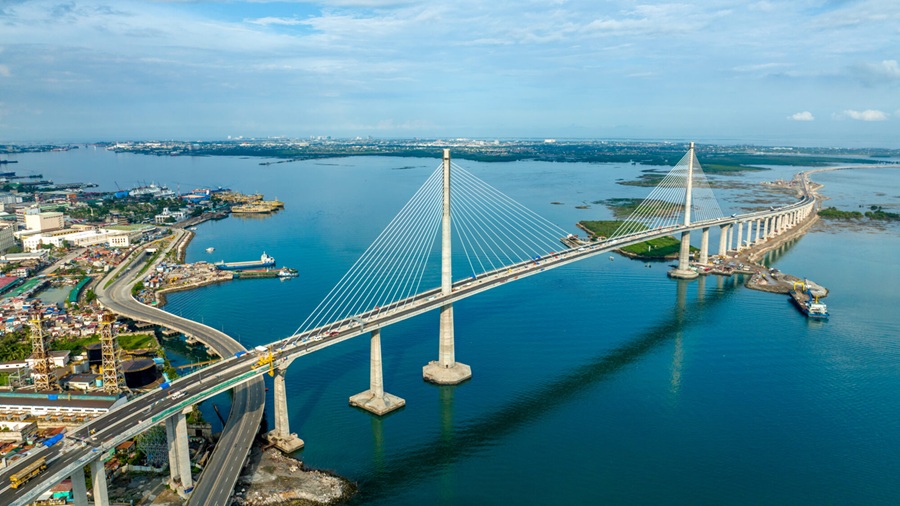
          Then the Cebu-Cordova Link Expressway—CCLEX—opened in April 2022. An 8.5-kilometre toll bridge connecting Cebu City’s South Road Properties directly to Barangay Pilipog in Cordova. Suddenly, Cordova was 40 minutes closer to everything. Land values shot up 900%. Developers moved in. And a quiet fishing town became one of the most interesting expat opportunities in Metro Cebu.

          Here is the honest, unfiltered guide to living in Cordova in 2026.


          The CCLEX Effect: What the Bridge Actually Changed

          Before CCLEX, Cordova was isolated. The only way onto Mactan Island was through Lapu-Lapu City via the Marcelo Fernan Bridge or the older Mandaue-Mactan Bridge. Both were chronically congested. A trip from Cebu City to Cordova could easily take over an hour.

          Now? The bridge reduces travel time by approximately 40 minutes. From the South Road Properties in Cebu City, you are on Mactan Island in minutes. The bridge has a design speed of 80 to 90 km/h and can accommodate up to 50,000 vehicles daily.

          The numbers tell the story. Land in Cordova was valued at around PHP 500 per square metre before construction started. By the time the bridge opened, prices had already climbed to PHP 5,000 per square metre. That is not a typo. A 900% increase.

          For expats, this means two things. First, Cordova is now genuinely accessible. Second, the window to get in at a reasonable price is closing fast.


          The Pros: Why Cordova Is Worth Considering

          Genuine Affordability

          Cordova remains quieter and more low-cost than Lapu-Lapu City. Rent is cheaper. Property is cheaper. Daily expenses are cheaper. One local resident described it simply: “Cordova is quieter and more low-cost, with some strong long-term potential”.

          A comfortable solo expat lifestyle in Cebu generally costs between PHP 50,000 and PHP 80,000 per month. In Cordova, you can land on the lower end of that range—or even below it—while still enjoying a quality of life that would cost double in Cebu City’s IT Park.

          The Beach Is Right There

          Cordova is surrounded by beautiful beaches, mangrove forests, and wetlands. It is a small tourist destination blessed with incredible natural beauty and exciting watersports. You can snorkel in crystal-clear water, explore mangrove swamps, or simply sit on the beach and watch the sunset over the Mactan Channel.

          For expats coming from landlocked cities or cold climates, this alone is a massive draw.

          The CCLEX Commute

          This is the game-changer. One local resident, a web developer who moved to Cordova to work from home, described the bridge as “an engineering marvel” and noted it is “5-10 minutes away from where I live”.

          Before CCLEX, working from home in Cordova meant isolation. Now? You can live in a quiet coastal town and still be at a meeting in Cebu Business Park in under 30 minutes. The bridge connects seamlessly to the Cebu South Coastal Road, giving you a direct, high-speed route into the city.

          Investment Potential

          The bridge has unlocked Cordova. Land prices have already surged, but they are still cheaper than central Cebu. Developers are moving in. New condominium projects are rising near the foot of the bridge.

          Infrastructure update: The original plan for a Guadalupe ramp that would have cut through V. Rama Avenue has been scrapped. The original design would have displaced an estimated 300 to 400 families and required widening already congested roads. Instead, planners have rerouted the project toward the South Road Properties via an offshore viaduct near the Compania Maritima area. The new offshore design eliminates residential displacement and avoids the right-of-way issues that delayed the project for years.

          The project is estimated to cost between PHP 3 billion and PHP 4 billion. Detailed designs are expected within five months, with construction potentially beginning by late 2026 and completion targeted in about one and a half years. The new ramps will allow direct access to CCLEX from downtown and uptown Cebu, as well as direct exit from the bridge to key city routes such as M.J. Cuenco Avenue, Sergio Osmeña Boulevard, Plaza Independencia, and port areas. Currently, motorists traveling between the city and CCLEX must pass through SRP and loop toward Talisay, covering about seven kilometers before reaching their destination.

          For expats thinking long-term, Cordova represents one of the last affordable beach-adjacent opportunities in Metro Cebu—and the upcoming SRP viaduct ramps will only improve accessibility further.


          The Cons: The Reality Check

          It Is Still Quiet

          Cordova is not Cebu City. It does not have IT Park’s restaurants, Cebu Business Park’s offices, or the vibrant expat nightlife of Mactan Newtown. If you thrive on urban energy, variety, and constant activity, Cordova will feel slow. One observer described it as “quieter and more low-cost”. That quiet is a feature for some and a bug for others.

          Infrastructure Is Catching Up

          The bridge is here, but everything else is still playing catch-up. Power outages happen. Internet, while improving, is not yet at the level of Cebu City’s business districts. One local resident recalled how Typhoon Odette left his area without electricity for months, forcing him to relocate temporarily just to resume work.

          The infrastructure is improving—a JICA-led sewerage master plan is in development for Metro Cebu—but it is not there yet.

          Utility tip: Cordova is served by the Mactan Electric Company (MECO). When scouting properties, check if your potential building has a backup generator. Mactan’s power infrastructure has improved significantly in recent years, but in a town undergoing rapid growth, having onsite backup power is a major quality-of-life advantage. A generator can mean the difference between working through a brownout and losing a day of productivity.

          The Toll Adds Up

          The CCLEX is a toll bridge. As of July 2026, the toll rate for Class 1 vehicles (cars, jeeps, pick-ups, and small vans) is PHP 107 one-way. For daily commuters, this adds up. If you are driving into Cebu City every day, factor PHP 6,000 to 7,000 per month into your budget just for bridge tolls.

          This is the kind of honest math that stops an expat from making a bad budget decision. A PHP 6,000 monthly toll bill is PHP 72,000 per year—money that could otherwise go toward rent, travel, or savings. Do not ignore it.

          Limited Healthcare

          Cordova has basic healthcare facilities, but for anything serious, you are heading to Lapu-Lapu City or Cebu City. The bridge makes that trip faster, but it is still a trip. If you have complex medical needs, Cordova may not be the right choice.


          ⚠️ Safety Note: The Flood Reality

          Because Cordova is a coastal town, parts of it are low-lying and vulnerable to seasonal flooding. During heavy rain or typhoons, water can rise quickly in certain barangays.

          When scouting property in Cordova, check the specific barangay’s drainage history during the rainy season. Some areas are more prone to flooding than others. Avoid low-lying pockets if possible. Talk to long-term residents. Ask about Typhoon Odette and how the area fared. The information is out there—you just need to ask.

          This is not a deal-breaker for the entire town, but it is a critical detail that can make or break your experience. A beautiful beachfront property is worthless if it floods every time it rains.


          The Bottom Line: Is Cordova Right for You?

          Cordova in 2026 is a town in transition. The bridge has transformed it from a forgotten fishing village into one of the most promising expat destinations in Metro Cebu. But “promising” does not mean “finished.”


          Choose Cordova if:

          • You want beach access without Cebu City prices
          • You value quiet, slower-paced living
          • You work remotely or have a flexible commute
          • You are looking for long-term investment potential
          • You do not mind being a bit removed from the urban action

          Look elsewhere if:

          • You need constant urban energy and entertainment
          • You have complex healthcare needs
          • You commute daily and cannot stomach the toll costs
          • You need the absolute best internet reliability
          • You are unwilling to research flood-prone areas

          The honest truth is that Cordova is one of the best-kept secrets in Metro Cebu—but the secret is getting out. Land prices have already skyrocketed. Developers are moving in. The window to get in at a reasonable price is closing. And with the new SRP viaduct ramps expected to further improve accessibility, that window is closing faster than ever.

          Pro Tip: If you are considering Cordova, spend a week there first. Rent an Airbnb, commute into Cebu City during rush hour, test the internet, walk the neighbourhoods at night. Talk to residents about flooding. Feel the quiet. See if it is peace or isolation.

          Because the CCLEX bridge has made Cordova accessible. But it is the town itself—the beaches, the quiet, the potential—that will make you stay.


          📅 Remember: Cordova is evolving fast. The new SRP viaduct ramps, ongoing infrastructure projects, and continued development will change the landscape in the coming years. What is true today may shift by 2027. Visit, experience, and decide for yourself.

            Author
            John Paul Ybañez Paquibot
            Licensed Real Estate Broker | PRC No. 00014132 | DHSUD No. CVRFO-B-03/18-2672
            Bachelors Realty and Brokerage, Inc. Cebu
            G/F Cap Building, Brgy. Corner, Osmeña Blvd.
            Arlington Pond St. Extension, Cebu City, 6000 Cebu

          • Best Places for Expats and Digital Nomads in the Philippines – SeekCebu

            Best Places for Expats & Nomads

            The Philippines has been named the world’s leading retirement destination for 2026, ranking first in the Retirement Abroad Index by the Expatriate Group, a specialist provider of international health insurance serving expatriates and retirees across more than 180 countries. The country scored 78 out of 100, beating Thailand (77), Colombia (73), Portugal (71), South Africa (69), and Sri Lanka (69).

            The index evaluated 20 countries across five categories: healthcare quality, visa accessibility, health insurance requirements, cost of living, and expat community and integration. The Philippines ranked first across all five categories. The index cited the country’s Special Resident Retiree’s Visa (SRRV) as “among the most accessible retirement programmes we assessed.”

            The reasons are familiar by now: affordability, visa accessibility, English proficiency, and genuine hospitality.

            But here is the thing—the Philippines is not one place. It is thousands of islands, each with its own character, its own trade-offs, and its own kind of expat. The “best” place for you depends entirely on what you value. City energy or island calm? Modern convenience or raw nature? Beach life or mountain cool?

            Here is the honest, unfiltered guide to the best places for expats and digital nomads in the Philippines in 2026.


            The Heavy Hitters: Where Most Expats Start

            Cebu City: The Balanced Choice

            Cebu City sits in that sweet spot—big enough to have everything you need, small enough that it does not crush your soul. IT Park and Cebu Business Park offer modern condos, reliable fiber internet, and a growing expat community. The nightlife is vibrant, the restaurants are varied, and the beach is never more than a couple of hours away.

            For digital nomads, Cebu is one of the best remote work bases in the Philippines. Coworking spaces are plentiful, and the internet in business districts is business-grade. Healthcare is robust, with hospitals like Cebu Doctors’ and Chong Hua offering quality care. The index noted that “the major cities such as Manila and Cebu City offer access to modern private hospitals, internationally accredited facilities, and English-speaking medical professionals.”

            The cost of living is reasonable—comfortable for a single person around $1,200–$1,800 per month.

            Best for: Expats who want urban convenience without Manila’s chaos. Remote workers who need reliable connectivity and a community.

            The catch: Traffic is getting worse. The city is growing fast, and infrastructure is struggling to keep up.


            Manila: The Megacity

            Manila is not for everyone. It is chaotic, congested, and exhausting. But for those who thrive on energy and options, it delivers like nowhere else in the country.

            Premium districts like Bonifacio Global City (BGC) and Makati offer world-class dining, international-standard shopping, and the widest range of medical specialists in the country. Internet connectivity is excellent. The expat community is enormous. If you are still working and need access to international business networks, this is where you need to be.

            The cost is the highest in the Philippines—a comfortable lifestyle runs $1,800–$2,800 per month. Traffic is soul-crushing, and the air quality is poor.

            Best for: Professionals who need to be at the centre of things. Those with higher budgets who want the absolute best of everything.

            The catch: The traffic is legendary. Your quality of life depends heavily on living and working in the same business district.


            The Rising Stars: Affordable and Livable

            Davao City: Safe, Clean, and Growing

            Davao City is quickly becoming one of the most popular destinations for expats, thanks to its affordable cost of living, family-friendly atmosphere, and safer reputation. It stands out for safety, cleanliness, and reliable services.

            A single expat can live comfortably on $930–$1,440 per month, covering rent in an expat-friendly neighbourhood, utilities, food, transport, and leisure. A one-bedroom apartment in a good area costs around $300 per month, with studios available for $200.

            The internet has improved significantly, with fiber optic coverage expanding across neighbourhoods like Lanang, Bajada, and Matina. Coworking spaces like Co+Lab and The Office Project offer reliable connectivity.

            Hospitals like Davao Doctors Hospital and Southern Philippines Medical Center offer good quality care by Philippine provincial standards, though complex cases may require a trip to Manila or Cebu.

            Best for: Expats prioritising safety and cleanliness. Families. Those who want a slower pace without complete isolation.

            The catch: Traffic congestion is a persistent challenge, particularly along major roads like JP Laurel Avenue. The digital nomad scene is growing but not as established as Cebu or Manila.


            Iloilo City: The Underrated Gem

            Iloilo City combines provincial charm with modern amenities and walkable neighbourhoods. It is often praised as clean, calm, and “the perfect retirement spot”—but the reality is more nuanced than the marketing suggests.

            The cost of living is low. A single person can live comfortably on approximately $1,000 per month, covering rent in a good area, air conditioning, regular dining out, and some savings. Iloilo is about 9% cheaper than Cebu City. Rent for a modern one-bedroom condo in Mandurriao is $350–$450, while older apartments in Jaro can be as low as $250.

            The Iloilo Business Park in Mandurriao has brought new condominiums, international dining, walkable public spaces, and reliable internet. Coworking spaces like The Desk and Work Nook offer dedicated desks for $100–$150 per month with fiber internet.

            Hospitals like The Medical City Iloilo meet good provincial-city standards, though expats often keep Manila or Cebu as backup for complex procedures.

            Best for: Retirees and nomads on a budget. Those who want a quieter life with modern conveniences.

            The catch: Power outages and flooding can occur during typhoon season, though Iloilo City is investing in flood control upgrades. The digital nomad community is small but growing.


            Dumaguete City: The “City of Gentle People”

            Dumaguete has been designated by the Philippine government as one of five areas targeted as top retirement hubs, which has driven improvements in local healthcare infrastructure. It attracts those seeking a slower pace, lower living costs, and a welcoming expat circle.

            The city is home to several universities, keeping the town lively with affordable restaurants, cafes, and cultural events. Rent for a one-bedroom apartment averages $250–$400 per month. A single person can live on around $740 per month.

            The expat community is well-established and welcoming. Healthcare is improving, though complex cases may require travel.

            Best for: Retirees seeking a tight-knit expat community. Those who want a university town vibe with low costs.

            The catch: It is smaller and quieter than Cebu or Iloilo. Fewer entertainment options. Internet is decent but not cutting-edge.


            The Cool Mountain Escape

            Baguio City: The Summer Capital

            Baguio offers something unique in the Philippines: a refreshing cool climate. It is a favourite among digital nomads seeking an alternative to tropical beach destinations.

            The cost of living is low. A single person needs around $500 per month without rent. Monthly rent for a furnished 85-square-metre apartment in an expensive area is around $450. Baguio is described as artsy, with a mountain-town vibe that attracts creatives and retirees.

            Best for: Those who cannot handle tropical heat. Creative types. Retirees who want a cooler, quieter life.

            The catch: It is landlocked—no beaches. The city gets crowded with tourists, especially during summer. The digital nomad scene is smaller than in coastal cities.


            The Island Escapes

            Siargao: The Surf and Digital Nomad Hub

            Siargao is no longer a “secret” but a thriving global community. Foreigners are drawn to its unique “island time” rhythm, where genuine hospitality meets a vibrant digital nomad scene.

            General Luna is the central hub. The island has a laid-back, surf-focused atmosphere with a vibrant social and party scene. A furnished one-bedroom apartment for short-term nomad rentals costs around $600 per month.

            It is arguably the best place in the Philippines to work remotely, with a growing community of remote workers.

            Best for: Surfers. Digital nomads who want a beach lifestyle and a strong community. Those who don’t mind island life’s limitations.

            The catch: Internet can be less reliable than in major cities. Infrastructure is limited. It is more expensive than mainland cities due to logistics.


            Palawan: Nature at Its Finest

            Palawan offers unreal landscapes and a quiet atmosphere, perfect for remote workers who want to escape the noise. El Nido has a growing expat and nomad population, creating a complex cultural tapestry where locals, indigenous communities, and foreigners intersect.

            For foreigners, Palawan offers the chance to build small, lifestyle-oriented businesses like eco-lodges, cafes, or tourism services. The advantage here is quality of life, not scale.

            Best for: Nature lovers. Those who want to escape city life completely. Entrepreneurs interested in tourism-related businesses.

            The catch: Palawan is remote. Internet is patchy. Healthcare is limited—serious issues require evacuation to Manila or Cebu. Costs can be higher due to logistics.


            Boracay: Island Living, Refined

            In 2026, Boracay has transcended its “party island” reputation to become a global gold standard for island quality of life. Strict environmental regulations have made it cleaner and more sustainable.

            Rent varies widely: a studio near Station 1 costs $450–$600 per month, while Station 3 offers cheaper rooms around $300. Total monthly costs for a digital nomad run around $1,500.

            Best for: Those who want a refined island experience with modern amenities. Remote workers who prioritise lifestyle over cost.

            The catch: It is more expensive than other destinations. The island can feel touristy. Electricity bills are high because air conditioning is essential.


            The Pragmatist’s Choice: Subic and Clark

            Subic and Clark are often described as the most “livable” places in the Philippines for foreigners—orderly, familiar, and removed from the country’s usual complications.

            Clark Freeport is a special economic zone that feels more like Singapore than the provincial Philippines, with wide roads, reliable power, and a world-class international airport (CRK). It scores 76.3 out of 100 for expats and is notably safer than most Philippine cities, with well-maintained security and controlled-access environments. Day-to-day life feels secure, with comfortable walkability within the freeport zone.

            Subic Bay Freeport offers similar benefits with the added appeal of a bay-side setting. The cost of living for a digital nomad is around $796 per month.

            Best for: Expats prioritising stability, safety, and predictability. Families. Business owners. Those who want a “Western” standard of living without the chaos.

            The catch: These are functional zones, not tourist fantasies. They lack the cultural richness and vibrancy of other destinations. They suit pragmatists, not adventurers.


            The Verdict: Which Place Is Right for You?

            There is no single best place. But here is how to think about it:

            Choose Cebu if: You want a balanced city experience with good connectivity, healthcare, and community.

            Choose Manila if: You need world-class everything and can tolerate the chaos.

            Choose Davao if: Safety and cleanliness are your top priorities.

            Choose Iloilo if: You want low costs and a quieter life with modern amenities.

            Choose Dumaguete if: You want a tight-knit expat community and a university town vibe.

            Choose Baguio if: You cannot handle tropical heat.

            Choose Siargao if: You surf and want a beach nomad lifestyle.

            Choose Palawan if: You want raw nature and are willing to trade convenience for beauty.

            Choose Boracay if: You want refined island living and have the budget for it.

            Choose Clark or Subic if: You prioritise stability, safety, and predictability over adventure.


            The Pro Tip

            Do not commit long-term without experiencing the place first. Rent for a month. Feel the traffic. Test the internet during peak hours. Walk the neighbourhoods at night. Talk to other expats who have been there for years.

            The Philippines offers something remarkable: a dozen completely different expat experiences, spread across thousands of islands. The only question is which one fits you.


            📅 Remember: These cities are evolving rapidly. Infrastructure projects, new developments, and changing neighbourhood dynamics mean that what is true today may shift in the coming years. Review your options annually if you are considering a move. And always verify the latest visa requirements—the Digital Nomad Visa and SRRV program have both seen recent updates.

              Author
              John Paul Ybañez Paquibot
              Licensed Real Estate Broker | PRC No. 00014132 | DHSUD No. CVRFO-B-03/18-2672
              Bachelors Realty and Brokerage, Inc. Cebu
              G/F Cap Building, Brgy. Corner, Osmeña Blvd.
              Arlington Pond St. Extension, Cebu City, 6000 Cebu
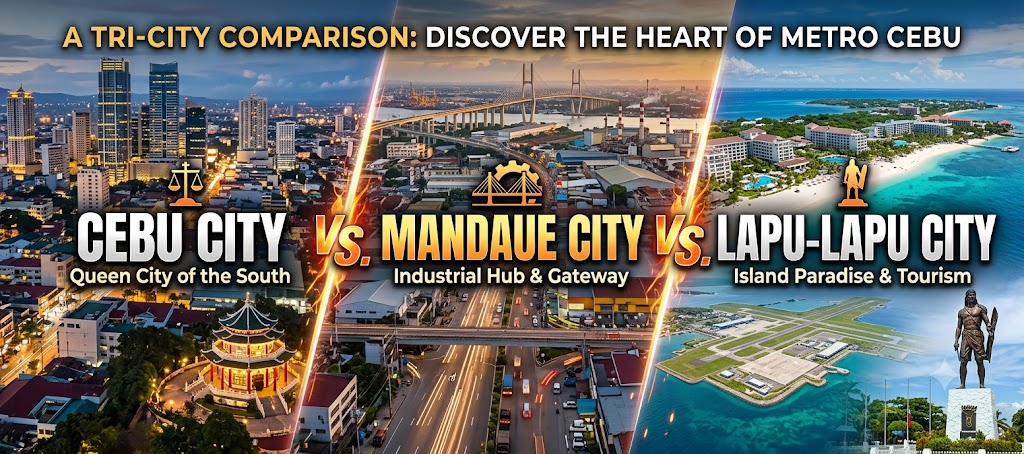
            • Cebu City vs. Mandaue vs. Lapu-Lapu: Which One Is Right for You? – SeekCebu

              Cebu City vs. Mandaue vs. Lapu-Lapu

              Ask most expats about Cebu, and they will talk about Cebu City. But here is the thing: the Cebu you see in the brochures is actually three distinct cities, each with its own character, its own costs, and its own trade-offs.

              Cebu City, Mandaue, and Lapu-Lapu form the urban core of Metro Cebu, yet they could not be more different. One is the chaotic, vibrant heart of the region. Another is the industrial workhorse where nothing fancy happens but everything works. The third is an island escape where the beach is never far away.

              Choosing the wrong one can mean the difference between loving your expat life and wondering why you ever moved. Here is the honest breakdown.


              The Big Picture: Three Cities, Three Vibes

              Cebu City is the capital—the economic, cultural, and administrative centre of the Visayas. It is where the skyscrapers are, where the traffic is worst, and where you will find the most restaurants, malls, and entertainment options. If you want city energy, this is it.

              Mandaue sits right next door, often overlooked but quietly essential. It is the industrial and manufacturing hub, home to furniture workshops, factories, and busy commercial corridors. It is less flashy, more affordable, and surprisingly safe.

              Lapu-Lapu is on Mactan Island, connected to the main island by bridges. It is where the airport is, where the resorts are, and where you can be on a beach within minutes. It is the escape hatch from city life—without actually leaving the metro.

              All three are part of the same metropolitan area, but living in one versus another is a completely different experience.


              🏠 Neighbourhood Context: Where to Actually Look

              Knowing the city is one thing. Knowing where to look within each city is another. Here is a quick guide:

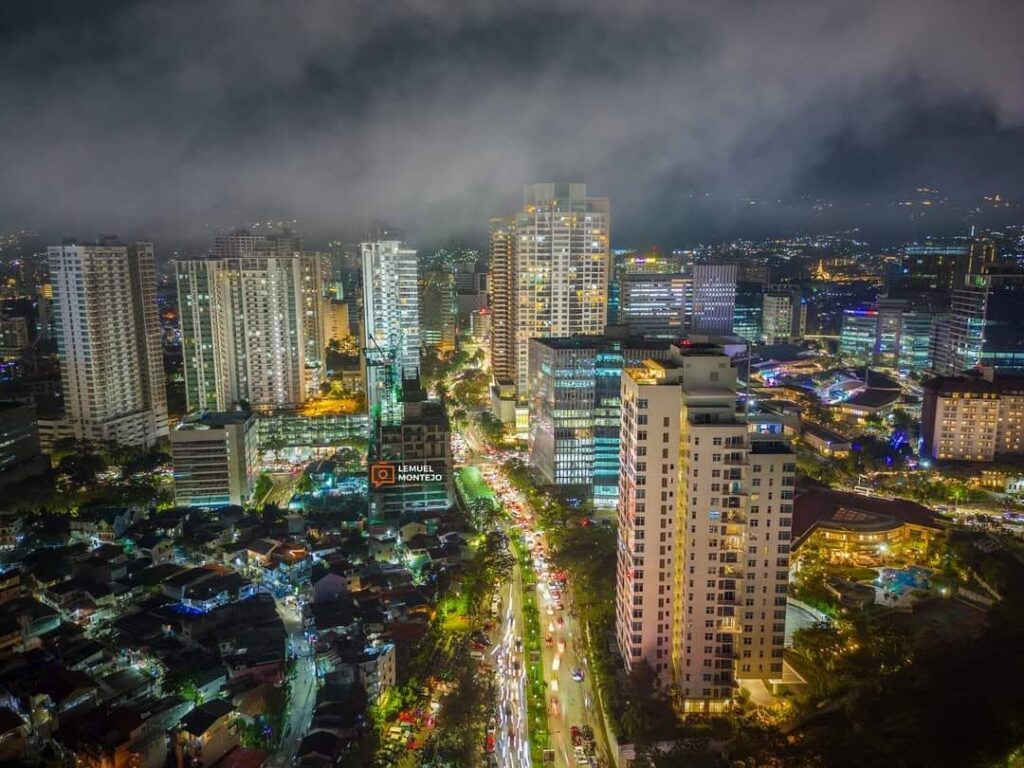
              • In Cebu City, focus your search on IT Park or Cebu Business Park. These are the premium expat-friendly districts with modern condos, reliable internet, restaurants, and green spaces. Prices are higher, but the convenience is unmatched.
              • In Mandaue, look toward the North Reclamation Area or A.S. Fortuna Street. These areas offer better value, lower crime rates, and increasing development. The North Reclamation Area is particularly promising for its proximity to Cebu City and ongoing infrastructure improvements.
              • In Lapu-Lapu, consider Mactan Newtown for convenience. This master-planned community offers condos, retail, and beach access in a walkable, secure environment. Other areas like Basak and Marigondon offer more affordable options and higher rental yields.

              Cost of Living: Where Your Money Goes Furthest

              If budget is your primary concern, the order is clear.

              Mandaue is the most affordable of the three. Outer areas like Mandaue are still more affordable than central Cebu City, especially as roads and transit improve. Monthly living costs for one person in Mandaue come to approximately $934 including rent. A one-bedroom apartment in the city centre rents for about $542 per month, with utilities around $145. A meal at an inexpensive restaurant costs around $3.60.

              Lapu-Lapu sits in the middle. It is roughly 24% cheaper than Manila for a budget lifestyle. Rental yields in areas like Basak and Marigondon are among the highest in Cebu, suggesting that purchase prices relative to rent are still favourable. However, beachfront properties and resort-adjacent areas command premium prices.

              Cebu City is the most expensive. Central districts command the highest prices, with residential property prices in Cebu rising about 11.5% year-on-year in mid-2025, outpacing the national average. Condo prices per square metre in areas near IT Park and Cebu Business Park are steadily climbing. If you want to live in the heart of the action, you will pay for it.

              The bottom line: Mandaue offers the best value for money. Cebu City costs the most. Lapu-Lapu is somewhere in between, with the added premium of beach access.


              Safety: The Surprising Rankings

              Here is where the conventional wisdom gets interesting. Mandaue—not Cebu City—is the safest of the three.

              According to the World Travel Index’s 2026 “Safest Cities to Visit in the Philippines” ranking, Mandaue City ranked 14th nationwide with a safety score of 67.85%, followed by Lapu-Lapu City at 17th with 62.45%, and Cebu City at 26th with 53.15%. In global rankings out of 3,028 cities, Mandaue placed 1,899th, Lapu-Lapu 2,201st, and Cebu City 2,559th.

              What does this mean in practice? Mandaue is described as “generally safe” with “low violent crime,” though the usual urban petty-crime precautions still apply. Cebu City, with its larger population and higher density, has more incidents. Lapu-Lapu falls somewhere in between.

              The bottom line: If safety is a top priority, Mandaue has the edge. Cebu City requires more vigilance. Lapu-Lapu is a solid middle ground.


              Lifestyle and Vibe: What Kind of Life Do You Want?

              This is where the choice becomes personal.

              Cebu City is for people who want to be in the middle of everything. It has the most restaurants, the best nightlife, the widest range of shopping, and the most cultural events. It is where the expat community is largest and most visible. But it is also where the traffic is worst, the air is most polluted, and the pace is fastest. If you thrive on energy and variety, Cebu City delivers. If you want peace and quiet, it does not.

              Mandaue is for people who want a quieter, more functional life. It is not a tourist destination. It is not trying to impress anyone. It is a working city where people live, work, and go about their business. The upside is lower costs, less chaos, and better safety. The downside is fewer entertainment options, less nightlife, and a less vibrant expat scene. If you are happy with a simple, affordable life and do not need constant stimulation, Mandaue works well.

              Lapu-Lapu is for people who want to live on an island. The beach is close. The pace is slower. The air is cleaner. Resorts and beachfront properties give it a holiday feel that the other two cities lack. But it is also more spread out, less walkable, and more reliant on bridges to access the main island. If you want to wake up near the water and do not mind being a bit removed from the city centre, Lapu-Lapu is hard to beat.


              Real Estate and Investment Potential

              The three cities offer very different investment profiles.

              Cebu City is the most established market. It has the largest condo supply outside Metro Manila, with new projects constantly emerging near IT Park and Cebu Business Park. Rental demand is strong, driven by BPO workers, students, and expats. But purchase prices are high, and net rental yields in premium areas like Cebu Business Park can be as low as 3.7% for two-bedroom apartments. You are paying for location and liquidity.

              Mandaue offers better value. Areas like Subangdaku and Mabolo provide more balanced options for buyers who want rental income without the premium price tag of central Cebu City. The tenant pool is different—more industrial workers, fewer expats—but the math can work better for investors focused on yield rather than prestige.

              Lapu-Lapu has the highest rental yields. Areas like Basak and Marigondon show estimated net yields of 5.8% for studios and 5.7% for one-bedroom apartments. The trade-off is thinner tenant depth and weaker resale liquidity than central Cebu City. For short-term rentals, Lapu-Lapu performs well—Airbnb hosts in Lapu-Lapu earn an average of $389 per month at $53 ADR, leading Central Visayas. Cebu City, by comparison, has 3,932 active Airbnb listings but only $308 in average monthly revenue.

              The bottom line: Cebu City offers the most liquidity and stability. Mandaue offers the best value. Lapu-Lapu offers the highest yields, especially for short-term rentals.


              Infrastructure and Connectivity

              All three cities are connected by bridges, but the experience of moving between them varies.

              Cebu City has the best public transport options, the most ride-hailing availability, and the widest range of services. But traffic is a constant frustration, and getting around during peak hours can be soul-crushing.

              Mandaue sits in the middle geographically, making it convenient for accessing both Cebu City and Lapu-Lapu. It is less congested than Cebu City but more connected than Lapu-Lapu.

              Lapu-Lapu has the Mactan-Cebu International Airport, which is a major advantage for frequent travellers. But getting to the main island requires crossing bridges, and traffic on those bridges can be heavy during peak hours.

              ⚠️ Connectivity Caveat: Bridge traffic between the main island and Mactan is heaviest between 7:00–9:00 AM and 5:00–7:00 PM. If you are considering living in Lapu-Lapu and commuting to Cebu City or Mandaue, test the commute during these peak hours before committing. A 15-minute drive at midday can become a 45-minute ordeal during rush hour.

              A fourth bridge is planned, connecting Barangay Ibo in Lapu-Lapu City to an area near the Cansaga Bay Bridge, designed to ease congestion and improve access. The project could potentially be expanded to connect all three cities. A JICA-led sewerage master plan is also in development for Metro Cebu, targeting a 90% wastewater treatment rate by 2050. These improvements will benefit all three cities, but they will take years to complete.


              The Verdict: Which City Is Right for You?

              There is no single right answer. But here is how to think about it:


              Choose Cebu City (specifically IT Park or Cebu Business Park) if:

              • You want the most restaurants, shopping, and entertainment options
              • You need access to the largest expat community
              • You are willing to pay more for convenience and location
              • You do not mind traffic and congestion
              • You want the most liquid real estate market

              Choose Mandaue (specifically North Reclamation Area or A.S. Fortuna) if:

              • You want the most affordable cost of living
              • Safety is a top priority
              • You prefer a quieter, less touristy environment
              • You do not need constant entertainment options
              • You want better value for your rent or property purchase

              Choose Lapu-Lapu (specifically Mactan Newtown for convenience) if:

              • You want to live near the beach
              • You prefer a slower, more relaxed pace
              • You are interested in short-term rentals or Airbnb investments
              • You travel frequently and value airport proximity
              • You do not mind being a bit removed from the city centre

              The honest truth is that all three cities offer a good quality of life for expats. Cebu City delivers the most energy and options. Mandaue delivers the best value and safety. Lapu-Lapu delivers the beach and the escape.

              Pro Tip: Do not commit long-term without experiencing all three. Rent in each city for a month—ideally in the specific neighbourhoods mentioned above. Test the commute at peak hours. Walk the neighbourhoods at night. Feel the rhythm of each place. The right choice will become obvious once you have lived it.

              Because in the end, Metro Cebu offers something remarkable: three completely different expat experiences, all within a single metropolitan area. The only question is which one fits you.


              📅 Remember: These cities are evolving rapidly. The fourth bridge, the sewerage master plan, and ongoing real estate development will change the dynamics in the coming years. What is true today may shift by 2027. Review your options annually if you are considering a move.

                Author
                John Paul Ybañez Paquibot
                Licensed Real Estate Broker | PRC No. 00014132 | DHSUD No. CVRFO-B-03/18-2672
                Bachelors Realty and Brokerage, Inc. Cebu
                G/F Cap Building, Brgy. Corner, Osmeña Blvd.
                Arlington Pond St. Extension, Cebu City, 6000 Cebu
              • Finding Reliable Real Estate Lawyers for Expats in Cebu – SeekCebu

                Finding Reliable Real Estate Lawyers for Expats in Cebu

                You have found a property you love. The price is right. The view is incredible. You are ready to sign.

                Stop right there.

                In the Philippines, buying real estate as a foreigner is not like buying property back home. The laws are different. The risks are different. And the consequences of getting it wrong can be catastrophic. Your entire investment—hundreds of thousands of dollars—can vanish because you trusted the wrong person or skipped a single step.

                This is why you need a reliable real estate lawyer. Not a friend who knows a guy. Not the seller’s agent who “handles everything.” A real, licensed, experienced lawyer who works for you.

                Here is the honest, no-filter guide to finding one in Cebu.


                Why You Cannot Afford to Skip This

                Let us be brutally clear: foreigners generally cannot own land in the Philippines. The 1987 Constitution restricts land ownership to Filipino citizens and corporations that are at least 60% Filipino-owned. Foreigners may own condominium units—but only up to 40% of a project—and can enter long-term land leases.

                This is not a minor detail. It is the foundation of every real estate transaction involving a foreigner. If you buy land outright, the title is invalid. If you use a nominee structure, it can be challenged. If you do not understand the foreign ownership restrictions, you are walking into a legal minefield.

                A competent real estate lawyer does more than just review paperwork. They:

                • Verify the title with the Registry of Deeds, checking for liens, disputes, and unpaid taxes
                • Confirm land classification—only “alienable and disposable” land can be privately owned
                • Check for encumbrances—existing claims, mortgages, or legal disputes attached to the property
                • Guide you through foreign ownership structures—whether you are buying a condo, entering a lease, or using a corporation
                • Draft and review contracts—the Deed of Absolute Sale must be written, notarised, and properly registered
                • Handle the tax and registration process—working with the BIR, local government, and Registry of Deeds

                One expat put it simply: “The first thing to do is to get in touch with a lawyer that you can trust. Then retain him to investigate the papers of the property and the rightful owners thereof”. This is not optional. It is survival.


                Where to Start Looking in Cebu

                Cebu has several established law firms that work with expats. Here are some to consider:

                Gonzalez and Associates Law Firm is a Cebu-based practice with over 20 years of combined experience. They are located on the 15th floor of the Keppel Center in the Cebu Business Park and handle property acquisition due diligence, corporate and commercial transactions, business registration, immigration, and litigation. They explicitly work with expats and foreign investors.

                Cebu Investment House is run by Gonzalez and Associates and describes itself as “a one stop firm mainly offering assistance to almost all personal and corporate legal concerns of ex-pats”. It offers purchase and lease assistance, business registration, and government compliance. Client ratings are 4.9 out of 5 based on 14 votes.

                DivinaLaw has a Cebu office overseen by senior partner Dara C. Acusar, who has 13 years of experience in Cebu and is admitted to practice in both the Philippines and New York. The firm handles real estate, corporate law, and estate planning.

                Ramas Law Office is a Cebu-based firm specialising in corporate law, family law, real estate, and criminal defence.

                CCTDA Law offers a wide range of practice areas including real estate, business law, labour and immigration, and dispute resolution.

                SyCip Salazar Hernandez & Gatmaitan is the largest law firm in the Philippines, with an office in the Cebu Business Park. While they handle high-end corporate and real estate work, they may be more expensive than smaller firms.


                How to Verify a Lawyer Is Legitimate

                This is non-negotiable. There are cases of individuals using the names of other lawyers to notarise documents. You must verify.

                Ask for their Roll Number. The Supreme Court assigns a unique Roll Number to every member of the Bar. If a lawyer refuses to provide it, that is a red flag.

                Check the Supreme Court website. The Supreme Court maintains an online list of lawyers at sc.judiciary.gov.ph/lawyers-list-2/. You can search by name to confirm they are licensed.

                Verify with the Integrated Bar of the Philippines (IBP). All lawyers are automatic members of the IBP. Genuine lawyers have an IBP ID Card and an updated official receipt of annual dues.

                Ask about MCLE compliance. Lawyers must complete Mandatory Continuing Legal Education. If they are not compliant, they are not in good standing.

                Verify notarial commission. If your lawyer will notarise documents, check their notarial commission with the Executive Judge of the Regional Trial Court.


                What to Watch Out For

                Lawyers who guarantee outcomes. The Code of Professional Responsibility and Accountability prohibits lawyers from promising a “sure win.” If they do, it should set off alarm bells.

                No engagement letter. A legitimate lawyer will provide a written agreement outlining the scope of work and fees. If there is no written agreement, walk away.

                Fees that are too low. If a lawyer’s fees seem too good to be true, they probably are. Quality legal work has a cost.

                Lack of an office. Genuine lawyers have physical offices. Be wary of those who only meet in cafes or “virtual” spaces.

                The seller’s lawyer. Do not use the seller’s lawyer. Their loyalty is to the seller, not to you. You need independent representation.


                What It Will Cost

                Legal fees vary depending on the complexity of the transaction and the lawyer’s experience.

                Some lawyers charge a percentage of the property value—typically 1% to 3%. Others charge a fixed fee.

                For a straightforward transaction, legal fees can range from PHP 10,000 to PHP 30,000 or more. For a PHP 3,000,000 property, legal fees could be PHP 50,000 to PHP 150,000.

                Always get a clear quotation beforehand. Understand what is included: title verification, contract review, due diligence, tax filings, and registration.

                Total transaction costs for buying or selling real estate typically range from 7% to 12% of the property value, including taxes, registration, and professional fees. Your lawyer’s fee is part of this—but it is the part that protects you.


                The Notary Public Distinction

                A quick but important note: a notary public is not the same as a lawyer, though in the Philippines, notaries public are licensed lawyers commissioned by the Regional Trial Court.

                In Philippine real estate, “nothing moves—not taxes, not bank loans, not title transfer—until documents pass through a Notary Public”. Your lawyer should be able to notarise your documents, but do not confuse notarisation with legal advice. Notarisation authenticates documents; it does not protect you from a bad deal.

                If you are buying from abroad, you will need a Special Power of Attorney (SPA) to let a trusted representative—ideally your lawyer—sign documents on your behalf.


                The Bottom Line

                Finding a reliable real estate lawyer in Cebu is not difficult. Finding one you can trust requires work.

                Do your homework. Verify credentials. Get multiple quotes. Ask for references from other expats. Do not rush.

                The Philippines offers incredible opportunities for expats looking to buy property—whether a condominium in Cebu’s IT Park, a beachfront lot, or a long-term land lease. But the legal landscape is complex, and the penalties for mistakes are severe.

                As one guide put it: “Due diligence avoids costly litigation. Checking title history, encumbrances, and disputes is much cheaper than a court battle later”.

                Your lawyer is your shield. Choose wisely.


                📅 Remember: Real estate laws and regulations change. The SRRV guidelines were revised in September 2025. BIR regulations are updated regularly. Work with a lawyer who stays current and reviews your specific situation. Do not rely on generic advice from the internet—including this article—for your specific transaction.

                  Author
                  John Paul Ybañez Paquibot
                  Licensed Real Estate Broker | PRC No. 00014132 | DHSUD No. CVRFO-B-03/18-2672
                  Bachelors Realty and Brokerage, Inc. Cebu
                  G/F Cap Building, Brgy. Corner, Osmeña Blvd.
                  Arlington Pond St. Extension, Cebu City, 6000 Cebu
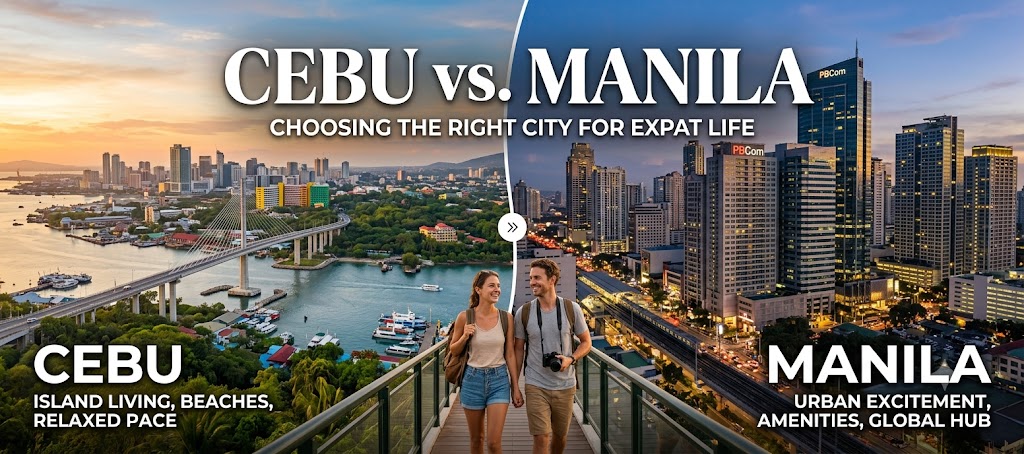
                • Cebu vs. Manila: Choosing the Right City for Expat Life – SeekCebu

                  Cebu vs. Manila: Choosing the Right City for Expat Life

                  Ask any expat in the Philippines which city is better, and you will get a passionate answer. The Cebu loyalists will tell you Manila is a concrete nightmare where you will spend half your life stuck in traffic. The Manila die-hards will insist Cebu is a provincial backwater where you will run out of things to do after a month.

                  The truth—as with most things—is that neither is objectively better. They are just different. The right choice depends entirely on who you are, what you value, and how you want to spend your retirement or working life.

                  Here is the honest, unfiltered comparison to help you decide.


                  The Cost of Living: Cebu Wins, Hands Down

                  This is where the gap is most dramatic. Manila is the most expensive city in the Philippines, and Cebu offers significant savings across the board.

                  Housing tells the story most clearly. A one-bedroom condo in Manila’s premium districts—Bonifacio Global City (BGC) or Makati—will set you back USD 700 to 1,200 per month. In Cebu’s IT Park, the same size unit costs USD 400 to 700. That is roughly 40% less than what you would pay in Makati or BGC. Overall, Manila is about 24% more expensive than Cebu, and a comfortable lifestyle in Manila runs USD 1,800 to 2,800 per month compared to USD 800 to 1,400 in Cebu.

                  Daily expenses follow the same pattern. A meal at a local restaurant in Cebu costs USD 3 to 8. In Manila, dining at international restaurants starts at USD 15 and can reach USD 40 per meal. Cebu sits in a sweet spot—cheaper than Manila without sacrificing the urban amenities that make city life convenient.

                  The bottom line: If your budget is tight or you want your money to stretch further, Cebu is the clear winner. If you have a larger budget and want the absolute best of everything, Manila can deliver—but you will pay for it.


                  Healthcare: Manila Has the Edge, But Cebu Holds Its Own

                  This is a critical consideration for retirees. Both cities have excellent private hospitals, but Manila has more options and more specialists.

                  Manila is home to the country’s undisputed top-tier hospitals: St. Luke’s Medical Center and Makati Medical Center are widely regarded as offering international standards of care. If you have a complex medical condition or need access to the widest range of specialists, Manila is the better choice.

                  Cebu, however, is no slouch. Cebu Doctors’ University Hospital provides advanced services for the Visayas region, with specialists and facilities comparable to Manila. Chong Hua Hospital is another excellent private option. Expats report good experiences with Cebu’s healthcare, describing it as affordable with top doctors compared to the US.

                  Private hospitals in both cities offer state-of-the-art facilities and English-speaking staff. The key difference is density: Manila has more hospitals, more specialists, and more choice. Cebu has fewer options but still provides quality care at moderate costs.

                  The bottom line: For routine care and most medical needs, Cebu is perfectly adequate. For complex conditions, rare specialists, or peace of mind from having the widest possible options, Manila is superior.


                  Safety: Cebu Has the Better Reputation

                  The numbers tell a clear story. According to Numbeo’s Crime Index for early 2026, Manila scored 64.6 points, making it the highest in Southeast Asia. Cebu scored 50.4 points, significantly lower. Cebu’s Safety Index of 48.4% compares favourably to Manila’s 35.5%.

                  In practical terms, this means both cities have issues with petty theft, pickpocketing, and snatch theft, especially in crowded areas. The risks are similar in nature, but Manila’s sheer size and density make incidents more common. As one expat put it, “Cebu is safer than most American cities”.

                  The caveat is that both cities have safe and unsafe areas. Well-managed districts like BGC and Makati in Manila are considerably safer than the city average. Similarly, expat-friendly neighbourhoods in Cebu are generally safe for those who use common-sense precautions.

                  The bottom line: If safety is a primary concern, Cebu offers a better baseline. But in either city, your experience will depend heavily on where you live and how aware you are of your surroundings.


                  Lifestyle and Vibe: City Energy vs. Island Calm

                  This is where the choice becomes deeply personal.

                  Manila is a megacity. It is chaotic, crowded, and relentless. The traffic is legendary—chronic congestion that can turn a short commute into an hour-long ordeal. The air quality is poor. The pace is fast. But it is also the cultural and economic heart of the country. It has world-class restaurants, international-standard shopping malls, vibrant nightlife in districts like Makati’s Poblacion and BGC, and an endless array of events, exhibitions, and entertainment. If you thrive on energy, variety, and being at the centre of things, Manila delivers.

                  Cebu is a city with an island soul. It is smaller, more manageable, and significantly more relaxed. Traffic exists but is less soul-crushing than Manila’s. The nightlife has grown beyond city spots to include beachfront lounges, sunset bars, and open-air venues that blend music with ocean breeze. Expats enjoy IT Park’s modern bars, downtown live music, and beachfront venues on Mactan Island. The air is cleaner. The pace is slower. And the beach is never more than a couple of hours away.

                  The bottom line: If you want the energy, options, and intensity of a world-class metropolis, Manila is your city. If you want urban comforts in a less crowded, more breathable, and more scenic environment, Cebu wins.


                  Infrastructure and Convenience: Manila Has More, Cebu Has Less Friction

                  Manila has the infrastructure of a major capital. International flights connect to everywhere. The expat community is enormous, meaning everything from international schools to specialty food importers is readily available. Public transport options exist—though they are often overcrowded—and ride-hailing services are ubiquitous.

                  But the flip side is that Manila’s infrastructure is under immense strain. Traffic congestion is not just an inconvenience; it is a quality-of-life issue that affects everything from your daily commute to your ability to run simple errands. One expat described it as “infrastructure fatigue”.

                  Cebu has less of everything—fewer international flight options, a smaller expat community, fewer specialty services. But the infrastructure that exists functions with less friction. You can get across town in a reasonable time. The airport is modern and efficient. The growing expat services mean you are not wanting for essentials.

                  The bottom line: Manila offers more choices and more convenience—if you can tolerate the congestion. Cebu offers less choice but a smoother, less stressful daily experience.


                  💻 Digital Nomad Note: Internet Reliability in Both Cities

                  For remote workers, this is non-negotiable. The good news is that both cities deliver.

                  Manila’s BGC and Makati are world-class for connectivity. Fiber internet is widely available, with speeds of 200–500 Mbps common in premium condos and co-working spaces. Multiple providers ensure redundancy, and the infrastructure is built for business-grade reliability. Power outages are rare in these central business districts.

                  Cebu’s IT Park has become equally competitive. The area is purpose-built for the BPO industry and digital nomads, meaning fiber infrastructure is the norm rather than the exception. Speeds comparable to Manila are available, and co-working spaces are plentiful. The key difference is that outside IT Park and the immediate city centre, connectivity can become less reliable—so choose your neighbourhood carefully.

                  The bottom line: For remote workers, both cities offer excellent connectivity if you live in the right areas. The difference is not in quality but in consistency: Manila’s business districts offer reliable connectivity across a wider geographic area, while Cebu’s reliability is more concentrated in specific zones.


                  The Weather: A Minor but Real Difference

                  Cebu is marginally cooler than Manila—about 3 degrees Celsius on average. It also experiences fewer typhoons than the capital. Neither difference is dramatic, but for those sensitive to heat or concerned about storm exposure, it is worth noting.


                  The Verdict: Which City Is Right for You?

                  There is no single right answer. But here is how to think about it:


                  Choose Manila if:

                  • You have a higher budget and want the absolute best of everything
                  • You need access to the widest range of medical specialists
                  • You thrive on city energy, variety, and constant activity
                  • You are still working and need access to international business networks
                  • You do not mind traffic and congestion as a trade-off for convenience
                  • You want business-grade internet across a wider geographic area
                  • You prefer world-class shopping, dining, and entertainment options

                  Choose Cebu if:

                  • You want your money to stretch significantly further
                  • You value a slower, more relaxed pace of life
                  • You want beach access within a couple of hours
                  • You prefer cleaner air and less congestion
                  • You are retired or can work remotely
                  • You want urban comforts without the megacity chaos
                  • You are willing to live in IT Park or the city centre for reliable connectivity
                  • You want a more manageable, less overwhelming city experience

                  The honest truth is that both cities offer an excellent quality of life for expats. Manila delivers more of everything—more options, more excitement, more chaos. Cebu delivers a more balanced, manageable, and affordable experience.

                  Pro Tip: If you are undecided, do not commit long-term. Rent in one city for three months, then the other for three months. Experience the traffic, the healthcare, the daily rhythm. The right choice will become obvious once you have lived it.

                  Because in the end, the Philippines offers something remarkable: two completely different expat experiences, both worth having. The only question is which one fits you.


                  📅 Remember: Both cities are evolving rapidly. Infrastructure projects, new developments, and changing neighbourhood dynamics mean that what is true today may shift in the coming years. Review your options annually if you are considering a move.

                    Author
                    John Paul Ybañez Paquibot
                    Licensed Real Estate Broker | PRC No. 00014132 | DHSUD No. CVRFO-B-03/18-2672
                    Bachelors Realty and Brokerage, Inc. Cebu
                    G/F Cap Building, Brgy. Corner, Osmeña Blvd.
                    Arlington Pond St. Extension, Cebu City, 6000 Cebu
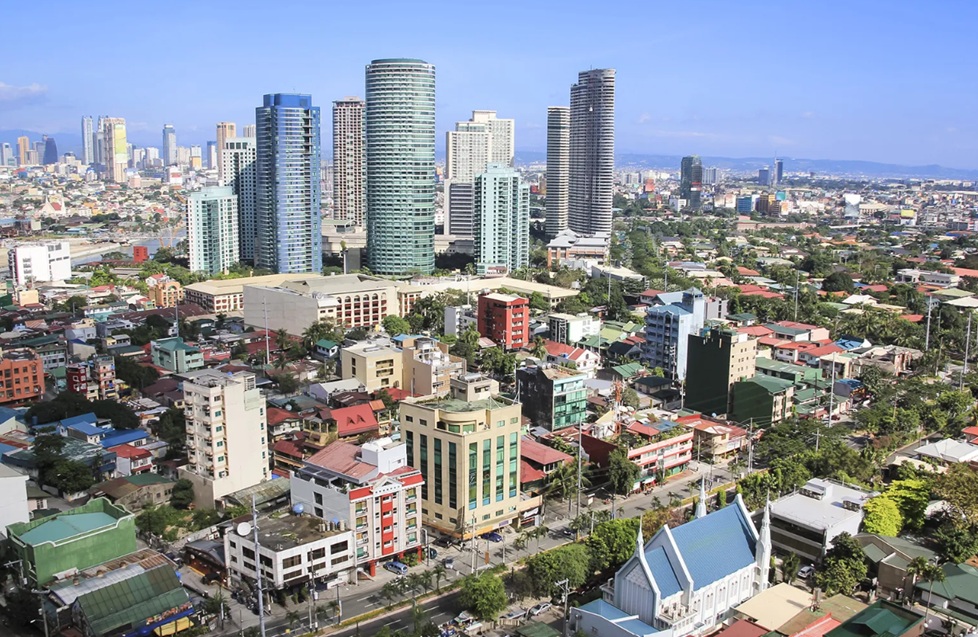
                  • Retirement Tax Benefits and Rules for Expats in the Philippines – SeekCebu

                    Retirement Tax Benefits and Rules for Expats in the Philippines

                    Ask a dozen expats about taxes in the Philippines, and you will get a dozen different answers. Some will tell you they pay nothing. Others will insist you need a full-time accountant just to stay compliant. The truth—as with most things in this country—is that both are right, depending entirely on your visa status, your income sources, and whether you have done your homework.

                    The Philippines has built a retirement framework that is remarkably attractive for foreign retirees. But attractive does not mean simple. Here is the honest, unfiltered breakdown of what you actually need to know.


                    The SRRV: Your Golden Ticket

                    The Special Resident Retiree’s Visa (SRRV) is the cornerstone of the Philippines’ retirement offering. Administered by the Philippine Retirement Authority (PRA) under the Bureau of Immigration, it is available to foreign nationals and former Filipino citizens aged 40 and above. As of July 2025, there were approximately 60,000 active SRRV holders. The numbers are growing, and for good reason.

                    The SRRV grants permanent residency with multiple-entry privileges and an indefinite right to remain in the Philippines without the recurring anxiety of visa renewals or extension queues. Holders are exempted from the Bureau of Immigration’s annual reporting requirement and from exit and re-entry permits, which alone removes a significant layer of administrative friction from daily life.

                    But the real story is the tax treatment.


                    The Tax Benefits: What You Actually Save

                    Exemption from Tax on Pensions and Annuities

                    This is the headline benefit. SRRV holders are explicitly exempt from Philippine income tax on their pensions and annuities. If you are retired and drawing a pension from your home country, that money is not taxed by the Philippine government.

                    This is not a loophole. It is the law. The Philippines operates a territorial tax system, meaning it generally taxes only income earned within its borders. Foreign-sourced retirement income—your pension, your Social Security, your investment dividends from abroad—falls outside that scope for most retirees.

                    For an American retiree, this means your US Social Security and private pension payments are not subject to Philippine income tax. For a British retiree, the UK-Philippines Double Tax Agreement ensures that pensions are taxable only in the country of origin, not in the Philippines. For an Australian retiree, similar treaty provisions apply.

                    Exemption from Customs Duties

                    SRRV holders are exempt from customs duties and taxes on a one-time importation of household goods and personal effects up to USD 7,000. If you are moving your life to the Philippines, this can save you a significant amount of money on shipping your belongings.

                    Exemption from Travel Tax and Immigration Fees

                    SRRV holders are exempt from travel tax and from exit and re-entry permits. This is not a massive saving in absolute terms, but it removes the bureaucratic headache of constantly applying for permits every time you want to leave the country and come back.

                    Access to PhilHealth at Special Rates

                    SRRV members can enroll in the national health insurance program at a special rate. While PhilHealth should not be relied upon as your primary coverage—as noted in the Cebu budget article, it covers only a fraction of major hospital bills—it is a useful supplement at a reduced cost.


                    The Visa Options: Choosing the Right Path

                    The SRRV comes in two main variants:

                    SRRV Classic is the standard option for most foreign national retirees. Pensioners aged 50 and above are required to place a visa deposit of USD 15,000 in a PRA-accredited bank, with proof of a lifetime pension of at least USD 800 per month for single applicants or USD 1,000 per month for those with dependents. Non-pensioners face a higher deposit requirement of USD 30,000.

                    SRRV Courtesy is a more accessible option for retired diplomats, officers of internationally recognised organisations, retired military personnel from countries with bilateral relations with the Philippines, high achievers in various fields, and former Filipino citizens. The visa deposit is significantly lower, starting at USD 1,500 for applicants aged 50 and above.

                    Important update: Effective 1 September 2025, the PRA implemented revised guidelines. Foreign nationals aged 40 to 49 are now eligible to apply for an SRRV, subject to higher visa deposits than those required of applicants aged 50 and above. For the SRRV Classic, applicants aged 40 to 49 must deposit USD 25,000 if they have a pension or USD 50,000 if they do not. For the SRRV Courtesy, those aged 40 to 49 must deposit USD 3,000 if they have a pension or USD 6,000 if they do not.


                    The Territorial Tax Principle: What It Means for You

                    The Philippines follows a territorial system of taxation. This is the single most important concept for any expat retiree to understand.

                    Under this system, the Philippines taxes only income that is earned within the Philippines. Foreign-sourced income is taxed only if you are considered a resident alien, and even then, the rules are favourable for retirement income.

                    In practical terms:

                    • Income earned from a Philippine employer or business is taxable in the Philippines. This matters if you plan to work or run a business here.
                    • Income from foreign sources—your pension, Social Security, investment dividends, rental income from property abroad—is generally not taxable in the Philippines.
                    • Moving money into a Philippine bank account does not, by itself, change your tax position. The source of the income matters, not the location of the bank account.

                    For most retirees, this means zero Philippine income tax on their retirement income.


                    Double Taxation Agreements: An Extra Layer of Protection

                    The Philippines has double taxation agreements with numerous countries, including the United Kingdom, Australia, and many others. These treaties ensure that pension income is taxed only in the country where it originates, not in the Philippines.

                    If you are a UK resident, the UK-Philippines Double Tax Agreement means your state pension remains taxable only in the UK. If you are an Australian resident, similar provisions apply. These treaties prevent the same income from being taxed twice and provide clarity on where your tax obligations lie.

                    The key is to understand your specific treaty. Each agreement has its own provisions, and while most follow the general principle that pensions are taxable only in the country of origin, there can be exceptions. It is worth consulting a tax professional who understands both Philippine law and your home country’s treaty obligations.


                    🧠 Tax Residence vs. Physical Presence: A Nuanced Distinction

                    Here is where it gets technical. While spending more than 183 days in the Philippines in a calendar year generally makes you a tax resident, Double Taxation Agreements (DTAs) can override this rule.

                    DTAs include “tie-breaker” clauses that determine residency for treaty purposes. These clauses look beyond mere physical presence and consider factors such as:

                    • Where your permanent home is located
                    • Where your centre of vital interests lies (family, employment, financial ties)
                    • Your habitual abode
                    • Your nationality

                    This means that even if you spend 300 days a year in the Philippines, a DTA could still classify you as a tax resident of your home country if your centre of vital interests remains there.

                    Practical implication: Do not assume that simply spending more than 183 days in the Philippines automatically changes your worldwide tax status. Your home country and the DTA may have other ideas. This is especially relevant for retirees who still have significant financial or family ties abroad.


                    The Traps: What Can Still Get You

                    Income Earned in the Philippines

                    If you work, run a business, or earn money from Philippine sources, that income is taxable. The Philippines taxes residents at graduated rates from 0% to 35% under the TRAIN law. Income up to PHP 250,000 is exempt, but anything above that is subject to tax.

                    This matters for retirees who decide to start a small business, take on consulting work, or earn rental income from a Philippine property. That money is Philippine-sourced and therefore taxable.

                    Passive Income from Philippine Sources

                    In August 2025, the BIR issued Revenue Regulation No. 021-2025, which adjusted the tax rates on passive income. If you earn interest, dividends, or capital gains from Philippine sources, these are subject to tax. The rates vary depending on the type of income and your residency status, but the principle is clear: Philippine-source income is taxable.

                    The Filing Requirement

                    Even if your foreign pension is not taxable in the Philippines, you may still be required to file a tax return. The Bureau of Internal Revenue (BIR) expects resident aliens to declare their worldwide income, even if no tax is ultimately due. Failure to file can result in penalties, regardless of whether you actually owe any tax.

                    The practical reality is that many expats do not file because they have no Philippine-sourced income. But technically, the requirement exists. The safe approach is to consult a tax professional who can advise on your specific situation.


                    ⚠️ Critical “Day 1” Logistics: The TIN Requirement

                    Here is something the glossy guides do not tell you: even if your tax liability is zero, you still need a Tax Identification Number (TIN).

                    Banks require a TIN to open a savings account. Utility companies need it to connect electricity or water. If you want to buy property, a TIN is non-negotiable. Landlords often ask for it on lease agreements. Without a TIN, you will find yourself locked out of basic financial transactions.

                    The good news: obtaining a TIN is relatively straightforward. You can apply at your local BIR Revenue District Office. Bring your passport, SRRV card, and proof of address. The process costs next to nothing. But it takes time—expect multiple visits and a bit of bureaucratic patience.

                    Pro Tip: Make getting your TIN one of your first priorities after securing your SRRV. Do not wait until you need it to open a bank account. By then, you will be stuck in a frustrating loop: you need a bank account to receive money, but you need a TIN to open the bank account, but you need a bank account to pay certain bills. Break this cycle early.


                    The PERA Option: A Tax-Advantaged Savings Vehicle

                    The Personal Equity and Retirement Account (PERA) is the Philippines’ version of a retirement savings account. While it is primarily designed for Filipino citizens, it is worth knowing about if you have Philippine-sourced income.

                    Contributions to a PERA account are capped at PHP 200,000 annually for individuals living in the Philippines. Contributors may receive up to PHP 10,000 in annual tax credits. For those aged 55 and above with at least five years of contributions, withdrawals are tax-free, including investment income.

                    For most foreign retirees, PERA is not directly relevant—your retirement income is coming from abroad. But if you have Philippine-sourced income and want to save for retirement within the Philippine system, it is worth exploring.


                    💡 Pro Tips for Retirees

                    Know your treaty. Your home country’s double taxation agreement with the Philippines determines which country has primary taxing rights over your pension. Read it. Understand it. Do not assume.

                    Keep records. If your pension is not taxable in the Philippines, keep documentation proving its foreign source. The BIR can ask for this.

                    Separate your accounts. Consider keeping your Philippine bank accounts separate from your foreign retirement accounts. This makes it easier to demonstrate that the money coming into the Philippines is foreign-sourced and not subject to tax.

                    File anyway. If you are unsure about your filing obligations, file a return. Declare your foreign income and claim the exemption. A filed return with zero tax due is far better than a non-filed return that may eventually trigger penalties.

                    Get professional help. Philippine tax law is not simple. Spend the money on a reputable tax professional who understands both Philippine law and your home country’s treaty obligations. The cost of advice is far lower than the cost of penalties.


                    The Bottom Line: What This Actually Means for Your Wallet

                    Here is the honest truth:

                    For the typical retiree on an SRRV, with a foreign pension and no Philippine-sourced income, your Philippine income tax bill is zero. Your pension is not taxed. Your Social Security is not taxed. Your foreign investment income is not taxed. You are not required to pay Philippine income tax on money that was earned abroad.

                    But zero tax does not mean zero paperwork. You still need a TIN. You may still have filing obligations. You still need to understand your home country’s tax treatment of your income while living abroad. And if you earn any money in the Philippines—rental income, business income, consulting fees—that is taxable and you need to handle it properly.

                    The Philippines offers one of the most tax-friendly retirement environments in Southeast Asia. Combined with the low cost of living and the warmth of the people, it is easy to see why the country was named the world’s best retirement destination for 2026.

                    But tax friendliness does not mean tax ignorance. Understand the rules. Know your treaty. Get your TIN. File if you need to. And if you are unsure, spend the money on a good tax professional—it is cheaper than the penalties for getting it wrong.


                    📅 Remember: Tax laws change. The SRRV guidelines were revised in September 2025. BIR regulations are updated regularly. What is true today may not be true next year. Review your tax position annually and stay informed. Your retirement savings will thank you.

                      Author
                      John Paul Ybañez Paquibot
                      Licensed Real Estate Broker | PRC No. 00014132 | DHSUD No. CVRFO-B-03/18-2672
                      Bachelors Realty and Brokerage, Inc. Cebu
                      G/F Cap Building, Brgy. Corner, Osmeña Blvd.
                      Arlington Pond St. Extension, Cebu City, 6000 Cebu
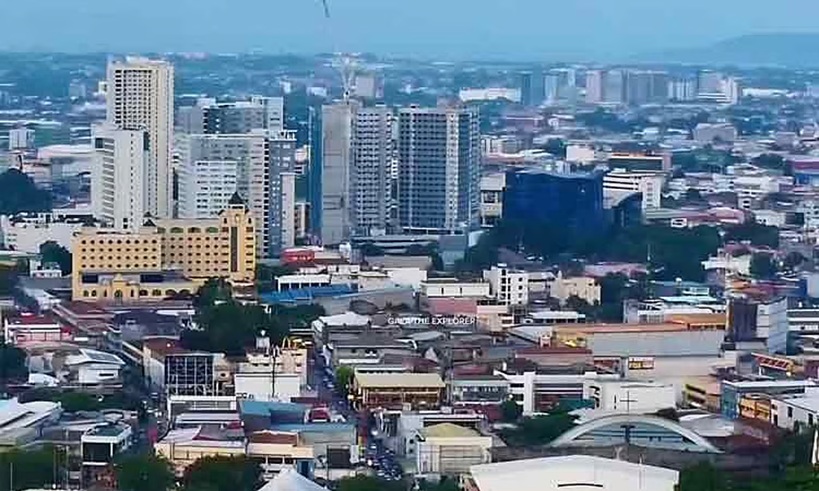
                    • Realistic Monthly Retirement Budget for Cebu (2026) – SeekCebu

                      Realistic Monthly Retirement Budget for Cebu

                      Ask ten expats how much it costs to retire in Cebu, and you will get eleven different answers. Some will tell you they live like kings on $900 a month. Others will insist you need at least $2,500 to be comfortable. The truth—as with most things in the Philippines—is that both are right, and both are wrong.

                      Cebu sits in a sweet spot. It is cheaper than Manila—overall living costs run about 5–14% lower than the capital, with rent roughly 39% cheaper—but it is more expensive than provincial cities like Dumaguete or Bacolod. It offers modern amenities, reliable healthcare, and a large expat community without the crushing chaos of Metro Manila. But inflation has been biting hard. In May 2026, food inflation in Cebu Province accelerated to 19.1%, up from 17.5% the previous month. Central Visayas recorded a 10.8% inflation rate in April 2026, more than five times the rate from a year earlier. These numbers matter. Your 2025 budget will not stretch as far in 2026.

                      So here is the honest, line-by-line breakdown of what retirement in Cebu actually costs this year. All figures use a PHP 57 = $1 conversion rate, based on current market trends.


                      Housing: Your Biggest Expense by a Mile

                      Rent will eat the largest chunk of your budget. Where you choose to live determines everything else.

                      If you are willing to live outside the city centre—in areas like Labangon, Mabolo, or Talamban—a studio or one-bedroom apartment will set you back around PHP 12,000 to 18,000 per month ($210–315). These are not luxury units, but they are perfectly livable: basic furnishings, secure enough, and within reach of shops and transport.

                      Move into a modern condominium in Cebu’s IT Park or Cebu Business Park, and the numbers climb steeply. A one-bedroom condo in these premium areas rents for PHP 20,000 to 35,000 per month ($350–615). A two-bedroom in the same location runs PHP 35,000 to 55,000 ($615–965). At the very top end, luxury serviced condos like Solinea or Park Terraces can cost PHP 80,000 to 150,000+ per month ($1,400–$2,630+).

                      For most retirees, the sensible middle ground is a one-bedroom condo in a decent area—not the absolute cheapest, not the most prestigious. Budget around PHP 20,000 to 25,000 per month ($350–440) for something comfortable. And remember: most landlords require two months’ deposit and one month’s advance rent upfront. That is a significant lump sum to have ready.


                      Utilities: The Air Conditioning Tax

                      Electricity is where many expats get blindsided. The Philippines has some of the highest electricity rates in Southeast Asia, and Cebu is no exception. Household energy costs spiked by 15% to 20% in early 2026, outpacing the rising prices of other essentials.

                      For a typical retiree in a one-bedroom apartment running air conditioning at night and a few hours during the day, expect electricity bills of PHP 3,000 to 6,000 per month ($53–105). If you run air conditioning all day—and many Westerners do, especially during the brutal March-to-May heat—you will be at the higher end or even beyond it. If you are comfortable with fans and open windows, your bill will be considerably lower.

                      Water is negligible by Western standards: PHP 500 to 900 per month ($9–16). Internet, however, is non-negotiable if you want to stay connected. Fiber broadband plans with decent speeds cost PHP 1,000 to 1,700 per month ($18–30), with some providers offering 200Mbps for around PHP 1,500.

                      Add in a mobile data plan—PHP 500 to 1,000 ($9–18) for a reasonable allowance—and your total utilities land somewhere between PHP 5,000 and 8,500 per month ($88–150). The variation depends almost entirely on how much you use that air conditioner.


                      Food: Local Is Cheap, Imported Is Cruel

                      This is where your lifestyle choices have the most dramatic impact. Eat like a local, and your grocery bill stays remarkably low. Rice runs PHP 40 to 60 per kilo. Chicken is PHP 140 to 180 per kilo. Vegetables from the local markets are affordable. A meal at a neighbourhood carenderia (eatery) costs next to nothing.

                      But start buying imported cheese, wine, cereal, or branded Western products, and your budget balloons. Supermarkets charge 30% to 100% more for imported goods compared to local alternatives. Those familiar comforts come at a premium.

                      For a single retiree cooking mostly at home with occasional local dining out, a realistic grocery budget is PHP 15,000 to 20,000 per month ($265–350). If you want Western brands, premium cuts of meat, and regular restaurant meals at mid-range establishments, budget PHP 25,000 or more.

                      A meal at an inexpensive local restaurant costs around PHP 150 to 250. A three-course meal for two at a mid-range restaurant runs about PHP 1,000 to 1,500. A fast-food combo meal—think McDonald’s or Jollibee—is around PHP 198. These costs add up quickly if you dine out frequently.


                      Transportation: Getting Around

                      Cebu’s traffic is not as soul-crushing as Manila’s, but it is still a factor. Most retirees use a mix of transport options rather than owning a car.

                      Jeepney rides cost PHP 12 to 25 per trip. Tricycles for short distances run PHP 20 to 50. Grab rides—the local equivalent of Uber—typically cost PHP 150 to 300 within the city. If you take two or three Grab trips a week, plus jeepneys for shorter hops, your monthly transport budget might land around PHP 1,000 to 2,000 ($18–35).

                      Some expats choose to buy a motorbike. Fuel costs roughly PHP 1,200 per month, but you also need to factor in insurance, maintenance, and the very real safety considerations of Philippine roads. Others simply walk—if you live in a walkable area near shops and restaurants, you can keep transport costs to a minimum.

                      A monthly public transport pass costs approximately PHP 850, though many expats find pay-per-trip more economical given their varied travel patterns.


                      Healthcare: The Non-Negotiable

                      Cebu has excellent private hospitals—Cebu Doctors’ Hospital and Vicente Sotto Memorial Medical Center give the city the strongest hospital coverage of any provincial retirement destination in the Philippines. But quality comes at a price.

                      A private general practitioner consultation costs PHP 500 to 1,500 ($9–26). Specialist visits run PHP 1,150 to 2,300 ($20–40). A private hospital room costs PHP 5,000 to 15,000 per night ($88–263). A box of antibiotics can set you back PHP 1,110.

                      Here is the brutal reality: private hospitals in the Philippines operate on a “pay-to-play” model. They require upfront payment or a letter of guarantee from your insurer before they will admit you for non-emergency procedures. You cannot just flash a health insurance card. If you arrive at the emergency room without the means to pay, they will stabilise you and then stop treatment until payment is secured.

                      This means that comprehensive international health insurance is not just an expense—it is the single most important line item in your budget. If you skip it, your entire “Frugal” budget can be wiped out in one week by a single hospital stay. A routine appendectomy or a broken leg requiring surgery can easily cost PHP 200,000 to 500,000 ($3,500–8,800) or more. Without insurance, that is your retirement savings gone.

                      A note on PhilHealth: The Philippine national health insurance system can offset some costs for those who have contributed, but the coverage is relatively minimal compared to total bills for major surgeries or hospital stays. PhilHealth typically covers only a fraction of the cost, often leaving patients with a substantial remaining balance. Do not rely on it as your primary coverage—treat it as a modest supplement at best.

                      Budget at least PHP 5,000 to 10,000 per month ($88–175) for health insurance premiums, depending on your age and coverage level. Add another PHP 2,000 to 5,000 ($35–88) for out-of-pocket medical expenses—consultations, prescriptions, and dental check-ups. These numbers are conservative; if you have pre-existing conditions or require regular specialist care, budget significantly more.


                      Entertainment, Travel, and Miscellaneous

                      This category is entirely personal. Some retirees are happy with beach trips, local festivals, and inexpensive socialising. Others want fine dining, golf memberships, and regular island-hopping.

                      A reasonable baseline for miscellaneous expenses—clothing, household items, haircuts, mobile load, and small entertainments—is PHP 5,000 to 10,000 per month ($88–175). Add travel: a weekend getaway to Moalboal or Bantayan Island might cost PHP 3,000 to 5,000 ($53–88) for transport, accommodation, and food. If you plan to travel domestically every month or two, factor that in.

                      Many expats also budget for remittances, visa renewal fees, and the occasional emergency. The SRRV visa itself requires a time deposit of USD 15,000 for pensioners aged 50 and over, or USD 30,000 for those without a pension. That money sits in a Philippine bank account and is not available for monthly spending—but it is a significant upfront cost to be aware of.


                      The Bottom Line: Three Realistic Budgets

                      Based on real expenses from expats living in Cebu in 2026—not tourism-brochure estimates—here is what retirement actually costs:

                      Frugal Lifestyle: PHP 50,000–70,000 per month ($880–1,230)
                      A simple apartment outside the city centre, minimal air conditioning, mostly local food, limited dining out, and public transport. This is perfectly doable, but it requires adapting to a local lifestyle and leaving Western comforts behind.

                      Comfortable Lifestyle: PHP 70,000–105,000 per month ($1,230–1,840)
                      A modern one-bedroom condo in a decent area, regular air conditioning, a mix of local and Western groceries, occasional restaurant meals, Grab rides, and a buffer for healthcare and travel. This is where most expats land.

                      Premium Lifestyle: PHP 115,000–200,000+ per month ($2,020–3,510+)
                      A large condo or house, car ownership, frequent dining out, premium healthcare, and international travel. This is luxury by Philippine standards.


                      The Warning: Beware “Expat Inflation”

                      Here is the single biggest budget mistake newcomers make: they massively overspend in their first six months because they do not know the local market rates.

                      You arrive with a pocket full of dollars, everything seems cheap, and you start paying whatever is asked. Your landlord quoted PHP 30,000 for a condo that locals rent for PHP 18,000? You pay it. The fruit vendor charges you double? You pay it. Your new “friend” offers to help you find a deal—for a fee? You pay it.

                      This “expat inflation” is not malicious; it is simply the price of ignorance. But it can destroy your budget before you have even settled in.

                      The solution is painfully simple: live like a local for the first two months. Rent a cheap room. Shop at local wet markets. Take jeepneys. Talk to other expats who have been here for years. Learn what things actually cost before you start spending. A few months of frugality will save you thousands of pesos over your first year.


                      The Honest Truth

                      Cebu remains remarkably affordable by Western standards—roughly 68% cheaper than New York, 55% cheaper than London, and 50% cheaper than Sydney for a comparable comfortable lifestyle. But inflation is real, and the days of living on $500 a month are long gone. A single person can survive on PHP 58,000 ($1,020) a month if they live simply, but for a genuinely comfortable retirement with air conditioning, reliable internet, and occasional travel, you should budget closer to PHP 87,000 to 105,000 ($1,530–1,840).

                      The key is honesty with yourself. Do not budget for the lifestyle you wish you had. Budget for the lifestyle you actually want—and then add 20% for the unexpected. Because in the Philippines, the unexpected always arrives.


                      📅 Remember: These figures reflect June 2026 market conditions. With inflation in Central Visayas running at 10.8% and food inflation at 19.1%, prices are not standing still. Review your budget every six months—what works today may not work next year.

                        Author
                        John Paul Ybañez Paquibot
                        Licensed Real Estate Broker | PRC No. 00014132 | DHSUD No. CVRFO-B-03/18-2672
                        Bachelors Realty and Brokerage, Inc. Cebu
                        G/F Cap Building, Brgy. Corner, Osmeña Blvd.
                        Arlington Pond St. Extension, Cebu City, 6000 Cebu