KEY TAKEAWAYS
- Legacy developer with 30+ years: Founded in 1994, rooted in Cebu and backed by the Aboitiz Group, one of the Philippines’ largest conglomerates
- Solid financial backing: Part of AEV (₱5.2B net income 2025, up 50% year-on-year); AboitizLand itself generated ₱637M net income in 2025 despite residential headwinds
- Industry-anchored model: Differentiation through “jobs-first” approach — residential built around economic estates, not just standalone villages
- Major strategic integration: AboitizLand and Aboitiz Economic Estates now unified under single leadership, creating complete residential + industrial + commercial platform
- Mixed financial signals: Residential revenue declined 23% in 2025; profit volatility (₱879M nine-month income up 69%, but H1 loss of ₱51.8M)
- Limited direct complaints: Few major controversies, but some buyer reports of contract disputes with only 50% refunds
- Best for: Risk-averse buyers prioritizing stability and conglomerate backing over high appreciation; buyers seeking well-planned communities near employment hubs
Why This Review Matters
AboitizLand occupies a unique position in Cebu’s real estate landscape. Unlike pure-play residential developers, it is part of the Aboitiz conglomerate—a family of businesses spanning power, banking, food, and infrastructure. But being part of a corporate giant doesn’t automatically make it the right choice for your investment.
This review examines AboitizLand on its own merits: financial health, project track record, market position, and potential red flags. By the end, you’ll know whether this developer aligns with your investment goals and risk tolerance.
The Numbers That Matter
Financial Performance
AboitizLand is a subsidiary of Aboitiz Equity Ventures (AEV), one of the Philippines’ largest conglomerates. AEV delivered strong results in 2025:
- Net income after tax: ₱5.2 billion, up 50% year-on-year
- EBITDA: ₱9.9 billion, increased by 27%
- Cash and equivalents: ₱90.8 billion as of September 2025
- Net debt-to-equity ratio: 0.9x — a healthy leverage profile
AboitizLand itself reported mixed results:
- 2025 net income: ₱637 million
- First nine months of 2025: ₱879 million, up 69% from ₱521 million in 2024, driven by asset monetization gains
- First half of 2025: net loss of ₱51.8 million, a reversal from ₱445 million net income in H1 2024
- Consolidated revenue 2025: ₱10.2 billion, down 7% year-on-year
- Residential revenue: declined 23% to ₱3.45 billion
What this means for buyers: The Aboitiz Group’s strong balance sheet provides a safety net that most standalone developers cannot match. Even if AboitizLand’s residential business faces challenges, the parent company has deep pockets to complete projects. However, the volatility in AboitizLand’s own financials—swinging from profit to loss between H1 and full-year 2025—warrants caution. The company has been transparent about industry headwinds: “we’ll continue to see pressure in more sentiment-driven segments, particularly in residential, given the cost and affordability constraints.”
AboitizLand vs. Other Cebu Developers
Rather than a table, here is a direct comparison of key developers:
AboitizLand
- Market Focus: Cebu-based, expanding nationwide; horizontal villages, vertical condos, eco-luxury
- Financial Backing: Part of Aboitiz Group (₱5.2B net income 2025); AEV parent strength
- Key Strengths: Conglomerate backing; “jobs-first” integrated model; strong sustainability credentials
- Key Weaknesses: Residential revenue decline (23% in 2025); profit volatility
Ayala Land
- Market Focus: Nationwide
- Financial Backing: Independent listed giant; ₱25B+ Cebu expansion
- Key Strengths: Premier brand reputation; mixed-use townships; stable quality
- Key Weaknesses: Premium pricing; less accessible for budget buyers
Cebu Landmasters
- Market Focus: VisMin focus
- Financial Backing: Independent developer; ₱4.03B net income 2025
- Key Strengths: Dominant VisMin market share (18%); localized expertise
- Key Weaknesses: Financial strength rank of 2/100; high debt load
The distinction: AboitizLand is not a pure residential developer competing head-to-head with CLI. Their model is unique: build economic estates (industrial zones) first, then add residential communities around them. This “jobs-first, homes-second” approach creates built-in demand from estate workers and locators. As CEO Rafael Fernandez de Mesa explains: “We’ve deliberately moved beyond being a traditional developer into an integrated industry-anchored platform, providing not just land but a full operating environment.” This differentiates them from both CLI (mass residential) and Ayala (mixed-use townships).
One notable recent development: Ayala Land bought out Aboitiz’s stake in Cebu District Property Enterprise (CDPEI) for ₱1.81 billion in June 2024. This ended the joint venture between the two developers in Cebu, meaning AboitizLand is now pursuing its own independent Cebu strategy rather than partnering with Ayala.
💡 For buyers: The loss of the Ayala partnership is worth watching. Joint ventures with top-tier developers like Ayala provided validation and shared risk. Going solo means AboitizLand bears full responsibility for project success moving forward.
Complete List of AboitizLand Projects in Cebu (2026)
AboitizLand has developed over 20 residential communities in Cebu since 1994. Here is the complete portfolio broken down by status.
Active / Ongoing Projects (2026)
Amoa — Location: Compostela, Cebu
- Type: House & Lot / Residential Lots
- Status: Actively selling; delivery July 2026
- Notable features: 60-hectare mid-end village; 46% dedicated to open space; 4-time Lamudi award winner
Foressa Mountain Town — Location: Balamban, Cebu
- Type: Residential Lots / House & Lot
- Status: Active; new phases launched
- Notable features: Mountain eco-luxury; 112% lot value appreciation (₱7,300/sqm launch to ₱15,500/sqm today); part of West Cebu Estate
The Persimmon Studios — Location: Mabolo, Cebu City
- Type: Condominium (16-storey, 632 units)
- Status: Actively selling; breaking ground soon for completion
- Notable features: Integrated urban village; direct access to The Persimmon Plus retail; 10-15 minutes from CBD
Completed / Legacy Projects in Cebu
Pristina North — Location: Cebu
- Type: Integrated residential community
- Year completed: 2005 launch (AboitizLand’s first integrated community)
Kishanta / Kishanta Zen Residences — Location: Talisay City, Cebu
- Type: House & Lot / Residential Lots
- Year completed: Approximately 2006 (29-hectare tropical Zen development)
Briza — Location: Cebu
- Type: Residential
- Year completed: Legacy project
Mahogany Grove — Location: Cebu
- Type: Residential
- Year completed: Legacy project
Other Notable Developments
West Cebu Estate — Aboitiz’s industrial-anchored economic estate in Balamban, home to shipbuilding and manufacturing industries. Expanded in June 2026 when President Marcos signed Proclamation 1288 adding 64.7 hectares to the Cebu Special Economic Zone. Foressa Mountain Town is the residential enclave within this estate.
The Persimmon Plus — Retail and lifestyle center adjacent to The Persimmon Studios, designed as Cebu’s next lifestyle destination.
Awards and Recognition
AboitizLand’s trophy case reflects consistent industry recognition:
- Best Developer Visayas — Carousell Property Awards 2024 (second consecutive year)
- Amoa: Best Affordable House of the Year 2024 (Visayas and Mindanao) — Lamudi’s The Outlook 2024
- Seafront Residences: Best Waterfront Housing Development in Asia — 20th PropertyGuru Asia Property Awards 2026 (Batangas project, not Cebu)
- 23 prestigious awards since 2023, showcasing commitment to quality and innovation
These awards reinforce AboitizLand’s reputation as a premium developer in the Visayas region. However, as with any developer, awards measure past performance—they do not guarantee future delivery on your specific project.
The Strategic Integration: What Changes in 2026?
In December 2025, the Aboitiz Group announced the full functional integration of AboitizLand and Aboitiz Economic Estates under a single strategic leadership. President and CEO Rafael Fernandez de Mesa now leads both entities. While they remain legally distinct, they “function as one,” sharing a unified management committee and strategic direction.
What this means for buyers:
- Future residential developments will be positioned inside Aboitiz’s economic estates rather than as standalone communities, serving locators and employees
- Existing residential projects in Cebu will continue as “legacy developments”—meaning they will not be abandoned or sold off
- The group is planning estate-based housing including dormitories for workers to reduce long commutes
For Cebu buyers, this integration suggests a strategic shift: AboitizLand is prioritizing developments anchored to employment hubs. Properties near West Cebu Estate (Foressa, Balamban) and future industrial zones may benefit from increased demand. Standalone residential communities may receive less focus going forward.
For 2026, the Aboitiz Group allocated ₱88.5 billion in capital expenditures across all businesses, with AboitizPower receiving the largest share (₱62 billion) and infrastructure investments receiving ₱8.8 billion. Real estate-specific capex is embedded in these figures, though not broken out separately.
Leadership
In October 2024, AboitizLand announced the appointment of Rafael Fernandez de Mesa as CEO, effective January 1, 2025. He simultaneously leads both AboitizLand and Aboitiz Economic Estates following the integration. His background spans finance and corporate development within the Aboitiz Group.
His 2026 outlook for the real estate segment is worth quoting directly: “Overall for the industry, the outlook is mixed but constructive. We believe we’ll continue to see pressure in more sentiment-driven segments, particularly in residential… At the same time, we are seeing a flight to quality with demand shifting toward products that meet beyond price, including lifestyle, proximity, employment, and accessibility.”
For buyers: The leadership transition to a unified CEO makes strategic sense, given the integration of residential and economic estates. The new CEO’s cautious but constructive outlook suggests transparency about market challenges—an encouraging sign for buyers seeking honest communication rather than overly optimistic sales pitches.
The Red Flags: What to Watch For
AboitizLand has fewer major controversies than some developers, but several issues deserve attention.
1. Financial Volatility in Residential Segment
AboitizLand swung from a ₱51.8 million net loss in H1 2025 to ₱879 million in nine-month 2025 profits—a dramatic turnaround fueled by asset monetization gains, not operational growth. Residential revenue declined 23% to ₱3.45 billion in 2025. While the Aboitiz parent provides a safety net, the residential division’s performance is clearly under pressure.
2. Limited Public Complaints—But Some Concerning Buyer Reports
AboitizLand has relatively few public complaints compared to other developers. However, one thread on local forums discusses a buyer dispute where AboitizLand agreed to refund only 50% of the investment after contractual disagreements. The buyer reported that AboitizLand made changes to what was initially agreed, and the contract was not honored as originally understood.
Takeaway: Always read your contract carefully before signing. Hidden fees, delayed turnover, and reservation fee disputes are risks with any developer (refer to my separate guides on these topics).
3. Employee Reviews: Generally Positive but Some Concerns
AboitizLand employee reviews are predominantly positive (4.3/5 rating on Jobstreet), with employees appreciating the strong reputation and brand as part of the Aboitiz Group. Key pros include work-life balance, supportive management, and a culture of integrity and teamwork.
However, one critical review on Indeed describes a “Toxic Sales Environment,” alleging that the company is “not true to their promises, especially regarding compensation,” with “delayed tactics in contract signing to avoid increases in salaries.” This appears to be an isolated complaint—most reviews are positive—but it’s worth noting for those working with AboitizLand sales agents.
Positive reviews highlight: “The company is good; however, there are some toxic old employees” and “It was fun working professionally at Aboitizland. They never run out of ideas for improvement.”
4. Broader Aboitiz Group Controversies (Not Directly AboitizLand)
Some environmental and human rights concerns have been raised against other Aboitiz Group companies, particularly AboitizPower’s hydropower projects. These involve allegations of environmental defender killings, land rights disputes with indigenous groups, and harassment of workers. A complaint has also been filed alleging the group is eyeing 200 hectares of Hacienda Luisita for “green energy” and economic zone projects.
Important distinction: These controversies involve other Aboitiz business units, not AboitizLand directly. However, for buyers who prioritize ethical investing, these broader group practices may be relevant to your decision.
5. Challenging but Defining Year in 2025
Aboitiz Economic Estates’ commercial strategy head Monica Tajano acknowledged: “2025 was not an easy year. It asked a lot of us.” This internal acknowledgment suggests the integration process faced genuine difficulties, not just smooth execution.
The Verdict: Is AboitizLand a Trusted Developer in 2026?
✅ Yes, If You Are:
- A risk-averse buyer who prioritizes stability and conglomerate backing over maximum appreciation—the Aboitiz Group’s ₱90.8 billion cash position and diversified revenue streams provide a safety net few developers can match
- Looking at Foressa Mountain Town—the 112% lot value appreciation and location within the expanding West Cebu Estate suggest strong long-term potential
- Buying RFO (ready-for-occupancy) units where you can inspect quality before committing
- An investor aligned with the “jobs-first” thesis—properties near Aboitiz’s economic estates (West Cebu Estate, West Cebu Industrial Park) may see sustained demand from workers and locators
- Someone who values sustainability and community planning—Amoa dedicates 46% of its 60-hectare property to open space, and the company maintains an eight-year pawikan (sea turtle) conservation project
❌ No, If You Are:
- Chasing maximum short-term appreciation—residential revenue declined 23% in 2025, and the company itself forecasts continued pressure in residential segments
- Looking for ultra-luxury urban living—AboitizLand’s sweet spot is mid-range horizontal villages and eco-luxury mountain communities, not premium CBD condos
- Uncomfortable with profit volatility—the swing from H1 loss to nine-month profit suggests lumpy earnings that may affect project momentum
- Highly price-sensitive—AboitizLand properties carry a premium for the Aboitiz brand and quality reputation; budget buyers may find better value elsewhere
⚠️ Proceed with Caution If You Are:
- Buying pre-selling in standalone residential projects—the strategic shift toward estate-anchored developments means standalone communities may receive less management attention going forward
- Considering The Persimmon Studios—breaking ground soon, so verify construction timeline and track record for vertical projects in Cebu (AboitizLand’s primary expertise is horizontal villages)
- Concerned about contractual disputes—the 50% refund case on local forums, while isolated, suggests reading your contract with extra care, particularly regarding cancellation and refund terms
The Bottom Line
AboitizLand is a legitimate, well-established developer with deep Cebu roots and the financial firepower of the Aboitiz Group behind it. With 30 years of experience, 20+ completed communities, and a reputation for quality planning and sustainability, they are a trustworthy choice for risk-averse buyers.
However, the residential revenue decline and profit volatility signal that 2026 is not a straightforward growth story. The company itself expects pressure on residential segments due to affordability constraints. Their strategic pivot toward estate-anchored developments suggests that standalone residential communities may become less of a priority.
The AboitizLand question isn’t “Is this developer safe?” — the conglomerate backing makes them one of the safest in Cebu. The real question is: “Does the specific AboitizLand project I’m considering align with my timeline, appreciation expectations, and lifestyle preferences?” Foressa Mountain Town’s 112% value appreciation is compelling; Amoa’s four awards demonstrate quality; but residential headwinds are real.
Before signing any paperwork, verify:
- The specific project’s License to Sell from DHSUD
- Turnover history for that particular project type (horizontal vs. vertical)
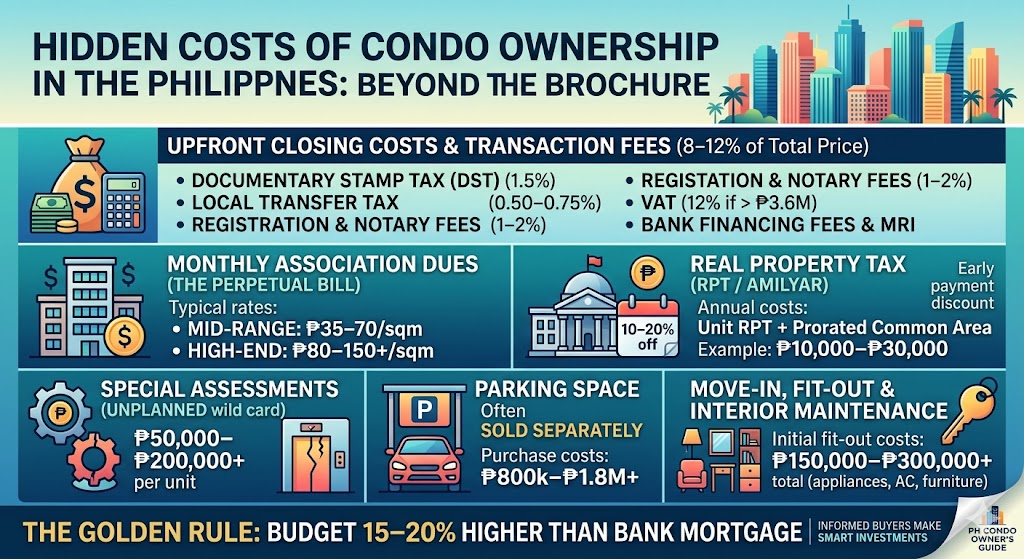
- Hidden costs: association dues, real property tax, insurance, and special assessments
- Your exit strategy: rental demand in the area, particularly if the project is not near an economic estate
- Cancellation and refund terms in the contract
Disclosure: This review is based on publicly available financial data, industry awards, news reports, and employee reviews as of June 2026. It is not investment advice. Real estate investments carry inherent risks. Seek independent professional advice before making any investment decision.
Author
John Paul Ybañez Paquibot
Licensed Real Estate Broker | PRC No. 00014132 | DHSUD No. CVRFO-B-03/18-2672
Bachelors Realty and Brokerage, Inc. Cebu
G/F Cap Building, Brgy. Corner, Osmeña Blvd.
Arlington Pond St. Extension, Cebu City, 6000 Cebu