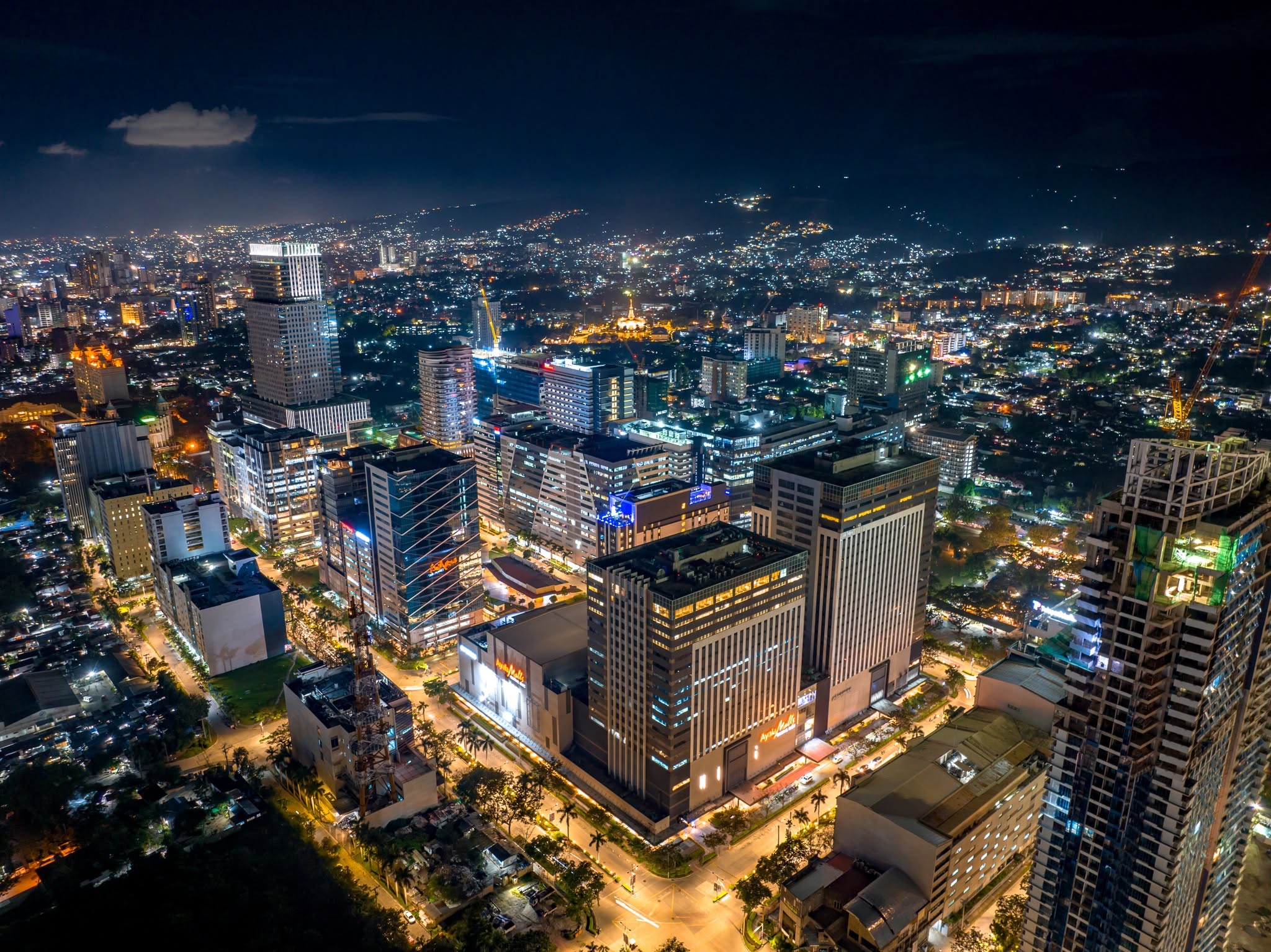
Cebu IT Park is not just another business district. It is the Philippines’ premier business address outside Metro Manila, a 27-hectare master-planned community that has quietly become one of the most desirable places to live, work, and invest in the entire country. In 2026, it stands as a unique ecosystem where global tech, high-density residential living, and 24/7 lifestyle demands collide.
But here is the honest truth that no glossy brochure will tell you: Cebu IT Park is expensive, crowded, and constantly under construction. And yet, people keep coming. Vacancy rates have dropped from 28 percent in 2022 to around 14 percent in 2025. More than 96,000 square meters of office space were transacted in just the first nine months of 2025. Global companies like Concentrix, Optum, EY, and Wipro are expanding here.
Why? Because for all its flaws, Cebu IT Park works. This guide tells you exactly how, why, and whether it is right for you.
What Cebu IT Park Actually Is
Cebu IT Park sits on the site of the old Lahug Airport, which operated from 1938 until 1966. In 1989, Ayala Land’s subsidiary acquired the property. In 2000, it was approved as an economic zone, and in 2001, Presidential Proclamation No. 12 officially declared it an Information Technology Special Economic Zone.
Today, it is a 27-hectare PEZA-accredited mixed-use business park in Barangay Apas, Cebu City. It is developed by Cebu Property Ventures and Development Corporation, a subsidiary of Cebu Holdings, which is wholly owned by Ayala Land.
In plain language: this is Ayala Land’s flagship project outside Metro Manila, and they have invested heavily in making it work.
The Economy of 24/7 Stability
Unlike many mixed-use developments that shut down after office hours, Cebu IT Park thrives on a shift-based economy. Anchored by major global firms like Concentrix, Optum, EY, and Wipro, the district is wired to stay awake. For residents, this means unprecedented convenience: grocery stores, gyms, and dining options are accessible regardless of the hour.
The Resident Reality: This cycle comes with a caveat. The urban noise is consistent. You are choosing to live in a district that does not follow a nine-to-five clock. If you value silence and slow-paced mornings, the core of the park might feel aggressive. When choosing a unit, higher floors and inward-facing orientations are essential for long-term sleep quality.
The Honest Cost of Living Here
Let us talk money, because this is where most guides get vague.
Rent is the biggest monthly expense by far. For well-amenitized, prime condos in the IT Park and Lahug area, rents currently range from ₱1,100 to ₱1,300 per square meter. A one-bedroom unit inside IT Park typically costs around $400 per month. For comparison, a similar unit in quieter neighborhoods like Banawa costs about $300. That $100 difference is the IT Park premium.
For a single digital nomad or professional, total monthly living expenses typically range from $700 to $1,000, covering rent, food, transport, and coworking spaces.
Here is the catch that nobody mentions: electricity bills here are brutal. Air conditioning is not a luxury—it is a necessity in Cebu’s tropical climate. Expect to pay $50 to $100 per month just for electricity. Occasional power outages also mean you need backup data or a generator if your work depends on reliable internet.
Food costs vary wildly. Local street food costs $2 to $4 per meal. Western restaurants and imported goods are much pricier. The park has everything from budget eateries to high-end establishments like Dean & Deluca, which recently opened here.
The bottom line: IT Park is not cheap, but it is also not Manila. You get premium urban living at a fraction of the cost of Makati or BGC.
The Business Reality in 2026
Here is what the numbers actually say about doing business here.
Cebu IT Park accounts for roughly 75 percent of Metro Cebu’s total flexible workspace inventory. As of late 2025, operators like KMC Solutions, Regus, The Company Cebu, and Enspace offered around 10,500 flex seats. Traditional office leases typically require three- to five-year commitments, which is great for stability but terrible for volatile tech startups.
Vacancy rates in IT Park reached 11.1 percent in the first quarter of 2026, compared to 9.3 percent in Cebu Business Park. Adjusted vacancy—which accounts for shadow supply—is estimated between 14 and 16 percent. Grade A space in both parks sits at roughly 12 percent vacancy, with rents actually rising.
However, there is a broader trend that investors must watch. Cebu’s commercial office vacancy is projected to climb to 18 to 20 percent by late 2026 due to AI-augmented work and a surge in new office supply, including large projects at the South Road Properties. While IT Park’s Grade A spaces remain tighter than the rest of the city, the days of automatic, rapid expansion are being tempered by more cautious lease negotiations.
Here is the critical insight: there is limited new office supply coming to IT Park from 2026 to 2028. Colliers has warned this could cause a short-term deceleration in take-up. In plain English: if you want office space here, the supply is tightening, and prices are going up.
Investment Reality: The Studio Saturation Trap
In 2026, the real estate market inside and immediately around the park has matured. While the area holds value better than most parts of the country due to its massive employment base, investors must be wary of what I call “studio oversaturation.”
When every building is filled with identical studio units, your only competitive advantage is building management and unit quality. In IT Park, building management—the maintenance of elevators, water pressure, and security—is the most reliable predictor of your unit’s future resale value. A well-run building with a proven track record will consistently outperform generic high-density towers.
The IT Park Edge: Infrastructure is the park’s greatest defense against market volatility. Its location on elevated terrain keeps it largely flood-free, a critical advantage that multinational companies consider when choosing office locations. The newly operational Cebu Bus Rapid Transit system began operations on March 13, 2026, connecting IT Park to the South Road Properties in roughly 35 to 40 minutes. This significantly improves accessibility for residents and workers alike.
The Lifestyle Trade-Off

Living here is a decision to prioritize time over spaciousness. You are paying to eliminate the Cebuano commute.
Being within walking distance of your workplace or essential services is a major lifestyle upgrade, especially as traffic in Cebu City remains a significant daily hurdle. The park is designed for walkability. Office towers connect to a mix of cafes, gyms, and dining options within a short stroll. At the heart of it all is Ayala Central Bloc, a lifestyle hub offering retail, dining, and entertainment. Green spaces like the Garden Bloc provide a refreshing escape. The park hosts regular events like Car-Free Sundays, which transform streets into pedestrian zones encouraging wellness and social interaction.
The Proximity Premium: Many savvy residents choose to live just outside the park’s core. By stepping a few blocks away, you often find larger layouts or townhouses at lower price points, all while remaining a short transport ride away from the action.
But let us be honest about the downsides. The park is crowded. Rush hour traffic in and out can be brutal. Construction is constant—new towers and developments are always going up. And the premium location means premium prices for everything from rent to coffee.
What Is Coming Next
Several major developments are reshaping the park in 2026.
A new Ayala Malls is set to open by the fourth quarter of 2026. The “Mayor of the Night” hub, a 24/7 government service center, has already launched at IT Park and is now expanding to include transportation services and a government-linked grocery outlet offering lower-priced goods.
The city is coordinating with a private transport provider to deploy around 30 modernized jeepneys or minibuses connecting the IT Park hub to Talisay, Mandaue, and Lapu-Lapu. A wholesale outlet offering basic goods at discounted prices is also planned for workers and commuters.
Ayala Land is expanding its Cebu footprint with three mixed-use developments. Arthaland’s Cebu Exchange—the country’s largest multi-certified green office tower—is already operational. Filinvest Cyberzone Cebu Towers 3 and 4 were fully leased upon completion in early 2025.
A Note for Investors: As you evaluate the market, focus on premium, green-certified towers and high-end residential projects like the Wave Towers, which are capturing the demand for larger, higher-quality living spaces. These properties are more resilient to market fluctuations and attract tenants willing to pay a premium for quality.
Who Should Live or Invest Here
Cebu IT Park is not for everyone. Here is who it actually works for.
For BPO workers and professionals: This is the best location in Cebu. Your workplace is walkable. Restaurants and amenities are open 24 hours. Security is excellent. The premium rent is worth the convenience and safety. If you work night shifts, prioritize buildings with robust noise-canceling windows or higher floor levels.
For digital nomads: The coworking scene here is the best outside Manila. Monthly desks cost around $100. Internet speeds average 30 Mbps, with fiber connections common in business districts. Most coworking spaces have backup power and stable WiFi.
For investors: Office vacancy is tightening, with no new supply in the pipeline through 2028. This means existing properties are likely to appreciate. But be prepared for high entry prices—IT Park is one of the three most expensive areas for property in Cebu. Focus on premium buildings with strong management and avoid the trap of identical studio units that offer no competitive advantage.
For families: Probably not ideal. The park is geared toward young professionals and workers. Schools are nearby but not inside the park. Residential options are mostly condos, not houses with yards. Do not expect a tropical island feeling—IT Park feels like a global business hub, efficient and professional, but dense.
For retirees: Only if you value urban convenience over peace and quiet. The park is lively, sometimes chaotic, and always busy.
Key Takeaways for Buyers and Renters
When choosing a unit inside IT Park, location within the building matters as much as location within the park. Higher floors offer better noise insulation and views. Inward-facing orientations shield you from street noise.
When calculating your true cost of living, always factor in electricity, association dues, and parking fees. These variable costs can add significantly to your monthly budget.
When evaluating a building, prioritize management quality. In a market saturated with studios, building management is the most reliable predictor of your unit’s future resale value.
When considering a purchase, remember that the days of automatic rapid expansion are behind us. The market is maturing, and cautious, informed decisions are more important than ever.
The Final Honest Word
Cebu IT Park is the most dynamic business district outside Metro Manila. It is walkable, secure, well-planned, and increasingly well-connected. Global companies are expanding here. Vacancy rates are dropping. Infrastructure is improving.
But it is also expensive, crowded, and constantly changing. The premium you pay for location and convenience is real. The traffic is real. The construction noise is real. The studio saturation is real. And the broader market shift toward cautious lease negotiations is a trend that every investor must watch carefully.
The question is not whether Cebu IT Park is good—it clearly is. The question is whether it is good for you. If you value convenience, security, and being at the center of Cebu’s economic growth, this is the place. If you prefer lower costs, more space, and less hustle, look elsewhere.
Either way, know what you are getting into. The park works because it delivers what it promises: a live-work-play environment that keeps people coming back, despite the costs and the crowds. That is not hype. That is just the reality of Cebu’s most successful urban experiment.
Author
John Paul Ybañez Paquibot
Licensed Real Estate Broker | PRC No. 00014132 | DHSUD No. CVRFO-B-03/18-2672
Bachelors Realty and Brokerage, Inc. Cebu
G/F Cap Building, Brgy. Corner, Osmeña Blvd.
Arlington Pond St. Extension, Cebu City, 6000 Cebu
Leave a Reply