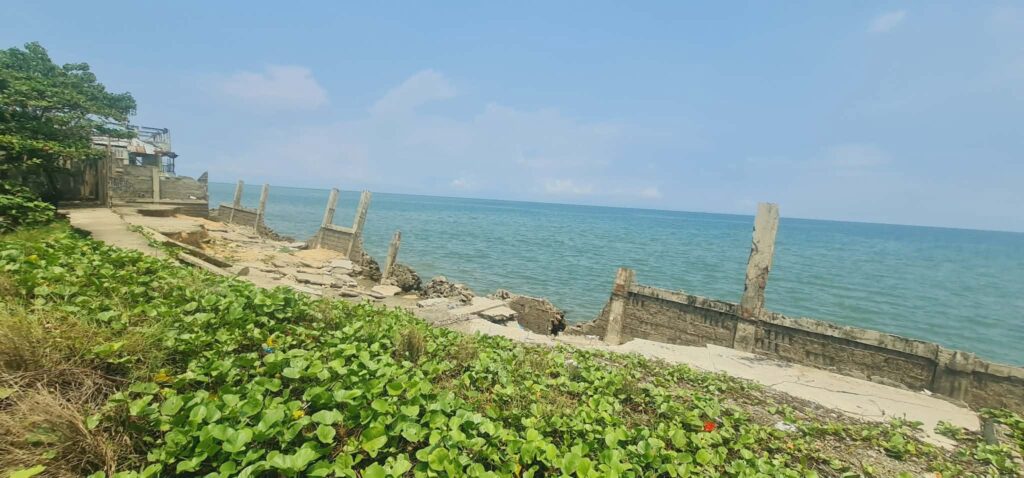
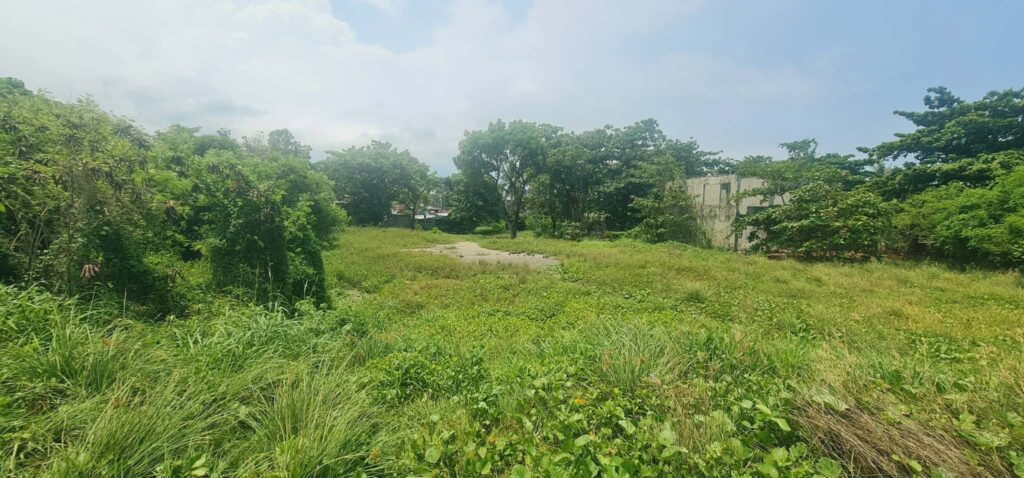
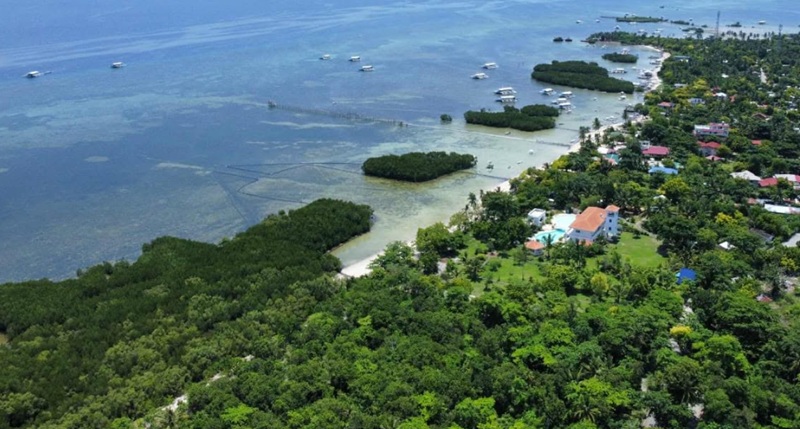
Presenting a rare and formidable offering in the heart of Talisay City’s coveted southern shoreline—a sprawling 5,048-square-meter beachfront property that stands ready to transform your boldest vision into reality. Situated in the prestigious vicinity of Corona Del Mar, this is not merely a piece of land; it is a landmark opportunity in one of Cebu’s fastest-appreciating coastal corridors.
Location That Bridges Worlds
Perfectly positioned with a generous 20-meter road frontage, this property offers seamless connectivity for both construction logistics and future foot traffic. You are minutes away from the bustling commercial hubs of Cebu City while enjoying the serene, unpolluted breeze of the southern seas. This is the address where convenience meets escape.
A Foundation Built for Grandeur
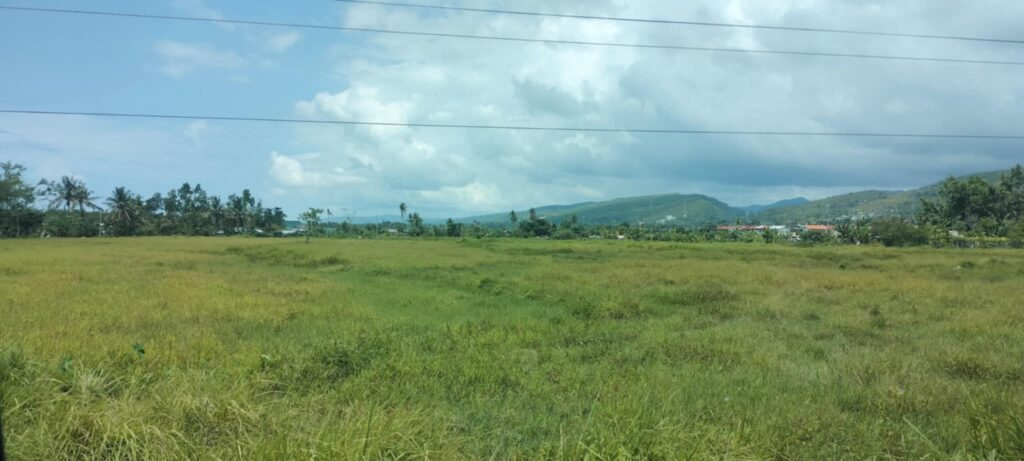
What sets this lot apart is its absolute readiness for construction. With 100% flat terrain, every inch of the 5,048 square meters is usable, buildable, and valuable. No expensive excavation, no problematic grading—just a pristine, level expanse waiting for your architectural masterpiece.
The Crown Jewel: 50 Meters of Pristine Beach Frontage
Imagine waking up to the sound of gentle waves and owning a stretch of shoreline that spans half a football field in length. This property boasts a full 50 meters of direct beach frontage, offering unobstructed views and immediate access to the ocean. Whether for sunrise yoga, sunset cocktails, or simply the therapeutic rhythm of the tide, this frontage is an irreplaceable asset.
Security Meets Opportunity
The entire perimeter is already fully fenced, providing immediate privacy, security, and clear boundaries. This existing feature saves you time and capital, allowing you to focus immediately on development rather than preparation.
Unlock Unlimited Possibilities
Given its massive scale, prime location, and beachfront pedigree, this property is tailor-made for:
Luxury Residential Subdivision: Carve out exclusive lots for high-end seaside villas.
Boutique Condo-Resort: Capitalize on Cebu’s booming tourism and hospitality sector with a modern high-rise or low-density resort complex.
Exclusive Beach Club & Retreat: Craft a members-only sanctuary with pools, cabanas, and dining alfresco.
Mixed-Use Destination: Combine retail, leisure, and residential spaces into a self-contained coastal community.
Why ₱18,000/sqm is an Unbeatable Entry Point
In a market where beachfront properties are becoming increasingly scarce, ₱18,000 per square meter is an exceptional value proposition. At a total investment of just under ₱91 million, you are securing a generational asset with enormous upside potential as Talisay City continues its rapid urban expansion.
This is Your Moment.
Opportunities of this magnitude—half a hectare of flat, fenced, road-accessible beachfront land—are virtually extinct in Metro Cebu. The question is not if this property will appreciate, but how quickly you can secure it before someone else does.
Schedule your exclusive site inspection today. Bring your architects, your dream team, and your imagination. This canvas is ready.
Contact us now to claim your piece of Cebu’s coastline.
Author John Paul Ybañez Paquibot Licensed Real Estate Broker | PRC No. 00014132 | DHSUD No. CVRFO-B-03/18-2672 Bachelors Realty and Brokerage, Inc. Cebu G/F Cap Building, Brgy. Corner, Osmeña Blvd. Arlington Pond St. Extension, Cebu City, 6000 Cebu
Pre-Selling Studio Unit along Bauhinia Drive | 2-Year Turnover | 63-Month DP for Only ₱46,945/mo + Flexible Bank Financing
Your Gateway to Banilad Luxury Starts Here
Let’s face it—renting a cramped, outdated studio near Cebu IT Park is bleeding your wallet dry. For almost the same cost as your monthly rent, you could already be paying off your very own pre-selling luxury studio in one of Cebu’s most prestigious addresses.
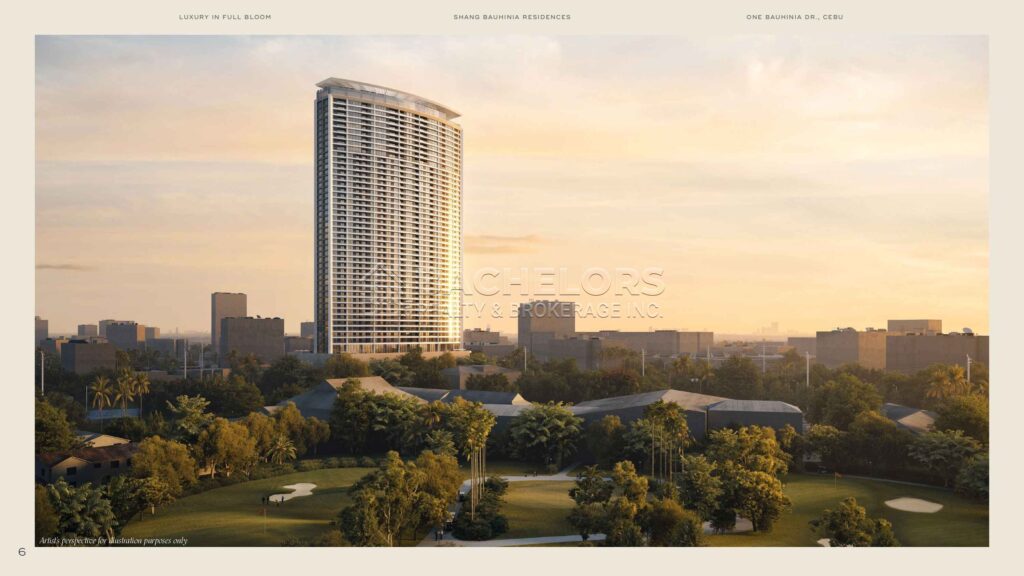
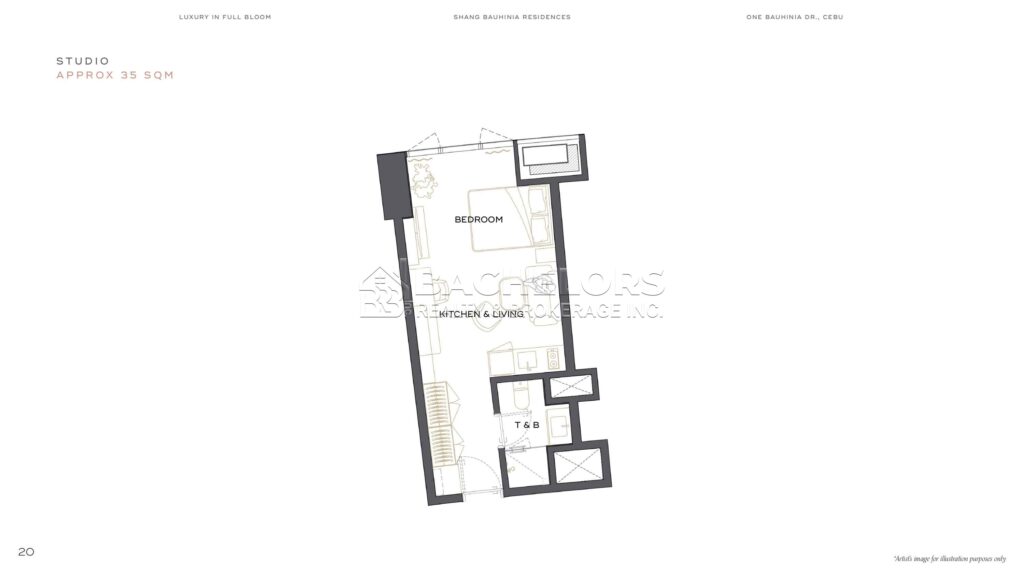
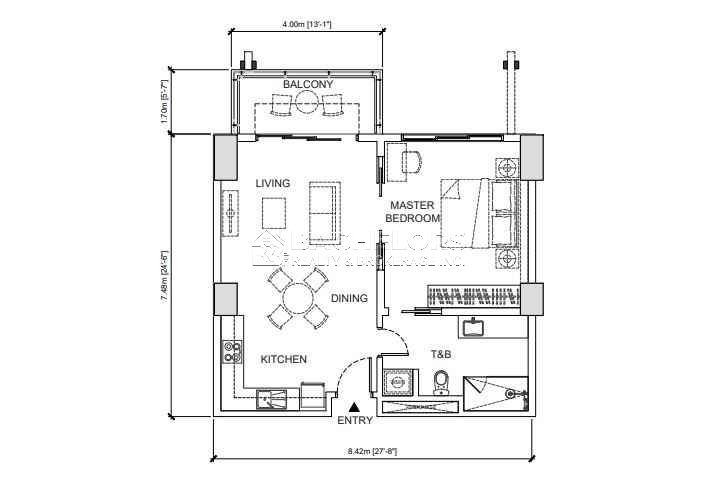
Introducing the Studio unit at Shang Bauhinia Residences—your most affordable ticket to living along the exclusive Bauhinia Drive in Banilad. At just 35.33 square meters, this isn’t your typical shoebox condo. It is a smartly designed, fully finished sanctuary that places you minutes away from IT Park, major malls, and the best restaurants in the city.
With a turnover period of only 2 years, you are not just buying a home; you are locking in today’s price for a future asset that is guaranteed to appreciate the moment you get your keys.
Smart Design, Maximum Livability
We understand that a studio needs to work harder for you. Every square meter of this 35.33 sqm unit has been meticulously planned to give you the feeling of a much larger home:
Defined Living Spaces: Unlike tiny box units, this studio features distinct zones for your Living, Dining, and Kitchen areas—so you can actually cook, eat, and relax without feeling cluttered.
Private Bed Area: A dedicated sleeping nook provides a sense of separation and privacy, turning your studio into a true retreat.
Complete Bathroom: 1 modern Toilet & Bath designed with premium fixtures.
Move-In Ready: As a “Finished” unit, you minimize renovation costs and move in as soon as turnover is completed.
It is the perfect urban nest for the single professional, the starting family, or the digital nomad who values efficiency without sacrificing elegance.
World-Class Amenities at an Entry-Level Price
Just because this is a studio doesn’t mean you compromise on lifestyle. As a resident of Shang Bauhinia, you enjoy access to the same 5-star facilities offered to the larger unit owners:
Work & Play: An Open Co-working Space for remote work and an Alfresco lounge for downtime.
Arrive in Style: A stunning Lobby & Reception Area with an exclusive Drop-off bay for guests.
Uninterrupted Living: Benefit from 100% standby emergency power and High-Speed Elevators.
Safety First: 24/7 security, CCTV monitoring, and an Automatic Fire Detection & Sprinkler System.
Sustainable & Smart: Integrated Smart Home features and a Waste Water Treatment Facility.
The Lowest Entry Point to Banilad’s Most Sought-After Address
With a total contract price of ₱10,351,281.00, this studio offers the most accessible price point in the entire Shang Bauhinia development—perfect for young professionals and first-time investors.
Step 1 – Reserve Your Spot Pay a low Reservation Fee of ₱100,000.00 (fully deductible from your Down Payment/EQUITY).
Step 2 – Down Payment / Equity (₱3,843,371.00) Choose the pathway that fits your current cash flow:
Spot Downpayment: Pay the full equity upfront for maximum savings.
62-Month Installment: Spread your payments over 63 months with a highly accessible monthly rate of just ₱46,945.00. That’s likely less than what you are currently paying for rent near IT Park!
Step 3 – Bank Loan (Loanable Amount: ₱5,915,018.00) After completing your equity, finance the balance through bank financing. Pick the amortization schedule that aligns with your income:
5-Year Term: ₱114,353.87 per month (Fastest path to full ownership)
10-Year Term: ₱65,668.83 per month (Perfect balance of interest and cash flow)
15-Year Term: ₱49,914.28 per month (Lower monthly burden for long-term peace of mind)
20-Year Term: ₱42,377.03 per month (Maximum flexibility—the lowest possible monthly outlay)
Why This Studio is a Cash Flow Machine
Unbeatable Location: Bauhinia Drive, Banilad is the premier residential strip directly adjacent to Cebu IT Park. Your future tenants (or you) will beat the traffic every single day.
Highest Rental Yield: Studios are the most in-demand unit type among BPO employees and young expats. The rental income from this 35.33 sqm property often yields a higher percentage return compared to larger units.
Quick Turnover: With just 2 years to wait, your ROI starts rolling in much sooner than other pre-selling developments.
This is the affordable luxury you’ve been searching for. Don’t let the lowest-priced units in this exclusive development slip away.
Contact us today to reserve your studio and request a sample bank computation. Your future in Banilad starts with a single step—and a remarkably low monthly downpayment.
Author John Paul Ybañez Paquibot Licensed Real Estate Broker | PRC No. 00014132 | DHSUD No. CVRFO-B-03/18-2672 Bachelors Realty and Brokerage, Inc. Cebu G/F Cap Building, Brgy. Corner, Osmeña Blvd. Arlington Pond St. Extension, Cebu City, 6000 Cebu
Pre-Selling 1-BR Luxury Unit along Bauhinia Drive | 2-Year Turnover | Low 63-Month DP + Flexible Bank Financing | License to Sell #0002115
Your Smart Entry to Banilad Luxury
If you are a young professional working in Cebu IT Park, a digital nomad, or an investor looking for the most rentable unit type in the city, this is the opportunity you have been waiting for.
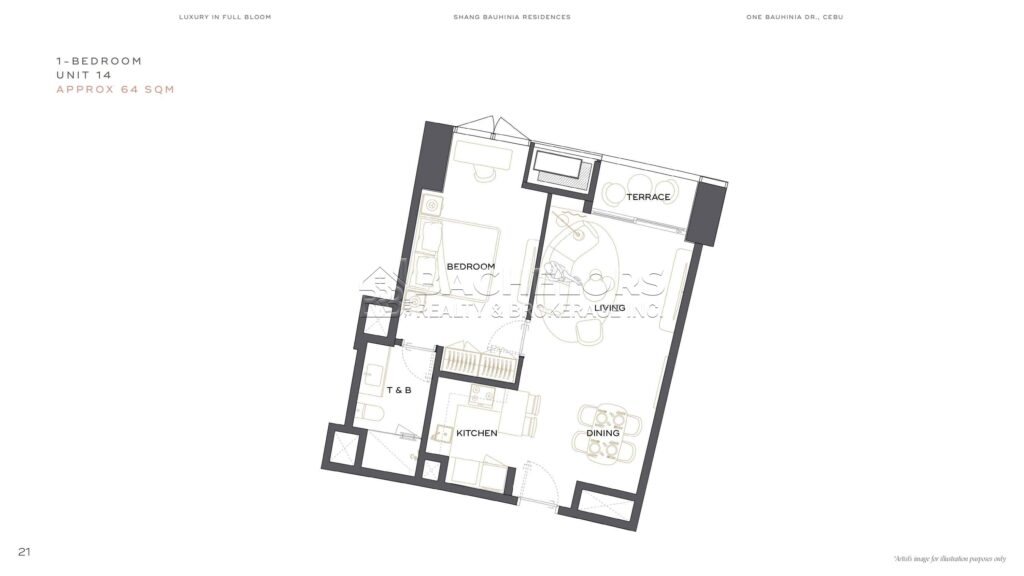
Located along the prestigious Bauhinia Drive in Banilad, Shang Bauhinia Residences places you right at the doorstep of Cebu’s busiest business district—without the soul-crushing commute. But unlike cramped studio boxes, this 1-Bedroom unit offers a sprawling 54.88 square meters of thoughtfully designed space.
Whether you are looking for a sophisticated urban home or a passive income asset with massive expat rental demand, this pre-selling gem delivers the perfect balance of price, space, and prestige—all with a turnover period of just 2 years.
Space That Redefines “One Bedroom”
At 54.88 square meters, this isn’t just a bedroom with a kitchenette. It is a legitimate, well-proportioned home designed for real living and entertaining.
Generous Master’s Bedroom: A true retreat, separate from the living areas for maximum privacy.
1 Complete Toilet & Bath: Designed with modern fixtures for your daily comfort.
Full-Service Kitchen: Ample counter space for home-cooked meals—no more relying on takeout.
Separate Dining & Living Zones: Actual distinct areas that allow you to host guests or relax without feeling cluttered.
It’s the ideal layout for a single executive, a couple starting their journey together, or an investor targeting high-paying tenants who refuse to compromise on square footage.
Resort-Grade Amenities in the Heart of the City
Living at Shang Bauhinia means enjoying a lifestyle that rivals a 5-star hotel. We’ve equipped the development with everything you need to work, relax, and feel secure:
Work-Life Balance: Open Co-working Space for remote days, plus a serene Alfresco area for unwinding.
Grand Arrival: A sophisticated Lobby & Reception Area with an exclusive Drop-off bay for guests.
Zero Downtime: 100% standby emergency power ensures you stay connected and comfortable during outages.
Ironclad Security: 24/7 security personnel, CCTV monitoring, and an Automatic Fire Detection & Sprinkler System for total peace of mind.
Everyday Convenience: High-Speed Elevators, Basement Parking, Garbage Storage, and Mailbox Areas are all standard.
Future-Ready Living: Integrated Smart Home features and an on-site Waste Water Treatment Facility reflect modern, sustainable living.
Stress-Free Ownership: Professional Property Management Services handle all maintenance and tenant concerns for you.
Invest with Confidence | License to Sell #0002115
We believe in full transparency. This project is officially registered and approved, giving you the security you deserve when making a significant investment.
Flexible Bank Financing to Fit Your Budget
Owning a luxury property is more accessible than you think. With a total contract price of ₱19,111,374.00, we have structured the payments to protect your cash flow while you wait for turnover.
Step 1 – Secure Your Unit Pay a minimal Reservation Fee of ₱150,000.00 (fully deductible from your equity).
Step 2 – Down Payment / Equity (₱7,130,530.00) You have two convenient pathways to settle your equity:
Spot Downpayment: Pay the full equity upfront and secure the lowest overall cost.
63-Month Installment: Spread your equity over 63 months with a manageable monthly payment of just ₱86,673.00. Lock in today’s price while paying at a pace that fits your monthly budget.
Step 3 – Bank Loan (Loanable Amount: ₱10,920,785.00) After completing your equity, finance the remaining balance through any major bank. Choose the amortization term that best fits your long-term financial goals:
5-Year Term: ₱211,129.37 per month (Fastest equity build-up, lowest total interest)
10-Year Term: ₱121,243.10 per month (Balanced approach for steady cash flow)
15-Year Term: ₱92,155.79 per month (Lower monthly burden for long-term stability)
20-Year Term: ₱78,239.90 per month (Maximum flexibility with the lowest monthly outlay)
Why This 1-BR Unit is the Best Investment Near IT Park
Prime Address: Minutes away from Cebu IT Park, major universities, and top hospitals—ensuring high rental demand from expats and BPO executives.
Optimal Unit Size: At 54.88 sqm, this 1-BR offers significantly more space than typical condos, commanding premium rental rates per square meter.
Faster ROI: With a turnover in just 2 years (compared to longer pre-selling periods), you start earning rental income or enjoying your new home sooner.
Units in this exclusive pre-selling phase are limited. If you are searching for a 1 bedroom condo near IT Park Cebu City, this is your chance to secure a premium address at today’s prices before the inevitable turnover appreciation.
Schedule a private consultation or request your sample bank computation today. Your sanctuary in Banilad is closer than you think.
Contact us now to reserve your preferred floor plan.
Author John Paul Ybañez Paquibot Licensed Real Estate Broker | PRC No. 00014132 | DHSUD No. CVRFO-B-03/18-2672 Bachelors Realty and Brokerage, Inc. Cebu G/F Cap Building, Brgy. Corner, Osmeña Blvd. Arlington Pond St. Extension, Cebu City, 6000 Cebu
Pre-Selling 95.02 sqm Premium Unit along Bauhinia Drive | Low 63-Month DP + Flexible Bank Financing | Turnover in 3 Years
Live the IT Park Lifestyle – Without the Traffic
If you work in or around Cebu IT Park, you know the struggle: you want a luxury home close to the action, but you don’t want to deal with cramped studio units or the daily gridlock.
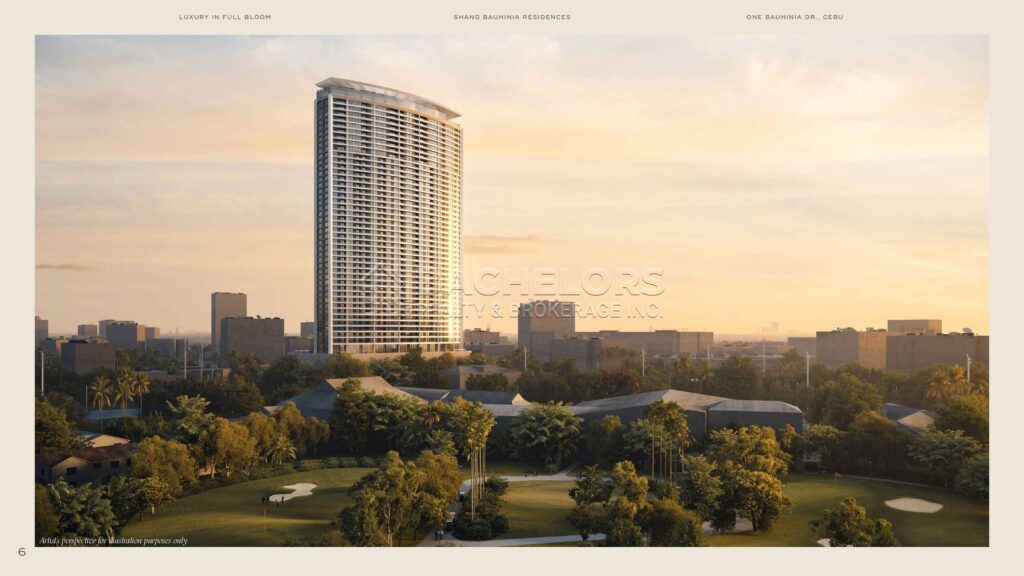
Introducing Shang Bauhinia Residences – a premier pre-selling condominium development strategically located along Bauhinia Drive, Banilad. We are just a stone’s throw away from Cebu’s busiest business hub, giving you a 5-to-10-minute commute to IT Park while offering the space, security, and tranquility that a true luxury property demands.
Stop settling for boxed-in city living. Upgrade to a legitimate 2-bedroom, 95.02 square meter sanctuary designed for the modern professional and growing family.
Unit Breakdown: Space That Works for You
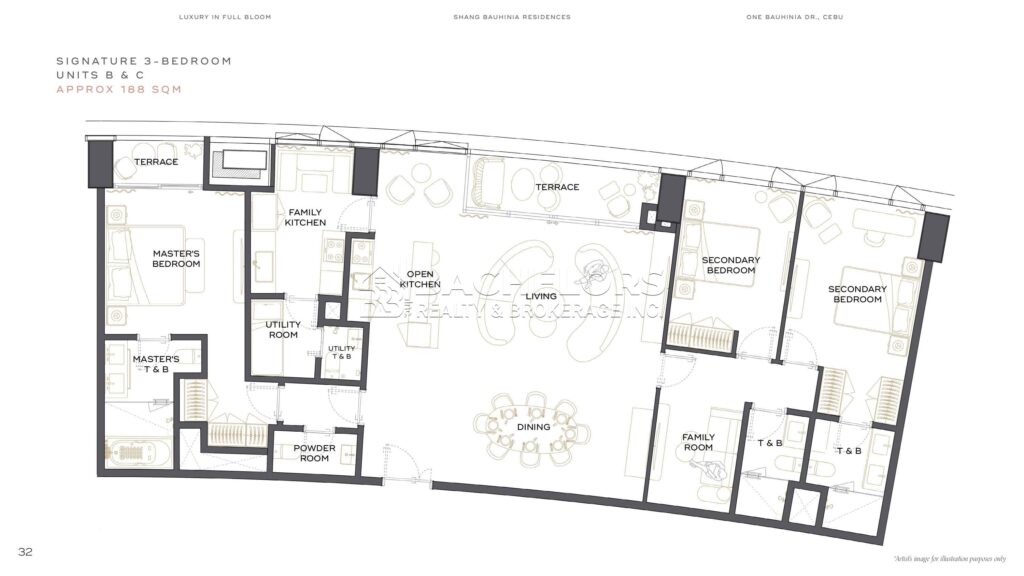
This isn’t a shoebox. With nearly 100 square meters of interior space, this 2-BR unit is built for comfort, entertaining, and work-from-home flexibility:
Master’s Suite: Spacious Master Bedroom with its own private Toilet & Bath.
Guest/Secondary BR: Perfect for children, guests, or a home office setup.
2 Toilet & Baths: No morning rush – convenience for you and your family.
Expansive Common Areas: Separate Living, Dining, and Kitchen zones that actually fit real furniture.
Bonus Room: Includes a dedicated Maid’s Room – a rare find in modern condos.
Outdoor Escape: Private Balcony to unwind after a long day at the office.
Resort-Grade Amenities for the IT Park Executive
Why fly to a resort when you come home to one? Shang Bauhinia is equipped with facilities that rival 5-star hotels, ensuring your safety, productivity, and leisure:
Work & Play: Open Co-working Space for remote days, plus an Alfresco lounge for evening relaxation.
5-Star Arrival: Grand Lobby & Reception with an exclusive Drop-off bay for guests.
Uninterrupted Power:100% standby emergency power – because we know you can’t afford downtime.
Total Security: 24/7 Security, CCTV in all common areas, and an Automatic Fire Detection & Sprinkler System.
Modern Convenience: High-Speed Elevators, Basement Parking, Garbage Storage, and Mailbox Areas.
Sustainable Living: Integrated Smart Home features and an on-site Waste Water Treatment Facility.
Stress-Free Ownership: Professional Property Management Services handle maintenance and tenant concerns.
Easy Entry & Bank Financing Made Simple
You don’t need to pay the full price upfront. Secure your future home with a flexible bank financing scheme designed to protect your cash flow.
Total Contract Price: ₱32,393,720.00
Step 1 – Reserve Your Unit Pay a minimal Reservation Fee of ₱150,000.00 (fully deductible from your equity).
Step 2 – Down Payment / Equity (₱12,190,446.00) Choose the option that fits your budget:
Spot Cash: Pay the equity in one go.
62-Month Installment: Pay only ₱146,910.00 per month for 63 months. Lock in today’s price while you wait for turnover!
Step 3 – Bank Loan (Loanable Amount: ₱18,510,697.00) After completing your equity, finance the balance through your preferred bank. Choose your ideal monthly amortization:
Prime Geographical Advantage: Situated on Bauhinia Drive, Banilad, you are minutes away from IT Park, Cebu Business Park, leading schools, and top hospitals.
High Rental Yield: With IT Park expanding, the demand for 2-BR luxury rentals is skyrocketing. Your monthly amortization can easily be covered by rental income from expats or senior BPO executives.
Appreciation Guarantee: With a turnover period of 3 years and up, your property will significantly appreciate before you even receive your keys.
Units are limited in this exclusive pre-selling phase. If you’re looking for a 2-bedroom luxury condo near IT Park Cebu City, this is the only address that checks all the boxes.
Schedule your private viewing or request a sample bank computation today. Don’t wait until prices increase at turnover.
Contact us now to reserve your floor plan.
Author John Paul Ybañez Paquibot Licensed Real Estate Broker | PRC No. 00014132 | DHSUD No. CVRFO-B-03/18-2672 Bachelors Realty and Brokerage, Inc. Cebu G/F Cap Building, Brgy. Corner, Osmeña Blvd. Arlington Pond St. Extension, Cebu City, 6000 Cebu
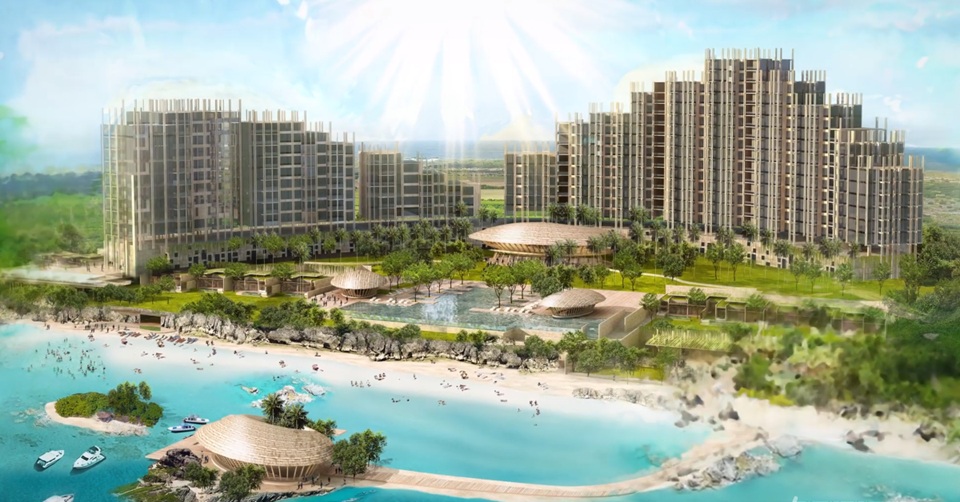
Experience an exclusive beachfront lifestyle where five-star resort living meets refined home comfort. Developed by Rockwell Land, Aruga Mactan Resort and Residences is a low-density coastal sanctuary positioned along prestigious Punta Engaño Road in Lapu-Lapu City, Cebu.
Spanning 72 square meters, this ready-for-occupancy (RFO) 1-bedroom residence offers high-end finished interiors, efficient utility space, and seamless access to 270 meters of private white sand shoreline.
Residence Layout & Design Highlights
Thoughtfully proportioned across 72 square meters of finished living space, this 1-bedroom layout provides ideal efficiency for professionals, couples, or vacation homeowners:
Primary Bedroom: Spacious bedroom suite featuring personal closet space and natural light.
Full Bathroom: Finished toilet and bath equipped with premium fixtures.
Living & Dining Area: Open-concept floor plan designed for effortless daily living and entertaining.
Private Balcony: Outdoor balcony space extending directly off the main living area.
Kitchen & Service Core: Dedicated kitchen setup complete with an integrated service area for laundry and utility storage.
Resort-Style Amenities & Estate Features
Set within a 5.2-hectare gated community alongside Mactan’s finest 5-star destinations, residents enjoy complete access to world-class amenities:
Water Facilities: 270 meters of continuous white sand beach, adult swimming pool, kids’ pool, and full-length lap pool with surrounding lounge decks.
Wellness & Productivity: State-of-the-art fitness gym, yoga and meditation room, children’s play area, and an open co-working space.
Property Services: Exclusive drop-off bay, grand lobby, amenity lounge, guest suites, viewing deck, outdoor parking area, and dedicated property management by Rockwell Land.
Safety & Infrastructure: 100% standby emergency generator power, 24/7 security with CCTV monitoring in common areas, automated fire sprinkler/alarm systems, and an eco-friendly wastewater treatment facility.
Executive Investment & Payment Terms
Location: P.E. Road, Punta Engaño, Lapu-Lapu City, Cebu
Development Status: Ready for Occupancy (RFO)
Total Contract Price (TCP): ₱33,208,206.00
Reservation Fee: ₱100,000.00 (Deductible from Down Payment)
Down Payment / Equity Options
Total Equity Required: ₱9,862,462.00
Spot DP Option: ₱3,220,821.00 / month
Extended Equity Option: ₱127,724.00 / month (Spread over 52 months)
Estimated Bank Financing Terms (Loan Balance: ₱23,245,744.20)
20-Year Term: ₱166,539.73 / month
15-Year Term: ₱196,160.80 / month
10-Year Term: ₱258,075.42 / month
5-Year Term: ₱449,405.36 / month
Private Inquiries & Site Tour: Contact our licensed real estate team today to schedule an exclusive viewing of this 1-bedroom residence or to request personalized sample computations.
Author John Paul Ybañez Paquibot Licensed Real Estate Broker | PRC No. 00014132 | DHSUD No. CVRFO-B-03/18-2672 Bachelors Realty and Brokerage, Inc. Cebu G/F Cap Building, Brgy. Corner, Osmeña Blvd. Arlington Pond St. Extension, Cebu City, 6000 Cebu
Your Dream Beachfront Home at Aruga Mactan – Now Within Reach
Imagine owning a piece of paradise on Mactan Island’s most exclusive beachfront. Picture yourself waking up to the gentle sound of waves, stepping onto your balcony to catch the morning sun rising over the Hilutungan Channel, and knowing that the beach is just steps from your door. This is not a fantasy—this is everyday life at the 2-bedroom beachfront residence at Aruga Mactan Resort and Residences.
Developed by the prestigious Rockwell Land, Aruga Mactan represents the pinnacle of coastal living in Cebu. Located along Punta Engaño Road in Lapu-Lapu City, this ready-for-occupancy residence offers the perfect opportunity to own a Rockwell-branded beachfront property at an accessible price point.
Thoughtfully Designed for Modern Coastal Living
Spanning 96 square meters of meticulously finished living space, this 2-bedroom residence proves that luxury does not require excess square footage. Every inch has been carefully planned to maximize comfort, functionality, and the signature Rockwell quality.
Step inside and discover a home crafted for modern living:
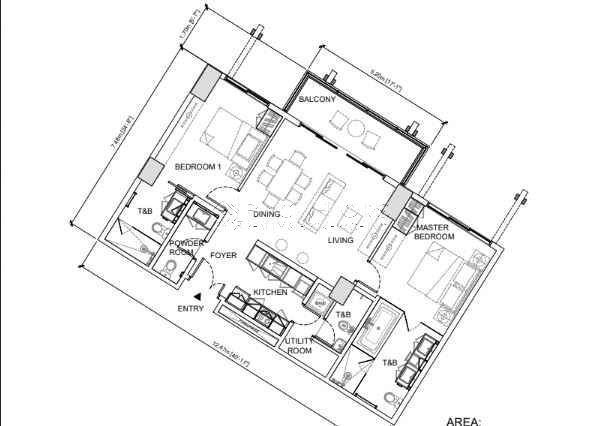
Two generously proportioned bedrooms, with the Master’s Bedroom featuring its own en-suite toilet and bath
A dedicated guest powder room for visitors, maintaining the privacy of your personal quarters
An open-plan living and dining area that creates a seamless flow for entertaining
A fully equipped kitchen with premium finishes
A private balcony offering coastal views that become your daily backdrop
A maid’s room with service access for effortless household management
Thoughtful storage solutions throughout
Unlike cramped tourist condos that prioritize quantity over quality, Aruga is designed with fewer units and more space. The result? A peaceful, uncrowded living environment where you can truly relax and unwind.
World-Class Amenities for Everyday Resort Living
At Aruga Mactan, your home extends far beyond your front door. The collection of resort-grade amenities transforms every day into a vacation experience.
For relaxation and recreation:
Multiple swimming pools including adult pool, kids’ pool, and lap pool
Private beachfront access with 270 meters of pristine shoreline
Pool deck and lounge areas for sunbathing and socializing
Viewing deck offering breathtaking ocean vistas
Guest suites for your visiting family and friends
For wellness and productivity:
State-of-the-art fitness gym with modern equipment
Meditation and yoga room for mindfulness and relaxation
Open co-working space for remote work and collaboration
Amenity lounge for social gatherings and events
For families:
Dedicated kids’ and children’s play area
Safe, secure environment for children to explore and play
For peace of mind:
100% standby emergency power – never be left in the dark
24/7 security with professional guards ensuring your safety
CCTV monitoring in all strategic common areas
Automatic fire detection and sprinkler systems
Exclusive drop-off bay for private, sheltered arrivals
High-speed elevators for effortless building access
Professional property management services maintaining the estate to Rockwell’s exacting standards
Wastewater treatment facility reflecting a commitment to sustainability
The development spans 5.2 hectares of sanctuary space, with residential towers and villas thoughtfully positioned to maximize ocean views and preserve the natural beauty of the coastline.
Why Aruga Mactan Is the Smartest Beachfront Investment
Aruga Mactan represents an accessible entry point into Rockwell Land’s signature luxury beachfront living. While larger units command higher prices, this 2-bedroom residence offers the same world-class amenities, the same private beach access, and the same prestigious Rockwell brand at a more attainable price point.
What makes this property exceptional:
Rockwell Land’s signature quality—the same developer behind Manila’s most prestigious addresses
270 meters of private beachfront—the longest in Mactan, ensuring unobstructed ocean views
Low-density, exclusive living with fewer units sharing the beachfront
Purpose-built homes with hospitality-grade proportions
Professional, long-term property management that preserves and enhances asset value
Timeless finishes that maintain strong resale appeal
Accessible price point making Rockwell beachfront living achievable
For buyers looking to experience the Rockwell lifestyle without the seven-figure price tag of larger units, this 2-bedroom residence offers the perfect balance of luxury and value.
Prime Location – The Heart of Mactan’s Finest
Situated in Barangay Punta Engaño, Aruga Mactan occupies a prime stretch of beachfront land surrounded by established luxury resorts such as Shangri-La Mactan, overlooking Magellan Bay and the Hilutungan Channel.
Connectivity and convenience:
Only 12.5 kilometers from Mactan-Cebu International Airport – international travel is effortless
Just 4.4 kilometers from the Lapu-Lapu Shrine – immerse yourself in local history and culture
Close to Crimson Resort & Spa and other premium hospitality destinations
Gateway to island-hopping adventures with world-class diving and exploration
Approximately 15 to 20 minutes from the airport
Despite its exclusivity and beachfront setting, the property offers the perfect balance of privacy and convenience—a beach community escape that remains practical for full-time residence and frequent travel.
Flexible Bank Financing – Your Beachfront Dream Is Within Reach
This rare, ready-for-occupancy beachfront residence is available through straightforward bank financing.
Total Price: ₱44,130,062.00
Reservation Fee: ₱100,000.00 – this amount is deductible from your down payment/equity.
Down Payment / Equity: ₱13,139,019.00
Down payment options:
Option 1 (Spot DP): ₱4,313,006.00 – pay your entire equity in one go for maximum flexibility
Option 2: ₱169,731.00 per month for 52 months – spread your down payment over time
Loanable Amount: ₱30,891,043.00 (the balance after your down payment)
Estimated monthly amortization through bank financing:
For a 20-year term: ₱221,313.03 per month
For a 15-year term: ₱260,676.18 per month
For a 10-year term: ₱342,953.91 per month
For a 5-year term: ₱597,210.40 per month
Choose the term that best fits your financial strategy.
Who Is This Home For?
This 2-bedroom residence is ideal for:
Young professionals and couples seeking a beachfront home
Small families looking for a secure, family-friendly community
Overseas Filipinos wanting a legacy property in Cebu
Investors seeking a Rockwell-branded asset with strong appreciation potential
Buyers wanting premium beachfront living at a more accessible price point
Your Private Coastal Sanctuary Awaits
This is not a pre-selling promise—it’s a ready-for-occupancy reality. Skip the years of waiting and step directly into the lifestyle you’ve earned.
Opportunities to own a Rockwell-branded beachfront residence at this price point are extraordinarily rare. With limited inventory and Rockwell’s disciplined management ensuring long-term value, this is a smart investment in your future.
Schedule your exclusive private viewing today. Walk the shores of your future private beach. Stand on your balcony and take in the views that will be yours every single morning. Experience firsthand why Aruga Mactan is the standard by which all other coastal properties in Cebu are measured.
For inquiries and exclusive showings, contact our licensed real estate professionals today.
This property is brought to you by Rockwell Land – setting the standard for luxury living in the Philippines.
Author John Paul Ybañez Paquibot Licensed Real Estate Broker | PRC No. 00014132 | DHSUD No. CVRFO-B-03/18-2672 Bachelors Realty and Brokerage, Inc. Cebu G/F Cap Building, Brgy. Corner, Osmeña Blvd. Arlington Pond St. Extension, Cebu City, 6000 Cebu
Imagine waking up every morning to panoramic sea views over the Hilutungan Channel, where the gentle sound of ocean waves creates an everyday resort retreat. Developed by Rockwell Land—the gold standard of luxury real estate in the Philippines—Aruga Mactan Resort and Residences is an exclusive, low-density beachfront estate along Punta Engaño Road in Lapu-Lapu City, Cebu.
Spanning 144 square meters, this ready-for-occupancy (RFO) 3-bedroom residence offers hospitality-grade finishes, true family privacy, and direct access to 270 meters of private white sand shoreline.
Residence Layout & Interior Highlights
Designed with generous spatial proportions and premium finishes, this 144 sqm residence is fully equipped for immediate turn-key move-in:
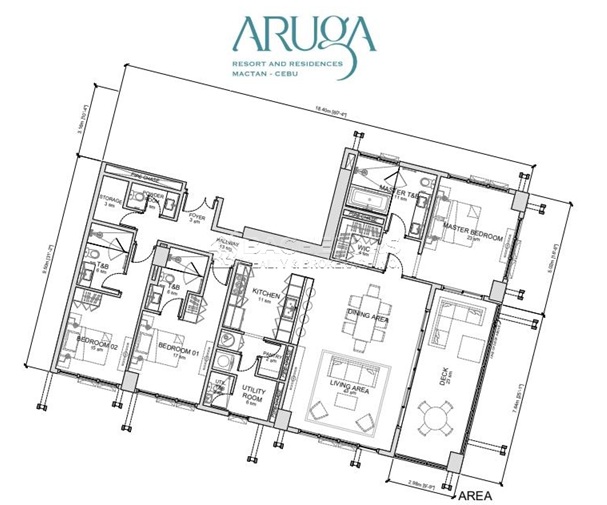
3 Primary Bedrooms: Each bedroom features its own en-suite full bathroom for maximum personal space.
Master Suite: Includes a private walk-in closet and a master bath with high-end fixtures.
Living & Dining Area: An open-concept floor plan flowing directly onto a private ocean-facing balcony.
Guest Amenities: Includes a dedicated powder room off the formal foyer for visiting guests.
Service Core & Utility: Separate service area, main kitchen, and dedicated maid’s room with its own private toilet and bath.
Included Appliance Package: Fully fitted with premium SMEG kitchen appliances (induction cooktop, oven, range hood, refrigerator), split-type air conditioning, and washer/dryer.
Set inside a 5.2-hectare beachfront sanctuary neighboring top 5-star destinations like Shangri-La Mactan and The Reef, residents enjoy exclusive access to private community amenities:
Water Facilities: 270 meters of continuous white sand beach, adult swimming pool, children’s pool, lap pool, and pool lounge decks.
Wellness & Recreation: State-of-the-art fitness center, yoga and meditation room, children’s play areas, open co-working space, and a scenic viewing deck.
Estate Infrastructure: 100% standby power generator, 24/7 security with CCTV monitoring, automated fire safety systems, exclusive drop-off bays, and dedicated property management by Rockwell.
Convenient Connectivity: Located just 12.5 km (15 to 20 minutes) from Mactan-Cebu International Airport (MCIA), putting international travel within easy reach.
Investment Summary & Flexible Financing Terms
Location: P.E. Road, Punta Engaño, Lapu-Lapu City, Cebu
Development Status: Ready for Occupancy (RFO)
Total Contract Price (TCP): ₱67,581,897.00
Reservation Fee: ₱100,000.00 (Deductible from Down Payment)
Down Payment / Equity Structure
Total Equity Required: ₱20,174,569.00
Spot DP Option: ₱6,658,190.00 / month
Extended Equity Option: ₱259,930.00 / month (Spread over 52 months)
Bank Financing Options (Loan Balance: ₱47,307,328.00)
20-Year Term: ₱338,924.39 / month
15-Year Term: ₱399,206.12 / month
10-Year Term: ₱525,208.33 / month
5-Year Term: ₱914,583.18 / month
Author John Paul Ybañez Paquibot Licensed Real Estate Broker | PRC No. 00014132 | DHSUD No. CVRFO-B-03/18-2672 Bachelors Realty and Brokerage, Inc. Cebu G/F Cap Building, Brgy. Corner, Osmeña Blvd. Arlington Pond St. Extension, Cebu City, 6000 Cebu
Unlock a massive commercial development acquisition on the coastline of San Vicente, Olango Island, Lapu-Lapu City, Cebu. This sprawling 76,906-square-meter (7.69-hectare) beachfront estate features over 308 meters of continuous shoreline frontage facing Cebu’s premier marine tourism corridor.
Located parallel to the globally recognized Olango Island Wildlife Sanctuary (the Philippines’ first designated Ramsar site), this contiguous property offers an unprecedented foundation for a luxury resort, eco-tourism destination, or master-planned coastal community.
Executive Property Overview
Location: San Vicente, Olango Island, Lapu-Lapu City, Cebu, Philippines
Total Land Area: 76,906 square meters (7.69 Hectares)
Selling Price: ₱8,000 per square meter (Net Price)
Total Investment Value: ₱615,248,000.00
Shoreline Access: 308.82 meters of combined beachfront
Land Composition & Shoreline Frontage
This contiguous 7.69-hectare lot is composed of three adjoining parcels offering significant flexibility for large-scale resort or residential zoning.
Parcel Breakdown
Lot 6229: 11,906 sqm | Beachfront Frontage: 95.67 meters
Lot 6230: 55,414 sqm | Beachfront Frontage: 149.50 meters
Lot 6231-A: 9,586 sqm | Beachfront Frontage: 63.65 meters
Ecological Advantage: Includes a dedicated 3-meter strip running parallel to the Olango Island Wildlife Sanctuary, offering a permanent natural buffer and direct eco-tourism integration.
Prime Development Possibilities
With land prices in Olango offering exceptional long-term value compared to congested tourist hubs, this 7.69-hectare property is suited for major commercial developments:
Integrated Beach Resort & Spa: Luxury guest villas, oceanfront dining, and water activity centers catering to international visitors.
Eco-Tourism & Wellness Destination: Sustainable eco-resorts taking advantage of the bird-watching sanctuary and rich marine life.
Luxury Villa Enclave & Residential Subdivision: Exclusive private beachfront estates or a master-planned island community.
Marina & Waterfront Project: Deepwater access ideal for yacht clubs, private boat docks, and island-hopping operations.
Nature Park & Recreational Complex: Ecotourism attractions, mangrove boardwalks, and diving centers.
Strategic Location & Connectivity
Situated in Lapu-Lapu City’s eco-tourism hub, Olango Island offers an ideal mix of nature and urban proximity:
Eco-Tourism Capital: Home to the Olango Island Wildlife Sanctuary, mangrove ecosystems, and famous diving spots like Talima Marine Sanctuary.
Island-Hopping Hub: Direct access to popular island-hopping destinations, including Nalusuan, Caohagan, and Gilutongan islands.
Access to Main Gateways: A short boat ride from mainland Mactan, putting the property within easy reach of Mactan-Cebu International Airport (MCIA) and major luxury resorts.
Author John Paul Ybañez Paquibot Licensed Real Estate Broker | PRC No. 00014132 | DHSUD No. CVRFO-B-03/18-2672 Bachelors Realty and Brokerage, Inc. Cebu G/F Cap Building, Brgy. Corner, Osmeña Blvd. Arlington Pond St. Extension, Cebu City, 6000 Cebu
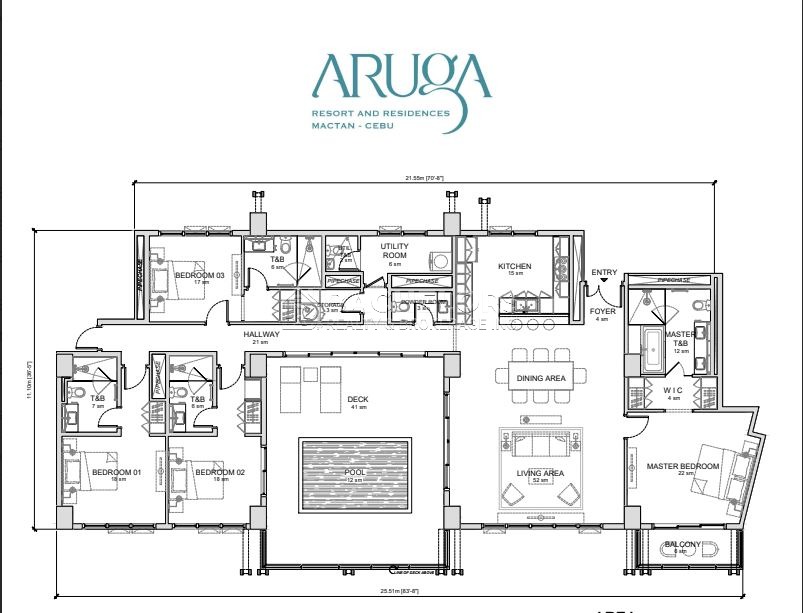
Experience ultra-premium coastal living along the pristine shores of Punta Engaño, Lapu-Lapu City. This expansive 4-bedroom beachfront residence at Aruga Resort and Residences – Mactan offers an unmatched blend of Rockwell’s signature luxury, generous living spaces, and world-class resort amenities. Fully finished and ready for occupancy, this unit is built for discerning buyers seeking an exclusive tropical sanctuary or an exceptional real estate acquisition in Central Visayas.
Coastal Elegance Meets Expansive Layouts
Spanning 292 square meters of masterfully crafted indoor and outdoor spaces, this residence is designed to maximize ocean breezes, natural light, and ultimate privacy.
Residence Features & Layout
Master Suite: Features a private En-Suite Bathroom and a dedicated Walk-in Closet.
Additional Bedrooms: Generously sized rooms with private storage and direct bath access.
Bathrooms: 5 complete Toilets and Baths plus a dedicated Powder Room for guests.
Living & Dining Areas: Expansive open-concept living space perfect for family gatherings and formal hosting.
Kitchen & Service Area: Functional main kitchen paired with a separate service area.
Maid’s Room: Dedicated staff quarters with service access.
Foyer & Balcony: Welcoming entrance foyer leading out to a private balcony with sweeping views.
World-Class Resort Amenities & Facilities
Living at Aruga Mactan gives you direct access to 270 meters of private white sand beachfront alongside a complete suite of wellness and leisure facilities managed to Rockwell’s exacting standards.
Premium Amenities
Resort Pools: Dedicated Adult Pool, Kids Pool, and a specialized Lap Pool.
Leisure & Social: Amenity Lounge, Viewing Deck, Children’s Play Area, and an Open Co-working Space.
Guest Suites & Reception: Grand Lobby with Reception Area and exclusive Guest Suites for visiting friends or family.
Building & Safety Features
100% Standby Emergency Power
24/7 Security and Strategic CCTV Monitoring
Exclusive Drop-off Bay and High-Speed Elevators
Automatic Fire Detection, Alarm, and Sprinkler Systems
Dedicated Garbage Storage and On-site Wastewater Treatment Facility
Professional Property Management Services
Prime Location: Punta Engaño, Lapu-Lapu City, Cebu
Situated along P.E. Road in Punta Engaño, this address places you right in Cebu’s most prestigious resort corridor:
Short drive to Mactan-Cebu International Airport (MCIA)
Direct access to top luxury resort hotels, fine dining, and yacht clubs
Seamless connectivity to mainland Cebu via modern bridge networks
Investment & Payment Terms (Bank Financing)
Property Status: Ready for Occupancy (RFO)
Total Price: ₱182,817,750.00
Reservation Fee: ₱100,000.00 (Deductible from Downpayment/Equity)
Downpayment / Equity: ₱36,463,550.00
Option 1 (12 Months): ₱4,570,444.00 / month
Option 2: Spot Downpayment available upon request
Estimated Bank Financing Terms (Loanable Amount: ₱146,254,200.00)
20 Years: ₱1,047,810.51 / month
15 Years: ₱1,234,176.05 / month
10 Years: ₱1,623,721.47 / month
5 Years: ₱2,827,503.42 / month
Author John Paul Ybañez Paquibot Licensed Real Estate Broker | PRC No. 00014132 | DHSUD No. CVRFO-B-03/18-2672 Bachelors Realty and Brokerage, Inc. Cebu G/F Cap Building, Brgy. Corner, Osmeña Blvd. Arlington Pond St. Extension, Cebu City, 6000 Cebu
A rare, high-value land banking and development opportunity in South Cebu. This contiguous 23-hectare (230,000 sqm) prime land parcel is located in Barangay Tuyom, Carcar City—a rapidly expanding commercial and heritage corridor.
Cleanly titled and priced at an attractive rate, this expansive property is ideal for major land developers, industrial groups, or institutional investors seeking a long-term capital appreciation asset.
Property Highlights & Details
Total Lot Area: 23 Hectares (230,000 sq.m.)
Location: Barangay Tuyom, Carcar City, Cebu, Philippines
Title Status: Clean Title (Titled Property)
Price per Sqm: ₱4,000 / sq.m.
Total Selling Price:₱920,000,000
Strategic Advantages & Development Potential
Prime South Cebu Growth Hub: Carcar City serves as the primary economic gateway connecting Metro Cebu to the southern municipalities.
Versatile Master-Plan Potential: With 230,000 sqm of contiguous space, the property is suitable for:
Master-Planned Residential Subdivisions or Townships
Logistics Hubs, Warehousing, or Light Industrial Parks
Eco-Tourism, Coastal Resort, or Mixed-Use Developments
Commercial Complexes or Solar Energy Projects
High ROI Land Banking Asset: Titled properties of this scale near coastal corridors are increasingly rare in Cebu. Acquiring at ₱4,000/sqm offers significant entry-point upside as regional infrastructure continues to expand.
Inquiries & Due Diligence
Price: ₱920 Million Pesos (Gross)
Documents: Complete titling documents, boundary maps, and lot profiles are available for verified buyers upon request.
Contact us today to schedule a site inspection or request the property profile.
Author John Paul Ybañez Paquibot Licensed Real Estate Broker | PRC No. 00014132 | DHSUD No. CVRFO-B-03/18-2672 Bachelors Realty and Brokerage, Inc. Cebu G/F Cap Building, Brgy. Corner, Osmeña Blvd. Arlington Pond St. Extension, Cebu City, 6000 Cebu