Author: admin

  • Maria Luisa Estate Park

    Maria Luisa Estate Park stands as the crown jewel of Cebu’s residential landscape—a sprawling, ultra-exclusive enclave that has defined high-end living in the Visayas for over six decades. Often referred to as the “Forbes Park of the South,” this prestigious 200-hectare development represents the gold standard of Philippine real estate, blending high-security privacy with the natural beauty of Cebu’s rolling hills.

    The estate is more than a premium subdivision; it is an enduring symbol of success. Its name alone is synonymous with custom-built multi-level mansions, old-money heritage, and panoramic views of the Cebu City skyline, Mactan Channel, and the surrounding mountain ridges.


    Historical Background & Developer Credibility

    The Founding Vision

    The legacy of Maria Luisa Estate Park began in 1965 when visionary developer Mary Renner Osmeña launched a modest 10-hectare high-end residential community. Recognizing the elite’s desire for an escape from the city lowlands, the project steadily expanded across the borders of Banilad and Busay into a master-planned 200-hectare ecosystem.

    Corporate Stewardship

    The development is managed and preserved under the Maria Luisa Properties group umbrella, which encompasses:

    • Agro-Macro Development Corporation
    • MRO Development Corporation
    • Renner Development Corporation
    • D’Logo Development Corporation

    While the group has expanded into diverse real estate tiers over the decades—including Redstone Village, The Highlands, and Mahogany Place—Maria Luisa Estate Park remains its ultra-luxury flagship asset, maintaining unparalleled developer credibility and high asset appreciation.


    Strategic Location, Geography & Accessibility

    Prime Hilltop Coordinates

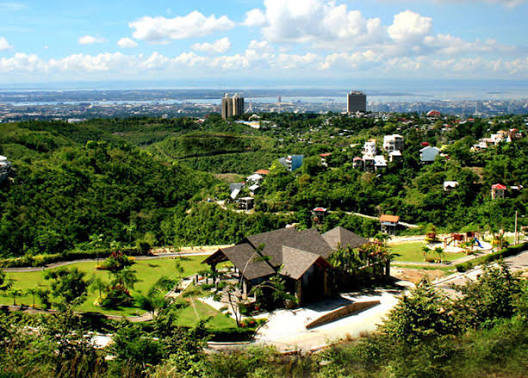
    Perched atop the Banilad and Busay hills, Maria Luisa Estate Park spans an elevation reaching up to 230 meters above sea level. This unique topography provides a cooler microclimate, cleaner air corridors, and protection from urban flooding, while keeping residents minutes away from the metropolitan center.

    Dual Gate Connectivity

    Unlike single-access subdivisions, Maria Luisa features a strategic dual-ingress infrastructure:

    • The Banilad Gate (Primary): Opens directly into the vibrant commercial strip of Banilad, positioning residents steps away from Streetscape Mall, Banilad Town Center (BTC), and Gaisano Country Mall.
    • The Busay Access Gate (Secondary): Connects directly to the Transcentral Highway, allowing residents to bypass city gridlock to reach JY Square Mall, Cebu IT Park, and Cebu Business Park within 10 to 15 minutes.

    Nearby Institutional Landmarks

    • Premium Education: Sacred Heart School–Ateneo de Cebu, Cebu International School (CIS), and University of San Carlos (Talamban).
    • Leisure & Health: Cebu Country Club golf course, UC Med, and Chong Hua Hospital Mandaue.

    Infrastructure, Civil Engineering & Elite Amenities

    What sets Maria Luisa apart from newer luxury developments is its deeply established infrastructure, engineered to withstand environmental stresses while offering world-class community assets.

    Advanced Slope Stabilization

    Due to its hilly terrain, the developer implemented rigorous civil engineering controls. Slopes along primary roadways and ridge lines are fortified with commercial-grade wire mesh, deep soil nailing, and concrete shotcreting to provide landslide-proof structural foundations for custom ridge estates.

    Independent Utilities & Backup Systems

    • Water Independence: The estate operates an autonomous water supply network powered by deep-well pumps and high-capacity storage tanks, ensuring uninterrupted water flow even during city-wide supply emergencies.
    • Power & Data: Fully provisioned with multi-provider fiber optic lines and backed up by heavy-duty standby generators for core community facilities.

    World-Class Amenities

    • The Highland Park & Clubhouse: The social core of the community, featuring function rooms, viewing decks, and swimming facilities.
    • The Emerald Lake Valley: A meticulously preserved natural valley inside the park featuring scenic picnic grounds, fully stocked fishing lagoons, and broad green pathways.
    • Sports & Wellness: Multiple professional-grade basketball courts, covered tennis courts, three fully equipped children’s playgrounds, and kilometers of tree-lined jogging paths.

    Property Types, Architectural Landscape & Enclaves

    Maria Luisa Estate Park is fundamentally a low-density, single-detached residential community. It strictly prohibits high-rise condominiums or dense townhouses, preserving the tranquility of the neighborhood.

    Architectural Diversity

    The estate serves as an open-air gallery for prominent Filipino and international architects. Rather than cookie-cutter templates, the streets are lined with diverse architectural styles, including mid-century modern estates, minimalist glass structures, tropical pavilions, and classic Mediterranean stone villas.

    Distinct Sub-Enclaves

    • Mahogany Place: An exclusive phase within the estate known for high-end turnkey villas, typically showcasing 3 to 5-bedroom configurations with premium finishes, master suites, and multi-car carports.
    • Phase 8 & 11 (High Ridge): Coveted for having the steepest terrain but the most dramatic, unobstructed views of the city lights and the Visayan Sea. These phases often feature secondary guarded internal gates for layered security.

    2026 Real Estate Valuation & Investment Analysis

    Property values inside Maria Luisa Estate Park have experienced aggressive, sustained appreciation. As open land inventory within Cebu City’s center hits absolute saturation, the demand for these limited heritage plots continues to outpace supply. According to BambooRoutes’ 2026 Cebu real estate report, Maria Luisa Estate Park is the most expensive neighborhood in Cebu for houses, with an average price per square meter of ₱120,000.

    Land Market Values (2026 Data)

    • Vacant Lots (Standard): Listings show prices ranging from ₱45,000 to ₱70,000 per square meter.
    • Premium Lots: Prime residential lots are listed at ₱80,665,000 and higher, with some premium ridge lots reaching ₱90,000+ per square meter.
    • Average Plot Scale: Most lot cuts range from a substantial 400 square meters up to legacy estate cuts exceeding 2,500 square meters.

    Finished Homes & Rental Yields

    • Capital Values: The median property price in Maria Luisa is ₱65,000,000, with a starting budget of approximately ₱35,000,000. High-end residences regularly list between ₱145,000,000 and ₱300,000,000+.
    • Leasing Market: Driven strongly by multinational executives, expatriates, and diplomats, monthly rental rates range from ₱120,000 to ₱500,000+ per month, depending on size, view, and furnishings.

    Security Protocols & Community Management

    Privacy and security are the primary reasons high-net-worth individuals choose Maria Luisa Estate Park.

    • Layered Perimeter Access: The neighborhood utilizes strict 24/7 manned security checkpoints at both the Banilad and Busay gates. Visitors are required to undergo verification with residents before entry is permitted.
    • Roving Tactical Patrols: Dedicated, armed security details patrol the vast internal road networks constantly.
    • Proactive Homeowners Association: The Maria Luisa Homeowners Association strictly enforces building height limits, setback rules, noise ordinances, and environmental codes to preserve the estate’s natural beauty and long-term property values.

      Author
      John Paul Ybañez Paquibot
      Licensed Real Estate Broker | PRC No. 00014132 | DHSUD No. CVRFO-B-03/18-2672
      Bachelors Realty and Brokerage, Inc. Cebu
      G/F Cap Building, Brgy. Corner, Osmeña Blvd.
      Arlington Pond St. Extension, Cebu City, 6000 Cebu

    • 1016 Residences Cebu

      In the heart of Cebu’s most prestigious business district, a single 24-storey tower rises with an air of quiet exclusivity that sets it apart from the dense, micro-condo developments saturating the modern market. 1016 Residences is not merely a place to live; it is a statement of refined taste. Developed by the powerhouse partnership of Ayala Land Premier (ALP) and Cebu Holdings, Inc., this ultra-low-density residential enclave represents the absolute pinnacle of sophisticated urban living in the Queen City of the South.

      By limiting the entire building to just 109 exclusive residential units—averaging approximately six units per floor—the development rejects the hustle of high-density living. Instead, it delivers an intimate community atmosphere where privacy, tranquility, and long-term asset retention are paramount. Whether you are an affluent local professional, a corporate expatriate, or a discerning investor, 1016 Residences offers a lifestyle that balances high-grade urban convenience with the serenity of a private sanctuary.


      Prime Location & Unrivaled Lifestyle Connectivity

      Location is the golden rule of real estate, and 1016 Residences sits at the absolute epicenter of Cebu’s economic and cultural heartbeat. Situated along Masbate Road within the master-planned Cebu Business Park, residents enjoy a rare combination of dynamic city access and secure, serene residential ambiance.

      Proximity to Key Landmarks

      The strategic positioning ensures that everything a resident could possibly need is just a stone’s throw away. A quick, direct stroll leads to Ayala Center Cebu, granting immediate access to world-class retail boutiques, gourmet dining, and premium entertainment options. For business travelers and professionals, the property is adjacent to premier office towers, Seda Ayala Center Cebu, and a short drive from the bustling Cebu IT Park. Furthermore, seamless connectivity to major arterial roads ensures smooth transits to the historic city center, the busy sea ports, and the Mactan-Cebu International Airport.

      The City Sports Club Cebu Integration

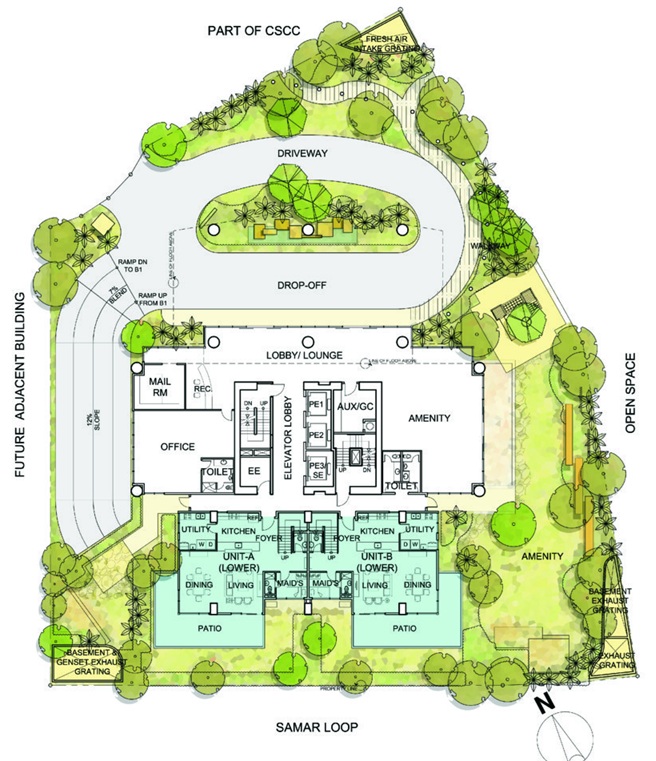
      Perhaps the most distinguishing feature of 1016 Residences—and one that no other luxury tower in the region can claim—is its direct, exclusive physical connection to the City Sports Club Cebu (CSCC). Every residence comes with integrated club usage rights, granting homeowners privileged access through a secure walkway that connects the residential tower directly to the club complex. This seamless integration effectively gives residents a private country club at their doorstep, featuring an Olympic-sized swimming pool, tennis and squash courts, a state-of-the-art fitness center, a bowling alley, and multiple fine-dining options.


      Architectural Excellence & Sustainable Engineering

      The architectural vision of 1016 Residences is one of contemporary sophistication. Clean structural lines and a modern aesthetic are utilized not just for visual appeal, but to frame the breathtaking panoramic views of the Visayan Sea and the surrounding mountain ranges.

      The interior architecture and common areas—spanning approximately 500 square meters of estate space—were executed by the renowned firm Asuncion Berenguer, Inc. (ABI). Their design program covers everything from the soaring, high-ceiling ground-floor lobby and reception zones to the passenger lift lobbies and the open-air relaxation decks.

      Sustainable Engineering & Layout Design:
      The building is structurally engineered to harness natural airflow. Corridors and elevator lobbies are designed to maximize cross-ventilation, significantly reducing energy dependency. Utilizing a corner-unit layout strategy, the low-density floor plan ensures that every single residence occupies a building corner, thereby maximizing natural light, panoramic views, and efficient cross-ventilation. To optimize indoor climate control, localized inverter-type air conditioning units are standard installations throughout the tower, reinforcing the development’s commitment to eco-efficient modern living.


      Premium Residential Units: Floor Plans & Specifications

      Every private residence at 1016 Residences is designed to amplify space and light. Featuring high ceilings, expansive glass panels, and open-plan layouts, each unit feels larger than its square footage suggests. Interiors are finished with high-quality materials, including natural stone, premium hardwood, and high-grade porcelain tiles.

      Kitchens are pre-fitted with European-grade cabinetry and top-tier integrated appliances, while master and common bathrooms feature designer sanitary installations from global leaders like Kohler and Grohe. Below is the exact breakdown of the unit mix available within the tower, designed to cater to different family sizes and lifestyle requirements.

      Two-Bedroom (2BR) Units:
      With a total volume of 66 units, these residences are the most abundant yet highly sought-after floor plans in the building. They offer a spacious floor area ranging from 98 to 110 square meters, complemented by private balconies spanning 5 to 9 square meters. Each unit is allocated 1 basement parking slot, making this configuration ideal for small families, young professionals, or high-level executives.

      Three-Bedroom (3BR) Units:
      Catering to larger families who desire more room to entertain, the tower features 32 units of this configuration. These homes range from 131 to 146 square meters of internal living space, with outdoor balconies expanding from 8 to 12 square meters. Each of these units comes with 2 secure basement parking slots to accommodate the needs of a growing household.

      Three-Bedroom Special & Penthouse Suites:
      Sitting at the absolute zenith of Cebu luxury, this category comprises 11 ultra-exclusive units. With floor areas ranging from 184 to an expansive 238 square meters, these residences often feature wrap-around terraces, multi-level loft spaces, and roof decks up to 37 square meters. They include independent helper’s quarters with dedicated toilets and baths, plus isolated washing and drying zones. Owners of these penthouses are allocated 2 dedicated basement parking slots for ultimate convenience.


      World-Class On-Site Amenities

      While the direct City Sports Club access is the headline act, the tower itself hosts a curated suite of private amenities designed for relaxation, safety, and community interaction without ever leaving the premises.

      • Landscaped Gardens & Courtyards: Thoughtfully manicured green spaces that provide a quiet, natural escape from the surrounding urban jungle.
      • The Roof Deck Lounge: An open-air pavilion offering dramatic, unobstructed 360-degree views of the Cebu skyline and surrounding topography—perfect for hosting private events.
      • Elegantly Appointed Lobby Lounge: A secure, high-ceiling ground floor area intended for welcoming guests and casual social gatherings in a refined atmosphere.
      • Dedicated Kiddie Play Area: A safe, monitored space designed specifically for the recreation of younger residents, ensuring families have a secure environment for children to play.

      Security, Utilities, and Technical Infrastructure

      To provide absolute peace of mind, Ayala Land Premier integrated redundant, industrial-grade utility systems directly into the building’s core infrastructure. These systems ensure that daily life continues without interruption, even in the event of a city-wide outage.

      • 100% Full Back-Up Power: Dual generators guarantee that both common areas and individual private residences remain completely operational during blackouts.
      • Proximity Card Access Control: Electronic card readers restrict access to all basement parking levels and elevator lifts, ensuring that only verified residents and their guests can move freely through the building.
      • 24/7 Security Command: Round-the-clock physical patrols are paired with a network of CCTV surveillance cameras monitoring all entrance, exit, and shared pathways.
      • Advanced Fire Safety Networks: Integrated smoke and heat detection arrays are paired with centralized automatic fire sprinkler systems throughout all 24 floors.
      • Data & Communication Hubs: Pre-installed structural infrastructure for CATV, multiple phone landlines, and a direct audio guest annunciator intercom system fitted with a one-touch emergency duress button.

      Investment Value & Real Estate Market Position

      1016 Residences firmly occupies the ultra-premium segment of the Visayas real estate market. Because the project was completed and turned over in the third quarter of 2014, investors face zero construction or developer-delivery risk. This allows for immediate occupancy or immediate generation of rental income.

      Market Valuation & Pricing Metrics

      The secondary market for 1016 Residences is robust and resilient. Current resale values generally float between PHP 18 million and PHP 50 million, highly dependent on unit size, customization, floor height, and facing views.

      On a per-square-meter basis, the property commands an average valuation of PHP 180,000 to PHP 275,000—a significant premium over the wider Cebu City condominium median of USD 2,100 to 2,700 per square meter. This premium is justified by the Ayala Land Premier pedigree, the ultra-low density, and the highly coveted City Sports Club Cebu access.

      Rental Market Performance & Investor Yields

      For buy-and-hold investors, the development consistently maintains an impressive occupancy rate of 94% to 96%, driven by robust corporate tenant demand from executives and expatriates stationed at the nearby IT Park and Business Process Outsourcing (BPO) headquarters. Long-term lease rates currently range from PHP 75,000 per month for standard two-bedroom units up to PHP 250,000 per month for fully furnished penthouses.

      While gross rental yields of 3 to 4 percent are moderate compared to mid-range projects, 1016 Residences compensates through consistent capital appreciation and strong value retention, making it a safe harbor for large-capital investors.

      Foreign Ownership Eligibility

      Under Philippine real estate laws, foreign nationals can legally purchase and hold absolute freehold Condominium Certificates of Title (CCT) in their individual names at 1016 Residences. This is permitted as long as total foreign ownership within the entire building corporation does not exceed the legal limit of 40%. For international buyers looking for a prestigious Philippine asset, this is a highly attractive, legally secure pathway.


      Frequently Asked Questions (FAQ)

      Can foreign citizens legally buy a unit at 1016 Residences Cebu?
      Yes. Foreign nationals can purchase units under a Condominium Certificate of Title in their individual name, subject to the standard 40% foreign equity ceiling per condominium corporation. This makes it a viable option for expats seeking permanent assets in the Philippines.

      How do residents access the City Sports Club Cebu facilities?
      Every residence comes with integrated club usage rights. The building features an exclusive, secure physical walkway that connects residents directly from the residential tower into the sports club complex without needing to step outside the estate perimeter.

      What are the estimated monthly condominium dues?
      While figures vary based on annual budget adjustments, typical high-end condominium dues in Cebu Business Park range from PHP 60 to PHP 120 per square meter monthly. These fees cover 24/7 security, common area maintenance, generator readiness, landscaping, and professional property management services.

      Who handles the property management of the tower?
      The building is managed exclusively by the Ayala Property Management Corporation (APMC). This ensures that the common areas, structural utilities, and landscaping maintain the strict quality control and high standards associated with the Ayala Land Premier brand.


      Conclusion: A Legacy Address in the Queen City

      1016 Residences is more than just a condominium; it is a legacy address. It represents the culmination of Ayala Land Premier’s vision for luxury urban living in Cebu, offering a rare combination of prime location, architectural integrity, and unrivaled exclusivity. For those who value privacy, demand the finest amenities, and seek a property that retains its luster and value over decades, this development remains the gold standard in the Visayas.

      Whether as a primary family home, a secure weekend retreat, or a blue-chip investment asset, 1016 Residences offers a distinctive address that embodies the very best of modern living in the Queen City of the South.

        Author
        John Paul Ybañez Paquibot
        Licensed Real Estate Broker | PRC No. 00014132 | DHSUD No. CVRFO-B-03/18-2672
        Bachelors Realty and Brokerage, Inc. Cebu
        G/F Cap Building, Brgy. Corner, Osmeña Blvd.
        Arlington Pond St. Extension, Cebu City, 6000 Cebu
      • Best Condos in Cebu: An Honest 2026 Guide for Buyers and Renters

        Cebu’s skyline is transforming at an unprecedented pace. By the end of 2025, Metro Cebu’s condominium stock reached 92,300 units—the largest residential supply hub outside Metro Manila. With an estimated 4,000 new units completing every year, the market is projected to breach 109,000 units before the end of the decade.

        For buyers and renters in 2026, this massive inventory means massive opportunity—but it also introduces a lot of noise. Cebu posted an 87‑percent condominium take‑up rate early this year, meaning the demand is real, but it is hyper‑concentrated. The days of buying any pre‑selling unit and counting on automatic appreciation are over. Today, building execution, developer track record, and hyper‑local positioning dictate your return on investment.

        This guide cuts through the marketing fluff. Here is what you actually need to know about the best condos in Cebu in 2026, where to look, what to pay, and what to watch out for.


        The Honest Truth About Cebu’s Condo Market in 2026

        Condos now account for 63 percent of Cebu’s residential housing stock, officially overtaking subdivisions as the preferred housing format in Metro Cebu. But here is what developers won’t tell you: not all condos are created equal, and some areas are significantly oversupplied. Prime locations continue to outperform projects in less established areas.

        Walkability is the biggest draw in 2026. The best buildings are the ones that let you live, work, and play without dealing with Cebu’s notorious traffic. If a condo forces you into a car for every single errand, its rental appeal and resale liquidity will suffer.


        Best Areas and Buildings to Buy a Condo in Cebu

        Cebu IT Park & Cebu Business Park (The Corporate Powerhouses)

        These two districts are the undisputed kings of the Cebu condo market. IT Park is a PEZA‑accredited zone packed with BPOs, tech companies, and 24/7 restaurants. Business Park has a sleeker, corporate feel anchored by banks, law firms, and Ayala Center Cebu.

        Why it works: Zero‑commute living. BPO workers, expats, and young professionals all want to live close to their offices, which keeps vacancy low and resale values stable.

        The catch: Prices here are the highest in the city. Studios and one‑bedroom units start at around ₱3 million on the resale market, with larger units in top towers going above ₱8 million. Price per square meter averages ₱180,000 to ₱260,000.

        Top buildings to consider in this zone:

        38 Park Avenue (IT Park)

        A New York‑inspired, 40‑story residential skyscraper that stands as one of the tallest landmarks in IT Park. It features a striking glass‑curtain design and a panoramic sky garden on the 26th floor. Because it sits directly inside the PEZA zone, it is a premier rental property for high‑earning tech professionals. The reality check: IT Park is a vibrant, 24/7 ecosystem. If you prefer quiet, dark evenings, the late‑night foot traffic, weekend markets, and bright lights might feel overwhelming.

        Avida Towers Riala (IT Park)

        A massive five‑tower development by Ayala Land’s mid‑market arm, boasting roughly 40% to 50% open green spaces. This is the most practical entry point to secure a prime IT Park address. Studios rent for ₱20,000–₱30,000 per month, while one‑bedrooms fetch ₱30,000–₱45,000. Honest review: Resident feedback is mixed. While the location and security are top‑tier, the units are highly compact. Shared amenities like the pool get intensely crowded on weekends, and some residents have complained about slow elevators during peak hours and rude staff. Visit the building yourself before committing.

        Park Point Residences (Business Park)

        Another in‑demand tower with city and mountain views, popular among executives who want to be steps away from Ayala Center Cebu.

        Luxury Spotlight – The Alcoves (Cebu Business Park)

        A premium high‑rise developed by Ayala Land Premier, positioned directly above Ayala Center Cebu. The convenience is unmatched: you can walk straight into the mall for dining, groceries, and premium shopping without ever stepping onto a chaotic street. It features a private sky pavilion and larger unit cuts than standard mid‑range builds. Reality check: It sits at a premium luxury price point. Expect large two‑bedroom units to easily cross the ₱15 million mark. It is tailored heavily toward high‑earning executives and affluent investors, making entry‑level purchase difficult.

        Luxury Spotlight – Lucima (Business Park Border)

        Developed by Arthaland, Lucima stands as Cebu’s premier certified sustainable, eco‑luxury residential building. It features advanced energy‑efficient cooling, low‑flow water systems, and medical‑grade indoor air filtration. Reality check: Green building technology costs more upfront. You will pay a premium on the purchase price, though you save significantly on utility bills over time.


        Lahug and Banilad (The Privacy & Green-Space Alternative)

        If you want to escape the concrete jungle without leaving the city, the foothills of Lahug and the borders of Banilad offer low‑density, wellness‑focused alternatives.

        Why it works: You get better value for money than inside IT Park or Business Park, while still enjoying easy access to work, shopping, and dining. The vibe is more residential and relaxed.

        The catch: You’ll need to factor in commute time. Traffic along Salinas Drive and Archbishop Reyes Avenue can be brutal during rush hour.

        Top buildings to consider:

        32 Sanson by Rockwell (Lahug)

        A sprawling, low‑rise garden community nestled in a quiet pocket. Rockwell brought its signature upscale, pedestrian‑first philosophy here, featuring lush, tree‑lined walkways and subterranean parking that keeps the ground level quiet and walkable. It feels like a boutique resort. Reality check: Low‑rise living means you trade sweeping skyline views for ground‑level greenery. Units range from 33 sqm studios up to 230 sqm four‑bedroom residences, with prices spanning roughly USD 82,000 to USD 839,000.

        BE Residences (Lahug)

        A newer complex with a private pool, sauna, and 24‑hour security. Located near IT Park, Ayala Mall, and Sugbo Mercado, it offers a solid mid‑range option with modern finishes.


        Mandaue City (The Waterfront & Strategic Midpoint)

        Mandaue sits between Cebu City and Mactan, making it a strategic location for people who need access to both the city and the airport.

        Why it works: You get more space for your money compared to Cebu City proper, and you are well‑positioned for commuting in either direction via the new CCLEX bridge.

        The catch: The surrounding reclamation area is a massive work in progress. While the property itself is luxurious, you will be living near ongoing construction and industrial infrastructure for the next few years.

        Top buildings to consider:

        Mandani Bay Suites

        A landmark 20‑hectare waterfront premium township developed as a joint venture between Hongkong Land and Taft Properties. Designed by world‑famous architectural firm Aedas, it offers sweeping views of the Mactan Channel and a stunning marina boardwalk. The hidden cost: Monthly building dues run on the higher end at around ₱120–₱150 per square meter.


        Mactan and Lapu‑Lapu City (Beachfront & Resort Living)

        If you want sea views, resort‑style amenities, or easy airport access, Mactan is your best bet.

        Why it works: True beachfront living, resort‑grade concierge services, and proximity to the Mactan‑Cebu International Airport make this area unique for retirees, frequent flyers, or vacation‑home owners.

        The catch: Commuting across the bridges connecting Mactan to mainland Cebu can experience massive peak‑hour bottlenecks. It is less practical for daily commuters to Cebu City.

        Top buildings to consider:

        Aruga Resort and Residences (Mactan)

        A beachfront luxury residential concept by Rockwell Land located along the high‑end Punta Engaño strip. It offers private beach access, a 270‑meter long shoreline, and resort‑grade services. Reality check: Premium waterfront developments along Punta Engaño now command luxury prices upwards of ₱400,000+ per square meter.


        Upcoming Developments Worth Watching (Pre‑Selling)

        If you are looking at the pre‑selling market with an eye toward late‑2020s handovers, keep these two award‑winning projects on your radar:

        • Kalea Heights by DMCI Homes – A 4.6‑hectare development that stands out by dedicating a massive 3.6 hectares entirely to open space—the largest among condominium complexes in Cebu. It features four modern tropical towers with Sky Parks and over a hectare of elevated greenery. Unit turnovers are slated to begin in December 2029.
        • BE Uptown Park – A ₱4.5 billion twin‑tower development on Juana Osmeña Street that secured the “Best High‑End Condo Development” title at the 2025 PropertyGuru Philippines Property Awards.

        Warning: Pre‑selling means you are buying based on renderings, not reality. Check the developer’s track record for building maintenance five years post‑turnover before signing anything.


        What You’ll Actually Pay: 2026 Price Guide

        Here are the real numbers for 2026, based on market data from local brokers and analysts:

        • Affordable studio (resale): from around ₱3 million.
        • One‑bedroom (average): around ₱7 million.
        • Two‑bedroom (average): around ₱12.5 million.
        • Premium / Luxury units: ₱25 million to ₱80 million+.
        • Luxury waterfront (Punta Engaño): ₱400,000+ per sqm.

        Important: These are asking prices. There is often a disconnect between what developers ask and what the market will bear. Do not be afraid to negotiate, especially on resale units.


        The Hidden Costs Nobody Talks About

        The purchase price is just the baseline. To avoid financial surprises, factor in these standard Philippine real estate closing costs, which usually add 2% to 3% on top of your purchase price:

        • Documentary Stamp Tax (DST): 1.5% of the selling price or zonal value (whichever is higher).
        • Transfer Tax: 0.5% of the sale price.
        • Registration Fee: Approximately 0.25% of the transaction value.
        • Monthly building dues: ₱60 to ₱120 per square meter (higher for luxury waterfront projects).
        • Move‑in fees: A one‑time fee ranging from ₱5,000 to ₱20,000 charged by building management for utility setup and initial assessments.

        Real‑world example: For a ₱5 million unit, expect to spend ₱100,000 to ₱150,000 in closing costs on top of the purchase price.


        Rental Yields: What You Can Actually Earn

        If you are buying to rent out, here is what the numbers look like in 2026:

        • In IT Park and Cebu Business Park, gross rental yields range from 5.0% to 6.5%.
        • Studios average roughly 4.8% net yield.
        • Two‑bedroom units yield approximately 5.2% net yield on a ₱11.5 million property renting for ₱68,000 per month.

        Cebu offers 20‑40% lower pricing than Manila with stronger rental returns, making it attractive for investors. Rents have increased by an estimated 3% to 6% compared to early 2025, with prime furnished condos reaching 5% to 6% growth.

        But be realistic: The market is becoming more competitive. Not every condo will rent quickly or at the price you expect. Do your homework on vacancy rates in your chosen building before buying.


        What to Look For Before Signing Anything

        Developer reputation – Always check who built the condo. Established developers like Ayala Land, DMCI Homes, and Rockwell generally deliver better quality, but they also charge a premium. Ask about their track record and delivery history.

        Security – Most good condos have 24/7 guards, CCTV, and secure entry. This is not just about safety—it affects rental demand and resale value.

        Amenities – Pools, gyms, and function rooms are standard. What sets the best buildings apart is how well these are maintained. A gorgeous pool that is always closed for “maintenance” is useless.

        Unit layout and views – Beware of showroom tricks. Cebu City is currently evaluating stricter bans on deceptive showroom tactics—like using scaled‑down, custom furniture to make studio units look deceptively large. Bring a tape measure. Check the real ceiling height and room dimensions.

        Back‑up power – Ensure the building features 100% back‑up power generation to handle tropical storms and brownouts. This is non‑negotiable for BPO workers and remote professionals.

        Foreign ownership rules – If you are a foreign buyer, here is the critical rule: no more than 40% of the units in any condominium building can be foreign‑owned. Foreigners can legally own condo units in their own name, but they cannot own land directly. Always verify the current foreign ownership percentage before committing to a purchase.


        Final Honest Advice

        For buyers: Location is everything. IT Park and Cebu Business Park remain the safest bets, but you will pay for that security. If budget is tight, look at Lahug or Banilad. Visit the building in person at different times of day. Talk to current residents—they are often brutally honest about issues like rude staff, slow elevators, and maintenance problems.

        For investors: Small condos (studios and one‑bedrooms) are the most capital‑efficient rental products. But the market is becoming saturated. Look for buildings with low foreign‑ownership percentages (room for appreciation) and strong BPO presence nearby.

        For everyone: Do not trust the brochures. Do not trust the showroom. Trust your own eyes and ears—and a good lawyer who can review the contract of sale thoroughly.

        Cebu is a fantastic place to buy a condo. Just make sure you are buying the right condo for your specific lifestyle and financial goals.

          Author
          John Paul Ybañez Paquibot
          Licensed Real Estate Broker | PRC No. 00014132 | DHSUD No. CVRFO-B-03/18-2672
          Bachelors Realty and Brokerage, Inc. Cebu
          G/F Cap Building, Brgy. Corner, Osmeña Blvd.
          Arlington Pond St. Extension, Cebu City, 6000 Cebu
        • The Best Country to Retire in the World: 2026 Rankings vs. Reality

          The Best Country to Retire in the World

          Ask ten different retirees what the “best” country in the world is, and you’ll get ten different answers. That’s because there is no single right answer—there’s only the right answer for you.

          That said, a few destinations consistently rise to the top of global retirement rankings. In 2026, two names appear more frequently than any others: Greece and the Philippines—but for very different reasons. Let’s cut through the marketing hype and look at what actually matters.


          What the Rankings Actually Say

          Different organizations rank retirement destinations using different criteria, which explains why you’ll see different countries at the top of different lists.

          • International Living’s 2026 Annual Global Retirement Index (now in its 35th year) named Greece as the world’s number one for the first time ever. The index evaluates cost of living, healthcare, housing, climate, visas, and ease of integration. Greece scored among the highest in climate, housing, and healthcare.
          • The Expatriate Group’s Retirement Abroad Index 2026 ranked the Philippines as the world’s number one, scoring 78/100 across healthcare quality, visa accessibility, health insurance requirements, cost of living, and expat community integration. Thailand followed at 77, and Colombia at 73.

          So which one is right? Both. They’re just measuring different things.


          The Two Paths: Europe vs. Southeast Asia vs. Latin America

          Broadly speaking, the best retirement destinations fall into three categories, each with distinct trade-offs.


          European Retirement (Greece, Portugal, Spain, Italy, France)

          Europe offers a blend of history, culture, infrastructure, and healthcare that’s hard to beat. The trade-off? Higher costs—though still significantly lower than in the U.S. for many expenses.

          Greece has surged to the top because it offers a beautiful, welcoming, and affordable European base with accessible residency options.

          • Monthly budget: A couple can live comfortably on about $3,200–$3,300 (€2,900–€3,000) per month.
          • Housing: One American couple bought a two-bedroom house on Crete for $150,000.
          • Healthcare: Private health insurance for two costs just $275 (€250) per month combined.
          • Visa pathways: Golden Visa starts at around €250,000 for property. The Financially Independent Person permit is also available for passive-income retirees.

          Portugal remains a perennial favorite (ranked #4 in the International Living index).

          • Visa: The D7 Passive Income Visa requires just $1,010 (€920) per month in passive income from outside Portugal—one of Europe’s lowest thresholds.
          • Safety: Consistently ranked among the safest countries in the world.
          • The catch: Citizenship now requires 10 years of legal residence for most applicants. Spain closed its Golden Visa program in 2025.

          Southeast Asian Retirement (Philippines, Thailand, Malaysia)

          If your priority is stretching your retirement savings as far as possible, Southeast Asia is hard to beat.

          The Philippines offers arguably the most accessible retirement visa on the planet.

          • Visa: The Special Resident Retiree’s Visa (SRRV) requires a fixed deposit of just $15,000 (£11,000) for pension holders aged 50+.
          • Processing time: Only 4–8 weeks, with no annual renewals.
          • Monthly budget: A retired couple can live well on $950–$1,300 (£750–£1,000) per month.
          • Rent: A furnished one-bedroom apartment averages $330 monthly; add utilities and internet, and you’re still only at ~$440.
          • Language: English is an official language—no language barrier to daily life.
          • Healthcare caveat: Excellent private hospitals exist in Manila and Cebu, but standards drop significantly in rural areas.

          Thailand ranks #2 in the Expatriate Group index.

          • Healthcare: Tied with Spain and France for the highest score in the index.
          • Visa: The Non-Immigrant O-A Visa requires mandatory health insurance coverage of at least $100,000 per year.

          Malaysia (ranked #10 in the International Living index).

          • Monthly budget: Comfortable living from $1,500 per month in Kuala Lumpur or Penang.
          • Language: English is widely used.

          Latin American Retirement (Panama, Costa Rica, Mexico, Colombia)

          Latin America offers a middle ground: lower costs than Europe, better infrastructure than much of Southeast Asia, and time zones closer to North America.

          Panama ranks #2 in the International Living index and #1 in visa/retiree benefits.

          • Visa: The Pensionado Program requires a lifetime pension of at least $1,000 per month.
          • Perks: 50% off entertainment, 30% off transport, 25% off airfares, and 15% off medical bills.
          • Healthcare: “Rivals the U.S. in quality—without the price tag,” per the index.

          Costa Rica ranks #3 in the International Living index.

          • Cost of living: About 20.5% lower than the U.S.; rent is 44.4% lower.
          • Healthcare: With legal residency, you can enroll in the public system with income-based contributions.
          • Monthly budget: A comfortable single-person retirement runs about $2,500 per month.

          Colombia ranks #3 in the Expatriate Group index.

          • Visa: One of the most accessible retirement visa pathways in Latin America.
          • Cost of living: Scored 18/20 in the index’s affordability category.
          • Monthly budget: A retired couple lives comfortably in Medellín on $1,300–$1,900 (£1,000–£1,500) per month.

          What You Actually Need to Think About

          Before you pick a country, ask yourself these questions:

          • How much can you realistically spend each month? Under $2,000? Focus on Southeast Asia or parts of Latin America. Over $3,500? Greece or Portugal become viable.
          • What are your healthcare needs? In the Philippines, there’s a massive gap between urban and rural hospitals. In Europe, you get consistently high-quality care almost everywhere.
          • Do you speak the language? English is official in the Philippines, widely spoken in Malaysia and Panama, and common in expat hubs of Greece and Costa Rica—but learning the local basics goes a long way.
          • How important is proximity to family? If you want short, affordable flights back to the U.S., Latin America wins. Europe is mid-range. Southeast Asia is the farthest (and most expensive to visit home).
          • What visa pathway fits your situation? Some require property investment. Some require a fixed monthly pension. Some have age minimums. Research the specific requirements before you fall in love with a destination.

          The Honest Truth

          There is no single “best” country to retire in. The rankings are useful starting points, but they’re based on averages—and you are not an average.

          • Greece offers Mediterranean beauty, excellent healthcare, and a slower pace of life—but you’ll pay more than in Asia.
          • The Philippines offers extraordinary affordability and the easiest visa in the world—but you need to choose your city carefully for healthcare.
          • Panama offers U.S.-tier healthcare at a fraction of the cost and incredible retiree discounts—but you need that lifetime pension to qualify.
          • Portugal offers safety, quality of life, and a straightforward visa—but the path to citizenship is getting longer each year.

          The best country for you is the one that matches your budget, your healthcare needs, your language abilities, and your personal priorities. Use the rankings to generate a shortlist. Then visit. Spend time in each place. Talk to expats who live there.

          Because the best retirement isn’t about finding the perfect country. It’s about finding the country that’s perfect for you.

            Author
            John Paul Ybañez Paquibot
            Licensed Real Estate Broker | PRC No. 00014132 | DHSUD No. CVRFO-B-03/18-2672
            Bachelors Realty and Brokerage, Inc. Cebu
            G/F Cap Building, Brgy. Corner, Osmeña Blvd.
            Arlington Pond St. Extension, Cebu City, 6000 Cebu
          • Mandani Bay: Cebu’s Premier 20-Hectare Waterfront Township

            mandani bay township

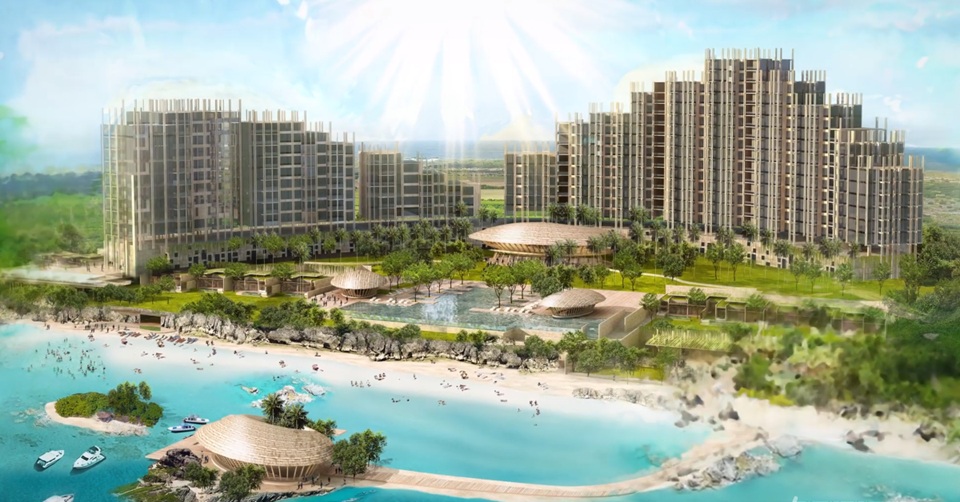
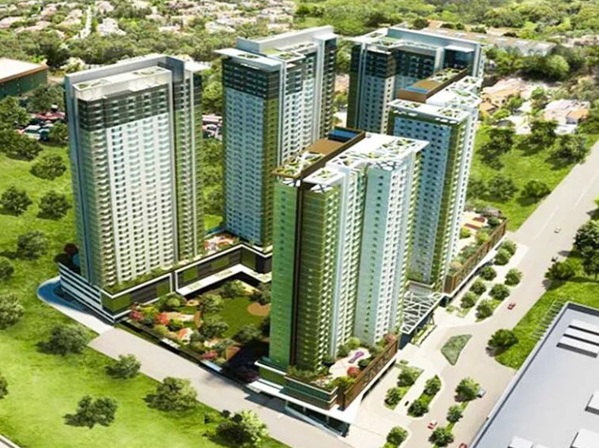
            Mandani Bay fundamentally changes the dynamic of urban development in Metro Cebu. For decades, the region’s luxury real estate was concentrated in hillside enclaves or dense IT parks. This PHP 130 billion township shifts the focus directly to the water, reclaiming a massive strip of the Mactan Channel coastline to build a self-contained, pedestrian-first ecosystem. As the first development in the Visayas-Mindanao region to achieve a 5-star BERDE rating, it seamlessly integrates residential towers, premium office spaces, and a vibrant retail boardwalk into a world-class live-work-play community through the global expertise of Hongkong Land and Taft Properties.

            mandani bay site development plan

            Project Overview

            • Developer: HTLand Inc. (Hongkong Land + Taft Properties)
            • Total Area: 20 Hectares (approximately 200,000 sq. m.)
            • Location: F.E. Zuellig Avenue, North Reclamation Area, Mandaue City
            • Project Type: Mixed-use Waterfront Community
            • Total Investment: PHP 130 Billion
            • Status: Ongoing Phased Construction (as of June 2026)
            • Master Planner: Crone Architects
            • Landscape Architect: CallisonRTKL
            • Green Certification: 5-Star BERDE Rating (VisMin Pioneer)

            Core Urban Design & Architectural Philosophy

            Rather than treating towers as isolated blocks, Mandani Bay relies on structural continuity. Podiums connect the buildings vertically—vehicular traffic is kept below while the ground and upper walkway levels remain completely dedicated to people, open air, and green corridors.

            The Connected Podium Network: Residents can traverse residential zones, office facilities, and retail spaces without ever having to cross a traditional, car-choked street intersection.

            The Green Axis: A 40-meter-wide linear park bisects the development. It works both as a scenic gathering space and as a natural cooling engine, pulling sea breezes through the concrete architecture to lower ambient temperatures across the district.

            Eco-Efficiency at Scale: The township integrates smart water management, dedicated electric vehicle charging grids, and specific solar building orientations. This strict compliance with sustainable master planning earned it the region’s first 5-star BERDE green rating, with perfect marks in management, materials, indoor environment quality, and innovation. It also received the Best Green Development Award at the 2021 PropertyGuru Philippine Property Awards.


            A Prime Waterfront Location

            Mandani Bay is strategically positioned along the Mactan Channel, between Cebu City (the country’s oldest city and main domestic shipping port) and Mandaue City (a significant center for trade and commerce). This prime location offers easy access to the Mactan-Cebu International Airport—just a 20-minute drive away—and the key business districts of Cebu City.

            The development draws historical inspiration from the 16th-century Mandani settlement documented during Ferdinand Magellan’s voyage, aiming to transform the area into a premier urban waterfront hub.


            Residential Phases

            Phase 1: Mandani Bay Suites (Completed)

            mandani bay suites

            Construction began in 2016. All 1,200 units across two towers sold out. Unit turnovers completed; residents moved in.

            • Unit Types: Studio to three-bedroom units, penthouses, townhouses, loft and garden units with granite countertops and premium finishes
            • Towers: Tower 1 – 28 storeys; Tower 2 – 34 storeys
            • Amenities & Tech: Podium-level community facilities, parking, and the Mandani Bay Community App for booking amenities, scheduling services, and paying fees remotely
            • Recognition: Awarded the 5-star BERDE rating

            Phase 2: Mandani Bay Quay (Under Development)

            mandani bay quay

            The second phase shifts emphasis toward an energetic lifestyle. Comprising three residential high-rises (40 stories each) and one landmark office workspace, this sector wraps around an intensive fitness ecosystem.

            • Status: Topping-off ceremonies held in January 2024. Construction continues as of Q2 2026 on towers, retail podium, and central Rotunda
            • Total Floor Area: Approximately 328,000 sq. m.
            • Unit Types: 1-bedroom, 2-bedroom deluxe, 3-bedroom suites, penthouses, and garden units. Tower 3 offers fully furnished units (range hood, induction cooktop, split-type AC) with personalization options. Many units feature balconies with sea or mountain views
            • Total Units: 3,325 residential units across the three towers

            Commercial & Retail Hub: The Waterfront Lifestyle

            The public face of the development centers entirely on its 500-meter coastal promenade. Instead of standard indoor malls, the retail environment is structured horizontally to interact directly with the sea air—ideal for al fresco dining, community gatherings, and leisure. Soft opening was set for July 2025.

            The Shops at Mandani Bay features curated retail and dining destinations. Confirmed tenants include:

            • Dining: Red House Shabu Shabu, Abaca, Acacia Steakhouse, Café Laguna, Etta’s, Yukga Premium Aged Meat Korean BBQ, Chankonabe, Poke Bowls, Snow Café
            • Wellness & Retail: Amana Spa & Wellness, Dharana Yoga Studio, The Fat Chair, Motiv8 Wellness Center
            • Groceries & Essentials: Metro Retail’s new premium supermarket concept (Metro Gourmet), Watsons’ first sustainability-themed store in Cebu, Coffee Station, Chill Laundry Lounge

            Future Scale: Over 43,000 sq. m. of gross leasable retail space upon full completion.


            Lifestyle & Exclusive Amenities

            Mandani Bay is designed for an active, connected lifestyle.

            The Red Loop: A 1.6-kilometer scenic walking, running, and jogging path open to the public.

            Green Spaces: Green Promenade, tree-lined central avenue, landscaped pocket parks.

            Exclusive Amenities at Mandani Bay Quay (Active Zone):

            • 50-meter Lap Pool, Water Play Area, Pool Cabanas
            • Adventure Playground, Multi-purpose Court, Sports Hall
            • Outdoor Fitness Area, Yoga Deck
            • Clubhouse and Lounge Areas

            Commercial & Office Component

            One Mandani Bay is a Grade A, sustainable office tower registered with the BERDE program and the Philippine Economic Zone Authority (PEZA). It acts as the local economic engine, ensuring the community isn’t just a bedroom suburb, but a destination that pulls daily workforce traffic and executive tenants into the ecosystem.

            one mandani bay
            • Storeys: 30 floors
            • Units: 217 office spaces
            • Unit Sizes: 80 to 345 square meters
            • Recognition: Recipient of the 2021 PropertyGuru Philippine Property Awards’ Best Office Architectural Design

            Current Project Milestones (As of June 2026)

            • Phase 1: Fully completed and occupied. High resale and rental activity reported
            • Phase 2 (Quay & One Mandani Bay): Structural works completed. Office and residential towers in advanced stages of fitting and turnover preparations
            • Retail Expansion: The Boardwalk continues adding flagship brands, cementing its status as a premier lifestyle destination in Cebu
            • Recent Development: In January 2026, an arbitration ruling awarded HTLand PHP 368.92 million in a dispute with a construction firm regarding Phase 2. The project continues full steam ahead
            • Safety Milestone: Mandani Bay Quay logged 20 million safe manhours without lost time incident

            Projected Timeline

            • Overall Completion: 10-15 years from 2016 launch, with 21 towers planned for the 20-hectare site
            • Future Phases: Subdivided into 8 blocks/phases, expected to add a total of 10,000 residential units to Cebu’s inventory

            Honest Investor Analysis: Market Reality & Risks

            Mandani Bay represents a high-conviction, premium asset play, but it requires a specific investment mindset.

            The Premium Price Tag: Because of its international backing (Hongkong Land) and high-end construction standards, the entry price per square meter is among the highest in the Visayas. Unit prices typically start around PHP 8 million for a studio and scale up to PHP 30 million or more for sprawling multi-bedroom penthouses and specialized garden suites. This is an asset built for long-term capital appreciation and premium expat or corporate rental yields, rather than rapid, short-term house flipping.

            Traffic & Surrounding Area: The immediate surrounding area in the North Reclamation Area is still transitioning from its industrial roots. While the internal 20 hectares offer a world-class environment, investors must look at a multi-year horizon as neighboring plots gradually modernize to match Mandani Bay’s aesthetic. Peak rush hours on F.E. Zuellig Avenue experience typical Metro Cebu bottlenecks, though the CCLEX and airport proximity mitigate this significantly.

            Strict Rental Regulations: If your primary strategy relies on high-turnover transient Airbnb hosting, you will face strict operational hurdles. The property management enforces rigid building security protocols and guest registration guidelines to protect primary resident privacy. The estate functions far more predictably as a long-term capital preservation asset, targeting high-yield, stable corporate leases and expatriate professionals tied to the nearby Grade A office spaces at One Mandani Bay.

            Operating Costs: In line with other high-end corporate luxury developments in Metro Cebu, monthly condominium association dues hover around PHP 125 per square meter. These fees strictly cover 24/7 estate-wide security, high-frequency maintenance of the elevated pedestrian podium networks, upkeep of the expansive pool systems, and the operational digital frameworks powering the community app.


            Frequently Asked Questions

            Who is the developer behind Mandani Bay in Cebu?
            The township is developed by HTLand Inc., a powerhouse joint venture combining the international development expertise of Hongkong Land (a member of the Jardine Matheson Group) with the localized premium real estate track record of Taft Properties.

            What are the average condominium prices at Mandani Bay?
            As a premium luxury township, real estate entry points generally scale from around PHP 8 million for standard studio units up to PHP 30 million or more for sprawling multi-bedroom penthouses and specialized garden suites. Prices fluctuate depending on the specific development phase, floor level, and view orientation (mountain vs. sea).

            What does the 5-star BERDE rating mean for residents?
            Mandani Bay secured the first 5-star BERDE green rating in the Visayas-Mindanao region. For everyday residents, this translates to tangible design benefits: energy-efficient building orientations that lower personal cooling costs, extensive natural open-air common zones, advanced smart water management networks, and robust electric vehicle charging infrastructures built directly into the parking decks.

            Is Mandani Bay a good property investment for short-term rental or Airbnb?
            Generally, no. The property management enforces strict security protocols and guest registration guidelines to protect resident privacy. The estate is optimized for long-term capital preservation and high-yield corporate leases to expatriate professionals, rather than high-turnover transient hosting.

            How is the traffic around Mandani Bay?
            While peak rush hours on F.E. Zuellig Avenue experience typical Metro Cebu bottlenecks, the location is strategically situated mid-way between central Cebu City and Mactan Island. Residents enjoy a direct driving route to the Mactan-Cebu International Airport via the bridges or down toward the south via the CCLEX.

            What are the monthly association dues?
            Monthly condominium association dues hover around PHP 125 per square meter. These cover 24/7 security, maintenance of the elevated podium networks, pool systems, and the community app’s digital framework.


            Ready to Invest or Learn More?

            Mandani Bay offers a rare combination of institutional backing, prime waterfront location, and future-ready amenities. Whether you are looking for a luxury home, a rental income property, or a long-term capital appreciation asset, this township delivers.


            Mandani Bay: Live Your Passion

            Contact Us

              Author
              John Paul Ybañez Paquibot
              Licensed Real Estate Broker | PRC No. 00014132 | DHSUD No. CVRFO-B-03/18-2672
              Bachelors Realty and Brokerage, Inc. Cebu
              G/F Cap Building, Brgy. Corner, Osmeña Blvd.
              Arlington Pond St. Extension, Cebu City, 6000 Cebu

            • Passive Income from Cebu Real Estate: The Honest, No-Fluff Guide – SeekCebu

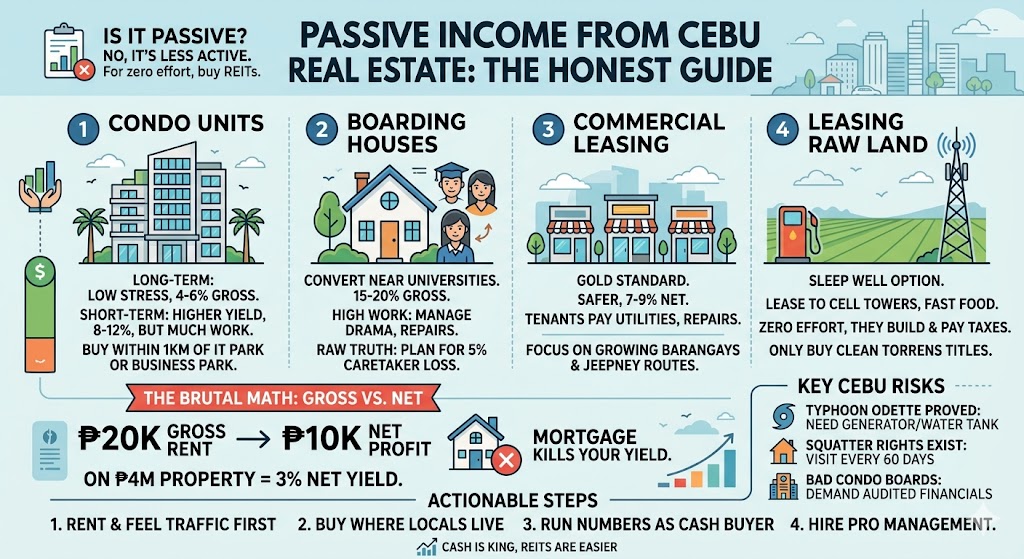
              Passive Income from Cebu Real Estate

              Let’s cut to the chase. You’ve seen the YouTube thumbnails: “I Make ₱100k a Month Doing Nothing in Cebu!” They’re lying.

              Cebu real estate can generate passive income. But “passive” is a spectrum, and Cebu has unique challenges—brutal traffic, typhoon risks, condo oversupply, and squatter rights that will ruin you if you’re careless.

              Here is the honest breakdown of what works, what doesn’t, and how to invest without losing your sanity.


              The Hard Truth First

              Before you buy anything, understand this: Real estate is not truly passive. It is less active than a 9-to-5 job.

              If you want truly passive income tied to Cebu real estate, stop reading and buy REITs.
              AREIT and MREIT (on the Philippine Stock Exchange) own office buildings and commercial spaces. You collect dividends. No toilets. No tenants. No 2 AM phone calls.

              If you still want to touch dirt and sleep on it, fine. But you must accept:

              • Inconsistent cash flow – Late rent happens.
              • Constant maintenance – Termites, leaky pipes, VECO power fluctuations.
              • Squatter risks – Leave raw land alone for 6 months? Someone builds a shanty.
              • The “Cebu Traffic” tax – A unit in Lahug may be empty because no one wants that commute.

              What Actually Generates Income in Cebu? (Ranked by Passivity)

              1. Condo Units – Moderately Passive

              The honesty: Cebu has a condo oversupply. IT Park to Mandaue is tower after tower.

              • Long-term leasing (6–12 months): Low stress. Rent to BPO workers or students. Gross yield: 4–6%. After association dues (₱3k–₱8k/month) and taxes, you net very little. Often cash-flow neutral.
              • Short-term (Airbnb): Higher gross (8–12%), but not passive. You need a cleaner, key exchanges, and 2 AM AC repair calls.

              Cebu rule: For long-term, buy within 1km of IT Park or Cebu Business Park. For Airbnb, Mactan (tourists) is the only exception. Avoid Mandaue or Talisay condos for rental income – high vacancy.

              2. Boarding Houses / Apartments – Low Passive, High Return

              The honesty: This is a business, not passive. But it pays.

              Near UC or CIT-U, convert a house into 4–6 rooms (₱3k–₱5k/month each). Gross yield: 15–20%.

              The catch: You manage sub-metering, noise, and drama. If you hire a local caretaker, here’s the raw truth: they will steal a little – accept 5% loss as the cost of doing business. If you don’t hire one, you lose all your free time.

              3. Commercial Leasing – Semi-Passive (Gold Standard)

              The honesty: With ₱10M+ capital, a small commercial strip in a busy barangay is the safest play.

              • Why: Tenants (pharmacies, sari-sari stores, water stations) sign multi-year leases, pay their own utilities, and handle repairs. They rarely move.
              • Where: Along jeepney routes in Consolacion, Liloan, or Minglanilla – not the expensive city center.
              • Yield: 7–9% net. Very stable.

              4. Leasing Raw Land – Highly Passive (“Sleep Well” Option)

              The honesty: Buy a flat, dry lot near an expanding road. Lease it for 10+15 years to a cell tower company (Globe/Smart), gas station, or Jollibee.

              • Pros: They build their own structure. They pay taxes. You do nothing except deposit checks.
              • Cons: High upfront capital (₱3M–₱10M). Hard to find before developers.
              • Cebu edge: With the CCLEX bridge, Cordova land is hot. Never buy untitled land. Only clean Torrens titles.

              The “Cebu-Specific” Risks You Must Face

              • Typhoon Odette (2021) proved it: No backup generator or water tank? Tenants leave for months. Income to zero.
              • Squatters have rights: If someone lives on your vacant lot and pays taxes for 10 years, they can claim ownership. Visit your raw land every 60 days. No joke.
              • Condo association trap: Many Cebu condo boards are poorly managed. Demand audited financial statements before buying. If no reserve fund, you’ll get a special assessment (e.g., ₱50k for a broken elevator).

              The Brutal Math: Gross vs. Net

              A developer says: “₱4,000,000 condo rents for ₱20,000/month – that’s 6%!”

              Here’s what actually happens in Cebu:

              Gross Rental Income
              Monthly (PHP): ₱20,000
              Annual (PHP): ₱240,000

              Less: Vacancy (10%)
              Monthly (PHP): –₱2,000
              Annual (PHP): –₱24,000

              Less: Condo Association Dues
              Monthly (PHP): –₱4,000
              Annual (PHP): –₱48,000

              Less: Property Management (10%)
              Monthly (PHP): –₱2,000
              Annual (PHP): –₱24,000

              Less: VECO/Water (vacant unit)
              Monthly (PHP): –₱500
              Annual (PHP): –₱6,000

              Less: Tax & Maintenance
              Monthly (PHP): –₱1,500
              Annual (PHP): –₱18,000

              True Net Cash Flow
              Monthly (PHP): ₱10,000
              Annual (PHP): ₱120,000

              Reality: Your ₱20k gross is actually ₱10k net. That’s a 3% net yield. If you took an 8–10% bank loan, you’re losing money every month.


              4 Actionable Steps for a Realistic Start

              1. Do not buy immediately. Rent in Cebu for 3 months. Drive from IT Park to Talisay at 5:30 PM on a rainy Friday. That traffic dictates where people will pay to live – within 2–3km of work.
              2. Buy where locals live, not where tourists look. Foreigners love “ocean view” in Mactan. Locals look for 7-Eleven, pharmacy, laundry shop in Basak, Pardo, or Banilad. Local demand is stable. Tourist demand is fickle.
              3. Run numbers as a cash buyer. If the property doesn’t work with cash, a mortgage will kill you. Don’t rely on “future appreciation” to save bad cash flow.
              4. Hire professional management. Avoid “cousin of a friend.” Use established local agencies. Pay 10% of rent. If someone asks for 15–20% for long-term rental, walk away.

              The Verdict

              Is Cebu real estate worth it for passive income?

              YES, if:

              • You buy with cash.
              • You focus on commercial or raw land.
              • You treat it as a 5-hour/month side business.

              NO, if:

              • You live overseas and can’t visit once a year.
              • You expect 20% stress-free returns.
              • You hate fixing leaks or firing a lazy security guard.

              The honest final metric:
              A good passive income property in Cebu nets 5–7% cash flow + 3–5% appreciation. That beats a bank (2%). It does NOT beat the S&P 500 (10% historically). You do it for stability and hard asset diversification.

              If you want truly passive: Buy AREIT or MREIT on the stock market. Dividends from Cebu’s office buildings. No toilets. No tenants. No traffic.

              That’s the honest truth.

              Contact Us

                Author
                John Paul Ybañez Paquibot
                Licensed Real Estate Broker | PRC No. 00014132 | DHSUD No. CVRFO-B-03/18-2672
                Bachelors Realty and Brokerage, Inc. Cebu
                G/F Cap Building, Brgy. Corner, Osmeña Blvd.
                Arlington Pond St. Extension, Cebu City, 6000 Cebu
              • Language Exchange in Cebu: Learn Cebuano While Making Local Friends

                One of the most common regrets expats have after living in Cebu for a few years is not learning the local language sooner. It’s understandable—English is widely spoken here, and you can get by perfectly fine without speaking a word of Cebuano. But getting by and truly belonging are two different things.

                Learning Cebuano opens doors that English simply can’t. It’s the difference between being a permanent tourist and becoming part of the community. It’s the difference between ordering food and sharing a laugh with the vendor. It’s the difference between having acquaintances and having real friends.

                The good news is that Cebu has a thriving language exchange scene. You don’t need to sit in a classroom memorizing verb conjugations—you can learn while socializing, making friends, and having genuine conversations. Here’s an honest guide to how it works and where to start.


                Why Bother Learning Cebuano?

                Let’s be realistic. You don’t need Cebuano to survive in Cebu. Most Filipinos speak excellent English, and in business settings, English is the default. So why invest the time?

                First, it’s about respect. Making an effort to speak someone’s language, even badly, is a gesture that’s deeply appreciated here. Locals will light up when you try to say “maayong buntag” (good morning) or “salamat” (thank you) in Cebuano. It shows you see them as more than just service providers.

                Second, it changes how people treat you. When you speak Cebuano, you stop being a foreigner and start being a neighbor. People open up more, share more, and include you in things they wouldn’t think to invite a non-speaker to.

                Third, it’s genuinely practical. Try navigating a public market, negotiating with a tricycle driver, or understanding what’s happening at a barangay fiesta without Cebuano. You’ll quickly realize how much you’re missing.

                And here’s the honest truth: Cebuano isn’t that hard. It’s a phonetic language—what you see is what you say. The grammar is straightforward, with consistent rules and a logical structure. If you speak Spanish, you’ll find many familiar words. With consistent practice—even just 15 to 30 minutes a day—you’ll make real progress.


                Where to Find Language Exchanges in Cebu

                Cebu Japanese, English & Spanish Language Meetup

                This is one of the most established and well-organized language exchanges in the city. It runs twice a month, on the 1st and 3rd Sundays. The format is small groups with rotations every 20 to 30 minutes, so you get to speak with different people in each round.

                What makes this meetup work is the structure. You’re not just standing around awkwardly trying to start conversations—you’re placed in groups where everyone has the same goal: practice and connect. All levels are welcome, and you don’t need to be fluent. The languages offered are Japanese, English, and Spanish.

                There’s a participation fee of ₱50 per person to help cover organizational costs. It’s a small price for a well-run event that consistently attracts a mix of locals, expats, and travelers. Check their Meetup page for the exact dates and location.

                Cebu City Social and Language Exchange

                If you prefer something more free-flowing, this one runs every Friday at 7:00 PM at 301 Ramos Sports Bar and Grill. The event is free to attend, though you’re expected to support the venue by purchasing drinks or food.

                The vibe is less structured and more social—think of it as a mixer where language exchange happens naturally. The crowd is diverse: international students, expats, travelers, digital nomads, and locals all mix together. It’s perfect for newcomers who want a low-pressure introduction to Cebu’s expat community.

                They also have Discord and WhatsApp communities where you can connect between events. It’s worth RSVPing in advance to see who else is going and get a sense of the crowd.

                Bisaya / Cebuano Social Mixer

                This one is exactly what it sounds like—a social mixer specifically for Bisaya/Cebuano speakers. It’s a great opportunity to practice your Cebuano in a relaxed setting with native speakers. The venue has food and drinks available for purchase. If you’re at an intermediate level and want to push yourself, this is a good place to do it.

                Cebu City Language League

                The Cebu City Language League takes a more structured approach to language exchange. The format pairs you with a partner: one person speaks Language A and wants to learn Language B, the other does the opposite. You speak Language A for 20 minutes, take a 5-minute break, then switch to Language B for another 20 minutes.

                They also showcase a monthly featured language through a speaker series. Check their Facebook group for upcoming events and to find a speaking partner.

                Cebu BlaBla Language Exchange

                This is a recurrent event that runs every other Thursday. It’s part of a global network of language exchanges, so you can expect a similar format to other BlaBla events: casual conversation, rotating groups, and a friendly atmosphere.

                CCLEX (Cebu City Language Exchange)

                This group meets at Cafe Brindle in Lahug. It’s a newer addition to the scene, so check their Meetup page for current dates and times.


                Online Language Exchange Resources

                If you can’t make it to in-person events, or if you want to practice between meetups, there are plenty of online options.

                The Cebu Language Exchange Group on Facebook has over 4,800 members. You can post to find a language partner or join one of the many online or offline events organized by the group.

                Japanese-English Exchange (JEE) Cebu is a non-profit organization that provides a community for Japanese and English learners. They organize language exchange meetups, cultural events, and even Japanese calligraphy classes. It’s supported by local partners including enspace Cebu, a community-driven workspace.

                For one-on-one practice, apps like HelloTalk connect you with native Cebuano speakers who want to learn English. MyLanguageExchange.com also has a large community of Cebuano speakers looking for language partners.

                If you prefer structured learning, platforms like TUTOROO and Preply offer personalized Cebuano lessons with native speakers. You can find tutors who specialize in teaching expats, focusing on real-life conversation and commonly used expressions.


                Making the Most of Language Exchanges

                Show up consistently. The biggest mistake is going to one event, feeling awkward, and never returning. Language exchanges, like any social setting, get easier with repetition. You’ll recognize faces, build rapport, and start feeling like part of the group.

                Don’t be afraid to make mistakes. This is the hardest part for most adults. We’re conditioned to avoid looking foolish. But in a language exchange, mistakes are the point. Everyone is there to learn, and everyone is making mistakes. Embrace it.

                Be a good partner. Language exchange is a two-way street. If you’re learning Cebuano, you’re also teaching English (or whatever your native language is). Be patient with your partner. Listen as much as you speak. Correct gently, if at all.

                Support the venues. Most meetups are free or low-cost, but they rely on venues that expect you to buy drinks or food. It’s not just good manners—it’s what keeps these events running. A coffee or a beer is a small price for a valuable social connection.

                Join the online communities. The real friendships often form between events. Join the WhatsApp or Discord groups. Chat with people. Organize smaller hangouts. The more you engage, the more you’ll get out of it.


                Learning Cebuano: Practical First Steps

                If you’re starting from zero, here’s a simple roadmap:

                Learn the basics first. Start with greetings: “maayong buntag” (good morning), “maayong hapon” (good afternoon), “maayong gabii” (good evening). Learn “salamat” (thank you) and “palihug” (please). These small words go a long way.

                Focus on practical vocabulary. Concentrate on phrases you’ll use frequently—ordering food, asking for directions, introducing yourself. Don’t worry about complex grammar at the start.

                Use apps and resources. Bluebird offers interactive video lessons for learning Cebuano. “Talk Cebuano!” teaches through stories rather than boring grammar drills. Consistency matters more than intensity—15 to 30 minutes a day is better than a 2-hour session once a week.

                Practice with locals. The best way to learn is to use it. Order your coffee in Cebuano. Greet your neighbors. Ask simple questions. Most people will be delighted that you’re trying and will help you get it right.

                Be patient. Language learning takes time. You’ll have good days and bad days. You’ll forget words you learned yesterday. That’s normal. Keep going.


                A Final Word

                Language exchanges in Cebu are about more than just learning vocabulary. They’re about building bridges. They’re about showing up, being vulnerable, and connecting with people across cultures.

                The Cebuano language is the heartbeat of this island. It’s in the markets, the tricycle conversations, the barangay fiestas, and the everyday interactions that make life here rich and meaningful. Learning it won’t just make your life easier—it will make it deeper.

                And the best part? You don’t have to do it alone. Cebu’s language exchange community is welcoming, diverse, and genuinely excited to help you learn. All you have to do is show up.

                Pick one event. Go once. Go again. And watch how quickly Cebu starts to feel like home.

                  Author
                  John Paul Ybañez Paquibot
                  Licensed Real Estate Broker | PRC No. 00014132 | DHSUD No. CVRFO-B-03/18-2672
                  Bachelors Realty and Brokerage, Inc. Cebu
                  G/F Cap Building, Brgy. Corner, Osmeña Blvd.
                  Arlington Pond St. Extension, Cebu City, 6000 Cebu

                • Cebu’s Business & Professional Networking Groups for Expats – SeekCebu

                  You’ve made the move to Cebu. You’ve found a place to live. You’ve figured out the basics of daily life. Now comes the part that can make or break your professional life here: building a network.

                  Here’s the honest truth about networking in Cebu. It’s not like Singapore or Hong Kong, where you can attend a dozen polished events every week and collect business cards like trading cards. The scene here is smaller, more personal, and deeply relationship-driven. That’s not a weakness—it’s actually an advantage. In Cebu, a genuine connection with the right person can open doors that would take years to crack in a bigger city.

                  The key is knowing where to start. Here’s a practical guide to the business and professional networking groups that actually work for expats in Cebu.


                  The Formal Chambers of Commerce

                  If you’re serious about doing business in Cebu, joining a chamber of commerce is the most obvious and effective move. These organizations offer structured networking, access to decision-makers, and a level of credibility that’s hard to replicate elsewhere.

                  European Chamber of Commerce of the Philippines (ECCP) – Cebu Branch

                  The ECCP is one of the most active foreign chambers in Cebu. With over 900 members across the Philippines, it serves as a bridge between European and Philippine markets. The Cebu branch is based in IT Park and runs a regular calendar of events including coffee mornings, learning sessions, and networking socials.

                  Their events are polished and professional—think curated culinary delights, fine wines, and conversations with distinguished industry leaders and decision-makers. The ECCP Community Connect events are particularly useful for new members, offering briefings on membership benefits and dedicated networking time with fellow members. If you’re European, or even if you’re not but want access to that network, this is a solid investment.

                  American Chamber of Commerce of the Philippines (AmCham) – Visayas Chapter

                  AmCham Visayas is equally active, with regular General Membership Meetings and Executive Lunch Series events. They also organize exclusive facility tours—recently, they took members through the newly opened Mactan Expo.

                  What sets AmCham apart is the access. Their events attract senior executives, and the networking is genuinely high-level. If you’re American or doing business with US companies, this should be at the top of your list.

                  Cebu Chamber of Commerce and Industry (CCCI)

                  The CCCI is the local powerhouse. While it’s primarily Filipino-led, they’ve made a concerted effort to engage with the international business community. Their International Affairs department is specifically tasked with connecting local businesses with foreign investors and partners.

                  The Cebu Investment Center (CIC), which operates under CCCI, offers networking and business matching services that connect investors with local businesses and key stakeholders. They also coordinate diplomatic engagements and facilitate interactions with foreign chambers. If you want to understand how business actually works in Cebu—the real dynamics, not just the brochure version—CCCI is where you need to be.

                  Key Events to Watch

                  The Cebu Business Month (CBM) is the chamber’s flagship event, described as a “premier business festival” that blends serious business networking with vibrant local celebration. The 2026 Investment & Entrepreneurship Summit is another major gathering, offering practical insights, market perspectives, and networking opportunities.

                  The Manila Times Cebu Business & Tourism Forum is another anchor event, bringing together professionals from across sectors for a day of keynotes, panels, and networking.


                  Business Networking Organizations

                  BNI (Business Network International)

                  BNI is the world’s largest referral organization, with a presence in 55 countries and around 170,000 members. In the Philippines, they have 43 chapters with over 1,600 members. Multiple chapters operate in Cebu.

                  The format is structured: weekly meetings, one-to-one referrals, and a focus on passing business to fellow members. The results speak for themselves—in the past year, BNI Philippines members passed over 111,000 referrals generating more than PHP 7 billion in closed business.

                  For expats, BNI is a double-edged sword. The structure is excellent, and the referral system works. But the meetings are early (usually 6:30 AM or 7:00 AM), and the membership requires a genuine commitment. You can visit a chapter up to twice before applying, so take advantage of that to find a group that fits your industry and personality.

                  FilCeb Business Club Inc.

                  FilCeb positions itself as the home of Cebu’s MSME leaders—a vibrant platform for collaboration and growth. They organize events like the MSME Entrepreneurship Summit and have partnered with organizations like the Cebu Online News Press Corps.

                  If you’re in small to medium enterprise, this is a more accessible and community-oriented alternative to the bigger chambers.


                  Startup and Entrepreneur Communities

                  Startup Grind Cebu

                  Startup Grind is the world’s largest community of startups, founders, innovators, and creators, and the Cebu chapter is an active part of that network. They host regular events ranging from fireside chats with successful founders to interactive workshops and networking sessions.

                  The vibe is energetic and inclusive. Speakers come from diverse industries and backgrounds, sharing experiences and lessons learned. If you’re in tech, digital services, or anything remotely innovative, this is where you’ll find your people.

                  Dynamite Circle

                  The Dynamite Circle (DC) is a private, global community of vetted, location-independent entrepreneurs and founders. The Cebu chapter connects members for local meetups, curated roundtables (called Juntos), and informal coworking.

                  Here’s the catch: it’s exclusive. You need to have a business making at least $100,000 per year to qualify. But if you meet the bar, it’s one of the most valuable networks you can join. Members include bootstrapped founders, agency owners, SaaS builders, and e-commerce operators.

                  Coworking Spaces as Networking Hubs

                  Don’t underestimate coworking spaces. Places like The Company Cebu (IT Park and Mandaue) and ASPACE Cebu (Crossroads, Banilad) are more than just desks—they’re community hubs. They host events, workshops, and networking sessions that attract a mix of expats and locals. Even if you work from home, dropping in for an event can be a great way to meet people.


                  Casual Meetups and Social Networking

                  Not every networking opportunity needs a formal membership. Some of the best connections happen over drinks.

                  Lounge Asia Cebu Meetup

                  This is a free monthly meetup held every 3rd Sunday at The Celtic Bar & Restaurant in Cebu IT Park. The format is simple: high-quality connections in a 100% English environment, with no loud club music and a strict ban on MLM, crypto pitching, or aggressive sales behavior.

                  The crowd is curated—expats, returnees, and local professionals all mix together. Entry is free, but you’re expected to support the venue by ordering at least one drink. RSVP is mandatory, so plan ahead.

                  InterNations Cebu

                  InterNations is a global expat network with a local chapter in Cebu. They organize monthly events that attract a mix of professionals, retirees, and entrepreneurs. Recent events include a New Year’s Toast at Pukot Kitchen.

                  The vibe is more polished than your average Facebook meetup, with a focus on networking and cultural exchange. Membership is free, though premium access gives you more options.

                  Facebook Groups

                  This is where a lot of the informal networking happens. Groups like “Cebu Business & Startups,” “Digital Nomads Cebu,” and “Expats in Cebu” are active and useful. People post about job opportunities, ask for recommendations, and organize last-minute meetups. Don’t just lurk—participate.


                  Practical Tips for Networking in Cebu

                  Understand the culture. Filipinos value personal relationships. Business happens after trust is built, not before. Don’t expect to close a deal at the first meeting. Show up consistently, be genuine, and let relationships develop naturally.

                  Join one group properly. It’s tempting to sign up for everything. Don’t. Pick one or two groups that genuinely align with your industry and goals, and commit to attending their events regularly. Consistency beats breadth.

                  Support the venues. Many casual meetups are free, but they rely on venues that expect you to buy drinks or food. It’s not just good manners—it’s what keeps these events running.

                  Bring value, not just a pitch. The fastest way to get ignored is to show up and immediately start selling. Listen first. Ask questions. Offer help. The business will follow.

                  Follow up. In Cebu, as anywhere else, the real networking happens after the event. Send a message. Suggest coffee. Stay in touch.


                  A Final Word

                  Cebu’s business networking scene is smaller than Manila’s, but that’s precisely what makes it work. You’re not just another face in a crowd of hundreds. You can actually build meaningful relationships here. The chambers are professional, the startup community is energetic, and the casual meetups are genuinely welcoming.

                  The key is to start somewhere. Pick one group. Show up. Be patient. And watch how quickly Cebu starts to feel like not just home, but a place where your business can actually grow.

                  SeekCebu Insight: Business networking is much more efficient when you aren’t stuck in traffic. If you are looking for an office space, a commercial unit, or a residential condo in IT Park or Business Park to be closer to these chambers and networking hubs, let’s talk. I specialize in finding locations that put you at the center of Cebu’s professional heartbeat.

                    Author
                    John Paul Ybañez Paquibot
                    Licensed Real Estate Broker | PRC No. 00014132 | DHSUD No. CVRFO-B-03/18-2672
                    Bachelors Realty and Brokerage, Inc. Cebu
                    G/F Cap Building, Brgy. Corner, Osmeña Blvd.
                    Arlington Pond St. Extension, Cebu City, 6000 Cebu

                  • Volunteer & Charity Opportunities in Cebu: How Expats Can Give Back – SeekCebu

                    Moving to a new country is about more than just finding a place to live and settling into a routine. For many expats, the real sense of belonging comes when you start contributing to the community around you. Volunteering in Cebu is one of the most rewarding ways to meet people, understand the local culture, and make a tangible difference.

                    The good news is that Cebu has a vibrant and growing volunteer scene. From teaching children in underserved communities to rescuing stray animals to protecting the island’s fragile marine ecosystems, there’s an opportunity for almost every interest and skill set. The even better news? Most organizations are desperate for help and genuinely welcoming to foreigners.

                    Here’s an honest guide to the volunteer and charity opportunities in Cebu that actually need your time and energy.


                    Why Volunteer in Cebu?

                    Beyond the obvious feel-good factor, volunteering offers practical benefits for expats. It’s one of the fastest ways to build a social network from scratch. You’ll meet like-minded individuals—both locals and fellow expats—who share your values. You’ll gain a deeper understanding of Filipino culture beyond the tourist hotspots. And you’ll develop skills and experiences that make your time in Cebu far more meaningful than just another retirement or work posting.

                    The organizations listed here are legitimate, active, and genuinely in need of help. Some require a regular weekly commitment; others are more flexible. Some are based in Cebu City; others are scattered across the province. Choose what fits your schedule and your heart.


                    Children & Education: Shaping the Next Generation

                    Rise Above Foundation Cebu

                    This is one of the most established and respected non-profits in Cebu. Since November 2000, Rise Above has been working to improve the quality of life for underprivileged children and their families through education, nutrition, and healthcare.

                    Volunteers can get involved in various ways. You can teach English, assist in the medical clinic, help with community outreach projects, or even sponsor the Food Sharing Program that feeds 400 to 500 children. The foundation also welcomes volunteers for special events—you can arrange a birthday party for yourself or a family member and host it for as many children as you’d like.

                    The time commitment is flexible, with most volunteers dedicating a few hours per week. The foundation is located in Guadalupe, Cebu City, and you can reach them at (032)255-1063 or email riseabove@riseabove-cebu.org.

                    Little Bamboo Foundation

                    Little Bamboo is a Filipino charity foundation with a solid track record, serving over 400 beneficiaries—children from the slums of Cebu’s harbor area. They run a pre-school, a scholarship program, and a family development program.

                    Volunteers can help by teaching classes, preparing meals, organizing recreational activities, or assisting with administrative tasks. The foundation encourages a consistent time commitment, ideally at least one month, to build meaningful relationships with the children. It’s located in Pasil, Cebu City.

                    Cebu Funds

                    Cebu Funds is a non-profit focused on providing educational opportunities for underprivileged children. Volunteers can help with teaching, tutoring, or assisting with fundraising events. The time commitment is flexible, with opportunities available both during the week and on weekends.


                    Animal Welfare: Caring for Cebu’s Strays

                    Cebu has a significant stray animal population, and the organizations working to help them are often stretched thin. If you love animals, your help will be genuinely appreciated.

                    Island Rescue Organization (IRO)

                    IRO is one of Cebu’s largest and most active animal rescue groups. Founded in 2010, this non-profit is committed to rescuing, rehabilitating, and rehoming stray and abandoned animals. They currently care for about 150 dogs and 70 cats across three shelters in Cebu: one in Barangay Guba, one in Mandaue City for special-needs cats, and one in Barili for senior and special-needs dogs.

                    The organization relies entirely on donations and volunteers to sustain its operations. Volunteers can help with animal care, cleaning, feeding, adoption events, and fundraising. They also lead animal welfare training sessions and educational campaigns in schools, companies, and barangays. You can contact them through their Facebook page (facebook.com/IslandRescueOrganization) or email helpiro@gmail.com.

                    Cebu Animal Rescue and Rehoming (CARE)

                    CARE is a volunteer-driven organization dedicated to rescuing, rehabilitating, and rehoming stray and abandoned animals in Cebu City. Volunteers can assist with animal care, adoption events, or fundraising activities. The time commitment is flexible and depends on your availability. Contact them through their Facebook page (facebook.com/CebuAnimalRescue).

                    Other Animal Welfare Groups

                    The Mayari Animal Rescue Organization (MARO) is one of the biggest shelters in Cebu, located in Guadalupe. The Moalboal Animal Welfare sanctuary rescues and cares for stray dogs and cats in the south of Cebu. Both are always looking for volunteers.


                    Environmental Conservation: Protecting Cebu’s Natural Beauty

                    Cebu’s natural environment—its coastlines, marine life, and forests—faces constant pressure from development and pollution. Several organizations are working to protect it.

                    Cebu City Task Force

                    This is a government-led initiative that focuses on environmental conservation and community development. Volunteers can get involved in coastal clean-ups, tree-planting, and community outreach programs. The time commitment is flexible, with events typically occurring on weekends. You can register through the Cebu City Government’s official website at cebucity.gov.ph.

                    Cebu Marine Wildlife Conservation

                    This organization is dedicated to protecting and preserving marine life in Cebu. Volunteers can participate in beach clean-ups, marine life monitoring, and community education programs. Opportunities are available both during the week and on weekends.

                    Cebu Biodiversity Conservation Foundation

                    This foundation works to conserve and protect the unique biodiversity of Cebu. Volunteers can assist with research, conservation projects, and community education programs. The time commitment is flexible.

                    Rotary Environmental Initiatives

                    Rotary clubs in Cebu are active in environmental conservation. Recent initiatives include mangrove tree planting and coastal clean-ups in Marigondon, coral planting in Oslob, and the TRASHure project, which promotes responsible waste disposal after the Sinulog Festival. These events are often open to community volunteers.


                    Community Development & Social Services

                    Bukas Palad Cebu Foundation (BPCFI)

                    Bukas Palad is a social initiative of the Focolare Movement, founded in 1987. The foundation is active in serving poor communities in Cebu City and nearby areas, offering comprehensive programs in education, housing, healthcare, livelihood, and community development. They accept volunteers year-round for projects lasting three to five months.

                    Got Heart Foundation

                    Got Heart Foundation supports various causes, including education, health, and livelihood programs for marginalized communities in Cebu City. Volunteers can assist in fundraising events, community outreach programs, or skill-sharing workshops. The time commitment is flexible and depends on specific projects.

                    Rotary & Lions Clubs

                    Both Rotary and Lions have active chapters in Cebu. The Cebu Downtown Lions Club, founded in 1917, is best known for fighting blindness but also volunteers for many community projects, including caring for the environment, feeding the hungry, and aiding seniors and the disabled. These organizations attract a mix of expats and locals and offer a structured way to get involved.


                    Faith-Based & Cultural Organizations

                    Shin-Nikkeijin Network Association Cebu

                    This non-profit is located in Mandaue and serves as a bridge between the Japanese and Filipino communities, fostering cultural exchange and community development. If you have Japanese language skills or an interest in Japanese-Filipino relations, this could be a unique volunteering opportunity.


                    Practical Tips for Expats Who Want to Volunteer

                    Start with a simple Google search. Many organizations have websites or Facebook pages where they post volunteer opportunities. Search for “volunteer Cebu” plus your area of interest.

                    Reach out directly. Don’t wait for an invitation. Email or message the organization, introduce yourself, and ask how you can help. Most are understaffed and will appreciate the initiative.

                    Be realistic about your time. Some organizations need a weekly commitment; others are happy with occasional help. Be honest about what you can offer.

                    Consider your skills. While many opportunities involve hands-on work like feeding animals or teaching children, organizations also need administrative help, fundraising support, social media management, and professional skills like accounting or legal advice.

                    Don’t expect luxury. Many volunteer settings are basic. Some animal shelters, for example, have bucket showers and no air conditioning. Come prepared to get your hands dirty.

                    Be patient. Volunteering in a developing country can be frustrating. Resources are limited, systems are often chaotic, and progress can be slow. Focus on the small wins.

                    Respect the culture. You’re a guest in this country. Volunteer with humility, not with a savior complex. Listen to local staff, learn from them, and understand that they know their communities better than you do.

                    Volunteer, don’t just donate. While financial donations are always appreciated, organizations also need your time and presence. Showing up consistently builds relationships and trust in a way that money alone cannot.


                    A Final Word

                    Volunteering in Cebu is one of the most rewarding things you can do as an expat. It connects you to the community, introduces you to amazing people, and gives your time in the Philippines a deeper sense of purpose. The organizations listed here are just a starting point—there are dozens more working quietly across the island.

                    Pick one that resonates with you. Reach out. Show up. And watch how quickly Cebu starts to feel like home.

                      Author
                      John Paul Ybañez Paquibot
                      Licensed Real Estate Broker | PRC No. 00014132 | DHSUD No. CVRFO-B-03/18-2672
                      Bachelors Realty and Brokerage, Inc. Cebu
                      G/F Cap Building, Brgy. Corner, Osmeña Blvd.
                      Arlington Pond St. Extension, Cebu City, 6000 Cebu

                    • The Expat’s Guide to Making Friends in Cebu: Clubs, Meetups & Networking Events (2026)

                      Moving to a new country is exciting. But let’s be honest—it can also be lonely. You’ve sorted out your visa, found a place to live, and figured out the basics of daily life. Now comes the harder part: building a social circle from scratch.

                      The good news is that Cebu has a surprisingly active and welcoming expat community. The city attracts a steady stream of foreigners—retirees, digital nomads, professionals, and entrepreneurs—which means there’s always someone else looking to connect. The challenge isn’t finding people; it’s knowing where to start.

                      Here’s an honest guide to the clubs, meetups, and networking events that actually work.


                      Online Communities: Your Starting Point

                      Before you show up to any event, join the online groups. They’re the heartbeat of Cebu’s expat scene, and they’ll give you a sense of what’s happening before you commit to anything.

                      Facebook Groups

                      Facebook is where most expat organizing happens in Cebu. Search for “Cebu Expats” or “Expats in Cebu” and you’ll find several active groups. These groups post everything from weekly coffee meetups to classified ads to warnings about local scams. It’s also where you’ll hear about last-minute gatherings and spontaneous hangouts.

                      The key is to participate, not just lurk. Comment on posts. Introduce yourself. Ask questions. The groups are full of people who have been through the same transition you’re going through, and most are happy to help.

                      InterNations Cebu

                      InterNations is a global expat network with a local chapter in Cebu. They organize monthly events that attract a mix of professionals, retirees, and entrepreneurs. The vibe is more polished than your average Facebook meetup, with a focus on networking and cultural exchange. Membership is free, though premium access gives you more event options.


                      Language Exchanges: The Easiest Icebreaker

                      Language exchanges are arguably the most accessible way to meet people in Cebu. The premise is simple: you practice a language, someone else practices theirs, and everyone makes friends in the process. No awkward small talk, no forced networking—just conversation.

                      Cebu Japanese, English & Spanish Language Meetup

                      This meetup happens twice a month on the 1st and 3rd Sundays. The format is small groups with rotations every 20 to 30 minutes, so you get to speak with different people in each round. All levels are welcome—you don’t need to be fluent in any of the languages. There’s a small participation fee of ₱50 to cover organizational costs. It’s a relaxed, friendly environment perfect for newcomers.

                      Cebu City Social and Language Exchange

                      This one runs every Friday night at 7:00 PM at 301 Ramos Sports Bar and Grill. It’s free to attend, though you’re expected to support the venue by buying drinks or food. The crowd is diverse—international students, expats, digital nomads, travelers, and locals all mix together. It’s less structured than the Sunday meetup and more of a social mixer where conversation flows naturally.

                      Lounge Asia Cebu Meetup

                      Lounge Asia runs on the 3rd Sunday of every month from 5:00 PM to 8:00 PM at The Celtic Bar & Restaurant in Cebu IT Park. It’s free to attend, though you’re asked to buy at least one drink. The event is designed for real conversations and meaningful networking—no loud club music, no aggressive sales pitches, no pickup behavior. The crowd is curated, with expats, returnees, and local professionals all in attendance. RSVP is mandatory, so check their Meetup page in advance.


                      Weekly Social Meetups: Low Commitment, High Reward

                      If language exchanges aren’t your thing, there are plenty of general social meetups that are just about connecting with people.

                      Bridgehouse Cebu City Dinner Meetup

                      This weekly gathering happens every Wednesday at 6:00 PM. After a year of successful meetups in Manila’s BGC, Bridgehouse expanded to Cebu and has been building a steady community ever since. The format is simple: good food, good conversation, and a mix of expats and locals. It’s welcoming and easygoing, open to everyone whether you’re brand new to the Philippines or have lived here for years.

                      Cebu Expats Weekly Coffee Mornings

                      These aren’t always formalized, but they happen regularly. Keep an eye on the Facebook groups for announcements about casual coffee meetups. They’re usually held at cafes in IT Park or Banilad, and they’re exactly what they sound like—a bunch of expats sitting around, drinking coffee, and chatting about life in Cebu.


                      Professional Networking: Business Meets Social

                      If you’re working or doing business in Cebu, networking events serve double duty: you make connections and you build your career.

                      European Chamber of Commerce of the Philippines (ECCP) Cebu

                      The ECCP hosts regular networking events in Cebu, including their annual Kick-Off Reception. These are sophisticated gatherings with industry leaders, decision-makers, and innovators. It’s not just about handing out business cards—it’s about building meaningful professional relationships in a refined setting. Keep an eye on their website for upcoming events.

                      Cebu Business & Tourism Forums

                      Events like the Manila Times Cebu Business & Tourism Forum bring together professionals from across sectors. They’re a mix of keynote speeches, panel discussions, and networking breaks. If you’re in business, real estate, or tourism, these are worth attending.

                      Coworking Spaces as Community Hubs

                      Coworking spaces in Cebu have become more than just places to work—they’re community hubs where expats and locals connect. Spaces like those in IT Park and Cebu Business Park host regular networking events, workshops, and social gatherings. Even if you work from home, dropping into a coworking space for an event can be a great way to meet like-minded professionals.


                      Hobby-Based Clubs: Friendship Through Shared Interests

                      The fastest way to make friends is through shared activities. Cebu has clubs for almost every interest.

                      Cebu Hash House Harriers

                      If you’re into running—or more accurately, running followed by beer—the Hash House Harriers are a global phenomenon with an active chapter in Cebu. It’s a social running club that meets weekly, with trails that range from beginner-friendly to challenging. The emphasis is on fun, not fitness, and the socializing afterwards is as important as the run itself.

                      Cebu BritClub

                      For British expats, Cebu BritClub is a forum for social events, restaurant gatherings, and the occasional game of darts. Topics range from serious (pension entitlements) to trivial (where to find Branston Pickle or proper British sausages). It’s a closed group for British passport holders and their partners, designed to keep conversations focused on topics of interest to Brits. They have around 400 members and organize activities like ten-pin bowling, pool parties, and karaoke.

                      Sports Leagues and Fitness Groups

                      Beyond the Hash House Harriers, there are expat-friendly sports groups for tennis, golf, basketball, and more. The Guild of Runners organizes regular runs. Many gyms and fitness studios have expat-heavy clientele and organize social events. If you have a hobby, there’s probably a group for it—you just need to ask around.


                      Service Organizations: Networking with Purpose

                      If you want to meet people while giving back, service organizations are a great option.

                      Rotary and Lions Clubs

                      Both Rotary and Lions have active chapters in Cebu. They attract a mix of expats and locals, and the events are a blend of service work and socializing. It’s a meaningful way to connect with the community while building friendships.

                      American Association of Cebu

                      For American expats, this association organizes events and provides a support network. Even if you’re not American, similar nationality-specific groups exist for other countries—ask around in the Facebook groups.


                      Practical Tips for Making Friends in Cebu

                      Show up consistently. The hardest part is the first event. The second hardest is the second event. Friendships form through repeated exposure, so don’t go to one meetup and give up. Commit to showing up three or four times before you decide if a group is right for you.

                      Say yes to invitations. When someone invites you to lunch, a road trip, or a local discovery, say yes. Even if you’re tired. Even if it’s not exactly your thing. Shared experiences are what deepen friendships.

                      Be patient with the culture. Filipino culture values personal relationships. Things move at a different pace here. Don’t expect instant best friends—trust and connection take time.

                      Support the venues. Most of these meetups are free to attend, but the organizers rely on venues that expect you to buy drinks or food. It’s not just good manners—it’s what keeps these events running.

                      Join the WhatsApp or Discord groups. Many meetups have associated online communities where you can chat between events. These are where last-minute hangouts get organized and where you’ll hear about things that never make it to the public calendar.


                      A Final Word

                      Making friends as an expat in Cebu isn’t hard—it just requires showing up. The community is welcoming, the events are plentiful, and everyone understands what it’s like to be new. The key is to start somewhere. Pick one event—a language exchange, a dinner meetup, a coffee morning—and go. The rest will follow.

                      And if you’re still finding your feet, remember: almost everyone at these events was once in your shoes. They know what it’s like to arrive in a new city without a single friend. They’re not judging you. They’re just glad you showed up.

                      Building a social circle is infinitely easier when you are living in a neighborhood that fits your vibe. If you want to be near the IT Park networking hubs, the social cafes of Banilad, or the expat-friendly communities in Mactan, I can help you find the right place. Send me a message and let’s discuss where you want to be located so your next social event is just a short walk away.

                        Author
                        John Paul Ybañez Paquibot
                        Licensed Real Estate Broker | PRC No. 00014132 | DHSUD No. CVRFO-B-03/18-2672
                        Bachelors Realty and Brokerage, Inc. Cebu
                        G/F Cap Building, Brgy. Corner, Osmeña Blvd.
                        Arlington Pond St. Extension, Cebu City, 6000 Cebu