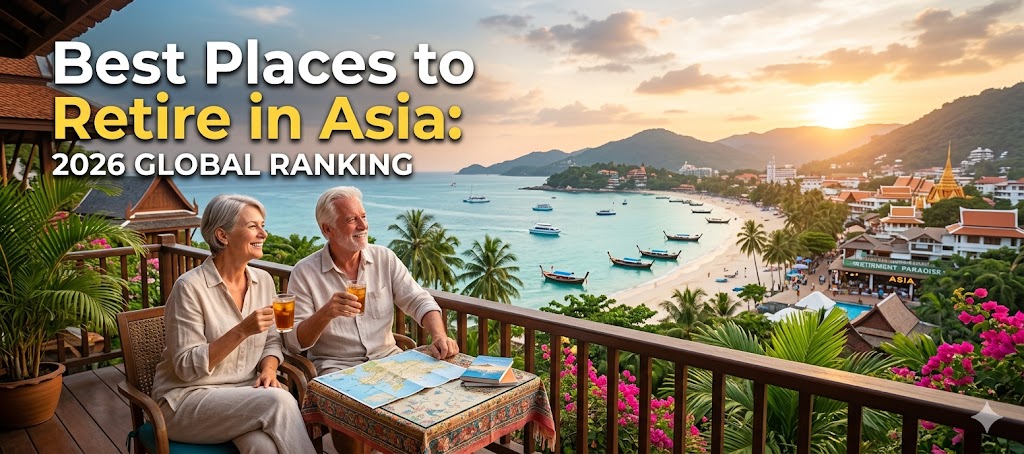
If you’re dreaming of stretching your retirement savings further while enjoying a warmer climate, richer culture, and a slower pace of life, Asia has never looked more appealing. The 2026 retirement landscape has shifted, with multiple rankings painting a clearer—and sometimes surprising—picture of where your money and your golden years will go furthest.
Here is an honest, boots-on-the-ground look at Asia’s top retirement destinations for 2026, synthesised from the latest global indexes and the essential, real-world considerations that can make or break your move.
The Big Picture: Understanding the Rankings
Before diving into specific countries, it is important to recognise that 2026 has produced two influential, yet slightly different, global retirement benchmarks.
The Annual Global Retirement Index (from International Living) focuses heavily on climate, governance, and overall development, placing Thailand (9th) and Malaysia (10th) in their global top ten. Conversely, the Retirement Abroad Index (from Expatriate Group) places a higher premium on visa accessibility, affordability, and ease of integration, naming the Philippines the world’s No. 1 retirement destination, followed closely by Thailand at No. 2.
So which ranking should you trust? Both—they simply prioritise different retiree needs. Thailand is the only Asian country to appear in the top tier of both major indices, which speaks to its all-around consistency. The takeaway is that Asia offers outstanding options, but the “best” destination for you depends entirely on whether you value world-class infrastructure or ease of residency and lower upfront costs.
The Top Destinations
Thailand: The Consistent All-Rounder

Thailand is the only Asian country to maintain top-tier status across all major 2026 indices—9th in the International Living ranking and 2nd in the Expatriate Group index. That consistency is not accidental.
The Appeal: A comfortable single-retiree lifestyle is achievable for about $1,200 per month, covering a $300 studio apartment in Chiang Mai, daily Thai meals for around $10, and a few local beers during happy hour. A couple living on two average Social Security checks (roughly $3,800 a month) can afford a beachside two-bedroom bungalow in Pattaya or Hua Hin for under $1,000, with groceries costing $300–$400 monthly. Healthcare is ranked as the best in Southeast Asia—9th globally, equal to Finland—with JCI-accredited hospitals and private insurance costing a fraction of US rates. Visa pathways now offer stays of up to 10 years for eligible foreigners.
The Reality: Thailand has become so popular with retirees and digital nomads that some areas—particularly Chiang Mai, Phuket, and Bangkok—can feel overcrowded. The “hidden gem” experience is harder to find today. While the Thailand Privilege Card offers long-term options, its costs have risen significantly in recent years. If you are comfortable with a well-trodden expat trail and reliable infrastructure, it remains unbeatable.
Malaysia: Safety and Value Combined
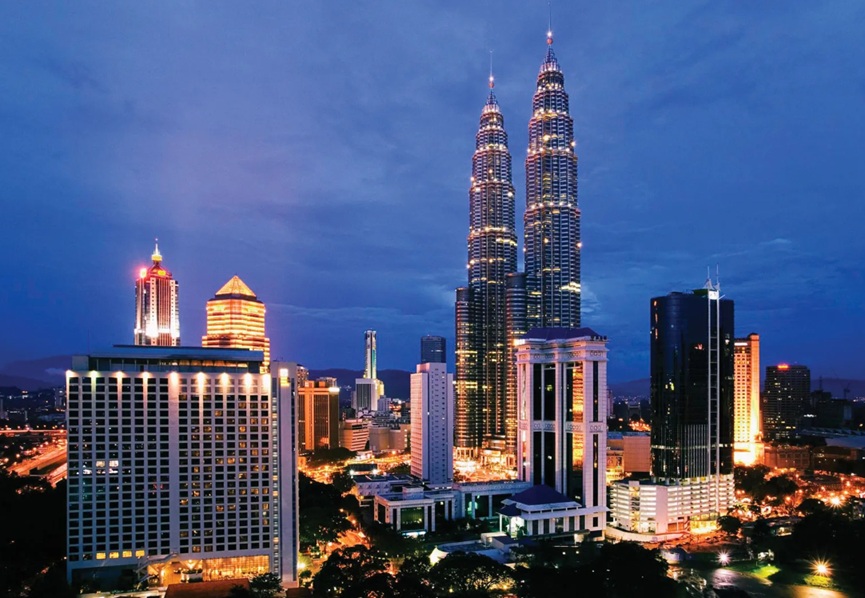
Malaysia secured 10th place in the International Living global ranking—down three spots from 2024—but it remains a compelling option, particularly for retirees prioritising peace of mind and modern amenities.
The Appeal: Malaysia has been ranked as the third safest retirement destination in the world and the safest in Asia, with the 2025 Global Peace Index placing it 13th globally. Expats often note that people leave wallets or phones on café tables without concern—a level of trust rarely seen in Western countries. Penang remains the premier destination: a modern apartment with a pool and ocean view, or a restored heritage townhouse, typically costs between 1,500 and 3,500 ringgit per month. Private hospitals—Island, Gleneagles, and Adventist—are modern and well-equipped, with doctors often trained in the UK or Australia.
The Reality: As the ringgit fluctuates and competition from neighbours rises, Malaysia is no longer the “bargain” destination it was a decade ago. It is better viewed as a reliable, high-value choice rather than an ultra-cheap one. That said, for retirees seeking an English-friendly, multicultural environment with exceptional food and modern infrastructure, it remains hard to beat.
Philippines: The 2026 Surprise Champion
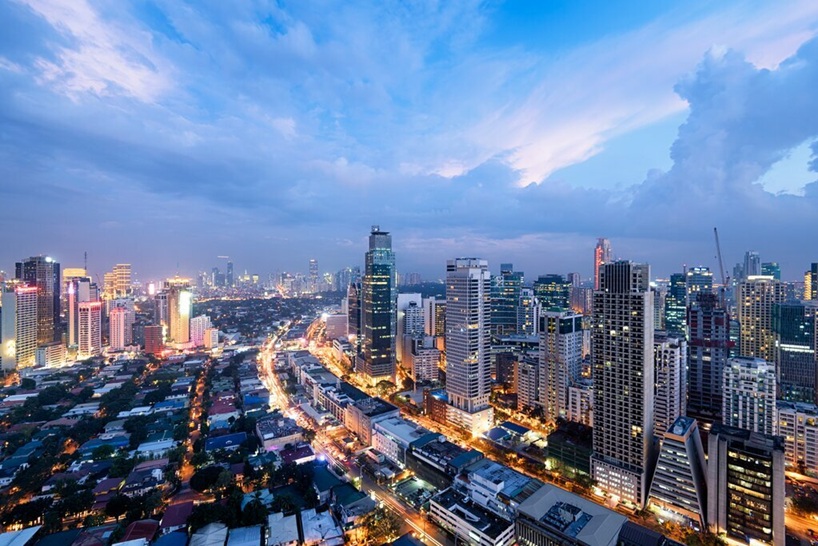
The Philippines’ rise to the top of the Expatriate Group ranking is the biggest story of 2026, scoring 78 out of 100 and outperforming Thailand (77) and Colombia (73).
The Appeal: The Special Resident Retiree’s Visa (SRRV) is one of the most accessible pathways in Asia—applicants aged 50 and above with a stable pension need only deposit $15,000 in a Philippine bank to qualify for long-term residency. A retired couple can live comfortably on roughly $950–$1,250 per month, significantly less than the US average of $6,545. English is widely spoken, and major cities like Manila and Cebu have internationally accredited hospitals with English-speaking staff.
The Reality: Infrastructure outside of major urban centres can be challenging. Traffic in Manila is notorious, and while healthcare is excellent in cities, its quality drops noticeably in remote island paradises. The country is also prone to typhoons and earthquakes—real considerations for any retiree. If you are willing to accept some infrastructural trade-offs in exchange for warm hospitality and affordable coastal living, the Philippines is a compelling choice.
Vietnam: The Emerging Value Player
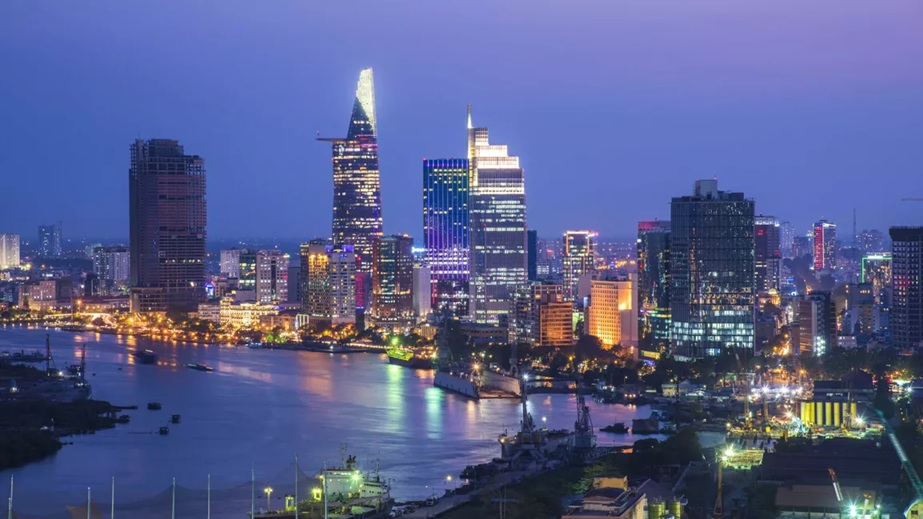
Vietnam broke into the global top ten for the first time in 2026, ranking 9th in the Retraite sans Frontières index, earning high marks for affordable living costs, a diverse environment, and rapidly improving urban infrastructure.
The Appeal: Less than $1,500 a month can fund a comfortable lifestyle, with exceptionally low rent, fresh local food, and a high sense of personal safety. Hanoi alone is home to around 100,000 expats. Vietnam ranks 38th in the Global Peace Index, and long-term residents report feeling safe even walking alone at odd hours, with violent crime nearly non-existent and petty theft rare. Infrastructure is improving rapidly, with world-class healthcare facilities now available in urban centres.
The Reality: The lack of a dedicated retirement visa is a significant hurdle. Most long-stay visitors rely on tourist visas that require frequent “visa runs”—regular exits and re-entries—while investment visas require capital injections of around $130,000. This makes Vietnam better suited for retirees who are comfortable with administrative flexibility or who qualify for other long-stay options. If you can navigate the bureaucracy, it offers one of the best value-for-money propositions in the region.
Sri Lanka: The Affordability Champion
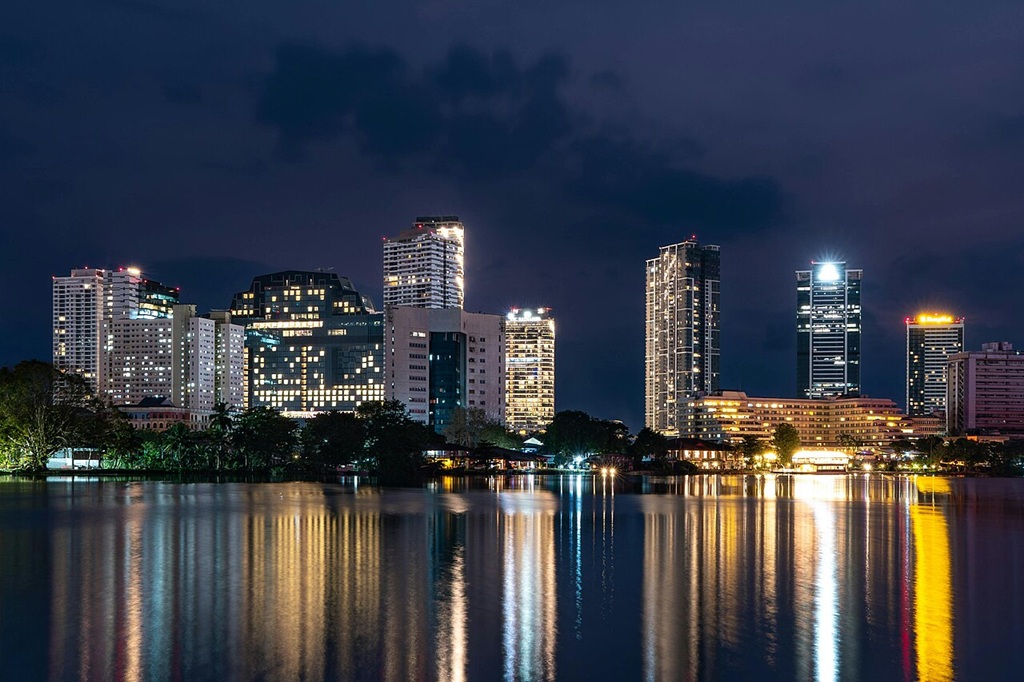
If pure affordability is your priority, Sri Lanka deserves your attention. International Living named it the most affordable retirement destination in Asia for 2026, ahead of Vietnam, Thailand, Bali, and Malaysia.
The Appeal: A couple can live “extravagantly well” on $2,200 a month—including a beachfront villa, island travel, dining out most nights, massages, and spa treatments. Others maintain a fulfilling lifestyle for as little as $1,000 a month. A villa by the beach with a garden and plunge pool costs just $385 a month, with utilities under $50, and local meals cost as little as $2 per person. Sri Lanka also has one of the easiest and cheapest retirement visa requirements in Asia.
The Reality: This is a destination for the adventurous. Sri Lanka has faced significant economic and political challenges in recent years, and healthcare outside Colombo remains basic. While the cost of living is extraordinarily low, the country’s stability is still recovering. For retirees willing to accept some uncertainty in exchange for exceptional value, Sri Lanka is tempting—but it is not for everyone.
Making Your Honest Choice: A Four-Pillar Framework
Beyond the rankings and glossy brochures, evaluate your potential new home through these four critical lenses. This framework will help you separate a great holiday destination from a genuinely sustainable retirement.
1. Healthcare Infrastructure (Local, Not National)
Do not rely on national averages. Research the specific hospital quality and emergency response times within 30 minutes of your intended residence. A world-class hospital in Bangkok or Kuala Lumpur does you little good if you are four hours away on a remote island. Ensure your personal international health insurance policy explicitly covers your chosen country and includes provisions for medical evacuation.
2. Visa Sustainability
Avoid relying on temporary tourist visas for long-term living. Look for clear, legal, long-term pathways that do not require frequent, stressful border runs. Always verify the latest financial requirements directly with the relevant embassy or immigration department, as deposit minimums and monthly income thresholds change frequently and without much warning.
3. Lifestyle Integration (Visit in the Off-Season)
A vacation spot is not always a great place to live. Before committing, visit for at least one month—preferably during the rainy or off-season—to experience the reality of daily routines, local weather patterns, and social life. Talk to other expats who have been there for years, not just those on their first honeymoon trip. Their lived experience is worth more than any online review.
4. Hidden Costs and Currency Risk
Budgeting for rent and food is only the start. Factor in international banking fees, the higher cost of imported goods (from cheese to electronics), annual visa renewal fees, private health insurance premiums that rise with age, and the inevitable expense of travel to visit family back home. Also, consider currency volatility—your home-country pension may buy less if the local currency strengthens against the dollar or euro.
Honest Advice for 2026
Do not chase rankings blindly. The Philippines may be No. 1 in one index, but if you value world-class healthcare and established expat infrastructure, Thailand or Malaysia might suit you better. Rankings are useful starting points, not final answers.
Also, consider the trade-offs honestly: Vietnam is cheaper and more exciting, but the visa situation is a headache. The Philippines is welcoming and English-friendly, but infrastructure and healthcare are inconsistent. Malaysia is safe and modern, but it is no longer the bargain it once was. Thailand is the all-rounder, but it is crowded with other expats. Sri Lanka is extraordinarily cheap, but it comes with political and economic uncertainty.
The best place to retire in Asia in 2026 is not the one that tops any chart—it is the one where your budget, your health needs, your tolerance for bureaucracy, and your personal appetite for adventure genuinely align. Use these rankings as a compass, invest time in on-the-ground research, and trust your own due diligence to find the destination that truly feels like home.
Author
John Paul Ybañez Paquibot
Licensed Real Estate Broker | PRC No. 00014132 | DHSUD No. CVRFO-B-03/18-2672
Bachelors Realty and Brokerage, Inc. Cebu
G/F Cap Building, Brgy. Corner, Osmeña Blvd.
Arlington Pond St. Extension, Cebu City, 6000 Cebu
Leave a Reply