Category: Articles

  • The Best Country to Retire in the World: 2026 Rankings vs. Reality

    The Best Country to Retire in the World

    Ask ten different retirees what the “best” country in the world is, and you’ll get ten different answers. That’s because there is no single right answer—there’s only the right answer for you.

    That said, a few destinations consistently rise to the top of global retirement rankings. In 2026, two names appear more frequently than any others: Greece and the Philippines—but for very different reasons. Let’s cut through the marketing hype and look at what actually matters.


    What the Rankings Actually Say

    Different organizations rank retirement destinations using different criteria, which explains why you’ll see different countries at the top of different lists.

    • International Living’s 2026 Annual Global Retirement Index (now in its 35th year) named Greece as the world’s number one for the first time ever. The index evaluates cost of living, healthcare, housing, climate, visas, and ease of integration. Greece scored among the highest in climate, housing, and healthcare.
    • The Expatriate Group’s Retirement Abroad Index 2026 ranked the Philippines as the world’s number one, scoring 78/100 across healthcare quality, visa accessibility, health insurance requirements, cost of living, and expat community integration. Thailand followed at 77, and Colombia at 73.

    So which one is right? Both. They’re just measuring different things.


    The Two Paths: Europe vs. Southeast Asia vs. Latin America

    Broadly speaking, the best retirement destinations fall into three categories, each with distinct trade-offs.


    European Retirement (Greece, Portugal, Spain, Italy, France)

    Europe offers a blend of history, culture, infrastructure, and healthcare that’s hard to beat. The trade-off? Higher costs—though still significantly lower than in the U.S. for many expenses.

    Greece has surged to the top because it offers a beautiful, welcoming, and affordable European base with accessible residency options.

    • Monthly budget: A couple can live comfortably on about $3,200–$3,300 (€2,900–€3,000) per month.
    • Housing: One American couple bought a two-bedroom house on Crete for $150,000.
    • Healthcare: Private health insurance for two costs just $275 (€250) per month combined.
    • Visa pathways: Golden Visa starts at around €250,000 for property. The Financially Independent Person permit is also available for passive-income retirees.

    Portugal remains a perennial favorite (ranked #4 in the International Living index).

    • Visa: The D7 Passive Income Visa requires just $1,010 (€920) per month in passive income from outside Portugal—one of Europe’s lowest thresholds.
    • Safety: Consistently ranked among the safest countries in the world.
    • The catch: Citizenship now requires 10 years of legal residence for most applicants. Spain closed its Golden Visa program in 2025.

    Southeast Asian Retirement (Philippines, Thailand, Malaysia)

    If your priority is stretching your retirement savings as far as possible, Southeast Asia is hard to beat.

    The Philippines offers arguably the most accessible retirement visa on the planet.

    • Visa: The Special Resident Retiree’s Visa (SRRV) requires a fixed deposit of just $15,000 (£11,000) for pension holders aged 50+.
    • Processing time: Only 4–8 weeks, with no annual renewals.
    • Monthly budget: A retired couple can live well on $950–$1,300 (£750–£1,000) per month.
    • Rent: A furnished one-bedroom apartment averages $330 monthly; add utilities and internet, and you’re still only at ~$440.
    • Language: English is an official language—no language barrier to daily life.
    • Healthcare caveat: Excellent private hospitals exist in Manila and Cebu, but standards drop significantly in rural areas.

    Thailand ranks #2 in the Expatriate Group index.

    • Healthcare: Tied with Spain and France for the highest score in the index.
    • Visa: The Non-Immigrant O-A Visa requires mandatory health insurance coverage of at least $100,000 per year.

    Malaysia (ranked #10 in the International Living index).

    • Monthly budget: Comfortable living from $1,500 per month in Kuala Lumpur or Penang.
    • Language: English is widely used.

    Latin American Retirement (Panama, Costa Rica, Mexico, Colombia)

    Latin America offers a middle ground: lower costs than Europe, better infrastructure than much of Southeast Asia, and time zones closer to North America.

    Panama ranks #2 in the International Living index and #1 in visa/retiree benefits.

    • Visa: The Pensionado Program requires a lifetime pension of at least $1,000 per month.
    • Perks: 50% off entertainment, 30% off transport, 25% off airfares, and 15% off medical bills.
    • Healthcare: “Rivals the U.S. in quality—without the price tag,” per the index.

    Costa Rica ranks #3 in the International Living index.

    • Cost of living: About 20.5% lower than the U.S.; rent is 44.4% lower.
    • Healthcare: With legal residency, you can enroll in the public system with income-based contributions.
    • Monthly budget: A comfortable single-person retirement runs about $2,500 per month.

    Colombia ranks #3 in the Expatriate Group index.

    • Visa: One of the most accessible retirement visa pathways in Latin America.
    • Cost of living: Scored 18/20 in the index’s affordability category.
    • Monthly budget: A retired couple lives comfortably in Medellín on $1,300–$1,900 (£1,000–£1,500) per month.

    What You Actually Need to Think About

    Before you pick a country, ask yourself these questions:

    • How much can you realistically spend each month? Under $2,000? Focus on Southeast Asia or parts of Latin America. Over $3,500? Greece or Portugal become viable.
    • What are your healthcare needs? In the Philippines, there’s a massive gap between urban and rural hospitals. In Europe, you get consistently high-quality care almost everywhere.
    • Do you speak the language? English is official in the Philippines, widely spoken in Malaysia and Panama, and common in expat hubs of Greece and Costa Rica—but learning the local basics goes a long way.
    • How important is proximity to family? If you want short, affordable flights back to the U.S., Latin America wins. Europe is mid-range. Southeast Asia is the farthest (and most expensive to visit home).
    • What visa pathway fits your situation? Some require property investment. Some require a fixed monthly pension. Some have age minimums. Research the specific requirements before you fall in love with a destination.

    The Honest Truth

    There is no single “best” country to retire in. The rankings are useful starting points, but they’re based on averages—and you are not an average.

    • Greece offers Mediterranean beauty, excellent healthcare, and a slower pace of life—but you’ll pay more than in Asia.
    • The Philippines offers extraordinary affordability and the easiest visa in the world—but you need to choose your city carefully for healthcare.
    • Panama offers U.S.-tier healthcare at a fraction of the cost and incredible retiree discounts—but you need that lifetime pension to qualify.
    • Portugal offers safety, quality of life, and a straightforward visa—but the path to citizenship is getting longer each year.

    The best country for you is the one that matches your budget, your healthcare needs, your language abilities, and your personal priorities. Use the rankings to generate a shortlist. Then visit. Spend time in each place. Talk to expats who live there.

    Because the best retirement isn’t about finding the perfect country. It’s about finding the country that’s perfect for you.

      Author
      John Paul Ybañez Paquibot
      Licensed Real Estate Broker | PRC No. 00014132 | DHSUD No. CVRFO-B-03/18-2672
      Bachelors Realty and Brokerage, Inc. Cebu
      G/F Cap Building, Brgy. Corner, Osmeña Blvd.
      Arlington Pond St. Extension, Cebu City, 6000 Cebu
    • Passive Income from Cebu Real Estate: The Honest, No-Fluff Guide – SeekCebu

      Passive Income from Cebu Real Estate

      Let’s cut to the chase. You’ve seen the YouTube thumbnails: “I Make ₱100k a Month Doing Nothing in Cebu!” They’re lying.

      Cebu real estate can generate passive income. But “passive” is a spectrum, and Cebu has unique challenges—brutal traffic, typhoon risks, condo oversupply, and squatter rights that will ruin you if you’re careless.

      Here is the honest breakdown of what works, what doesn’t, and how to invest without losing your sanity.


      The Hard Truth First

      Before you buy anything, understand this: Real estate is not truly passive. It is less active than a 9-to-5 job.

      If you want truly passive income tied to Cebu real estate, stop reading and buy REITs.
      AREIT and MREIT (on the Philippine Stock Exchange) own office buildings and commercial spaces. You collect dividends. No toilets. No tenants. No 2 AM phone calls.

      If you still want to touch dirt and sleep on it, fine. But you must accept:

      • Inconsistent cash flow – Late rent happens.
      • Constant maintenance – Termites, leaky pipes, VECO power fluctuations.
      • Squatter risks – Leave raw land alone for 6 months? Someone builds a shanty.
      • The “Cebu Traffic” tax – A unit in Lahug may be empty because no one wants that commute.

      What Actually Generates Income in Cebu? (Ranked by Passivity)

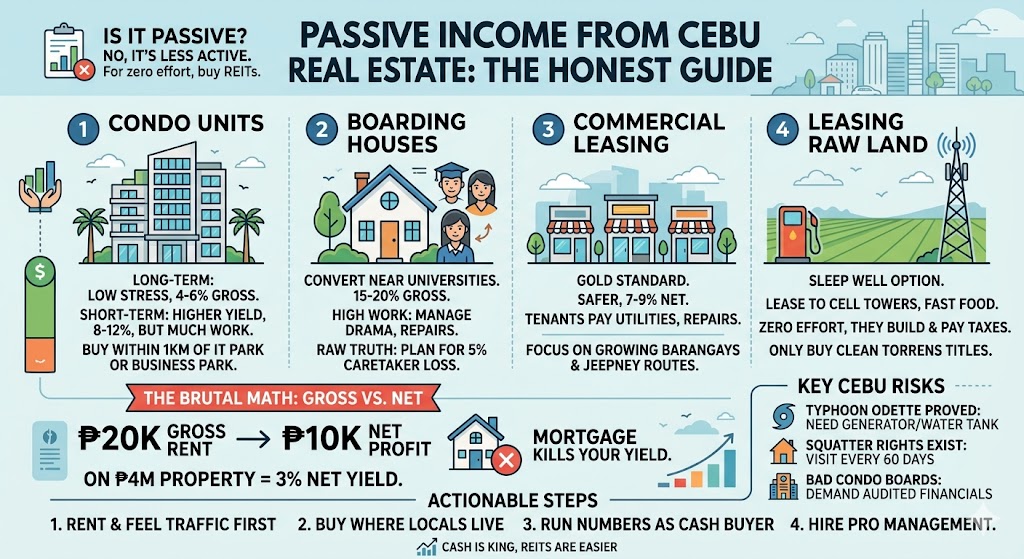
      1. Condo Units – Moderately Passive

      The honesty: Cebu has a condo oversupply. IT Park to Mandaue is tower after tower.

      • Long-term leasing (6–12 months): Low stress. Rent to BPO workers or students. Gross yield: 4–6%. After association dues (₱3k–₱8k/month) and taxes, you net very little. Often cash-flow neutral.
      • Short-term (Airbnb): Higher gross (8–12%), but not passive. You need a cleaner, key exchanges, and 2 AM AC repair calls.

      Cebu rule: For long-term, buy within 1km of IT Park or Cebu Business Park. For Airbnb, Mactan (tourists) is the only exception. Avoid Mandaue or Talisay condos for rental income – high vacancy.

      2. Boarding Houses / Apartments – Low Passive, High Return

      The honesty: This is a business, not passive. But it pays.

      Near UC or CIT-U, convert a house into 4–6 rooms (₱3k–₱5k/month each). Gross yield: 15–20%.

      The catch: You manage sub-metering, noise, and drama. If you hire a local caretaker, here’s the raw truth: they will steal a little – accept 5% loss as the cost of doing business. If you don’t hire one, you lose all your free time.

      3. Commercial Leasing – Semi-Passive (Gold Standard)

      The honesty: With ₱10M+ capital, a small commercial strip in a busy barangay is the safest play.

      • Why: Tenants (pharmacies, sari-sari stores, water stations) sign multi-year leases, pay their own utilities, and handle repairs. They rarely move.
      • Where: Along jeepney routes in Consolacion, Liloan, or Minglanilla – not the expensive city center.
      • Yield: 7–9% net. Very stable.

      4. Leasing Raw Land – Highly Passive (“Sleep Well” Option)

      The honesty: Buy a flat, dry lot near an expanding road. Lease it for 10+15 years to a cell tower company (Globe/Smart), gas station, or Jollibee.

      • Pros: They build their own structure. They pay taxes. You do nothing except deposit checks.
      • Cons: High upfront capital (₱3M–₱10M). Hard to find before developers.
      • Cebu edge: With the CCLEX bridge, Cordova land is hot. Never buy untitled land. Only clean Torrens titles.

      The “Cebu-Specific” Risks You Must Face

      • Typhoon Odette (2021) proved it: No backup generator or water tank? Tenants leave for months. Income to zero.
      • Squatters have rights: If someone lives on your vacant lot and pays taxes for 10 years, they can claim ownership. Visit your raw land every 60 days. No joke.
      • Condo association trap: Many Cebu condo boards are poorly managed. Demand audited financial statements before buying. If no reserve fund, you’ll get a special assessment (e.g., ₱50k for a broken elevator).

      The Brutal Math: Gross vs. Net

      A developer says: “₱4,000,000 condo rents for ₱20,000/month – that’s 6%!”

      Here’s what actually happens in Cebu:

      Gross Rental Income
      Monthly (PHP): ₱20,000
      Annual (PHP): ₱240,000

      Less: Vacancy (10%)
      Monthly (PHP): –₱2,000
      Annual (PHP): –₱24,000

      Less: Condo Association Dues
      Monthly (PHP): –₱4,000
      Annual (PHP): –₱48,000

      Less: Property Management (10%)
      Monthly (PHP): –₱2,000
      Annual (PHP): –₱24,000

      Less: VECO/Water (vacant unit)
      Monthly (PHP): –₱500
      Annual (PHP): –₱6,000

      Less: Tax & Maintenance
      Monthly (PHP): –₱1,500
      Annual (PHP): –₱18,000

      True Net Cash Flow
      Monthly (PHP): ₱10,000
      Annual (PHP): ₱120,000

      Reality: Your ₱20k gross is actually ₱10k net. That’s a 3% net yield. If you took an 8–10% bank loan, you’re losing money every month.


      4 Actionable Steps for a Realistic Start

      1. Do not buy immediately. Rent in Cebu for 3 months. Drive from IT Park to Talisay at 5:30 PM on a rainy Friday. That traffic dictates where people will pay to live – within 2–3km of work.
      2. Buy where locals live, not where tourists look. Foreigners love “ocean view” in Mactan. Locals look for 7-Eleven, pharmacy, laundry shop in Basak, Pardo, or Banilad. Local demand is stable. Tourist demand is fickle.
      3. Run numbers as a cash buyer. If the property doesn’t work with cash, a mortgage will kill you. Don’t rely on “future appreciation” to save bad cash flow.
      4. Hire professional management. Avoid “cousin of a friend.” Use established local agencies. Pay 10% of rent. If someone asks for 15–20% for long-term rental, walk away.

      The Verdict

      Is Cebu real estate worth it for passive income?

      YES, if:

      • You buy with cash.
      • You focus on commercial or raw land.
      • You treat it as a 5-hour/month side business.

      NO, if:

      • You live overseas and can’t visit once a year.
      • You expect 20% stress-free returns.
      • You hate fixing leaks or firing a lazy security guard.

      The honest final metric:
      A good passive income property in Cebu nets 5–7% cash flow + 3–5% appreciation. That beats a bank (2%). It does NOT beat the S&P 500 (10% historically). You do it for stability and hard asset diversification.

      If you want truly passive: Buy AREIT or MREIT on the stock market. Dividends from Cebu’s office buildings. No toilets. No tenants. No traffic.

      That’s the honest truth.

      Contact Us

        Author
        John Paul Ybañez Paquibot
        Licensed Real Estate Broker | PRC No. 00014132 | DHSUD No. CVRFO-B-03/18-2672
        Bachelors Realty and Brokerage, Inc. Cebu
        G/F Cap Building, Brgy. Corner, Osmeña Blvd.
        Arlington Pond St. Extension, Cebu City, 6000 Cebu

      • Beach Lot vs. Farm Lot in Southern Cebu: An Honest Guide – SeekCebu

        You’re looking at southern Cebu. Maybe you’ve driven down the coast, past the rolling hills of Argao, through the dive-town energy of Moalboal, all the way to the whale sharks of Oslob. And now you’re thinking: I want a piece of this.

        But here’s the question that stops most people cold: beach or farm? A strip of sand with a view of the sea, or a chunk of green earth with room to breathe?

        It sounds like a lifestyle choice. It’s actually a financial decision with very different rules, very different risks, and very different outcomes. This guide breaks down what you’re actually buying with each option—and what nobody tells you until it’s too late.

        Part 1: The Fundamental Difference Nobody Explains

        Let’s start with the most important distinction: a beach lot and a farm lot are not the same kind of asset.

        A beach lot, at least in the way most people imagine it, is usually classified as residential or commercial land. You’re buying it to build something—a house, a villa, a resort. The value comes from location, views, and proximity to the sea.

        A farm lot is agricultural land. It’s designated for growing crops, raising livestock, or other primary production activities. The value comes from the land itself—soil quality, water access, and productive potential. You can build on it, but that requires navigating a process that many buyers don’t fully understand until they’re already committed.

        The honest take: These are different asset classes with different legal frameworks, different cost structures, and different timelines. Comparing them purely on price per square meter misses the point entirely.

        Part 2: The Price Reality

        Here’s where the numbers get interesting.

        In southern Cebu, beachfront lots in towns like Moalboal, Oslob, and Badian typically range from PHP 4,000 to PHP 9,000 per square meter, depending on frontage and access. That’s significantly cheaper than Mactan, where beachfront land has skyrocketed. But even at those prices, you’re paying a premium for the view and the sand.

        Farm lots, by contrast, can be dramatically cheaper. In rural areas of southern Cebu, agricultural land can range from as low as PHP 50 to PHP 500 per square meter, depending on access, soil quality, and proximity to infrastructure. In Argao, for example, you can find residential farm lots listed at PHP 750 per square meter. A 500-square-meter farm lot in the south might cost you what a 50-square-meter beach lot would cost.

        But here’s the catch: that cheap farm lot is raw. Really raw. No electricity. No water connection. No road access. Maybe not even a clear path to get there. The development costs—clearing land, building access roads, installing utilities, digging a well—can quickly erase any upfront savings.

        The honest take: Beach lots cost more per square meter but usually come with better infrastructure access. Farm lots are cheaper upfront but the development costs can be brutal. Don’t compare the sticker prices—compare the all-in cost to make each property usable for your actual goal.

        Part 3: What You Can Actually Do With It

        Beach lot potential

        A beach lot in southern Cebu is an income-generating machine if you play it right. Tourism is booming in the south. Oslob draws visitors for whale sharks. Moalboal attracts divers from around the world. Badian is famous for canyoneering and Kawasan Falls. Short-term rentals in these areas have consistent demand from local and foreign tourists.

        The math works like this: build a villa or cottage, list it on Airbnb or similar platforms, and earn income from the tourism economy. Rental yields in Cebu’s tourism hotspots can range from 6 to 12 percent annually, depending on location and property type.

        But there’s a ceiling. You’re competing with established resorts, other vacation rentals, and increasingly, larger developers eyeing the same coastline. And the land itself is finite—what’s beachfront today is beachfront forever, which means prices tend to appreciate, but it also means entry costs keep rising.

        Farm lot potential

        A farm lot offers a completely different set of possibilities. You can farm it—growing high-value crops, raising livestock, or pursuing agro-tourism. Some Cebu farmers are earning PHP 200,000 to PHP 300,000 in net profit per month from well-managed operations.

        You can also develop it as a “farm subdivision”—a growing trend in Cebu where buyers purchase agricultural lots with the understanding that only a portion (typically around 25 percent) can be used for residential construction, with the remainder preserved for cultivation and green space.

        Or you can try to convert it to residential or commercial use. This is where it gets complicated.

        The honest take: A beach lot gives you a clear path to income through tourism. A farm lot gives you more options—farming, agro-tourism, residential development—but each option comes with its own regulatory maze and timeline.

        Part 4: The Legal Landmine Nobody Warns You About

        Here’s where the beach lot vs. farm lot decision gets really serious.

        Beach lots and the foreshore problem

        Many “beachfront” properties in the Philippines sit on foreshore land—areas right next to the sea that are part of the public domain. These are regulated by the Department of Environment and Natural Resources and cannot be privately titled, whether you’re Filipino or foreigner. What you’re really buying is access rights, not ownership.

        If you’re a foreigner, the situation is even more constrained. Foreign nationals cannot directly own land in the Philippines under the 1987 Constitution. Land ownership is strictly reserved for Filipino citizens and corporations that are at least 60 percent Filipino-owned. Your options are limited to long-term leasing (up to 99 years for qualified investors, 25 years renewable for another 25 for others), condominium ownership (which doesn’t apply to raw land), or corporate structures with Filipino majority control.

        Farm lots and the conversion problem

        Agricultural land in the Philippines is protected by law. The Comprehensive Agrarian Reform Law (CARL) of 1988 regulates the conversion of agricultural lands to non-agricultural uses. The Department of Agrarian Reform is the primary agency responsible for overseeing this process.

        If you buy a farm lot thinking you’ll build a house on it, you’re in for a shock. Converting agricultural land to residential use requires securing a Conversion Clearance from the DAR—a process that can take six to twenty-four months and incur significant fees. You’ll need to submit proof of ownership, land use maps, and detailed plans for the proposed project.

        And the political winds are shifting against conversion. Multiple bills have been filed in Congress seeking to ban or severely restrict the conversion of irrigated and irrigable agricultural lands. Illegal land conversion can lead to imprisonment of seven to twelve years and fines of up to PHP 100,000.

        The honest take: If you’re a foreigner, a beach lot means you’re leasing, not owning. If you’re buying a farm lot with dreams of building a retirement home, you need to understand that conversion is not guaranteed, not quick, and not cheap.

        Part 5: The Risks You Can’t Ignore

        Beach lot risks

        The sea is beautiful. It’s also destructive. Beachfront properties are ground zero for storm surges and wind damage. Typhoons hit the Philippines regularly, and southern Cebu is not exempt. Coastal erosion is relentless—what’s a twenty-meter beach today might be ten meters in a decade.

        Environmental regulations are getting stricter. The DENR is increasingly proactive about enforcing shoreline easements and protected area rules. Buy a property that’s out of compliance and you’re buying a legal headache.

        And then there’s the noise. In some beachfront areas, the local tradition of videoke can be deafening on weekends. Don’t buy without spending a Friday and Saturday night in the neighborhood.

        Farm lot risks

        The biggest risk with a farm lot is assuming you can do whatever you want with it. You can’t. The land classification determines what you can build, and changing that classification is a long, uncertain process.

        There’s also the infrastructure gap. Many farm lots in southern Cebu lack reliable access to electricity, water, and internet. Bringing in utilities can cost hundreds of thousands of pesos. Building materials cost more in remote areas because of transport.

        And if you’re planning to actually farm the land, you need to understand soil quality, water availability, and market access. Not all agricultural land is equally productive.

        The honest take: Beach lots carry environmental and regulatory risks. Farm lots carry development and conversion risks. Neither is “safer”—they’re just risky in different ways.

        Part 6: The Decision Framework

        So which one should you choose? The answer depends entirely on what you’re trying to achieve.

        Choose a beach lot if:

        • You want to generate income from tourism (short-term rentals, resort development)
        • You understand that you’re leasing the land if you’re a foreigner
        • You’ve budgeted for higher maintenance costs (salt air corrodes everything)
        • You’ve spent time in the area during both tourist season and off-season
        • You’ve verified the property isn’t on foreshore land that can’t be titled

        Choose a farm lot if:

        • You want more land for your money (larger lot sizes, lower per-square-meter costs)
        • You’re actually interested in farming, agro-tourism, or a farm subdivision model
        • You understand the conversion process and have the patience (and capital) to navigate it
        • You’re Filipino or have a clear legal structure for land ownership
        • You’re willing to invest in infrastructure development

        Choose neither if:

        • You’re a foreigner looking to buy raw land outright—you can’t
        • You think you’ve found a legal loophole—you haven’t
        • You haven’t visited the property in person, during both dry and rainy seasons
        • You’re buying based on “sure thing” appreciation promises
        • You haven’t checked the actual land classification with the local government

        Final Thoughts

        Southern Cebu is one of the most exciting property markets in the Philippines. The tourism boom is real. The infrastructure is improving. The potential is genuine.

        But beach lots and farm lots are not interchangeable. They serve different purposes, operate under different legal frameworks, and carry different risks. A beach lot in Moalboal and a farm lot in Argao might be twenty kilometers apart, but they’re worlds away in terms of what you can actually do with them.

        The biggest mistake you can make is buying either one without understanding what you’re actually getting. Before you sign anything, verify the land classification. Check the title. Understand the zoning. If you’re a foreigner, know exactly what you can and cannot own. And never—ever—assume that cheap land means easy development.

        The dream of owning property in southern Cebu is achievable. But it’s achieved by people who do their homework, not by people who chase the cheapest price per square meter.

        Do the work. Visit the site. Talk to the neighbors. Check the regulations. And then, and only then, make your decision.

        Pro Tip: The Overnight Test

        Before you commit to any property in southern Cebu—beach or farm—spend at least two full days and one night in the immediate area. Not at a resort. In the neighborhood. Walk the roads at different times. Listen for noise. Talk to local residents. Check the water pressure. Test the mobile signal. A Tuesday morning visit tells you nothing about what Saturday night sounds like or whether the road is passable after heavy rain. The property won’t change. But your understanding of what you’re actually buying will.

          Author
          John Paul Ybañez Paquibot
          Licensed Real Estate Broker | PRC No. 00014132 | DHSUD No. CVRFO-B-03/18-2672
          Bachelors Realty and Brokerage, Inc. Cebu
          G/F Cap Building, Brgy. Corner, Osmeña Blvd.
          Arlington Pond St. Extension, Cebu City, 6000 Cebu
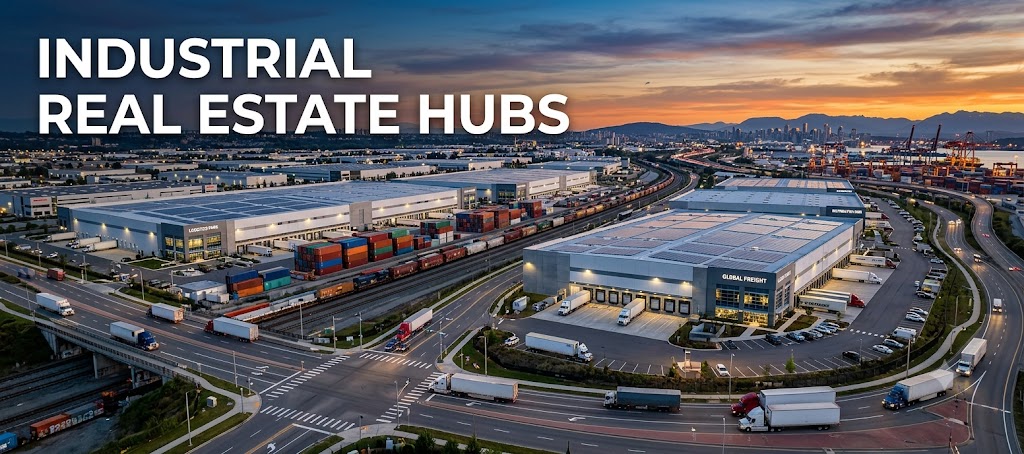
        • Industrial Real Estate Hubs in Cebu: An Honest Guide for Investors – SeekCebu

          Most people think of Cebu as a tourism destination. White sand beaches. Whale sharks. The Sinulog Festival. But behind the postcard images, something else is happening—Cebu is quietly becoming the Philippines’ most important industrial real estate market outside Metro Manila.

          The numbers tell the story. Cebu has the lowest warehouse vacancy rate among the country’s industrial hubs at just 1.05 percent, while newer developments are creating new hotspots in areas like Balamban, Danao, and Naga. Warehouse supply in Cebu grew by 6.3 percent year-on-year to 4.98 million square meters, second only to Batangas among all provinces. The province holds the highest industrial occupancy rate in the country at approximately 98 percent.

          This isn’t a trend—it’s a transformation. And if you’re thinking about investing in Cebu’s industrial real estate, you need to understand what’s actually happening, where the real opportunities are, and what nobody tells you until it’s too late.

          This guide cuts through the hype. Here’s the unvarnished truth about Cebu’s industrial property market.

          Part 1: The Big Picture—Why Cebu Matters

          Cebu is the Philippines’ second-largest economy outside Metro Manila. For years, it was known primarily for BPOs and tourism. But that’s changing. The provincial government has unveiled an ambitious plan to reshape the island’s economic geography through strategic zoning and corridor-based industrial development.

          The goal is ambitious: position Cebu as a national model for “sustainable, people-centered industrialization” by 2035. And unlike many government plans, this one has teeth. It’s anchored on the updated Provincial Development and Physical Framework Plan, which envisions the creation of industrial corridors and secondary growth centers to decentralize development.

          What makes this different is the scale and coordination. Instead of scattered industrial parks, Cebu is building interconnected corridors that link manufacturing, logistics, and energy infrastructure across the entire island. The Metro Cebu Corridor—encompassing Talisay, Naga, and Danao—will anchor logistics and manufacturing expansion. The North Corridor, stretching from Consolacion to Carmen and Bogo City, will drive renewable energy ventures, including a 114-megawatt solar farm in Toledo City. The West Corridor, covering Balamban and Pinamungahan, will focus on medium to heavy industries.

          The honest take: This isn’t speculative. Infrastructure projects with the Japan International Cooperation Agency are already advancing, including the Fourth Cebu–Mactan Bridge, the Metro Cebu Expressway, and the Metro Cebu Sewerage System. These projects improve mobility, expand access to new growth zones, and attract export-oriented industries. The government is also dedicating more than 30 percent of the province’s 2026 budget to human development—healthcare, education, and workforce upskilling. The pieces are in motion.

          Part 2: The Major Hubs—Where the Action Is

          Cebu’s industrial real estate isn’t one market—it’s several distinct ecosystems, each with its own dynamics, costs, and opportunities.

          The Mactan Economic Zone (MEZ)

          This is the granddaddy of Cebu’s industrial real estate. Spanning 150 hectares across two areas—MEPZ 1 and MEPZ 2—the zone is home to more than 200 industrial, commercial, and retail locators. MEPZ 1 is operated directly by PEZA, while MEPZ 2 is operated by the Aboitiz Group. It’s been operating since 1979 and has the infrastructure, the workforce, and the track record that investors look for.

          MEZ2 Estate, the 63-hectare PEZA-registered component, has already delivered $9.24 million in exports as of December 2024. Strategically located next to Mactan-Cebu International Airport and with easy access to Cebu International Port, it’s designed for businesses that depend on both air and sea freight. The estate offers ready-built warehouse spaces ranging from 3,500 to 40,000 square meters, as well as leasable industrial lots suitable for light manufacturing, export processing, and logistics operations.

          To date, the estate is home to over 40 locators and more than 12,000 workers across high-value sectors such as electronics, garments, medical equipment, and home furnishings. But MEZ2 isn’t just a collection of warehouses. It functions as a comprehensive industrial ecosystem, including a PEZA-accredited office hub for BPO and shared services, an outlet retail destination, and a transport terminal that improves accessibility for the workforce.

          The honest take: MEZ is the safe bet. It has the infrastructure, the regulatory framework, and the track record. But “safe” also means expensive. Land and lease rates here command a premium, and the best spaces are often taken by long-term tenants who renew consistently.

          West Cebu Industrial Park (WCIP) in Balamban

          If MEZ is the established player, WCIP is the rising star. Located in Balamban—known as the country’s shipbuilding capital—this 540-hectare special economic zone is a joint venture between the Aboitiz Group and Japan-based Tsuneishi Holdings. It hosts 11 locators from medium to heavy industries, including some of the world’s largest shipbuilding firms.

          The expansion is aggressive. In October 2024, President Marcos issued Proclamation 710, designating 19 lots totaling 17.7 hectares for inclusion. In December 2025, Proclamation 1105 added seven more parcels totaling 6.9 hectares. And in June 2026, Proclamation 1288 added more than 64 hectares, bringing the total to approximately 629 hectares.

          A 40-hectare industrial expansion is now underway at the West Cebu Estate—with half of the inventory already sold. The park provides employment to more than 14,000 skilled Filipino workers engaged in medium- and heavy-industry operations.

          The honest take: WCIP is where the growth is. The expansions are real, the incentives are substantial, and the industrial base is diversifying beyond shipbuilding into automotive and manufacturing. But Balamban is a commute from Metro Cebu. If your business depends on urban amenities or a large talent pool living nearby, this is a trade-off.

          Mandaue City

          Mandaue is the unsung hero of Cebu’s industrial economy. Hosting approximately 10,000 industrial and commercial locators, it’s a linchpin for Cebu’s export economy, accounting for 40 percent of the province’s exporting firms. Unlike the big ecozones, Mandaue offers a more mixed environment—industrial alongside commercial and residential. This can be an advantage for businesses that need proximity to urban amenities.

          The emerging corridors

          Beyond the established hubs, new areas are coming online. In Consolacion, Prilad Industrial Park is attracting warehouse developments. In Naga, the NVIP-Special Economic Zone hosts manufacturing plants like Minebea Mitsumi. Danao is positioning itself as a logistics and manufacturing anchor within the Metro Cebu Corridor. Land is cheaper in these areas, and infrastructure is improving. But “emerging” also means “less developed.” Utilities, road access, and workforce availability are works in progress.

          Part 3: The Numbers—What It Actually Costs

          Industrial real estate in Cebu doesn’t come cheap, and prices vary dramatically by location.

          In Mactan, commercial lots are listed at around PHP 35,000 per square meter. Prime commercial land in Cebu Business Park can reach PHP 220,000 per square meter. In emerging areas like Balamban, industrial lots are more affordable—around PHP 7,500 per square meter, with a 10,000-square-meter lot listed at PHP 75 million.

          But the purchase price is only part of the equation. Prime land in hotspots like the South Road Properties is nearing full saturation, with price appreciation exceeding 15 percent year-on-year. That’s good news if you already own land. It’s less good news if you’re trying to buy in.

          Warehouse lease rates in Cebu have remained broadly stable, with most provinces posting an average rate change of zero to 2 percent in recent quarters. But there’s a caveat: Grade A and Grade B warehouses—those built to modern standards with reliable utilities and sustainability features—are in much higher demand than older, Grade C warehouses that require significant renovation. The gap between premium and standard spaces is widening.

          The honest take: Industrial land in Cebu is expensive and getting more expensive. The days of cheap land are over. If you’re entering the market now, you’re paying for the growth that’s already happened, not the growth that’s coming. Make sure your numbers work at current prices, not projected prices.

          Part 4: The Market Dynamics—What’s Driving Demand

          The demand for industrial space in Cebu isn’t a mystery. It’s driven by three powerful forces.

          E-commerce and logistics. Nationwide warehouse demand jumped 80 percent in the first half of 2025, powered by wholesale and retail, logistics, and manufacturing activity. Cebu, with its 98 percent industrial occupancy rate, is ground zero for this demand. Companies are consolidating operations to meet faster, larger, and more complex consumer needs, especially for e-commerce fulfillment and regional distribution.

          Decentralization from Manila. BPO and industrial clients are increasingly seeing Visayas and Mindanao as strategic needs for the sustainability of their operations. Second-tier cities are attracting capital because “what used to be considered secondary markets are now becoming strategic expansion markets.” Labor costs are more competitive while maintaining access to a young and growing workforce.

          PEZA incentives. PEZA-registered enterprises enjoy substantial benefits: income tax holidays of four to seven years, a special corporate income tax rate of 5 percent or enhanced deductions for 10 years, tax- and duty-free importation of capital equipment and raw materials, and VAT exemptions. These incentives are real and they work—which is why PEZA continues to register projects in Cebu and remains optimistic about the province’s ability to attract investors worldwide.

          The honest take: These demand drivers aren’t going away. E-commerce is still growing. Decentralization is accelerating. PEZA incentives remain attractive. But demand is already being met with supply. Warehouse supply in Cebu grew 6.3 percent last year, and more is coming. Don’t assume that today’s 98 percent occupancy means tomorrow’s 98 percent occupancy.

          Part 5: The Risks Nobody Wants to Talk About

          Every industrial real estate investment carries risks. In Cebu, some of them are significant.

          Infrastructure bottlenecks. Chronic bottlenecks in infrastructure, logistics, and power reliability could deter foreign investors. Cebu cannot continue to rely on roads alone—mass transit investment is needed. Power reliability is a particular concern. While desalination and similar technologies are being explored for economic zones, the reality is that power interruptions still happen.

          Limited flatland. Cebu Island has limited flatlands. This is not a minor issue. If the province wants to attract more investments, it needs to create more usable land—just like Singapore and Hong Kong. The government is reviewing reclamation policies to address this, but the process is slow and regulatory.

          Regulatory complexity. The Special Economic Zone Act and its implementing rules are complex. Land classification, zoning, and environmental compliance all require navigation through multiple government agencies. Even the province acknowledges that some provisions have become “burdensome” for investors.

          Developer risk. Not all industrial park developers are created equal. Some have the capital, expertise, and track record to deliver. Others are less reliable. If you’re buying pre-construction or leasing from a developer who’s still building out infrastructure, you’re taking on developer risk. Do your homework.

          The honest take: The risks are real but manageable. Infrastructure is improving, not deteriorating. The government is actively working on reclamation and regulatory reform. And the major developers—Aboitiz, DoubleDragon, and others—have strong balance sheets and long-term commitments. The question isn’t whether there’s risk. The question is whether you understand it and can price it in.

          Part 6: Who Should Invest and Who Shouldn’t

          You should consider investing if:

          • You understand that industrial real estate is a long-term play, not a quick flip
          • You’ve done your homework on the specific hub—location, infrastructure, workforce, and regulatory environment
          • You’re working with a developer or broker who knows the Cebu market specifically
          • You’ve priced in infrastructure and utility risks
          • You’re buying for the long-term growth of Cebu’s industrial sector, not speculative appreciation

          You should not invest if:

          • You think you can buy cheap land in an emerging area and flip it in two years
          • You haven’t visited the site and checked the actual road access, power reliability, and water supply
          • You’re relying solely on PEZA incentives without understanding the compliance requirements
          • You don’t have the capital to wait out infrastructure development timelines
          • You’re buying based on the 98 percent occupancy rate without understanding what’s coming online

          Final Thoughts

          Cebu’s industrial real estate market is genuinely exciting. The numbers are impressive: 98 percent occupancy, 6.3 percent supply growth, the lowest warehouse vacancy rate in the country at 1.05 percent. The government has a plan, the infrastructure is coming, and the demand drivers—e-commerce, decentralization, and PEZA incentives—are real.

          But the market is also changing. Prime land is near saturation. Prices are appreciating rapidly. New supply is coming online. The days of easy wins are over.

          If you’re investing in Cebu’s industrial real estate, go in with your eyes open. Buy for the long term. Price in the risks. Work with people who know the market. And never assume that today’s strong numbers guarantee tomorrow’s returns.

          The sleeping giant is awakening. Just make sure you’re not the one who gets trampled when it stands up.

          Pro Tip: The Infrastructure Reality Check

          Before you commit to any industrial property in Cebu, spend a day driving the route from the site to the nearest port, airport, and major highway—during rush hour. Infrastructure maps look great on paper. The reality of Cebu’s traffic, road conditions, and power reliability is something else entirely. A site that’s “strategically located” on a developer’s brochure might be a 90-minute crawl from the port during peak hours. If your business depends on just-in-time logistics, that 90 minutes is the difference between profit and loss. Do the drive yourself. Multiple times. At different times of day. The road doesn’t lie.

            Author
            John Paul Ybañez Paquibot
            Licensed Real Estate Broker | PRC No. 00014132 | DHSUD No. CVRFO-B-03/18-2672
            Bachelors Realty and Brokerage, Inc. Cebu
            G/F Cap Building, Brgy. Corner, Osmeña Blvd.
            Arlington Pond St. Extension, Cebu City, 6000 Cebu
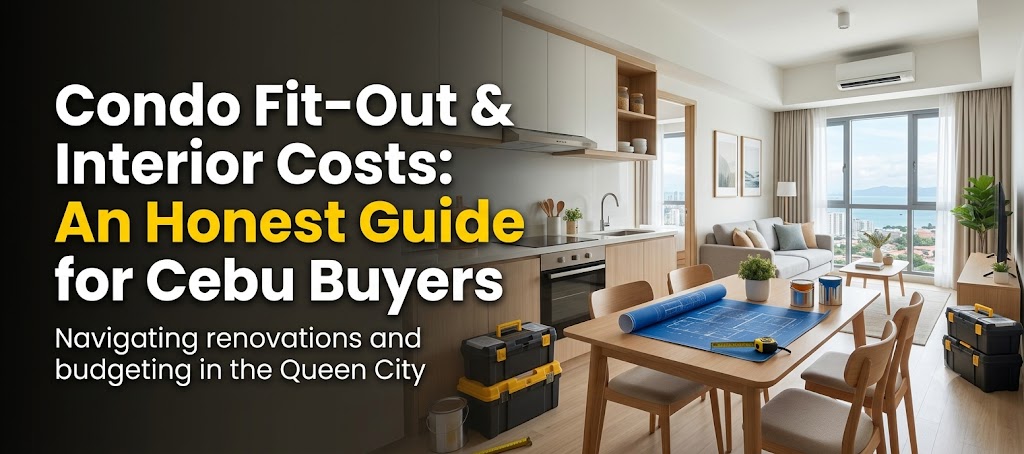
          • Condo Fit-Out & Interior Costs: An Honest Guide for Cebu Buyers – SeekCebu

            You’ve signed the papers. The keys are in your hand. You walk into your bare Cebu condo—concrete floors, unpainted walls, bare lightbulbs hanging from the ceiling. It’s a blank canvas. And now you’re staring at it, wondering: how much is this actually going to cost?

            Here’s the honest answer: anywhere from PHP 300,000 to over PHP 1.5 million for a typical 30 to 50 square meter unit. That’s a massive range, and the difference comes down to one question: what are you trying to do with this space?

            This guide breaks down what things actually cost, where your money goes, and most importantly—where it shouldn’t.

            Part 1: The Big Picture—What You’re Actually Paying For

            Before we talk numbers, let’s clarify what a “fit-out” means. A fit-out transforms a bare condo unit into a livable or rental-ready space. It includes design, construction, electrical work, finishes, and furniture. A renovation, by contrast, upgrades an existing unit.

            For a 50-square-meter Cebu condo, a full interior fit-out typically ranges from PHP 550,000 to PHP 750,000 covering essential furnishings and finishes. But that’s just one data point. The real story is in the details.

            The honest take: The cheapest option is rarely the best value, and the most expensive option rarely delivers the best return. The sweet spot for most buyers sits between PHP 25,000 and PHP 30,000 per square meter.

            Part 2: The Cost Tiers—What Your Money Actually Gets You

            Basic—PHP 300,000 to PHP 600,000 (PHP 15,000 to PHP 20,000 per sqm)

            At this level, you’re getting functional. Standard paint and finishes, off-the-shelf fixtures, minimal layout planning. You’ll cover essentials—lighting, basic furniture, a bed, a table, maybe a sofa. This works for long-term rentals where tenants prioritize affordability over aesthetics.

            But here’s the catch: units in this range often show problems within the first year. Cabinet swelling, poor lighting placement, inefficient storage. You save money upfront, but you pay for it later in maintenance and lost rental appeal.

            Mid-Range—PHP 600,000 to PHP 1.2 million (PHP 25,000 to PHP 30,000 per sqm)

            This is where most smart money goes. Cohesive design, better space planning, durable finishes, furniture selected for both comfort and aesthetics. Units in this range perform significantly better in the rental market because they create a strong first impression—and in the world of online bookings, that first impression directly impacts your bottom line.

            A 40-square-meter Airbnb unit with a PHP 900,000 budget might break down like this: PHP 500,000 for construction and finishes, PHP 250,000 for furniture and styling, PHP 100,000 for design and planning, and PHP 50,000 for permits and logistics.

            Premium—PHP 1.2 million and above (PHP 35,000 to PHP 60,000+ per sqm)

            Custom cabinetry, built-in storage, designer lighting, layered interiors. This only makes sense if your building and location can command higher rental rates. Otherwise, you’re spending money you’ll never recover.

            The honest take: A PHP 900,000 unit can outperform a PHP 1.3 million unit if the design is more cohesive. ROI is driven by design decisions, not total budget.

            Part 3: Where Your Money Actually Goes

            Design Fees

            This covers layout planning, space optimization, and material direction. Skipping proper design leads to wasted space or costly revisions later. For small units, this is even more critical because every square meter needs to work efficiently.

            In Cebu, interior designer rates typically range from PHP 1,500 to PHP 2,000 per hour for mid-level designers, while established designers may charge around PHP 3,000 per hour. Some designers charge 10 to 30 percent of the total project cost.

            Construction and Labor

            This is usually the largest portion of your budget. It includes electrical work, carpentry, and installation. Poor execution here leads to the most expensive problems later—uneven finishes, faulty wiring, rework.

            Residential condominiums in the Philippines have the highest average construction cost within the residential category at PHP 19,938.63 per square meter. Keep in mind this is construction cost alone, not including furniture or design fees.

            Materials and Finishes

            Flooring, tiles, paint, cabinetry. A common mistake is overspending on finishes without improving layout. Mid-range materials often outperform premium ones when the design is done properly.

            Furniture and Styling

            This is where rental units gain their advantage. Guests decide quickly based on visuals. A well-styled living room—sofa, coffee table, statement lighting, and decor—can cost between PHP 110,000 and PHP 150,000. A six-seater dining set starts at PHP 25,000. Kitchen enhancements vary from a simple cabinet refresh to a full overhaul priced between PHP 115,000 and PHP 250,000.

            Permits and Fees

            Condo approvals, deposits, and administrative requirements. These costs don’t add visual value, but they affect your timeline and budget. You’ll need approval from the building management before starting any major work. For significant renovations, you may need architectural and engineering drawings signed by licensed professionals.

            Part 4: The Factors That Drive Costs Up

            Unit Size

            Smaller units often cost more per square meter. Tighter spaces require more detailed planning, especially for storage and layout. A 22-square-meter unit presents a design challenge that requires skillful blending of comfort, convenience, and efficient use of every square centimeter.

            Scope of Work

            A bare unit requires full setup—electrical planning, cabinetry, layout optimization. Semi-furnished units reduce some costs but may limit flexibility.

            Material Selection

            Even small upgrades can significantly affect total cost. Switching tile types or cabinet finishes across an entire unit can increase your budget by hundreds of thousands.

            Condo Restrictions

            Building rules play a major role. Limited work hours slow down progress. Delivery schedules affect workflow. Access restrictions increase labor time. Two similar units can differ by PHP 200,000 to PHP 300,000 based on planning alone.

            Logistics

            Material movement is controlled. Elevator booking is required. Delivery windows are limited. Additional handling fees may apply. Missed schedules can delay work and increase labor costs.

            The honest take: These challenges don’t improve your unit, but if ignored, they increase your total project cost. A missed permit, delayed delivery, or restricted schedule can add days or even weeks to your timeline.

            Part 5: The Hidden Costs Nobody Mentions

            The “change order” trap. Changing materials mid-project can increase costs by 20 percent or more. Define your scope before starting and avoid changes during construction.

            The approval delay. Each building has its own permit process that can take days or weeks. Start this early to avoid delays before construction even begins.

            The furniture gap. Many buyers budget for construction but forget about furniture. A complete setup requires everything from beds and sofas to curtains and kitchenware. Those costs add up fast.

            The maintenance reality. A common rule of thumb is to set aside 1 percent of the property’s value annually for maintenance and unexpected fixes. For a PHP 5 million condo, that’s PHP 50,000 a year.

            The timeline reality. A typical condo fit-out takes 4 to 10 weeks. A 40-square-meter unit can be completed in 4 to 6 weeks if decisions are finalized early. Most delays occur during approvals and mid-project changes, not construction itself.

            Part 6: How to Budget Based on Your Goal

            For Airbnb units

            Design directly affects income. Strong visuals improve click-through rates. Better layout improves guest experience. Good lighting enhances photos. Allocate around 20 to 40 percent of your property value to keep your unit competitive. Layout improvements, lighting, and furniture have the biggest impact on returns.

            For long-term rentals

            Durability matters more than design. Materials should last longer. Maintenance should be minimal. Layout should be practical. Spending too much on finishes rarely increases rental value in this segment.

            For personal use

            Usability becomes the priority. Storage solutions. Layout efficiency. Daily comfort. Spend on what makes the space work for your life, not what looks good in photos.

            Part 7: The Bottom Line—What to Do Before You Start

            Get multiple quotes. Request detailed, itemized quotes from at least three contractors. Compare not just prices but what’s included.

            Check building rules before you plan. Find out what you can and can’t do. Structural changes are usually restricted. Know the work hours, delivery schedules, and approval process.

            Visit similar units. See what other owners have done with the same floor plan. Learn from their successes and mistakes.

            Budget 10 to 20 percent extra for surprises. There will be surprises.

            Define your scope before spending a peso. Clear decisions early lead to better control over your budget.

            Final Thoughts

            Fitting out a Cebu condo isn’t cheap. But it doesn’t have to be a money pit either. The difference between a smart fit-out and a wasteful one isn’t the size of your budget—it’s how you allocate it.

            A PHP 600,000 fit-out done right can outperform a PHP 1.2 million fit-out done wrong. The key is matching your spending to your goal. If you’re renting long-term, prioritize durability over design. If you’re doing Airbnb, invest in lighting and layout. If it’s for you, spend on what makes you happy to come home.

            And whatever you do, plan before you build. Get the approvals first. Lock in your decisions early. And never—ever—start demolition without knowing exactly what you’re building and what it’s going to cost.

            The blank canvas is exciting. Just make sure you’re not the one paying to repaint it.

            Pro Tip: The 10% Cash Reserve

            Never deplete your entire budget. Always keep at least 10 to 15 percent of your total fit-out budget in a “quick-access” cash account for the “Day 1” extras—curtains, cleaning supplies, kitchenware, and those final aesthetic touches that make a place feel like a home. Most investors forget these, and they are usually the items that turn a house into a rentable, high-performing property.

            That emergency cash reserve isn’t just for the pretty things either. It’s your safety net for the unexpected—a fixture that doesn’t fit, a delivery that gets damaged, an approval that requires an extra fee. When you’ve accounted for both the visible finishes and the invisible expenses, you’re not just finishing a condo. You’re finishing a profitable asset.

              Author
              John Paul Ybañez Paquibot
              Licensed Real Estate Broker | PRC No. 00014132 | DHSUD No. CVRFO-B-03/18-2672
              Bachelors Realty and Brokerage, Inc. Cebu
              G/F Cap Building, Brgy. Corner, Osmeña Blvd.
              Arlington Pond St. Extension, Cebu City, 6000 Cebu
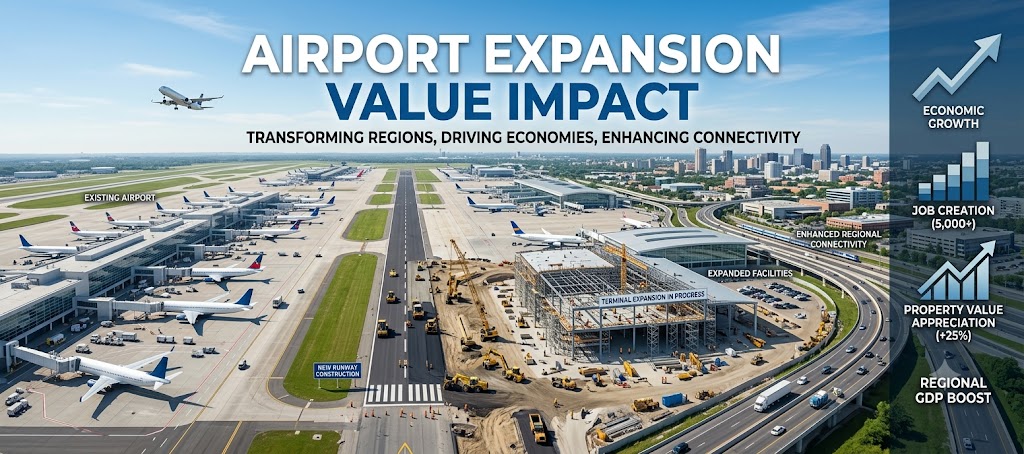
            • Airport Expansion Value Impact: An Honest Guide for Cebu Property Buyers – SeekCebu

              So you’ve heard the news. Mactan-Cebu International Airport just opened its second parallel runway. Passenger numbers are climbing toward 13 million. Aboitiz InfraCapital is talking about 16 million passengers by the end of 2025. And every real estate agent in Cebu is telling you the same thing: buy now, prices are going to explode.

              The airport expansion is real. The impact on property values is real. But the way it works—and who actually benefits—is more complicated than the marketing brochures suggest.

              This guide cuts through the hype. Here’s what airport expansion actually does to property values, where the real opportunities are, and where you’re most likely to get burned.

              Part 1: The Numbers—What’s Actually Happening at MCIA

              First, let’s get the facts straight.

              Mactan-Cebu International Airport served 11.32 million passengers in 2024—a 13 percent jump from the previous year. In 2025, that climbed to 11.6 million. By 2026, the airport expects to hit 13 million. Aboitiz InfraCapital, which took over operations in October 2024, is targeting 16 million passengers by the end of 2025.

              The big news came in January 2025 when President Marcos inaugurated the airport’s second parallel runway. This 2.56-kilometer runway was officially opened in July 2025, making MCIA the first airport in the Philippines to operate a parallel runway system. The airport’s capacity jumped from 4.5 million passengers per year (pre-Terminal 2) to a target of 12.5 million. Aircraft movements per hour increased from 30 to 40.

              New routes followed. AirAsia now flies twice daily from Cebu to Kuala Lumpur. Jetstar launched direct flights to Brisbane. Firefly Airlines added Cebu to Kuala Lumpur five times a week. Sunlight Air started a new non-stop service to Siquijor. The airport is positioning itself as a primary transit hub for the archipelago, bypassing Manila’s congestion.

              The honest take: This is genuine growth, not speculation. More runways mean more flights. More flights mean more tourists, business travelers, and expats. More people mean more demand for places to stay, live, and work. The connection between airport expansion and property values isn’t theoretical—it’s already happening.

              Part 2: How Airport Expansion Actually Affects Property Values

              Here’s the rule: connectivity raises prices. When more people can reach a place easily, more people want to live, work, and stay there. Hotels fill up. Businesses open. Infrastructure gets built. And land values follow.

              But the impact isn’t uniform. It spreads outward in layers, and each layer behaves differently.

              The immediate airport corridor—properties within walking distance or a short drive of MCIA—gets the most direct benefit. Mactan Island sits right next to the airport, making it one of the most exposed areas to this growth. Commercial land values in Mactan are shaped less by office demand and more by proximity to MCIA, resort corridor economics, and estate-controlled developments. Every new route adds tourists, expats, and business travelers who need accommodation. Many end up in Mactan and Lapu-Lapu.

              The ripple zone—areas connected to the airport by new infrastructure—also benefits, but differently. The Cebu-Cordova Link Expressway (CCLEX) significantly reduces travel time to Cebu City, making Mactan even more desirable. Areas along these transport corridors see appreciation as accessibility improves.

              The broader Cebu market benefits from the sheer volume of people flowing through the airport. Tourism is the lifeblood of the island. More tourists mean more demand across hospitality, retail, and residential sectors. Infrastructure upgrades like road expansions and additional flights continue to boost property values and attract more investments.

              Studies on airport expansion elsewhere show that property appreciation in airport corridors can range between 70 percent and 120 percent—significantly higher than city-wide averages. In Cebu, one developer reported that property prices at a tower near MCIA increased by 71 percent since the project’s launch in 2018, with the developer linking foreign demand directly to airport development.

              The honest take: The airport expansion is a genuine value driver. But not every property near the airport appreciates equally, and not every buyer should assume they’re getting the same opportunity.

              Part 3: The Winners—Where the Real Value Is

              Not all airport-adjacent properties are created equal. Here’s where the smart money is actually going.

              Short-term rentals are among the biggest winners. Short-term rentals in Mactan earn PHP 3,000 to PHP 6,000 per night—among the best in Cebu. More flights mean more tourists who need places to stay. Hotels fill up, and vacation rentals capture the overflow. If you’re buying a condo with the intention of renting it out, airport proximity is a powerful advantage.

              Luxury residences are another strong play. Mactan is increasingly synonymous with high-end living. Condominiums and exclusive residential developments with ocean views, private beach access, and resort-style amenities are in demand from affluent locals and international buyers. Developers are creating resort-style living experiences with infinity pools, spas, and gourmet restaurants. These properties cater to people who want a relaxed lifestyle without sacrificing modern conveniences.

              Commercial and hospitality properties benefit from the MICE (Meetings, Incentives, Conferences, Exhibitions) tourism segment, which is growing in Mactan. Facilities that cater to corporate events attract travelers willing to spend more on accommodation.

              The honest take: If you’re buying a residential property primarily for personal use, the airport expansion is a nice bonus but shouldn’t be your main reason. If you’re buying for investment income, the rental economics in Mactan are genuinely strong. If you’re buying commercial land, proximity to MCIA is one of the primary value drivers.

              Part 4: The Traps—What Nobody Tells You

              Now for the part the brochures leave out.

              Noise is a real problem. Properties closest to the airport—particularly those directly under flight paths—often experience lower values due to noise pollution. More flights mean more noise. The second runway means more planes taking off and landing. If you’re buying a property that’s too close, you’re not buying peace and quiet—you’re buying the sound of jet engines at 3 AM. Even if a property meets zoning regulations, noise from aircraft can be a major issue. And zoning laws in airport areas manage noise pollution through building restrictions and noise buffers.

              The supply glut is real. More than 4,000 new rooms across 14 to 15 properties are set to enter the Cebu-Mactan market within the next two years. Hotel occupancy is already struggling. “Room rates are depressed, and new supply is coming in faster than demand can catch up,” one analyst warned. Without stronger demand drivers, Cebu risks intensifying price competition and eroding profitability. If you’re buying a hotel or resort property, you’re entering a crowded market.

              Not all “airport-adjacent” properties are equal. Some properties marketed as “near the airport” are actually a 30-minute drive away. Others are in areas with poor road access. The airport expansion benefits Mactan Island most directly. Areas further out see less impact. Don’t pay airport-premium prices for a property that isn’t actually airport-adjacent.

              Zoning restrictions limit what you can build. Philippine airport zoning laws control land use, establish noise buffers, and prevent objects from entering airspace. Properties within high-noise zones may face building restrictions to minimize noise pollution. If you’re buying land with the intention of developing it, check the zoning first. What you want to build and what you’re allowed to build may be two different things.

              The honest take: The airport expansion is a tailwind, not a guarantee. Properties that are too close suffer from noise. Properties that are too far don’t benefit. And the hospitality market is already showing signs of oversupply. Buy with your eyes open.

              Part 5: What to Check Before You Buy

              If you’re serious about buying property near Cebu’s airport, here’s what you need to investigate.

              Spend time in the neighborhood at different times. Visit on a weekday morning. Visit on a Friday night. Visit when planes are taking off and landing. The airport’s flight schedule changes—what’s quiet at noon might be loud at midnight. Don’t buy based on a single visit.

              Check the flight path. Properties directly under the approach or departure paths get the most noise. Properties off to the side get less. Maps showing flight paths are available from the airport authority. Use them.

              Verify the zoning. What’s the property classified as? What can you build? What are the height restrictions? What are the noise buffers? The answers to these questions determine what you can actually do with the property.

              Research the developer’s track record. If you’re buying pre-construction, look at the developer’s past projects. Did they deliver on time? Did they deliver what they promised? Are their existing properties well-maintained? The airport expansion has attracted new developers to the area. Not all of them are reputable.

              Check the competition. If you’re buying a rental property, find out how many other units are coming online in the same area. The supply glut is real. More rooms mean more competition for guests. More competition means pressure on rates. Make sure your numbers work even with downward pressure on rental income.

              Part 6: The Bottom Line—Who Should Buy and Who Shouldn’t

              You should consider buying if:

              • You understand that airport proximity is a value driver but not a guarantee
              • You’ve visited the property at different times and confirmed the noise level is acceptable
              • You’re buying a residential property for personal use with the airport as a convenience factor
              • You’re buying an investment property with realistic rental projections that account for competition
              • You’ve verified the zoning and know what you’re actually allowed to build
              • You’re working with a broker who knows the Mactan market specifically

              You should not buy if:

              • You think the airport expansion guarantees automatic appreciation—it doesn’t
              • You’re buying a property directly under the flight path expecting peace and quiet
              • You’re buying a hospitality property without checking the supply pipeline
              • You haven’t verified the zoning or flight path
              • You’re buying based solely on a developer’s marketing materials
              • You’re counting on the airport expansion to bail out a marginal investment

              Final Thoughts

              The Mactan-Cebu International Airport expansion is one of the most significant infrastructure developments in the Philippines. A second runway. More flights. More passengers. Better connectivity. These are real changes with real impacts on property values.

              But the impacts aren’t evenly distributed. Some properties benefit enormously. Others suffer from noise and overcrowding. Some areas see genuine appreciation. Others see oversupply and falling rents.

              The airport expansion is a powerful force in Cebu’s property market. But like any force, it works differently depending on where you stand. Buy in the right place and you’ll ride the wave. Buy in the wrong place and you’ll wonder why everyone else got rich while you’re listening to jet engines at sunrise.

              Do your homework. Visit the property at different times. Check the flight path. Verify the zoning. Research the competition. And never assume that airport expansion means every property near the airport is a winner.

              The opportunity is real. But so are the traps. Buy wisely.

                Author
                John Paul Ybañez Paquibot
                Licensed Real Estate Broker | PRC No. 00014132 | DHSUD No. CVRFO-B-03/18-2672
                Bachelors Realty and Brokerage, Inc. Cebu
                G/F Cap Building, Brgy. Corner, Osmeña Blvd.
                Arlington Pond St. Extension, Cebu City, 6000 Cebu
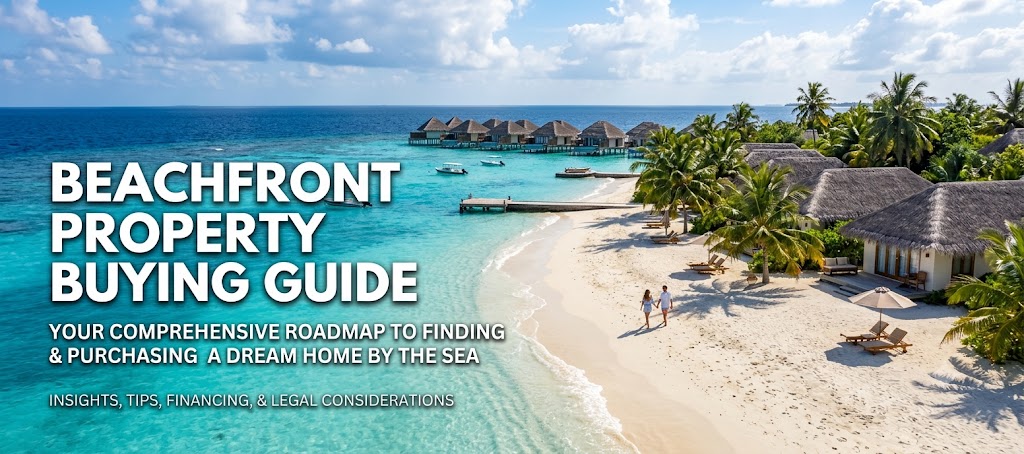
              • Cebu Beachfront Property Buying Guide: An Honest Look at Paradise – SeekCebu

                Beachfront Property Buying Guide

                So you’re dreaming of owning a slice of Cebu’s coastline. Turquoise waters, white sand, and the sound of waves lulling you to sleep—it’s a powerful fantasy. And Cebu, with its blend of urban convenience and natural beauty, has become the Philippines’ hottest property destination.

                But here’s the truth: buying beachfront property in Cebu is not the same as buying a condo in Manila or a house in the suburbs. The rules are different, the costs are different, and the risks are very real.

                This guide will give you the unvarnished truth—what works, what doesn’t, and what nobody tells you until it’s too late.


                Part 1: The Legal Reality—What You Can Actually Own

                Let’s get this out of the way immediately: foreigners cannot directly own land in the Philippines. This isn’t a loophole you can work around. It’s in the 1987 Constitution (Article XII, Section 7). Land ownership is strictly reserved for Filipino citizens and corporations that are at least 60% Filipino-owned. There’s no grey area here.

                So if you’re a foreigner, what are your actual options?

                Option 1: Long-term lease (the most practical route). As of September 2025, Republic Act 12252 allows foreign investors to lease private land for up to 99 years. Previously, the limit was 50 years renewable for another 25. This is a significant improvement for anyone serious about building a long-term life in Cebu. There’s a catch though—for tourism projects, the lease requires an investment of at least USD 5 million, with 70% infused within three years. If you’re not an “investor” under this definition, you’re still limited to 25 years renewable for another 25.

                Option 2: Condominium ownership. This is the cleanest path for most foreigners. You can legally own a condo unit outright—100% of that specific unit. The catch? Foreign ownership in any single condo project cannot exceed 40% of total units. You own the “air space,” not the land beneath it, but for most practical purposes, it’s ownership.

                Option 3: Corporate ownership. You can set up a Philippine corporation with at least 60% Filipino ownership, and that corporation can own land. But be careful—the Supreme Court enforces “anti-dummy” rules strictly. You can’t just put a Filipino on paper and call it a day; actual control must genuinely rest with Filipinos.

                Option 4: Filipino spouse. If you’re married to a Filipino, the property can be titled in their name. You can even inherit it through succession if your spouse passes away. But if you’re not married, this isn’t an option.

                What about beachfront foreshore land? This is where it gets even trickier. Areas right next to the sea are part of the public domain, regulated by the Department of Environment and Natural Resources. They cannot be privately titled at all—whether you’re Filipino or foreigner. Many “beachfront” properties actually sit on foreshore land, and what you’re really buying is access rights, not ownership.

                The bottom line: If you’re a foreigner who wants to build a house on the beach, you’ll be leasing the land. If you want to own something outright, buy a condo. There’s no third way.


                Part 2: Where to Buy—The Real Cebu Beachfront Market

                Cebu’s beachfront property isn’t one market—it’s several, and they’re very different.

                Mactan Island is the crown jewel. It’s connected to mainland Cebu by bridges, and the international airport is just 15–30 minutes from most beachfront areas. This is where the big money goes. Punta Engaño, home to resorts like Shangri-La and Dusit Thani, commands premium prices. Beachfront villas here typically range from PHP 15 million to over PHP 150 million. Land prices in Mactan average around PHP 19,812 per square meter, while beachfront condos range from PHP 84,000 to PHP 250,000 per square meter.

                Moalboal and the south offer a different vibe. These are emerging tourism hotspots, attracting investors looking to cash in on eco-tourism and diving. Prices are lower than Mactan, and there’s strong appreciation potential. But infrastructure is less developed, and access can be challenging.

                Bantayan Island is further out—more remote, more affordable. A titled beach lot in Santa Fe can go for as low as PHP 1,500 per square meter. But read that carefully: “titled” doesn’t mean “developed.” Utilities, roads, and services are basic at best.

                The emerging corridors like Cordova, Liloan, and Consolacion are seeing 18–25% annual land value jumps thanks to new infrastructure like the Cebu-Cordova Link Expressway. These areas offer more affordable entry points with strong growth potential, but you’re buying into areas that are still developing.

                The honest take: Mactan is where you pay for certainty—good infrastructure, steady rental demand, and established communities. The south and the outer islands are where you take a bet on future growth. Neither is right or wrong, but know which one you’re doing.


                Part 3: What It Actually Costs (Beyond the Sticker Price)

                Here’s where most buyers get blindsided.

                Transaction costs typically run 7% to 12% of the property value. That includes:

                • Capital Gains Tax: 6% (usually paid by the seller, but negotiable)
                • Documentary Stamp Tax: 1.5%
                • Transfer Tax: 0.5% to 0.75%
                • Registration and notarial fees

                On a PHP 20 million property, that’s PHP 1.4 to 2.4 million in transaction costs alone.

                Ongoing costs add up fast. Real property tax is annual. Maintenance on a beachfront property is brutal—salt air corrodes everything faster than you’d believe. And here’s a specific piece of advice from people who’ve learned the hard way: if you are building or renovating, insist on marine-grade 316 stainless steel for all fixtures and railings. Standard metals will begin to pit and rust within months of being 50 meters from the surf. If you’re not living there full-time, you’ll need property management. If you’re renting it out, factor in marketing, cleaning, and repairs between guests.

                Hidden costs are the real killer. Many beachfront locations lack reliable access to electricity, water, and internet. Bringing in utilities can cost hundreds of thousands of pesos. Building materials cost more in remote areas because of transport. And if the property needs renovations—which older beachfront properties almost always do—budget for plumbing, electrical, and roof work.

                The honest take: Whatever you think it’s going to cost, add 30%. Then add another 10% for things you haven’t thought of. If that number still works for you, proceed.


                Part 4: The Process—How Buying Actually Works

                The steps are straightforward, but each one requires care.

                Step 1: Verify the title. Get a certified true copy of the title from the Registry of Deeds. Don’t trust photocopies from the seller. Check for liens, encumbrances, unpaid taxes, and pending litigation. A tax declaration is not ownership—only a title is.

                Step 2: Check land classification. Only land classified as “alienable and disposable” can be privately titled. Forest, protected, and foreshore lands cannot. The DENR handles this classification. If the land isn’t alienable and disposable, you cannot legally own it—period.

                Step 3: Do a relocation survey. This confirms that the physical property matches what’s on the title. Boundaries get disputed. Neighbors encroach. Surveys reveal problems before you pay money.

                Step 4: Get zoning certification. This tells you what you can actually build on the property. Some areas have height restrictions, easement requirements (20 meters from the shoreline is legally required in many areas), or use limitations. Don’t assume you can build your dream villa until you’ve checked.

                Beyond the formal regulations, dig into the local community culture. Check for local “noise” ordinances. In some beachfront areas, the local tradition of videoke can be deafening on weekends. Do not buy without spending a Friday and Saturday night in the neighborhood. A serene Tuesday morning doesn’t guarantee a quiet weekend.

                Step 5: Sign a notarized Deed of Absolute Sale and register it. The sale must be in writing, notarized, and registered with the Registry of Deeds to be legally binding. Then register with the Bureau of Internal Revenue for the Certificate Authorizing Registration.

                Step 6: Pay all taxes and fees. This includes the transfer tax with the local government and the documentary stamp tax with the BIR.

                The honest take: This is not DIY territory. Hire a licensed real estate broker and a real estate lawyer who specialize in foreign transactions. The money you spend on professionals is nothing compared to what you’ll lose if something goes wrong.


                Part 5: The Risks Nobody Wants to Talk About

                Typhoons are real. The Philippines gets hit by several typhoons every year. Beachfront properties are ground zero for storm surges and wind damage. After Typhoon Haiyan, many beachfront homeowners faced devastating losses—and some insurance policies didn’t fully cover the damage.

                Coastal erosion is relentless. The sea doesn’t stay where it is. Beachfront properties are susceptible to erosion that gradually eats away at your land. What’s a 20-meter beach today might be a 10-meter beach in a decade. What’s beachfront now might be underwater eventually.

                Environmental regulations are getting stricter. Projects on Bantayan Island have been halted over environmental violations. The DENR is increasingly proactive about enforcing shoreline easements and protected area rules. Buying a property that’s out of compliance is buying a headache.

                Developer risk is significant. Not all developers are created equal. Some overpromise and underdeliver. Some cut corners. Some don’t get the proper permits. If you’re buying pre-construction, research the developer’s track record thoroughly.

                The “beachfront” illusion. Some properties marketed as “beachfront” are actually across a road from the beach. Others are on foreshore land that can’t be owned. Others have public access easements that mean anyone can walk past your front door. Always verify what “beachfront” actually means.

                The honest take: Every beachfront property in Cebu carries environmental risk. The question isn’t whether there’s risk—it’s whether you understand it and can afford to manage it. Buy insurance that actually covers typhoon damage. Build with resilient materials. Maintain a buffer. And never assume the beach will stay where it is today.


                Part 6: The Bottom Line—Who Should Buy and Who Shouldn’t

                You should consider buying if:

                • You understand that you’re leasing land, not owning it (unless it’s a condo)
                • You have budgeted at least 30% above the purchase price for transaction costs, maintenance, and contingencies
                • You plan to use the property regularly or have a solid rental management plan
                • You’ve done your due diligence on title, zoning, and environmental compliance
                • You’re working with licensed professionals who know Cebu’s market
                • You’ve actually spent a weekend in the neighborhood to test the real soundscape

                You should not buy if:

                • You think you’ve found a legal loophole to own land directly—you haven’t
                • You’re stretching your budget to make the purchase work—you’ll be stretched further by ongoing costs
                • You haven’t visited the property in person, during both dry and rainy seasons
                • You’re buying based on “sure thing” appreciation promises—property values go up and down
                • You haven’t checked whether the land is actually alienable and disposable

                Final Thoughts

                Cebu’s beachfront property market is genuinely exciting. Tourism is booming—4.8 million visitors in the first ten months of 2025 alone. Infrastructure is transforming the island. Prices are appreciating faster than Metro Manila’s. The dream is real.

                But the dream comes with fine print. You can’t own land outright. You’ll pay more than you expect. The sea is beautiful but indifferent to your investment. The regulations are complex and getting stricter. And sometimes, the biggest threat to your peaceful paradise isn’t the tide—it’s the neighbor’s karaoke machine at 2 AM on a Saturday.

                Buying beachfront property in Cebu isn’t for everyone. But for those who go in with eyes open, realistic budgets, professional guidance, and a genuine love for island life—it can be one of the best decisions you ever make.

                Just don’t say nobody warned you.

                  Author
                  John Paul Ybañez Paquibot
                  Licensed Real Estate Broker | PRC No. 00014132 | DHSUD No. CVRFO-B-03/18-2672
                  Bachelors Realty and Brokerage, Inc. Cebu
                  G/F Cap Building, Brgy. Corner, Osmeña Blvd.
                  Arlington Pond St. Extension, Cebu City, 6000 Cebu
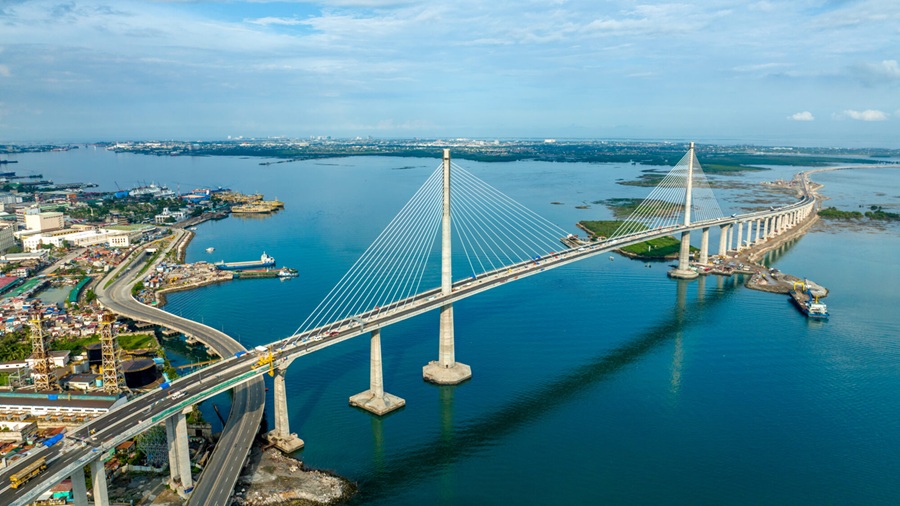
                • Living in Cordova: The CCLEX Bridge Effect – SeekCebu

                  Ask most expats in Cebu about Cordova, and you will get a blank stare. Mention the CCLEX bridge, and suddenly their eyes light up. “Oh, that massive bridge you can see from the South Road Properties?”

                  That bridge has changed everything.

                  Cordova sits at the southern tip of Mactan Island, a quiet municipality that was, until recently, a sleepy backwater. Getting there meant a long, winding drive around Lapu-Lapu City. The beach was nice, but who wanted to spend an hour in traffic just to get to it?

                  Then the Cebu-Cordova Link Expressway—CCLEX—opened in April 2022. An 8.5-kilometre toll bridge connecting Cebu City’s South Road Properties directly to Barangay Pilipog in Cordova. Suddenly, Cordova was 40 minutes closer to everything. Land values shot up 900%. Developers moved in. And a quiet fishing town became one of the most interesting expat opportunities in Metro Cebu.

                  Here is the honest, unfiltered guide to living in Cordova in 2026.


                  The CCLEX Effect: What the Bridge Actually Changed

                  Before CCLEX, Cordova was isolated. The only way onto Mactan Island was through Lapu-Lapu City via the Marcelo Fernan Bridge or the older Mandaue-Mactan Bridge. Both were chronically congested. A trip from Cebu City to Cordova could easily take over an hour.

                  Now? The bridge reduces travel time by approximately 40 minutes. From the South Road Properties in Cebu City, you are on Mactan Island in minutes. The bridge has a design speed of 80 to 90 km/h and can accommodate up to 50,000 vehicles daily.

                  The numbers tell the story. Land in Cordova was valued at around PHP 500 per square metre before construction started. By the time the bridge opened, prices had already climbed to PHP 5,000 per square metre. That is not a typo. A 900% increase.

                  For expats, this means two things. First, Cordova is now genuinely accessible. Second, the window to get in at a reasonable price is closing fast.


                  The Pros: Why Cordova Is Worth Considering

                  Genuine Affordability

                  Cordova remains quieter and more low-cost than Lapu-Lapu City. Rent is cheaper. Property is cheaper. Daily expenses are cheaper. One local resident described it simply: “Cordova is quieter and more low-cost, with some strong long-term potential”.

                  A comfortable solo expat lifestyle in Cebu generally costs between PHP 50,000 and PHP 80,000 per month. In Cordova, you can land on the lower end of that range—or even below it—while still enjoying a quality of life that would cost double in Cebu City’s IT Park.

                  The Beach Is Right There

                  Cordova is surrounded by beautiful beaches, mangrove forests, and wetlands. It is a small tourist destination blessed with incredible natural beauty and exciting watersports. You can snorkel in crystal-clear water, explore mangrove swamps, or simply sit on the beach and watch the sunset over the Mactan Channel.

                  For expats coming from landlocked cities or cold climates, this alone is a massive draw.

                  The CCLEX Commute

                  This is the game-changer. One local resident, a web developer who moved to Cordova to work from home, described the bridge as “an engineering marvel” and noted it is “5-10 minutes away from where I live”.

                  Before CCLEX, working from home in Cordova meant isolation. Now? You can live in a quiet coastal town and still be at a meeting in Cebu Business Park in under 30 minutes. The bridge connects seamlessly to the Cebu South Coastal Road, giving you a direct, high-speed route into the city.

                  Investment Potential

                  The bridge has unlocked Cordova. Land prices have already surged, but they are still cheaper than central Cebu. Developers are moving in. New condominium projects are rising near the foot of the bridge.

                  Infrastructure update: The original plan for a Guadalupe ramp that would have cut through V. Rama Avenue has been scrapped. The original design would have displaced an estimated 300 to 400 families and required widening already congested roads. Instead, planners have rerouted the project toward the South Road Properties via an offshore viaduct near the Compania Maritima area. The new offshore design eliminates residential displacement and avoids the right-of-way issues that delayed the project for years.

                  The project is estimated to cost between PHP 3 billion and PHP 4 billion. Detailed designs are expected within five months, with construction potentially beginning by late 2026 and completion targeted in about one and a half years. The new ramps will allow direct access to CCLEX from downtown and uptown Cebu, as well as direct exit from the bridge to key city routes such as M.J. Cuenco Avenue, Sergio Osmeña Boulevard, Plaza Independencia, and port areas. Currently, motorists traveling between the city and CCLEX must pass through SRP and loop toward Talisay, covering about seven kilometers before reaching their destination.

                  For expats thinking long-term, Cordova represents one of the last affordable beach-adjacent opportunities in Metro Cebu—and the upcoming SRP viaduct ramps will only improve accessibility further.


                  The Cons: The Reality Check

                  It Is Still Quiet

                  Cordova is not Cebu City. It does not have IT Park’s restaurants, Cebu Business Park’s offices, or the vibrant expat nightlife of Mactan Newtown. If you thrive on urban energy, variety, and constant activity, Cordova will feel slow. One observer described it as “quieter and more low-cost”. That quiet is a feature for some and a bug for others.

                  Infrastructure Is Catching Up

                  The bridge is here, but everything else is still playing catch-up. Power outages happen. Internet, while improving, is not yet at the level of Cebu City’s business districts. One local resident recalled how Typhoon Odette left his area without electricity for months, forcing him to relocate temporarily just to resume work.

                  The infrastructure is improving—a JICA-led sewerage master plan is in development for Metro Cebu—but it is not there yet.

                  Utility tip: Cordova is served by the Mactan Electric Company (MECO). When scouting properties, check if your potential building has a backup generator. Mactan’s power infrastructure has improved significantly in recent years, but in a town undergoing rapid growth, having onsite backup power is a major quality-of-life advantage. A generator can mean the difference between working through a brownout and losing a day of productivity.

                  The Toll Adds Up

                  The CCLEX is a toll bridge. As of July 2026, the toll rate for Class 1 vehicles (cars, jeeps, pick-ups, and small vans) is PHP 107 one-way. For daily commuters, this adds up. If you are driving into Cebu City every day, factor PHP 6,000 to 7,000 per month into your budget just for bridge tolls.

                  This is the kind of honest math that stops an expat from making a bad budget decision. A PHP 6,000 monthly toll bill is PHP 72,000 per year—money that could otherwise go toward rent, travel, or savings. Do not ignore it.

                  Limited Healthcare

                  Cordova has basic healthcare facilities, but for anything serious, you are heading to Lapu-Lapu City or Cebu City. The bridge makes that trip faster, but it is still a trip. If you have complex medical needs, Cordova may not be the right choice.


                  ⚠️ Safety Note: The Flood Reality

                  Because Cordova is a coastal town, parts of it are low-lying and vulnerable to seasonal flooding. During heavy rain or typhoons, water can rise quickly in certain barangays.

                  When scouting property in Cordova, check the specific barangay’s drainage history during the rainy season. Some areas are more prone to flooding than others. Avoid low-lying pockets if possible. Talk to long-term residents. Ask about Typhoon Odette and how the area fared. The information is out there—you just need to ask.

                  This is not a deal-breaker for the entire town, but it is a critical detail that can make or break your experience. A beautiful beachfront property is worthless if it floods every time it rains.


                  The Bottom Line: Is Cordova Right for You?

                  Cordova in 2026 is a town in transition. The bridge has transformed it from a forgotten fishing village into one of the most promising expat destinations in Metro Cebu. But “promising” does not mean “finished.”


                  Choose Cordova if:

                  • You want beach access without Cebu City prices
                  • You value quiet, slower-paced living
                  • You work remotely or have a flexible commute
                  • You are looking for long-term investment potential
                  • You do not mind being a bit removed from the urban action

                  Look elsewhere if:

                  • You need constant urban energy and entertainment
                  • You have complex healthcare needs
                  • You commute daily and cannot stomach the toll costs
                  • You need the absolute best internet reliability
                  • You are unwilling to research flood-prone areas

                  The honest truth is that Cordova is one of the best-kept secrets in Metro Cebu—but the secret is getting out. Land prices have already skyrocketed. Developers are moving in. The window to get in at a reasonable price is closing. And with the new SRP viaduct ramps expected to further improve accessibility, that window is closing faster than ever.

                  Pro Tip: If you are considering Cordova, spend a week there first. Rent an Airbnb, commute into Cebu City during rush hour, test the internet, walk the neighbourhoods at night. Talk to residents about flooding. Feel the quiet. See if it is peace or isolation.

                  Because the CCLEX bridge has made Cordova accessible. But it is the town itself—the beaches, the quiet, the potential—that will make you stay.


                  📅 Remember: Cordova is evolving fast. The new SRP viaduct ramps, ongoing infrastructure projects, and continued development will change the landscape in the coming years. What is true today may shift by 2027. Visit, experience, and decide for yourself.

                    Author
                    John Paul Ybañez Paquibot
                    Licensed Real Estate Broker | PRC No. 00014132 | DHSUD No. CVRFO-B-03/18-2672
                    Bachelors Realty and Brokerage, Inc. Cebu
                    G/F Cap Building, Brgy. Corner, Osmeña Blvd.
                    Arlington Pond St. Extension, Cebu City, 6000 Cebu

                  • Best Places for Expats and Digital Nomads in the Philippines – SeekCebu

                    Best Places for Expats & Nomads

                    The Philippines has been named the world’s leading retirement destination for 2026, ranking first in the Retirement Abroad Index by the Expatriate Group, a specialist provider of international health insurance serving expatriates and retirees across more than 180 countries. The country scored 78 out of 100, beating Thailand (77), Colombia (73), Portugal (71), South Africa (69), and Sri Lanka (69).

                    The index evaluated 20 countries across five categories: healthcare quality, visa accessibility, health insurance requirements, cost of living, and expat community and integration. The Philippines ranked first across all five categories. The index cited the country’s Special Resident Retiree’s Visa (SRRV) as “among the most accessible retirement programmes we assessed.”

                    The reasons are familiar by now: affordability, visa accessibility, English proficiency, and genuine hospitality.

                    But here is the thing—the Philippines is not one place. It is thousands of islands, each with its own character, its own trade-offs, and its own kind of expat. The “best” place for you depends entirely on what you value. City energy or island calm? Modern convenience or raw nature? Beach life or mountain cool?

                    Here is the honest, unfiltered guide to the best places for expats and digital nomads in the Philippines in 2026.


                    The Heavy Hitters: Where Most Expats Start

                    Cebu City: The Balanced Choice

                    Cebu City sits in that sweet spot—big enough to have everything you need, small enough that it does not crush your soul. IT Park and Cebu Business Park offer modern condos, reliable fiber internet, and a growing expat community. The nightlife is vibrant, the restaurants are varied, and the beach is never more than a couple of hours away.

                    For digital nomads, Cebu is one of the best remote work bases in the Philippines. Coworking spaces are plentiful, and the internet in business districts is business-grade. Healthcare is robust, with hospitals like Cebu Doctors’ and Chong Hua offering quality care. The index noted that “the major cities such as Manila and Cebu City offer access to modern private hospitals, internationally accredited facilities, and English-speaking medical professionals.”

                    The cost of living is reasonable—comfortable for a single person around $1,200–$1,800 per month.

                    Best for: Expats who want urban convenience without Manila’s chaos. Remote workers who need reliable connectivity and a community.

                    The catch: Traffic is getting worse. The city is growing fast, and infrastructure is struggling to keep up.


                    Manila: The Megacity

                    Manila is not for everyone. It is chaotic, congested, and exhausting. But for those who thrive on energy and options, it delivers like nowhere else in the country.

                    Premium districts like Bonifacio Global City (BGC) and Makati offer world-class dining, international-standard shopping, and the widest range of medical specialists in the country. Internet connectivity is excellent. The expat community is enormous. If you are still working and need access to international business networks, this is where you need to be.

                    The cost is the highest in the Philippines—a comfortable lifestyle runs $1,800–$2,800 per month. Traffic is soul-crushing, and the air quality is poor.

                    Best for: Professionals who need to be at the centre of things. Those with higher budgets who want the absolute best of everything.

                    The catch: The traffic is legendary. Your quality of life depends heavily on living and working in the same business district.


                    The Rising Stars: Affordable and Livable

                    Davao City: Safe, Clean, and Growing

                    Davao City is quickly becoming one of the most popular destinations for expats, thanks to its affordable cost of living, family-friendly atmosphere, and safer reputation. It stands out for safety, cleanliness, and reliable services.

                    A single expat can live comfortably on $930–$1,440 per month, covering rent in an expat-friendly neighbourhood, utilities, food, transport, and leisure. A one-bedroom apartment in a good area costs around $300 per month, with studios available for $200.

                    The internet has improved significantly, with fiber optic coverage expanding across neighbourhoods like Lanang, Bajada, and Matina. Coworking spaces like Co+Lab and The Office Project offer reliable connectivity.

                    Hospitals like Davao Doctors Hospital and Southern Philippines Medical Center offer good quality care by Philippine provincial standards, though complex cases may require a trip to Manila or Cebu.

                    Best for: Expats prioritising safety and cleanliness. Families. Those who want a slower pace without complete isolation.

                    The catch: Traffic congestion is a persistent challenge, particularly along major roads like JP Laurel Avenue. The digital nomad scene is growing but not as established as Cebu or Manila.


                    Iloilo City: The Underrated Gem

                    Iloilo City combines provincial charm with modern amenities and walkable neighbourhoods. It is often praised as clean, calm, and “the perfect retirement spot”—but the reality is more nuanced than the marketing suggests.

                    The cost of living is low. A single person can live comfortably on approximately $1,000 per month, covering rent in a good area, air conditioning, regular dining out, and some savings. Iloilo is about 9% cheaper than Cebu City. Rent for a modern one-bedroom condo in Mandurriao is $350–$450, while older apartments in Jaro can be as low as $250.

                    The Iloilo Business Park in Mandurriao has brought new condominiums, international dining, walkable public spaces, and reliable internet. Coworking spaces like The Desk and Work Nook offer dedicated desks for $100–$150 per month with fiber internet.

                    Hospitals like The Medical City Iloilo meet good provincial-city standards, though expats often keep Manila or Cebu as backup for complex procedures.

                    Best for: Retirees and nomads on a budget. Those who want a quieter life with modern conveniences.

                    The catch: Power outages and flooding can occur during typhoon season, though Iloilo City is investing in flood control upgrades. The digital nomad community is small but growing.


                    Dumaguete City: The “City of Gentle People”

                    Dumaguete has been designated by the Philippine government as one of five areas targeted as top retirement hubs, which has driven improvements in local healthcare infrastructure. It attracts those seeking a slower pace, lower living costs, and a welcoming expat circle.

                    The city is home to several universities, keeping the town lively with affordable restaurants, cafes, and cultural events. Rent for a one-bedroom apartment averages $250–$400 per month. A single person can live on around $740 per month.

                    The expat community is well-established and welcoming. Healthcare is improving, though complex cases may require travel.

                    Best for: Retirees seeking a tight-knit expat community. Those who want a university town vibe with low costs.

                    The catch: It is smaller and quieter than Cebu or Iloilo. Fewer entertainment options. Internet is decent but not cutting-edge.


                    The Cool Mountain Escape

                    Baguio City: The Summer Capital

                    Baguio offers something unique in the Philippines: a refreshing cool climate. It is a favourite among digital nomads seeking an alternative to tropical beach destinations.

                    The cost of living is low. A single person needs around $500 per month without rent. Monthly rent for a furnished 85-square-metre apartment in an expensive area is around $450. Baguio is described as artsy, with a mountain-town vibe that attracts creatives and retirees.

                    Best for: Those who cannot handle tropical heat. Creative types. Retirees who want a cooler, quieter life.

                    The catch: It is landlocked—no beaches. The city gets crowded with tourists, especially during summer. The digital nomad scene is smaller than in coastal cities.


                    The Island Escapes

                    Siargao: The Surf and Digital Nomad Hub

                    Siargao is no longer a “secret” but a thriving global community. Foreigners are drawn to its unique “island time” rhythm, where genuine hospitality meets a vibrant digital nomad scene.

                    General Luna is the central hub. The island has a laid-back, surf-focused atmosphere with a vibrant social and party scene. A furnished one-bedroom apartment for short-term nomad rentals costs around $600 per month.

                    It is arguably the best place in the Philippines to work remotely, with a growing community of remote workers.

                    Best for: Surfers. Digital nomads who want a beach lifestyle and a strong community. Those who don’t mind island life’s limitations.

                    The catch: Internet can be less reliable than in major cities. Infrastructure is limited. It is more expensive than mainland cities due to logistics.


                    Palawan: Nature at Its Finest

                    Palawan offers unreal landscapes and a quiet atmosphere, perfect for remote workers who want to escape the noise. El Nido has a growing expat and nomad population, creating a complex cultural tapestry where locals, indigenous communities, and foreigners intersect.

                    For foreigners, Palawan offers the chance to build small, lifestyle-oriented businesses like eco-lodges, cafes, or tourism services. The advantage here is quality of life, not scale.

                    Best for: Nature lovers. Those who want to escape city life completely. Entrepreneurs interested in tourism-related businesses.

                    The catch: Palawan is remote. Internet is patchy. Healthcare is limited—serious issues require evacuation to Manila or Cebu. Costs can be higher due to logistics.


                    Boracay: Island Living, Refined

                    In 2026, Boracay has transcended its “party island” reputation to become a global gold standard for island quality of life. Strict environmental regulations have made it cleaner and more sustainable.

                    Rent varies widely: a studio near Station 1 costs $450–$600 per month, while Station 3 offers cheaper rooms around $300. Total monthly costs for a digital nomad run around $1,500.

                    Best for: Those who want a refined island experience with modern amenities. Remote workers who prioritise lifestyle over cost.

                    The catch: It is more expensive than other destinations. The island can feel touristy. Electricity bills are high because air conditioning is essential.


                    The Pragmatist’s Choice: Subic and Clark

                    Subic and Clark are often described as the most “livable” places in the Philippines for foreigners—orderly, familiar, and removed from the country’s usual complications.

                    Clark Freeport is a special economic zone that feels more like Singapore than the provincial Philippines, with wide roads, reliable power, and a world-class international airport (CRK). It scores 76.3 out of 100 for expats and is notably safer than most Philippine cities, with well-maintained security and controlled-access environments. Day-to-day life feels secure, with comfortable walkability within the freeport zone.

                    Subic Bay Freeport offers similar benefits with the added appeal of a bay-side setting. The cost of living for a digital nomad is around $796 per month.

                    Best for: Expats prioritising stability, safety, and predictability. Families. Business owners. Those who want a “Western” standard of living without the chaos.

                    The catch: These are functional zones, not tourist fantasies. They lack the cultural richness and vibrancy of other destinations. They suit pragmatists, not adventurers.


                    The Verdict: Which Place Is Right for You?

                    There is no single best place. But here is how to think about it:

                    Choose Cebu if: You want a balanced city experience with good connectivity, healthcare, and community.

                    Choose Manila if: You need world-class everything and can tolerate the chaos.

                    Choose Davao if: Safety and cleanliness are your top priorities.

                    Choose Iloilo if: You want low costs and a quieter life with modern amenities.

                    Choose Dumaguete if: You want a tight-knit expat community and a university town vibe.

                    Choose Baguio if: You cannot handle tropical heat.

                    Choose Siargao if: You surf and want a beach nomad lifestyle.

                    Choose Palawan if: You want raw nature and are willing to trade convenience for beauty.

                    Choose Boracay if: You want refined island living and have the budget for it.

                    Choose Clark or Subic if: You prioritise stability, safety, and predictability over adventure.


                    The Pro Tip

                    Do not commit long-term without experiencing the place first. Rent for a month. Feel the traffic. Test the internet during peak hours. Walk the neighbourhoods at night. Talk to other expats who have been there for years.

                    The Philippines offers something remarkable: a dozen completely different expat experiences, spread across thousands of islands. The only question is which one fits you.


                    📅 Remember: These cities are evolving rapidly. Infrastructure projects, new developments, and changing neighbourhood dynamics mean that what is true today may shift in the coming years. Review your options annually if you are considering a move. And always verify the latest visa requirements—the Digital Nomad Visa and SRRV program have both seen recent updates.

                      Author
                      John Paul Ybañez Paquibot
                      Licensed Real Estate Broker | PRC No. 00014132 | DHSUD No. CVRFO-B-03/18-2672
                      Bachelors Realty and Brokerage, Inc. Cebu
                      G/F Cap Building, Brgy. Corner, Osmeña Blvd.
                      Arlington Pond St. Extension, Cebu City, 6000 Cebu
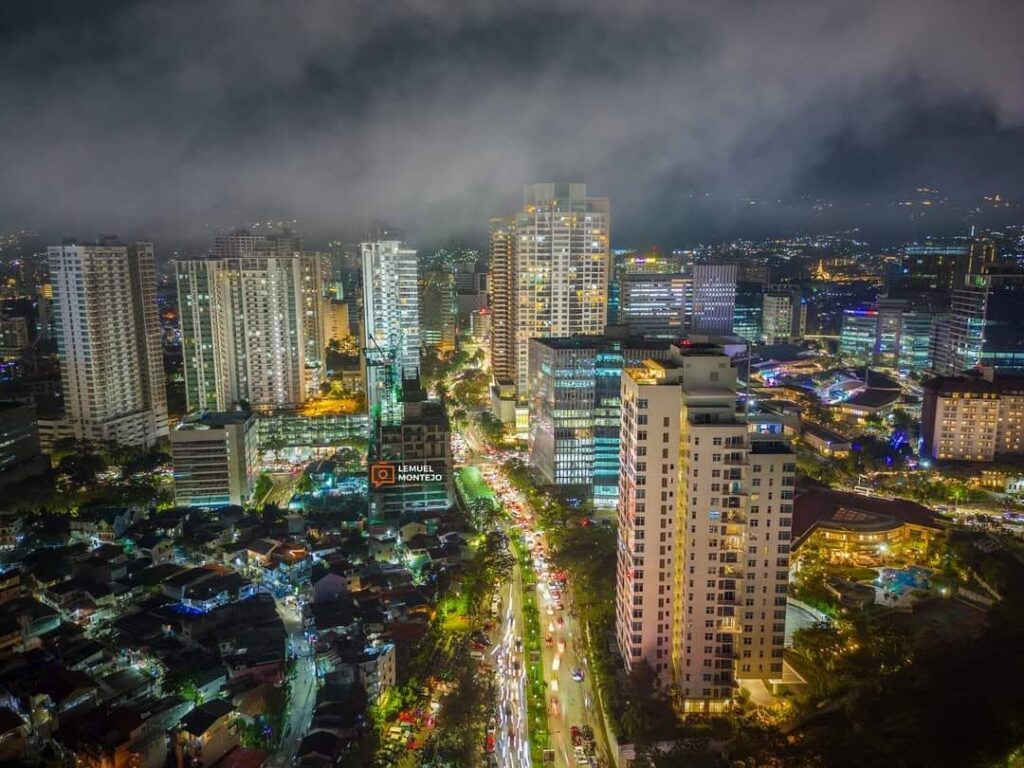
                    • Cebu City vs. Mandaue vs. Lapu-Lapu: Which One Is Right for You? – SeekCebu

                      Cebu City vs. Mandaue vs. Lapu-Lapu

                      Ask most expats about Cebu, and they will talk about Cebu City. But here is the thing: the Cebu you see in the brochures is actually three distinct cities, each with its own character, its own costs, and its own trade-offs.

                      Cebu City, Mandaue, and Lapu-Lapu form the urban core of Metro Cebu, yet they could not be more different. One is the chaotic, vibrant heart of the region. Another is the industrial workhorse where nothing fancy happens but everything works. The third is an island escape where the beach is never far away.

                      Choosing the wrong one can mean the difference between loving your expat life and wondering why you ever moved. Here is the honest breakdown.


                      The Big Picture: Three Cities, Three Vibes

                      Cebu City is the capital—the economic, cultural, and administrative centre of the Visayas. It is where the skyscrapers are, where the traffic is worst, and where you will find the most restaurants, malls, and entertainment options. If you want city energy, this is it.

                      Mandaue sits right next door, often overlooked but quietly essential. It is the industrial and manufacturing hub, home to furniture workshops, factories, and busy commercial corridors. It is less flashy, more affordable, and surprisingly safe.

                      Lapu-Lapu is on Mactan Island, connected to the main island by bridges. It is where the airport is, where the resorts are, and where you can be on a beach within minutes. It is the escape hatch from city life—without actually leaving the metro.

                      All three are part of the same metropolitan area, but living in one versus another is a completely different experience.


                      🏠 Neighbourhood Context: Where to Actually Look

                      Knowing the city is one thing. Knowing where to look within each city is another. Here is a quick guide:

                      • In Cebu City, focus your search on IT Park or Cebu Business Park. These are the premium expat-friendly districts with modern condos, reliable internet, restaurants, and green spaces. Prices are higher, but the convenience is unmatched.
                      • In Mandaue, look toward the North Reclamation Area or A.S. Fortuna Street. These areas offer better value, lower crime rates, and increasing development. The North Reclamation Area is particularly promising for its proximity to Cebu City and ongoing infrastructure improvements.
                      • In Lapu-Lapu, consider Mactan Newtown for convenience. This master-planned community offers condos, retail, and beach access in a walkable, secure environment. Other areas like Basak and Marigondon offer more affordable options and higher rental yields.

                      Cost of Living: Where Your Money Goes Furthest

                      If budget is your primary concern, the order is clear.

                      Mandaue is the most affordable of the three. Outer areas like Mandaue are still more affordable than central Cebu City, especially as roads and transit improve. Monthly living costs for one person in Mandaue come to approximately $934 including rent. A one-bedroom apartment in the city centre rents for about $542 per month, with utilities around $145. A meal at an inexpensive restaurant costs around $3.60.

                      Lapu-Lapu sits in the middle. It is roughly 24% cheaper than Manila for a budget lifestyle. Rental yields in areas like Basak and Marigondon are among the highest in Cebu, suggesting that purchase prices relative to rent are still favourable. However, beachfront properties and resort-adjacent areas command premium prices.

                      Cebu City is the most expensive. Central districts command the highest prices, with residential property prices in Cebu rising about 11.5% year-on-year in mid-2025, outpacing the national average. Condo prices per square metre in areas near IT Park and Cebu Business Park are steadily climbing. If you want to live in the heart of the action, you will pay for it.

                      The bottom line: Mandaue offers the best value for money. Cebu City costs the most. Lapu-Lapu is somewhere in between, with the added premium of beach access.


                      Safety: The Surprising Rankings

                      Here is where the conventional wisdom gets interesting. Mandaue—not Cebu City—is the safest of the three.

                      According to the World Travel Index’s 2026 “Safest Cities to Visit in the Philippines” ranking, Mandaue City ranked 14th nationwide with a safety score of 67.85%, followed by Lapu-Lapu City at 17th with 62.45%, and Cebu City at 26th with 53.15%. In global rankings out of 3,028 cities, Mandaue placed 1,899th, Lapu-Lapu 2,201st, and Cebu City 2,559th.

                      What does this mean in practice? Mandaue is described as “generally safe” with “low violent crime,” though the usual urban petty-crime precautions still apply. Cebu City, with its larger population and higher density, has more incidents. Lapu-Lapu falls somewhere in between.

                      The bottom line: If safety is a top priority, Mandaue has the edge. Cebu City requires more vigilance. Lapu-Lapu is a solid middle ground.


                      Lifestyle and Vibe: What Kind of Life Do You Want?

                      This is where the choice becomes personal.

                      Cebu City is for people who want to be in the middle of everything. It has the most restaurants, the best nightlife, the widest range of shopping, and the most cultural events. It is where the expat community is largest and most visible. But it is also where the traffic is worst, the air is most polluted, and the pace is fastest. If you thrive on energy and variety, Cebu City delivers. If you want peace and quiet, it does not.

                      Mandaue is for people who want a quieter, more functional life. It is not a tourist destination. It is not trying to impress anyone. It is a working city where people live, work, and go about their business. The upside is lower costs, less chaos, and better safety. The downside is fewer entertainment options, less nightlife, and a less vibrant expat scene. If you are happy with a simple, affordable life and do not need constant stimulation, Mandaue works well.

                      Lapu-Lapu is for people who want to live on an island. The beach is close. The pace is slower. The air is cleaner. Resorts and beachfront properties give it a holiday feel that the other two cities lack. But it is also more spread out, less walkable, and more reliant on bridges to access the main island. If you want to wake up near the water and do not mind being a bit removed from the city centre, Lapu-Lapu is hard to beat.


                      Real Estate and Investment Potential

                      The three cities offer very different investment profiles.

                      Cebu City is the most established market. It has the largest condo supply outside Metro Manila, with new projects constantly emerging near IT Park and Cebu Business Park. Rental demand is strong, driven by BPO workers, students, and expats. But purchase prices are high, and net rental yields in premium areas like Cebu Business Park can be as low as 3.7% for two-bedroom apartments. You are paying for location and liquidity.

                      Mandaue offers better value. Areas like Subangdaku and Mabolo provide more balanced options for buyers who want rental income without the premium price tag of central Cebu City. The tenant pool is different—more industrial workers, fewer expats—but the math can work better for investors focused on yield rather than prestige.

                      Lapu-Lapu has the highest rental yields. Areas like Basak and Marigondon show estimated net yields of 5.8% for studios and 5.7% for one-bedroom apartments. The trade-off is thinner tenant depth and weaker resale liquidity than central Cebu City. For short-term rentals, Lapu-Lapu performs well—Airbnb hosts in Lapu-Lapu earn an average of $389 per month at $53 ADR, leading Central Visayas. Cebu City, by comparison, has 3,932 active Airbnb listings but only $308 in average monthly revenue.

                      The bottom line: Cebu City offers the most liquidity and stability. Mandaue offers the best value. Lapu-Lapu offers the highest yields, especially for short-term rentals.


                      Infrastructure and Connectivity

                      All three cities are connected by bridges, but the experience of moving between them varies.

                      Cebu City has the best public transport options, the most ride-hailing availability, and the widest range of services. But traffic is a constant frustration, and getting around during peak hours can be soul-crushing.

                      Mandaue sits in the middle geographically, making it convenient for accessing both Cebu City and Lapu-Lapu. It is less congested than Cebu City but more connected than Lapu-Lapu.

                      Lapu-Lapu has the Mactan-Cebu International Airport, which is a major advantage for frequent travellers. But getting to the main island requires crossing bridges, and traffic on those bridges can be heavy during peak hours.

                      ⚠️ Connectivity Caveat: Bridge traffic between the main island and Mactan is heaviest between 7:00–9:00 AM and 5:00–7:00 PM. If you are considering living in Lapu-Lapu and commuting to Cebu City or Mandaue, test the commute during these peak hours before committing. A 15-minute drive at midday can become a 45-minute ordeal during rush hour.

                      A fourth bridge is planned, connecting Barangay Ibo in Lapu-Lapu City to an area near the Cansaga Bay Bridge, designed to ease congestion and improve access. The project could potentially be expanded to connect all three cities. A JICA-led sewerage master plan is also in development for Metro Cebu, targeting a 90% wastewater treatment rate by 2050. These improvements will benefit all three cities, but they will take years to complete.


                      The Verdict: Which City Is Right for You?

                      There is no single right answer. But here is how to think about it:


                      Choose Cebu City (specifically IT Park or Cebu Business Park) if:

                      • You want the most restaurants, shopping, and entertainment options
                      • You need access to the largest expat community
                      • You are willing to pay more for convenience and location
                      • You do not mind traffic and congestion
                      • You want the most liquid real estate market

                      Choose Mandaue (specifically North Reclamation Area or A.S. Fortuna) if:

                      • You want the most affordable cost of living
                      • Safety is a top priority
                      • You prefer a quieter, less touristy environment
                      • You do not need constant entertainment options
                      • You want better value for your rent or property purchase

                      Choose Lapu-Lapu (specifically Mactan Newtown for convenience) if:

                      • You want to live near the beach
                      • You prefer a slower, more relaxed pace
                      • You are interested in short-term rentals or Airbnb investments
                      • You travel frequently and value airport proximity
                      • You do not mind being a bit removed from the city centre

                      The honest truth is that all three cities offer a good quality of life for expats. Cebu City delivers the most energy and options. Mandaue delivers the best value and safety. Lapu-Lapu delivers the beach and the escape.

                      Pro Tip: Do not commit long-term without experiencing all three. Rent in each city for a month—ideally in the specific neighbourhoods mentioned above. Test the commute at peak hours. Walk the neighbourhoods at night. Feel the rhythm of each place. The right choice will become obvious once you have lived it.

                      Because in the end, Metro Cebu offers something remarkable: three completely different expat experiences, all within a single metropolitan area. The only question is which one fits you.


                      📅 Remember: These cities are evolving rapidly. The fourth bridge, the sewerage master plan, and ongoing real estate development will change the dynamics in the coming years. What is true today may shift by 2027. Review your options annually if you are considering a move.

                        Author
                        John Paul Ybañez Paquibot
                        Licensed Real Estate Broker | PRC No. 00014132 | DHSUD No. CVRFO-B-03/18-2672
                        Bachelors Realty and Brokerage, Inc. Cebu
                        G/F Cap Building, Brgy. Corner, Osmeña Blvd.
                        Arlington Pond St. Extension, Cebu City, 6000 Cebu