
If you are considering the Philippines as your retirement destination—and the 2026 rankings suggest you should, with the country topping the Expatriate Group index as the world’s No. 1 retirement spot—then you need to ask a question that goes beyond cost of living and beachfront villas: Where will I actually be safe?
This is not a simple question. The Philippines contains some of Southeast Asia’s safest cities and also some of its most dangerous. More importantly, the kind of safety that matters to a tourist—petty theft, taxi scams, street crime—is not the same as the kind of safety that matters to a retiree living there permanently. This article cuts through the rankings and gives you an honest, boots‑on‑the‑ground look at which Philippine cities are genuinely safe for foreign retirees in 2026.
The Numbers: What the Latest Indexes Actually Say
In April 2026, the World Travel Index published its safety rankings for Philippine cities. The top five safest cities for visitors were:
- Dumaguete City – Safety Score 82.28
- Davao City – Safety Score 79.22
- Balanga City, Bataan – Safety Score 76.71
- Baguio City – Safety Score 75.33
- Puerto Princesa, Palawan – Safety Score 74.84
At the other end of the scale, Manila scored a dismal 35.88, making it the least safe city in Southeast Asia. Cebu City sat in the middle with 53.15.
But here is the critical caveat: these scores are weighted toward the risks a traveller faces over a few days or weeks—pickpocketing, tourist scams, and public disorder. They do not measure the things that truly determine a retiree’s safety over years of residence.
The “Retiree Safety” Disclaimer You Will Not Find in Any Index
Safety rankings for travellers are based on short‑term risk. As a retiree, your definition of safety must expand to include access to medical care, property security, natural disaster resilience, and long‑term community support. A city that scores 82 in tourist safety but is an eight‑hour ferry ride from a trauma centre is, for a retiree, inherently less safe than a city with a score of 70 but a world‑class hospital ten minutes away.
This is the single biggest mistake expats make. They choose a provincial paradise because it feels peaceful, and then they discover that a routine gallstone operation requires a flight to Manila, or that a stroke means begging a neighbour to drive them two hours over rough roads to a clinic that cannot perform a CT scan.
In the Philippines, the gap between Metro Manila/Cebu healthcare and provincial healthcare is vast. That gap is a safety risk—sometimes a deadly one. You must factor it into every city decision you make.
The Honest City‑by‑City Breakdown for Retirees
Dumaguete City: The Safest Tourist City, but Is It the Safest for You?
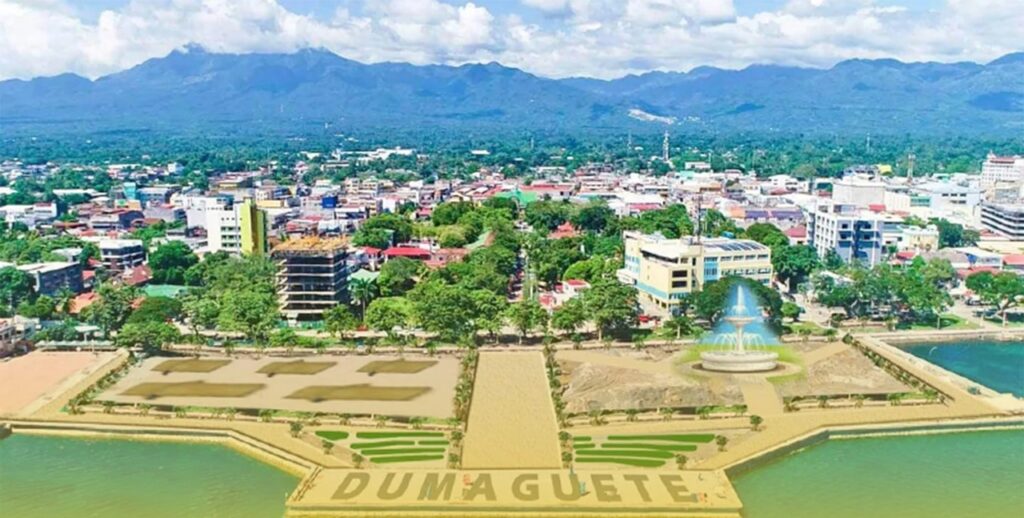
Dumaguete earns its “City of Gentle People” reputation. Crime is genuinely low. Expats walk along Rizal Boulevard at night without fear. The cost of living is modest, the pace is slow, and the local community is welcoming. For a healthy retiree under 65 with no chronic conditions, it is a solid choice.
The retiree‑safety catch: Dumaguete has decent routine care—clinics, general practitioners, minor surgery—but anything complex (cardiology, oncology, neurology) requires referral to Cebu City, a four‑hour ferry or a short flight away. If you have a history of heart disease or are over 70, this gap becomes your primary safety concern. The city’s tourist‑safety score does not reflect that.
Verdict: Excellent for healthy, younger retirees who accept the medical trade‑off. Not suitable for those with serious health conditions.
Davao City: The Clean, Orderly Alternative with Better Medical Access
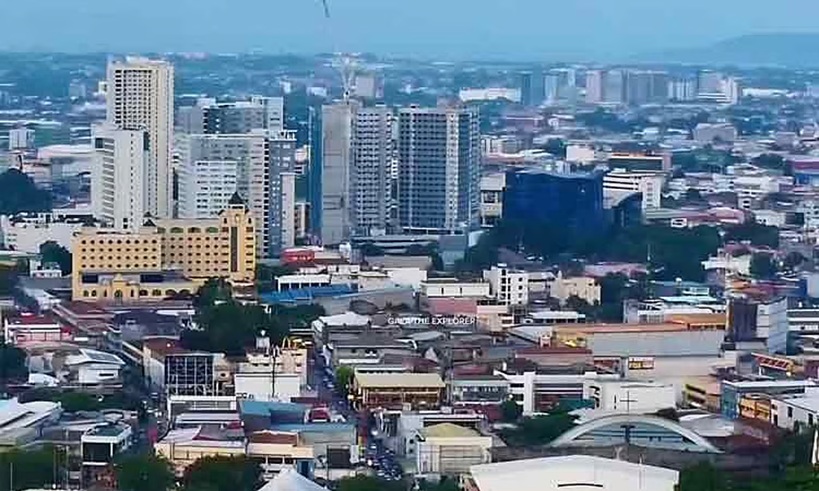
Davao scores 79.22, and its Crime Index of 28.6 puts it among the safest urban centres in Southeast Asia. It is clean, disciplined, and has excellent local governance. Street crime is low, and the city is known for its strict enforcement of public order.
The retiree‑safety plus: Davao has several major hospitals, including the Davao Doctors Hospital and the Southern Philippines Medical Center, both of which offer specialist care in cardiology, neurology, and oncology. You are not immediately reliant on Manila or Cebu for most serious conditions. For a retiree, this makes Davao arguably safer than Dumaguete, despite a slightly lower tourism‑safety score.
The trade‑off: Davao is in Mindanao. While the city itself is very safe, you must avoid travelling to remote parts of the island. International flights are limited—you will almost always connect via Manila or Cebu. The city’s political history is complicated, and some expats feel uneasy about that, even if the streets are safe.
Verdict: The best overall package for most retirees—good safety, strong hospitals, and a livable, disciplined environment.
Balanga City, Bataan: The Proximity Play
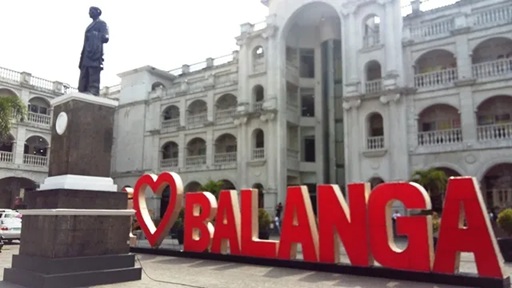
Balanga ranks third in tourist safety but rarely appears on expat radars. Its advantage is simple: it is just a couple of hours from Manila, giving you access to the capital’s top‑tier hospitals without living in Manila’s chaos.
The retiree‑safety logic: For a retiree who wants the safety of a small city but needs the medical back‑up of a megacity, Balanga is a smart compromise. It is less scenic than Dumaguete or Palawan, but it is more practical for anyone with health concerns. The expat community is smaller, so you will need to be proactive about building a social network.
Verdict: A sensible choice for retirees who want Manila’s medical resources without Manila’s problems.
Baguio City: The Cool Mountain Option
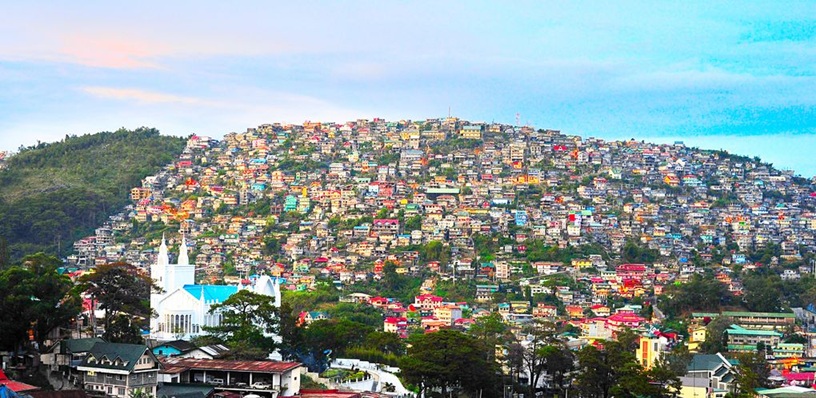
Baguio’s safety score of 75.33 is respectable, and its cool climate is a major draw for retirees fleeing tropical heat. There is a small but established expat community, and the city has a relaxed, almost colonial charm.
The retiree‑safety catch: Baguio is landlocked and mountainous. It is far from beaches (if that matters to you) and its hospitals are adequate for routine care but do not match the sophistication of Manila or Cebu. For cardiac or cancer care, you will need to travel down to the lowlands—a journey that can be stressful in an emergency. The city also experiences heavy traffic and occasional landslides during typhoons.
Verdict: Ideal for healthy retirees who prioritise climate over medical access. Not for those with serious health conditions.
Puerto Princesa, Palawan: Natural Beauty, Medical Reality
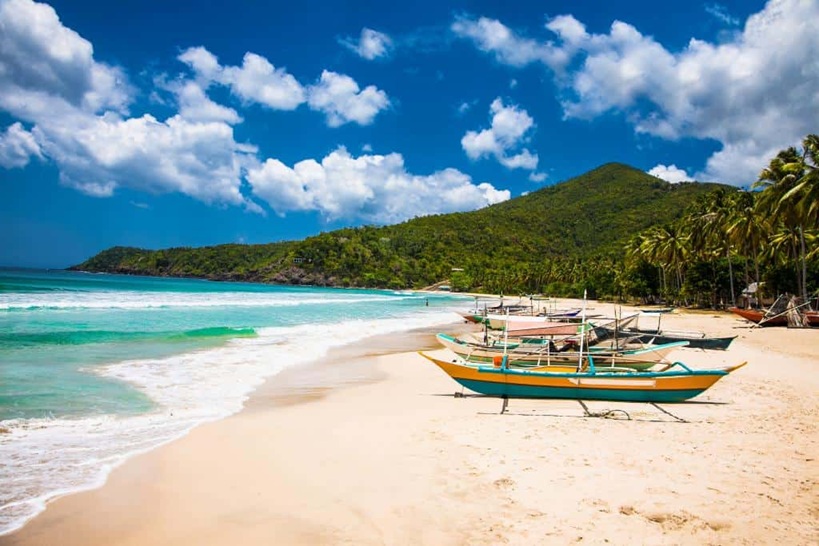
Puerto Princesa scores 74.84, and its setting is undeniably spectacular. It is the gateway to Palawan’s underground river and pristine beaches. The tourist safety is good, and the local police are visible.
The retiree‑safety warning: This is the classic “tourist safety vs. retiree safety” trap. Palawan has only basic medical facilities. A serious accident or acute illness requires medical evacuation to Manila—expensive, time‑sensitive, and not guaranteed to go smoothly. If you are over 60 or have any pre‑existing condition, Puerto Princesa is not a safe long‑term home, regardless of how low its petty crime rate may be.
Verdict: Wonderful for holidays. Risky for permanent retirement unless you are exceptionally healthy and have comprehensive evacuation insurance.
The Cities to Approach with Extreme Caution
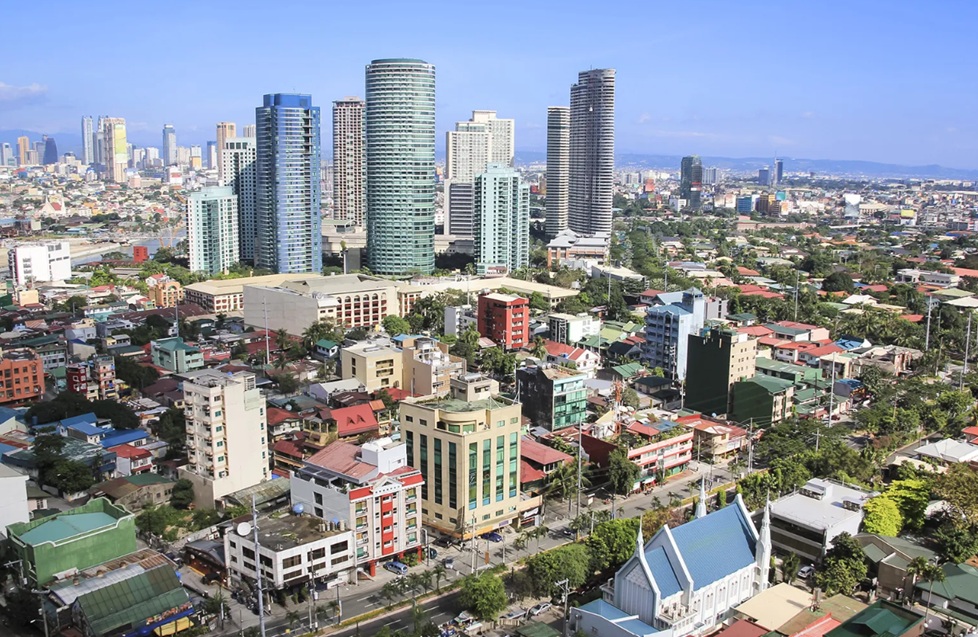
Manila (35.88) is not just unsafe for tourists—it is genuinely stressful to live in as a retiree. The crime index is high, traffic is gridlocked (delaying emergency services), and the cost of living in a secure expat enclave like Makati (which scores 71.07 on its own) is significantly higher than elsewhere. If you need the best medical care in the country, you may have to tolerate Manila, but do not pretend it is a “safe” retirement—it is a trade‑off that requires constant vigilance and a very secure budget.
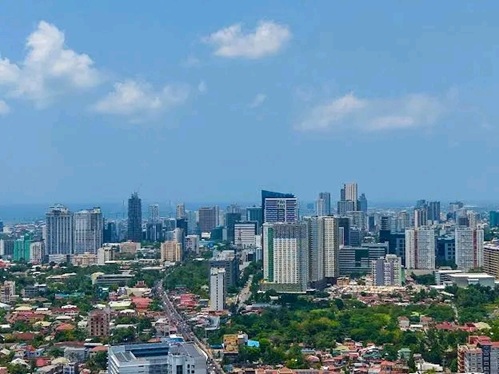
Cebu City (53.15) is more nuanced. It has excellent hospitals (Chong Hua, Cebu Doctors) and a vibrant expat scene. However, petty crime is common, and there are reports of organised theft targeting foreigners in nightlife areas. The IT Park area is considered very safe, but the city as a whole requires street‑smart habits. For a retiree, Cebu can work if you choose your neighbourhood carefully and accept that safety is not uniform across the metropolitan area.
Your Personal Safety Framework for 2026
Do not rely on a single index number. Instead, ask yourself these four questions before you choose a Philippine city:
- How far is the nearest hospital that can handle a heart attack or stroke? If the answer is more than 60 minutes by reliable transport, scratch that city off your list—regardless of its crime index. In a medical emergency, proximity is safety.
- What is the expat community like? A city with a hundred long‑term foreign residents will have support networks, trusted landlords, and word‑of‑mouth about which areas are truly safe. A city with none is an unknown—and unknowns are risky for retirees.
- What is the natural disaster risk? Typhoons, floods, and earthquakes vary by region. Davao is relatively sheltered from typhoons; Palawan and Bicol are not. Your safety includes being able to evacuate or shelter in place when a storm hits.
- Can you afford private insurance that covers medical evacuation? If you choose a provincial city, this is non‑negotiable. But remember: even the best evacuation insurance does not guarantee that a plane can land in bad weather. The safest plan is to be close to good care in the first place.
The Bottom Line
The safest city for a foreign retiree in the Philippines in 2026 is not the one with the highest tourism‑safety score. It is the one that balances low street crime with accessible, quality healthcare, a supportive expat community, and manageable disaster risk.
For most retirees, Davao City offers the best overall package—good safety, strong hospitals, and a livable environment. Dumaguete is a close second if you are healthy and willing to accept the medical trade‑off. Balanga is the sensible compromise for those who want Manila’s medical resources without Manila’s problems.
And if you are tempted by the beauty of Palawan or the cool air of Baguio, go there for holidays—not for your final years. Your health deserves a city that can actually take care of you.
Use the rankings as a starting point, but then do your own ground‑truthing. Spend a month in each short‑listed city. Talk to expats in their 70s, not just travel bloggers. And always, always put medical access at the top of your safety checklist. That is the honest truth no index will tell you.
Author
John Paul Ybañez Paquibot
Licensed Real Estate Broker | PRC No. 00014132 | DHSUD No. CVRFO-B-03/18-2672
Bachelors Realty and Brokerage, Inc. Cebu
G/F Cap Building, Brgy. Corner, Osmeña Blvd.
Arlington Pond St. Extension, Cebu City, 6000 Cebu
Leave a Reply