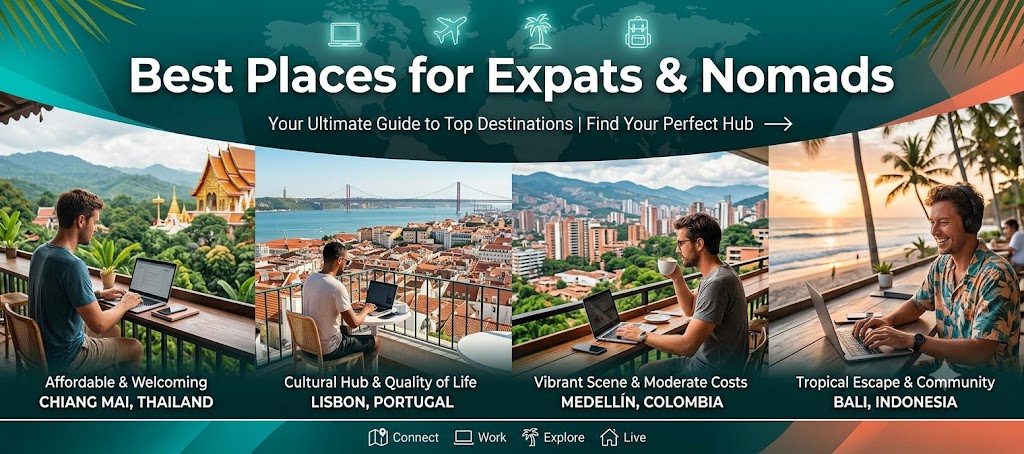
The Philippines has been named the world’s leading retirement destination for 2026, ranking first in the Retirement Abroad Index by the Expatriate Group, a specialist provider of international health insurance serving expatriates and retirees across more than 180 countries. The country scored 78 out of 100, beating Thailand (77), Colombia (73), Portugal (71), South Africa (69), and Sri Lanka (69).
The index evaluated 20 countries across five categories: healthcare quality, visa accessibility, health insurance requirements, cost of living, and expat community and integration. The Philippines ranked first across all five categories. The index cited the country’s Special Resident Retiree’s Visa (SRRV) as “among the most accessible retirement programmes we assessed.”
The reasons are familiar by now: affordability, visa accessibility, English proficiency, and genuine hospitality.
But here is the thing—the Philippines is not one place. It is thousands of islands, each with its own character, its own trade-offs, and its own kind of expat. The “best” place for you depends entirely on what you value. City energy or island calm? Modern convenience or raw nature? Beach life or mountain cool?
Here is the honest, unfiltered guide to the best places for expats and digital nomads in the Philippines in 2026.
The Heavy Hitters: Where Most Expats Start
Cebu City: The Balanced Choice
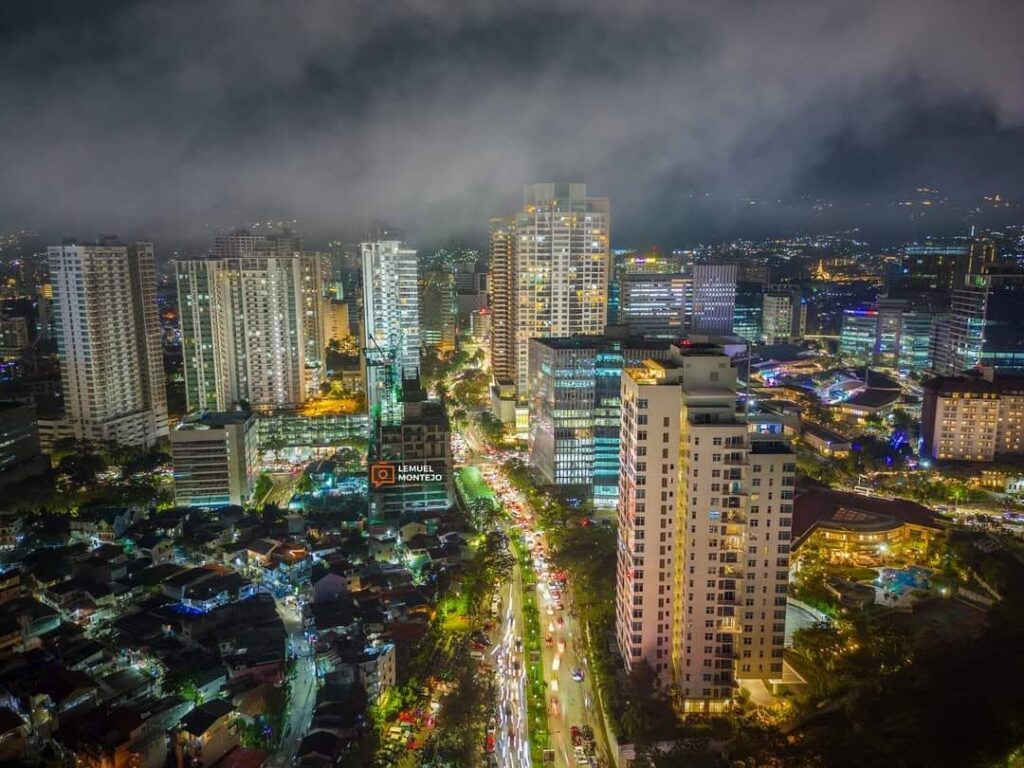
Cebu City sits in that sweet spot—big enough to have everything you need, small enough that it does not crush your soul. IT Park and Cebu Business Park offer modern condos, reliable fiber internet, and a growing expat community. The nightlife is vibrant, the restaurants are varied, and the beach is never more than a couple of hours away.
For digital nomads, Cebu is one of the best remote work bases in the Philippines. Coworking spaces are plentiful, and the internet in business districts is business-grade. Healthcare is robust, with hospitals like Cebu Doctors’ and Chong Hua offering quality care. The index noted that “the major cities such as Manila and Cebu City offer access to modern private hospitals, internationally accredited facilities, and English-speaking medical professionals.”
The cost of living is reasonable—comfortable for a single person around $1,200–$1,800 per month.
Best for: Expats who want urban convenience without Manila’s chaos. Remote workers who need reliable connectivity and a community.
The catch: Traffic is getting worse. The city is growing fast, and infrastructure is struggling to keep up.
Manila: The Megacity
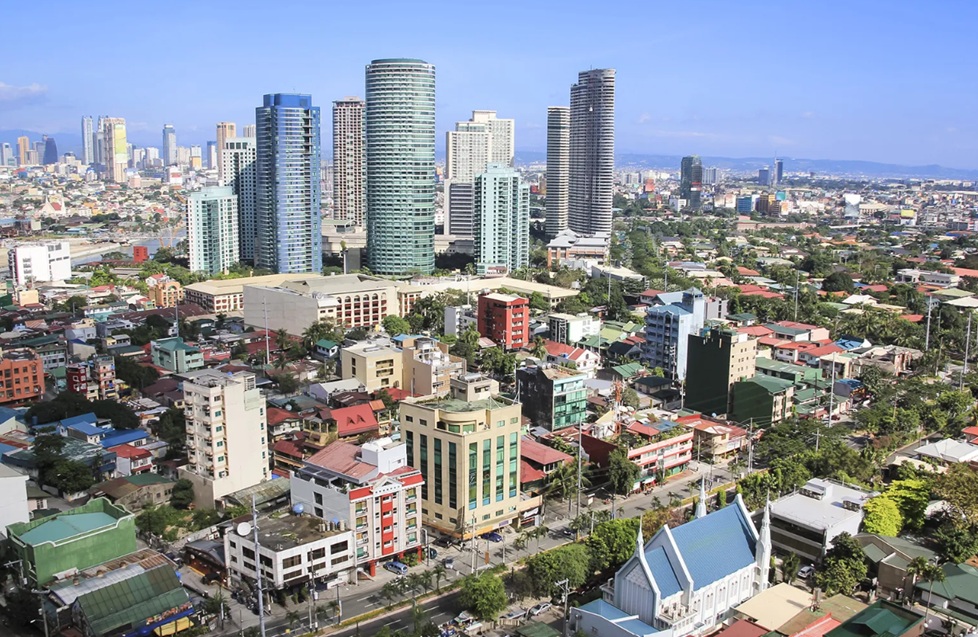
Manila is not for everyone. It is chaotic, congested, and exhausting. But for those who thrive on energy and options, it delivers like nowhere else in the country.
Premium districts like Bonifacio Global City (BGC) and Makati offer world-class dining, international-standard shopping, and the widest range of medical specialists in the country. Internet connectivity is excellent. The expat community is enormous. If you are still working and need access to international business networks, this is where you need to be.
The cost is the highest in the Philippines—a comfortable lifestyle runs $1,800–$2,800 per month. Traffic is soul-crushing, and the air quality is poor.
Best for: Professionals who need to be at the centre of things. Those with higher budgets who want the absolute best of everything.
The catch: The traffic is legendary. Your quality of life depends heavily on living and working in the same business district.
The Rising Stars: Affordable and Livable
Davao City: Safe, Clean, and Growing
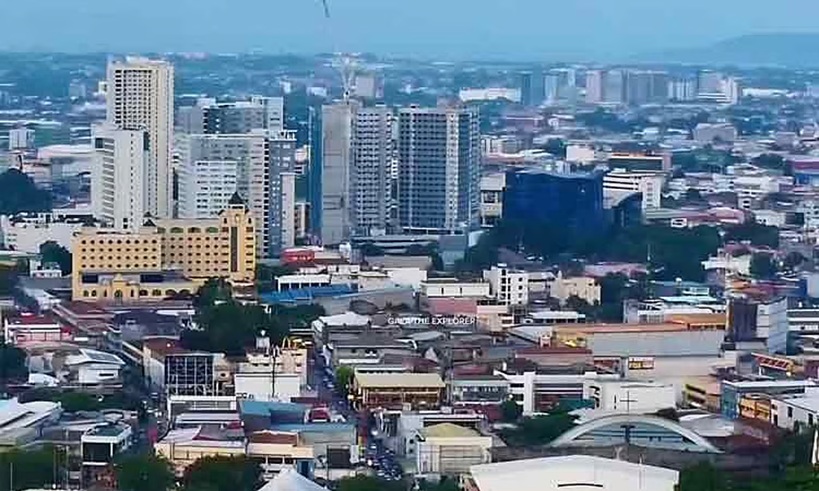
Davao City is quickly becoming one of the most popular destinations for expats, thanks to its affordable cost of living, family-friendly atmosphere, and safer reputation. It stands out for safety, cleanliness, and reliable services.
A single expat can live comfortably on $930–$1,440 per month, covering rent in an expat-friendly neighbourhood, utilities, food, transport, and leisure. A one-bedroom apartment in a good area costs around $300 per month, with studios available for $200.
The internet has improved significantly, with fiber optic coverage expanding across neighbourhoods like Lanang, Bajada, and Matina. Coworking spaces like Co+Lab and The Office Project offer reliable connectivity.
Hospitals like Davao Doctors Hospital and Southern Philippines Medical Center offer good quality care by Philippine provincial standards, though complex cases may require a trip to Manila or Cebu.
Best for: Expats prioritising safety and cleanliness. Families. Those who want a slower pace without complete isolation.
The catch: Traffic congestion is a persistent challenge, particularly along major roads like JP Laurel Avenue. The digital nomad scene is growing but not as established as Cebu or Manila.
Iloilo City: The Underrated Gem
Iloilo City combines provincial charm with modern amenities and walkable neighbourhoods. It is often praised as clean, calm, and “the perfect retirement spot”—but the reality is more nuanced than the marketing suggests.
The cost of living is low. A single person can live comfortably on approximately $1,000 per month, covering rent in a good area, air conditioning, regular dining out, and some savings. Iloilo is about 9% cheaper than Cebu City. Rent for a modern one-bedroom condo in Mandurriao is $350–$450, while older apartments in Jaro can be as low as $250.
The Iloilo Business Park in Mandurriao has brought new condominiums, international dining, walkable public spaces, and reliable internet. Coworking spaces like The Desk and Work Nook offer dedicated desks for $100–$150 per month with fiber internet.
Hospitals like The Medical City Iloilo meet good provincial-city standards, though expats often keep Manila or Cebu as backup for complex procedures.
Best for: Retirees and nomads on a budget. Those who want a quieter life with modern conveniences.
The catch: Power outages and flooding can occur during typhoon season, though Iloilo City is investing in flood control upgrades. The digital nomad community is small but growing.
Dumaguete City: The “City of Gentle People”
Dumaguete has been designated by the Philippine government as one of five areas targeted as top retirement hubs, which has driven improvements in local healthcare infrastructure. It attracts those seeking a slower pace, lower living costs, and a welcoming expat circle.
The city is home to several universities, keeping the town lively with affordable restaurants, cafes, and cultural events. Rent for a one-bedroom apartment averages $250–$400 per month. A single person can live on around $740 per month.
The expat community is well-established and welcoming. Healthcare is improving, though complex cases may require travel.
Best for: Retirees seeking a tight-knit expat community. Those who want a university town vibe with low costs.
The catch: It is smaller and quieter than Cebu or Iloilo. Fewer entertainment options. Internet is decent but not cutting-edge.
The Cool Mountain Escape
Baguio City: The Summer Capital
Baguio offers something unique in the Philippines: a refreshing cool climate. It is a favourite among digital nomads seeking an alternative to tropical beach destinations.
The cost of living is low. A single person needs around $500 per month without rent. Monthly rent for a furnished 85-square-metre apartment in an expensive area is around $450. Baguio is described as artsy, with a mountain-town vibe that attracts creatives and retirees.
Best for: Those who cannot handle tropical heat. Creative types. Retirees who want a cooler, quieter life.
The catch: It is landlocked—no beaches. The city gets crowded with tourists, especially during summer. The digital nomad scene is smaller than in coastal cities.
The Island Escapes
Siargao: The Surf and Digital Nomad Hub
Siargao is no longer a “secret” but a thriving global community. Foreigners are drawn to its unique “island time” rhythm, where genuine hospitality meets a vibrant digital nomad scene.
General Luna is the central hub. The island has a laid-back, surf-focused atmosphere with a vibrant social and party scene. A furnished one-bedroom apartment for short-term nomad rentals costs around $600 per month.
It is arguably the best place in the Philippines to work remotely, with a growing community of remote workers.
Best for: Surfers. Digital nomads who want a beach lifestyle and a strong community. Those who don’t mind island life’s limitations.
The catch: Internet can be less reliable than in major cities. Infrastructure is limited. It is more expensive than mainland cities due to logistics.
Palawan: Nature at Its Finest
Palawan offers unreal landscapes and a quiet atmosphere, perfect for remote workers who want to escape the noise. El Nido has a growing expat and nomad population, creating a complex cultural tapestry where locals, indigenous communities, and foreigners intersect.
For foreigners, Palawan offers the chance to build small, lifestyle-oriented businesses like eco-lodges, cafes, or tourism services. The advantage here is quality of life, not scale.
Best for: Nature lovers. Those who want to escape city life completely. Entrepreneurs interested in tourism-related businesses.
The catch: Palawan is remote. Internet is patchy. Healthcare is limited—serious issues require evacuation to Manila or Cebu. Costs can be higher due to logistics.
Boracay: Island Living, Refined
In 2026, Boracay has transcended its “party island” reputation to become a global gold standard for island quality of life. Strict environmental regulations have made it cleaner and more sustainable.
Rent varies widely: a studio near Station 1 costs $450–$600 per month, while Station 3 offers cheaper rooms around $300. Total monthly costs for a digital nomad run around $1,500.
Best for: Those who want a refined island experience with modern amenities. Remote workers who prioritise lifestyle over cost.
The catch: It is more expensive than other destinations. The island can feel touristy. Electricity bills are high because air conditioning is essential.
The Pragmatist’s Choice: Subic and Clark
Subic and Clark are often described as the most “livable” places in the Philippines for foreigners—orderly, familiar, and removed from the country’s usual complications.
Clark Freeport is a special economic zone that feels more like Singapore than the provincial Philippines, with wide roads, reliable power, and a world-class international airport (CRK). It scores 76.3 out of 100 for expats and is notably safer than most Philippine cities, with well-maintained security and controlled-access environments. Day-to-day life feels secure, with comfortable walkability within the freeport zone.
Subic Bay Freeport offers similar benefits with the added appeal of a bay-side setting. The cost of living for a digital nomad is around $796 per month.
Best for: Expats prioritising stability, safety, and predictability. Families. Business owners. Those who want a “Western” standard of living without the chaos.
The catch: These are functional zones, not tourist fantasies. They lack the cultural richness and vibrancy of other destinations. They suit pragmatists, not adventurers.
The Verdict: Which Place Is Right for You?
There is no single best place. But here is how to think about it:
Choose Cebu if: You want a balanced city experience with good connectivity, healthcare, and community.
Choose Manila if: You need world-class everything and can tolerate the chaos.
Choose Davao if: Safety and cleanliness are your top priorities.
Choose Iloilo if: You want low costs and a quieter life with modern amenities.
Choose Dumaguete if: You want a tight-knit expat community and a university town vibe.
Choose Baguio if: You cannot handle tropical heat.
Choose Siargao if: You surf and want a beach nomad lifestyle.
Choose Palawan if: You want raw nature and are willing to trade convenience for beauty.
Choose Boracay if: You want refined island living and have the budget for it.
Choose Clark or Subic if: You prioritise stability, safety, and predictability over adventure.
The Pro Tip
Do not commit long-term without experiencing the place first. Rent for a month. Feel the traffic. Test the internet during peak hours. Walk the neighbourhoods at night. Talk to other expats who have been there for years.
The Philippines offers something remarkable: a dozen completely different expat experiences, spread across thousands of islands. The only question is which one fits you.
📅 Remember: These cities are evolving rapidly. Infrastructure projects, new developments, and changing neighbourhood dynamics mean that what is true today may shift in the coming years. Review your options annually if you are considering a move. And always verify the latest visa requirements—the Digital Nomad Visa and SRRV program have both seen recent updates.
Author
John Paul Ybañez Paquibot
Licensed Real Estate Broker | PRC No. 00014132 | DHSUD No. CVRFO-B-03/18-2672
Bachelors Realty and Brokerage, Inc. Cebu
G/F Cap Building, Brgy. Corner, Osmeña Blvd.
Arlington Pond St. Extension, Cebu City, 6000 Cebu
Leave a Reply