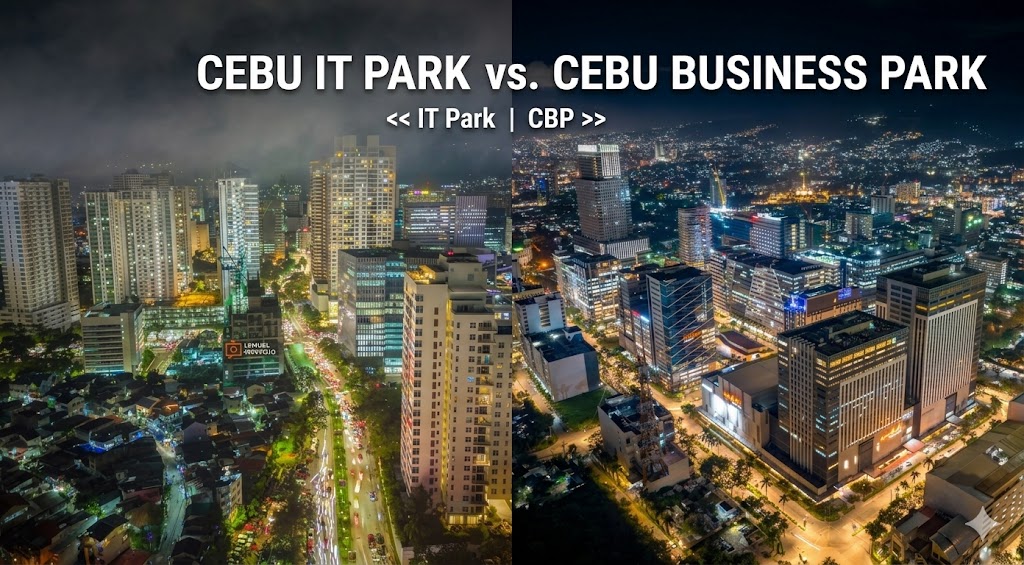
If you are moving a business, a team, or a family to Cebu, you will eventually face this question: IT Park or Business Park?
They sit side‑by‑side in the heart of Cebu City. Both were master‑planned by Ayala Land. Both are packed with multinational corporations, gleaming towers, and premium real estate. To the untrained eye, they look like interchangeable business districts.
They are not.
Choosing the wrong one means bleeding money on unnecessary rent, losing talent to brutal commutes, or sinking capital into a condo that does not match your tenant profile. This guide strips away the marketing fluff and gives you the honest, no‑nonsense breakdown of the Cebu Park District as it stands in mid‑2026.
The Core Identity: “Doing” vs. “Being”
Before you look at square‑meter rates or vacancy numbers, understand the philosophical divide between the two parks.
Cebu IT Park is built for “doing.” It is a 24/7 production engine. Its streets hum with energy at all hours because it houses thousands of BPO and tech workers who keep the global economy running through the night. Everything about IT Park—the restaurants, the co‑working spaces, the gyms, the late‑night food stalls—exists to support relentless, around‑the‑clock work. It is a campus for the digital workforce.
Cebu Business Park is built for “being.” It is the polished corporate anchor of the Visayas. It projects stability, tradition, and prestige. The pace is slower. The crowd leans toward bankers, lawyers, and C‑suite executives. The greenery is more manicured, the walkways wider, and the overall aesthetic is designed to impress clients and close deals in a calm, professional environment.
Keep that mantra in your head: IT Park is for doing; Business Park is for being. It will guide every other decision you make.
Cebu IT Park: The Tech Engine – A Deep Dive
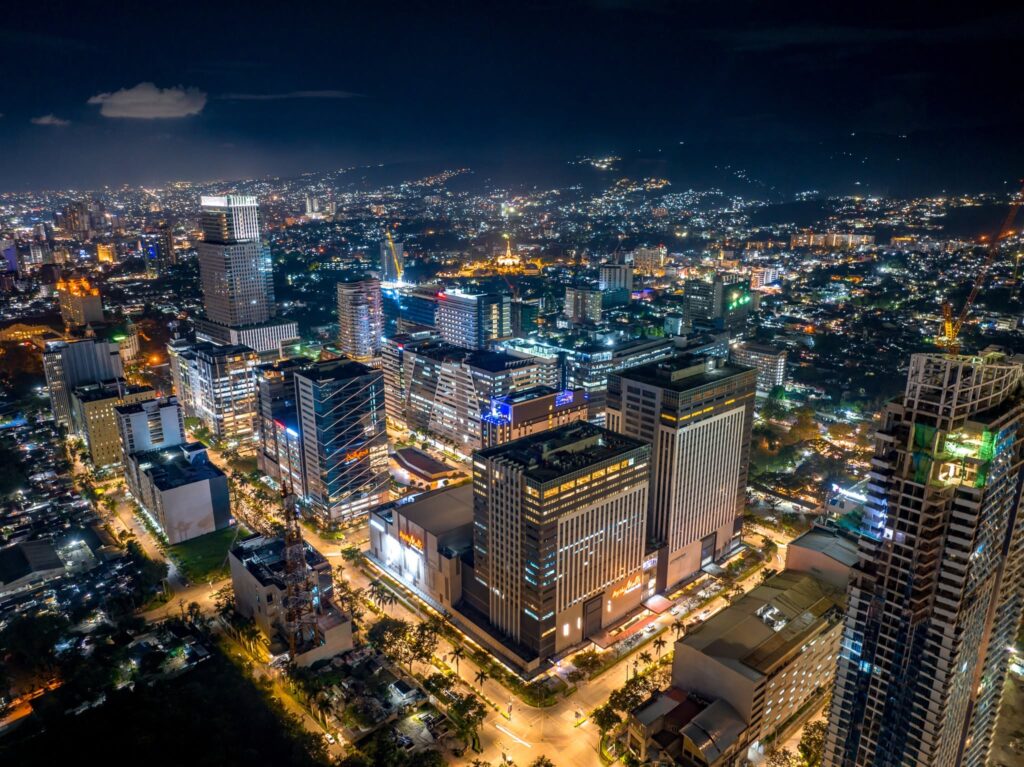
What It Is
Cebu IT Park rose from the ashes of the old Lahug Airport, which closed in 1966. Ayala acquired the land in 1989, and in 2001, it was officially declared an Information Technology Special Economic Zone. Today, it is the densest concentration of BPO and tech jobs in the entire Visayas region.
The Strengths
Walkability is the single biggest selling point. You can live in a condo, walk to your office tower, grab a meal at 2 AM, hit the gym, and return home without ever touching a car. For night‑shift workers, this is not a luxury—it is survival. The elevated terrain also makes IT Park one of the few areas in Cebu City that does not flood during heavy rains, a practical advantage that cannot be overstated.
Scalability is another major win. IT Park accounts for roughly 75 percent of Metro Cebu’s total flexible workspace inventory, with over 10,500 seats spread across operators like KMC Solutions and Regus. If your team grows by 50 people overnight, you do not need to sign a punishing five‑year lease; you simply rent more hot desks. This agility is why startups and scaling BPOs gravitate here.
The building stock is modern and green. IT Park is home to Cebu Exchange, the largest multi‑certified green office tower outside Metro Manila, along with the Skyrise towers, Central Bloc, and Filinvest Cyberzone Towers. These buildings are energy‑efficient, well‑designed, and attractive to multinational locators with strict sustainability requirements.
The Reality Checks
Traffic is the nightmare that nobody can escape. Salinas Drive and Archbishop Reyes Avenue become parking lots during rush hour. If you or your employees do not live inside the park, commuting becomes a daily source of frustration and attrition. Living nearby is not a perk—it is a practical necessity.
The supply crunch is real and getting tighter. No new office towers are expected to come online in IT Park for the next three years. Vacancy rates, which sat at 28 percent in 2022, have already dropped to roughly 14 to 16 percent and are falling fast. Landlords know they hold the cards, and negotiating leverage is shrinking by the month.
For residential landlords, the 24/7 energy cuts both ways. BPO tenants will pay a premium to live close to work, which boosts gross rental yields. But turnover is high—workers move often—and units experience more wear and tear from nocturnal living, constant air‑conditioning use, and higher guest traffic. Factor those costs into your yield calculations.
Cebu Business Park: The Corporate Anchor – A Deep Dive
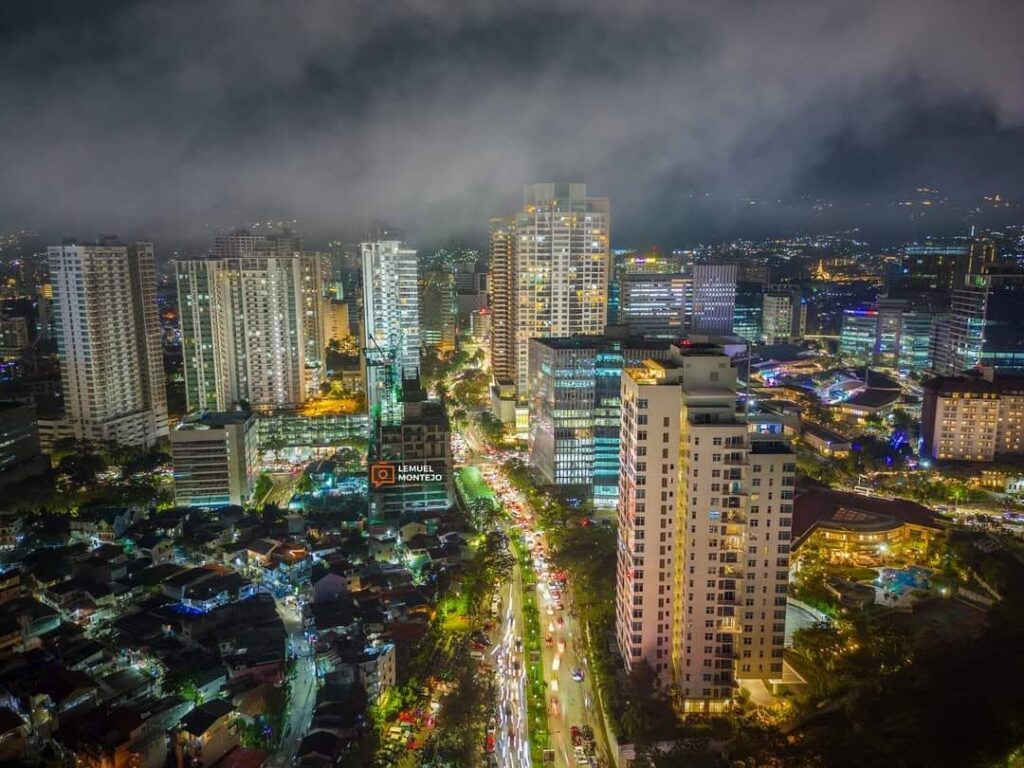
What It Is
Cebu Business Park is the older, larger sibling. Launched in 1989 on the former Club Filipino Golf Course, it spans 50 hectares and is often called Cebu’s original central business district. It was the first master‑planned mixed‑use development in the city and remains the flagship project of Cebu Holdings Inc.
The Strengths
Prestige is the currency that CBP trades in. If you are a bank, a law firm, a financial services company, or a regional headquarters, the “Cebu Business Park” address still carries more traditional weight than any IT Park location. It signals stability, longevity, and corporate seriousness to clients and partners.
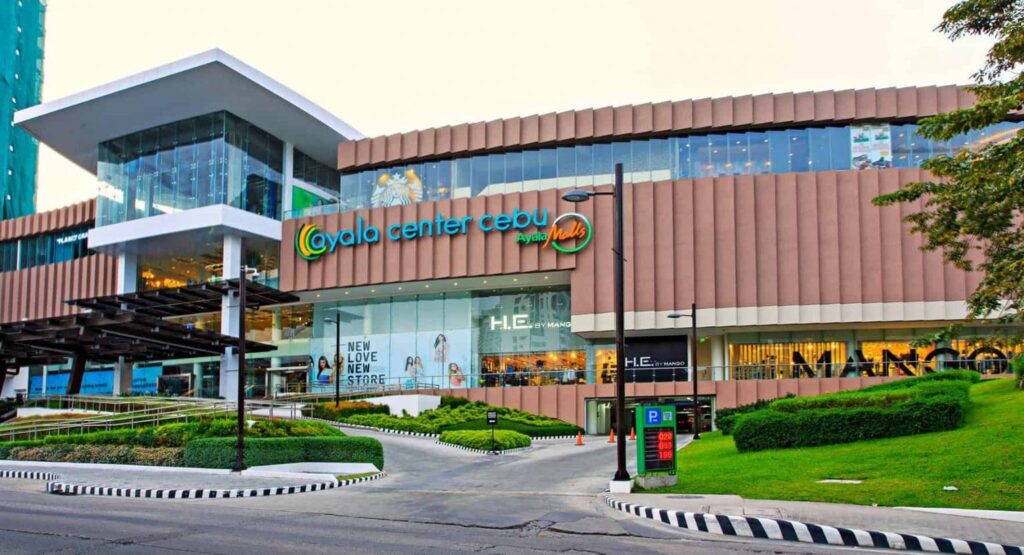
The crown jewel is Ayala Center Cebu, a nine‑hectare retail and dining ecosystem that draws an average of 60,000 shoppers daily. It is not just a mall; it is a destination. The Terraces, the upscale restaurants, the full retail lineup—all of it gives your employees a world‑class environment for lunch breaks, after‑work meetings, and weekend decompression.
Greenery and space set CBP apart from its denser neighbor. The wide walkways, mature trees, and open layouts make the district feel less claustrophobic. It is a calmer, more refined environment that suits professionals who prefer a quieter workday without the constant buzz of nocturnal activity.
For residential investors, the tenant profile is a major advantage. CBP attracts expatriate executives, regional managers, and airline pilots. These tenants stay for two to three years, pay on time, and treat properties with care. While gross rental yields are slightly lower than in IT Park—perhaps half a percentage point to one full point less annually—the stability and lower maintenance costs often make up the difference.
The Reality Checks
You pay a premium for the polish. Average rents in CBP hover around ₱580 to ₱628 per square meter, which is roughly ₱50 to ₱80 higher than comparable space in IT Park. That gap is the cost of prestige and greenery.
The district is noticeably sleepy after dark. If your team works night shifts or if you are a night‑owl professional looking for a 3 AM meal or a late‑night coffee shop, options are sparse. CBP is tailored to the 9‑to‑5 crowd, and the sidewalks largely roll up after 10 PM.
Some of the office buildings are older. While well‑maintained, they reflect an earlier era of development. Older buildings often carry higher “common area” maintenance fees than the newer, energy‑efficient towers in IT Park. When comparing lease proposals, always ask for the total monthly dues—rent plus CAM charges plus utility markups—not just the base rent.
How to Decide: A Strategic Filter for 2026
Do not ask which park is “better.” Ask which one fits your operational maturity and workforce requirements.
If your priority is agility and scaling—if you are a tech startup, a BPO, a creative agency, or any business that needs to grow or shrink quickly—choose IT Park. You need the flexible office space, the 24/7 talent pool, and the campus‑like ecosystem that makes recruitment easier. Just be honest about the traffic and the higher residential turnover. Budget for both, and ensure your key people live on‑site.
If your priority is brand prestige and stability—if you are in banking, law, corporate advisory, insurance, or regional headquarters—choose Business Park. Your clients expect a polished, traditional address. The higher rent is effectively a marketing expense. You will also benefit from a calmer work environment and a more stable, executive‑level tenant pool if you are investing in residential property.
If your primary challenge is recruiting young Gen Z and millennial talent, IT Park wins hands down. Young workers want the vibrant, walkable lifestyle. They value the nightlife, the fitness centers, and the 24/7 food options. IT Park sells itself as a lifestyle destination, not just a workplace, which gives you a genuine edge in a tight labor market.
If your goal is long‑term capital appreciation as a property investor, tilt toward Business Park. Land in CBP is functionally gone. There is no room for significant new development, and that scarcity will protect your property value over the next decade better than almost any other location in Cebu.
If your goal is maximum rental yield and immediate cash flow, tilt toward IT Park. BPO workers will pay a premium to avoid the Salinas Drive traffic nightmare. You will achieve higher gross yields, but you must factor in higher maintenance costs, more frequent tenant turnover, and the possibility of longer vacancy gaps between leases.
The Elephant in the Room: 2026 Saturation
Here is the one truth that most articles will not tell you: both parks are effectively full.
There is virtually zero new Grade A office supply coming online in either district for the next 36 months. Large BPOs requiring contiguous floor plates of 5,000 square meters or more are already being turned away. The landlords know this, and they are shortening fit‑out periods, reducing free rent concessions, and tightening lease terms across the board.
If you are a large enterprise, you may already be too late for these two parks. The next frontier is the South Road Properties and Mandaue City, where developers are rushing to build the next generation of office stock to absorb overflow demand.
For everyone else still eyeing the Park District, the message is simple: act fast. If you need space, start your site selection and lease negotiations at least six to eight months before your intended move‑in date. Do not wait for better deals—they are not coming.
The Golden Rule of 2026
After all the comparisons, all the rent differentials, and all the strategic filters, one truth towers above everything else:
Do not base your decision on the building. Base it on the commute.
Cebu’s infrastructure is struggling to catch up with its commercial growth. The roads are congested, public transport is inadequate, and rush hour now stretches well beyond the traditional morning and evening windows. In this environment, the best office tower in the world is worthless if your employees spend two hours of their day trapped in gridlock.
Both IT Park and Business Park are surrounded by the same clogged arteries. Archbishop Reyes Avenue, Salinas Drive, and the connecting roads all funnel into the same bottlenecks. The difference between a good day and a bad day at work is not the lobby marble or the cafeteria menu—it is whether you can walk to your desk in ten minutes or sit in a car for forty-five.
If you are not in the park, you are in the traffic. That is the unvarnished reality of 2026. Every recruitment conversation, every retention strategy, and every real estate investment thesis must start with that premise. The park you choose matters far less than the simple question of whether you and your key people can live within walking distance of your office.
So before you compare lease rates or study vacancy trends, pull up a map. Draw a fifteen‑minute walking radius around each park. Look at the residential options inside that circle. If your budget cannot put your team inside that radius, then the park you choose is almost irrelevant—you are already fighting a losing battle against Cebu’s traffic monster. The building becomes secondary; the location of your home becomes primary.
The Final Verdict
Neither Cebu IT Park nor Cebu Business Park is objectively superior. They serve different masters.
Choose IT Park if you are in the business of production—technology, BPO, creative services, or any scaling venture that thrives on energy, flexibility, and a 24/7 ecosystem. You will get better walkability, more dining and nightlife options, and a built‑in talent pool of young professionals. But you must accept the traffic reality and the higher operational churn that comes with a round‑the‑clock environment.
Choose Business Park if you are in the business of perception—banking, law, corporate finance, regional headquarters, or any enterprise that needs to impress traditional clients with a polished, prestigious address. You will get greener surroundings, a calmer work atmosphere, and more stable residential tenants. But you will pay a rent premium for that polish, and you will sacrifice the nocturnal energy that makes IT Park feel alive after midnight.
In 2026, your decision will not be about which park has better restaurants or prettier trees. It will be about supply constraints, strategic alignment, and—above all else—the daily commute. If you can secure space in either district and house your people within walking distance, congratulations—you have just planted your flag in the most commercially vital real estate in the Visayas.
But if you ignore the Golden Rule and base your choice solely on the building’s brochure, you will be paying premium rent for the wrong vibe while your employees sit in traffic, watching their morale and productivity drain away. That is a mistake that no spreadsheet, no fit‑out budget, and no prestige address can ever fix.
Author
John Paul Ybañez Paquibot
Licensed Real Estate Broker | PRC No. 00014132 | DHSUD No. CVRFO-B-03/18-2672
Bachelors Realty and Brokerage, Inc. Cebu
G/F Cap Building, Brgy. Corner, Osmeña Blvd.
Arlington Pond St. Extension, Cebu City, 6000 Cebu
Leave a Reply