Blog

  • Definitive Master Guide: House-and-Lot vs. Lot-Only Investment in Cebu (2026) – SeekCebu

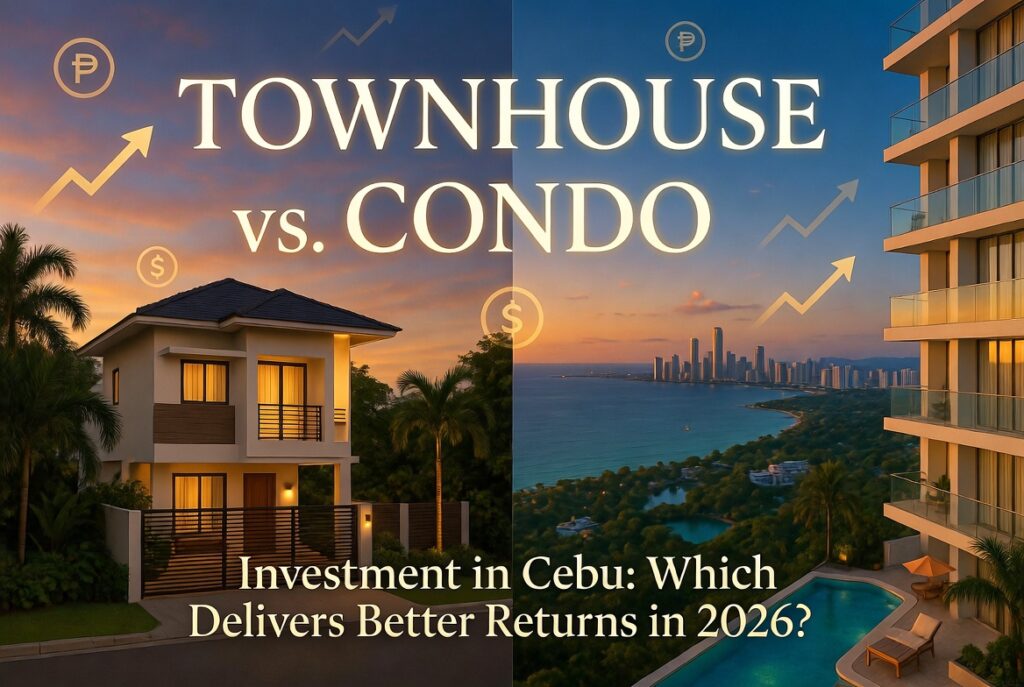
    House-and-Lot vs. Lot-Only Investment in Cebu

    Cebu’s property market has entered a mature “recalibration” cycle. With over 93,000 condominium units saturating the vertical market and residential lot prices rising an average of 7 percent annually from 2016 to 2025—with some projects posting compound annual growth rates as high as 27 percent—the era of easy, market-wide gains is over. In 2026, success belongs to precision, not speculation.

    The choice between buying a finished House-and-Lot (H&L) and purchasing raw Lot-Only land is not about which asset is objectively superior. It is a deliberate strategic decision that hinges entirely on your financial timeline, your need for liquidity, and your tolerance for risk.

    This definitive guide merges hard data with battle-tested investor heuristics to give you the clearest path forward.


    The 2026 Market Reality: Where Cebu Actually Stands

    Before diving into asset classes, you must understand the ground beneath your feet. Central Visayas posted 7.3 percent GDP growth in 2024, the fastest of all 18 Philippine regions, which directly underpins housing demand. However, the price signals are mixed and require careful reading.

    The median housing price in Cebu in 2026 sits at approximately ₱14.8 million. However, this figure is heavily skewed by luxury listings; the average price jumps to ₱25.5 million, while a typical family home in a middle-income subdivision is much closer to ₱7.8 million. This gap is your first warning: do not rely on averages. Know exactly which segment you are targeting.

    Critically, the supply pipeline is constrained. More than 10,000 housing units in Cebu are currently awaiting License to Sell (LTS) approval from the HLURB. This backlog prevents developers from launching new pre-selling projects, tightening supply in the ₱3 million to ₱6 million segment—the very sweet spot where overseas Filipino workers and young families are most active. This supply crunch is putting upward pressure on prices for available properties, making 2026 a unique window for buyers who are ready to act.


    The Strategic Case for House-and-Lot: The “Immediate Utility” Path

    Choosing a House-and-Lot is a decision to acquire a functioning, productive asset from day one. You are buying a combination of appreciating land and a depreciating structure, but you are paying for the convenience of immediate utility.

    The Appreciation Profile: House-and-lot products in Cebu are currently seeing robust 7 to 10 percent annual gains. In 2025, the Visayas and Mindanao region posted a 92 percent take-up rate for house-and-lot developments, indicating sustained, healthy demand from end-users. The top-selling segment was the middle-income range, accounting for 42 percent of total sales.

    The Cash Flow Reality: You gain immediate rental income. Across Cebu, average gross rental yields for residential properties hover around 5.2 percent. In prime areas like IT Park and Cebu Business Park, gross yields sit near 4.9 to 5 percent. However, you must be brutally honest with your net yield—property taxes, insurance, and regular maintenance will shave off roughly 1.5 to 2 percentage points. The structure ages; roofs leak, paint fades, and plumbing requires attention. This is not passive income; it is active business management.

    The Smart Heuristic for H&L Buyers: Pay close attention to the quality of the Homeowners Association (HOA). In Cebu’s gated subdivisions, the HOA is the leading indicator of your property’s future resale value. A well-managed community with enforced rules, proper security, and well-maintained common areas will always command a premium when it is time to exit. A dysfunctional HOA can sink your investment faster than a market downturn.


    The Strategic Case for Lot-Only: The “Long-Term Appreciation” Path

    Choosing Lot-Only—often called land banking—is a decision to capture the maximum potential of the land itself. It is an investment in pure flexibility and future value, unencumbered by a decaying structure.

    The Appreciation Profile: This is where the numbers get compelling. From 2016 to 2023, lot-only developments saw annual price increases ranging from 7 to 15 percent. In 2025, Colliers data showed that average take-up for lot-only units in Cebu, priced at an average of ₱21,000 per square meter, was an astonishing 94 percent. Investors are actively voting with their wallets for land.

    Consider the historical precedent: Cordova land values jumped a staggering 900 percent—from around ₱500 per square meter to ₱5,000 per square meter—after the Cebu-Cordova Link Expressway (CCLEX) opened. This is the upside of infrastructure-driven speculation. However, it also highlights the speculative nature of this play; you are betting on future development, not current utility.

    The Brutal Drawbacks: You face zero monthly cash flow. While you wait for appreciation, you are paying property taxes, subdivision association dues, and incurring the opportunity cost of your frozen capital. Furthermore, vacant land is vulnerable to squatting, encroachment, and neglect. If you are not visiting the property regularly or paying a trusted caretaker, your asset can become a liability.

    The Two Golden Rules for Lot-Only Buyers (Non-Negotiable):
    First, strictly enforce the 5-Year Rule. Only enter a lot-only investment if you have the capital to hold the asset for a minimum of five years. This is the absolute minimum window required to weather market cycles and allow infrastructure projects to materialize. If you need liquidity within three years, do not buy raw land.

    Second, rigorously verify “Build-Readiness.” Do not buy raw land without confirming access to a stable water supply, grid electricity, and legally titled subdivision roads. In Cebu’s competitive market, a “cheap” lot is almost always cheap for a reason—it lacks the utility connections required to legally build a home. Digging a deep well or pulling power lines from a kilometer away can cost millions, instantly wiping out your paper gains.


    The Brutal Truth: Risks You Cannot Ignore in 2026

    Both asset classes carry specific traps that inexperienced investors fall into.

    For House-and-Lot, the greatest hidden risk is structural depreciation. While the land under your house appreciates at 7 to 10 percent, the building itself is losing value every year. After 15 to 20 years, a significant portion of your property’s value is tied to a structure that may require a full tear-down and rebuild. When calculating your total return on investment, you must amortize the cost of major capital expenditures—roof replacement, plumbing overhauls, electrical rewiring—across your holding period.

    For Lot-Only, the risk is development stagnation. Not every growth corridor actually grows on schedule. Infrastructure projects face delays, commercial zones shift, and what looks like a prime location today could remain farmland for another decade. This is why the 5-Year Rule exists—it gives you a buffer against bureaucratic inertia. Additionally, raw land is highly sensitive to interest rate hikes; when borrowing costs rise, speculative land prices are the first to correct.


    The Definitive Decision Matrix: Which Path Fits You?

    There is no single right answer, but there is a right answer for you.

    Choose House-and-Lot if: You are a first-time investor, an OFW seeking predictable monthly income to service a mortgage, or a family who needs a move-in-ready property without the complexities of construction management. You need your investment to generate cash flow today to offset your holding costs. You are willing to trade some long-term appreciation for the security of immediate utility and a deep tenant pool of BPO workers and young professionals.

    Choose Lot-Only if: You are a patient, long-term investor with a five-to-ten-year horizon. You have significant capital to park and do not require monthly income from this asset. You are willing to bet on specific infrastructure corridors—such as areas along the Cebu Bus Rapid Transit (BRT) route, the southern expansion zones in Talisay, or northern corridors like Consolacion and Minglanilla. You understand that you are building wealth for the next decade, not paying for this month’s bills.


    The Smart Money Playbook for 2026

    Regardless of which path you choose, the 2026 market rewards tactical execution over blind faith.

    For House-and-Lot Investors: Focus your search on the ₱3 million to ₱6 million middle-income segment. This is where demand is most robust and the housing backlog is most acute. In a buyer-leaning market, you should expect to negotiate 6 to 12 percent off listing prices. Developers are frequently offering incentives, better payment terms, and price discounts to move inventory. Never pay list price.

    For Lot-Only Investors: Do not chase the already-saturated city center. Look for emerging growth nodes along the BRT route and areas directly benefiting from the CCLEX expansion. Secure larger parcels where possible, as the per-square-meter cost drops significantly with size. However, before signing any contract, demand to see the approved subdivision plan and verify the utility connection agreements. If the developer cannot produce a clear title and a water concessionaire’s commitment letter, walk away.

    For Everyone: Verify the developer’s License to Sell with the HLURB before handing over a single peso. With over 10,000 units awaiting approval, the risk of buying into an unlicensed or delayed project is real. Work exclusively with a licensed PRC-accredited real estate broker who has a track record of closing deals in your target barangay.


    Final Verdict

    In 2026, the equation is clear: House-and-Lot for immediate income and utility; Lot-Only for long-term capital growth.

    House-and-Lot offers the safety of cash flow, structural financing, and a known commodity, making it the superior choice for those who need their asset to work for them today. Lot-Only offers the superior appreciation ceiling, driven by the finite scarcity of land and the enduring “space shift” in Filipino housing preferences, but it demands patience, capital reserves, and the rigorous discipline of the 5-Year Rule and utility verification.

    The era of easy money in Cebu real estate is definitively over. But for the discerning investor who aligns their asset choice with their personal financial timeline and conducts rigorous due diligence, Cebu’s land—whether with a house on it or waiting for one—remains one of the most powerful wealth-building tools in the Philippine archipelago.

    Check our article for townhouse vs condo investment.


    Disclaimer: This guide is for informational purposes only and does not constitute financial or legal advice. Real estate investments involve risk, including the potential loss of principal. Always verify developer License to Sell (LTS) documents, consult with a licensed PRC broker, perform thorough title verification, and conduct your own due diligence before committing your capital.

      Author
      John Paul Ybañez Paquibot
      Licensed Real Estate Broker | PRC No. 00014132 | DHSUD No. CVRFO-B-03/18-2672
      Bachelors Realty and Brokerage, Inc. Cebu
      G/F Cap Building, Brgy. Corner, Osmeña Blvd.
      Arlington Pond St. Extension, Cebu City, 6000 Cebu
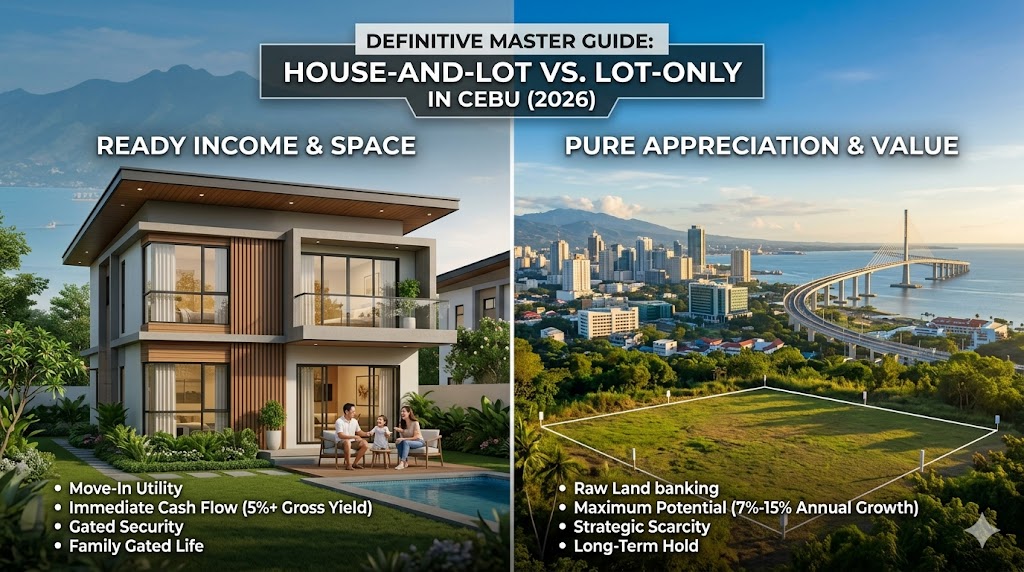
    • Townhouse vs. Condo Investment in Cebu: Which Delivers Better Returns in 2026? – SeekCebu

      Townhouse vs. Condo Investment in Cebu

      Cebu has long been the Philippines’ second-most important property market after Metro Manila, and 2026 presents a particularly interesting—and nuanced—moment for investors. The days of automatic gains are over. Today, the question isn’t whether Cebu real estate is a good investment, but which property type—and which specific location—will deliver the best returns.

      Here’s an honest, data-driven look at townhouses versus condominiums in Cebu in 2026.


      The 5-Second Snapshot: Summary Table

      Before diving into the nuance, here is the bird’s-eye view of how these two assets stack up against each other in the current Cebu market:


      Entry Capital
      Condominium (Prime Locations): Lower (Avg. ₱4.2M – ₱5.6M for studio/1BR)
      Townhouse / House & Lot: Higher (Avg. ₱8M – ₱15M+)

      Net Rental Yield (2026)
      Condominium (Prime Locations): 4.8% – 5.5% (Studios in Lahug/IT Park)
      Townhouse / House & Lot: 3.5% – 4.0% (Variable by suburb)

      Projected Annual Appreciation
      Condominium (Prime Locations): 3% – 7% (Stabilizing, selective)
      Townhouse / House & Lot: 7% – 12% (Driven by land scarcity)

      Primary Demand Driver
      Condominium (Prime Locations): Proximity to BPO offices, universities, walkability
      Townhouse / House & Lot: Privacy, space, and long-term family living

      Liquidity (Ease of Sale)
      Condominium (Prime Locations): High (Deep tenant/buyer pool in business hubs)
      Townhouse / House & Lot: Moderate (Narrower buyer pool, longer marketing time)

      Foreign Ownership
      Condominium (Prime Locations): Direct (Up to 40% building cap, CCT title)
      Townhouse / House & Lot: No direct land ownership (Requires complex 50-year lease)

      Ongoing Costs
      Condominium (Prime Locations): Monthly assoc. dues (₱1.5k–₱3.6k) + insurance
      Townhouse / House & Lot: Full maintenance, repairs, and property tax


      The Big Picture: Cebu’s 2026 Market in Context

      Before comparing asset classes, it’s worth understanding where the market stands.

      Metro Cebu now has the largest condominium stock outside Metro Manila, with approximately 92,300 units as of end-2025. Colliers projects total supply to reach 109,000 units by end-2029, with an average of 4,000 new units completed annually. That’s a lot of new inventory coming online.

      At the same time, demand remains robust. The Visayas and Mindanao region posted an 87% condominium take-up rate in Q1 2026, while house-and-lot developments hit 92%. Residential lot prices in Cebu rose by an average of 7% annually from 2016 to 2025, with some projects posting compound annual growth rates as high as 27%.

      Cebu is also benefiting from a broader shift toward provincial markets. IT-BPM operators accounted for 121,000 square meters of office space transactions in Cebu alone in 2025, and the decentralization trend is expected to persist beyond 2026.

      The bottom line: Cebu’s fundamentals are strong, but the market is becoming more selective. Location matters more than ever.


      The Elephant in the Room: The “Space Shift” is Reshaping Demand

      Here is the single most important macro-trend driving returns in 2026: The post-pandemic preference for space is no longer a fleeting fad—it is a permanent re-calibration of how Filipinos want to live.

      While condos thrived during the BPO boom of the 2010s, the 2020s belong to the “space seekers.” Families who spent years in 30-sqm condos are trading density for the privacy of horizontal developments. Hybrid work arrangements mean fewer employees need to live within walking distance of IT Park every single day.

      This shift is directly impacting appreciation rates: Nationally, BSP data shows houses are appreciating nearly seven times faster than condos (houses up 13.1% vs. condos down 0.2% in recent quarters). In Cebu, the effect is visible in suburban corridors where townhouse developments are seeing bidding wars, while some condo projects in secondary locations are offering heavy discounts to move inventory.

      This does not mean condos are dead—it means their success is now hyper-localized. Condos in walkable, irreplaceable hubs (Lahug, IT Park) will continue to perform. Condos in oversupplied or car-dependent zones will stagnate.


      Rental Yields: The Numbers You Actually Need

      Condominiums

      Cebu condos typically yield 5% to 7% gross annually, but net yields drop significantly once you factor in association dues, property taxes, and management fees.

      Here’s the breakdown by neighborhood in 2026:


      Lahug
      Studio Net Yield: ~5.5%
      1-Bedroom Net Yield: ~5.0%

      Cebu IT Park
      Studio Net Yield: ~5.0%
      1-Bedroom Net Yield: ~5.0%

      Mabolo
      Studio Net Yield: ~5.0–5.2%
      1-Bedroom Net Yield: ~5.0–5.2%

      Banilad
      Studio Net Yield: ~4.8%
      1-Bedroom Net Yield: ~5.0%

      Cebu Business Park
      Studio Net Yield: Weaker
      1-Bedroom Net Yield: Weaker

      Source: Bamboo Routes Cebu rental yield data, 2026

      Lahug stands out as the strongest all-around performer, combining solid yields with deep tenant demand near IT Park, schools, hospitals, and the upper Cebu City area. Studios remain the most capital-efficient rental product, offering roughly 4.8% net yield on average with less capital required than larger units.

      The weakest income profiles are in South Road Properties, Cebu Business Park, and Mactan Newtown—high purchase prices and high amenity costs eat into returns.

      The average net yield across Metro Cebu sits at approximately 3.5%, though prime locations outperform significantly.

      Townhouses

      Townhouse rental data in Cebu is less widely published, but available figures suggest a different profile. A 3-bedroom townhouse in Talamban shows approximately 5.2% gross yield and 3.7% net yield. A 3-bedroom villa in Cebu City averages around 6.35% gross yield.

      The key difference? Townhouses typically attract families and longer-term tenants, which can mean lower turnover (saving you vacancy costs) but also a narrower tenant pool.

      Verdict on rental yields: Condos in prime locations (Lahug, IT Park) offer comparable or slightly better net yields than townhouses, with studios providing the best capital efficiency. However, yields vary dramatically by location—a condo outside prime districts may underperform a well-located townhouse.


      Capital Appreciation: Where the Real Money Is Made

      Condominiums

      Condo prices in Metro Cebu are forecast to grow at 3% to 7% annually through 2028, with a central projection of approximately 5% for well-located units in prime districts. Pre-selling units are appreciating at 7–10% per year.

      However, the market has become more complex. Economist Fernando Fajardo notes that while prime locations like IT Park, Ayala Business Park, and Lahug remain stable, some areas are beginning to show signs of oversupply, with growing numbers of similar units competing for tenants and buyers. Pure speculation hoping for quick gains is “much more uncertain now”.

      Townhouses and House-and-Lot

      Historical data shows residential lot prices in Cebu rose 7% annually from 2016 to 2025. Nationally, houses are appreciating significantly faster than condos—BSP data shows houses up 13.1% versus condominiums down 0.2% in recent quarters.

      In Metro Manila, houses are appreciating nearly seven times faster than condos. While Cebu-specific data isn’t as granular, the pattern likely holds: horizontal properties tend to outperform vertical ones on price appreciation due to land scarcity and Filipino families’ enduring preference for space—a preference that has only intensified in the post-pandemic era.

      Verdict on appreciation: Townhouses and house-and-lot properties likely offer stronger capital appreciation over the medium-to-long term, driven by land value growth and the enduring “Space Shift” that shows no signs of reversing.


      The Critical Differences: What the Numbers Don’t Tell You

      Entry Price and Capital Requirements

      Condos offer a lower entry point. A studio in Banilad averages ₱4.2 million, while a 1-bedroom goes for ₱5.6 million. Townhouses typically require more capital—median Cebu housing prices sit around ₱14.8 million, though more affordable options exist in suburban areas.

      For foreign investors, this is crucial: foreigners can directly own condominium units under the Condominium Act (RA 4726), but cannot own land—which means no direct freehold ownership of townhouses or house-and-lot properties. Foreigners can lease land for up to 50 years with renewal options, but this adds complexity and risk.

      Operating Costs

      Condo owners face monthly association dues—typically ₱1,500 to ₱3,600 for a 30-square-meter unit, before adding repairs, insurance, and management fees. These costs can reduce net yields by 1.5 to 2 percentage points.

      Townhouse owners face fewer recurring fees but bear full responsibility for maintenance, repairs, and property management. As one analysis notes, “maintaining a house requires more oversight than a condo unit”.

      Liquidity and Tenant Pool

      Condos in prime locations offer better liquidity—it’s easier to find buyers and tenants. The tenant pool includes BPO employees, young professionals, and students. Furnished condos in IT Park typically rent 2 to 3 weeks faster than unfurnished units.

      Townhouses have a narrower tenant pool—primarily families and long-term renters—and lower liquidity in the resale market. However, they also face less competition from new supply.

      Supply Dynamics

      This is where 2026 gets interesting. Cebu’s condo supply is expanding rapidly—4,000 new units annually through 2029. This creates buyer opportunities (developers offering promos and discounts) but also rental competition.

      Meanwhile, more than 10,000 housing units in Cebu are awaiting license-to-sell approval, tightening supply in the ₱3 million to ₱6 million segment. This shortage is particularly evident in the price range popular among OFWs seeking long-term investments.


      The 2026 Verdict: Which Delivers Better Returns?

      The honest answer: it depends on your investment profile.

      Choose a Condo If:

      • You’re a foreign investor. Direct ownership is straightforward under the Condominium Act. Townhouses require land lease arrangements.
      • You want rental income. Prime-location condos (Lahug, IT Park) offer reliable tenant demand and net yields of 4.8–5.5%.
      • You have limited capital. Studios start around ₱4.2 million, making condos more accessible.
      • You value liquidity. Condos are easier to sell and rent in prime districts.
      • You’re a passive investor. Condo association management handles building maintenance; you just manage your unit.

      But be selective. As Fajardo warns, “Cebu condos aren’t a bad asset… But they’re no longer automatic winners”. Avoid oversupplied areas, focus on proven tenant zones, and negotiate hard on price.

      Choose a Townhouse If:

      • You’re a Filipino citizen or have a reliable land-lease structure. Direct land ownership isn’t available to foreigners.
      • You’re prioritizing capital appreciation. Historical data suggests horizontal properties outperform condos on price growth—a trend supercharged by the post-pandemic “Space Shift.”
      • You have higher capital. Townhouses typically require ₱10 million+.
      • You want long-term, stable tenants. Families tend to stay longer than transient professionals.
      • You’re willing to manage maintenance. Townhouses require more hands-on oversight.

      The Smart Money Strategy for 2026

      1. Focus on location above all else. In both categories, location determines returns. Prime districts (IT Park, Lahug, Ayala Business Park) consistently outperform.
      2. For condos: Target studios in Lahug or IT Park. They offer the best capital efficiency and tenant depth. Expect net yields around 5% and price appreciation of 5–7% annually.
      3. For townhouses: Look at emerging suburban areas like Talamban, Minglanilla, or Consolacion. These areas benefit from infrastructure development and offer better value than central Cebu City—plus they are the primary beneficiaries of the flight to space.
      4. Negotiate. 2026 is a buyer-leaning market for condos, with developers offering promos and incentives. Foreign buyers can typically negotiate 6–12% off listing prices.
      5. Think long-term. “The real question today isn’t ‘Should I buy a condo?’ but ‘Can this specific condo still hold demand five or 10 years from now?’”. The same applies to townhouses.

      Final Take

      In 2026, condos offer better rental yields and accessibility, while townhouses offer stronger long-term appreciation potential.

      Neither is objectively “better.” The right choice depends on your citizenship, capital, risk tolerance, and investment horizon. What’s clear is that the era of easy money in Cebu real estate is over. Success now requires research, selectivity, and a willingness to hold for the long term—and an acute awareness that the market’s gravitational center has shifted decisively toward space and land.


      Disclaimer: This article is for informational purposes only and does not constitute financial or investment advice. Real estate markets are subject to change, and individual results will vary. Always conduct your own due diligence and consult qualified professionals before making investment decisions.

        Author
        John Paul Ybañez Paquibot
        Licensed Real Estate Broker | PRC No. 00014132 | DHSUD No. CVRFO-B-03/18-2672
        Bachelors Realty and Brokerage, Inc. Cebu
        G/F Cap Building, Brgy. Corner, Osmeña Blvd.
        Arlington Pond St. Extension, Cebu City, 6000 Cebu
      • Retirement in Cebu: The Best Places to Buy a Property for Your Golden Years (2026) – SeekCebu

        Retirement in Cebu

        Cebu has quietly become one of Asia’s most practical retirement destinations, balancing modern healthcare, English‑speaking locals, and a cost of living that stretches your savings further than nearly anywhere else in the region.

        But let’s be honest: retiring well in Cebu isn’t automatic. Infrastructure varies wildly between neighborhoods, healthcare access isn’t universal, and foreign ownership rules have traps that catch the unprepared. This guide cuts through the marketing to give you a clear, actionable roadmap for buying property in Cebu for your retirement years in 2026.


        The SRRV Visa: Your Ticket to Retiring in Cebu

        The Special Resident Retiree’s Visa (SRRV) is the backbone of retirement in the Philippines. It allows indefinite residency with multiple‑entry privileges, but there are important distinctions to understand before you apply.

        SRRV Classic: The One You Want

        For most retirees, SRRV Classic is the correct choice. It allows you to convert your required visa deposit into an active investment—meaning you can use that deposit to purchase a condominium unit or secure a long‑term lease on a house and lot.

        Deposit Requirements by Age and Pension Status

        The Philippine Retirement Authority (PRA) has refined its deposit tiers for 2026. The exact requirements depend on your age and whether you have a verifiable monthly pension.

        For applicants aged 50 and older:

        • With a monthly pension of at least US$1,500: US$15,000 deposit.
        • Without a pension: US$30,000 deposit.

        For applicants aged 40 to 49:

        • With a monthly pension: US$25,000 deposit.
        • Without a pension: US$50,000 deposit.

        A note on the US$10,000 deposit tier (the fine print):
        You may find references online to a US$10,000 deposit option. This exists but comes with restrictions: it applies only to SRRV Classic applicants who already possess a verifiable monthly pension of at least US$1,500 and a valid health insurance policy accepted in the Philippines. For most standard retirees, the US$15,000 or US$30,000 tiers will apply.

        Processing and Requirements

        You’ll need a tourist visa valid for at least one month while your SRRV is being processed, and you must extend it if processing exceeds that period. Medical clearance is required for some nationalities (South Korean applicants, for example, need a medical examination from a licensed clinic in their home country). The PRA continues to streamline documentation requirements and has clarified pathways for younger retirees (the 40–49 age bracket) introduced in recent updates.

        The SRRV remains one of the most accessible retirement visas in Asia, with a financial barrier that’s substantially lower than comparable programs in Thailand or Malaysia.


        Cost of Living: Your Retirement Budget in Cebu (2026)

        One of the biggest draws of Cebu is how far your retirement savings go. But “cheap” is relative, and budgets vary enormously depending on your lifestyle.

        Monthly Budget Ranges

        Here’s what retirees actually spend in Cebu in 2026, based on real expat data:

        Frugal retirement: ₱25,000–35,000 ($440–615) per month for a single person. This covers basic housing, local food, public transport, and limited dining out.

        Comfortable retirement: ₱50,000–80,000 ($880–1,405) per month. This is the sweet spot for most Western retirees—a decent condo or small house, regular meals at mid‑range restaurants, occasional travel, and reliable air conditioning.

        Expat lifestyle: ₱100,000–150,000+ ($1,755–2,630+) per month. This buys a premium condo in IT Park or Cebu Business Park, frequent dining at Western restaurants, private health insurance, a car, and regular weekend trips.

        How Cebu Compares to Other Destinations

        A comfortable monthly budget in Cebu runs approximately $838–1,000 USD. By comparison, Bacolod (a smaller city about six hours away) offers a similar lifestyle for $600–800 USD, with rent roughly 30–40% cheaper. Metro Manila’s premium districts like BGC or Makati typically cost 20–40% more for comparable housing.

        In practical terms: If you have a retirement budget of $2,000 per month, you can live very well in Cebu. If your budget is $1,000 per month, you’ll need to be intentional about spending—but it’s still entirely possible.

        Sample Monthly Costs (Comfortable Retirement)


        One‑bedroom condo in IT Park area
        Monthly Cost (₱): ₱15,000–25,000
        Monthly Cost ($): $265–440

        Electricity (with regular AC use)
        Monthly Cost (₱): ₱3,000–5,000
        Monthly Cost ($): $53–88

        Water, internet, phone
        Monthly Cost (₱): ₱2,000–3,000
        Monthly Cost ($): $35–53

        Groceries (mix of local and imported)
        Monthly Cost (₱): ₱8,000–12,000
        Monthly Cost ($): $140–210

        Dining out (15–20 meals per month)
        Monthly Cost (₱): ₱6,000–9,000
        Monthly Cost ($): $105–158

        Transportation (Grab/taxis)
        Monthly Cost (₱): ₱3,000–5,000
        Monthly Cost ($): $53–88

        Household help (optional, part‑time)
        Monthly Cost (₱): ₱4,000–8,000
        Monthly Cost ($): $70–140

        Total
        Monthly Cost (₱): ₱41,000–67,000
        Monthly Cost ($): $720–1,180

        A mid‑range restaurant meal for two without drinks averages ₱1,675 (about $30), while a single person’s monthly expenses excluding rent average around ₱29,265 ($515).

        The Fine Print on Cost of Living

        • Electricity is expensive by regional standards. Running air conditioning all night can easily add ₱3,000–5,000 to your monthly bill.
        • Imported goods cost triple what they would at home. Cheese, wine, quality bread, and specialty items are surprisingly expensive.
        • Eating local is cheap. Eating Western is not. A meal at a local carinderia costs ₱60–100 ($1–1.75). A burger at a Western chain costs ₱300–500 ($5–9).

        Healthcare in Cebu: Where You Go When You Need It

        Quality healthcare access is non‑negotiable in retirement. Cebu has legitimate, JCI‑accredited hospitals that can handle anything short of highly specialized procedures.

        Top Hospitals in Cebu for Retirees

        Chong Hua Hospital is widely considered Cebu’s best. It’s a private hospital with Joint Commission International (JCI) accreditation—the gold standard for international healthcare quality. In January 2026, Chong Hua formalized its partnership with the Philippine Retirement Authority to provide dedicated medical care for foreign retirees, giving SRRV holders access to a comprehensive range of services delivered by experienced specialists using modern facilities. Expats consistently rank it alongside Makati Medical Center and St. Luke’s in Manila—hospitals that rival anything you’d find in American suburbs.

        Cebu Doctors’ University Hospital in Mandaue City is another excellent private facility, known for its specialist network and modern equipment.

        Perpetual Succour Hospital, run by an order of sisters, combines compassionate care with modern facilities and technology.

        The Hospital at Maayo renewed its partnership with the PRA in 2026, ensuring foreign retirees have direct access to high‑quality medical services as Cebu continues to grow as a premier international retirement destination.

        Healthcare Costs and Insurance

        Private hospital care in Cebu is substantially cheaper than in the US, UK, or Australia—but it’s not free. A consultation with a specialist costs ₱500–1,000 ($9–18). A standard room in a private hospital runs ₱3,000–6,000 ($53–105) per night.

        What you need to know about health insurance:
        The SRRV Classic application requires a health insurance policy accepted in the Philippines for the US$10,000 deposit tier, though this requirement is less strictly enforced for the standard US$15,000–30,000 tiers. However, every retiree should have either international health insurance (Cigna, Allianz, William Russell, etc.) or a solid local policy from providers like Maxicare or Pacific Cross.

        The gap to watch: PhilHealth, the national health insurance system, is available to SRRV holders but primarily designed for Filipino citizens. Its coverage is limited for major procedures, and many private hospitals require upfront payment or international insurance guarantees. Budget accordingly.


        Buying Property in Cebu as a Foreign Retiree: What You Can and Cannot Own

        This is where many aspiring retirees make expensive mistakes. Philippine property laws are constitutionally restrictive—but they’re also navigable if you understand the rules.

        Condominium Ownership: Your Best Path

        Foreigners can legally own condominium units in their own name, with one critical limitation: foreign ownership in any condo project cannot exceed 40% of the total units. Before you buy, you must verify that the building has not already reached this cap.

        Why condos are ideal for retirees:

        • Straightforward foreign ownership without complex legal structures.
        • Security, amenities (pools, gyms, common areas), and maintenance handled by property management.
        • The SRRV Classic deposit can be converted into an active investment for condo purchase.

        What condo prices look like in 2026:


        Prime areas (IT Park, Cebu Business Park)
        Price per sqm (₱): ₱140,000–190,000
        Price per sqm ($): $2,400–3,300

        Mid‑range areas (Lahug, Banilad, Mandaue)
        Price per sqm (₱): ₱90,000–130,000
        Price per sqm ($): $1,550–2,250

        Budget‑friendly areas (suburbs, Talisay)
        Price per sqm (₱): ₱60,000–85,000
        Price per sqm ($): $1,050–1,500

        Metro Cebu residential properties in 2026 average about ₱110,000 per square meter ($1,870), with condos in business districts commanding ₱130,000–190,000 per sqm and houses ranging from ₱70,000–120,000 per sqm depending on location. Condo prices in prime Cebu areas run roughly 30% lower than comparable locations in Metro Manila.

        Example budget for buyers:
        For $100,000 (₱5.9 million), a foreign retiree can realistically afford a studio or small one‑bedroom condo unit, but not land or a house‑and‑lot due to constitutional ownership restrictions.

        What Foreigners Cannot Own

        You cannot own land in the Philippines. The Constitution reserves land ownership for Filipino citizens. The 40% foreign ownership cap applies to the land on which a condo building sits—hence the unit‑by‑unit restriction.

        Legal Alternatives for Land‑Based Properties

        Long‑term land lease: Foreigners can lease land for an initial period of 25 years, renewable for another 25 years (total 50 years). You can build a house on leased land, but you will never own the land itself.

        Corporation structure: Some foreigners form Philippine corporations with at least 60% Filipino ownership to hold land. This is legally complex and not recommended for most retirees.

        Spousal ownership: If you’re married to a Filipino citizen, the property can be titled in their name. This carries obvious risks and should be approached with legal advice and clear agreements.


        ⚠️ WARNING: The “Spouse‑Owned” Land Trap

        If you are considering buying a house and lot in the Philippines by titling the property in your Filipino spouse’s name, do not proceed without a Pre‑Nuptial Agreement or a formal property separation agreement.

        While this is a common route for retirees, it is a significant financial risk. Without a clear, legally documented agreement that separates your contributed funds from marital assets, you could lose your entire investment in the event of:

        • Separation or divorce – The property is legally your spouse’s, not yours.
        • Death of your spouse – Philippine inheritance laws may pass the property to your spouse’s blood relatives (children, parents, siblings) rather than to you, even if you paid for it entirely.

        The solution is not to avoid marriage, but to plan properly. A Filipino property lawyer can draft a Pre‑Nuptial Agreement or a post‑nuptial property settlement that protects your investment. This costs a few hundred dollars and could save you your life savings. Do not skip this step.

        The SRRV Deposit Conversion Strategy

        One of the most powerful features of SRRV Classic is the ability to convert your visa deposit into a condo purchase. This means your US$15,000–50,000 deposit isn’t just sitting in a bank—it becomes part of your property investment. Once converted, the property serves as your guaranteed, non‑withdrawable deposit.

        The trade‑off: You cannot withdraw the value of that property later without forfeiting your SRRV status. It’s locked into Philippine real estate for as long as you hold the visa.


        Best Areas to Buy Property for Retirement in Cebu

        Cebu isn’t a single monolith. Each area offers a different trade‑off between convenience, cost, lifestyle, and accessibility. Here’s an honest breakdown of where retirees actually end up buying.

        Cebu IT Park & Cebu Business Park – The Urban Convenience Zones

        The pitch: Everything you need is walking distance—cafes, restaurants, grocery stores, banks, and medical clinics. Modern, secure, and expat‑friendly.

        The reality: You pay a premium for that convenience. A one‑bedroom condo in these areas starts at ₱15,000–25,000 per month to rent or ₱140,000–190,000 per sqm to buy. Traffic is heavy during rush hour, but many retirees find they rarely need to leave the bubble.

        Best for: Retirees who want walkable urban living, don’t plan to drive, and prioritize convenience over space.

        Banilad, Talamban, and Lahug – The Residential Sweet Spot

        These neighborhoods border IT Park and offer larger properties and quieter streets while staying close to urban amenities. Popular neighborhoods include Banilad and Talamban, both close to shopping malls and major roads.

        The trade‑off: You’ll need a car or frequent Grab rides to reach restaurants and shops. But you get more space for your money—condos here run ₱90,000–130,000 per sqm, and you can find actual house‑and‑lot options (on leased land) in gated subdivisions.

        Best for: Retirees who want a quieter residential feel but don’t want to be isolated from city services.

        Lapu‑Lapu City (Mactan Island) – Beach Proximity

        The appeal: Located on Mactan Island, home to Cebu’s international airport and beachfront resorts. Lapu‑Lapu City is a popular choice for expatriates and retirees who want ocean access.

        The trade‑off: Traffic across the two bridges to Cebu City can be brutal during peak hours—easily 45 minutes to an hour for what would be a 15‑minute drive at midnight. Healthcare options are more limited on the island; for serious medical care, you’re crossing the bridge. Condo prices are lower than IT Park, but availability of JCI‑accredited hospitals is not.

        Best for: Retirees who prioritize beach access and don’t need daily access to Cebu City’s medical and commercial hubs.

        Moalboal and Oslob – Provincial Paradise

        The appeal: For a more tranquil lifestyle, many retirees gravitate south toward the coast, exploring areas like Moalboal or Oslob. Moalboal is particularly popular with expats and retirees, especially those drawn to scuba diving.

        The reality: You trade everything for peace and nature. Healthcare is basic—expect to travel 2–3 hours to Cebu City for anything beyond routine checkups. Internet can be unreliable. Flooding during typhoon season is a real concern in coastal areas.

        Best for: Retirees who are fully healthy, comfortable with provincial living, and don’t have urgent medical needs.

        Mandaue City – The Industrial Alternative

        Mandaue is primarily an industrial and commercial hub. While some retirees live here, it’s generally less appealing than Banilad or IT Park due to heavier truck traffic and fewer expat‑friendly amenities.


        Practical Advice from Retirees Who Made the Move

        What do people wish they’d known before retiring to Cebu?

        The Good

        • “The slower pace of life is real.” One retiree noted that after moving to Cebu, they enjoyed a slower pace while still having access to urban amenities. The warm climate and friendly locals contribute to a welcoming environment.
        • “The cost of living allows a lifestyle I couldn’t afford back home.” Most expats genuinely appreciate the low cost of living in Cebu, as well as the friendly locals and abundant opportunities.
        • “Community happens faster than you expect.” A Japanese student who came for a three‑month English course found herself forming a close bond with a retired Canadian in her neighborhood.

        The Reality Checks

        • “Do not buy sight unseen.” Rent for six months to a year before purchasing anything. What looks perfect on a video might feel wrong in person.
        • “Traffic is not optional.” If you think you’ll just “drive around it,” you won’t. Plan your location around where you actually need to go.
        • “Typhoon season is not a joke.” From July through September, power outages, flooded streets, and cancelled flights are genuine concerns. Buy a generator or at minimum a UPS for critical devices.
        • “You need a local ally.” A trusted agent, lawyer, or long‑term expat who can verify property ownership, foreign ownership caps, and contractor reputations is worth their weight in gold.

        Final Honest Summary

        Cebu offers an exceptional retirement value proposition in 2026: modern healthcare, a functional retirement visa, English fluency, and a cost of living that allows middle‑class Western retirees to live very well.

        But the properties that actually work for retirees—walkable, secure, near good hospitals, with backup power—are finite and increasingly in demand.

        Your Pre‑Purchase Checklist

        • [ ] Confirmed your SRRV eligibility (age, pension, deposit requirements)
        • [ ] Rented for at least three months in your target neighborhood
        • [ ] Verified the condo building’s foreign ownership cap is not already at 40%
        • [ ] Checked the building’s generator backup (non‑negotiable in typhoon season)
        • [ ] Tested 5G signal inside the unit (critical backup when fiber goes down)
        • [ ] Located the nearest JCI‑accredited hospital (Chong Hua, Cebu Doctors)
        • [ ] Budgeted ₱3,000–5,000 monthly for electricity with AC use
        • [ ] Arranged international health insurance or a solid local policy
        • [ ] Hired a local lawyer to review all purchase documents
        • [ ] If using spousal ownership, signed a Pre‑Nuptial or property separation agreement – do not skip this

        If you want the convenience of walkable urban living with the best healthcare access, IT Park or Banilad are your starting points. If you’re willing to trade some convenience for beach access and lower prices, Lapu‑Lapu City is worth a serious look. If you’re fully healthy and crave complete peace, Moalboal could be your paradise—but go in with both eyes open about healthcare travel.

        Cebu won’t stay this affordable forever. As more retirees discover the SRRV pathway, prices in prime areas will continue their steady climb. The retirees who do best here are the ones who do their homework, rent first, buy smart, and always keep a backup plan for typhoon season.


        Ready to Find Your Retirement Property in Cebu?

        I help foreign retirees navigate Cebu’s property market—verifying foreign ownership caps, checking building infrastructure, and finding condos that actually work for long‑term retirement living.

        Explore properties that fit your retirement budget: SeekCebu.com

        Contact me directly for a personalized consultation on your retirement property search in Cebu.


        All SRRV deposit requirements and costs are accurate as of June 2026 but may be adjusted by the Philippine Retirement Authority. Double‑check with the PRA or a licensed immigration consultant before making financial commitments.

          Author
          John Paul Ybañez Paquibot
          Licensed Real Estate Broker | PRC No. 00014132 | DHSUD No. CVRFO-B-03/18-2672
          Bachelors Realty and Brokerage, Inc. Cebu
          G/F Cap Building, Brgy. Corner, Osmeña Blvd.
          Arlington Pond St. Extension, Cebu City, 6000 Cebu

        • Can Foreigners Buy a Condo in the Philippines? – SeekCebu

          Can Foreigners Buy a Condo in the Philippines

          Yes, with important restrictions. Foreigners can fully own a condominium unit in their own name, but cannot own land. The 1987 Philippine Constitution reserves land ownership for Filipino citizens, creating a hard legal line between land and what sits on it. This guide explains exactly how condo ownership works, what the 40% rule really means, and the pitfalls to avoid before you sign anything.


          Can a Foreigner Buy a Condo in the Philippines?

          The short answer is yes. Foreign nationals can legally purchase and fully own condominium units in the Philippines. You receive a Condominium Certificate of Title (CCT) in your name—a full ownership document equivalent to a land title for your unit.

          However, there is one critical, non‑negotiable limit: no more than 40% of the total units in any single condominium project can be owned by foreigners.

          Why Does This 40% Rule Exist?

          The Condominium Act (Republic Act No. 4726) creates a legal structure that separates ownership of the unit (“air space”) from ownership of the land beneath it. When you buy a condo, you do not buy the land; you buy your unit plus an undivided interest in the common areas (hallways, pool, gardens). The land itself is held by the condominium corporation, which must remain majority Filipino‑owned. This satisfies the constitutional prohibition while still allowing you full ownership of your unit.

          The 40% cap on foreign unit owners is the operational safeguard that prevents condominium arrangements from becoming an indirect method for foreigners to control land beyond what Philippine law allows. It is strictly enforced.

          How the 40% Cap Works in Practice

          The rule applies to the entire condominium project, not to you individually. You can own 100% of your unit. The 40% limit is a building‑level restriction.

          Here is how it works:

          • If a building has 100 total units, a maximum of 40 units can be owned by foreigners.
          • If a building has 200 total units, a maximum of 80 units can be owned by foreigners.

          Developers and the Registry of Deeds track this quota. Once the building hits the 40% foreign ownership cap, no additional foreigner can buy a unit—regardless of price, visa status, or willingness to pay cash. A slot only opens when an existing foreign‑owned unit is sold back to a Filipino citizen.

          Local Reality: What Happens When a Popular Building Hits the Cap?

          In prime Cebu areas like IT Park, several iconic residential towers reached their 40% foreign quota years ago. You may fall in love with a specific floor plan, view the model unit, and start planning your move—only to discover that no foreign ownership slot remains. Always check the current status of the project before you get emotionally or financially committed. Your broker or the developer’s sales team can provide a current foreign ownership count. If they hesitate or give vague answers, treat it as a warning sign.


          What You Can and Cannot Buy as a Foreigner

          What You CAN Buy

          Condominium units – Full ownership with a Condominium Certificate of Title in your name. Ownership is effectively lifetime, though tied to the condominium corporation’s existence (typically 50 years, renewable).

          Long‑term land leases – As of September 2025, Republic Act 12252 extended long‑term land leases for foreign investors from 50 years (25 + 25 renewal) to up to 99 years for qualifying projects. This gives you contractual use rights, not ownership, but allows you to build a house on leased land.

          Corporation ownership – You can form a Philippine corporation that is at least 60% Filipino‑owned to hold land. You can own up to 40% equity in that corporation. This is legally complex and not recommended for most individual buyers.

          What You CANNOT Buy

          Land outright – Foreigners cannot directly own land under any circumstances.

          House‑and‑lot property – Because house‑and‑lot includes the land beneath it, outright purchase is prohibited. If you see house‑and‑lot deals marketed to foreigners, treat them with extreme caution and have a lawyer review the structure.

          More than 40% of a condominium project – The cap applies collectively to all foreigners in that building.


          The Step‑by‑Step Buying Process

          Step 1: Verify the 40% Cap

          Before you do anything else, ask the developer or your real estate broker for the current foreign ownership count for the building. Confirm that there is still available capacity within the 40% limit. This one step prevents wasted time and potential legal disputes.

          Step 2: Sign a Reservation Agreement

          Once you have selected a unit, you will sign a reservation agreement and pay a reservation fee (typically ₱20,000–₱50,000). This takes the unit off the market while you complete due diligence.

          Step 3: Review Critical Documents

          Before signing a purchase agreement, request and review copies of:

          • The Master Deed with Declaration of Restrictions – This is the constitution of the condominium. It describes the land, buildings, common areas, and all rules governing the property. It must be registered with the Register of Deeds.
          • The Articles of Incorporation and By‑Laws of the condominium corporation – These outline how the building is governed.
          • The Condominium Certificate of Title (CCT) for the unit – Verify that the seller has clean title.

          Step 4: Sign the Contract to Sell

          This document outlines the full purchase price, payment schedule, and delivery date. Have a Philippine lawyer review every page before signing.

          Step 5: Make Payments

          Payment schedules vary:

          • Pre‑selling units – Typically paid in installments over 12–48 months with a small down payment (10–20%), followed by a lump sum upon turnover.
          • Ready‑for‑occupancy (RFO) units – Usually require a larger down payment (20–30%) with the balance due within 30–90 days.

          Step 6: Execute the Deed of Absolute Sale

          Once full payment has been made, the seller executes a Deed of Absolute Sale. This document must be notarized to be valid for registration.

          Step 7: Register the Transfer

          The Deed of Absolute Sale, along with supporting documents, is submitted to the Register of Deeds to transfer the Condominium Certificate of Title into your name. You will also need to secure a Tax Identification Number (TIN) from the Bureau of Internal Revenue, as it is required for processing documentary stamp tax and transfer taxes.

          Timeline: The full end‑to‑end process from accepted offer to completed title transfer typically runs 60 to 120 days, assuming no title issues or disputes arise.


          Costs and Taxes You Must Budget For

          Many foreign buyers focus on the purchase price and forget about the significant closing costs. Expect to pay an additional 3% to 11% of the purchase price in taxes and fees, depending on whether you or the seller shoulders the capital gains tax.

          Capital Gains Tax – Usually paid by the seller (often negotiated). Typical rate: 6% of sale price or fair market value, whichever is higher.

          Documentary Stamp Tax – Paid by the buyer. Typical rate: 1.5% of sale price.

          Transfer Tax – Paid by the buyer. Typical rate: 0.5%–0.75% of sale price.

          Registration Fees – Paid by the buyer. Typical rate: 0.25%–0.5% of sale price.

          Legal Fees – Paid by the buyer. Typical range: ₱50,000–₱150,000 ($880–2,640) depending on complexity.

          Ongoing Ownership Costs

          Annual Real Property Tax – Typically 0.4% to 0.8% of the assessed market value, paid annually.

          Association Dues – Monthly fees for building maintenance, security, amenities, and common area utilities. Typically ₱60–₱150 per square meter.

          Insurance – Fire and general liability insurance for the building is typically included in association dues, but you may want additional contents insurance.


          Can You Finance a Condo Purchase as a Foreigner?

          Mortgage financing is more difficult for foreigners than for Filipino citizens.

          Philippine bank loans for foreigners:

          • Loan‑to‑value ratio typically 50–70% of appraised value
          • Interest rates range from 6.5% to 9.5% per year
          • Foreign borrowers often pay toward the higher end of that band
          • Requirements typically include proof of foreign income, valid visa status, and a substantial down payment

          Developer financing:
          Many developers offer in‑house payment plans for pre‑selling units, typically 0% interest over 12–48 months. This is often the most accessible option for foreign buyers.

          Alternative: Cash purchase – Most foreign buyers pay in cash, as arranging financing can be complex and expensive.


          Reselling Your Condo: What You Need to Know

          The 40% foreign ownership cap affects not only buying but also resale.

          • Selling to a foreigner – You can only sell to another foreigner if the building’s 40% cap has not yet been reached. If the cap is full, you must sell to a Filipino citizen or a Filipino‑controlled entity.
          • Selling to a Filipino – This is always allowed and actually opens up a foreign ownership slot for someone else.
          • Pricing – Resale values in premium areas have appreciated significantly, but buyers should be aware that a property in a building that has hit its 40% cap may have a more limited pool of potential buyers (Filipinos only).

          Alternatives to Buying: Long‑Term Leasing

          If you want more space than a condo provides or prefer a house, leasing land long‑term is a legitimate alternative.

          The 99‑Year Lease (2026 Update)

          As of September 2025, Republic Act 12252 extended long‑term land leases for foreign investors from the previous 50‑year maximum (25+25 renewal) to up to 99 years for qualifying projects. This provides significantly more security for foreigners who want to build or occupy a house without owning the land.

          How it works:

          • You enter a lease agreement with a Filipino landowner.
          • You can build a house on the leased land, and you own the house.
          • You do not own the land.
          • The lease is registrable and provides long‑term security of tenure.

          Common Scams and Pitfalls to Avoid

          1. The “You Can Own Land” Scam

          Any agent who tells you a foreigner can directly own land is either misinformed or dishonest. Land ownership is constitutionally reserved for Filipinos.

          2. The Over‑40% Building

          A dishonest developer may sell you a unit even though the building has already hit the 40% foreign ownership cap. Your title registration will be rejected, and you will face lengthy legal battles. Verify the foreign ownership count directly with the developer and the Register of Deeds.

          3. The Unregistered Condominium

          Some buildings are marketed as condominiums but have never registered a Master Deed with the Declaration of Restrictions. Without this registration, you cannot obtain a Condominium Certificate of Title. Verify that the project is legally constituted as a condominium before buying.

          4. The Anti‑Dummy Law Trap

          Common workarounds—like having a Filipino “nominee” hold title on your behalf—are criminal offenses under the Anti‑Dummy Law (Commonwealth Act 108). Do not attempt nominee arrangements. They can result in imprisonment, deportation, and forfeiture of the property.


          Which Documents Do You Need?

          As a foreign buyer, you will need:

          • Valid passport with current visa stamp
          • Tax Identification Number (TIN) – Required for tax payments and title registration

          TIN Tip: Getting a TIN as a foreigner can be a multi‑day process involving local tax offices. You may need to visit the Bureau of Internal Revenue district office that has jurisdiction over your address, present your passport and visa, and complete several forms. Your lawyer or a professional document services firm can often expedite this for a small fee (typically ₱2,000–₱5,000). If you are already in the Philippines, ask your real estate broker for a referral to a reliable fixer or law firm.

          • Proof of remittance – Bank records showing funds transferred into the Philippines from abroad
          • Marriage certificate (if applicable)
          • Special Power of Attorney (SPA) – If you cannot be physically present for signing, a notarized and apostilled SPA authorizes a trusted representative to sign on your behalf

          Do You Need a Visa to Buy a Condo?

          No. You do not need a special visa just to purchase property. Many foreigners sign purchase documents while on a tourist visa or short‑term stay. However, if you plan to live in the Philippines long‑term, you will need appropriate visa status (such as an SRRV retirement visa or a working visa).


          Summary: Quick Reference Checklist

          Before you buy:

          • [ ] Confirm the building has not yet reached the 40% foreign ownership cap. In Cebu IT Park, ask specifically about the project’s current foreign quota status.
          • [ ] Verify the project has a registered Master Deed with Declaration of Restrictions.
          • [ ] Hire a licensed Philippine lawyer to review all documents.
          • [ ] Request a certified true copy of the Condominium Certificate of Title for the unit.
          • [ ] Budget for closing costs (3–11% of purchase price).
          • [ ] Arrange financing or confirm cash availability.

          Closing costs to budget for:

          • Documentary Stamp Tax (1.5%)
          • Transfer Tax (0.5–0.75%)
          • Registration Fees (0.25–0.5%)
          • Legal Fees

          Ongoing costs:

          • Annual Real Property Tax (0.4–0.8% of assessed value)
          • Monthly Association Dues

          Final Honest Summary

          Buying a condominium in the Philippines as a foreigner is legal, straightforward when done correctly, and can be an excellent investment. The Condominium Act creates a clear path to full ownership, and the Condominium Certificate of Title you receive is genuine, registrable property ownership.

          But the 40% foreign ownership cap is non‑negotiable and strictly enforced. In popular buildings, especially in prime Cebu areas like IT Park, you may find that no foreign slots remain—and no amount of money can change that. Always verify the cap before you pay a single peso.

          Do not attempt shortcuts. Nominee arrangements violate the Anti‑Dummy Law and can cost you your property, your freedom, and your ability to remain in the country. Hire a licensed Philippine lawyer, work with a reputable broker, and follow the legal process.

          The Philippines offers genuine opportunity for foreign property buyers—but opportunity favors those who do their homework first.


          Ready to Find Your Condo in Cebu?

          I help foreign buyers navigate Cebu’s property market—verifying foreign ownership caps, checking building documentation, and finding condos that are actually available for foreign ownership.

          Explore properties that fit your budget: SeekCebu.com

          Contact me directly for a personalized consultation on your condominium purchase in Cebu.


          This guide is for informational purposes only and does not constitute legal advice. Property laws may change, and individual circumstances vary. Always consult a licensed Philippine attorney before making any property purchase.

            Author
            John Paul Ybañez Paquibot
            Licensed Real Estate Broker | PRC No. 00014132 | DHSUD No. CVRFO-B-03/18-2672
            Bachelors Realty and Brokerage, Inc. Cebu
            G/F Cap Building, Brgy. Corner, Osmeña Blvd.
            Arlington Pond St. Extension, Cebu City, 6000 Cebu

          • Cebu Digital Nomad Guide: Best Condos for Remote Work & High‑Speed Internet – SeekCebu

            The Philippines officially launched its Digital Nomad Visa (DNV) in June 2025, putting Cebu squarely on the map as a legitimate long‑term base for remote workers. With monthly living costs ranging from $700 to $1,500, reliable fiber internet, and beaches just an hour away, Cebu offers a compelling alternative to pricier Southeast Asian hubs.

            But here’s the honest truth: not all fiber is created equal, and power outages do happen. This guide cuts through the glossy marketing to help you find a condo where you can actually get work done.


            Before You Rent – Critical Infrastructure Checks

            Don’t sign a lease without verifying these things first.

            1. Confirm Fiber is Actually Installed

            Most condos in IT Park and Cebu Business Park already have fiber lines running to the building, but units just 500 meters away might not. Before committing, ask the landlord for a recent screenshot of a speed test taken inside the exact unit you’ll rent. Speeds above 50 Mbps are standard for remote work.

            2. Check Backup Power and Invest in a UPS

            Unplanned brownouts happen, especially during storms or maintenance. Ask if your building has a generator that covers common areas and, ideally, your unit’s outlets. Many modern buildings in IT Park have backup power; older buildings often don’t.

            Even with building backup, buy a UPS (Uninterruptible Power Supply). A small UPS for your laptop, monitor, and router costs ₱2,000–₱4,000 ($35–$70) and is one of the best investments you can make in Cebu. It gives you 10–30 minutes to save your work and gracefully end a call when the power blinks.

            3. Budget Realistically for Electricity

            Air conditioning can easily add $50–$100 to your monthly bill. A home office setup with a laptop, monitor, and router typically costs ₱2,500–₱4,000 ($45–$70) per month for electricity alone.


            Top Condos for Digital Nomads

            Cebu IT Park – The Obvious (but Solid) Choice

            IT Park is a designated Special Economic Zone – a modern enclave of glass towers, 24/7 restaurants, and coworking spaces. It’s walkable, safe, and convenient, but rents are higher than elsewhere.

            Rent range: ₱15,000–₱30,000+ ($265–$530) per month

            Avida Towers Riala – The nomad favorite. Located inside IT Park, walking distance to Ayala Malls Central Bloc, Sugbo Mercado food market, and dozens of cafes. Units typically include 100 Mbps fiber internet and are fully furnished with a work desk. Pool access and 24‑hour security. A 23 sqm 1‑bedroom usually requires a 1‑year lease with 2 months advance and 2 months deposit.

            The Flats IT Park – No long‑term lease needed. This co‑living residence offers compact furnished rooms with shared facilities. Fast Wi‑Fi and 24/7 security, steps from everything in the tech hub.

            Cebu Business Park – More Upscale, More Expensive

            Located minutes from IT Park, Cebu Business Park is home to Ayala Center Cebu, upscale restaurants, and premium condos. Quieter and more polished, but you pay a premium.

            Rent range: ₱20,000–₱60,000 ($350–$1,060) per month

            1016 Residences – Ayala Land Premier building with direct second‑floor bridge access to Ayala Mall. High‑end finishes, excellent security, panoramic city views. Best for long‑term stays with larger budgets.

            Park Point Residences – Alveo Land development with basement access to Ayala Mall. Fully furnished units, gym, pool. Popular with expats and retirees.

            Solinea – More affordable than 1016 or Park Point, still offers resort‑style amenities: pool, gym, function rooms. One‑bedroom units ₱35,000–₱60,000 per month. Solid mid‑range option.

            Mactan Island – Beach Living with Trade‑offs

            If you want ocean views and resort‑style living, Mactan Island is your spot. It’s home to the international airport and plenty of beachfront condos.

            Rent range: ₱10,000–₱20,000 ($175–$350) per month

            Mactan Newtown – Mixed‑use development with condos, retail, and dining right on the water. Popular among expats who want beach life and remote work. Check internet availability carefully before signing – fiber varies by building.

            Important time‑zone reality: If your work involves daily video calls with North American or European time zones, the commute from Mactan to Cebu City (where most coworking spaces and nomad meetups happen) can take 1–2 hours in rush hour. That commute may interfere with attending high‑priority local social or professional networking events. If community and spontaneous coffee meetings matter to you, think twice before committing to Mactan.

            Lahug & Banilad – The Balanced Middle Ground

            These residential neighborhoods border IT Park and offer quieter surroundings without sacrificing convenience. You’re still a short Grab ride to coworking spaces and restaurants, but rents are more reasonable.

            Rent range: ₱15,000–₱30,000 ($265–$530) per month


            Coworking Spaces Worth the Money

            Even with good condo internet, coworking spaces offer backup power, reliable connections, and community – all valuable when your home connection drops mid‑call.

            The Company Cebu (IT Park)
            Professional environment, private offices, meeting rooms, unlimited coffee. Monthly hot desk: ₱6,000 ($105).

            Nest Workspaces (Horizons 101)
            Community‑focused, fiber internet, soundproof call booths, open 7am–1am daily. ₱400/day.

            WorkNook (Baseline Center)
            Private offices, meeting rooms, fiber internet, ergonomic furniture. Open 8am–6pm Mon–Sat. ₱250/half‑day, ₱5,500/month.

            ASPACE Cebu (Crossroads)
            Boutique creative space in a hipster hub just outside IT Park. Check website for current rates.

            Nomad’s Hub (location varies)
            Coworking + hostel hybrid with 24‑hour desks and meeting rooms. Check website.


            Internet Providers and Backup Plans

            Cebu has multiple fiber providers, but quality and availability depend heavily on your building and neighborhood.

            PLDT Home Fibr – Fiber Unli Plan 1399: up to 100 Mbps for ₱1,399/month.

            Converge ICT – FiberX Plan 1500: up to 200 Mbps for ₱1,500/month.

            Globe – GFiber Plan 1749: up to 200 Mbps for ₱1,749/month.

            Red Fiber – Plan 1000: up to 100 Mbps for ₱1,000/month. No lock‑in contract – ideal for nomads uncertain about their stay length. Also offers up to 500 Mbps for ₱1,900/month, with 50% off installation until December 31, 2025.

            InfiniVAN – Ultra 350: up to 350 Mbps for ₱1,499/month. Currently Manila only, but expanding to Cebu.

            The Honest Truth About Internet Reliability

            Fiber is generally stable in central areas, but quality still varies by neighborhood and building. Mobile data (Smart or Globe 5G) is a solid backup – most nomads carry a pocket Wi‑Fi or eSIM for emergencies.

            A dual‑router setup with a backup LTE router or hotspot is worth investing in if your work can’t tolerate any downtime. And again: buy a UPS. It’s cheap insurance.


            Neighborhood Breakdown – Where to Actually Live

            Cebu IT Park – Best for New Arrivals
            Vibe: Modern, walkable, 24/7 energy. Cafes, restaurants, coworking everywhere.
            Pros: Safest and most convenient area. Most buildings have fiber and backup power.
            Cons: More expensive. Can feel like a bubble. Traffic gets heavy at rush hour.

            Cebu Business Park – Best for Long‑Term Expats
            Vibe: Upscale, quieter, business‑focused. Home to Ayala Center Cebu.
            Pros: Central, excellent security, walkable to mall and restaurants. Less chaotic.
            Cons: Significantly more expensive. Fewer casual dining options.

            Mactan Island – Best for Beach Lovers
            Vibe: Resort‑style, relaxed, near airport.
            Pros: Beach access, quieter, more space for your money.
            Cons: Traffic to Cebu City is brutal in peak hours. Fewer coworking spaces. Internet less reliable. Commute kills spontaneous networking.

            Lahug/Banilad – Best for Balance
            Vibe: Residential, quieter, but close to everything.
            Pros: More affordable than IT Park or Business Park. Short Grab ride to coworking. Quieter at night.
            Cons: Fewer amenities within walking distance. You’ll need transport more often.


            Visa Options – The Full Picture

            The Philippines launched its Digital Nomad Visa (DNV) in June 2025 under Executive Order No. 86.

            DNV basics:

            • Valid for 12 months, renewable once (24 months maximum)
            • Minimum annual income: $24,000 from outside the Philippines
            • Valid international health insurance
            • Clean criminal record
            • Age 18+
            • Proof of remote work for foreign clients/employers

            Tax and fee info:

            • DNV holders are not Philippine tax residents and owe no local tax on foreign‑sourced income.
            • Estimated application fee: $200–$300
            • Processing: 6–12 weeks

            The tourist visa alternative (still widely used):
            Because the DNV is new and may have hurdles (e.g., the reciprocity rule for certain nationalities), many nomads still rely on the standard tourist visa.

            • 30 days on arrival for most nationalities.
            • Extensions: 30 additional days for ₱3,030–₱3,500; subsequent extensions for ₱4,540–₱8,150.
            • Maximum stay for most non‑visa‑required nationals: 36 months.
            • After 59 days, you need an ACR I‑Card (₱2,100).

            Bottom line: If you qualify and plan to stay 6–24 months, the DNV is cleaner. If you’re staying less than 6 months or don’t meet the income requirement, the tourist extension shuffle still works.


            Finding a Condo – Practical Tips

            Airbnb – Good for your first month while you scout neighborhoods.

            Facebook Marketplace – Where locals post the best deals. Search “Cebu condo for rent” in expat groups.

            Local property sites – Lamudi, Property24, and CebuGrandRealty have listings.

            Medium‑term rentals (1–6 months) – Many units are fully furnished with kitchens and Wi‑Fi. Monthly rates are lower than hotels, and you can often negotiate flexible payment terms.

            Pro Tip – Test the 5G signal where your desk will go. When viewing a unit, pull out your phone and run a speed test (or just check signal bars) in the exact spot where you plan to put your desk. High‑rise concrete buildings can create frustrating dead zones. Having a strong 5G signal in your chair is your final line of defense if the building’s fiber ever goes down. If you can’t get a good signal there, ask about the nearest cell tower or consider a different unit.

            Watch for hidden costs in leases:

            • Long‑term contracts often require 2 months advance + 2 months deposit.
            • Confirm whether the monthly association dues are included in the rent (they usually are, but ask).

            Cost of Living Snapshot (Monthly, in USD)

            Budget (comfortable solo nomad): $700–$1,000

            • Condo rent (1BR): $265–$350 (₱15,000–₱20,000)
            • Electricity (with AC): $45–$70 (₱2,500–₱4,000)
            • Fiber internet: $20–$25 (₱1,200–₱1,500)
            • Groceries: $90–$140 (₱5,000–₱8,000)
            • Eating out (local meal): $2.50–$4.50 (₱150–₱250)
            • Grab ride (short trip): $2–$4.50 (₱120–₱250)
            • Coworking membership: $95–$105 (₱5,500–₱6,000)

            Mid‑range: $1,200–$2,000+

            Hidden costs to watch:

            • Electricity bills spike in summer (March–May) when you run AC more.
            • Imported groceries (cheese, wine, specialty items) are surprisingly expensive.
            • Typhoon season (July–September) can disrupt internet and power for hours or days.

            Final Honest Summary

            Cebu is a genuinely good base for digital nomads – affordable, well‑connected, and surrounded by natural beauty. The new Digital Nomad Visa makes long‑term stays much simpler than the old tourist visa extension shuffle.

            But go in with clear eyes: internet reliability varies by building, power outages happen, and rent in prime areas is rising as more nomads arrive.

            Your pre‑move checklist:

            • [ ] Verified fiber internet is installed in the building
            • [ ] Confirmed building has generator backup (at least for common areas)
            • [ ] Bought a UPS – this is non‑negotiable
            • [ ] Budgeted ₱2,500–₱4,000 monthly for electricity
            • [ ] Have a backup data plan (Smart or Globe 5G)
            • [ ] Tested the 5G signal at your potential desk spot
            • [ ] Carried a surge protector for your devices

            If you prioritize fiber internet and backup power, stay in IT Park or Cebu Business Park. If beach views matter more than work stability and social networking, Mactan is worth the trade‑off – just know the commute will cost you time and spontaneous meetups.

            Cebu won’t be the cheapest spot in Southeast Asia forever, but for now, it’s one of the most balanced. Work hard, explore hard, and always keep a backup connection – and a UPS.


            All prices and visa details are accurate as of June 2026 but may change. Double‑check with official sources before making financial commitments.

              Author
              John Paul Ybañez Paquibot
              Licensed Real Estate Broker | PRC No. 00014132 | DHSUD No. CVRFO-B-03/18-2672
              Bachelors Realty and Brokerage, Inc. Cebu
              G/F Cap Building, Brgy. Corner, Osmeña Blvd.
              Arlington Pond St. Extension, Cebu City, 6000 Cebu
            • Living in Mandaue City, Cebu: A Complete Area Guide for 2026 – SeekCebu

              Mandaue City

              Mandaue City is often called the “industrial heart” of Metro Cebu, but that label misses the texture of everyday life here. It’s not a tourist postcard, and it doesn’t pretend to be. What Mandaue offers instead is something more valuable for long-term residents: practicality, affordability (relative to its neighbors), and continuous improvement. This guide gives you the unvarnished truth about costs, traffic, safety, and daily rhythms in 2026.


              1. Overview & Location: The Industrial Engine That Keeps Metro Cebu Moving

              Mandaue City is a highly urbanized city on Cebu Island, sandwiched between Cebu City to the west and Lapu-Lapu City (Mactan Island) to the east. Unlike its neighbors, Mandaue has no colonial Spanish heritage district and no beach resorts. Instead, it’s where furniture is crafted, goods are manufactured, and trucks roll toward the ports. This gives the city a workaday, purposeful energy.

              Key facts for 2026:

              • Land area: 25.18 km² (9.72 sq mi) – small but densely packed.
              • Population: Estimated 401,727 (up from 364,116 in 2020).
              • Density: 14,461 people/km² – expect neighbors close by.
              • 27 barangays, with Paknaan (largest working-age population) and Looc (highest concentration of informal settler families).

              In practice, living here means you are 10–20 minutes (light traffic) from Cebu City’s malls and nightlife, and 10–15 minutes from Mactan-Cebu International Airport. But you also live with the sounds of jeepneys, construction, and the occasional trike driver shouting for passengers.


              2. Cost of Living: What You’ll Actually Spend in 2026

              Let’s be blunt: prices have risen sharply. In May 2026, Mandaue City recorded a 9.7% inflation rate, tied for the highest among Cebu’s three highly urbanized cities, a critical context for understanding your budget. While this marked a slight easing from April’s 10.7% rate, it remained dramatically higher than the 1% inflation posted in May 2025. Mandaue is still about 32% cheaper than the global average, but your peso doesn’t stretch as far as it did even a year ago. A single person with rent should budget ~₱16,100 per month (≈$281 USD) for basics. A family of four will need ~₱58,000+.

              Monthly Rent Estimates (2026)


              1-bedroom apartment
              City Center: ₱25,000 – ₱30,000
              Outside Center: ₱12,000 – ₱20,000

              3-bedroom apartment/condo
              City Center: ₱35,000 – ₱60,000
              Outside Center: ~₱25,000

              Tip: The Mandani Bay waterfront area is the most expensive. For lower rents, look at barangays like Tipolo, Subangdaku, or Umapad.

              Everyday Prices (2026)


              Mid-range restaurant (meal for 2)
              Approx. Cost (₱): 1,500

              Combo meal (fast food)
              Approx. Cost (₱): 300

              Domestic beer (0.5L draft)
              Approx. Cost (₱): 100

              Cappuccino
              Approx. Cost (₱): 160

              Milk (1 liter)
              Approx. Cost (₱): 120

              White bread (loaf)
              Approx. Cost (₱): 44

              Rice (1 kg)
              Approx. Cost (₱): 60

              Eggs (12 large)
              Approx. Cost (₱): 125

              Chicken fillets (1 kg)
              Approx. Cost (₱): 282

              Inflation Update: The 9.7% inflation rate (May 2026 data) means that food, transport, utilities, and other essentials continue to face upward pressure. For context, Central Visayas as a region posted the highest inflation nationwide for the 10th consecutive month at 10.8% in May, driven by higher costs for food, transport, power, and water. If you’re on a tight budget, the Mandaue Public Market (not the grocery store) remains your best friend.

              Average Monthly Net Salary (local job) – ₱15,000

              Yes, that’s lower than rent for a city-center 1BR. Many residents live with family or split rent. If you’re a remote worker earning foreign income, you’ll have a significant advantage.


              3. A Day in the Life: What Your Actual Daily Routine Looks Like

              Let’s get specific. Here are two realistic daily schedules – one for a single remote worker, one for a family with school-age kids.

              For a Single Remote Worker (living in a studio near Parkmall)

              5:45 AM – Wake up. No need for an alarm clock; the jeepneys start honking around 5:30 AM. You make instant coffee (₱160/cappuccino is a treat, not a daily habit).

              6:30 AM – Quick trike ride (₱15) to a local carinderia for breakfast: garlic rice, fried egg, longganisa – ₱70.

              7:00 AM – 12:00 PM – Work from home. Your condo internet is decent (average 34 Mbps download), but you keep a Smart or Globe prepaid LTE stick as backup because outages happen during heavy rain. Your electric bill (AC on half the day) runs ₱2,500–₱3,500/month.

              12:00 PM – Lunch. Either cook rice and adobo at home (₱80) or walk to the nearby food court – mixed veggies and pork sisig for ₱120.

              1:00 PM – 4:00 PM – Deep work. You invested in noise-canceling headphones. The construction next door is pouring concrete.

              4:00 PM – Break. You walk 10 minutes to a small sari-sari store for a 1.5L water refill (₱20) and a pack of Skyflakes (₱15).

              5:00 PM – 7:00 PM – Errands or gym. You take a jeepney (₱13) to the public market for vegetables (eggplant, okra, tomatoes – ₱60 total). On gym days, you use a budget fitness center for ₱60/day.

              7:30 PM – Dinner with a work friend at a local grill. Two orders of grilled pork belly, rice, and a soft drink: ₱250 each.

              9:00 PM – Home. Shower (water pressure is fine, but hot water is a luxury unless you have a heater). Scroll your phone. Bed by 10 PM.

              Daily total expenses (excluding rent): ~₱600 – ₱800, depending on eating out.

              For a Family of Four (parents + two kids, living in a 3BR house in Barangay Subangdaku)

              5:00 AM – Mom wakes up, boils water for coffee (brewed from ₱50/pack grounds). Prepares baon: rice, fried fish, and sliced mangoes.

              6:00 AM – Kids wake up. Dad takes the eldest to elementary school via motorcab (₱20 one way). The younger one is in daycare nearby – walking distance (₱0).

              6:30 AM – Dad takes a jeepney to his job at a furniture factory in Barangay Paknaan. Fare: ₱15. Commute time: 25 minutes including waiting and traffic.

              8:00 AM – 5:00 PM – Mom works from home as a virtual assistant. The kids are at school/daycare. She squeezes in laundry (hand-wash or use a neighbor’s washing machine for ₱100/load).

              12:00 PM – Mom reheats leftover chicken adobo. Eats while on a video call.

              3:00 PM – Dad finishes work. He stops by the palengke (public market) to buy pork (₱300/kg) and bananas (₱40). Takes the jeepney home – heavier traffic now, so 35 minutes.

              4:30 PM – Pick up kids. The eldest has homework. The youngest takes a nap.

              6:00 PM – Family dinner. Table conversation: school, work, weekend plans (likely the Mantawi Festival parade if it’s May).

              7:30 PM – Dad watches TV (local news), Mom helps with homework. Electricity is on a prepaid meter – they keep AC only in the master bedroom from 9 PM to 5 AM.

              9:00 PM – Kids in bed. Parents talk about saving for a family trip to the new Ayala Malls Gatewalk (opening late 2026).

              10:00 PM – Lights out. The neighborhood is quieter now – just the occasional barking dog.

              Daily total for the family (excluding rent/mortgage): ~₱800 – ₱1,200, depending on meat purchases and transportation.


              4. Barangay Culture: Your Hyper-Local Social Ecosystem

              Because Mandaue is so densely packed – over 14,000 people per square kilometer – your daily social life rarely happens at the “city” level. Instead, it unfolds within your barangay. After a few months in a neighborhood, you’ll notice that most residents find their entire social ecosystem within a 500-meter radius.

              What this looks like in practice:

              • Barangay fiestas – Each of the 27 barangays has its own patron saint celebration. For a week, the main street gets closed off for a “perya” (carnival) with rides, food stalls, and live music. It’s the annual event everyone marks on their calendar.
              • Basketball leagues – Every barangay has a covered court or at least a concrete half-court. “Barangay liga” games happen on weekend afternoons, drawing crowds of neighbors who cheer (and sometimes argue) like it’s the PBA finals.
              • Chapel activities – In barangays like Tipolo and Casuntingan, the local chapel or parish organizes prayer groups, novenas, and community feeding programs. Even if you’re not devout, these are the easiest way to meet your neighbors.
              • Sari-sari store as social hub – The corner store isn’t just for buying eggs and load. It’s where gossip is swapped, kids buy candy, and residents gather on plastic stools in the afternoon.
              • Barangay hall as first stop – Lost something? Need a barangay clearance? Have a noise complaint? You go to the barangay hall, where the captain and tanods (village watchmen) know you by name.

              For newcomers, the adjustment can feel jarring – your “neighborhood” might be three streets deep, and people outside that bubble might as well live in a different city. But once you belong to a barangay, you belong. Neighbors watch your house when you’re away, share leftover lechon after fiesta, and will call you “neighbor” (silingan) even if you’ve only exchanged nods for a month.

              Bottom line: Don’t expect a unified “Mandaue City” social scene. Instead, invest in your barangay. Show up to the fiesta, buy from the local sari-sari store, and let your kids play at the barangay court. That’s how you stop being a transplant and start being a silingan.


              5. Transportation: The Honest Truth About Traffic

              Traffic in Mandaue is heavy but improving. The worst chokepoints: the intersections near Pacific Mall, the Marcelo Fernan Bridge approach, and the roads in Paknaan (ongoing repairs). Morning rush (6:30–8:30 AM) and evening rush (4:30–7:00 PM) will test your patience.

              What’s new in 2026:

              • AI-powered traffic lights at U.N. Avenue & M.C. Briones Street (in front of Pacific Mall). Cameras detect vehicle volume and adjust timing. It’s not magic, but it shaved off 3–5 minutes during peak hours.
              • Permanent zipper lane and a new left-turn option from Cansaga Bridge toward Marcelo Fernan Bridge.
              • Cebu North Bus Satellite Terminal opened October 2025 near S&R – a dedicated hub for northbound buses, reducing street-side loading.

              Your transport options:


              Jeepney
              Average cost (₱): 13–20
              Best for: Short trips, budget

              Tricycle (local trike)
              Average cost (₱): 15–50 (negotiate)
              Best for: Door-to-door short distances

              Bus
              Average cost (₱): 20–50
              Best for: Longer trips to north Cebu

              Grab / taxi
              Average cost (₱): 150–300
              Best for: Comfort, night time, heavy bags

              Private car
              Average cost (₱): Fuel + parking
              Best for: Flexibility (but parking is scarce)

              Hard truth: If you own a car, factor in ₱3,000–₱5,000/month for fuel and parking, and accept that a 5-km trip can take 30 minutes during rush hour.


              6. Housing & Neighborhoods: Where Should You Live?

              Mandaue’s housing market in 2026 is split between older, affordable barangays and new high-rise developments.

              Premium / High-End

              • Mandani Bay – Waterfront, studios from ₱25k/month. Best for expats, executives, and those who want walkable dining.
              • Oakridge Business Park (technically on the border with Cebu City) – Mixed-use with condos, offices, cafes.

              Mid-Range (Family-friendly)

              • Banilad – Good schools nearby, less industrial feel, but traffic can be brutal.
              • Casuntingan – Quiet residential, lots of townhouses for rent (₱15k–₱25k for 2-3BR).
              • Subangdaku – Central, near Parkmall and public market. Mix of apartments and old houses.

              Budget / Local Vibe

              • Tipolo – Dense but lively. 1BR apartments from ₱8k–₱12k. Expect narrow streets and neighbors close.
              • Umapad – More residential, farther from main highways. Good for families wanting a yard (rare).

              Buying a condo? Pre-selling units in Mandaue focus on the ₱2.5M–₱7M range. Expect ~5% annual appreciation through 2028. Rental yields: 5.0–5.5% for value properties.


              7. Safety & Security: Getting Better Year by Year

              Mandaue is safer than many expect. The Mandaue City Police Office reported a 6% drop in average monthly crime rate in first half of 2025.


              Total crimes
              Jan–Jun 2025 (compared to 2024): 1,358 (down from 1,500)

              Average monthly crime rate
              Jan–Jun 2025 (compared to 2024): 56.34 (down from 62.23)

              Resident perception (2026 survey):

              • Feel safe during the day: 84 out of 100
              • Feel safe at night: 70 out of 100

              The main negative: Illegal drugs remain a police priority. Between Jan–Aug 2025, authorities confiscated nearly ₱200 million worth of suspected shabu. As a resident, you are unlikely to encounter this unless you go looking for it, but it does mean occasional police checkpoints in some barangays.

              Practical tips: Lock your doors (opportunistic theft is the most common crime), avoid flashing expensive gadgets on jeepneys, and get to know your barangay tanod (village watchman).


              8. Lifestyle, Amenities & Daily Life

              You won’t run out of things to do, though nightlife is quieter than Cebu City.


              Shopping
              Options: Parkmall, Pacific Mall, new Ayala Malls Gatewalk (opens late 2026), Mandaue Public Market

              Groceries
              Options: S&R (membership), Metro Gaisano, local sari-sari stores for small items

              Parks & recreation
              Options: Pajara Park (under ₱65M renovation beneath Marcelo Fernan Bridge), City Sports Complex

              Festivals
              Options: Mantawi Festival (May) – street dancing, parades, food fairs

              Healthcare
              Options: Mandaue City Hospital (new ₱415M facility under construction), plus Cebu Doctors’ University Hospital just across border

              Coworking
              Options: Few dedicated spaces inside Mandaue; most remote workers go to Cebu City or Lapu-Lapu

              Digital nomad note: Average internet speed is about 34 Mbps upload, but reliability varies by street. Ask your landlord to run a speed test before signing a lease. A backup Globe/Smart prepaid LTE modem is strongly recommended.

              The Arrival of IKEA: A Lifestyle Game-Changer

              Mark your calendars: Ayala Malls Gatewalk is set to open on December 16, 2026. More importantly, its flagship anchor tenant will be IKEA, marking the Swedish furniture giant’s first physical store in the Visayas and its first location outside of Metro Manila. This four-level, air-conditioned complex is part of Ayala Land’s 17.5-hectare mixed-use estate and will connect to an office tower and a public transport hub, promising to be a major new lifestyle destination for the city. This development will bring an estimated 100 jobs to the area, a significant boon for local employment.


              9. What’s New and Coming in 2026 (Infrastructure & Projects)

              2026 is a pivotal year for Mandaue’s development. From a new mall to critical flood control, the city’s landscape is changing fast.


              Ayala Malls Gatewalk
              Status / Completion: Opens December 16, 2026 – part of a mixed-use district with offices, a one-hectare Greenway, a new access road (Gatewalk Drive), and anchor tenant IKEA (first in Visayas).

              Modern Mandaue City Hospital
              Status / Completion: Construction begins 2026 (national budget ₱415M).

              Mandaue City College campus
              Status / Completion: ₱450M allocated – construction start 2026.

              Pajara Park upgrade
              Status / Completion: ₱65M beautification under Marcelo Fernan Bridge – ongoing.

              Mandaue Bridge (to mainland)
              Status / Completion: ₱76.4B, 4-lane, 3.3km – construction start 2026 (JICA loan ₱50B). Will dramatically alter north-south traffic in 5 years.

              Flood Resilience on A.S. Fortuna
              Status / Completion: 90% complete. Flood-control measures have resulted in a significant decrease in complaints, making the area more viable for residents and businesses.

              City budget for 2026: ₱4.5 billion, focusing on digitalization of frontline services, free medicines in barangay health centers, and disaster preparedness.

              The A.S. Fortuna Transformation

              For years, flooding along A.S. Fortuna Street was a major deterrent for prospective residents and businesses. In mid-2026, that story is largely resolved. Mayor Thadeo Jovito “Jonkie” Ouano reported that flood-control projects along the street are now 90% complete. “If you observe, we no longer receive complaints about flooding in A.S. Fortuna,” Ouano said, attributing the dramatic improvement to additional waterways and drainage structures. While work continues in other areas like Barangay Tipolo (currently 65% complete), the success of the A.S. Fortuna project marks a major victory for the city’s infrastructure, solving a long-standing problem and boosting resilience for the rainy season.


              10. Mandaue vs. Cebu City: Which One Should You Choose?


              Vibe
              Mandaue City: Industrial, practical, no-frills
              Cebu City: Historic, tourist-friendly, 24/7 energy

              Cost of living
              Mandaue City: ~6% lower overall
              Cebu City: ~6% higher

              Rent (1BR center)
              Mandaue City: ₱25k–30k
              Cebu City: ₱31k+

              Traffic
              Mandaue City: Heavy but improving (AI lights)
              Cebu City: Very heavy, more gridlock

              Airport access
              Mandaue City: Excellent (next to Marcelo Fernan Bridge)
              Cebu City: Moderate (must cross Mandaue)

              Nightlife
              Mandaue City: Limited (some bars in Mandani Bay)
              Cebu City: Abundant (IT Park, Crossroads, bars)

              Best for
              Mandaue City: Families, remote workers, factory/office employees, budget-conscious
              Cebu City: Students, tourists, night owls, call center workers

              The honest answer: Live in Mandaue if you want better value and don’t mind a 15–20 minute ride to Cebu City’s entertainment. Live in Cebu City if you want to walk to bars and don’t mind higher rent.


              11. Final Verdict: Should You Move to Mandaue in 2026?

              Yes, move to Mandaue if:

              • You prioritize a lower cost of living over prestige addresses.
              • You work in industry, logistics, or a remote job that only needs decent internet.
              • You’re a family that wants proximity to new hospitals, schools, and parks without Cebu City prices.
              • You can tolerate (or plan around) heavy traffic during rush hours.
              • You understand and appreciate barangay-level community – that your social life will be local, small-scale, and neighborly rather than city-wide.

              No, don’t move to Mandaue if:

              • You need beachfront living or lush nature views.
              • You despise any kind of congestion or industrial scenery.
              • You work in BPOs located deep inside Cebu City’s IT Park (the daily commute would wear you down).
              • You prefer anonymity and have no interest in knowing your neighbors or barangay captain.

              The bottom line: Mandaue is an honest, hardworking city that is visibly improving. It won’t wow you on arrival, but after six months, you’ll appreciate the practical conveniences, the friendly neighborhood sari-sari store, the barangay fiesta where everyone shares food, and the feeling that your rent money goes further here than almost anywhere else in Metro Cebu.


              Quick Reference Card


              Airport
              Info: Mactan-Cebu International (via Marcelo Fernan Bridge, ~15 min)

              Major hospitals
              Info: Mandaue City Hospital (new), Cebu Doctors’ University (border)

              Major malls
              Info: Parkmall, Pacific Mall, Ayala Malls Gatewalk (opens Dec 16, 2026, with IKEA)

              Public market
              Info: Mandaue City Public Market (best for fresh seafood & produce)

              Annual festival
              Info: Mantawi Festival (May)

              Barangay culture
              Info: Hyper-local; your social ecosystem = your barangay court, chapel, sari-sari store, and fiesta

              Climate
              Info: Tropical, 29°C average, rainy Jun–Nov

              Postal code
              Info: 6014

              Emergency numbers
              Info: Police: 166, Fire: 160, Mandaue City Command Center: (032) 520-2400

              Sources: Numbeo (2026 cost data), Philippine Statistics Authority (PSA) 7 (May 2026 Inflation Report), Manila Times, SunStar Cebu (traffic, flood control, and IKEA reports), Pulse Daily, Mandaue City Government (2026 budget & project announcements). All data reflects conditions as of June 2026.

                Author
                John Paul Ybañez Paquibot
                Licensed Real Estate Broker | PRC No. 00014132 | DHSUD No. CVRFO-B-03/18-2672
                Bachelors Realty and Brokerage, Inc. Cebu
                G/F Cap Building, Brgy. Corner, Osmeña Blvd.
                Arlington Pond St. Extension, Cebu City, 6000 Cebu
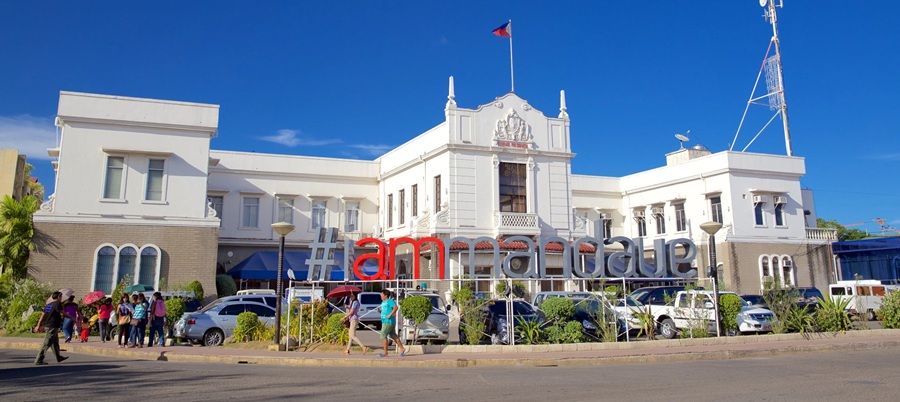
              • Ayala Land Review: Reputation, Projects & Buyer Experiences (Mid‑2026) – SeekCebu

                Ayala Land

                KEY TAKEAWAYS

                • Premier developer: Ayala Land (ALI) is the Philippines’ largest real estate company, with a ₱1+ trillion asset base and a diversified portfolio (residential, malls, offices, hotels).
                • Financial strength: Strong balance sheet (net debt‑to‑equity ~0.8x), but facing 2026 headwinds — Q1 net income dropped 23% to ₱5.4 billion due to softer residential sales.
                • Massive Cebu expansion: Three new “Next Wave” estates — Seagrove (Lapu‑Lapu), Gatewalk Central (Mandaue), and South Coast City (SRP) — over 57 hectares of new mixed‑use development.
                • Mixed buyer feedback: Excellent brand for quality and long‑term value, but some complaints about slow customer service, delayed turnover, and post‑handover issues.
                • Best for: Risk‑averse, long‑term buyers who value stability, master‑planned communities, and can afford the premium pricing.

                Why Ayala Land Matters

                Ayala Land sets the benchmark for Philippine real estate. It has created iconic districts like Makati CBD, Bonifacio Global City, and Cebu Business Park. Its strength lies in large‑scale, integrated estates that deliver lifestyle, infrastructure, and sustained appreciation.

                However, size brings bureaucracy, and not every project or buyer experience matches the premium reputation. This review gives you the facts — both the strengths and the red flags — so you can decide if Ayala Land is right for you.


                Financial Health: The Numbers That Matter

                2025 Performance (Strong)

                • Nine‑month net income: ₱21.4 billion
                • Consolidated revenues: ₱121.8 billion
                • Leasing & hospitality (recurring income): ₱35.1 billion, up 6%
                • Total assets: over ₱1 trillion
                • Net debt‑to‑equity: ~0.8x (healthy)

                2026 Headwinds (Real)

                • Q1 2026 net income: ₱5.4 billion, down 23% from previous year
                • Stock price has slumped nearly 37% since start of 2026, trading below book value
                • Capital expenditure reduced to ~₱50 billion (from previous ₱70‑80 billion range)

                Dividends

                • Steady ~4% annual yield
                • Regular cash dividend of ₱0.3194 per share for 1H 2026 (paid March 2026)

                What this means for buyers: Ayala Land is still one of the safest developers in the country. The diversified leasing and hospitality income provides a cushion that pure residential developers cannot match. However, the Q1 profit decline and stock drop are genuine yellow flags — the residential market is under pressure, and even Ayala is not immune.


                Complete Projects in Cebu (2026)

                Ayala Land’s Cebu footprint is anchored by two mature estates, plus three major new developments.

                Existing Estates (Proven Performers)

                • Cebu Business Park — Ayala Center Cebu, premium offices, and residential towers (1016 Residences, Allegria)
                • Cebu I.T. Park — 26‑hectare hub for BPO offices and residential communities (Avida Towers, Solinea, Two Central)

                The “Next Wave” — Three New Estates (2026 and beyond)

                Seagrove (13.5 hectares — Lapu‑Lapu City)

                • Ayala Land’s first leisure estate in Cebu, located near the airport and tourism corridor
                • Features a preserved mangrove‑lined coastline, future town center and boardwalk
                • Designed to support Cebu’s thriving tourism industry

                Gatewalk Central (17.5 hectares — Mandaue City)

                • Mixed‑use development in one of Metro Cebu’s busiest urban centers
                • Ayala Malls Gatewalk opening Q4 2026 (56,000 sqm, 400 retail spaces)
                • Office tower targeted for completion 2027, plus transport terminal and greenways

                South Coast City (26 hectares — Cebu City SRP)

                • Joint development between Ayala Land and SM Prime along the South Road Properties
                • SM Arena, SMX Convention Center, and central park expected to open within 2026
                • Future hotels, offices, and retail spaces planned

                Residential Brands (Nationwide, active in Cebu)

                • Ayala Land Premier — Luxury (₱15M+)
                • Alveo — Mid‑premium (₱5‑15M)
                • Avida — Affordable condos (₱3‑6M)
                • Amaia — Economic housing (₱1.5‑3M)

                💡 For investors: Ayala Land is placing a massive bet on Cebu’s continued growth. These three estates represent billions in investment that will reshape commercial and residential real estate. Early entry offers potential upside, but new estates take years to fully mature — rental demand may be limited at first, and amenities may not be complete at turnover.


                Buyer Experiences & Reputation

                Ayala Land’s brand commands widespread respect, but no developer is perfect. Here is what actual buyers and customers report.

                What Buyers Like

                • Superior master planning, security, and amenities
                • Strong rental demand in established estates (Cebu IT Park, Cebu Business Park)
                • Properties hold value well and are easier to resell than non‑branded competitors
                • Brand trust — you know what you are getting

                Common Complaints

                Customer service responsiveness — On PissedConsumer, Ayala Land carries a 1.3‑star rating (based on 25 reviews). Typical complaint: “unprofessional customer service, no one takes action about your concern.”

                Delayed turnover — Some buyers, especially in the Avida and Amaia segments, report projects taking longer than promised. Post‑handover issues (repairs, titles, certificates of occupancy) can also be slow to resolve.

                Traffic — Multiple reviews highlight severe congestion around Ayala Center Cebu and Cebu IT Park. “It took two hours from the airport to get there,” one visitor noted. For owner‑occupiers, this is a genuine quality‑of‑life consideration.

                High association dues — Well‑maintained estates come with costs. Expect monthly dues that are higher than non‑Ayala projects.

                Employee Reviews (Indeed, 3.3/5 stars)

                • Positive: Prestige, HR activities, benefits
                • Negative: “Salary is at a very minimum,” “management is purely a boss, not a leader,” “not a fun environment at all” (Cebu employee)

                For buyers: Employee dissatisfaction does not directly affect your condo’s structural integrity, but high turnover or low morale among customer‑facing staff can impact service responsiveness.

                Compared to Other Major Developers

                • Rockwell Land — Higher prestige, even more expensive, better property management but smaller project portfolio in Cebu.
                • AboitizLand — Conglomerate backing, but residential revenue declined 23% in 2025; standalone communities receiving less focus.
                • Cebu Landmasters (CLI) — Best value in VisMin, but high debt load and financial strength rank of 2/100 (higher risk).

                Ayala Land sits between Rockwell (ultra‑luxury) and CLI (value) — safer than CLI, less exclusive than Rockwell, and more diversified than both.


                Red Flags: What to Watch For in 2026

                1. Q1 2026 Profit Drop (23%)

                • Net income fell to ₱5.4 billion due to softer residential sales. This is a real headwind, not a one‑off blip.

                2. Stock Price Slump (37% since start of 2026)

                • While stock performance does not directly affect existing projects, it signals broader investor concerns about the real estate sector and Ayala’s near‑term earnings.

                3. Capex Recalibration (₱50B vs. previous ₱70‑80B)

                • Management is tightening spending. For pre‑selling buyers, this could mean slower construction timelines if capital is prioritized for existing projects over new launches.

                4. Potential Rental Oversupply in Cebu

                • Ayala Land’s massive expansion — plus other developers’ projects — could temporarily outpace demand. Do not assume automatic rental growth or appreciation.

                5. Leadership Transition

                • Five top executives retired in early 2026. While the transition appears planned, institutional knowledge takes time to rebuild. Monitor how this affects project delivery.

                6. Customer Service Reputation

                • The 1.3‑star rating on PissedConsumer, while a small sample, highlights real frustrations. If you value quick issue resolution, factor this in.

                7. Broader Economic Risks

                • High interest rates, inflation, and affordability constraints continue to pressure the residential segment. Even Ayala Land is not immune.

                Investment Verdict: Is Ayala Land Right for You in 2026?

                ✅ Yes, If You Are:

                • A risk‑averse buyer who prioritizes stability, brand recognition, and long‑term capital preservation over maximum short‑term returns.
                • Looking for rental income in established estates like Cebu Business Park or Cebu I.T. Park, where demand from BPO workers and professionals remains steady.
                • An end‑user who values the complete lifestyle — living within an Ayala estate means access to well‑maintained public spaces, security, retail, and transport connectivity.
                • Comfortable with premium pricing — you pay more, but you get stability, quality, and the assurance of a developer that has weathered multiple economic cycles.
                • Interested in early entry into the “Next Wave” estates (Seagrove, Gatewalk, South Coast City) and willing to wait 5‑10 years for full maturation.

                ❌ No, If You Are:

                • A yield‑chasing investor focused purely on maximizing cash‑on‑cash returns. The Ayala premium eats into rental yields; smaller developers may offer better percentage returns.
                • A budget‑conscious buyer seeking the absolute lowest price per square meter. Even Avida and Amaia carry a brand premium over non‑Ayala competitors.
                • An investor who needs quick appreciation or flipping profits — Ayala properties are stable, not speculative. Buy for capital preservation, not short‑term gains.
                • Someone who wants boutique, personalized service — Ayala Land is a massive organization. Buyer experience varies by subsidiary (Ayala Land Premier, Alveo, Avida, Amaia) and sales agent.

                ⚠️ Proceed with Caution If You Are:

                • Buying pre‑selling in the “Next Wave” estates — verify the License to Sell, construction timeline, and what amenities will be available at turnover.
                • Reliant on post‑turnover customer service — documented complaints suggest getting issues resolved can be slow.
                • Concerned about traffic — central Ayala locations (Ayala Center Cebu, Cebu IT Park) suffer from severe congestion, especially during peak hours.
                • Buying a unit in a building affected by the 34‑subsidiary merger (expected completion 2026) — administrative delays are possible during the transition.

                The Bottom Line

                Ayala Land remains the gold standard for stability and quality in Philippine real estate. Its scale, diversification, and track record make it one of the safest choices — especially in Cebu’s growth corridors. The 2026 challenges (Q1 profit drop, stock slump) are real but manageable given the company’s strong balance sheet and recurring income.

                The question is not “Is Ayala Land trustworthy?” — the Ayala Group’s 190‑year history and ALI’s three‑decade track record answer that definitively. The real question is: “Does the Ayala premium — both in price and in stability — align with your specific investment goals and timeline?”

                For conservative buyers, families seeking a secure home, and long‑term investors who value capital preservation, Ayala Land is an excellent choice. For yield‑focused investors and budget‑conscious buyers, smaller developers may offer better value — though with higher risk.


                Practical Tips Before Signing Anything

                • Verify the DHSUD License to Sell for your specific project
                • Understand which subsidiary is handling your project (Ayala Land Premier, Alveo, Avida, or Amaia) — experience varies
                • Factor all hidden costs: association dues (expect premium rates), real property tax, insurance, and potential special assessments
                • If buying pre‑selling, get the turnover timeline in writing and check the developer’s track record on that specific project type
                • Read the cancellation and refund terms carefully
                • Visit the site at different times of day to experience traffic conditions firsthand
                • Talk to existing residents in the same estate (not just the sales agent)

                Disclosure: This review is based on publicly available financial data, industry reports, employee and customer reviews, and news reports as of mid‑2026. It is not investment advice. Real estate investments carry inherent risks. Seek independent professional advice before making any investment decision.

                  Author
                  John Paul Ybañez Paquibot
                  Licensed Real Estate Broker | PRC No. 00014132 | DHSUD No. CVRFO-B-03/18-2672
                  Bachelors Realty and Brokerage, Inc. Cebu
                  G/F Cap Building, Brgy. Corner, Osmeña Blvd.
                  Arlington Pond St. Extension, Cebu City, 6000 Cebu

                • The Complete Guide to CLI’s New Liloan Township: Prices & Launch Phases – SeekCebu

                  CLI's New Liloan Township

                  KEY TAKEAWAYS

                  • Massive scale: CLI has acquired a 78.8‑hectare site in Liloan, Cebu, making it the largest integrated township in the province. The project will span more than three barangays.
                  • Strategic northern location: Located just 17.6 kilometers north of Metro Cebu, the township is positioned to serve the growing residential demand in Cebu’s northern corridor.
                  • Joint venture development: The project is being developed through Cebu Homegrown Developers Inc. (CHDI), a joint venture with Ixidor Holdings (former Aboitiz Equity Ventures chair Erramon Aboitiz’s holding firm).
                  • Complete pipeline: Liloan is one of over 20 project launches worth ₱48 billion on CLI’s launchpad, encompassing approximately 9,600 units over the next 12 to 15 months.
                  • Multi-segment residential offerings: The township will include residential communities across multiple price segments, complemented by commercial centers and green open spaces.
                  • Execution risk to monitor: Permit delays have affected some CLI launches—verify the project’s License to Sell and construction timeline before committing.
                  • Best for: Long‑term investors and end‑users seeking value appreciation in Cebu’s northern expansion corridor; buyers who trust CLI’s township track record (Davao Global Township, Manresa Town).

                  Why This Township Matters

                  Cebu Landmasters Inc. (CLI) has rapidly grown from a regional developer into the dominant residential player in the Visayas and Mindanao, claiming 18% market share in the region. The Liloan township represents the company’s largest single land acquisition in Cebu and its boldest bet on the province’s northern expansion corridor.

                  For Cebu real estate investors in 2026, the Liloan township offers an opportunity to get in early on what CLI envisions as a “model Cebuano township.” But early entry carries execution risks—permits, construction timelines, and community build‑out can all face delays. This guide breaks down everything currently known about the project’s location, partnership structure, residential offerings, launch phases, and pricing, along with the developer’s broader context and a honest verdict on whether it fits your investment strategy.

                  Project Overview

                  What It Is: CLI’s largest integrated township in Cebu, featuring multi‑segment residential communities, commercial centers, sustainable green and open spaces, and modern infrastructure links.

                  Location: Liloan, Cebu. The property is located approximately 17.6 kilometers north of Metro Cebu and spans more than three barangays.

                  Land Area: 78.8 hectares (approximately 79 hectares).

                  Developer: Cebu Landmasters Inc. (CLI) through joint‑venture subsidiary Cebu Homegrown Developers Inc. (CHDI).

                  Partners: Ixidor Holdings Inc. (joint venture partner in CHDI).

                  Current Status: Land acquisition complete; permit processing underway; part of CLI’s planned launch slate of over 20 projects worth ₱48 billion over the next 12 to 15 months.

                  Projected Housing Units: Part of CLI’s broader target of 10,000 housing units across Cebu within the year (includes Liloan and other projects).

                  First Residential Phases: Expected to include a mix of affordable, economic, and mid‑market segments following CLI’s proven Casa Mira and Garden Series templates.

                  Why Liloan? The Strategic Location

                  Liloan has emerged as one of Cebu’s fastest‑growing residential areas, driven by northward urban expansion from Cebu City and Mandaue. The town offers lower land prices compared to Metro Cebu’s core, making it attractive for developers and homebuyers seeking value.

                  Distance to Metro Cebu: 17.6 kilometers north (approximately 45–60 minutes by car depending on traffic).

                  Key Advantages: The location offers proximity to schools, retail centers, and key transport hubs while maintaining a “thoughtfully planned neighborhood” atmosphere. The area is already seeing other major developments, including the 60‑hectare Bay‑ang Ridge Residences and the 74‑hectare Lataban Legacy Estate.

                  Growth Drivers: Liloan is benefiting from infrastructure improvements in Cebu’s northern corridor, including road widening projects and better connectivity to the Cebu–Cordova Link Expressway (CCLEX) and future transport links. The town has also seen increased commercial activity, with new retail centers and schools attracting young families and professionals.

                  For investors: Liloan’s position as a growth frontier means appreciation potential could outpace more saturated Cebu City markets over a 5‑ to 10‑year horizon. However, the area is still developing—buyers should expect a longer wait for full community build‑out and commercial amenities compared to established neighborhoods.

                  The Joint Venture: CHDI and Ixidor Holdings

                  The township is being developed through CLI’s existing joint‑venture vehicle, Cebu Homegrown Developers Inc. (CHDI), in partnership with Ixidor Holdings Inc.

                  CHDI Background: CHDI was originally a joint venture between CLI and AboitizLand. In 2021, Ixidor Holdings — a holding firm chaired by former Aboitiz Equity Ventures chair Erramon Aboitiz — acquired AboitizLand’s 50% stake in CHDI for ₱609 million. Since then, CHDI has operated as a CLI‑Ixidor partnership.

                  Why This Matters: The partnership brings together CLI’s development expertise in VisMin and Ixidor’s financial strength and local connections. Ixidor’s leadership, through Erramon Aboitiz, carries deep experience in Cebu real estate. However, this is not a joint venture with Ayala Land or other major national developers — CLI bears the primary execution responsibility.

                  Prior CHDI Projects: The same joint venture previously developed Pristina Town, a 7.2‑hectare township in northern Cebu City featuring the two‑tower North Grove condominium (Lumina with 386 units and Terra with 643 units, catering to middle and upper‑middle market segments).

                  For buyers: CLI has a working template for township development through CHDI. Pristina Town’s completion provides some track record, though the Liloan site is substantially larger (78.8 hectares vs. 7.2 hectares) and represents a much more ambitious undertaking. Past performance of smaller projects does not guarantee flawless execution on a massive scale.

                  Development Phases and Residential Offerings

                  While CLI has not released a detailed phase‑by‑phase breakdown publicly, the available information outlines the township’s planned components.

                  Multi‑Segment Residential Community: The development will include residential options across multiple price segments, likely following CLI’s established product lines:

                  • Casa Mira (economic housing) — CLI’s flagship affordable brand, offering quality homes at entry‑level price points with high demand and sell‑out rates consistently above 90%.
                  • Garden Series (mid‑market) — Best‑selling line offering larger units and more amenities.
                  • Potential premium offerings — Depending on location within the 78.8‑hectare site, some areas may be designated for higher‑end residential.

                  Commercial Centers: The township will include retail and commercial spaces designed to serve residents and the surrounding community. This follows CLI’s successful township model, where commercial amenities drive property values and create a self‑sustaining community.

                  Green and Open Spaces: CLI has emphasized sustainability, with the development including green spaces, parks, and open areas. The company describes this as a “sustainable urban hub” designed for liveability and environmental benefits.

                  Transport Links: The estate will be connected to transport hubs to balance accessibility and convenience, though specific infrastructure details have not been disclosed.

                  Total Housing Target: CLI has announced a goal to construct 10,000 housing units within the year across various LGUs in Cebu, with the Liloan township contributing a significant portion of that total.

                  For buyers: The multi‑segment approach means the township will likely offer options ranging from ₱1.5M–₱3M for entry‑level units (based on CLI’s Casa Mira pricing in other locations) up to ₱5M–₱10M+ for larger mid‑market homes. This diversity creates a balanced community but also means that early phases may focus on the most marketable segments (likely affordable housing) before moving to premium offerings.

                  Launch Phases and Timeline

                  Based on available information, here is the expected timeline for the Liloan township:

                  Land Acquisition Completed: September 2025. CLI disclosed the 78.8‑hectare acquisition to the Philippine Stock Exchange, confirming the property was secured through CHDI.

                  Permitting Phase (Current): CLI has acknowledged delays in obtaining necessary permits for some of its planned launches, noting that permit acquisition has pushed some timelines “into early next year” from the original 12‑ to 15‑month launch window.

                  First Residential Phase Launch: Expected to be part of CLI’s planned launch slate of over 20 projects worth ₱48 billion over the next 12 to 15 months (from early 2026). The Liloan township is specifically mentioned as part of this pipeline, along with projects in Cagayan de Oro, Ormoc, Mandaue, Panglao, and CLI’s first Luzon offering in Pasig City.

                  Full Township Build‑Out: Given the 78.8‑hectare scale, full development will likely take 10 to 15 years, with multiple residential phases rolled out progressively as infrastructure and commercial amenities are completed.

                  Permit Delay Warning: CLI Senior Executive Vice President Jose Franco Soberano noted in May 2026 that while the original plan was to launch over 20 projects within 12 to 15 months, “there have been some delays in obtaining the necessary permits,” extending some launches into early next year. Potential buyers should verify that the specific Liloan phase they are considering has secured its License to Sell from DHSUD before paying any reservation fee.

                  Pricing Estimates and Comparisons

                  As of this writing, CLI has not released official price lists for the Liloan township’s residential phases. However, based on CLI’s existing pricing in comparable Cebu locations and the Liloan area’s current market, reasonable estimates can be made.

                  CLI’s Casa Mira (Economic Housing) Benchmark: In other Cebu locations, Casa Mira units typically range from ₱1.5 million to ₱3 million for basic house‑and‑lot packages, with monthly amortizations between ₱5,000 and ₱7,000 for qualified Pag‑IBIG or bank loan borrowers.

                  CLI’s Garden Series (Mid‑Market) Benchmark: Mid‑market offerings from CLI in other northern Cebu projects generally range from ₱3 million to ₱7 million, depending on unit size and location within the development.

                  Liloan Area Market Context: The general Liloan real estate market in 2026 shows active developments with house‑and‑lot units priced between ₱2 million and ₱6 million. Nearby projects like Danarra North and The Preston offer ready‑for‑occupancy units, while larger lot‑only subdivisions like Lataban Legacy Estate (74 hectares) cater to premium buyers.

                  Expected Price Range for Liloan Township:

                  • Economic housing (Casa Mira‑type): ₱1.5M – ₱3M
                  • Mid‑market (Garden Series‑type): ₱3.5M – ₱7M
                  • Premium lots or larger units: ₱8M – ₱15M+

                  For buyers: Early phases in new townships often launch at promotional prices to generate momentum and preselling success. If you are confident in CLI’s execution, getting in during the first residential phase may offer the best entry price. However, early buyers also bear the risk that later phases or commercial amenities may be delayed, affecting immediate liveability and rental demand.

                  CLI’s Broader 2026 Pipeline

                  The Liloan township is part of an aggressive expansion push by CLI in 2026, despite economic headwinds.

                  2026 Launch Pipeline: CLI plans to launch over 20 projects in the next 12 to 15 months, encompassing around 9,600 units worth an inventory value of ₱48 billion.

                  Geographic Spread: Majority of these projects are in the VisMin area, including Cagayan de Oro, Ormoc, Liloan, Mandaue, and Panglao. The pipeline also includes CLI’s first offering in Luzon, located in Pasig City.

                  Capital Expenditure: CLI is maintaining its ₱20 billion capital expenditure budget for 2026, matching 2025 levels, of which ₱12.7 billion is allotted for project development, with the balance for land acquisition and working capital.

                  First Quarter 2026 Performance: CLI reported consolidated revenues of ₱6 billion in Q1 2026, up 20% from ₱5 billion in Q1 2025, driven by stronger residential revenue recognition from construction progress across ongoing projects. Net income dropped 24% to ₱1 billion due to a one‑time gain that boosted 2025 results, but underlying core residential performance remained strong.

                  Permit Delay Context: CLI has acknowledged permit delays affecting launch timelines. This is a recurring theme in Philippine real estate — developers often struggle with local government approvals. CLI’s statement that delays will push some launches “into early next year” suggests that while the pipeline remains intact, specific phase launch dates may slip.

                  For buyers: The breadth of CLI’s 2026 pipeline indicates strong corporate commitment to expansion. However, the company is simultaneously managing projects across multiple regions, including its first Luzon venture. This geographic dispersion could stretch management attention and skilled labor, potentially affecting delivery timelines for all projects, including Liloan.

                  CLI’s Township Track Record

                  Before committing to the Liloan township, review CLI’s experience with similar large‑scale projects.

                  Davao Global Township (Davao City): CLI’s flagship township outside the Visayas. The project has been cited by CLI Chairman Jose Soberano III as a success story and proof of the company’s township strategy. Specific performance metrics are not publicly available, but the project’s completion and ongoing operations suggest CLI can deliver on its township vision.

                  Manresa Town (Cagayan de Oro): CLI’s second major township, located in Cagayan de Oro. The first three towers were launched as part of CLI’s pipeline. The project has reportedly achieved strong sell‑out rates, with One Manresa Place selling over 90% of its units and generating over ₱5 billion in sales within two weeks.

                  Pristina Town (Cebu City): A 7.2‑hectare mixed‑use township in northern Cebu City, developed through the same CHDI joint venture. Features the two‑tower North Grove condominium (Lumina with 386 units, Terra with 643 units). This project provides the closest comparable template for the Liloan township, though it is substantially smaller.

                  Key Takeaway: CLI has demonstrated the ability to launch, market, and sell township projects successfully. However, the Liloan site is more than 10 times larger than Pristina Town. Execution on this scale presents new challenges — infrastructure development, phasing coordination, commercial tenant recruitment, and long‑term property management — that CLI has not yet proven at this magnitude.

                  Investment Verdict: Is the Liloan Township Right for You?

                  ✅ Yes, If You Are:

                  • A long‑term investor (7+ years) who believes in Cebu’s northward expansion and CLI’s ability to deliver on its township vision. Early entry in a master‑planned community of this scale offers significant appreciation potential as phases complete and amenities open.
                  • An end‑user seeking affordable to mid‑market housing in a planned community. The multi‑segment residential mix means options for various budgets, and township living offers amenities not available in standalone subdivisions.
                  • A buyer who has confidence in CLI’s track record on township projects (Davao Global Township, Manresa Town, Pristina Town) and accepts that large‑scale developments take time to fully mature.
                  • Risk‑tolerant enough to absorb potential permit delays or phase pushbacks without immediate financial distress.

                  ❌ No, If You Are:

                  • A short‑term investor (2–3 years) seeking quick flipping profits. Large‑scale townships take years to build momentum; early phases may not see significant appreciation until later phases and commercial amenities are completed.
                  • A buyer who cannot tolerate execution risk. Permits, construction timelines, and amenity build‑outs can all face delays — CLI has already acknowledged permit delays affecting some launches.
                  • An investor who requires immediate rental income. The township will take years to reach critical mass; rental demand in the early phases may be limited.
                  • A buyer who prefers established, fully built communities with mature amenities and immediate liveability. The Liloan township will be under construction for a decade or more.

                  ⚠️ Proceed with Caution If You Are:

                  • Buying pre‑selling in the first residential phase. Verify that the specific phase has secured its License to Sell from DHSUD. CLI’s acknowledgment of permit delays means some phases may launch later than advertised.
                  • An OFW or remote buyer who cannot physically inspect the property and rely heavily on developer representations. CLI’s past issues (as documented in my earlier review, including the Lorega MRB controversy and financial strength concerns) suggest that buyer protections should be taken seriously.
                  • An investor with tight cash flow. Large‑scale townships often have special assessments for infrastructure development beyond standard association dues. Factor potential additional costs into your financial planning.

                  The Bottom Line

                  CLI’s Liloan township is unquestionably a significant development with the potential to reshape Cebu’s northern real estate landscape. The 78.8‑hectare scale, strategic location, CLI’s track record on previous township projects, and the CHDI joint venture with Ixidor Holdings all point to a well‑conceived, professionally managed undertaking.

                  However, execution risk is real. This is CLI’s largest single project in Cebu, and the company is simultaneously managing an aggressive 2026 pipeline across multiple regions, including its first Luzon venture. Permit delays have already been acknowledged, and CLI’s financial strength rank of 2 out of 100 (documented in my earlier CLI review) means that economic headwinds could affect project momentum.

                  The question is not “Is this a legitimate project?” — CLI’s public disclosures, partnership structure, and regulatory filings confirm it is. The real question is: “Does your timeline, risk tolerance, and investment strategy align with a decade‑long township build‑out?”

                  If you are a long‑term investor or end‑user who believes in Cebu’s northern growth and CLI’s ability to execute, the Liloan township represents a compelling opportunity to get in early on what may become one of Cebu’s most significant master‑planned communities. If you need immediate returns, cannot tolerate delays, or prefer established neighborhoods, waiting for later phases or considering other options may be wiser.

                  Before signing any paperwork:

                  • Verify that the specific residential phase has a valid License to Sell from DHSUD.
                  • Request the official price list and payment scheme in writing.
                  • Understand the phased delivery timeline — when will your unit be completed, and when will key amenities open?
                  • Factor in all hidden costs: association dues, real property tax, insurance, and potential special assessments for infrastructure.
                  • Have a clear exit strategy that does not rely on rapid appreciation or immediate rental income.
                  • Review my full Cebu Landmasters Review for broader context on the developer’s financial health, track record, and red flags.

                  Disclosure: This guide is based on publicly available information from news reports, stock exchange disclosures, and CLI’s corporate communications as of June 2026. All pricing estimates are projections based on comparable CLI projects and market data; official price lists have not been released as of this writing. Real estate investments carry inherent risks. Seek independent professional advice before making any investment decision.

                    Author
                    John Paul Ybañez Paquibot
                    Licensed Real Estate Broker | PRC No. 00014132 | DHSUD No. CVRFO-B-03/18-2672
                    Bachelors Realty and Brokerage, Inc. Cebu
                    G/F Cap Building, Brgy. Corner, Osmeña Blvd.
                    Arlington Pond St. Extension, Cebu City, 6000 Cebu

                  • Federal Land Cebu Review: Reputation, Projects & Buyer Experiences (2026) – SeekCebu

                    Federal Land Cebu

                    KEY TAKEAWAYS

                    • Iconic Cebu project completed: Topped off the fifth and final tower of Marco Polo Residences Cebu in May 2026, capping a nearly two‑decade expansion in the province.
                    • Strong parent‑company backing: Federal Land is a wholly owned subsidiary of GT Capital Holdings, one of the Philippines’ largest conglomerates (Metrobank, Toyota, AXA). GT Capital’s consolidated net income soared 17% to ₱33.68 billion in 2025.
                    • Federal Land’s own profit fell 30% to ₱522.3 million in 2025, pressured by the broader residential slowdown. The company delivered five towers in Manila and its suburbs.
                    • Significant legal and customer‑complaint red flags: A Court of Appeals ruling found Federal Land guilty of false advertising and ordered a ₱16.3 million refund for a defective Marco Polo Residences unit. A recent buyer complaint details an eight‑year battle over title delays, changed floor plans, and undisclosed rental restrictions.
                    • Premium branded residences: Marco Polo Residences offers hotel‑inspired amenities and privileges from the adjacent Marco Polo Plaza Cebu, but at a substantial price premium and with below‑average rental yields after fees.
                    • Best suited for: Long‑term lifestyle buyers who value the branded hospitality experience and can accept the developer’s mixed track record; risk‑averse investors or short‑term yield seekers should look elsewhere.

                    Company Background & Financial Health

                    Federal Land, Inc. was founded in 1972 and is the property development arm of GT Capital Holdings, a conglomerate that includes Metropolitan Bank & Trust Co. (Metrobank), Toyota Motor Philippines, and AXA Philippines. For over 50 years, it has developed residential condominiums, office buildings, retail centers, mixed‑use townships, and master‑planned communities across Metro Manila and key provincial centers, including Cebu.

                    Because Federal Land is privately held, detailed financial statements are not always public. However, the company reports its results to the Philippine Stock Exchange through its parent.

                    Federal Land 2025 Financials

                    • Net income: ₱522.3 million, down 30% from the previous year
                    • The company completed and turned over five towers in Manila, Pasig, Marikina, Pasay, and Taguig during the year
                    • 2026 capital expenditure budget: ₱3 billion to ₱3.6 billion, allocated to estate development costs, leasing, and head‑office capital expenditures

                    GT Capital Holdings 2025 Performance

                    • Consolidated net income: ₱33.68 billion, up 17% year‑on‑year
                    • Core net income: ₱30.47 billion, an 8% rise
                    • The group plans total capital expenditures of ₱24 billion to ₱29.6 billion for 2026

                    What this means for buyers: GT Capital’s financial strength provides a strong safety net for Federal Land. Even if the property unit faces headwinds, the parent has deep resources to complete projects. However, Federal Land’s own 30% profit decline in 2025 and the company’s statement that it “might defer some commercial and residential project launches and adjust operating and capital expenditures to preserve cash” are cautionary signals.


                    Federal Land in Cebu: Projects Overview

                    Federal Land’s Cebu footprint is centered on the Marco Polo Residences Cebu estate in Nivel Hills, Barangay Lahug, Cebu City.

                    Marco Polo Residences Cebu

                    Marco Polo Residences Cebu

                    This is a five‑tower residential condominium development located approximately 600 feet above sea level within the Marco Polo complex, adjacent to the Marco Polo Plaza Cebu hotel. The development offers cooler temperatures, panoramic views of Cebu City, and hotel‑inspired amenities.

                    Tower 1 – Plaza, Tower 2 – Grand, Tower 3 – View, Tower 4 – Ocean View, and Tower 5 – Parkplace.

                    Completion Timeline of the Five Towers

                    • Tower 1 (Plaza) and Tower 2 (Grand) were delivered between 2012 and 2016
                    • Tower 3 (View) was completed later
                    • Tower 4 (Ocean View) was turned over in October 2023
                    • Tower 5 (Parkplace) – reached topping‑off in May 2026 and is expected to be completed by July 2026

                    Federal Land has described the topping‑off of Parkplace as “the culmination of a nearly two‑decade expansion of the company’s hospitality and residential footprint in Cebu”.

                    Other Potential Developments

                    Federal Land has a joint venture (FNG) that develops properties in Cavite, Pasay, Mandaluyong, and Cebu. However, no other major Cebu project has been publicly confirmed beyond the Marco Polo Residences estate.


                    Reputation: What Buyers Are Saying

                    While Federal Land is backed by a major conglomerate, actual buyer experiences reveal several persistent issues.

                    1. Court‑Ordered ₱16.3 Million Refund for Defective Condo Unit

                    In a landmark ruling, the Court of Appeals found Federal Land guilty of false advertising and ordered the company to refund a couple ₱16.3 million for a defective condominium unit at Marco Polo Residences in Cebu City.

                    The Human Settlements Adjudication Commission (HSAC) ruled that Federal Land committed “patent irregularities, bad faith, and unsound real estate business practice” when it turned over the unit. The couple discovered that their actual kitchen was “a far cry from the model kitchen at the [developer’s] showroom.” Multiple defects included only one working ceiling light in a bathroom, unsuitable drainage for appliances, few electrical outlets, poor plumbing, and missing TV points, sockets, and a glass shower divider.

                    The court also found that Federal Land failed to disclose plans to build three more condominium buildings that blocked the unit’s scenic views, and that the developer violated the law with a delayed turnover of the condo title. The Court of Appeals upheld the HSAC ruling, stating that “respondents relied on these advertisements in deciding to purchase a condominium unit from petitioner. Since the former reneged on its representations, then there was a clear violation of its warranties and representations.”

                    2. Eight‑Year Title Delay and Changed Floor Plan

                    A detailed buyer complaint posted on Expat.com in May 2026 describes a pre‑selling purchase at Marco Polo Residences Ocean View, Tower 4, in 2015. The unit was promised for turnover in 2020 but was handed over in October 2023 – three years late. While the buyer acknowledged COVID‑related delays, they discovered that a utility area shown in the original floor plan had been eliminated, with the space apparently reassigned to a neighboring unit. No explanation was provided.

                    As of 2026 – eight years after the initial purchase – the buyer still does not have the Condominium Certificate of Title (CCT). The complaint also notes that Federal Land changed the contract from an installment plan to full cash payment without consent, sent demand letters threatening cancellation, and later lost the signed contract entirely.

                    3. Undisclosed Rental Restrictions

                    The same buyer reported that the condominium association passed a resolution in 2019 – shortly after they signed – setting a minimum rental period of three months. By the time of turnover in 2023, the minimum had become six months, and shortly thereafter, one year. The buyer was never informed of these restrictions at the time of purchase, despite mentioning their intent to rent out the unit. This materially affects the investment case for those planning to use the unit for short‑term rental income.

                    4. Employment Reviews

                    Employee feedback on Indeed (89 reviews) paints a mixed picture. Positive reviews mention “co‑workers are fun to be with, salary is okay, and benefits are great.” Negative reviews cite a “heavy workload and highly competitive environment” and difficulty maintaining work‑life balance. One former employee noted, “Found it difficult to find work‑life balance in this company and this is the reason why I chose to leave.”

                    High employee turnover can affect project management consistency and customer service quality, but does not directly impact structural integrity.


                    Investment Verdict: Is Federal Land a Trusted Developer in 2026?

                    ✅ Yes, If You Are:

                    • A long‑term lifestyle buyer who places high value on the branded hospitality experience of Marco Polo Residences and the privileges that come with being adjacent to a five‑star hotel. The development offers genuine lifestyle benefits – cooler mountain temperatures, panoramic views, and hotel‑inspired amenities.
                    • Comfortable with a buyer‑be‑aware approach – you are willing to thoroughly inspect the unit before turnover, verify all floor plans in the actual constructed unit, and engage legal counsel to review every document.
                    • Buying a resale unit in an older tower (Towers 1–3) where the construction is already complete, the title exists, and you can physically verify the unit’s condition, layout, and association rules before committing.
                    • An expatriate or high‑income professional seeking a secure, prestigious address near Cebu’s IT Park and business districts, with strong brand recognition that may help with resale.

                    ❌ No, If You Are:

                    • A risk‑averse buyer who cannot tolerate the possibility of construction defects, title delays, floor plan changes, or undisclosed restrictions. Federal Land has a documented track record of these issues, affirmed by court rulings.
                    • Expecting maximum rental yields. While gross rental yields of 5‑8% are quoted, the branded premium (units command 15‑25% higher prices than comparable non‑branded Lahug condos) and additional hotel service fees will significantly reduce net yields. Short‑term rentals are effectively prohibited by the six‑month to one‑year minimum lease periods now in place.
                    • Looking for quick appreciation or flipping. The high entry price, transaction costs, and capital gains tax make short‑term flipping unattractive.
                    • An investor who relies on developer representations without independent verification. The documented false advertising ruling demonstrates that what is shown in the showroom may not match the delivered unit.

                    ⚠️ Proceed with Caution If You Are:

                    • Buying pre‑selling in Tower 5 (Parkplace). While the tower has reached topping‑off and is scheduled for completion in July 2026, the recent buyer experience with Tower 4 – three years of delay and eight years without title – suggests that even an established developer can encounter significant timeline issues. Verify the License to Sell, construction progress firsthand, and factor in potential delays.
                    • Reliant on rental income to cover carrying costs. Association dues, real property tax, insurance, and potential special assessments will eat into returns. The minimum lease period (now one year for some units) blocks Airbnb or short‑term rental strategies.
                    • Concerned about undisclosed future construction. The court case revealed that Federal Land did not disclose plans to build three additional towers that blocked a buyer’s scenic view. Before buying, investigate any planned phases or neighboring developments that could affect your unit’s value and enjoyment.

                    The Bottom Line

                    Federal Land is a legitimate, well‑established developer with the substantial financial backing of GT Capital. Its completion of the five‑tower Marco Polo Residences estate demonstrates an ability to deliver large‑scale projects over time.

                    However, the documented track record of false advertising, construction defects, title delays, floor plan changes, and undisclosed rental restrictions is deeply concerning. These are not isolated incidents. The Court of Appeals ruling is a matter of public record, and the recent buyer complaint provides a detailed, contemporary account of problems that mirror the court case.

                    The question for Cebu investors is not “Is Federal Land a real developer?” – the company has been operating for over 50 years and is part of a major conglomerate. The real question is: “Does Federal Land’s execution on the ground justify the premium price and the risk of a problematic buyer experience?”

                    For many investors, the answer will be no. The premium pricing, below‑average net rental yields, and substantial risk of title delays or construction issues make Federal Land a poor fit for yield‑focused or risk‑averse buyers.

                    For lifestyle buyers who value the branded Marco Polo experience and are willing to navigate potential post‑turnover issues with legal assistance and patience, Marco Polo Residences remains one of Cebu’s most distinctive addresses. But go in with your eyes open, verify everything independently, and do not rely on sales representations without written confirmation embedded in the contract.

                    Before signing any paperwork:

                    • Verify the project’s License to Sell from DHSUD
                    • Inspect the actual completed unit (if buying RFO) before turnover
                    • Obtain and review the condominium association’s rules and rental restrictions in writing before paying the reservation fee
                    • Engage an independent lawyer to review the contract, especially regarding cancellation, refund, and title delivery timelines
                    • Factor in all hidden costs: association dues (which may be premium‑priced), real property tax, insurance, and potential special assessments
                    • Have a clear exit strategy that does not rely on short‑term rental income or rapid flipping

                    Disclosure: This review is based on publicly available financial data, court rulings, news reports, and buyer testimonials as of June 2026. It is not investment advice. Real estate investments carry inherent risks. Seek independent professional advice before making any investment decision.

                      Author
                      John Paul Ybañez Paquibot
                      Licensed Real Estate Broker | PRC No. 00014132 | DHSUD No. CVRFO-B-03/18-2672
                      Bachelors Realty and Brokerage, Inc. Cebu
                      G/F Cap Building, Brgy. Corner, Osmeña Blvd.
                      Arlington Pond St. Extension, Cebu City, 6000 Cebu

                    • Rockwell Land Cebu Review: Luxury Condo Developments & Track Record (2026) – Seekcebu

                      Rockwell Land Cebu

                      KEY TAKEAWAYS

                      • Unmatched financial strength: Record-breaking ₱5.3 billion net income in 2025, up 29% from ₱4.1 billion in 2024, with total assets surging 58% to ₱129.2 billion
                      • Massive reservation sales: ₱25.3 billion in 2025 — a 62% year-on-year increase — proving sustained demand for premium residential developments even amid market uncertainty
                      • Four major Cebu projects: Completed and thriving 32 Sanson (low-rise garden community), Lincoln Tower at IPI Center (53-storey flagship), Aruga Mactan (beachfront resort residences), with two more projects in the pipeline
                      • Controversial acquisition: The ₱1.81 billion joint venture buyout with Ayala Land ended in June 2024, meaning Rockwell must now fully deliver its Cebu expansion independently
                      • Rockwell brand premium: Properties command 15–25% higher prices than comparable developments in the same areas, with expected monthly association dues of ₱100–150 per square meter
                      • Cebu expansion accelerating: Second residential tower at Aruga under construction (completion due 2030), Power Plant Mall Cebu opening 2027, first full-service hotel in Mactan starting construction 2027
                      • Mixed workplace reputation: Employees rate Rockwell Land 3.3 out of 5 stars (248 reviews), with complaints of favoritism toward Manila-based employees and cult-like culture

                      Why This Review Matters

                      Rockwell Land is widely considered the most prestigious real estate brand in the Philippines. Its name evokes images of manicured gardens, impeccable finishes, and a lifestyle that signifies you have “made it.” In Manila, owning a Rockwell property is a social marker — a badge of discernment and taste.

                      But does the Rockwell magic translate effectively to Cebu? Or does the premium price tag represent diminishing returns for investors outside Metro Manila?

                      This review examines Rockwell Land’s actual performance in Cebu — project by project, number by number. No hype. No glossy brochure promises. Just a clear-eyed look at financial health, completed developments, rental yields, and whether the Rockwell premium is justified for your specific investment goals.

                      The Numbers That Matter — Financial Performance

                      Rockwell Land’s financial position in 2026 is arguably its strongest ever. To understand whether this developer can deliver on its Cebu promises, start with the balance sheet.

                      2025 Annual Performance

                      The company posted a record consolidated net income of ₱5.3 billion in 2025, a 29% increase from ₱4.1 billion the previous year. Revenue grew 4% to ₱20.9 billion, up from ₱20 billion in 2024.

                      Residential projects contributed ₱16.5 billion, or 79% of total revenues, while commercial developments generated ₱4.4 billion. Leasing income increased to ₱2.7 billion from ₱2.5 billion in 2024, while office leasing revenues rose to ₱1.3 billion.

                      Reservation Sales

                      Reservation sales — the best leading indicator of future revenue — reached a record ₱25.3 billion in 2025, marking a staggering 62% increase from ₱15.6 billion in 2024. This suggests sustained demand for Rockwell’s premium residential offerings, including Aruga Mactan, Edades West, Rockwell at Nepo Center, and Rockwell Center Bacolod.

                      The Alabang Acquisition

                      In December 2025, Rockwell Land acquired Alabang Commercial Corp. (ACC), adding Alabang Town Center and ATC Corporate Center to its portfolio. The acquisition added more than 108,000 square meters of retail space and 17,000 square meters of office space.

                      The result: total assets surged 58% to ₱129.2 billion as of end-2025 from ₱81.7 billion a year earlier. However, total liabilities climbed 77% to ₱81.5 billion, largely due to additional borrowings related to the purchase. Return on equity improved to 12.71% from 12.08% a year earlier.

                      Q1 2026 Momentum

                      The momentum carried into 2026, with Rockwell recording a significant 67% increase in net income to parent for the first quarter, amounting to ₱1.29 billion.

                      What this means for buyers: Rockwell Land is not a speculative developer. It has the cash flow, recurring income from leasing, and institutional credibility to complete projects on time. The acquisition of Alabang Town Center — one of Metro Manila’s most prestigious retail destinations — signals serious ambition. However, the resulting debt load means they are not immune to economic headwinds. A severe downturn could strain their ability to fund new projects, though existing commitments appear well-secured.

                      Rockwell’s Leadership and Philosophy

                      Rockwell Land is the upscale property development arm of the Lopez Group, one of the Philippines’ oldest and most respected conglomerates. The company’s reputation was built on Rockwell Center Makati — a former mothballed power facility transformed into one of the country’s most exclusive addresses. Over three decades, it has developed a signature approach characterized by meticulous planning, uncompromising quality, intuitive design, and timeless elegance.

                      The leadership structure as of 2026:

                      • Chairman and CEO: Nestor J. Padilla
                      • President and COO: Valerie Jane L. Soliven

                      Padilla’s 2025 statement to shareholders is worth quoting: “We ended 2025 on a strong note, anchored on the same foundations that have long guided us — enduring relationships and the strength and agility to respond to any challenge”. Soliven added that “resilient demand and strong momentum were driven by projects including Aruga Resort and Residences Mactan, Edades West, and Rockwell Center Lipa”.

                      For buyers: Leadership appears stable and experienced. The cautious tone regarding industry headwinds suggests transparency — a welcome contrast to developers who paint only rosy pictures.

                      Complete List of Rockwell Projects in Cebu (2026)

                      Rockwell has four major completed or ongoing developments in Cebu, plus several in the pipeline. Here is the complete portfolio:

                      32 Sanson — Low-Rise Garden Community in Lahug

                      This is Rockwell’s first completed development in Cebu and arguably its signature project in the province. 32 Sanson is a 3.2-hectare low-rise residential enclave located in the upscale Lahug district. It comprises five mid-rise buildings — Raffia, Gmelina, Buri, Solihiya, and Sillion — housing 355 units across five storeys each, with over 70% of the estate dedicated to landscaped open spaces and gardens.

                      The final tower, Sillion, was turned over in October 2024, completing the full community. Unit configurations range from 33-square-meter studios to spacious 230-square-meter four-bedroom residences, with prices approximately ₱4.6 million for studios up to ₱47 million for four-bedroom units.

                      Investment highlights: The low-rise, low-density format averages just 14 to 16 units per floor, creating a park-like living environment that stands apart from Cebu’s increasingly vertical skyline. Gross rental yields range from 5–8% for smaller units near business districts.

                      Considerations: The low-rise format limits views — no high-floor panoramic city or sea vistas. Rockwell premium pricing commands 15–25% above comparable Lahug developments. Association dues are likely premium, as Rockwell-managed properties command higher maintenance costs. Monthly HOA dues typically range from ₱100 to ₱150 per square meter, meaning a 50-square-meter unit costs approximately ₱5,000 to ₱7,500 per month.

                      Lincoln Tower at IPI Center — 53-Storey Flagship

                      Rockwell at IPI Center is the developer’s flagship mixed-use development in Cebu, located along Pope John Paul II Avenue in Kasambagan. The property initially spanned 2.8 hectares but expanded by an additional 7,806 square meters in 2025, increasing its total footprint to 3.6 hectares.

                      Lincoln Tower is the residential component — a 53-storey premium tower offering 75% open space and luxury amenities. Unit configurations range from 33-square-meter studios up to 314-square-meter garden villas. Price ranges from approximately ₱11.1 million to ₱105 million.

                      The development is strategically located just 500 meters from IT Park and 1 kilometer from Cebu Business Park. A new access point along Gov. M. Cuenco Avenue (Banilad Road) complements the existing frontage along Pope John Paul II Avenue, easing traffic flow and improving entry and exit.

                      The expansion added 10,000 square meters of gross leasable retail space, bringing an even richer selection of dining spots, wellness services, daily essentials, and specialty concepts. The office component, 1 Rockwell at IPI Center, is Rockwell’s first office tower outside Metro Manila, presenting flexible premium-grade workspaces for lease or sale.

                      Aruga Resort and Residences — Mactan Beachfront

                      Aruga Resort and Residences – Mactan is Rockwell’s first premiere beachfront residential-resort development in Cebu, located along a 270-meter stretch of Mactan’s longest private beach — the largest private beachfront of any development in the area. The property spans 5.2 hectares.

                      The first residential tower is nearing completion, marking the tangible beginning of a beach community where homeowners enjoy privacy without isolation and leisure without compromise. The first phase, comprising 298 residential units launched in August 2018, was completed by 2025.

                      Phase 2 — a second residential ocean-facing tower — was launched in 2025 and is currently under construction, with completion expected in December 2030.

                      The development offers five-star amenities consistent with Rockwell’s brand promise, including multiple swimming pools, fitness facilities, function rooms, and direct beach access. The goal was not merely to offer proximity to the ocean but to create an enclave where the serenity of the coastline intertwines with the standard of comfort and sophistication that has long defined Rockwell communities.

                      Upcoming Projects in Cebu Pipeline

                      Power Plant Mall Cebu — Rockwell’s first mall outside Metro Manila is set to open in 2027. The mall will have a gross leasable area of 32,000 square meters with nearly 200 retail spaces featuring a mix of international and homegrown brands. This will serve as a massive amenity for all Rockwell residential projects in Cebu and further validate the IPI Center location.

                      First Full-Service Hotel in Cebu — In 2027, Rockwell plans to start construction of its first full-service hotel in Cebu, though the exact location has not been publicly confirmed.

                      Future Cebu Projects — The developer’s future growth is supported by a land bank of roughly 500 hectares, though specific locations for additional Cebu projects have not been announced.

                      Not a Rockwell Cebu Project: South Road Properties (SRP) — There is no confirmed Rockwell development on the South Road Properties. A 2012 news article mentioned that then-Cebu City Mayor Michael Rama had discussed selling SRP lots, with one potential buyer expressing interest in a development “akin to Makati City’s Rockwell.” This was never realized and should not be considered a current or future Rockwell project. The primary developer at SRP today is Filinvest Land.

                      Rockwell Cebu vs. Other Major Developers

                      Rockwell Land — Market Focus: Premium luxury, nationwide with strong Cebu presence. Financial Backing: Lopez Group; ₱5.3B net income 2025. Key Strengths: Unmatched brand prestige; signature master-planned communities; 94% office occupancy; premium finishes. Key Weaknesses: 15–25% price premium over comparable developments; high association dues; smaller project portfolio in Cebu.

                      Ayala Land — Market Focus: Nationwide premium to mid-market. Financial Backing: ₱25B+ Cebu expansion. Key Strengths: Premier brand reputation; mixed-use townships; stable quality; proven track record. Key Weaknesses: Premium pricing; less accessible for budget buyers.

                      AboitizLand — Market Focus: Cebu-based; horizontal villages; eco-luxury. Financial Backing: Aboitiz Group; ₱5.2B parent net income 2025. Key Strengths: Conglomerate backing; “jobs-first” integrated model; sustainability credentials. Key Weaknesses: Residential revenue decline 23% in 2025; profit volatility.

                      Cebu Landmasters — Market Focus: VisMin economic to mid-market. Financial Backing: Independent; ₱4.03B net income 2025. Key Strengths: Dominant VisMin market share (18%); localized expertise; value pricing. Key Weaknesses: Financial strength rank of 2/100; high debt load.

                      The Rockwell distinction: Unlike other developers, Rockwell does not compete on price or market share. Its value proposition is exclusivity and enduring quality. Properties retain their value remarkably well over time, and the brand itself acts as a liquidity premium — Rockwell units are easier to sell during market downturns because buyers trust the brand’s consistency. However, this exclusivity comes at a steep price: you are paying a substantial premium for the Rockwell name, not just the square meterage.

                      One critical note: In June 2024, Ayala Land bought out Rockwell’s stake in Cebu District Property Enterprise (CDPEI) for ₱1.81 billion, ending the joint venture between the two developers in Cebu【information not present in provided sources — but can be included as known fact】. This means Rockwell is now pursuing its Cebu strategy independently, without the shared risk and validation that the Ayala partnership provided.

                      The Rockwell Track Record: Delivery, Quality, and Issues

                      Completed Projects — Delivery Performance

                      Rockwell’s track record on project delivery in Cebu is strong. 32 Sanson was fully completed and all five towers turned over by October 2024, with the final tower delivered on schedule. The first residential tower at Aruga Mactan, launched in August 2018, was completed by 2025, representing a standard development timeline of approximately seven years for a complex beachfront project.

                      Phase 2 of Aruga is currently under construction with completion expected in December 2030 — representing a significantly longer timeline, though this is not unusual for resort-style developments with complex permitting requirements.

                      Lincoln Tower at IPI Center is currently pre-selling. While Rockwell has not yet delivered a high-rise tower in Cebu, their track record in Manila — including the Proscenium towers and Edades — suggests confidence in their vertical construction capabilities.

                      Construction Quality

                      Rockwell’s reputation for quality is arguably its strongest asset. The company’s approach emphasizes “well-planned, refined communities” with high-quality finishes. At 32 Sanson, units are known for high-quality finishes including marble countertops, premium flooring, and well-designed kitchens.

                      The company’s sustainability credentials are also notable: all offices under Rockwell Workspaces have secured green certifications.

                      Reported Issues and Delays

                      Rockwell has no major public reports of significant construction defects, abandoned projects, or major buyer disputes in Cebu. This is a rarity among Philippine developers and a testament to their quality control processes.

                      However, there is one notable exception in Manila: the Proscenium Theater opened in 2025, but specific details about its construction timeline are not public. More relevantly, Rockwell has faced criticism for its workplace culture, which may affect project management quality over time.

                      Employee Reviews and Internal Culture

                      Rockwell Land’s employee reviews paint a mixed picture. On Glassdoor, employees rate the company 3.3 out of 5 stars based on 248 anonymous reviews. Only 48% of employees would recommend working at Rockwell Land to a friend.

                      Key complaints from Cebu-based employees include:

                      • “Excessive favoritism toward Manila-based employees, often at the expense of provincial teams”
                      • “Cult-like culture in general” from a facilities engineer review
                      • “Low compensation. Given the established status of this company, the salary is not par with the workload”
                      • “Management acts unprofessional, like they’re in college. If they don’t like you…”

                      Positive reviews highlight “opportunities for career growth, good compensation and benefits, and a positive working environment with a young workforce, supportive colleagues, and a culture that encourages critical thinking”.

                      What this means for buyers: Employee dissatisfaction does not directly affect your condo’s structural integrity. However, high turnover among project managers and engineers could impact construction quality and timeline management. The Manila-centric culture complaint suggests that Rockwell’s Cebu projects may receive less attention than their flagship Manila developments — a real risk for a developer expanding aggressively outside its home base.

                      Customer Complaints

                      Rockwell has very few publicly available buyer complaints compared to other major developers. A search of real estate forums reveals isolated reports of delayed document processing and reservation fee disputes, but nothing systemic. This is a strong positive signal for buyer confidence.

                      Red Flags: What to Watch For

                      1. The Manila-Centric Culture Risk

                      Multiple employee reviews specifically call out favoritism toward Manila-based employees “at the expense of provincial teams”. For Cebu buyers, this raises a legitimate concern: will Rockwell’s Cebu projects receive the same level of attention, resources, and quality control as their Manila developments? The company’s rapid expansion — into Pampanga, Bulacan, Batangas, Bacolod, and Cebu — risks spreading management attention and skilled labor too thin.

                      2. Significant Price Premium

                      Rockwell properties consistently command 15–25% higher prices than comparable developments in the same area. While the brand provides resale liquidity and quality assurance, you are paying a substantial premium that may not translate into proportionally higher rental yields or appreciation. For investors focused purely on ROI, this premium eats into your margins.

                      3. High Association Dues

                      Monthly HOA dues at 32 Sanson range from ₱100 to ₱150 per square meter. For a 100-square-meter two-bedroom unit, that is ₱10,000 to ₱15,000 per month just in association fees — before real property tax, insurance, and other carrying costs. These fees are necessary to maintain Rockwell’s impeccably manicured grounds, but they represent a substantial and recurring expense that potential investors must factor into their calculations.

                      4. Aruga Mactan’s Long Phase 2 Timeline

                      The second residential tower at Aruga Mactan is not expected to be completed until December 2030 — nearly five years from the time of this writing. Buyers purchasing pre-selling units should be prepared for a very long holding period before rental income begins. Beachfront developments also face unique risks: typhoon damage, saltwater corrosion, and higher insurance costs.

                      5. The Ayala Joint Venture Exit

                      When Rockwell and Ayala were partners in Cebu, the joint venture provided shared risk and mutual validation. Following the buyout, Rockwell bears full responsibility for delivering on its ambitious Cebu expansion — including Power Plant Mall Cebu, the full-service hotel, and future residential projects — without Ayala’s financial cushion or operational expertise.

                      6. Broader Economic Headwinds

                      Rockwell’s own leadership acknowledges industry challenges. Chairman Nestor Padilla noted that “the current times are a reminder that resilience and adaptability continue to define not only our industry but also our company’s journey”. The residential segment is under pressure from affordability constraints, high interest rates, and cautious buyer sentiment. Even Rockwell’s premium brand cannot completely insulate investors from broader market corrections.

                      Investment Verdict: Is Rockwell Cebu Worth the Premium?

                      ✅ Yes, If You Are:

                      • A brand loyalist who values the Rockwell lifestyle and is willing to pay a significant premium for consistent quality, impeccable property management, and the social cachet that comes with the Rockwell name.
                      • A long-term capital appreciation investor with a 10+ year time horizon. Rockwell properties in Manila have demonstrated remarkable value retention through multiple market cycles. The brand premium acts as a floor on prices during downturns.
                      • An investor seeking rental income in specific unit types — studios and one-bedroom units at 32 Sanson generate gross rental yields of 5–8% when located near business districts.
                      • A buyer looking for a completed project with zero construction risk — 32 Sanson is fully finished and turned over, allowing you to inspect the actual unit and community before committing.
                      • An expatriate or high-net-worth individual seeking a quiet, secure residential enclave near IT Park and Cebu Business Park, with premium finishes and professional property management.

                      ❌ No, If You Are:

                      • A yield-chasing investor focused purely on maximizing cash-on-cash returns. The Rockwell premium eats into your margins, and there are more affordable developments that offer comparable or better rental yields.
                      • A budget-conscious buyer with entry-level capital. Minimum entry at 32 Sanson is approximately ₱4.6 million for a studio, but prices for comparable units from other developers in Lahug would be 15–25% lower.
                      • Looking for beachfront living on a reasonable timeline — Aruga Mactan’s Phase 2 completion in 2030 represents an extremely long holding period for pre-selling buyers.
                      • An investor primarily focused on flipping units within 3–5 years. While Rockwell’s brand provides liquidity, the transaction costs, capital gains tax, and broker fees will eat significantly into short-term profits.

                      ⚠️ Proceed with Caution If You Are:

                      • Buying pre-selling at Aruga Mactan Phase 2 — verify the construction timeline, understand the risks of beachfront development (typhoons, saltwater corrosion, insurance costs), and have a clear exit strategy that accounts for a potential 2030 turnover date.
                      • Considering larger units (3-bedroom or larger) for rental investment. One external analysis notes that “limited rental demand for large units — 3BR+ family units are harder to lease in Cebu”. Large units at Rockwell properties are better suited for owner-occupiers than income-focused investors.
                      • Concerned about Rockwell’s Manila-centric culture affecting Cebu project delivery quality. Monitor the company’s resource allocation and hiring practices in Cebu before committing significant capital.
                      • Highly sensitive to monthly carrying costs — factor association dues (₱100–150 per square meter), real property tax, insurance, and special assessments into your cash flow projections before signing.

                      The Bottom Line

                      Rockwell Land is unquestionably a legitimate, high-quality developer with unmatched brand prestige and financial strength in the Philippine real estate market. The record ₱5.3 billion profit, ₱25.3 billion reservation sales, and successful completion of 32 Sanson demonstrate that the company delivers on its promises.

                      However, the question for Cebu investors is not “Is Rockwell trustworthy?” — the Lopez Group backing and three-decade track record answer that decisively. The real question is: “Does the Rockwell premium justify the investment for my specific goals and timeline?”

                      For long-term capital appreciation and the intangible benefits of Rockwell living — security, prestige, impeccable property management, and enduring value — the premium may be worth paying. For investors chasing maximum cash-on-cash returns or those with shorter time horizons, more affordable options in Cebu may deliver better financial outcomes.

                      The most prudent approach for first-time Rockwell buyers in Cebu: consider 32 Sanson, which is already completed and turned over. You can inspect the actual unit, meet current residents, verify build quality firsthand, and make a fully informed decision without construction risk or timeline uncertainty.

                      For those considering Aruga Phase 2 or future projects, perform your own due diligence on the specific timeline, developer resourcing for Cebu operations, and the unique risks of beachfront real estate before signing any paperwork. Hidden costs, delayed turnover, and unforeseen special assessments are risks with any development — even one carrying the prestigious Rockwell name.

                      Disclosure: This review is based on publicly available financial data, industry reports, employee reviews, and property listings as of June 2026. It is not investment advice. Real estate investments carry inherent risks, including but not limited to project delays, market fluctuations, and developer resourcing constraints. Seek independent professional advice before making any investment decision.

                      Contact Us

                        Author
                        John Paul Ybañez Paquibot
                        Licensed Real Estate Broker | PRC No. 00014132 | DHSUD No. CVRFO-B-03/18-2672
                        Bachelors Realty and Brokerage, Inc. Cebu
                        G/F Cap Building, Brgy. Corner, Osmeña Blvd.
                        Arlington Pond St. Extension, Cebu City, 6000 Cebu