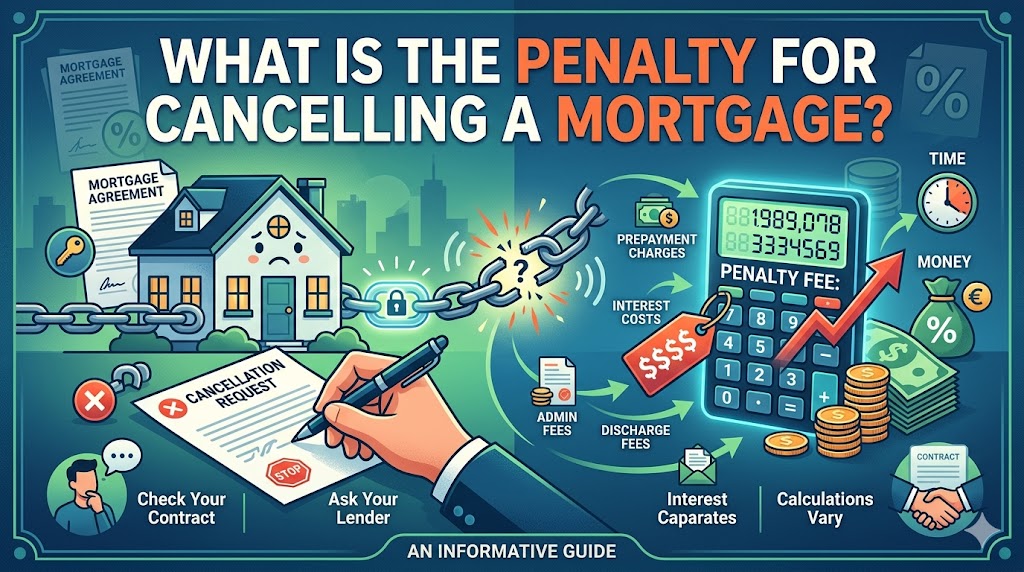
Stopping payments on your condo mortgage in the Philippines is a serious financial and legal matter. It triggers a predictable—but often overwhelming—chain of events that can ultimately lead to the loss of your property. Simply put, you will face penalties, damage your credit record, and eventually lose your unit if the situation is not addressed.
But the crucial truth is: you are not powerless. Philippine law provides specific safeguards for buyers in default, and banks would almost always prefer to negotiate than to foreclose. Understanding both the risks and your rights is the first step toward protecting your asset—or exiting the situation with as much dignity and capital as possible.
The Immediate Consequences: What Happens First
When you miss a payment, the bank does not wait. The consequences begin almost immediately.
Compounding Penalties and Fees. You will be charged late payment fees. Most private banks charge a percentage on the overdue amount—typically 1 to 2 percent for each month you are late. For government housing loans like Pag-IBIG, the penalty is calculated daily. Pag-IBIG charges a penalty of 1/20 of 1% for every day of delay. This means if your monthly amortization is 10,000 pesos, a single day’s penalty is 5 pesos. Over a month, that is 150 pesos. Over several months, these costs snowball rapidly. Some private banks have even steeper penalties. For example, certain HSBC mortgage products have charged an annual late payment penalty of 20 percent.
Aggressive Collection. Expect formal demand letters, calls, and possibly visits. While you cannot be jailed for non-payment of debt in the Philippines—the Constitution explicitly prohibits imprisonment for debt—the collection process is designed to be persistent and stressful. Collection agencies are regulated, but the process can still be overwhelming.
Credit Blacklisting. Your default will be reported to the Credit Information Corporation (CIC) , the government agency that consolidates borrowing and payment records. Negative credit entries typically stay on your report for 3 to 7 years, depending on the credit bureau and the type of account. This “black mark” will make it very difficult to get future loans, credit cards, or even certain types of employment. Banks check your credit history before approving any new loan, and a foreclosure or serious delinquency is a major red flag.
The Foreclosure Process: The “Nuclear Option”
If you fail to resolve the arrears—usually after 3 to 6 months of missed payments—the bank will initiate foreclosure. This is the legal process of reclaiming the property to recover your debt.
There are two main types of foreclosure in the Philippines:
- Extrajudicial Foreclosure: This is the most common and faster method. It happens “outside of court.” If your loan contract contains a “power of sale” clause, the bank can foreclose on the property through a notary public without going to court. The process is streamlined and typically takes less time than judicial foreclosure.
- Judicial Foreclosure: This is a slower process where the bank files a complaint in the Regional Trial Court where the property is located. It is less common because it is more expensive and time-consuming for the bank.
The Extrajudicial Foreclosure Timeline
Notice of Default. You receive a formal demand letter. This is your final warning to pay. The letter will specify the amount you owe, including penalties and fees, and will state a deadline for payment.
Notice of Sale. If the debt remains unpaid, a Notice of Sale is published in a newspaper of general circulation and posted in public places. This notice announces the date, time, and location of the public auction.
Public Auction. The condo is sold to the highest bidder to cover your loan balance. The auction is typically held at the office of the sheriff or the notary public. The starting bid is usually the outstanding loan balance plus interest and fees.
Deficiency Judgment. If the auction price is less than your total debt—including penalties, legal fees, and other costs—the bank can sue you for the remaining balance. This is called a deficiency judgment. Court records show deficiency claims ranging from ₱283,000 to over ₱450,000 after foreclosure sales. This means you could lose your property and still owe the bank a substantial amount of money.
Consolidation of Title. If you fail to “redeem” the property within the redemption period, the bank or winning bidder “consolidates” ownership. The bank applies for a new title in its name. You will then be served a Writ of Possession, which is a court order directing the sheriff to remove you from the property. You are legally required to vacate.
Your Legal Safety Nets: The Maceda Law (RA 6552)
You are not without protection. Republic Act No. 6552, also known as the Realty Installment Buyer Protection Act or the Maceda Law, is the most important safeguard for buyers of real estate on installment payments. It covers residential condominium apartments but excludes industrial lots and commercial buildings. This law is powerful because it gives you rights that the bank cannot override.
If You Have Paid at Least Two Years of Installments
You are entitled to the following rights in case of default:
Grace Period. You earn one month of grace period for every year of installment payments made, during which you can pay without additional interest. For example, if you have paid for three years, you get a three-month grace period. This right can be exercised only once every five years.
Cash Surrender Value (Refund). If the contract is canceled, the seller must refund 50 percent of your total payments made. After five years of installments, an additional 5 percent is added every year, up to a maximum of 90 percent. So if you have paid for 10 years, you are entitled to 90 percent of all your payments back. Down payments, deposits, and options are included in this computation.
Mandatory Cancellation Steps. The contract can only be canceled 30 days after you receive a notarized notice of cancellation, and only upon full payment of the cash surrender value to you. If the seller fails to comply with these steps, the cancellation is void and the contract remains valid. This means you cannot simply be kicked out without notice and without receiving your refund.
If You Have Paid Less Than Two Years of Installments
You are entitled to:
Grace Period. The seller must give you a grace period of not less than 60 days from the date the installment became due. This gives you two full months to catch up on your payments.
Mandatory Cancellation Steps. If you fail to pay within the grace period, the seller may cancel the contract 30 days after you receive a notarized notice of cancellation.
Additional Rights Under the Maceda Law
During the grace period and before actual cancellation, you have the right to:
Sell or Assign Your Rights. You can sell or assign your rights to another person through a notarial act (a “pasalo”). This allows you to transfer the property and the remaining loan obligation to a buyer who can take over the payments.
Reinstate the Contract. You can reinstate the contract by updating your account—paying the overdue amounts and bringing the loan current.
Pay the Full Unpaid Balance in Advance. You can pay the full unpaid balance at any time without interest, and have this payment annotated on the property’s certificate of title. This gives you the right to settle the debt early if you find the funds.
The One-Year Redemption Period
After an extrajudicial foreclosure auction, you have one full year to reclaim your property. This is your last chance to save your unit.
During this period, you can redeem the property by paying the full auction price, plus interest, taxes, and legal fees. This can be a substantial amount, but it is often less than the total debt you would owe if the bank kept the property.
If you fail to redeem within that year, the bank or winning bidder consolidates ownership and you will be required to vacate. The redemption period is a critical protection because it gives you time to arrange financing or find a buyer.
The Pag-IBIG Condonation of Penalties Program
If your loan is with Pag-IBIG Fund, you may be eligible for their Condonation of Penalties program. This is a significant benefit that borrowers with private banks do not have.
The program allows you to apply for forgiveness of penalties and surcharges that have accrued on your overdue loan. The key requirement is that your account has not yet been classified as a bank-acquired asset (ROPA) . This means you need to apply before the property is foreclosed and transferred to the bank’s inventory.
To qualify, you typically need to show a willingness to pay. You are usually required to make a down payment—historically around 10 percent of the total amount due—and then commit to a payment plan for the remaining balance. If you comply with the plan, the penalties are waived.
This program is designed to help borrowers who have fallen behind but want to keep their homes. If you have a Pag-IBIG loan and are struggling, this is worth investigating immediately.
The Deficiency Judgment Risk
One of the most overlooked dangers of foreclosure is the deficiency judgment. This is the bank’s right to sue you for the difference between your total debt and the auction sale price.
Here is how it works. You owe 2 million pesos on your mortgage. Your property is auctioned for 1.5 million pesos. The bank takes the 1.5 million, but you still owe 500,000 pesos. The bank can sue you in court to collect that 500,000 pesos, plus interest and legal fees.
Court records show deficiency claims that range from 283,000 pesos to well over 450,000 pesos after a foreclosure sale. This means you could lose your property and still be pursued by the bank for years to come.
In some cases, deficiency judgments are difficult for banks to collect because many borrowers are already financially distressed. But the legal right exists, and banks do pursue these claims, particularly when the amounts are significant.
Your Action Plan: What To Do Now
Do not wait until the bank initiates foreclosure. Proactive communication is your only leverage. The bank’s goal is to be paid, not to be a landlord. They are often willing to work with borrowers who communicate early and transparently.
1. Stop Procrastinating. Ignoring the bank’s letters is the worst thing you can do. It makes you appear uncooperative, which limits their willingness to help. The longer you wait, the more penalties accrue and the closer you get to foreclosure.
2. Request Loan Restructuring. Immediately contact your bank’s Remedial or Asset Recovery team. Ask if you can:
- Extend your loan term to lower monthly payments.
- Reduce your interest rate.
- Get a temporary payment holiday or grace period.
Pag-IBIG Fund, for example, offers up to six months of payment relief and more affordable restructuring options. Senator Mark Villar has also filed a resolution urging government financial institutions to provide loan moratoriums, grace periods, and penalty condonation to help Filipinos cope with rising costs.
Put your request in writing and document all communications. Be honest about your financial situation. Banks are more likely to help borrowers who are transparent.
3. Consider a Voluntary Exit (Dacion en Pago). You can offer to voluntarily transfer the title to the bank in exchange for a full release of your debt. This is called Dacion en Pago. It avoids the legal mess and costs of foreclosure, and it can be faster and less damaging to your credit record. While the bank is not legally obligated to accept, it is worth proposing. Some banks accept Dacion en Pago for properties worth up to a certain amount (for example, up to 5 million pesos in some banks).
4. Voluntary Sale (“Pasalo”). With the bank’s permission, find a buyer yourself. You sell the unit, pay off the loan, and potentially walk away with whatever profit is left. This is almost always better than an auction price, which is often lower than market value. The pasalo arrangement is common in the Philippines and can be a win-win: you avoid foreclosure, and the buyer gets a property at a fair price.
5. Consult a Real Estate Lawyer. If you receive a Notice of Foreclosure, hire a lawyer immediately. They can check for procedural errors—like improper publication or insufficient notice—that might allow you to stop or delay the sale. The procedures under the Maceda Law are strictly mandatory; if the seller fails to comply, the cancellation is void. A lawyer can also help you negotiate with the bank and protect your rights.
Final Take
Stopping mortgage payments is a financial emergency, not a personal failure. The consequences are real: compounding penalties, aggressive collections, credit blacklisting that can last 3 to 7 years, deficiency judgments that can haunt you for years, and ultimately the loss of your property.
But you are not powerless. The Maceda Law (RA 6552) provides specific protections, including grace periods and cash surrender value refunds. The one-year redemption period gives you a last chance to reclaim your property. Government lenders like Pag-IBIG offer penalty condonation programs that can waive significant amounts of your debt.
And banks—whether private or government—are often willing to negotiate loan restructuring or payment relief if you communicate early and transparently. Their goal is to be paid, not to be a landlord. They would almost always prefer a restructured loan over a lengthy and expensive foreclosure process.
Act fast. Know your rights. Explore every exit strategy before the bank’s legal department takes control of your asset. And if you receive a Notice of Foreclosure, do not hesitate to consult a qualified real estate lawyer who can protect your rights and check for procedural violations.
The key is to act before it is too late. Every day you wait, the penalties grow, the legal process advances, and your options narrow. Contact your bank today.
You might want to read
What happens if you stop paying your condo mortage
Foreclosed properties in Cebu
Flipping a condo for profit
Disclaimer: This article is for informational purposes only and does not constitute legal or financial advice. Foreclosure laws are complex and contract-dependent. Every individual’s situation is unique. Before making any decisions, it is highly recommended that you consult with a qualified legal or financial professional.
Author
John Paul Ybañez Paquibot
Licensed Real Estate Broker | PRC No. 00014132 | DHSUD No. CVRFO-B-03/18-2672
Bachelors Realty and Brokerage, Inc. Cebu
G/F Cap Building, Brgy. Corner, Osmeña Blvd.
Arlington Pond St. Extension, Cebu City, 6000 Cebu
Leave a Reply