Author: admin

  • Cebu IT Park vs. Cebu Business Park: The No-BS Guide for 2026 – SeekCebu

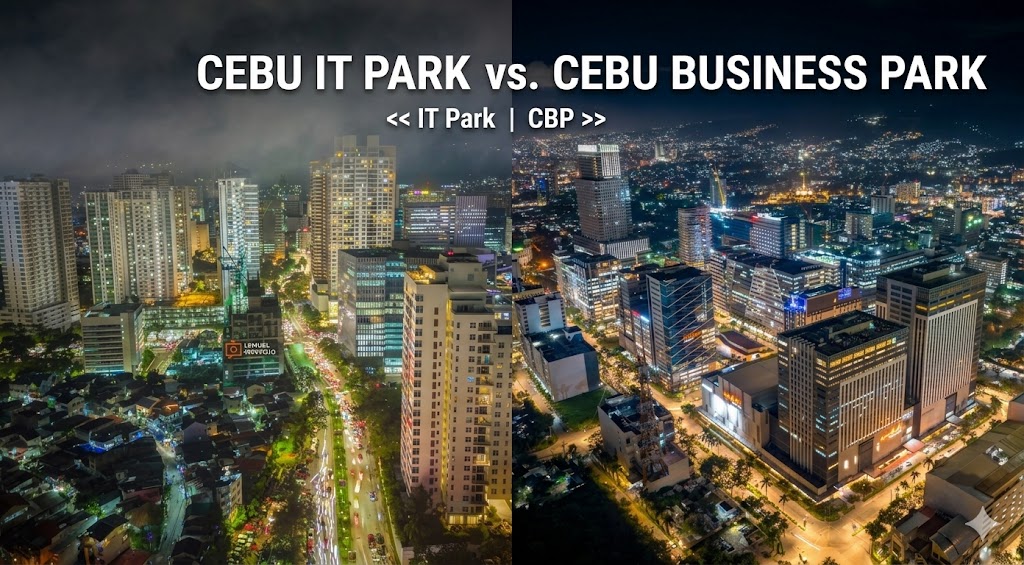
    Cebu IT Park vs. Cebu Business Park

    If you are moving a business, a team, or a family to Cebu, you will eventually face this question: IT Park or Business Park?

    They sit side‑by‑side in the heart of Cebu City. Both were master‑planned by Ayala Land. Both are packed with multinational corporations, gleaming towers, and premium real estate. To the untrained eye, they look like interchangeable business districts.

    They are not.

    Choosing the wrong one means bleeding money on unnecessary rent, losing talent to brutal commutes, or sinking capital into a condo that does not match your tenant profile. This guide strips away the marketing fluff and gives you the honest, no‑nonsense breakdown of the Cebu Park District as it stands in mid‑2026.


    The Core Identity: “Doing” vs. “Being”

    Before you look at square‑meter rates or vacancy numbers, understand the philosophical divide between the two parks.

    Cebu IT Park is built for “doing.” It is a 24/7 production engine. Its streets hum with energy at all hours because it houses thousands of BPO and tech workers who keep the global economy running through the night. Everything about IT Park—the restaurants, the co‑working spaces, the gyms, the late‑night food stalls—exists to support relentless, around‑the‑clock work. It is a campus for the digital workforce.

    Cebu Business Park is built for “being.” It is the polished corporate anchor of the Visayas. It projects stability, tradition, and prestige. The pace is slower. The crowd leans toward bankers, lawyers, and C‑suite executives. The greenery is more manicured, the walkways wider, and the overall aesthetic is designed to impress clients and close deals in a calm, professional environment.

    Keep that mantra in your head: IT Park is for doing; Business Park is for being. It will guide every other decision you make.


    Cebu IT Park: The Tech Engine – A Deep Dive
    What It Is

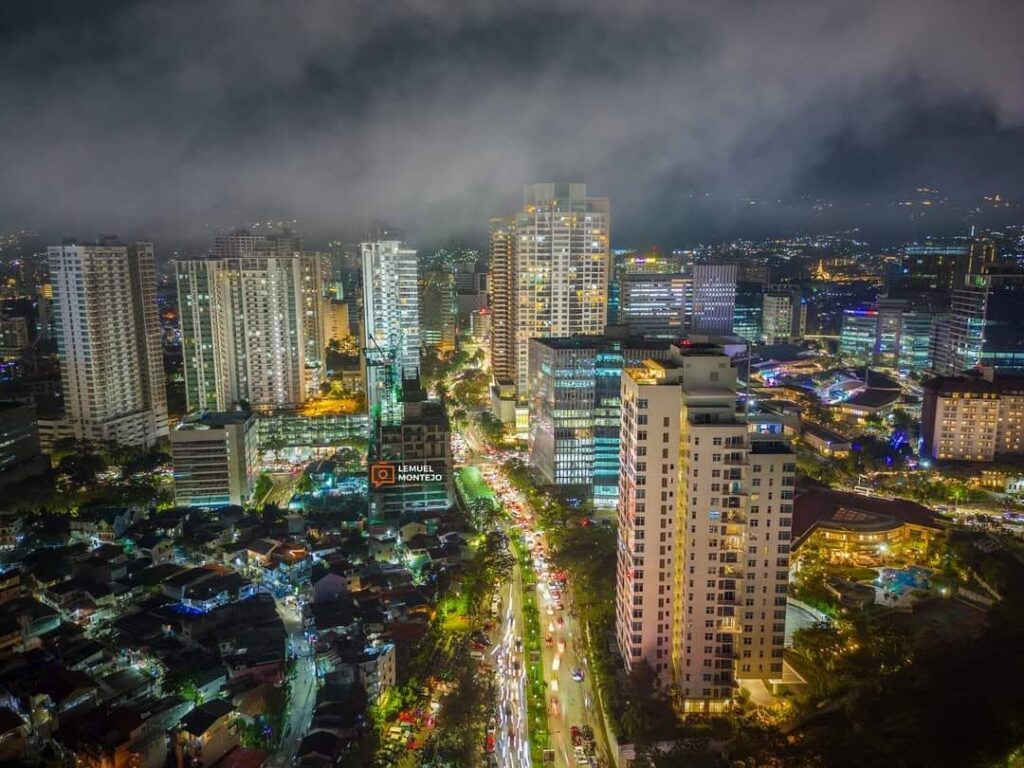
    Cebu IT Park rose from the ashes of the old Lahug Airport, which closed in 1966. Ayala acquired the land in 1989, and in 2001, it was officially declared an Information Technology Special Economic Zone. Today, it is the densest concentration of BPO and tech jobs in the entire Visayas region.

    The Strengths

    Walkability is the single biggest selling point. You can live in a condo, walk to your office tower, grab a meal at 2 AM, hit the gym, and return home without ever touching a car. For night‑shift workers, this is not a luxury—it is survival. The elevated terrain also makes IT Park one of the few areas in Cebu City that does not flood during heavy rains, a practical advantage that cannot be overstated.

    Scalability is another major win. IT Park accounts for roughly 75 percent of Metro Cebu’s total flexible workspace inventory, with over 10,500 seats spread across operators like KMC Solutions and Regus. If your team grows by 50 people overnight, you do not need to sign a punishing five‑year lease; you simply rent more hot desks. This agility is why startups and scaling BPOs gravitate here.

    The building stock is modern and green. IT Park is home to Cebu Exchange, the largest multi‑certified green office tower outside Metro Manila, along with the Skyrise towers, Central Bloc, and Filinvest Cyberzone Towers. These buildings are energy‑efficient, well‑designed, and attractive to multinational locators with strict sustainability requirements.

    The Reality Checks

    Traffic is the nightmare that nobody can escape. Salinas Drive and Archbishop Reyes Avenue become parking lots during rush hour. If you or your employees do not live inside the park, commuting becomes a daily source of frustration and attrition. Living nearby is not a perk—it is a practical necessity.

    The supply crunch is real and getting tighter. No new office towers are expected to come online in IT Park for the next three years. Vacancy rates, which sat at 28 percent in 2022, have already dropped to roughly 14 to 16 percent and are falling fast. Landlords know they hold the cards, and negotiating leverage is shrinking by the month.

    For residential landlords, the 24/7 energy cuts both ways. BPO tenants will pay a premium to live close to work, which boosts gross rental yields. But turnover is high—workers move often—and units experience more wear and tear from nocturnal living, constant air‑conditioning use, and higher guest traffic. Factor those costs into your yield calculations.


    Cebu Business Park: The Corporate Anchor – A Deep Dive
    What It Is

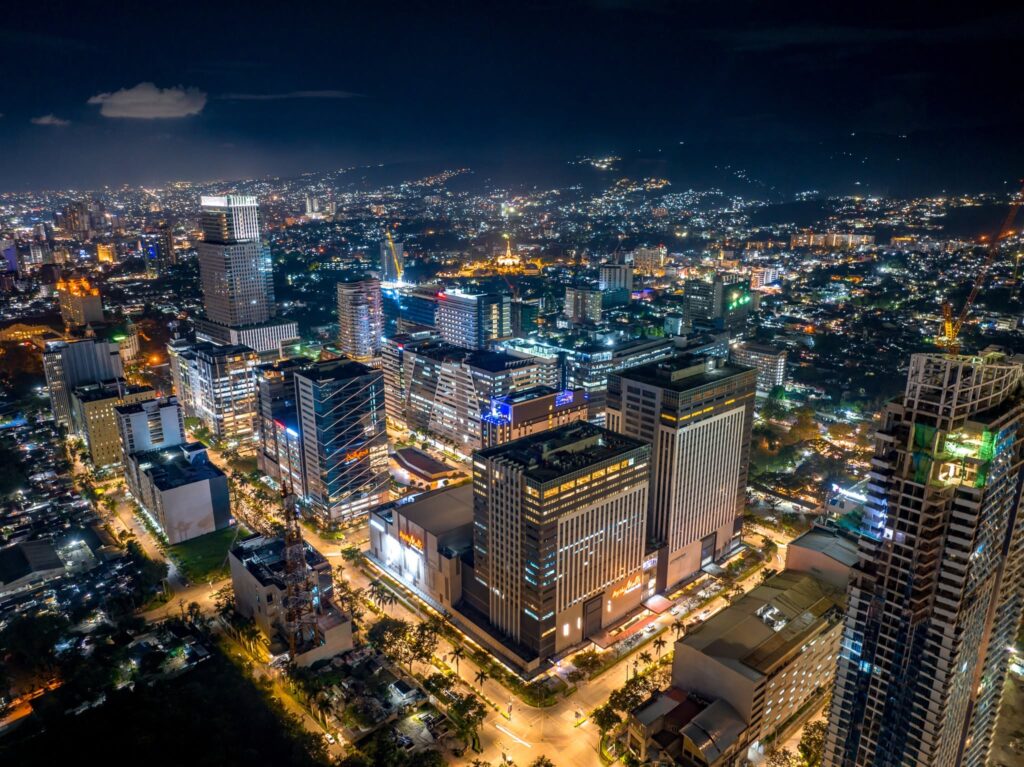
    Cebu Business Park is the older, larger sibling. Launched in 1989 on the former Club Filipino Golf Course, it spans 50 hectares and is often called Cebu’s original central business district. It was the first master‑planned mixed‑use development in the city and remains the flagship project of Cebu Holdings Inc.

    The Strengths

    Prestige is the currency that CBP trades in. If you are a bank, a law firm, a financial services company, or a regional headquarters, the “Cebu Business Park” address still carries more traditional weight than any IT Park location. It signals stability, longevity, and corporate seriousness to clients and partners.
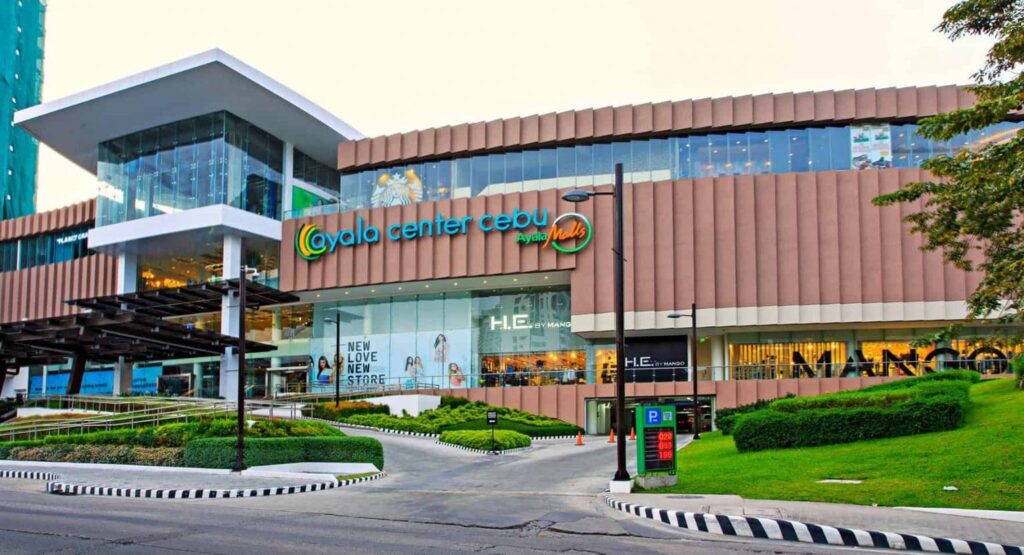
    The crown jewel is Ayala Center Cebu, a nine‑hectare retail and dining ecosystem that draws an average of 60,000 shoppers daily. It is not just a mall; it is a destination. The Terraces, the upscale restaurants, the full retail lineup—all of it gives your employees a world‑class environment for lunch breaks, after‑work meetings, and weekend decompression.

    Greenery and space set CBP apart from its denser neighbor. The wide walkways, mature trees, and open layouts make the district feel less claustrophobic. It is a calmer, more refined environment that suits professionals who prefer a quieter workday without the constant buzz of nocturnal activity.

    For residential investors, the tenant profile is a major advantage. CBP attracts expatriate executives, regional managers, and airline pilots. These tenants stay for two to three years, pay on time, and treat properties with care. While gross rental yields are slightly lower than in IT Park—perhaps half a percentage point to one full point less annually—the stability and lower maintenance costs often make up the difference.

    The Reality Checks

    You pay a premium for the polish. Average rents in CBP hover around ₱580 to ₱628 per square meter, which is roughly ₱50 to ₱80 higher than comparable space in IT Park. That gap is the cost of prestige and greenery.

    The district is noticeably sleepy after dark. If your team works night shifts or if you are a night‑owl professional looking for a 3 AM meal or a late‑night coffee shop, options are sparse. CBP is tailored to the 9‑to‑5 crowd, and the sidewalks largely roll up after 10 PM.

    Some of the office buildings are older. While well‑maintained, they reflect an earlier era of development. Older buildings often carry higher “common area” maintenance fees than the newer, energy‑efficient towers in IT Park. When comparing lease proposals, always ask for the total monthly dues—rent plus CAM charges plus utility markups—not just the base rent.


    How to Decide: A Strategic Filter for 2026

    Do not ask which park is “better.” Ask which one fits your operational maturity and workforce requirements.

    If your priority is agility and scaling—if you are a tech startup, a BPO, a creative agency, or any business that needs to grow or shrink quickly—choose IT Park. You need the flexible office space, the 24/7 talent pool, and the campus‑like ecosystem that makes recruitment easier. Just be honest about the traffic and the higher residential turnover. Budget for both, and ensure your key people live on‑site.

    If your priority is brand prestige and stability—if you are in banking, law, corporate advisory, insurance, or regional headquarters—choose Business Park. Your clients expect a polished, traditional address. The higher rent is effectively a marketing expense. You will also benefit from a calmer work environment and a more stable, executive‑level tenant pool if you are investing in residential property.

    If your primary challenge is recruiting young Gen Z and millennial talent, IT Park wins hands down. Young workers want the vibrant, walkable lifestyle. They value the nightlife, the fitness centers, and the 24/7 food options. IT Park sells itself as a lifestyle destination, not just a workplace, which gives you a genuine edge in a tight labor market.

    If your goal is long‑term capital appreciation as a property investor, tilt toward Business Park. Land in CBP is functionally gone. There is no room for significant new development, and that scarcity will protect your property value over the next decade better than almost any other location in Cebu.

    If your goal is maximum rental yield and immediate cash flow, tilt toward IT Park. BPO workers will pay a premium to avoid the Salinas Drive traffic nightmare. You will achieve higher gross yields, but you must factor in higher maintenance costs, more frequent tenant turnover, and the possibility of longer vacancy gaps between leases.


    The Elephant in the Room: 2026 Saturation

    Here is the one truth that most articles will not tell you: both parks are effectively full.

    There is virtually zero new Grade A office supply coming online in either district for the next 36 months. Large BPOs requiring contiguous floor plates of 5,000 square meters or more are already being turned away. The landlords know this, and they are shortening fit‑out periods, reducing free rent concessions, and tightening lease terms across the board.

    If you are a large enterprise, you may already be too late for these two parks. The next frontier is the South Road Properties and Mandaue City, where developers are rushing to build the next generation of office stock to absorb overflow demand.

    For everyone else still eyeing the Park District, the message is simple: act fast. If you need space, start your site selection and lease negotiations at least six to eight months before your intended move‑in date. Do not wait for better deals—they are not coming.


    The Golden Rule of 2026

    After all the comparisons, all the rent differentials, and all the strategic filters, one truth towers above everything else:

    Do not base your decision on the building. Base it on the commute.

    Cebu’s infrastructure is struggling to catch up with its commercial growth. The roads are congested, public transport is inadequate, and rush hour now stretches well beyond the traditional morning and evening windows. In this environment, the best office tower in the world is worthless if your employees spend two hours of their day trapped in gridlock.

    Both IT Park and Business Park are surrounded by the same clogged arteries. Archbishop Reyes Avenue, Salinas Drive, and the connecting roads all funnel into the same bottlenecks. The difference between a good day and a bad day at work is not the lobby marble or the cafeteria menu—it is whether you can walk to your desk in ten minutes or sit in a car for forty-five.

    If you are not in the park, you are in the traffic. That is the unvarnished reality of 2026. Every recruitment conversation, every retention strategy, and every real estate investment thesis must start with that premise. The park you choose matters far less than the simple question of whether you and your key people can live within walking distance of your office.

    So before you compare lease rates or study vacancy trends, pull up a map. Draw a fifteen‑minute walking radius around each park. Look at the residential options inside that circle. If your budget cannot put your team inside that radius, then the park you choose is almost irrelevant—you are already fighting a losing battle against Cebu’s traffic monster. The building becomes secondary; the location of your home becomes primary.


    The Final Verdict

    Neither Cebu IT Park nor Cebu Business Park is objectively superior. They serve different masters.

    Choose IT Park if you are in the business of production—technology, BPO, creative services, or any scaling venture that thrives on energy, flexibility, and a 24/7 ecosystem. You will get better walkability, more dining and nightlife options, and a built‑in talent pool of young professionals. But you must accept the traffic reality and the higher operational churn that comes with a round‑the‑clock environment.

    Choose Business Park if you are in the business of perception—banking, law, corporate finance, regional headquarters, or any enterprise that needs to impress traditional clients with a polished, prestigious address. You will get greener surroundings, a calmer work atmosphere, and more stable residential tenants. But you will pay a rent premium for that polish, and you will sacrifice the nocturnal energy that makes IT Park feel alive after midnight.

    In 2026, your decision will not be about which park has better restaurants or prettier trees. It will be about supply constraints, strategic alignment, and—above all else—the daily commute. If you can secure space in either district and house your people within walking distance, congratulations—you have just planted your flag in the most commercially vital real estate in the Visayas.

    But if you ignore the Golden Rule and base your choice solely on the building’s brochure, you will be paying premium rent for the wrong vibe while your employees sit in traffic, watching their morale and productivity drain away. That is a mistake that no spreadsheet, no fit‑out budget, and no prestige address can ever fix.

      Author
      John Paul Ybañez Paquibot
      Licensed Real Estate Broker | PRC No. 00014132 | DHSUD No. CVRFO-B-03/18-2672
      Bachelors Realty and Brokerage, Inc. Cebu
      G/F Cap Building, Brgy. Corner, Osmeña Blvd.
      Arlington Pond St. Extension, Cebu City, 6000 Cebu
    • The OFW’s Guide to Cebu

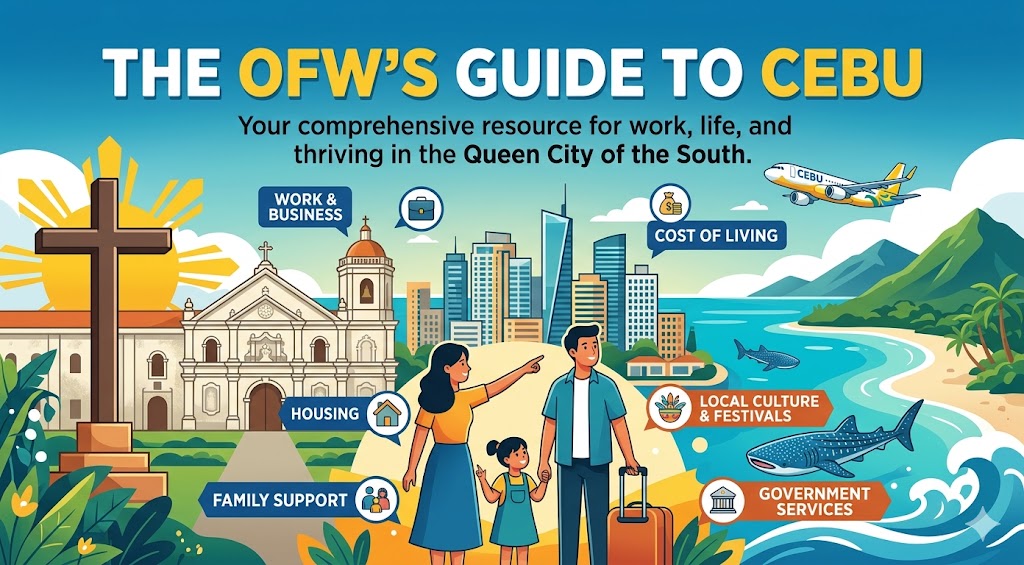
      OFW's Guide to Cebu

      Cebu is more than just a tourist destination—it’s home to roughly 600,000 Overseas Filipino Workers (OFWs) , making up about 80% of Central Visayas’ overseas workforce. Whether you’re returning for good, on vacation, or sending your family ahead while you work abroad, this guide cuts through the fluff and tells you what you actually need to know.


      1. Arriving at Mactan-Cebu International Airport (MCIA)

      The good news: You no longer have to fly to Manila to sort out your documents.

      MCIA Terminal 2 now hosts an OFW Facilitation Center (operational since mid-2025) where you can process Overseas Employment Certificates (OECs) and exit clearances on the spot. There’s also an OFW Lounge scheduled to open by June 2026, giving you a comfortable space to rest between flights.

      What to do upon arrival:

      • Head to the OFW assistance kiosk at Terminal 2 if you need help with travel documents.
      • OWWA and DMW kiosks are also available at Terminal 2 Departures for assistance.
      • Use the official taxi queue outside—avoid touts offering “fixed rates.”

      MCIA is served by 20 airlines operating 13 international routes, with a growing number of direct flights to the Middle East.


      2. Cost of Living: What Your Money Actually Buys

      Cebu is cheaper than Manila but more expensive than the provinces. Here’s the honest breakdown for 2025.

      For rent (1-bedroom):

      • Budget options in the city center run from ₱8,000 to ₱15,000 per month.
      • Comfortable modern condos will set you back ₱20,000 to ₱45,000.

      For food (groceries, cooking at home):

      • A budget grocery run costs ₱3,000 to ₱6,000 monthly.
      • If you include imported goods and occasional treats, expect ₱8,000 to ₱15,000.

      For utilities:

      • Electricity with air conditioning usage: ₱5,000 to ₱8,000 per month.
      • Fiber internet: ₱1,200 to ₱2,000.
      • Mobile plan: ₱500 to ₱1,000.

      For transport:

      • Jeepney rides cost ₱15 to ₱50 per trip.
      • Grab rides range from ₱150 to ₱400 depending on distance and surge.

      The real talk: A single person can live on ₱40,000–₱50,000 per month for a budget lifestyle. For a comfortable lifestyle with a city condo and eating out occasionally, expect ₱60,000–₱90,000 per month.


      3. Where to Live: Neighborhoods, Ranked Honestly

      IT Park and Cebu Business Park – This is the most modern, central, and safest area, but it’s also the most expensive. Rent runs from ₱25,000 to ₱45,000. Best for professionals who want walkable convenience to offices, malls, and restaurants.

      Lahug and Banilad – These neighborhoods offer a balanced, quieter vibe and are near good schools. Rent is ₱18,000 to ₱30,000. Ideal for families or long-term stays.

      Mactan Island – If you want beach views and resort-style living, this is your spot. Rent goes from ₱20,000 to ₱40,000. Perfect for ocean lovers and remote workers who don’t mind crossing the bridge.

      Mandaue and Talamban – These are the most affordable options, with a strong local feel. Rent runs ₱8,000 to ₱15,000. Best for those on a strict budget who are okay with commuting.

      Pro tip: Before signing any lease, confirm if fiber internet is already installed in the building. Many condos in IT Park and Cebu Business Park have building-wide backup power, which is a lifesaver during brownouts.


      4. Getting Around: Transportation Reality Check

      Traffic is real—especially around IT Park, Mandaue, and the two bridges to Mactan during rush hour.

      Jeepneys cost ₱13 to ₱25 per ride. They are the cheapest and most authentic way to travel, but the routes are confusing for newcomers and there’s no air conditioning.

      Grab costs ₱120 to ₱300 per trip. It’s safe, convenient, and air-conditioned, but beware of surge pricing during rain or rush hour.

      Angkas (motorbike taxis) cost ₱50 to ₱150. They beat traffic easily, but they’re not for everyone—you must be comfortable on the back of a bike and wear a helmet at all times.

      Regular taxis cost ₱120 to ₱250 metered. They are widely available, but some drivers will refuse to use the meter. Insist on it, or step out and find another one.

      Honest advice: Download Grab and Angkas before you arrive. Always carry small bills for jeepneys—drivers rarely have change for ₱1,000.


      5. Internet and Staying Connected

      Fiber is available in most urban areas. The three main providers are PLDT Home Fibr, Converge FiberX, and Globe GFiber.

      • PLDT offers 200 Mbps for ₱1,699 per month.
      • Converge offers 200 Mbps for ₱1,500 per month.
      • Globe offers 500 Mbps for ₱2,499 per month.

      In IT Park, Cebu Business Park, and Mabolo, speeds of 200 to 500 Mbps are common.

      For mobile: Globe and Smart both have strong LTE and 4G coverage. For long stays, get a GOMO SIM—it gives you 30GB of data for ₱299 with no expiry date. Remember: all SIMs must be registered with a valid passport.

      Backup tip: Power outages still happen. Get a UPS for your devices and consider a Smart 5G Pocket WiFi as a backup internet source.


      6. Banking and Remittances

      Your family in Cebu has plenty of options for receiving money.

      Bank transfers can be done through Chinabank, BDO, and Bank of Commerce.

      Remittance centers like Cebuana Lhuillier, M Lhuillier, and Palawan Pawnshops are everywhere and reliable.

      Digital options include GCash, which is widely accepted for payments and transfers, and BCRemit, which can pay your SSS, Pag-IBIG, PhilHealth, and OWWA dues directly.

      OFBank (Overseas Filipino Bank) offers products specifically designed for OFWs and their families.

      Pro tip: Your family can pay monthly amortizations to major developers like Ayala Land and Megaworld directly through remittance apps.


      7. Healthcare: Hospitals and Coverage

      Cebu has several reliable private hospitals.

      Chong Hua Hospital in Cebu City and Cebu Doctors’ University Hospital in Mandaue City are the top private choices. For public care, Vicente Sotto Memorial Medical Center in Cebu City is the primary government facility.

      Costs to expect:

      • A local doctor’s visit costs ₱500 to ₱1,500.
      • A private hospital consultation runs ₱1,500 to ₱3,000.
      • Health insurance premiums range from ₱3,000 to ₱7,500 per month depending on your age and coverage level.

      For OFWs: There’s an ongoing push for an OFW Hospital bill that would establish dedicated healthcare facilities for OFWs and their families. Keep an eye on OWWA announcements for updates. OWWA also provides medical assistance for health emergencies.


      8. Safety: The Unfiltered Truth

      Cebu is generally safe, but petty crime exists—especially in crowded areas like Carbon Market and Colon Street.

      Common-sense rules to live by:

      • Never flash jewelry or expensive gadgets in public.
      • Avoid walking alone in dark or quiet areas at night.
      • Use Grab instead of hailing random taxis after dark.
      • Have backup routes and backup emergency contacts saved on your phone.
      • Stick to well-lit, populated areas, especially if you’re unfamiliar with the neighborhood.

      The bottom line: Cebu isn’t dangerous, but it’s a city. Act like you would in any major urban area and you’ll be fine.


      9. Support Systems: OWWA and Government Programs

      Cebu’s provincial government, led by Governor Pamela Baricuatro (herself a former OFW of 20 years), is actively prioritizing OFW welfare.

      What OWWA offers in Cebu:

      • Financial aid for distressed or displaced OFWs.
      • Medical assistance for health emergencies.
      • Livelihood support for returning OFWs who want to start businesses.
      • Bookkeeping and accounting training for OFW families to manage remittances wisely.
      • Over ₱11.2 million in aid has already been released to OFW organizations in Cebu.

      The DMW also runs a Livelihood Program for OFW Reintegration (LPOR) —several Cebu-based OFWs have successfully sustained small businesses through this program.

      Where to go: The OWWA Region 7 office is located in Cebu City. Bring your OWWA membership documentation and your passport when you visit.


      10. Final Honest Advice

      For OFWs returning for good:
      Cebu’s real estate market is growing rapidly—over 33,000 condo units are expected to be completed between 2025 and 2028. If you have the means, consider investing in property now. Rental properties can generate good passive income, but do your homework on locations and property management fees before buying.

      For OFWs on vacation:
      Enjoy the beaches, the lechon, and the slower pace compared to Manila. But don’t let your guard down—keep your travel documents in a hotel safe, spread your cash across multiple accounts or hiding spots, and always let your family know your daily itinerary.

      For OFWs sending family ahead:
      Make sure they have reliable fiber internet at home for video calls. Set up a backup power plan (even a small generator or a power bank for devices). Arrange auto-remittance through your bank so they don’t have to chase you for monthly expenses. And most importantly, register them with OWWA so they can access medical and educational benefits in your absence.


      Cebu is a fantastic base for OFWs and their families—modern enough to have everything you need, yet still affordable and close to nature. Just come prepared, stay smart, and take full advantage of the support systems that exist specifically for you.

      Check How to buy a house in Cebu without getting scammed.

        Author
        John Paul Ybañez Paquibot
        Licensed Real Estate Broker | PRC No. 00014132 | DHSUD No. CVRFO-B-03/18-2672
        Bachelors Realty and Brokerage, Inc. Cebu
        G/F Cap Building, Brgy. Corner, Osmeña Blvd.
        Arlington Pond St. Extension, Cebu City, 6000 Cebu

      • Why Cebu is the Philippines’ Next Mega-City: A Real Estate Investor’s Guide (2026 Edition) – SeekCebu

        Why Cebu is the Philippines' Next Mega-City

        For decades, Manila has been the undisputed center of Philippine commerce and real estate investment. But the ground is shifting. Cebu—long affectionately known as the “Queen City of the South”—is rapidly evolving into something far bigger than a provincial tourist hub.

        Cebu is currently crossing the threshold to become the Philippines’ next mega-city. Not in the distant future. Right now.

        Here is the unvarnished, data-driven look at why corporate capital is flooding south, the infrastructure making it happen, and where smart money is positioning itself in the 2026 market.


        The Numbers Don’t Lie: A Diversified Economic Engine

        Cebu is no longer a one-trick tourism economy. With a gross regional domestic product of ₱1.28 trillion in 2024 and a 7.3 percent expansion rate, it remains one of the country’s fastest-growing economies outside Metro Manila.

        Under the current leadership of Governor Pamela Baricuatro, the provincial government has aggressively leaned into transitioning the region into a diversified hub for industry, trade, and technology. The results are visible in the commercial real estate data.

        In 2025, Cebu captured roughly 121,000 square meters of office transactions—accounting for about half of all deals outside Metro Manila. High-value Business Process Outsourcing (BPO) firms and multinationals are moving south to escape Manila’s gridlock and secure lower operating costs, bringing thousands of highly paid employees with them.

        What this means for investors: Office space demand is the engine of real estate. Where jobs go, housing demand follows. This corporate migration is creating a highly stable, high-income tenant pool for residential landlords.


        The Infrastructure Tsunami: Building the Mega-City

        A city cannot achieve mega-city status without pouring concrete. Cebu’s current infrastructure pipeline rivals anything seen in the capital—and in some cases, exceeds it.

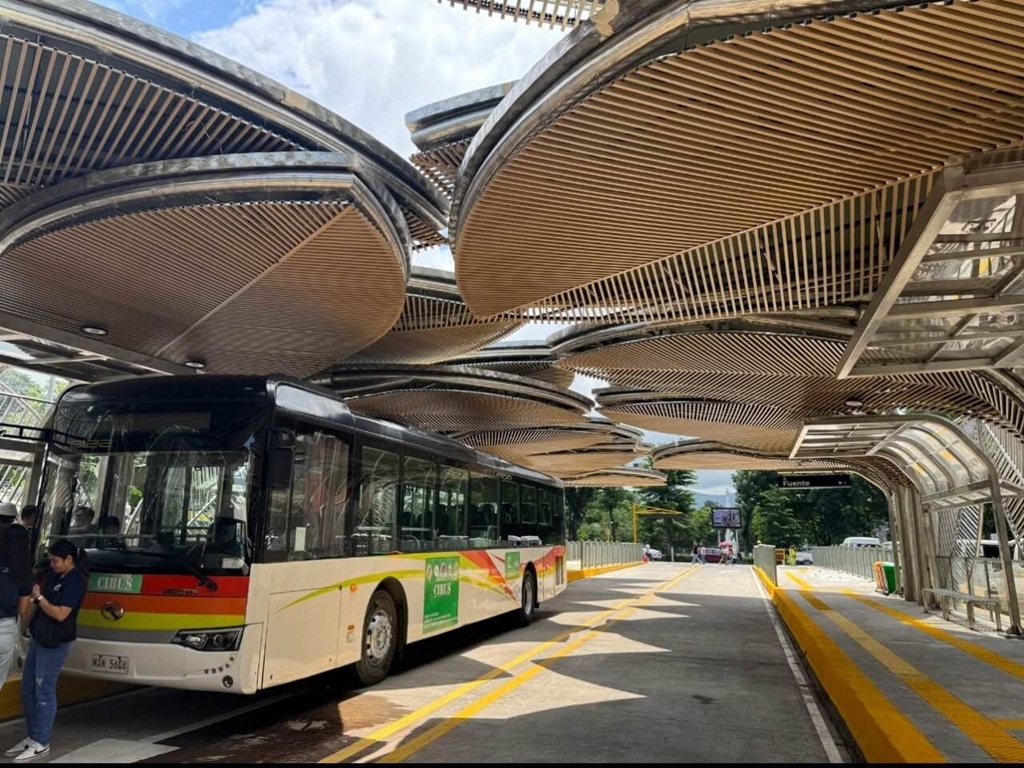
        Mass Transit (Cebu BRT)

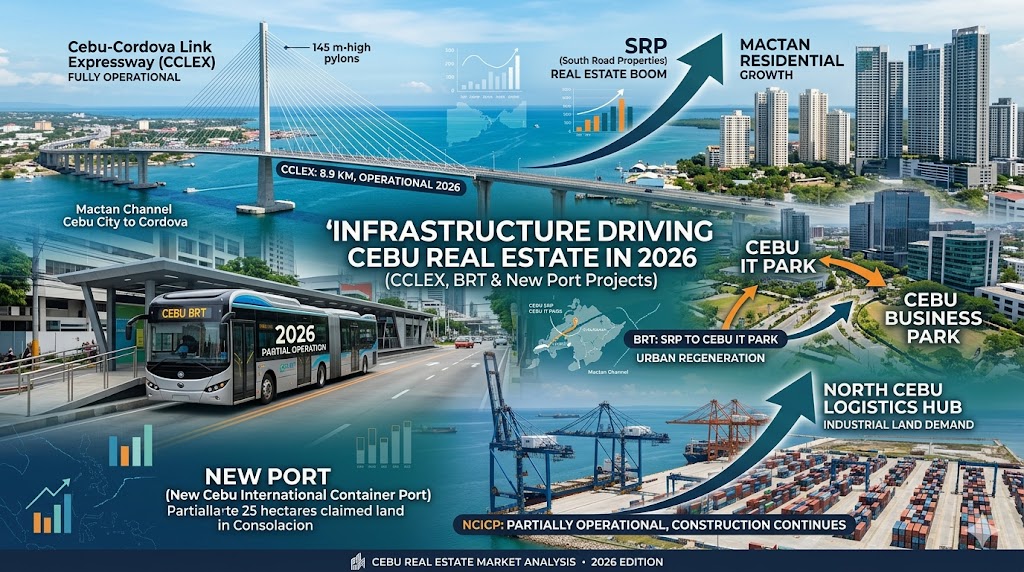
        The ₱28.7-billion Cebu Bus Rapid Transit system is transforming the city’s core. Package 1, commencing operations this year, is designed to carry 34,000 passengers daily, seamlessly linking downtown to major business districts.

        Beyond the BRT, the Department of Transportation is preparing groundwork for the ₱199-billion Metro Cebu Urban Mass Rapid Transit system—a long-term rail-based network targeted for completion by 2040. A feasibility study is scheduled to begin in October 2026.

        Connecting the Islands

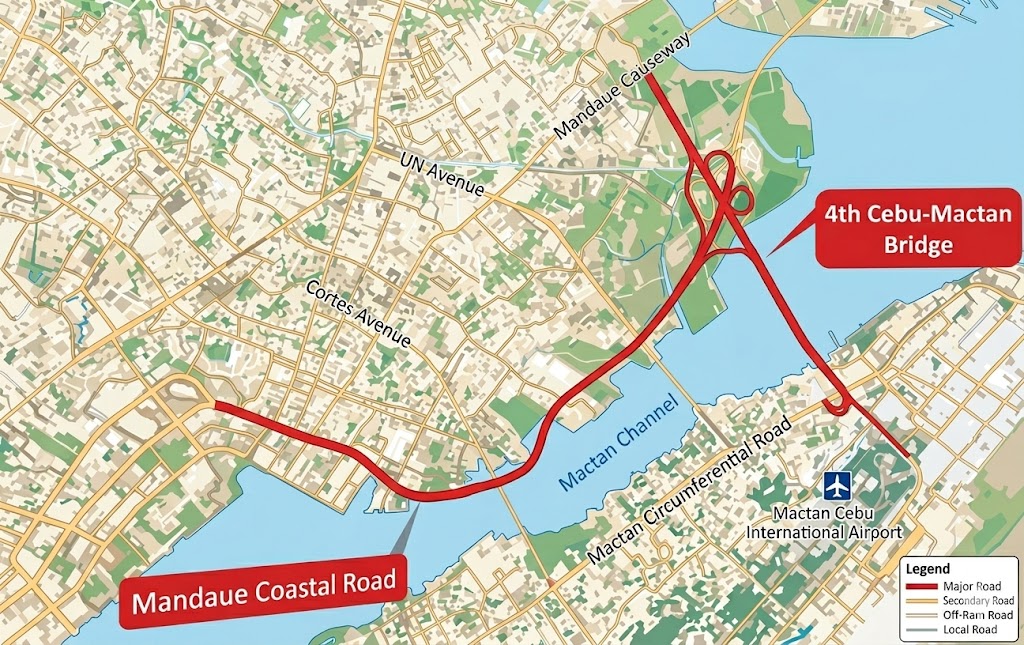
        The Cebu-Cordova Link Expressway (CCLEX) has already redefined property values in Cordova and Mandaue. Now, a ₱3-billion to ₱4-billion interchange is prioritizing direct access between CCLEX and downtown Cebu City.

        Even more significant: CCLEX is studying a future extension directly to the Mactan-Cebu International Airport. Construction could begin by late 2026, with delivery in about a year and a half.

        Meanwhile, a ₱4.8-billion elevated skyway in Lapu-Lapu City will connect the airport to CCLEX and other key areas.

        Logistics and Ports

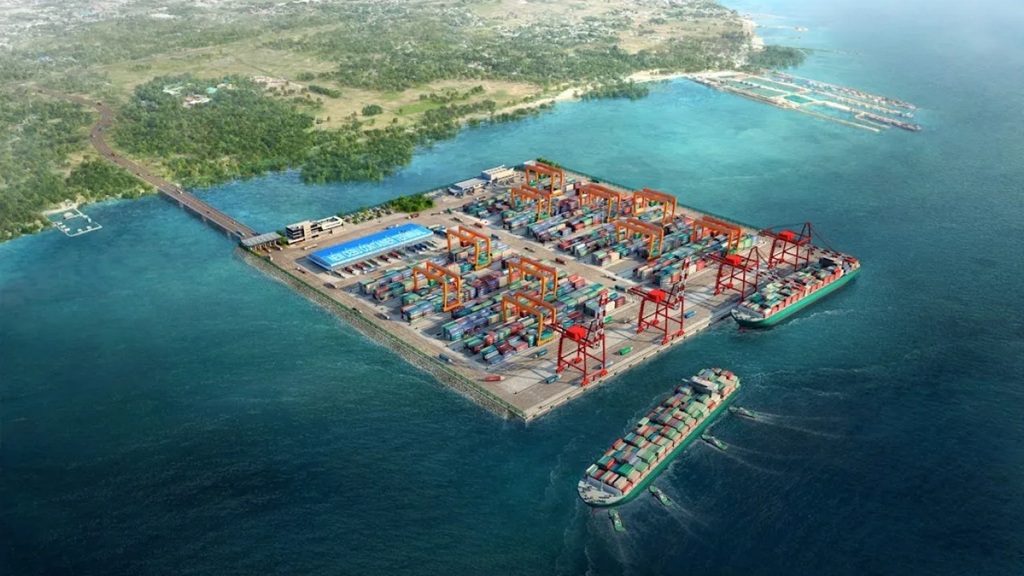
        The ₱335-million modernization of the Port of San Fernando is targeted for completion in the first quarter of 2026, aimed at boosting cargo capacity and improving intermodal links. The New Cebu International Container Port is also in the pipeline.

        The Events Economy

        The newly opened SM Seaside Cebu Arena accommodates up to 25,000 people—one of the country’s largest indoor arenas.

        Even more significant: the SMX Convention Center Cebu, a ₱3.3-billion investment, will be the largest convention facility in the Philippines once it opens in the third quarter of 2026. With over 21,000 square metres of leasable event space and capacity for up to 18,000 delegates, it positions Cebu as a premier hub for large-scale business events and exhibitions.

        What this means for investors: Properties near BRT stations, new interchanges, and expanded ports will see the greatest appreciation. Hotels, short-term rentals, and commercial spaces near the new arena and convention center will benefit from increased demand.


        The Human Tide: Population and Housing Demand

        A mega-city needs people. The metro area population of Cebu City in 2026 is estimated at 1,082,000, growing by over 20,000 people in the last year alone. This sustained growth is driven by migration from neighboring provinces, corporate relocations, and returning Overseas Filipino Workers.

        This demographic pressure translates directly to the housing market. First-quarter 2026 data reveals incredible absorption rates across the Visayas:

        • House-and-Lot Developments: 92 percent take-up rate
        • Condominiums: 87 percent take-up rate
        • Lot-Only Properties: 86 percent take-up rate (with roughly 22,000 transactions)

        The question for investors is no longer whether demand exists—it’s where the supply will come from and whether it will be in the right locations.


        The Brutal Reality: Challenges and Risks

        I am a licensed broker, but I am not here to sell you a fantasy. Mega-cities experience severe growing pains, and Cebu faces real headwinds in 2026 that you must factor into your investment strategy.

        Tourism Contraction

        Tourism is expected to contract by 25 to 30 percent this year amid fierce competition from Vietnam, Thailand, and Indonesia. These countries are capturing higher-value markets through better airports, safer transport systems, and more predictable regulations.

        If you are buying a condo in a fringe area relying entirely on Airbnb tourist traffic, your numbers will likely suffer. Look for properties with diverse tenant pools—not just tourists.

        Investment and Export Headwinds

        Investments in Central Visayas fell 62.1 percent in 2025, while exports declined 20.7 percent, reflecting softer global demand and heightened uncertainty linked to trade tensions. Nationally, economic growth slowed to 2.8 percent during the first quarter of 2026.

        Energy and Water Gaps

        The speed of infrastructure growth is straining local power grids and water supplies. Panelists at the Cebu International Investment Summit underscored the importance of aligning infrastructure growth with resilient power systems. Water security was also presented as a key pillar of sustainable growth.

        Smart investors are now rigorously vetting developers for off-grid redundancies—solar backups, private water sources, and reliable generators—before buying.

        Localized Oversupply

        Outside of the prime districts, some areas are showing early signs of condo oversupply, characterized by a growing number of similar units competing for tenants and buyers. Property owners in these secondary locations are facing longer vacancy periods and flat rental rates.


        The Verdict: Where Is the Smart Money Going?

        The days of buying anywhere in Cebu and expecting automatic gains are over. The Location Premium is now critical.

        According to current market absorption data, units located inside or immediately adjacent to major commercial hubs—specifically Cebu IT Park, Cebu Business Park, and Lahug—remain highly stable due to sustained demand from BPO employees and corporate executives. These areas offer predictable rental activity and strong liquidity if you need to sell.

        Cebu IT Park studios lease in an average of just 10 days with 95 percent occupancy. Lahug offers estimated 5.5 percent net yield with strong tenant depth. These are the numbers that matter.

        For horizontal investments, the smart capital is moving to the suburbs. Subdivisions in Consolacion, Liloan, and the southern corridors offer families the space they need while remaining connected via the new highway infrastructure.

        What about Mactan? Be highly cautious. While luxury beachfront living sounds incredible, Mactan is currently dealing with an oversupply of vertical developments, with vacancy rates crossing 30 percent in some submarkets. Buy here only if you intend to live in it personally.


        Cebu is not a speculative bubble. It is a rapidly maturing economy undergoing structural transformation. But every investment decision requires a clear understanding of your specific numbers.


        The mega-city is not a prediction. It’s a process. And it’s already underway.


        This article is based on information available as of June 2026. Market conditions change. Always conduct your own due diligence and consult with a licensed real estate professional before making investment decisions.

          Author
          John Paul Ybañez Paquibot
          Licensed Real Estate Broker | PRC No. 00014132 | DHSUD No. CVRFO-B-03/18-2672
          Bachelors Realty and Brokerage, Inc. Cebu
          G/F Cap Building, Brgy. Corner, Osmeña Blvd.
          Arlington Pond St. Extension, Cebu City, 6000 Cebu
        • Cebu Real Estate for Foreigners: The Complete Legal and Investment Guide for 2026 – SeekCebu

          Cebu Real Estate for Foreigners

          If you’re a foreign national looking at Cebu real estate, you’ve probably already discovered that the rules here are vastly different from what you’re used to back home. The Philippines has strict constitutional restrictions on foreign land ownership, and navigating these laws without a clear roadmap can be expensive—and in some cases, disastrous.

          I’ve written this guide to give you the unvarnished truth about what you can and cannot own in Cebu, how the process actually works, and the legal pitfalls that too many foreign buyers walk into blindly.


          The Short Answer: What Can You Actually Own Outright?

          Let me cut through the confusion immediately.

          As a foreigner in the Philippines, you can legally own a condominium unit in your own name. You cannot directly own land.

          This isn’t a loophole or a grey area—it’s explicitly permitted under Republic Act 4726, the Condominium Act. The law grants foreign nationals full ownership rights to individual condominium units, and you can obtain a Condominium Certificate of Title (CCT) exactly as a Filipino citizen would.

          However, there is a hard cap. Foreign ownership in any single condominium building cannot exceed 40 percent of the total units.

          Once a building hits that 40 percent threshold, no additional foreigner can buy a unit there—regardless of price, visa status, or willingness to pay cash. Popular developments in Cebu IT Park and Mactan often reach this limit quickly.

          What this means for your purchase: Before you pay a reservation fee or sign anything, you must confirm that the specific building still has available foreign allocation. Your licensed broker must verify this with the developer in writing.

          What this means when you sell: The 40 percent cap also restricts who you can resell to. If the building is maxed out at 40 percent foreign ownership, you can only sell to a Filipino citizen or a Filipino-owned corporation.


          The Constitution, Land, and the 99-Year Lease Myth

          The 1987 Philippine Constitution explicitly reserves land ownership for Filipino citizens and corporations that are at least 60 percent Filipino-owned. This covers all types of land—residential lots, commercial properties, and agricultural land. Even if you marry a Filipino citizen, the land legally belongs to your spouse, not to you. Philippine courts have consistently ruled that selling land to a foreigner—even one married to a Filipino—renders the sale void.

          Furthermore, using Filipino “dummies” or nominees to hold land for you violates the Anti-Dummy Law. This is a criminal offense that can result in total forfeiture of the property.

          The Leasing Reality:

          You may have read headlines about Republic Act 12252 (passed in late 2025) extending foreign land leases to 99 years. Beware of bad advice here.

          The Implementing Rules and Regulations of RA 12252 explicitly state that the 99-year lease applies only to registered foreign investments—such as industrial estates, factories, and tourism projects with a minimum $5 million investment approved by the Board of Investments. It does not apply to individual foreigners wanting to lease a lot for a personal residential house.

          If you are an individual foreigner who simply wants to lease a lot to build a personal residential house or villa, you fall under Presidential Decree No. 471. This limits your residential land lease to a maximum of 25 years, renewable once for an additional 25 years for a total of 50 years.

          You legally own the house you build, but the landowner owns the dirt underneath. The lease is registered and legally enforceable, but the 50-year cap is absolute for personal residential use.


          What About Houses and Land? The Alternatives

          If you want house-style living in Cebu, you have options—but none of them involve direct ownership.

          Long-Term Residential Lease (25 + 25 Years)

          Under Presidential Decree No. 471, you can lease land for residential purposes for 25 years, renewable for another 25 years. This gives you five decades of secure occupancy. You build the house, you own the structure, and you can sell the structure to a future lessee or buyer.

          Philippine Corporation With 60 Percent Filipino Ownership

          You can set up a Philippine corporation that owns land, provided at least 60 percent of the corporation is Filipino-owned. Your foreign equity is limited to 40 percent.

          Warning: Using Filipino “dummies” or nominees to hold land for you violates the Anti-Dummy Law and is a criminal offense. The government has been actively pursuing forfeiture of properties acquired through these schemes. This is not a grey area—it’s illegal.

          Marriage to a Filipino Citizen

          If you’re married to a Filipino, your spouse can own land in their name. You cannot be listed on the title. This works for many families, but you need to understand that the asset legally belongs to your spouse—not to you jointly. In the event of divorce or separation, the property remains your spouse’s separate asset.


          The SRRV Visa Hack: Retiring and Investing

          If you plan to live in Cebu long-term, the Special Resident Retiree’s Visa (SRRV) issued by the Philippine Retirement Authority (PRA) is the golden ticket.

          The SRRV grants you indefinite residency with multiple-entry privileges. As of the 2021 PRA updates, the minimum age requirement for the primary SRRV programs (Classic and Smile) is 50 years old.

          Here is the massive advantage of the SRRV Classic: you can convert your required visa deposit into a real estate investment.

          If you have a guaranteed monthly pension of at least $800 for a single applicant or $1,000 for a couple, your required bank deposit is $10,000. If you do not have a pension, your required bank deposit is $20,000.

          Once your visa is approved, the PRA allows you to withdraw that deposit specifically to purchase a ready-for-occupancy (RFO) condominium unit or to secure a long-term land lease. This allows you to get your residency visa while simultaneously securing your Cebu home without locking up dead cash in a bank account.


          The Buying Process: Step by Step

          Here is what the actual purchase process looks like for a foreign buyer in Cebu.

          Step 1: Verify the 40 Percent Allocation

          Before anything else, confirm that the building still has foreign ownership slots available. Your broker should provide written confirmation from the developer or condominium corporation. Do not proceed without this verification.

          Step 2: Review and Verify Documents

          Get a copy of the Condominium Certificate of Title (CCT) and tax declaration from the seller. Verify these with the Registry of Deeds. Check for any liens, encumbrances, or annotations that could affect the property.

          Step 3: Reservation Agreement

          You’ll sign a reservation agreement and pay a reservation fee (typically ₱20,000 to ₱50,000) to hold the unit while you complete your due diligence. This fee is usually non-refundable, so be certain before you pay.

          Step 4: Contract to Sell or Deed of Absolute Sale

          For pre-selling units, you’ll sign a Contract to Sell. For ready-for-occupancy (RFO) units, you’ll sign a Deed of Absolute Sale. Have a Philippine lawyer review these documents before signing.

          Critical distinction: A Contract to Sell does not transfer ownership—it only promises to transfer ownership once all conditions are met. A Deed of Absolute Sale transfers title immediately.

          Step 5: Payment and Financing

          Most foreign buyers pay cash. Philippine banks have limited mortgage options for foreigners without residency. If you hold a long-term residency visa like the SRRV or are married to a Filipino, you have an easier path to mortgage approval.

          Developer in-house financing is also an option, but interest rates are typically higher than bank rates. Always compare total costs before committing.

          Step 6: Tax Payments and Title Transfer

          The buyer typically pays the documentary stamp tax and transfer fees—approximately 3.5 to 5 percent of the purchase price on the buyer’s side. The seller pays the capital gains tax (6 percent of the selling price or zonal value, whichever is higher).

          Step 7: Registration

          The title transfer is registered with the Registry of Deeds. This typically takes 30 to 90 days from accepted offer to completed title transfer, assuming no complications with BIR clearance or title annotations.


          Costs You Need to Budget For

          Beyond the purchase price, here are the hidden costs you will actually pay. The sticker price is never the final price.

          Buyer’s Closing Costs

          You should budget approximately 3.5 to 5 percent of the purchase price to cover closing the deal. This includes the Documentary Stamp Tax, local Transfer Tax, and Registration Fees.

          In pre-selling developer projects, the developer usually bundles these into a flat “transfer charge” added to your final balance. Always ask for a breakdown.

          Monthly Association Dues

          This is the silent drain on your investment. Monthly association dues in Cebu typically range from ₱80 to ₱120 per square meter. A standard 50-square-meter one-bedroom condo will cost you roughly ₱4,000 to ₱6,000 every single month, regardless of whether you are living there or if it sits vacant.

          Annual Real Property Tax (RPT)

          You must pay property taxes yearly to the local city government. Philippine property taxes are relatively low, usually amounting to roughly 1 to 2 percent of the assessed value—which is significantly lower than the actual market value. In Cebu, this is generally a manageable ongoing cost.


          Scams, Pitfalls, and the 2026 Cebu Market Reality

          Cebu’s real estate market is booming, but the heavy supply of new developments has created a sales-driven environment where foreign buyers need to be extremely careful. Fake title cases and unauthorized pre-selling schemes have made headlines as recently as December 2025.

          Red flags to watch for:

          The “too good to be true” price. If a deal is significantly below market value, there’s usually a reason—and it’s rarely in your favor.

          Unlicensed agents. Under Philippine law, real estate agents must be licensed by the Professional Regulation Commission (PRC) and accredited by the Department of Human Settlements and Urban Development (DHSUD). Always verify credentials.

          Pressure to pay without document verification. Legitimate developers and sellers expect you to do your due diligence. Anyone rushing you to pay before you’ve seen the title is hiding something.

          Unregistered pre-selling projects. Some developers sell units before the project is properly registered with DHSUD. If the project isn’t registered, your reservation may be worthless.

          “Dummy” land ownership schemes. Anyone offering to use a Filipino nominee to hold land for you is offering you a criminal arrangement. Walk away.


          Where Should Foreigners Buy in Cebu in 2026?

          Not all of Cebu is created equal. Location selection is now critical.

          Cebu IT Park and Cebu Business Park

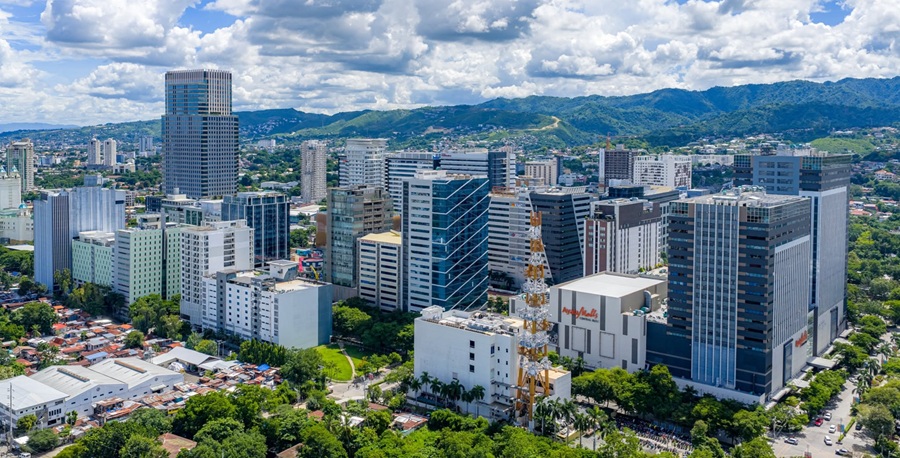
          These remain your safest bets. Vacancy rates here sit at a healthy 9 to 11 percent. Your tenant pool is filled with BPO executives, corporate expats, and high-earning locals. If you need to sell, these areas have the deepest buyer pool.

          Lahug and Banilad

          Strong residential areas with good rental demand from professionals and students. More affordable than the central business districts but still well-located.

          Mactan Island

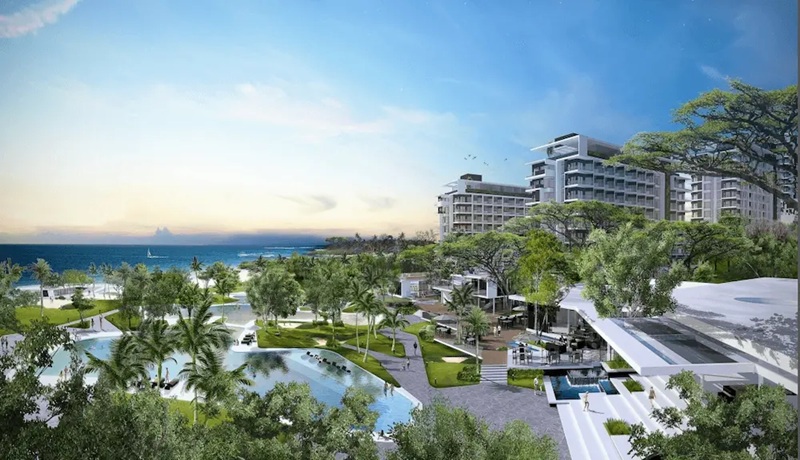
          Be highly cautious. While buying a luxury beachfront condo sounds incredible, Mactan is currently dealing with an oversupply of luxury vertical developments, with vacancy rates crossing 30 percent in some submarkets. Buy here only if you intend to live in it personally. As an investment, the numbers currently do not support a strong rental play.

          Mandaue City

          The up-and-coming business district. New developments like Ayala Malls Gatewalk and SM City J Mall are transforming the area. Prices are still more affordable than Cebu IT Park, making it a growth play for patient investors.


          The Honest Bottom Line

          Buying real estate in Cebu as a foreigner is entirely possible, but it requires careful navigation of legal restrictions, diligent document verification, and realistic expectations.

          You can own a condo outright. It’s the cleanest, most straightforward path for foreign buyers. The Condominium Act explicitly permits it.

          You cannot own land directly. The constitutional prohibition is absolute and non-negotiable. Ignoring it exposes you to criminal liability and forfeiture.

          The 99-year lease law does not apply to personal residential leases. It applies only to large-scale commercial investments. For residential land leases, the 50-year limit under PD 471 remains the rule.

          The SRRV visa is your best friend if you are over 50. It gives you residency and allows you to convert your deposit into a property purchase. The required deposit is $10,000 with a pension or $20,000 without one—not $50,000.

          You must respect the 40 percent cap. It’s not a suggestion—it’s the law, and it affects both your purchase and your eventual resale.

          You need professional help. Work with a licensed real estate broker, a Philippine lawyer, and verify everything independently. The cost of professional advice is far less than the cost of a bad deal.

          Cebu is a solid market. The fundamentals are strong—growing economy, rising middle class, infrastructure investment, and tourism recovery. But like any real estate market, location matters. IT Park, Cebu Business Park, and Lahug remain the strongest bets for both rental income and capital appreciation.


          This article is based on information available as of June 2026. Laws and regulations may change. Always conduct your own due diligence and consult with a licensed real estate professional and Philippine lawyer before making any investment decision.

            Author
            John Paul Ybañez Paquibot
            Licensed Real Estate Broker | PRC No. 00014132 | DHSUD No. CVRFO-B-03/18-2672
            Bachelors Realty and Brokerage, Inc. Cebu
            G/F Cap Building, Brgy. Corner, Osmeña Blvd.
            Arlington Pond St. Extension, Cebu City, 6000 Cebu
          • Cebu vs. Manila Real Estate Showdown: The Brutal 2026 Data-Driven Comparison – SeekCebu

            Cebu vs. Manila Real Estate Showdown

            If you’re reading this, you’ve probably asked yourself the same question I hear from investors every week: “Should I put my money in Manila or Cebu?”

            It’s a fair question. Manila is the capital. Cebu is the “Queen City of the South.” Both have compelling stories. But in 2026, the numbers tell a very different tale depending on what you’re actually trying to achieve.

            Let me walk you through the real data—no broker fluff, no sales pitch. Just the numbers and what they actually mean for your money.


            The Big Picture at a Glance

            Metro Manila’s average condo price per square meter sits at approximately ₱225,000, while Metro Cebu averages between ₱140,000 and ₱180,000 in prime areas. That translates to a median condo price of about ₱9.5 million in Manila versus roughly ₱6.4 million in Cebu.

            For studios specifically, you’re looking at around ₱7.5 million in Manila compared to ₱3.99 million in Cebu. One-bedroom units average ₱11.25 million in Manila versus ₱6.09 million in Cebu.

            Manila offers higher gross rental yields at about 6.49 percent for a one-bedroom unit, compared to Cebu’s 4.96 percent. However, Manila also faces a projected record-high vacancy rate of 25.6 percent by the end of 2026, while Cebu’s prime districts remain much tighter.

            The cost of living in Manila runs roughly 24 to 32 percent higher than in Cebu, which affects both your personal expenses and the affordability pool for your tenants.

            The bottom line: Manila offers higher potential returns but carries greater risk. Cebu offers more predictable cash flow with lower entry costs.


            Where Your Money Goes Further: Price Per Square Meter

            Let’s start with the most obvious question: how much property do you actually get for your money?

            In Metro Manila, the average price per square meter for a condo sits at around ₱225,000. In prime areas like Makati’s Ayala Center or Urdaneta, that number skyrockets to ₱380,000 per square meter. Even the more affordable Manila neighborhoods still command around ₱130,000 per square meter.

            Compare that to Cebu. In prime areas like the Cebu Business Park, you’re looking at ₱205,000 per square meter—still premium, but significantly less than Makati’s top tier. In more affordable Cebu neighborhoods like Banawa, prices drop to around ₱115,000 per square meter.

            What this means for your wallet: Cebu condo prices average roughly 30 percent lower than comparable Metro Manila locations. That ₱10 million that buys you a studio in Manila’s mid-tier areas can secure a spacious one-bedroom or even a two-bedroom unit in Cebu’s best neighborhoods.


            The Income Reality Check: Rental Yields and Oversupply

            Here’s where things get interesting—and where many investors get tripped up.

            On paper, Manila looks like the winner for rental income. The average gross rental yield for a one-bedroom condo in Metro Manila is 6.49 percent, compared to Cebu City’s 4.96 percent.

            But here’s the catch.

            Those Manila yields come with serious asterisks. Metro Manila is projected to hit a record-high vacancy rate of 25.6 percent by the end of 2026. Nearly 13,000 new condominium units are expected to be completed in 2026—almost double 2025 levels. The Bay Area alone could see vacancy approach 60 percent.

            What does that mean for you? Longer vacancy periods. Flat or declining rents. And more competition for tenants.

            Colliers noted that condominium lease rates in Metro Manila are expected to remain largely flat in 2026, with capital value recovery potentially pushed beyond 2026 due to elevated interest rates and inflation.

            Cebu’s story is more nuanced. While overall gross yields are lower, the market is more balanced in key areas.

            In Cebu IT Park, studios lease in an average of just 10 days with 95 percent occupancy. Lahug offers estimated 5.5 percent net yield with strong tenant depth. Mabolo studios deliver 7.7 percent gross yield with a ₱3.1 million entry point.

            Important warning: Cebu is not immune to risk. Mactan currently faces 30.4 percent vacancy—a clear signal that location selection is now critical.

            The bottom line: Manila offers higher potential yields, but Cebu offers more reliable yields. Your vacancy risk in Cebu’s prime districts is significantly lower, which means your actual cash flow may be more predictable.


            Test Your Numbers: The Net Yield Reality

            Gross yields look great on brochures, but net yield is what actually hits your bank account.

            Before you decide between Manila and Cebu, take five minutes to run the numbers through our [Cebu Real Estate ROI and Rental Yield Calculator]. Plug in purchase costs, estimated fit-out fees, association dues, and target rents to see your projected net yield instantly. The difference between gross and net returns often surprises first-time investors.


            The Hidden Drain: HOA Dues and Holding Costs

            This is the silent killer of Metro Manila investments. When comparing markets, you must look at operating expenses—not just purchase price and rent.

            Metro Manila association dues typically run ₱120 to ₱200 or more per square meter monthly in major central business districts. For a 50-square-meter one-bedroom unit, that is an automatic ₱6,000 to ₱10,000 stripped from your cash flow every single month, whether the unit is tenanted or vacant.

            Cebu association dues generally range from ₱80 to ₱120 per square meter. That same 50-square-meter unit costs ₱4,000 to ₱6,000 to maintain.

            During a three-month vacancy period, holding a unit in Manila will drain your reserves twice as fast as holding one in Cebu. This difference alone can wipe out Manila’s higher gross yield advantage during slow leasing periods.

            What this means for your wallet: Net yields in Manila after all costs typically fall between 2.8 and 4.3 percent. BGC net yields run around 3.6 to 4.1 percent. That ₱7.5 million studio might look great on paper, but the actual cash in your pocket could be significantly less once you factor in higher association dues and longer vacancy periods.


            The Tenant Pool Advantage: Cost of Living

            This is the factor that many investors overlook, but it directly impacts your rental pool and property appreciation.

            Manila is roughly 24 to 32 percent more expensive than Cebu overall.

            A meal at an inexpensive restaurant in Manila costs around ₱350, compared to ₱250 in Cebu—a 40 percent difference. Rent for a one-bedroom apartment in the city center is about 10 percent higher in Manila, while a three-bedroom apartment in the city center costs a staggering 78.5 percent more.

            This cost advantage matters for two reasons.

            First, your tenant pool. Cebu’s lower cost of living attracts a broader range of tenants—BPO workers, young professionals, students, and digital nomads who can afford quality housing without breaking their budgets.

            Second, property appreciation. As more people and businesses relocate from expensive Manila to more affordable Cebu, demand for quality housing continues to rise.


            Market Outlook: Where Is Each Market Headed?

            Metro Manila: The Oversupply Warning

            The warning signs are flashing. Colliers projects residential vacancy in Metro Manila to hit 25.6 percent by the end of 2026—an all-time high. Nearly 13,000 new condo units are coming online. The Bay Area alone faces acute oversupply risk.

            Higher interest and mortgage rates are weighing on Metro Manila residential recovery. While preselling activity has rebounded—up 765 percent year-on-year—much of this is driven by aggressive promotions and flexible payment schemes, not necessarily organic demand.

            The takeaway: Manila remains the most liquid real estate market in the Philippines. But 2026 is a buyer’s market. If you’re buying in Manila, you have negotiating power—but you also face the risk of buying into an oversupplied segment.

            Cebu: The Balanced Growth Story

            Cebu presents a more complex but arguably healthier picture.

            Cebu IT Park vacancy sits at 11.1 percent—healthy by any standard. Cebu Business Park is even tighter at 9.3 percent. Mactan, however, faces 30.4 percent vacancy—a clear warning for that submarket.

            Colliers projects Cebu will continue dominating transactions outside Metro Manila. The decentralization trend favoring key regional hubs like Cebu is expected to persist beyond 2026.

            Residential demand across the Visayas and Mindanao remains strong, with an 87 percent condominium take-up rate in the first quarter of 2026. For house-and-lot developments, the take-up rate reached 92 percent.

            The takeaway: Cebu is not a single market. IT Park, Cebu Business Park, and Lahug remain solid. Mactan and fringe areas carry more risk. Location selection is now critical.


            The Developer Factor

            One of the most underappreciated differences between Manila and Cebu is the developer landscape.

            In Manila, you have the full range of national developers—Ayala Land, SMDC, Megaworld, DMCI, and many others. The market is saturated with options, which means more competition and more promotional gimmicks.

            In Cebu, you have a mix of national developers and strong local players like Cebu Landmasters, Primary Homes, and Johndorf Ventures. Cebu Landmasters, for example, posted ₱24.6 billion in reservation sales in 2025—up 45 percent year-on-year. They’re investing ₱14 billion for 2026 expansion.

            The bottom line: Cebu’s local developers have deep roots and strong track records. They’re not just building and leaving—they’re building communities and staying.


            The Verdict: Who Should Invest Where?

            Consider Investing in Metro Manila If:

            You have ₱15 million or more to deploy and want maximum liquidity—Manila is still the easiest market to buy and sell. You’re targeting ultra-premium segments like BGC, Makati CBD, or Rockwell where luxury demand remains stable. You’re a seasoned investor who can navigate oversupply risks and negotiate hard. You need corporate-grade office and commercial exposure.

            But be warned: Higher yields come with higher vacancy risk. Net yields in Manila after all costs typically fall between 2.8 and 4.3 percent. BGC net yields run around 3.6 to 4.1 percent. Your ₱7.5 million studio might look great on paper, but the actual cash in your pocket could be significantly less.

            Consider Investing in Metro Cebu If:

            You’re an OFW looking for a stable, manageable investment with lower entry costs. You want reliable cash flow with lower vacancy risk in prime districts. You’re a first-time investor who wants to learn the market without risking ₱15 million plus. You believe in the decentralization trend—more businesses and people moving out of Manila. You’re looking for affordable entry points like studios under ₱4 million in good locations.

            Cebu’s sweet spot: IT Park studios and one-bedroom units, Lahug properties near Salinas Drive, and Mabolo studios. These areas offer the best balance of yield, occupancy, and liquidity.


            The Honest Bottom Line

            Manila offers higher potential yields but carries greater risk. The oversupply situation is real, and flat rents combined with record-high vacancy suggest a challenging landlord environment in 2026. If you can afford to hold through a downturn and have the capital to buy in prime locations, Manila can still work.

            Cebu offers lower yields but more predictable cash flow. The market is more balanced, vacancy in prime areas is healthier, and the entry cost is significantly lower. You won’t get rich overnight, but you’re also less likely to lose sleep over vacant units.

            The real question isn’t “Manila or Cebu?”

            It’s “What kind of investor are you?”

            If you want maximum returns and can handle maximum risk, Manila might be your game. If you want steady, predictable income with lower stress and lower entry costs, Cebu is the smarter play.

            And if you want both? Consider building a diversified portfolio. A mix of Manila’s liquidity and Cebu’s stability might be the most prudent strategy of all.

            And if you want to explore specific Cebu opportunities, check out our Ultimate Guide to Buying Real Estate in Cebu or browse our Project Profiles and Reviews .
            Cebu Real Estate Market Outlook 2026–2030


            This article is based on data available as of June 2026. Market conditions change. Always conduct your own due diligence and consult with a licensed real estate professional before making investment decisions.

              Author
              John Paul Ybañez Paquibot
              Licensed Real Estate Broker | PRC No. 00014132 | DHSUD No. CVRFO-B-03/18-2672
              Bachelors Realty and Brokerage, Inc. Cebu
              G/F Cap Building, Brgy. Corner, Osmeña Blvd.
              Arlington Pond St. Extension, Cebu City, 6000 Cebu

            • What is the penalty for cancelling a mortgage? – SeekCebu

              penalty for cancelling a mortgage

              Stopping payments on your condo mortgage in the Philippines is a serious financial and legal matter. It triggers a predictable—but often overwhelming—chain of events that can ultimately lead to the loss of your property. Simply put, you will face penalties, damage your credit record, and eventually lose your unit if the situation is not addressed.

              But the crucial truth is: you are not powerless. Philippine law provides specific safeguards for buyers in default, and banks would almost always prefer to negotiate than to foreclose. Understanding both the risks and your rights is the first step toward protecting your asset—or exiting the situation with as much dignity and capital as possible.


              The Immediate Consequences: What Happens First

              When you miss a payment, the bank does not wait. The consequences begin almost immediately.

              Compounding Penalties and Fees. You will be charged late payment fees. Most private banks charge a percentage on the overdue amount—typically 1 to 2 percent for each month you are late. For government housing loans like Pag-IBIG, the penalty is calculated daily. Pag-IBIG charges a penalty of 1/20 of 1% for every day of delay. This means if your monthly amortization is 10,000 pesos, a single day’s penalty is 5 pesos. Over a month, that is 150 pesos. Over several months, these costs snowball rapidly. Some private banks have even steeper penalties. For example, certain HSBC mortgage products have charged an annual late payment penalty of 20 percent.

              Aggressive Collection. Expect formal demand letters, calls, and possibly visits. While you cannot be jailed for non-payment of debt in the Philippines—the Constitution explicitly prohibits imprisonment for debt—the collection process is designed to be persistent and stressful. Collection agencies are regulated, but the process can still be overwhelming.

              Credit Blacklisting. Your default will be reported to the Credit Information Corporation (CIC) , the government agency that consolidates borrowing and payment records. Negative credit entries typically stay on your report for 3 to 7 years, depending on the credit bureau and the type of account. This “black mark” will make it very difficult to get future loans, credit cards, or even certain types of employment. Banks check your credit history before approving any new loan, and a foreclosure or serious delinquency is a major red flag.


              The Foreclosure Process: The “Nuclear Option”

              If you fail to resolve the arrears—usually after 3 to 6 months of missed payments—the bank will initiate foreclosure. This is the legal process of reclaiming the property to recover your debt.

              There are two main types of foreclosure in the Philippines:

              1. Extrajudicial Foreclosure: This is the most common and faster method. It happens “outside of court.” If your loan contract contains a “power of sale” clause, the bank can foreclose on the property through a notary public without going to court. The process is streamlined and typically takes less time than judicial foreclosure.
              2. Judicial Foreclosure: This is a slower process where the bank files a complaint in the Regional Trial Court where the property is located. It is less common because it is more expensive and time-consuming for the bank.

              The Extrajudicial Foreclosure Timeline

              Notice of Default. You receive a formal demand letter. This is your final warning to pay. The letter will specify the amount you owe, including penalties and fees, and will state a deadline for payment.

              Notice of Sale. If the debt remains unpaid, a Notice of Sale is published in a newspaper of general circulation and posted in public places. This notice announces the date, time, and location of the public auction.

              Public Auction. The condo is sold to the highest bidder to cover your loan balance. The auction is typically held at the office of the sheriff or the notary public. The starting bid is usually the outstanding loan balance plus interest and fees.

              Deficiency Judgment. If the auction price is less than your total debt—including penalties, legal fees, and other costs—the bank can sue you for the remaining balance. This is called a deficiency judgment. Court records show deficiency claims ranging from ₱283,000 to over ₱450,000 after foreclosure sales. This means you could lose your property and still owe the bank a substantial amount of money.

              Consolidation of Title. If you fail to “redeem” the property within the redemption period, the bank or winning bidder “consolidates” ownership. The bank applies for a new title in its name. You will then be served a Writ of Possession, which is a court order directing the sheriff to remove you from the property. You are legally required to vacate.


              Your Legal Safety Nets: The Maceda Law (RA 6552)

              You are not without protection. Republic Act No. 6552, also known as the Realty Installment Buyer Protection Act or the Maceda Law, is the most important safeguard for buyers of real estate on installment payments. It covers residential condominium apartments but excludes industrial lots and commercial buildings. This law is powerful because it gives you rights that the bank cannot override.

              If You Have Paid at Least Two Years of Installments

              You are entitled to the following rights in case of default:

              Grace Period. You earn one month of grace period for every year of installment payments made, during which you can pay without additional interest. For example, if you have paid for three years, you get a three-month grace period. This right can be exercised only once every five years.

              Cash Surrender Value (Refund). If the contract is canceled, the seller must refund 50 percent of your total payments made. After five years of installments, an additional 5 percent is added every year, up to a maximum of 90 percent. So if you have paid for 10 years, you are entitled to 90 percent of all your payments back. Down payments, deposits, and options are included in this computation.

              Mandatory Cancellation Steps. The contract can only be canceled 30 days after you receive a notarized notice of cancellation, and only upon full payment of the cash surrender value to you. If the seller fails to comply with these steps, the cancellation is void and the contract remains valid. This means you cannot simply be kicked out without notice and without receiving your refund.

              If You Have Paid Less Than Two Years of Installments

              You are entitled to:

              Grace Period. The seller must give you a grace period of not less than 60 days from the date the installment became due. This gives you two full months to catch up on your payments.

              Mandatory Cancellation Steps. If you fail to pay within the grace period, the seller may cancel the contract 30 days after you receive a notarized notice of cancellation.

              Additional Rights Under the Maceda Law

              During the grace period and before actual cancellation, you have the right to:

              Sell or Assign Your Rights. You can sell or assign your rights to another person through a notarial act (a “pasalo”). This allows you to transfer the property and the remaining loan obligation to a buyer who can take over the payments.

              Reinstate the Contract. You can reinstate the contract by updating your account—paying the overdue amounts and bringing the loan current.

              Pay the Full Unpaid Balance in Advance. You can pay the full unpaid balance at any time without interest, and have this payment annotated on the property’s certificate of title. This gives you the right to settle the debt early if you find the funds.


              The One-Year Redemption Period

              After an extrajudicial foreclosure auction, you have one full year to reclaim your property. This is your last chance to save your unit.

              During this period, you can redeem the property by paying the full auction price, plus interest, taxes, and legal fees. This can be a substantial amount, but it is often less than the total debt you would owe if the bank kept the property.

              If you fail to redeem within that year, the bank or winning bidder consolidates ownership and you will be required to vacate. The redemption period is a critical protection because it gives you time to arrange financing or find a buyer.


              The Pag-IBIG Condonation of Penalties Program

              If your loan is with Pag-IBIG Fund, you may be eligible for their Condonation of Penalties program. This is a significant benefit that borrowers with private banks do not have.

              The program allows you to apply for forgiveness of penalties and surcharges that have accrued on your overdue loan. The key requirement is that your account has not yet been classified as a bank-acquired asset (ROPA) . This means you need to apply before the property is foreclosed and transferred to the bank’s inventory.

              To qualify, you typically need to show a willingness to pay. You are usually required to make a down payment—historically around 10 percent of the total amount due—and then commit to a payment plan for the remaining balance. If you comply with the plan, the penalties are waived.

              This program is designed to help borrowers who have fallen behind but want to keep their homes. If you have a Pag-IBIG loan and are struggling, this is worth investigating immediately.


              The Deficiency Judgment Risk

              One of the most overlooked dangers of foreclosure is the deficiency judgment. This is the bank’s right to sue you for the difference between your total debt and the auction sale price.

              Here is how it works. You owe 2 million pesos on your mortgage. Your property is auctioned for 1.5 million pesos. The bank takes the 1.5 million, but you still owe 500,000 pesos. The bank can sue you in court to collect that 500,000 pesos, plus interest and legal fees.

              Court records show deficiency claims that range from 283,000 pesos to well over 450,000 pesos after a foreclosure sale. This means you could lose your property and still be pursued by the bank for years to come.

              In some cases, deficiency judgments are difficult for banks to collect because many borrowers are already financially distressed. But the legal right exists, and banks do pursue these claims, particularly when the amounts are significant.


              Your Action Plan: What To Do Now

              Do not wait until the bank initiates foreclosure. Proactive communication is your only leverage. The bank’s goal is to be paid, not to be a landlord. They are often willing to work with borrowers who communicate early and transparently.

              1. Stop Procrastinating. Ignoring the bank’s letters is the worst thing you can do. It makes you appear uncooperative, which limits their willingness to help. The longer you wait, the more penalties accrue and the closer you get to foreclosure.

              2. Request Loan Restructuring. Immediately contact your bank’s Remedial or Asset Recovery team. Ask if you can:

              • Extend your loan term to lower monthly payments.
              • Reduce your interest rate.
              • Get a temporary payment holiday or grace period.

              Pag-IBIG Fund, for example, offers up to six months of payment relief and more affordable restructuring options. Senator Mark Villar has also filed a resolution urging government financial institutions to provide loan moratoriums, grace periods, and penalty condonation to help Filipinos cope with rising costs.

              Put your request in writing and document all communications. Be honest about your financial situation. Banks are more likely to help borrowers who are transparent.

              3. Consider a Voluntary Exit (Dacion en Pago). You can offer to voluntarily transfer the title to the bank in exchange for a full release of your debt. This is called Dacion en Pago. It avoids the legal mess and costs of foreclosure, and it can be faster and less damaging to your credit record. While the bank is not legally obligated to accept, it is worth proposing. Some banks accept Dacion en Pago for properties worth up to a certain amount (for example, up to 5 million pesos in some banks).

              4. Voluntary Sale (“Pasalo”). With the bank’s permission, find a buyer yourself. You sell the unit, pay off the loan, and potentially walk away with whatever profit is left. This is almost always better than an auction price, which is often lower than market value. The pasalo arrangement is common in the Philippines and can be a win-win: you avoid foreclosure, and the buyer gets a property at a fair price.

              5. Consult a Real Estate Lawyer. If you receive a Notice of Foreclosure, hire a lawyer immediately. They can check for procedural errors—like improper publication or insufficient notice—that might allow you to stop or delay the sale. The procedures under the Maceda Law are strictly mandatory; if the seller fails to comply, the cancellation is void. A lawyer can also help you negotiate with the bank and protect your rights.


              Final Take

              Stopping mortgage payments is a financial emergency, not a personal failure. The consequences are real: compounding penalties, aggressive collections, credit blacklisting that can last 3 to 7 years, deficiency judgments that can haunt you for years, and ultimately the loss of your property.

              But you are not powerless. The Maceda Law (RA 6552) provides specific protections, including grace periods and cash surrender value refunds. The one-year redemption period gives you a last chance to reclaim your property. Government lenders like Pag-IBIG offer penalty condonation programs that can waive significant amounts of your debt.

              And banks—whether private or government—are often willing to negotiate loan restructuring or payment relief if you communicate early and transparently. Their goal is to be paid, not to be a landlord. They would almost always prefer a restructured loan over a lengthy and expensive foreclosure process.

              Act fast. Know your rights. Explore every exit strategy before the bank’s legal department takes control of your asset. And if you receive a Notice of Foreclosure, do not hesitate to consult a qualified real estate lawyer who can protect your rights and check for procedural violations.

              The key is to act before it is too late. Every day you wait, the penalties grow, the legal process advances, and your options narrow. Contact your bank today.

              You might want to read

              What happens if you stop paying your condo mortage
              Foreclosed properties in Cebu
              Flipping a condo for profit


              Disclaimer: This article is for informational purposes only and does not constitute legal or financial advice. Foreclosure laws are complex and contract-dependent. Every individual’s situation is unique. Before making any decisions, it is highly recommended that you consult with a qualified legal or financial professional.

                Author
                John Paul Ybañez Paquibot
                Licensed Real Estate Broker | PRC No. 00014132 | DHSUD No. CVRFO-B-03/18-2672
                Bachelors Realty and Brokerage, Inc. Cebu
                G/F Cap Building, Brgy. Corner, Osmeña Blvd.
                Arlington Pond St. Extension, Cebu City, 6000 Cebu

              • What Happens If You Stop Paying Your Condo Mortgage? (2026 Guide) – SeekCebu

                What Happens If You Stop Paying Your Condo Mortgage

                Stopping payments on your condo mortgage in the Philippines is a serious financial and legal matter. It triggers a predictable—but often overwhelming—chain of events that can ultimately lead to you losing your property. Simply put, you will face penalties, damage your credit record, and eventually lose your condominium unit if the situation is not addressed.

                But here is the crucial truth: you are not without protection. Philippine law provides specific safeguards for buyers in default, and banks would almost always prefer to negotiate than to foreclose. Understanding both the risks and your rights is the first step toward protecting your asset—or exiting the situation with as much dignity and capital as possible.


                The Immediate Consequences: What Happens First

                When you miss a payment, the bank does not wait. The consequences begin almost immediately.

                Compounding Penalties and Fees. You will be charged late payment fees. Most private banks charge a percentage on the overdue amount—typically 1 to 2 percent for each month you are late. For government housing loans like Pag-IBIG, the penalty is calculated daily (e.g., 1/20 of 1% per day of delay). These costs snowball rapidly. For context, a Land Bank of the Philippines loan carried a 12% per annum penalty charge in case of default—and while terms vary, the principle is the same: penalties can quickly become overwhelming.

                Aggressive Collection. Expect formal demand letters, calls, and possibly visits. While collection practices are regulated and you cannot be jailed for non-payment of debt in the Philippines, the process is designed to be persistent and stressful.

                Credit Blacklisting. Your default will be reported to the Credit Information Corporation (CIC), the government agency that consolidates borrowing and payment records. Negative credit entries typically stay on your report for 3 to 7 years, depending on the credit bureau and the type of account. This “black mark” will make it very difficult to get future loans, credit cards, or even certain types of employment.


                The Foreclosure Process: What Happens Next

                If you fail to resolve the arrears—usually after 3 to 6 months of missed payments—the bank will initiate foreclosure. This is the legal process of reclaiming the property to recover your debt.

                There are two main types of foreclosure in the Philippines:

                1. Extrajudicial Foreclosure: This is the most common and faster method. It happens “outside of court.” If your loan contract contains a “power of sale” clause, the bank can foreclose on the property through a notary public without going to court.
                2. Judicial Foreclosure: This is a slower process where the bank files a complaint in the Regional Trial Court.

                The extrajudicial foreclosure timeline generally follows these steps:

                1. Notice of Default: You receive a formal demand letter. This is your final warning to pay.
                2. Notice of Sale: If the debt remains unpaid, a Notice of Sale is published in a newspaper of general circulation and posted in public places.
                3. Public Auction: The condo is sold to the highest bidder to cover your loan balance.
                4. Deficiency Judgment: If the auction price is less than your total debt, the bank can sue you for the remaining balance. Court records show deficiency claims ranging from ₱283,000 to over ₱450,000 after foreclosure sales.
                5. Consolidation of Title: If you fail to “redeem” the property, the bank or winning bidder consolidates ownership. You will be served a Writ of Possession and required to vacate.

                Your Legal Safety Nets: The Maceda Law (RA 6552)

                You are not without protection. Republic Act No. 6552, also known as the Realty Installment Buyer Protection Act or the Maceda Law, is the most important safeguard for buyers of real estate on installment payments. It covers residential condominium apartments but excludes industrial lots and commercial buildings.

                If You Have Paid at Least Two Years of Installments

                You are entitled to the following rights in case of default:

                • Grace Period: You earn one month of grace period for every year of installment payments made, during which you can pay without additional interest. This right can be exercised only once every five years.
                • Cash Surrender Value (Refund): If the contract is canceled, the seller must refund 50 percent of your total payments made. After five years of installments, an additional 5 percent is added every year, up to a maximum of 90 percent. Down payments, deposits, and options are included in this computation.
                • Mandatory Cancellation Steps: The contract can only be canceled 30 days after you receive a notarized notice of cancellation, and only upon full payment of the cash surrender value to you. If the seller fails to comply with these steps, the cancellation is void and the contract remains valid.

                If You Have Paid Less Than Two Years of Installments

                You are entitled to:

                • Grace Period: The seller must give you a grace period of not less than 60 days from the date the installment became due.
                • Mandatory Cancellation Steps: If you fail to pay within the grace period, the seller may cancel the contract 30 days after you receive a notarized notice of cancellation.

                Additional Rights Under the Maceda Law

                During the grace period and before actual cancellation, you have the right to:

                • Sell or assign your rights to another person through a notarial act (a “pasalo”).
                • Reinstate the contract by updating your account.
                • Pay the full unpaid balance in advance at any time without interest, and have this payment annotated on the property’s certificate of title.

                The One-Year Redemption Period

                After an extrajudicial foreclosure auction, you have one full year to reclaim your property. This is your last chance to save your unit.

                During this period, you can redeem the property by paying the full auction price, plus interest, taxes, and legal fees. If you fail to redeem within that year, the bank or winning bidder consolidates ownership and you will be required to vacate.


                Your Action Plan: What to Do If You Are Struggling

                Do not wait until the bank initiates foreclosure. Proactive communication is your only leverage. The bank’s goal is to be paid, not to be a landlord. They are often willing to work with borrowers who communicate early and transparently.

                1. Stop Procrastinating. Ignoring the bank’s letters is the worst thing you can do. It makes you appear uncooperative, which limits their willingness to help.

                2. Request Loan Restructuring. Immediately contact your bank’s Remedial or Asset Recovery team. Ask if you can:

                • Extend your loan term to lower monthly payments.
                • Reduce your interest rate.
                • Get a temporary payment holiday or grace period.

                Pag-IBIG Fund, for example, offers up to six months of payment relief and more affordable restructuring options. Senator Mark Villar has also filed a resolution urging government financial institutions to provide loan moratoriums, grace periods, and penalty condonation to help Filipinos cope with rising costs.

                3. Consider a Voluntary Exit (Dacion en Pago). You can offer to voluntarily transfer the title to the bank in exchange for a full release of your debt. This avoids the legal mess and costs of foreclosure. While the bank is not legally obligated to accept, it is worth proposing.

                4. Voluntary Sale (“Pasalo”). With the bank’s permission, find a buyer yourself. You sell the unit, pay off the loan, and potentially walk away with whatever profit is left. This is almost always better than an auction price, which is often lower than market value.

                5. Consult a Real Estate Lawyer. If you receive a Notice of Foreclosure, hire a lawyer immediately. They can check for procedural errors—like improper publication or notice—that might allow you to stop or delay the sale. The procedures under the Maceda Law are strictly mandatory; if the seller fails to comply, the cancellation is void.


                Final Take

                Stopping payments on your condo mortgage is a serious financial emergency—not a personal failure. The consequences are real: compounding penalties, aggressive collections, credit blacklisting that can last 3 to 7 years, and ultimately the loss of your property through foreclosure.

                But you are not powerless. The Maceda Law (RA 6552) provides specific protections, including grace periods and cash surrender value refunds. The one-year redemption period gives you a last chance to reclaim your property. And banks—whether private or government like Pag-IBIG—are often willing to negotiate loan restructuring or payment relief if you communicate early and transparently.

                Act fast. Know your rights. Explore every exit strategy before the bank’s legal department takes control of your asset. And if you receive a Notice of Foreclosure, do not hesitate to consult a qualified real estate lawyer who can protect your rights and check for procedural violations.

                You might want to read

                How to flip a condo for profit
                Foreclosed properties in Cebu


                Disclaimer: This article is for informational purposes only and does not constitute legal or financial advice. Foreclosure laws are complex and contract-dependent. Every individual’s situation is unique. Before making any decisions, it is highly recommended that you consult with a qualified legal or financial professional.

                  Author
                  John Paul Ybañez Paquibot
                  Licensed Real Estate Broker | PRC No. 00014132 | DHSUD No. CVRFO-B-03/18-2672
                  Bachelors Realty and Brokerage, Inc. Cebu
                  G/F Cap Building, Brgy. Corner, Osmeña Blvd.
                  Arlington Pond St. Extension, Cebu City, 6000 Cebu

                • Infrastructure Driving Cebu Real Estate in 2026 (CCLEX, BRT & New Port Projects)- SeekCebu

                  Infrastructure shapes property values. It always has. When a new road, bridge, or port opens, land prices nearby follow. This is not new. But in Cebu right now, a wave of major infrastructure projects is fundamentally rewriting the real estate map—and the effects are already visible.

                  The Cebu-Cordova Link Expressway (CCLEX), the Cebu Bus Rapid Transit (BRT) system, and the New Cebu International Container Port (NCICP) are the three biggest pieces of this puzzle. Each is at a different stage of completion. Each carries a different set of opportunities and risks. And each will affect where you should buy, rent, or invest in 2026 and beyond.

                  This guide breaks down each project honestly—with the numbers, the timelines, and the hard truths that marketing materials rarely mention.


                  Local Context: The “On-the-Ground” Reality

                  If you drive through Cebu IT Park today, you see a bustling hub—coffee shops full of young professionals, office towers gleaming in the afternoon sun, and a palpable energy that suggests endless opportunity. But if you look at the vacancy data, you see a market that is cooling. Office demand fell 66 percent year-on-year in the first quarter of 2026. Rents are softening. Shadow supply is a growing concern.

                  Meanwhile, the Cebu Bus Rapid Transit system began partial operations on March 13, 2026. Seventeen CiBus units now run the Il Corso–IT Park route through Osmeña Boulevard, covering the initial 2.38-kilometer corridor from the Cebu South Bus Terminal to the Capitol. But the rollout has been far from smooth. Traffic congestion has intensified, and Mayor Nestor Archival has publicly defended the lane setup, acknowledging that the adjustments are temporary and meant to deliver long-term efficiency. Commuters have described the first rides as “smooth” but note that significant adjustments are still needed.

                  This disconnect—between what you see and what the numbers say—is exactly why professional due diligence is more important in 2026 than it was a year ago. The bustling streets mask a market that is becoming increasingly selective. Only the best locations, the highest-quality buildings, and the most strategic sectors will deliver strong returns. The days of buying any property near any infrastructure project and automatically making money are over.


                  CCLEX: The Bridge That Unlocked the South

                  Cebu-Cordova Link Expressway

                  The Cebu-Cordova Link Expressway opened in April 2022. It is 8.9 kilometers long. It links the South Road Properties (SRP) directly to Cordova on Mactan Island. Before CCLEX, Cordova was a quiet town with limited road access. Getting there meant a long drive around Mactan. That changed overnight.

                  The Numbers Tell the Story

                  The impact on property values has been nothing short of dramatic. Land in Cordova was valued at around 500 pesos per square meter before construction started. By 2020, prices had already climbed to 5,000 pesos per square meter. That is a 900 percent increase. Since the bridge opened, property developers have been moving in fast.

                  Daily vehicle usage has more than doubled, jumping from 6,000 to over 12,500 vehicles per day. This increased connectivity is making areas like Cebu City, Mandaue, and Lapu-Lapu even more attractive, and property values there are reflecting that.

                  The SRP itself has also benefited. The reclaimed district is now more accessible from Mactan and the south. Condos in SRP are newer and priced below IT Park levels, making them attractive to families and first-time buyers.

                  What to Watch in 2026: The Guadalupe Ramp

                  The Guadalupe Ramp

                  The most critical CCLEX development in 2026 is the Guadalupe ramp—a project that has been years in the making and has gone through multiple redesigns.

                  Originally, the ramp was designed to pass through V. Rama Avenue, directly connecting CCLEX to the heart of Cebu City. But this posed a major problem: around 300 to 400 families would have been displaced.

                  Following a formal request from Mayor Nestor Archival, CCLEX management proposed a revised alignment. The ramp will now be built toward the South Road Properties via a viaduct, specifically near the Compania Maritima area. The new design eliminates the need for residential displacement.

                  The shift to a viaduct-based alignment is expected to simplify construction and accelerate implementation, as it avoids right-of-way and relocation issues that have long delayed the project. The city government is set to meet with CCLEX officials in the coming weeks to review the updated project overview, including design details, cost estimates, and timeline. Archival has been pushing hard to get it started: “This year, the area will open, and we can expect more vehicles, and there will be more traffic. Two months ago, I requested CCLEX to start the ramp because it is very important to decongest traffic in the SRP.”

                  CCLEX officials previously projected completion of the ramp by 2026, subject to resolution of right-of-way and relocation issues. With the redesign now avoiding those issues, the timeline may finally be achievable.

                  The Bigger Picture: An Interchange and a Skyway

                  Beyond the Guadalupe ramp, two other major CCLEX-related projects are in the pipeline.

                  First, CCLEX is prioritizing the construction of a major interchange along the Cebu South Coastal Road (CSCR). This is intended to address traffic surges expected with the opening of the 16,000-seat SM Arena at the South Road Properties.

                  Second, a proposed four-lane skyway will connect the Mactan-Cebu International Airport to CCLEX and other key areas in Lapu-Lapu City. Construction could begin by late 2026 after the completion of detailed designs, which are expected within five months. The project could be delivered in about a year and a half once construction starts.

                  The Real Estate Implication

                  For buyers, land along the CCLEX corridor is still cheaper than central Cebu. But prices are rising. When the Guadalupe ramp opens, travel times will drop further—and another price increase in Cordova and the SRP corridor is widely expected.

                  The window to buy at current prices is closing. Act before the gap closes.


                  Cebu BRT: A Cornerstone Project Finally Moving—But Not Without Pain

                  Cebu Bus Rapid Transit system

                  The Cebu Bus Rapid Transit system was supposed to be the transformative solution to the Queen City of the South’s traffic woes. Instead, it has become a cautionary tale of delays, political infighting, and shrinking ambition. But in 2026, something finally happened: it actually started running.

                  The Partial Operations

                  On March 13, 2026, the Cebu Bus Rapid Transit system began partial operations. Seventeen CiBus units now ply the Il Corso–IT Park route through Osmeña Boulevard, covering the initial 2.38-kilometer corridor from the Cebu South Bus Terminal to the Capitol.

                  The Department of Transportation officially announced the start of partial operations, with median lanes along key road sections closed to general traffic to facilitate the system. Free rides were made available daily from 6:00 a.m. to 9:00 a.m. and from 5:00 p.m. to 8:00 p.m. to support commuters and provide accessible public transportation.

                  Commuters and officials described the first day of the rollout as generally smooth, although passengers may still need time to adjust to the new station-based transport system. City officials acknowledged that commuters may still experience traffic congestion because the project remains only partially completed.

                  The Growing Pains

                  The rollout has not been without controversy. Just days after the partial launch, Mayor Nestor Archival opened parts of the BRT lanes to jeepneys on March 19, citing the small number of buses currently deployed. He has assured Cebuanos that the traffic congestion following the partial rollout is temporary, stressing that the project is meant to instill discipline and deliver long-term efficiency.

                  As one city official put it: “Dili na siya actually partial. Full operation na gyud na siya sa Package 1 from Il Corso to IT Park. Padayon na gyud na siya”. Package 1 is now considered fully operational within its defined corridor.

                  The Funding Crisis

                  The project’s financial situation has deteriorated dramatically. In January 2026, the World Bank canceled $59.9 million from the $116 million IBRD loan, reducing its value to $56.1 million. The entire $25 million Clean Technology Fund loan was also canceled.

                  In total, more than half of the $141 million World Bank financing package—$84.9 million—has been cut, leaving about $56.1 million available.

                  Only $40.62 million, or about 29 percent of World Bank loans, has actually been disbursed. Funding from the Agence Française de Développement has similarly lagged, with just €3 million released out of €50.89 million.

                  The World Bank rated both implementation progress and achievement of project objectives as “unsatisfactory,” pointing to prolonged procurement delays and failure to meet key milestones.

                  What This Means for Real Estate

                  The BRT is finally running—but it is a fraction of what was originally promised. The original Bulacao-to-Talamban route has been significantly altered, with portions realigned to pass through the SRP and key commercial areas—a move that has raised concerns that it now favors business districts over the commuting public.

                  For now, the BRT is a modest driver of property appreciation along its existing corridor. It is no longer a speculative project—it is a real, operational transport system. But its limited scope means its impact on property values is similarly limited. It is a project to watch as it expands—but not one to bet heavily on in 2026.


                  New Port Projects: Cebu’s Logistics Future

                  While the BRT struggles, Cebu’s port infrastructure is quietly marching forward. The New Cebu International Container Port (NCICP) is the centerpiece of this effort—and it is already under construction.

                  The New Cebu International Container Port

                  New Cebu International Container Port

                  The NCICP broke ground on February 5, 2025, in Tayud, Consolacion. It is a 16-billion-peso project that will develop a modern container terminal on a 25-hectare reclaimed island.

                  The facility will feature a 500-meter berth with a depth of 12 meters, capable of accommodating two 2,000-TEU vessels, along with five quay cranes. It will also include a 1,365-meter access road and a 300-meter offshore bridge linking it to the main road network.

                  Designed to handle all foreign containerized cargo, the facility is expected to position Cebu as a central logistics gateway connecting the country’s three main island groups—the Visayas, Mindanao, and Luzon.

                  The project is expected to be completed in December 2027.

                  The Economic Impact

                  Maritime Industry Authority Administrator Sonia Malaluan emphasized that Cebu’s strategic location at the heart of the archipelago has long enabled efficient inter-island connectivity, making it a natural hub for trade and logistics. With the coming completion of the new container port, the province is expected to take a major leap forward.

                  The new port is projected to substantially increase cargo-handling capacity, accommodate larger vessels, and decongest existing facilities.

                  The On-the-Ground Reality

                  Construction is not without its challenges. Residents of Barangay Tayud, Consolacion, have expressed frustration over loud noise and dust from the ongoing port construction. The complaints have reached the general contractor, HJ Shipbuilding and Construction Corp., which has expressed willingness to adjust working hours to 9 p.m..

                  The project remains on schedule for its December 2027 completion and eventual turnover to the Department of Transportation.

                  What This Means for Real Estate

                  The NCICP and related port developments are significant drivers of industrial and logistics real estate. Cebu’s warehouse supply already exceeds 5 million square meters with a remarkable 97 percent occupancy rate—the lowest vacancy among the country’s industrial hubs at just 1.05 percent. Cold chain storage is even tighter at 2 percent vacancy.

                  The new port will only increase demand for logistics and industrial spaces in surrounding areas. Emerging hotspots like Consolacion, Danao, and Naga are already seeing increased interest. For investors, this is where the fundamentals are strongest.


                  The Broader Infrastructure Pipeline

                  4th Cebu-Mactan Bridge

                  Beyond CCLEX, BRT, and the port projects, Cebu has a broader pipeline of infrastructure developments that industry leaders say are designed not merely as transport facilities, but as platforms that unlock economic activity across sectors.

                  These include the 4th Cebu-Mactan Bridge, the Mandaue Coastal Road, and the Metro Cebu Expressway. The Metro Cebu Urban Mass Rapid Transit—a railway service that will connect Danao City to Carcar City through a 67.5-kilometer railway, plus a 25-kilometer line to the airport—is also in the pipeline, with a feasibility study expected to start by October 2026.

                  These projects are expected to ease congestion, improve connectivity, and support industrial and commercial expansion, reinforcing Cebu’s competitiveness as a business destination.


                  The Investor’s Take: Separating Signal from Noise

                  Infrastructure drives real estate values—but not all infrastructure is created equal, and not all projects deliver on their promises.

                  CCLEX is the proven winner. The bridge is already operating, daily traffic has more than doubled, and property values in Cordova have already increased 900 percent. The Guadalupe ramp, now redesigned to avoid displacement issues, is the next catalyst. When it opens, expect another price increase in Cordova and the SRP corridor. The window to buy at current prices is closing.

                  The BRT is finally operational but limited. Partial operations began on March 13, 2026, with 17 buses running a 2.38-kilometer route. The system is real and running—but it is a fraction of what was originally envisioned. Its impact on property values is real but modest. It is a project to watch as it expands—but not one to bet heavily on in 2026.

                  The New Port is the long-term play. The NCICP is already under construction and on track for completion by December 2027. It will substantially increase cargo-handling capacity and position Cebu as a central logistics gateway. For industrial and logistics real estate, this is where the fundamentals are strongest. Emerging hotspots like Consolacion, Danao, and Naga offer ground-floor opportunities.


                  Final Take

                  Cebu’s infrastructure boom in 2026 is not a single story. It is three distinct narratives playing out simultaneously.

                  CCLEX is delivering proven value, with the Guadalupe ramp poised to unlock another wave of appreciation. The BRT is finally running—but only a fraction of its original vision, delivering modest benefits along its limited corridor. The New Port is the quiet workhorse, steadily building the logistics infrastructure that will underpin Cebu’s economic future.

                  For investors, the message is clear: follow the infrastructure that is actually being built, not the infrastructure that is still being debated. CCLEX and the port projects are real, tangible, and already moving. The BRT is operational—but its limited scope means its impact is similarly limited.

                  The data provides the map, but local expertise provides the compass. Whether you are looking to buy land along the CCLEX corridor before the Guadalupe ramp opens, or identify the next industrial hotspot near the new port in Consolacion, understanding which projects are real—and which are still promises—is your biggest competitive advantage.

                  Infrastructure shifts market value overnight. If you would like a property assessment based on these specific infrastructure corridors, my team and I are currently reviewing assets in the Cordova and Consolacion zones. The window is closing—but there is still time to act.

                  You might want to read
                  Condotel Investment in Cebu
                  Commercial real estate in Cebu


                  Disclaimer: This article is for informational purposes only and does not constitute financial, legal, or investment advice. Real estate investments involve substantial risk, including the potential loss of principal. Infrastructure projects are subject to delays, funding changes, and political considerations. Always conduct your own due diligence, consult with licensed real estate professionals and legal counsel, and verify all information with current official sources before making any investment decision.

                    Author
                    John Paul Ybañez Paquibot
                    Licensed Real Estate Broker | PRC No. 00014132 | DHSUD No. CVRFO-B-03/18-2672
                    Bachelors Realty and Brokerage, Inc. Cebu
                    G/F Cap Building, Brgy. Corner, Osmeña Blvd.
                    Arlington Pond St. Extension, Cebu City, 6000 Cebu
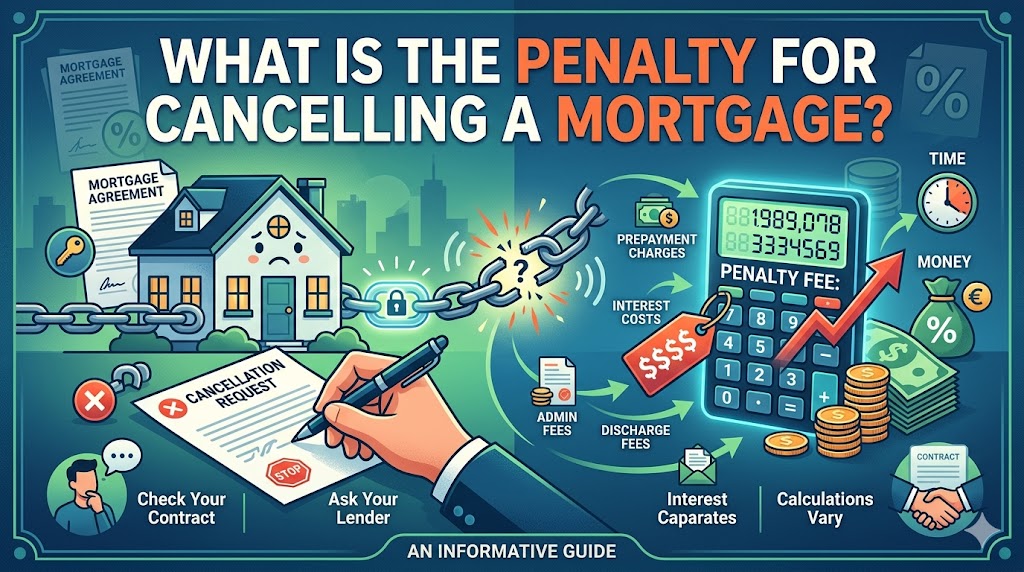
                  • Definitive Master Guide: Commercial Real Estate in Cebu (2026) – SeekCebu

                    Commercial Real Estate in Cebu

                    Cebu’s commercial real estate market in 2026 is a story of striking contrasts. One segment is quietly booming with near-full occupancy. Another is wrestling with oversupply and softening rents. And a third is reinventing itself entirely, prioritizing experience over square footage.

                    For investors, tenants, and business owners, understanding these divergent trends is not optional—it is the difference between seizing opportunity and walking into a trap. This guide breaks down the office, retail, and warehouse sectors honestly, with the data you need to make informed decisions.


                    The Big Picture: Cebu’s Commercial Landscape in 2026

                    Cebu remains the Philippines’ premier provincial commercial hub. In 2025, Cebu accounted for 150,000 square meters, or 55 percent, of provincial office take-up nationwide, representing 33 percent year-on-year growth. The city’s economy is heavily driven by services, which account for 89.5 percent of total economic output.

                    But 2026 is not 2025. The market has entered a “recalibration” phase. Slowing GDP growth, rising inflation, and geopolitical risks are reshaping Philippine real estate, demanding proactive strategies and flexible formats. The era of across-the-board gains is over. Success now belongs to those who understand which sub-sectors are thriving and which are struggling.


                    Local Context: The “On-the-Ground” Reality

                    If you drive through Cebu IT Park today, you see a bustling hub—coffee shops full of young professionals, office towers gleaming in the afternoon sun, and a palpable energy that suggests endless opportunity. But if you look at the vacancy data, you see a market that is cooling. Office demand fell 66 percent year-on-year in the first quarter of 2026. Rents are softening. Shadow supply is a growing concern.

                    This disconnect—between what you see and what the numbers say—is exactly why professional due diligence is more important in 2026 than it was a year ago. The bustling streets mask a market that is becoming increasingly selective. Only the best locations, the highest-quality buildings, and the most strategic sectors will deliver strong returns. The days of buying any commercial property in Cebu and automatically making money are over.


                    Office Space: A Market in Transition

                    The office sector is the most complex and contradictory part of Cebu’s commercial real estate story.

                    The 2025 Boom

                    Cebu’s office market posted its strongest year on record in 2025, with demand jumping 110 percent from 2024 levels. The information technology-business process management sector accounted for 76 percent of office demand. Cebu City emerged as the largest BPO leasing market in 2025, with 71,000 square meters of new office space leased—outpacing all Metro Manila submarkets.

                    Several major office buildings reached full occupancy, including Bonifacio District’s Faustina Center, Central Bloc Corporate Center, and Filinvest Cyberzone Cebu Towers 3 and 4. Cebu IT Park recorded 96,000 square meters of office transactions in the first nine months of 2025, with vacancy dropping from 28 percent in Q3 2022 to 14 percent in Q3 2025.

                    The 2026 Slowdown

                    Then came the reckoning.

                    In the first quarter of 2026, Cebu office demand fell 66 percent year-on-year to just 11,000 square meters. Average transaction size also declined sharply to 445 square meters from 1,886 square meters a year earlier. CBRE described the market as “a busy but unproductive market,” noting that while the number of deals increased, deal sizes shrank significantly.

                    CBRE now expects overall Cebu office vacancy to rise to between 18 percent and 22 percent by the end of 2026, higher than their earlier 15.4 percent forecast.

                    The Submarket Divide

                    The vacancy numbers tell a story of extreme geographic disparity. In the first quarter of 2026:

                    • Cebu Business Park had the tightest vacancy at 9.3 percent
                    • Cebu IT Park recorded 11.1 percent, though adjusted vacancy factoring in shadow supply is estimated at 14 to 16 percent
                    • Fringe areas posted 23.3 percent vacancy
                    • Mactan had the highest vacancy at 30.4 percent

                    The gap between prime and secondary locations is widening. High-quality, well-located buildings in IT Park and Cebu Business Park continue to attract tenants, while fringe and Mactan locations struggle with oversupply.

                    Shadow Supply: The Hidden Risk

                    A growing concern is “shadow supply”—office spaces that are technically leased but remain unused and may re-enter the market. CBRE warns that shadow supply is “starting to bear down on pricing in core sub-districts”. This means even the tightest submarkets may face hidden pressure that official vacancy numbers do not capture.

                    Rental Rates Under Pressure

                    Rental conditions are softening. Fair market rents in Cebu IT Park fell 1.3 percent quarter-on-quarter to 541.19 pesos per square meter. In Cebu Business Park, rents declined 1.4 percent to 627.55 pesos per square meter.

                    The gap between published fair market rents and actual transacted rates has widened as landlords offer incentives to retain and attract tenants. As CBRE put it: “The fair market rent is increasingly a ceiling, not a floor”.

                    The Supply Pipeline

                    Approximately 180,000 square meters of new office space is scheduled for completion in 2026, with 60 percent concentrated in premium nodes where vacancy is already tight. Major projects expected to add supply this year include the 60,000-square-meter SM City Cebu office development, Astra Corp Centre, Grand Tower, and Masters Tower.

                    CBRE warns that rental gains in fringe and Mactan areas “may prove temporary once SM City Cebu’s office project is completed in the fourth quarter”. Tenants are expected to gain more negotiating leverage amid rising vacancy, while landlords may need to offer more flexible lease structures and fit-out support to remain competitive.

                    The Long-Term Outlook

                    Despite the current slowdown, Cebu’s long-term office fundamentals remain strong. Savills Philippines notes that while new supply may cause a temporary uptick in vacancy rates by 2027, it positions Cebu as a primary beneficiary of ongoing corporate decentralization away from Metro Manila.

                    Colliers maintains that diversification toward provincial markets is expected to persist beyond 2026. However, the market is becoming more discerning. Only high-quality, well-located buildings in prime districts will dominate.


                    Retail Space: Experience Over Expansion

                    Cebu’s retail property market tells a different story—one of selective growth and strategic reinvention.

                    High-Street Rents Among the Nation’s Highest

                    Cebu’s high-street rents now range from about 450 to as much as 2,000 pesos per square meter per month, with prime locations in Metro Cebu matching or even exceeding top-tier rates in parts of Metro Manila. The tighter rental band in Cebu suggests a more balanced market, supported by steady consumer activity and limited supply of prime high-street locations.

                    At very premium locations, rental rates in Cebu actually command higher rates than some areas in Metro Manila.

                    What’s Driving Demand

                    Retail demand remains robust, driven largely by food and beverage operators, which continue to dominate both new market entries and network expansions. A surge in coffee chains has intensified competition, with both local and international brands accelerating store rollouts. Health and wellness concepts—ranging from boutique fitness studios to lifestyle-oriented service retailers—are emerging as a key growth segment.

                    Foreign brands are showing growing interest in expanding outside the capital, and Cebu is a primary beneficiary.

                    The Experience Shift

                    Developers are reconfiguring mall formats to emphasize “dwell time” rather than sheer footfall. Open-air and al fresco spaces are being expanded to encourage longer visits, while tenant mixes are increasingly curated to avoid duplication and foster differentiated experiences.

                    As one CBRE executive put it: “The focus is no longer just about bringing people in, but keeping them there longer”. Longer dwell times typically translate into higher consumer spending.

                    This shift is prompting a broader rethink of mall development strategies. Rather than adding more retail space indiscriminately, landlords are becoming more selective about site location and tenant composition. The emphasis is moving from aggregation to curation—prioritizing complementary concepts that align with evolving consumer preferences.

                    For developers, the message is increasingly clear: build less, but build smarter. Location, tenant mix, and experiential design are emerging as the key differentiators.

                    Major Developments

                    Ayala Land is undertaking its largest retail expansion to date in 2026, adding more than 200,000 square meters of new retail space nationwide, with Cebu remaining a central growth area. The company has already completed reinvention works at Ayala Center Cebu, positioning the mall as a “social infrastructure” hub rather than a purely retail destination. About 78 percent of leases due for renewal in 2026 have already been secured or replaced, helping sustain high occupancy levels.

                    Ayala Malls Gatewalk is set to open in December 2026. This four-level, air-conditioned complex will be anchored by IKEA, marking the Swedish home furnishings retailer’s first store in Cebu and the wider Visayas. The mall will be connected to an office tower and a public transport hub, designed to serve Cebu’s growing residential, office, and visitor markets.

                    SM Supermalls continues to expand its Cebu presence, introducing new brands across fashion, technology, dining, and lifestyle categories.

                    The Outlook

                    The outlook for Cebu’s retail sector remains positive, underpinned by resilient domestic consumption and growing interest from both local and foreign brands seeking expansion outside the capital. Colliers expects future growth to be led by upscale and premium malls that prioritize experience, curation, and omnichannel strategies.


                    Warehouse and Industrial Space: The Silent Boom

                    If office space is struggling and retail is reinventing itself, the warehouse and industrial sector is quietly thriving.

                    Near-Full Occupancy

                    Cebu’s warehouse supply now exceeds 5 million square meters with a remarkable 97 percent occupancy rate. Cebu has the lowest warehouse vacancy rate among the country’s industrial hubs at just 1.05 percent.

                    Cold chain storage supply in Cebu has tightened even further, with vacancy rates at only 2 percent. This reflects surging demand for temperature-controlled logistics driven by food security concerns and the growth of e-commerce.

                    Lease Rates

                    Average warehouse lease rates in Cebu sit at 246.9 pesos per square meter. While rates have remained firm despite increasing supply, the ongoing Middle East conflict is pushing lessors to consider raising lease rates amid rising construction and operational costs.

                    What’s Driving Demand

                    Transportation and logistics operations account for as much as 48 percent of industrial property demand, while manufacturing represents 18 to 20 percent and other services comprise 15 to 18 percent.

                    Industrial sector supply climbed to 1.3 million square meters in the first quarter of 2026 from 1.2 million square meters previously. Warehouse facility supply has posted an average annual growth rate of 1.8 percent since 2017 and is expected to continue expanding through 2028.

                    Emerging Hotspots

                    Industrial decentralization is creating emerging logistics hotspots across Cebu province. Newer developments are on track to create new hotspots in areas such as Balamban, Danao, and Naga.

                    West Cebu Estate in Balamban, a 540-hectare industrial hub registered with the Philippine Economic Zone Authority, has become a thriving hub for industrial growth. Prestige Warehousing and Logistics Inc. recently secured a 1.2-hectare site at the estate, strengthening its logistics and supply chain presence in Cebu.

                    AyalaLand Logistics is rapidly expanding cold storage capacity. The newly opened Artico Consolacion facility in Cebu adds significant capacity to the company’s network.

                    Mandaue City continues to strengthen as one of the most strategic industrial hubs in the Visayas, with a dense network of logistics service providers.

                    The Long-Term Trend

                    Industrial spaces are now “the hottest part of the market,” especially in fast-growing areas like Cebu. As multinational companies diversify production away from China and expand manufacturing networks across the region, demand for industrial and logistics real estate is rising rapidly.

                    Prime Philippines projects nationwide industrial supply to grow by approximately 1.3 to 1.5 percent by the end of 2026. Transportation and logistics are expected to remain the primary demand drivers.


                    The Investor’s Take: Which Sector in 2026?

                    Office Sector: The “Cautious” Play

                    The office sector is the riskiest bet in 2026. Vacancy is rising, rents are softening, and shadow supply is a hidden threat. The 66 percent year-on-year drop in Q1 demand is a genuine warning sign.

                    However, prime locations in Cebu IT Park and Cebu Business Park continue to perform. If you are considering office investment, focus exclusively on Grade A buildings in these proven corridors. Avoid fringe areas and Mactan, where vacancy exceeds 23 percent and 30 percent respectively. Be prepared for tenants to demand more flexible lease terms and fit-out support.

                    The opportunity: Tenants now have negotiating leverage. If you are an occupier, 2026 is an excellent time to secure favorable terms. If you are a landlord, differentiate through quality, location, and service.

                    Retail Sector: The “Experience” Play

                    Retail offers a more balanced picture. High-street rents remain strong, and demand from food and beverage operators and foreign brands continues. However, the market is shifting toward experience over expansion.

                    The opportunity: Invest in well-located retail spaces in prime high-street corridors or curated mall environments. Look for assets with high “dwell time”—properties that emphasize experiential design, open-air spaces, al fresco dining, and lifestyle-oriented tenant mixes. Avoid indiscriminate retail development in secondary locations. The IKEA-anchored Ayala Malls Gatewalk opening in December 2026 will likely reshape retail dynamics in its catchment area. Focus on properties that prioritize curation over aggregation—complementary concepts that align with evolving consumer preferences rather than simply filling square footage.

                    Warehouse Sector: The “Growth” Play

                    If there is a bright spot in Cebu’s commercial real estate market in 2026, it is the warehouse and industrial sector. With 97 percent occupancy, 1.05 percent vacancy, and surging demand from logistics and e-commerce, this is where the fundamentals are strongest.

                    The opportunity: Industrial land and warehouse assets are among the most attractive sectors for long-term investors. Cold storage is particularly undersupplied at just 2 percent vacancy. Prioritize emerging logistics hubs like Naga, Balamban, and Danao, where ground-floor opportunities still exist. Average annual net yields for logistics spaces exceed 7 percent.

                    The key risk is rising construction costs driven by geopolitical tensions. However, strong demand and limited supply suggest that well-located industrial assets will continue to perform.


                    Final Take

                    Cebu’s commercial real estate market in 2026 is not a single story. It is three distinct narratives playing out simultaneously.

                    Office space is in transition. After a record-breaking 2025, the market is correcting. Vacancy is rising, rents are softening, and shadow supply is a hidden threat. The winners will be premium buildings in prime locations. The losers will be secondary spaces in oversupplied fringe areas.

                    Retail space is reinventing itself. The old model of adding square footage indiscriminately is dead. Success now belongs to curated, experiential destinations that keep consumers engaged longer. High-street rents remain strong, and foreign brands are expanding into Cebu.

                    Warehouse and industrial space is quietly booming. With 97 percent occupancy and just over 1 percent vacancy, this is the strongest commercial real estate sector in Cebu in 2026. Logistics, e-commerce, and cold storage are driving demand, and emerging hotspots are creating new opportunities.

                    The era of easy money in Cebu commercial real estate is over. But for the discerning investor who understands these divergent trends, the opportunities in 2026 are real—you just need to know where to look.


                    The Final Word

                    The data provides the map, but local expertise provides the compass. Cebu’s commercial real estate market in 2026 demands more than just reading numbers—it requires understanding the on-the-ground reality behind those numbers. The bustling streets of IT Park and the growing industrial corridors of Balamban are not contradictions; they are different facets of a complex, evolving market.

                    Whether you are looking to optimize your office lease, secure a prime retail location, or identify the next industrial hotspot in Balamban or Naga, having a ground-level view of these divergent trends is your biggest competitive advantage. The opportunities are there. The data is clear. Now it is about making the right move at the right time.


                    Disclaimer: This article is for informational purposes only and does not constitute financial, legal, or investment advice. Commercial real estate investments involve substantial risk, including the potential loss of principal. Always conduct your own due diligence, consult with licensed real estate professionals and legal counsel, and verify all data with current market sources before making any investment decision.

                      Author
                      John Paul Ybañez Paquibot
                      Licensed Real Estate Broker | PRC No. 00014132 | DHSUD No. CVRFO-B-03/18-2672
                      Bachelors Realty and Brokerage, Inc. Cebu
                      G/F Cap Building, Brgy. Corner, Osmeña Blvd.
                      Arlington Pond St. Extension, Cebu City, 6000 Cebu

                    • Definitive Master Guide: Foreclosed Properties in Cebu (2026) – SeekCebu

                      Foreclosed Properties in Cebu

                      Buying a foreclosed property in Cebu can be a lucrative investment strategy—but it is not a shortcut to wealth. While these assets often come with significant discounts ranging from 20 to 50 percent below market value, they demand rigorous due diligence, patience, and a high tolerance for uncertainty.

                      This guide merges the sharp, scannable structure of a quick reference with the deep, actionable intelligence you need to actually protect your capital. It walks you through the entire process: where to find these properties, how to evaluate them, how the bidding works, and—most importantly—how to avoid the traps that swallow inexperienced buyers.


                      The Brutal Truth Upfront

                      Foreclosed properties are sold on an “as-is, where-is” basis. This means the seller makes no warranties about the property’s condition. If you discover a major structural defect, a hidden lien, or an illegal occupant after purchase, you have no legal recourse against the bank or government agency. The property is yours, problems and all.

                      The low price tag is compensation for these risks. In 2026, with Cebu’s real estate market becoming more selective and interest rates still elevated, the margin for error is thinner than ever. Success belongs to those who do their homework.


                      Where to Find Foreclosed Properties in Cebu

                      In 2026, you can locate foreclosed listings through the following primary channels.

                      Government Sources

                      Pag-IBIG Fund is the largest source of acquired assets in the country. Their inventory includes residential lots, townhouses, condominiums, and house-and-lot properties across Cebu. Pag-IBIG conducts public auctions through their Online Public Auction (OPA) portal, where you can bid remotely without visiting a physical office. Listings are updated regularly, and properties are categorized as “1st Public Auction” (newly listed, first time offered) or subsequent auctions (properties that didn’t sell previously). Bidding windows are typically short—for example, a Cebu property might accept bids from June 22 to June 26, 2026.

                      The Philippine Deposit Insurance Corporation (PDIC) sells properties acquired from closed banks. In 2026, PDIC has been actively disposing of assets through electronic bidding (e-bidding), with recent sales covering 44 properties across Visayas and Mindanao. Their online portal at assetsforsale.pdic.gov.ph allows prospective buyers to register, view the complete property catalogue, and submit bids from any location.

                      Other government agencies like the Social Security System (SSS) also sell foreclosed properties, typically through negotiated sale rather than public auction.

                      Private Banks

                      Major Philippine banks maintain regularly updated lists of their acquired assets—often called ROPA (Real and Other Properties Acquired). Banks like BDO, BPI, Metrobank, Security Bank, EastWest Bank, and Maybank all publish these lists on their websites.

                      In Cebu, recent bank listings include:

                      • Maybank foreclosed condominium units in Casa Mira Tower, Labangon
                      • EastWest Bank residential lots in Alta Vista Subdivision, Bulacao
                      • Metrobank properties with improvements in Midori Plains Subdivision, Minglanilla

                      Negotiated Sales

                      If a property does not sell at auction, banks often move it to a “negotiated sale” list. This can offer more flexibility in pricing and payment terms, as you are dealing directly with the bank rather than competing in a public auction.

                      Aggregator Platforms

                      Websites like ForeclosurePhilippines.com consolidate listings from multiple banks and government institutions, making it easier to search across sources in one place. Lamudi and other real estate portals also feature foreclosed property sections.


                      Evaluating a Foreclosed Property: The Due Diligence Checklist

                      This is where most inexperienced buyers lose money. A low price is meaningless if the property comes with hidden costs, legal entanglements, or structural nightmares. Do not skip a single step on this checklist.

                      Physical Inspection

                      Never buy a foreclosed property sight unseen. Listings provide basic information—price, lot size, floor area, and location—but they will not tell you if the roof is collapsing, if the plumbing is corroded, or if the property is located in a flood-prone area.

                      Schedule a visit as soon as possible. Good deals don’t stay available for long. During your inspection:

                      • Check for structural damage: cracks in walls, water stains on ceilings, sagging floors, signs of pest infestation. These may indicate underlying structural issues that will be expensive to repair.
                      • Test utilities: does the property have working electricity, water, and sewage connections? In Cebu’s competitive market, a “cheap” property is often inexpensive precisely because it lacks the utility connections required to live or build legally.
                      • Look for signs of neglect: foreclosed homes are often left vacant for months or years, leading to significant deterioration.
                      • Visit at different times of day to assess the neighborhood’s character, noise levels, security, and flood risk.
                      • Talk to neighbors if possible. They may know about problems the listing doesn’t mention—legal disputes, boundary issues, or informal settlers.

                      Occupancy Status

                      This is a potential deal-breaker. Is the property vacant or occupied?

                      If occupied, you are buying the structure but not necessarily the right to occupy it immediately. Evicting informal settlers or former owners can take months or years and cost a fortune in legal fees. Some listings explicitly state “occupied,” while others are vacant. Treat occupied properties with extreme caution unless you have the resources and patience for a lengthy legal eviction process.

                      Title and Legal Verification

                      This is the single most important step. A property might look perfect, but if the title is clouded, you are buying a lawsuit.

                      • Obtain a Certified True Copy of the title from the Registry of Deeds. This ensures the seller is the registered owner.
                      • Check for encumbrances: are there existing mortgages, liens, adverse claims, or court cases attached to the property? Some foreclosed properties have pending legal disputes, and you may inherit these issues.
                      • Confirm the property’s classification: is it residential, agricultural, or commercial? Zoning matters. Check local zoning ordinances to ensure the property is suitable for your intended use.
                      • Check for boundary issues: has the property been surveyed recently? Boundary disputes are common and expensive to resolve.

                      Unpaid Liabilities

                      You are responsible for all outstanding debts attached to the property. These can include:

                      • Real property taxes (back taxes can accumulate significantly over years of non-payment)
                      • Association dues (if in a subdivision or condominium, these can be substantial)
                      • Utility bills (electricity and water bills left unpaid by the previous owner)
                      • Other liens (mechanic’s liens, court-ordered judgments)

                      Get a full accounting of these liabilities before you bid. They can add tens of thousands of pesos to your total cost.

                      Hidden Costs

                      The purchase price is just the beginning. Factor in the full acquisition cost:

                      • Capital gains tax (typically 6 percent of the selling price or zonal value, whichever is higher)
                      • Documentary stamp tax
                      • Transfer tax and registration fees
                      • Real property taxes (current and back taxes)
                      • Association dues (if applicable)
                      • Repair and renovation costs (often substantial for neglected properties—budget 10 to 20 percent of the purchase price as a rule of thumb)

                      A property that looks like a bargain at 30 percent below market value can quickly become a money pit once these costs are added.


                      The Bidding and Purchase Process

                      The specific process varies depending on the seller. Here is how each works.

                      For Pag-IBIG Public Auction (OPA Portal)

                      1. Browse listings on the Pag-IBIG OPA portal or their official website.
                      2. Register on the OPA platform. Both individual buyers and companies can register.
                      3. Select properties of interest and conduct your due diligence—inspection, title verification, cost assessment.
                      4. Submit your bid during the specified acceptance period. Bids are submitted online. Bidding windows are typically short—for example, a Cebu property might accept bids from June 22 to June 26, 2026.
                      5. Wait for the results. Pag-IBIG typically announces winning bidders after the bidding period closes.
                      6. Complete the payment and transfer documents. If you win, you will need to pay the full amount within a specified period.

                      For PDIC E-Bidding

                      1. Register on the PDIC portal at assetsforsale.pdic.gov.ph.
                      2. Review the property catalogue, which includes detailed descriptions and bidding procedures.
                      3. Submit your bid electronically during the scheduled e-bidding dates.
                      4. Complete the purchase if your bid is successful.

                      For Bank ROPA (Negotiated Sale)

                      Banks typically sell their acquired assets through negotiated sale rather than public auction. This means you make an offer directly to the bank, and they accept or reject it. The process is more flexible but also less transparent—you won’t know if other buyers are offering more.

                      1. Review the bank’s ROPA list on their website.
                      2. Submit a formal “Offer to Buy” form. The bank will evaluate your offer.
                      3. Negotiate price and terms if your offer is not immediately accepted.
                      4. Complete the purchase if an agreement is reached.

                      The Real Risks: What the Brochures Don’t Tell You

                      Foreclosed properties are not for everyone. Here are the risks that get downplayed in marketing materials.

                      You are buying someone else’s problem. The previous owner defaulted for a reason—often because they could not afford the property. That same financial distress may have led to neglect, deferred maintenance, or even deliberate damage.

                      “As-is, where-is” means no recourse. If you discover a major structural defect after purchase, you cannot go back to the bank and ask for repairs or a refund. The property is yours, problems and all.

                      Eviction can be a nightmare. If the property is occupied, you are not just buying a house—you are buying a legal battle. Evicting occupants can take years and cost hundreds of thousands of pesos in legal fees.

                      Title issues can be buried. Some foreclosed properties have pending court cases, unclear documentation, or disputes over boundaries. These may not surface until after you have paid.

                      Low appraisal = low financing. Banks may appraise foreclosed properties at their purchase price, not their market value. This can limit your ability to get financing or refinance later.

                      Competition is real. Good deals attract multiple bidders. In a competitive auction, it is easy to get caught up and overbid. Know your maximum price before you start.


                      Who Should Buy Foreclosed Properties?

                      Foreclosed Properties Are Best Suited For:

                      • Experienced investors who have capital for repairs and the patience for legal processes.
                      • Buyers with cash who can avoid the delays and uncertainties of bank financing.
                      • Those with construction or renovation expertise who can accurately assess repair costs.
                      • People who can visit the property in person and conduct thorough inspections.
                      • Investors who understand the legal process of eviction and title transfer.

                      Foreclosed Properties Are NOT Ideal For:

                      • First-time buyers with limited capital and no renovation experience.
                      • Anyone who needs to move in immediately (occupied properties and repair delays will frustrate you).
                      • Buyers relying on 100 percent financing (banks are cautious about lending on foreclosed assets).
                      • Anyone unwilling to invest time in physical inspections and title verification.
                      • Emotional buyers who might overbid in a competitive auction.

                      The Smart Money Approach for 2026

                      If you are serious about buying a foreclosed property in Cebu this year, here is a realistic, disciplined strategy.

                      Start small. Consider a lot-only purchase or a smaller unit rather than a large, complex property. This limits your downside while you learn the process.

                      Build a team. Work with a licensed real estate broker who specializes in foreclosed properties. They have access to databases and can help you navigate the process. Also engage a lawyer for title verification and a contractor for inspection.

                      Secure financing pre-approval before bidding. Banks favor bidders who demonstrate clear financial capacity. If you are financing the purchase, have your pre-approval ready.

                      Be patient. The best deals don’t appear overnight. Monitor listings regularly—new properties are added weekly. Pag-IBIG’s 1st Public Auction listings, in particular, offer “first dibs” at properties that haven’t been passed over by other buyers.

                      Budget for repairs. Assume you will need to spend at least 10 to 20 percent of the purchase price on renovations. If you are wrong and the property is in better condition, that’s a pleasant surprise. If you are right, you are prepared.

                      Know your walk-away point. Set a maximum bid and a maximum repair budget before you start. Emotional bidding is how people overpay for problems. Stick to your numbers.

                      Document everything. Keep records of all communications, bids, and due diligence findings. This will protect you if disputes arise.


                      Final Verdict

                      Foreclosed properties in Cebu can be excellent investments—but they are not passive investments. They demand time, money, and a willingness to get your hands dirty. The 20 to 50 percent discount is real, but so are the risks: structural neglect, legal entanglements, occupied units, and hidden costs.

                      In 2026, with Cebu’s market becoming more discerning, the days of buying any foreclosed property and automatically making money are over. Success belongs to those who do their homework—who inspect the property, verify the title, check occupancy status, and budget realistically for repairs.

                      If you are willing to put in that work, foreclosed properties offer a genuine path to below-market acquisition. If you are looking for a simple, hassle-free purchase, buy a traditional property and pay the premium for peace of mind.

                      The choice is yours. Just make it with your eyes open.

                      You might want to read about
                      Condotel investment in Cebu
                      House and lot vs Lot Only Investment


                      Disclaimer: This guide is for informational purposes only and does not constitute financial, legal, or investment advice. Foreclosed property investments involve substantial risk, including the potential loss of principal. Always obtain Certified True Copies of titles from the Registry of Deeds, conduct physical inspections, consult with licensed real estate professionals and legal counsel, and perform thorough due diligence before making any purchase. The specific properties, bidding dates, and platforms mentioned are provided as examples and may change without notice.

                        Author
                        John Paul Ybañez Paquibot
                        Licensed Real Estate Broker | PRC No. 00014132 | DHSUD No. CVRFO-B-03/18-2672
                        Bachelors Realty and Brokerage, Inc. Cebu
                        G/F Cap Building, Brgy. Corner, Osmeña Blvd.
                        Arlington Pond St. Extension, Cebu City, 6000 Cebu